My Tho Travel Guide: Plan Your Mekong Delta Visit

My Tho is one of the easiest Mekong Delta destinations to add to a Vietnam itinerary. It combines a working provincial city with access to the Tien River, small canals, orchards, temples, and regional food. This My Tho travel guide helps first-time visitors decide whether to come for a day or stay overnight, choose a base, arrange transport, and set realistic expectations for river activities. It also explains how My Tho fits with nearby Ben Tre and Can Tho.
My Tho at a Glance
My Tho is a practical introduction to the delta rather than a remote countryside escape. The city provides everyday services, food, accommodation, and road connections, while most canal and orchard experiences take place beyond the central streets.
Why Visit My Tho
Visit My Tho if you want a compact Mekong Delta experience without committing to a long journey deeper into the region. It is a commercial center of Tien Giang Province and a well-known gateway to delta waterways, as described by Vemekong. A short visit can combine a temple, a riverfront walk, local food, and a boat outing.
Its main advantage is accessibility from Ho Chi Minh City. This makes My Tho suitable for travelers with limited time, families, or visitors who prefer organized logistics. However, the city itself is urban and active. The coconut groves, narrow canals, and fruit gardens often associated with the Mekong Delta are generally reached by boat or road excursion, not found on every central street.
Many visitors come on a day tour. Staying overnight is worthwhile if you want to avoid a rushed return journey, eat at a local pace, or spend more time in the city and surrounding countryside.
How Long to Stay
A day trip works for a first look at My Tho: travel from Ho Chi Minh City, visit one cultural site, take a river or canal excursion, and have a meal before returning. It is best for travelers who value convenience more than unstructured time.
Choose one night if you want a calmer pace. You can arrive, orient yourself around the riverfront and market area, fit in a temple or boat activity, and enjoy an evening meal without watching the clock. The following morning can be used for breakfast, a short walk, or onward travel.
Allow two or more nights only if My Tho is part of a wider route that includes Ben Tre, a rural homestay, or another delta base. Road traffic, rain, boat availability, and transfer arrangements affect how much time is genuinely usable, so avoid building a plan around a tightly fixed sequence.
Choose My Tho Within a Mekong Delta Itinerary
My Tho, Ben Tre, and Can Tho offer different ways to experience the delta. The best choice depends on whether you want a short introduction, a quieter rural stay, or a larger city base for a longer route.
My Tho, Ben Tre, and Can Tho Compared
| Base | Best for | Character | Planning note |
|---|---|---|---|
| My Tho | Short first visit | Urban gateway with river access | Convenient for a brief delta trip |
| Ben Tre | Canals and rural stays | Quieter coconut-growing landscape | Useful for homestay and cycling plans |
| Can Tho | Longer delta route | Larger city with broader services | Better for a deeper regional itinerary |
My Tho suits travelers starting from Ho Chi Minh City who want a manageable introduction to the region. Ben Tre often appeals to people seeking a quieter canal-and-orchard setting, while Can Tho is a larger urban base farther into the delta. Tien Giang lies alongside the Tien River, and My Tho is one of its main visitor entry points, as outlined by Best Price Travel.
None of these places is automatically better than the others. Choose My Tho for limited time and simple access, Ben Tre for a slower rural setting, and Can Tho when your itinerary allows more road travel and more than a short stop. Journey duration, route availability, and schedules vary, so treat travel estimates from booking sites or older guides as indicative.
Where My Tho Sits and How the City Is Organized
My Tho sits in Tien Giang Province near the Tien River, one of the major branches of the Mekong system. For visitors, the most useful mental map is simple: the central commercial area and riverfront are the practical core; Vinh Trang Pagoda lies outside the immediate center; and canal, island, orchard, and rural experiences are usually outside the city core.
My Tho Market is a useful central reference point for food, shopping, and daily activity. Nguyen Hue Street and 30 Thang 4 Street are practical names to recognize when reading accommodation descriptions, arranging a pickup, or orienting yourself in town. A hotel described as “My Tho” may still be some distance from the river, market, or boat boarding area, so use the actual map location rather than the label alone.
Best Base for a Short Visit
For most short visits, stay near the central riverfront and market area. This puts restaurants, everyday services, central streets, and short onward transfers within easier reach. It is the simplest choice for travelers arriving independently or leaving early the next day.
A countryside homestay is a better fit if your priority is orchards, canals, cycling, and a quieter setting. The compromise is fewer nearby restaurants and shops, along with a greater need to arrange arrival and departure transport. Before reserving a rural stay, confirm its exact location, the final transfer from town, and whether the host can help with transport to your next destination.
Getting to and Around My Tho
Most visitors reach My Tho by road from Ho Chi Minh City. Once there, central sights can be relatively close together, but river activities and rural stops require more planning.
Travel from Ho Chi Minh City by Road
Intercity buses, minibus services, private cars, and organized day tours are the usual road options from Ho Chi Minh City. Buses may depart from the Western Bus Station in Ho Chi Minh City or from operator offices and pickup points elsewhere in the city. These arrangements can change, so do not assume that an old timetable, fare, or terminal listing remains correct.
Before traveling, confirm the current departure terminal, exact pickup point, journey time, luggage rules, arrival location in My Tho, and the last practical return option with the operator. This matters especially when a ticket says “Ho Chi Minh City” or “My Tho” without a detailed address. Keep the operator contact details and allow time to reach the departure point through city traffic.
Buses, Private Cars, and Day Tours
A bus is usually the lower-cost independent option, but it may require transfers to and from stations or offices. A private car provides door-to-door convenience and can be practical for families, travelers with substantial luggage, or small groups sharing the cost. It also gives more control over stops, although the driver, waiting time, and inclusions should be agreed in advance.
A day tour bundles transport with a boat trip and selected stops. It is useful for visitors who do not want to negotiate separate tickets, but the trade-off is a fixed pace and a compressed schedule. When comparing providers, look for a clear pickup confirmation, stated inclusions, group size expectations, luggage handling, return plan, cancellation terms, and a contact method for the day of travel.
Getting Around the City and Countryside
The central riverfront, market area, food stalls, and some city sights can be explored on foot if you are comfortable with heat, humidity, and busy traffic. For Vinh Trang Pagoda, more distant accommodation, or rural attractions, use a taxi, ride-hailing car, hotel-arranged vehicle, bicycle, or guided transport according to the distance and weather.
Bicycles can be rewarding on quieter rural roads, but they are less suitable for every road connection from the city. Self-drive motorbikes should not be treated as the default option for international visitors. Use a licensed driver or only self-drive with the credentials and insurance legally required for Vietnam. Check that the vehicle, helmet, road conditions, and your experience level are appropriate before setting out.
Planning a River and Canal Excursion
A typical outing may combine a larger motorized boat on open river water with a smaller sampan through narrower canals. Thoi Son Island, fruit tastings, coconut-related stops, short cultural performances, and garden paths may appear on some itineraries, but they are optional commercial components rather than a guaranteed standard route.
Before paying, confirm the boat operator, route, boarding point, group size, inclusions, entrance fees, meal arrangements, life-jacket availability, and weather cancellation policy. Ask whether the sampan section is included or optional. A sightseeing boat trip is an arranged visitor activity, not simply everyday local transport, and its pace may include shopping or tasting stops that do not suit every traveler.
Where to Stay in My Tho
Accommodation choices are mainly between central hotels and more rural homestays. The best option depends on whether you value convenience or an overnight countryside setting.
Central Riverfront and Market Area
The central area is the most practical base for restaurants, market visits, a riverfront walk, and short transfers. It also makes sense for a one-night stay before continuing to Ben Tre or another destination. River-facing rooms can be pleasant, but nearby traffic, activity, and varying hotel soundproofing may affect the experience.
When comparing properties, check the walking distance to the actual pier, market, and main road rather than relying on a “riverfront” description. Recent guest reviews, current photographs, cancellation conditions, breakfast arrangements, and access for cars or taxis are more useful than generic marketing text.
Countryside Homestays and Orchard Areas
A rural homestay can add orchard walks, canal scenery, cycling, and communal meals to a My Tho visit. It is a good choice for travelers who want to slow down after time in larger Vietnamese cities. It does not automatically provide a more meaningful experience; the quality depends on the host, location, activities, and your expectations.
Before booking, confirm whether there is a private bathroom, air conditioning or fans, included meals, dietary options, cashless payment, reliable arrival directions, and transport after dark. Ask how far the property is from town and whether it can arrange a boat, bicycle, car, or transfer. These details are especially important when arriving with luggage or during rain.
How to Choose and Book Accommodation
Start with location: central hotel for convenience, rural homestay for a countryside focus. Then compare comfort, room type, transport access, breakfast or meal arrangements, and whether your planned boat activity departs nearby. Current reviews matter because accommodation standards and services can change.
Book ahead if you need a family room, a specific riverfront location, a property with accessible transport, or a rural stay with limited rooms. Travelers on an organized tour should still confirm where the overnight stay is located and whether pickup is included. Prices and availability vary by date, demand, and booking terms, so it is better to compare current listings than rely on a fixed budget range.
Things to Do in My Tho
The best My Tho itinerary balances a few city experiences with one water or countryside activity. Trying to cover every possible island, temple, market, and orchard in one day usually produces more travel time than enjoyment.
Vinh Trang Pagoda and Religious Sites
Vinh Trang Pagoda is one of the cultural stops most commonly associated with My Tho and can be paired with a central meal or river outing. Its grounds and Buddhist setting make it a useful counterpoint to the commercial riverfront. Visitor-oriented listings also identify the pagoda, temples, and riverfront as key local points of interest, including on Expedia.

The wider area includes Buddhist, Catholic, Cao Dai, and local religious sites, but access and visitor rules differ. Dress modestly, speak quietly, avoid blocking worshippers, and ask before taking close photographs. Check current opening times, access rules, and any appropriate donation practice locally. A temple visit is often easiest in the cooler part of the day before returning to central My Tho or heading to a boat departure.
Riverfront, Markets, and Local Life
The central riverfront is best approached as a place to walk, observe river traffic, and see how My Tho connects commerce and water. It is not a substitute for a canal excursion, but it adds useful context before or after one. Take time for a coffee, a simple meal, or a short walk rather than expecting a large formal attraction.
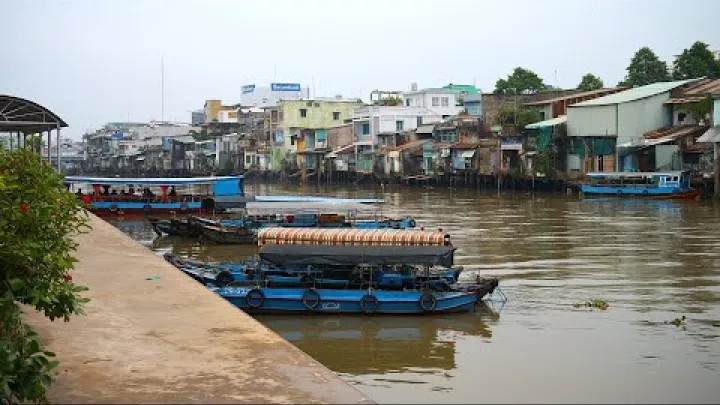
My Tho Market is useful for produce, household goods, snacks, and everyday city atmosphere. Evening food areas can offer a more social dining setting, while daytime markets are more focused on regular shopping and fresh ingredients. Operating patterns can change, so ask your accommodation which areas are active at the time you visit instead of planning around a promised market spectacle.
Thoi Son Island, Canals, Orchards, and Cycling
Thoi Son Island and nearby waterways help visitors move beyond the city setting. A short packaged excursion is convenient for a river crossing, sampan ride, tasting stop, and brief garden visit. It is best for travelers with limited time who want a simple overview.
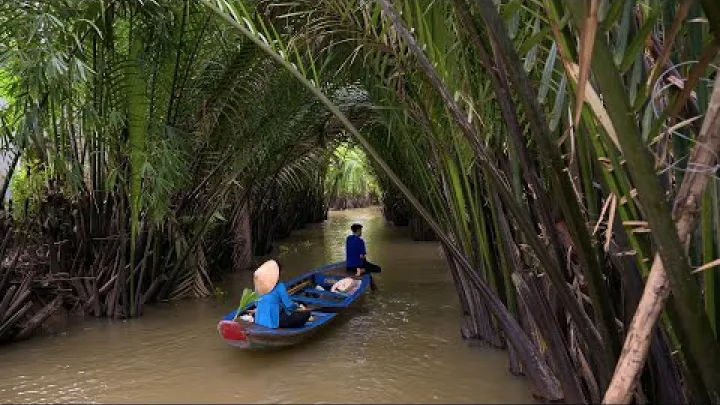
For a slower countryside experience, consider a homestay activity or independently arranged cycling with a local provider. Flat roads can be appealing, but heat, rain, traffic, surface conditions, and the distance between attractions affect the day. Not every orchard or canal is easy to reach without a boat, guide, or advance arrangement, so choose one area and allow time to enjoy it rather than chasing scattered stops.
When to Visit and How to Prepare
Southern Vietnam is tropical throughout the year. Weather affects comfort and timing more than whether a visit is possible, especially for open boats, walking, and cycling.
Dry and Rainy Seasons
My Tho generally follows the southern Vietnam pattern of a drier period around December to April and a wetter period around May to November. The drier period is often easier for outdoor walking, cycling, and river outings. The wetter period can bring greener scenery but also heavier showers and greater uncertainty around outdoor plans.
Conditions vary from year to year and rain does not always mean all-day rain. Check a current local forecast before booking a river activity and leave buffer time for rain-related road delays. If weather is unsettled, prioritize activities with flexible timing rather than a plan dependent on several fixed boat and road connections.
Heat, Rain, Mosquitoes, and Boat Comfort
Heat and humidity can make a short walk feel demanding, particularly around markets and on open boats. Wear breathable clothing, use sun protection, carry reliably safe drinking water, and choose shoes that handle wet or uneven surfaces. A lightweight rain layer or poncho is useful in wetter months.
Use insect repellent for outdoor evenings, canal areas, and rural accommodation. Schedule walking and cycling for earlier or later in the day when possible, and keep a flexible alternative such as a long meal, cafe stop, museum-like cultural visit, or rest at your accommodation. Travelers with health conditions should seek professional medical guidance about heat, hydration, and insect protection before travel.
Safety and Health Basics
Use ordinary travel precautions in crowded markets, transport hubs, and riverfront areas. Keep valuables secured and use a reputable taxi, ride-hailing app, hotel-recommended car, or established tour provider. At night, choose well-used routes and avoid assuming that every rural road has lighting or easy transport back to town.
Travel insurance, access to medical help, mosquito protection, food hygiene, and safely treated drinking water are sensible planning considerations. Current conditions can change, particularly around weather, transport, and health advisories, so consult relevant official travel advice and your insurer for information that applies to your nationality and circumstances.
What to Eat in My Tho
Food is one of the strongest reasons to spend at least one meal in My Tho rather than treating it only as a boat-tour departure point. Markets, local restaurants, and simple cafes offer a direct view of the city’s daily rhythm.
Try My Tho's Signature Noodle Soup
Hu Tieu My Tho is the city’s best-known food reference. “Hu tieu” refers to a Vietnamese noodle dish that may be served as soup or in a drier preparation with sauce and broth on the side. Toppings vary by stall and can include pork, seafood, herbs, vegetables, and fresh accompaniments.
There is no single definitive bowl, so order according to what looks appealing and ask whether the version is soup or dry. A busy local stall or restaurant is a good place to start, especially at breakfast or lunch. Ask current local recommendations for specific venues because opening hours and quality can change.
Markets, Street Food, and Cafes
My Tho Market and evening food areas can be good places to try tropical fruit, rice dishes, seafood, snacks, coffee, and simple desserts. Menus may be limited or informal, so pointing, translation tools, and a patient approach are useful. If a price is not displayed, confirm it before ordering.
Choose busy food stalls with high turnover, eat food served hot, and use bottled or otherwise reliably treated water. Visible cooking and clean handling are useful practical signals, although they cannot remove every food risk. If you have allergies or strict dietary needs, communicate them clearly and carry a translated note where possible.
Build a My Tho Itinerary
Build a compact itinerary around one main activity block. The most satisfying plans leave space for road travel, meals, weather, and the possibility that a boat departure does not align perfectly with your preferred time.
One-Day My Tho Itinerary
Start early from Ho Chi Minh City. On arrival, choose either Vinh Trang Pagoda or a brief central orientation before your main river or canal activity. Have lunch in or near central My Tho, then use the remaining time for the riverfront, My Tho Market, or a short food stop before beginning the return journey.
A packaged tour is the simplest way to combine transport and boating in one day. A self-arranged route gives more freedom but requires you to coordinate the road journey, boat departure, and return independently. Do not add multiple distant stops; leave a clear buffer for the return to Ho Chi Minh City, especially in poor weather or heavy traffic.
One-Night My Tho Itinerary
On the first day, arrive, check in, and keep the route geographically compact. Depending on arrival time, visit Vinh Trang Pagoda, take a river activity, or walk the central riverfront and market area. Finish with Hu Tieu My Tho or another local meal in the evening.
On the second morning, have a local breakfast and take a slower riverfront walk before a nearby attraction or onward transfer. If rain arrives, replace cycling or a boat plan with a longer market visit, cafe stop, or temple visit. If you arrive late or miss a boat departure, do not try to recreate a full day trip after dark; use the evening to rest and reschedule around the next available option.
My Tho as the Start of a Longer Delta Route
My Tho can be an entry point to a longer route toward Ben Tre, Can Tho, or a rural homestay area. Move onward quickly if your priority is a quieter canal landscape or a larger deep-delta city. Stay in My Tho for a night if you want an easier transition from Ho Chi Minh City and time to experience the city itself.

Before committing to same-day onward travel, confirm current intercity connections, actual pickup locations, luggage capacity, and transfer times. A route that looks short on a map can still involve waiting, roadside pickups, or a transfer between town and rural accommodation. Choose the next stop according to your available days, preferred landscape, and comfort with road travel.
Final My Tho Trip Checklist
My Tho works best when treated as both a city and a gateway. Base yourself near the riverfront and market for a short independent visit, or choose a countryside stay when canals and orchards are the priority. Decide early whether you want a bundled day tour or a slower overnight plan, then confirm the practical details that determine the day: transport pickup, accommodation location, boat inclusions, and weather.
- Choose a day trip for a quick introduction or one night for a more relaxed pace.
- Use My Tho Market, the riverfront, Nguyen Hue Street, and 30 Thang 4 Street as orientation points.
- Book central accommodation for convenience and rural lodging for a quieter countryside focus.
- Make Hu Tieu My Tho part of at least one local meal.
- Keep your itinerary compact, with one main river or countryside activity per day.
- Confirm current transport and activity arrangements directly with the provider before you travel.
With realistic timing and a willingness to slow down, My Tho offers a practical, approachable first experience of Vietnam’s Mekong Delta.
Select area
Create a post
Posting is free and no registration is required.