Phuket Best Time to Visit: Weather by Month & Tips

Phuket best time to visit advice usually starts with weather, but the right answer also depends on your travel style. Beach travelers often want dry skies and calmer water, while budget travelers may accept some rain for quieter resorts and better value. This guide explains Phuket weather by season and month, then matches the best time to visit Phuket with beaches, diving, culture, low crowds, family trips, and Phuket plus Krabi itineraries. If this timing is part of a wider Thailand plan, see our Thailand 10 day itinerary.
Because Phuket sits on the Andaman Sea side of Southern Thailand, its rainy season and sea conditions do not always match every other Thai island. Use the month-by-month guidance for planning, then check live forecasts before boat trips, beach days, and outdoor excursions.
Quick Answer: The Best Time to Visit Phuket
If you want the simplest answer, choose the dry-season core. If you want better value, consider the edges of the season. If you mainly want quiet hotels and do not need perfect beach weather every day, the low season can still work with flexible plans.
Best Overall Window: December to March
December to March is generally the best time to visit Phuket for beach holidays, swimming, snorkeling, island tours, and first-time trips. This period is usually drier than the monsoon months, the sea is often calmer, and outdoor plans are easier to schedule.

The broader practical high season can extend from late November to April, especially for travelers who can tolerate some heat or transition-weather risk. Still, December to March is the most reliable core window for travelers who have limited vacation days and want the best chance of classic Phuket beach conditions.
The trade-off is demand. Patong, Kata, Karon, Surin Beach, and popular resort areas can be busy, especially around Christmas, New Year, and school-holiday periods. Hotels and tours are often more expensive, so early booking matters.
Best Shoulder Months: November and April
November and April are useful shoulder choices if you want to avoid the busiest weeks or find better value than peak season. They are not equal from start to finish. Early November can still feel like the rainy season, while late November often has improving weather. April is usually hot and humid, but it can still offer many sunny periods before wetter conditions become more established.
![Preview image for the video "4k HDR | SONGKRAN 2026: The Ultimate Water War on Bangla Road! 💦 [ASMR]".](/sites/default/files/styles/media_720x405/public/oembed_thumbnails/2026-07/Xg27M4J736cTP9ifNT4cEWEjPSuNPEvjToiwSP_45P8.jpg.webp?itok=lDPnSeQC "Preview image for the video \"4k HDR | SONGKRAN 2026: The Ultimate Water War on Bangla Road! 💦 [ASMR]\".")
April also includes Songkran, Thailand’s New Year water festival. It can be a memorable cultural reason to visit, but it also means heat, wet streets, busy travel days, and the need to protect phones, cameras, and documents.
Best Low-Season Choice: May to August
May to August can be a good choice for flexible travelers who want fewer crowds, greener scenery, and often better accommodation value. These months are not usually rainy every hour of every day. You may get sunny breaks, dramatic clouds, warm evenings, and quiet beaches.
However, this is not the safest bet for uninterrupted island hopping, calm casual swimming, or clear underwater visibility. Rain, cloud, rougher seas, and boat-trip changes are more likely. If you visit during these months, keep your itinerary flexible and check current sea conditions before marine activities.
Why Phuket Weather Changes Through the Year
Phuket is warm throughout the year, so the main travel decision is not whether it will be cold. The main question is how rain, wind, humidity, cloud cover, and sea conditions will affect your plans.
Andaman Sea Exposure and the Southwest Monsoon
Phuket is on Thailand’s Andaman Sea coast in Southern Thailand. Its weather is strongly influenced by the southwest monsoon, which brings wetter and more unsettled conditions for much of the May to October period. Climate to Travel describes Phuket as tropical and hot year-round, with a rainy season linked to the southwest monsoon and a drier season outside that period.
This matters because Phuket’s timing can differ from some Gulf of Thailand islands. A good month for one Thai coast is not automatically the best month for the other. For Phuket, the Andaman Sea pattern affects boat schedules, sea roughness, snorkeling comfort, diving visibility, and the reliability of trips to places such as Phang Nga Bay or the Similan Islands.
Rainfall Matters More Than Temperature
Phuket stays warm in every month. Even in the more comfortable dry-season months, you still need sun protection, hydration, and clothing that works in a tropical climate. The difference between seasons is more about rain frequency, humidity, cloud cover, and sea state.
March and April can feel hotter as the hot season builds. During the rainy season, temperatures may be similar on paper, but humidity, cloud, and sudden downpours can make outdoor movement feel heavier. A short walk in Phuket Old Town or a beach afternoon at Kata can feel very different depending on sun, shade, wind, and rain timing.
Climate Averages Versus Live Forecasts
Month-by-month climate guidance helps you choose travel dates, but it cannot guarantee daily weather. A dry-season week can still have showers, and a rainy-season week can still include blue-sky breaks.
Before boat trips, diving, snorkeling, surfing, or long outdoor days, check current forecasts and local operator advice. The Thai Meteorological Department provides official weather updates and forecasts that are useful before marine travel and outdoor planning. Local boat operators may also change departure times or cancel trips when sea conditions are unsuitable.
Month-by-Month Guide to Phuket Weather
The table below gives a quick planning view. Use it as a starting point, then read the detailed notes for the season you are considering.
| Period | Typical feel | Best for | Main caution |
|---|---|---|---|
| January to March | Drier, sunnier, busy | Beaches, families, islands | Higher prices and crowds |
| April to May | Hot, then more variable | Songkran, value, flexible trips | Heat and monsoon onset |
| June to August | Mixed monsoon weather | Budget travel, quiet stays | Rougher seas and changes |
| September to October | Often wettest and roughest | Spa, slow travel, low crowds | Beach and boat disruption |
| November to December | Improving, then high season | Beach trips, festive travel | Early rain and late demand |
January to March: Reliable Beach Weather and Peak Demand
January to March is the strongest period for travelers who want dry weather, clearer skies, calmer seas, and easy beach planning. January and February are especially popular for families, resort stays, snorkeling, diving, and island tours.
March is still a strong beach month, but it can feel hotter as Phuket moves toward the hot season. If you travel in this period, reserve hotels, popular tours, and airport transfers early. Expect more people in Patong and around well-known west-coast beaches, but you can still reduce crowd pressure by starting beach days early or choosing quieter areas.
April and May: Heat, Songkran, and Monsoon Onset
April is usually one of the hotter-feeling months in Phuket. It can still be sunny and enjoyable for resort stays, but outdoor sightseeing is easier in the morning or late afternoon. Songkran adds cultural energy, water celebrations, and busy movement around the holiday period.
May often marks the shift toward wetter and more variable monsoon conditions. Prices and crowds may begin to ease, but afternoon storms, cloudier days, and rougher seas can affect plans. Bring a waterproof bag, drink water often, and avoid building a tight itinerary around a single boat-trip day.
June to August: Mixed Monsoon Conditions and Low-Season Value
June to August is best understood as mixed, not permanently rainy. You may experience warm mornings, short heavy showers, cloudier afternoons, and occasional bright beach periods. The island often feels quieter, and many travelers like the slower pace.
This is also when flexibility becomes important. A beach can look pleasant from land while the sea is still rough for swimming or boat travel. If your dream trip depends on clear snorkeling, long-tail boats, or distant island excursions, build extra time into the schedule and be ready to move activities around.
September and October: Wettest Period and Highest Caution
September and October usually require the most caution for beach-first travelers. Heavier rain, stronger surf, rougher seas, and trip disruption are more likely during this part of the monsoon season. These months are often the least reliable for casual swimming, snorkeling visibility, and island hopping.
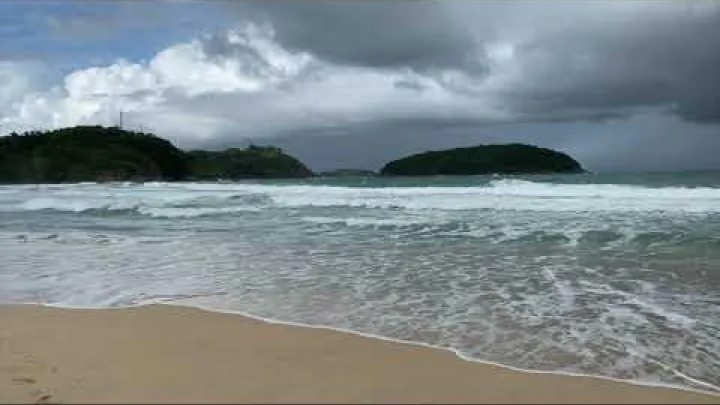
That does not mean nobody should visit. Slow travelers, spa-focused visitors, remote workers, and people who mainly want a quiet resort stay may still enjoy Phuket at this time. The key is to accept that some outdoor plans may change and that the pool, spa, cafes, markets, and indoor activities may become important parts of the trip.
November and December: Monsoon Retreat and High-Season Build-Up
November is a transition month. Early November can still bring leftover monsoon rain and unsettled sea conditions, while late November often becomes more suitable for beaches and boat trips. If you choose November, late-month dates are usually the safer option.
December brings the high-season build-up. Weather is generally more reliable for beach holidays, but demand rises quickly, especially around festive travel weeks. Book earlier if you want a specific resort area, family room, or popular tour date.
Best Time to Visit Phuket by Travel Purpose
The best season changes depending on what you want to do. A surfer, a family with young children, a diver, and a budget traveler may choose different months for good reasons.
Beaches, Swimming, and Family Trips
December to March is the best period for most beach holidays, casual swimming, and family trips. The weather is generally drier, and calmer seas make planning easier for travelers with children or limited time.
Even in the dry season, swimming is never risk-free. Conditions can change by beach and by day. Choose lifeguarded areas when possible, follow local flags, and avoid swimming far from shore or near rocks if the sea is rough.
Diving, Snorkeling, and Island Hopping
For diving, snorkeling, and island hopping, the dry-season window from November to April is generally preferred because the sea is often calmer and rain disruption is less frequent. Phuket-based dive guidance from Andy Scuba Diving also identifies November to April as the best months for beach diving around Phuket.
Trips farther from Phuket, including some marine sites and island routes, may have seasonal schedules. Wet-season diving or snorkeling can still happen locally, but visibility, comfort, and cancellations are less predictable. Confirm schedules with licensed operators before booking, especially if a specific site is the main reason for your trip.
Surfing and Kite Surfing
Surfers may prefer parts of the monsoon season because larger waves and stronger winds are more likely on Phuket’s west coast. Beach areas such as Kata and Karon are often discussed by travelers as practical surf locations, but conditions vary by day and skill level.
This is different from safe swimming. Surfable waves for experienced surfers can be dangerous for casual swimmers. Local flags, lifeguard advice, board control, and personal ability matter more than the calendar.
Culture, Festivals, and Phuket Old Town
November to February is a comfortable period for cultural sightseeing, markets, temples, viewpoints, and Phuket Old Town walks. The weather is usually easier for outdoor movement than the hotter or wetter months.
April can be special because of Songkran. The Tourism Authority of Thailand is a useful official starting point for Thailand travel and festival context. If you visit during Songkran, expect heat, water celebrations, busy streets, and the need for waterproof protection for valuables.
Rainy-season days can still work well for culture if you plan indoor breaks. Phuket Old Town cafes, museums, markets with covered areas, cooking classes, and spa time can help balance a wet forecast.
Budget Travel and Lower Crowds
May to October is typically the lower-demand season in Phuket. Hotels often have better value, restaurants and beaches can feel less crowded, and the island pace is calmer.
For many travelers, May to August is a more balanced low-season choice than September or October. You still accept rain and sea-condition risk, but you may avoid the most difficult part of the wet season. Cheaper travel is most rewarding when you do not depend on daily boat trips or perfect beach weather.
Safety, Forecasts, and Local Travel Logistics
Weather affects more than comfort in Phuket. It can change sea safety, boat timing, walking plans, traffic speed, and what you should carry during the day.
Sea Conditions and Boat Trips
Sea state is one of the biggest practical differences between the dry season and the rainy season. In calmer months, island-hopping, snorkeling, diving, and boat transfers are usually easier to plan. In monsoon months, rain may not last all day, but waves, wind, and visibility can still affect marine trips.
Schedule important boat trips earlier in your stay if you travel in November, April, or the rainy season. That gives you room to reschedule if operators delay or cancel because of weather. Always follow operator guidance, and do not pressure a boat crew to travel in conditions they judge unsuitable.
Red Flags, Rip Currents, and Swimming Choices
Red flags and lifeguard warnings should override any general advice about the best time to visit Phuket. If a beach is flagged as unsafe, choose a pool, a sheltered alternative, or a land-based activity instead.

Rainy-season surf can create stronger currents and rougher swimming conditions, especially on exposed west-coast beaches. Choose lifeguarded beaches, avoid unguarded open water in rough conditions, and stay within your ability. Calm-looking water is not always safe.
Heat, Rain, and Getting Around Phuket
Heat management matters year-round, especially in March and April. Plan walking routes, viewpoints, markets, and Phuket Old Town visits for mornings or late afternoons when possible. Carry water and use shade breaks rather than trying to cover everything at midday.
Heavy rain can slow local movement and make short trips take longer. Keep extra time between activities, use indoor stops as buffers, and avoid scheduling every important plan back-to-back. A flexible day plan is more useful than a perfect calendar that cannot adjust to tropical weather.
What to Wear and Pack for Each Season
Packing for Phuket is mostly about heat, sun, rain, and respect for cultural sites. You do not need heavy cold-weather clothing, but you do need clothing that dries quickly and works in humidity.
Dry Season and Hot Season Packing
For the dry season and hot season, pack lightweight breathable clothes, swimwear, sunglasses, a hat, reef-conscious sun protection where appropriate, and sandals or light shoes. A light long-sleeve layer can help with sun exposure and air-conditioned spaces.
For temples and cultural sites, carry modest clothing that covers shoulders and knees while still being comfortable in heat. In April, add quick-drying clothes, waterproof protection for valuables during Songkran, and a reusable water bottle or easy hydration plan.
Rainy Season Packing
For the rainy season, pack quick-drying clothes, sandals or shoes that handle wet streets, a compact umbrella or light rain jacket, and waterproof storage for your phone, passport copy, wallet, and camera. Heavy rain gear can feel too hot, so choose light protection that works in warm tropical rain.
A small dry bag is useful even when the morning looks sunny. Boat spray, beach showers, and sudden downpours can arrive quickly during monsoon months.
Visiting Phuket with Krabi or Wider Thailand
Many travelers combine Phuket with Krabi, Phang Nga Bay, Bangkok, Chiang Mai, or Gulf islands. Phuket’s best season is a strong anchor for an Andaman Sea beach itinerary, but it should not be treated as the weather rule for all of Thailand.
Matching Phuket and Krabi Timing
Phuket and Krabi are both on Thailand’s Andaman side, so their broad dry-season and rainy-season timing generally aligns. For a Phuket and Krabi beach itinerary, December to March is usually the easiest window, while late November and April can work as shoulder options.
Before boat transfers or island tours between the two areas, check local forecasts for both destinations. Weather can be good in one place and unsettled in another nearby area, especially during transition months.
Combining Phuket with Other Thailand Regions
Thailand’s regions do not all feel the same at the same time. The Andaman coast, Gulf coast, central cities, and northern areas can have different rain and comfort patterns. If Phuket beaches are the priority, choose your itinerary around Phuket’s dry-season window first.
November to February is often easier for multi-region travel because heat and rain are usually less challenging in many popular areas. Still, check the separate forecast for Bangkok, Chiang Mai, Gulf islands, and any mountain or national park plans before finalizing activities.
Frequently Asked Questions
What is the single best month to visit Phuket?
February is often the best single month for Phuket because it sits in the reliable dry-season core and is usually excellent for beaches and boat trips. It is also popular, so book early.
Is Phuket worth visiting during the rainy season?
Yes, Phuket can be worth visiting in the rainy season if you want lower crowds, better value, and a flexible itinerary. It is less ideal if your main goal is calm swimming or several fixed island-hopping days.
When is the worst time for beach swimming in Phuket?
September and October often require the most caution because rougher seas and stronger currents are more likely. However, local flags and lifeguard advice matter more than the month.
When is the best time to visit Phuket and Krabi together?
December to March is generally the best time to visit Phuket and Krabi together because both are on the Andaman side and usually have more reliable dry-season conditions.
Do I still need to check the weather forecast in the dry season?
Yes. The dry season is more reliable, but it does not guarantee perfect weather every day. Check forecasts before boat trips, diving, snorkeling, and long outdoor plans.
Final Recommendation: The Best Month Depends on Your Priorities
For most travelers, December to March is the best time to visit Phuket. Choose this window if you want the strongest chance of dry weather, calmer seas, easy beach days, and reliable island tours.
Choose late November or April if you want a shoulder-season compromise and can accept some weather or heat trade-offs. Choose May to August if you want value, quiet, and flexibility. Be most cautious with September and October if your trip depends on swimming, snorkeling, or boat travel.
The best Phuket trip plan combines seasonal timing with daily decisions. Use the climate pattern to choose your month, then use live forecasts, local flags, and operator guidance to choose what to do each day.
Select area
Create a post
Posting is free and no registration is required.