Ubon Ratchathani Travel Guide: Where to Stay and What to Do
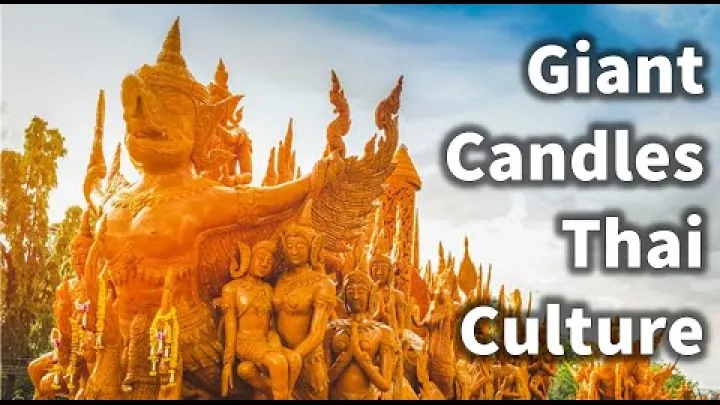
This Ubon Ratchathani travel guide is for travelers who want to see a quieter, more local side of Thailand without losing practical structure. Ubon sits in eastern Isaan, far from the beach-resort routes and the most familiar first-time itineraries, but it has strong rewards for visitors who enjoy temples, food, river landscapes, and slower travel. The province is large, so planning matters: the best base, transport choice, and season can change the trip completely. Use this guide to decide when to go, where to stay, how to get around, and how much time to allow.
Ubon Ratchathani at a Glance
Ubon Ratchathani is both a provincial capital city and the name of a wider province in Thailand's northeast. Most first-time visitors use Ubon Ratchathani city as the main arrival point, then decide whether to stay in town, continue to Khong Chiam, or arrange day trips to temples, parks, and Mekong River scenery.
![Preview image for the video "🇹🇭 This is UBON RATCHATHANI - Super cool town in Thailand! [อุบลราชธานี]".](/sites/default/files/styles/media_720x405/public/oembed_thumbnails/2026-06/ltqaMt1ikJ7XLLqsJHOQUZEuK_nHVeMjf61lCMCi-LQ.jpg.webp?itok=8uZ7ILJo "Preview image for the video \"🇹🇭 This is UBON RATCHATHANI - Super cool town in Thailand! [อุบลราชธานี]\".")
Where Ubon Ratchathani Fits in Thailand and Isaan
Ubon Ratchathani is in eastern Isaan, the northeast region of Thailand. It is not on the standard Bangkok, Chiang Mai, Phuket, or Krabi route, which is part of its appeal and also the reason visitors should plan logistics carefully. The city sits near the Mun River, while the wider province reaches toward the Mekong River and border areas near Laos and Cambodia.
The province is best understood as a mix of urban Isaan life and spread-out rural attractions. In the city, travelers usually focus on temples, parks, markets, food, and daily local rhythms. Outside the city, the strongest draws include Pha Taem National Park, Khong Chiam, Sam Phan Bok, forest monasteries, waterfalls, and Mekong viewpoints. The Tourism Authority of Thailand highlights Ubon Ratchathani province for attractions such as Pha Taem National Park and its prehistoric rock paintings.
Do not treat Ubon as a simple city-break destination only. Distances between attractions can be significant, and some of the most memorable places require early starts, private transport, or overnight stays outside the city.
Who Ubon Ratchathani Is Best For
Ubon Ratchathani is a strong choice for repeat visitors to Thailand, slow travelers, overland travelers, photographers, food-focused visitors, and anyone curious about Isaan culture. It is also useful for travelers who want a practical base before exploring the eastern edge of the region.
It may not be the best fit for travelers who want beach resorts, dense nightlife, frequent English-language tour services, or very easy door-to-door sightseeing. Compared with Bangkok, Chiang Mai, Phuket, or Krabi, Ubon has fewer international-tourism services. That can make the experience feel more grounded, but it also means more responsibility for transport planning, translation, and checking current access details.
Ubon works in several ways: as a short city stop, as a two- or three-day city-and-nature trip, or as part of a broader Isaan route. It can also be a staging point for onward travel toward southern Laos when current border, visa, and transport conditions allow, but travelers should not rely on old schedules or informal advice for cross-border plans.
Best Time to Visit Ubon Ratchathani
The best time depends on what you want most: comfortable sightseeing, festival atmosphere, exposed Mekong rock formations, green forests, or stronger waterfalls. Conditions vary by year, so use the guidance below as planning logic rather than a guarantee.
Cool Dry Season for First-Time Visitors
For most first-time visitors, the cooler and drier part of the year is usually the easiest time to plan Ubon Ratchathani. Temple visits, city walks, viewpoints, and park excursions are more comfortable when heat and heavy rain are less disruptive. This is especially important if you want to spend time outdoors at Pha Taem National Park, Thung Si Muang Park, markets, or riverside areas.
Even in the more comfortable season, Ubon can feel hot for many international visitors. Plan early starts, carry water, use sun protection, and avoid building a schedule that requires long walks in the middle of the day. If your itinerary depends on national parks, viewpoints, or boat access, check local conditions before committing to a long transfer.
Wet Season and the Candle Festival
Festival periods can change the feel of the city. Accommodation may be in higher demand, central traffic can be slower, and normal movement around key areas may require patience. Book early if you want to be in the city center, and keep your schedule flexible enough for rain, crowds, and road closures.
Wet-season travel can still be rewarding, especially if you enjoy local events and greener landscapes. Bring light rain gear, protect electronics, and avoid planning every day around distant outdoor sites.
Seasonal Trade-Offs for the Mekong, Waterfalls, and Parks
Some Ubon highlights depend strongly on season. Sam Phan Bok is a Mekong River rock-formation landscape, so it is most rewarding when river levels expose the formations. When water is high, the experience can be very different, and some areas may be less visible or less accessible.
Waterfalls and forests can be more attractive during or after wetter periods, but rain can also affect trails, roads, and comfort. Pha Taem National Park and other rural sites reward good timing, but they also require current local information on access, weather, and transport.
| Priority | Better planning choice | Main trade-off |
|---|---|---|
| Comfortable first visit | Cooler, drier months | Still plan for heat and sun |
| Candle Festival | Festival period around Buddhist Lent | Higher demand and busier city movement |
| Sam Phan Bok scenery | When Mekong rock formations are exposed | Conditions vary with river levels |
| Greener forests and waterfalls | During or after wetter periods | More rain and possible access issues |
How to Get to Ubon Ratchathani
Most international visitors reach Ubon Ratchathani via Bangkok. Flying is the simplest option for short trips, while rail and long-distance buses suit travelers with more time or a preference for overland travel.
Flying from Bangkok
Flying from Bangkok to Ubon Ratchathani is usually the fastest practical way to reach the city. Ubon Ratchathani Airport is the main air arrival point, and it works well for travelers who have limited time or want to combine Ubon with other parts of Thailand.
Before booking, check current airlines, schedules, luggage rules, and airport transfer options. Do not assume that every flight connects smoothly with a park transfer or onward bus. If you arrive late, it may be more practical to stay in Ubon city that night and start regional travel the next morning.
Flying saves time, but it still includes airport transfers, check-in time, and possible luggage restrictions. For a short two- or three-day trip, the time saved is often worth it. For slower travelers, the train or bus may be part of the experience.
Taking the Train or Long-Distance Bus
Train and long-distance bus travel are slower options, but they can be useful for budget travelers and those who prefer to see the distance between Bangkok and Isaan. Ubon Ratchathani train station and Ubon Ratchathani bus station are important arrival points, but schedules and fares should be checked directly with current transport operators before travel.
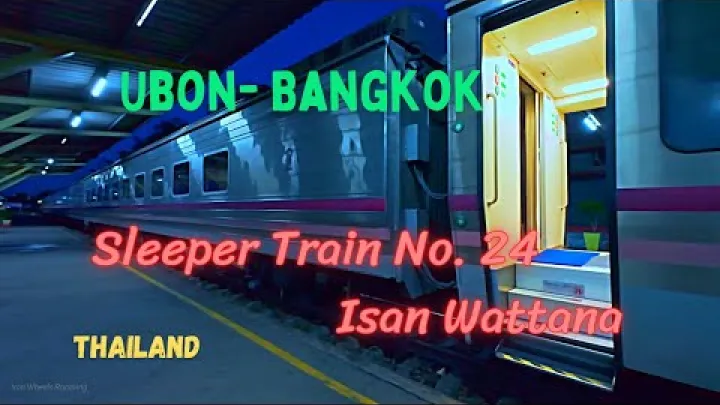
Overnight travel can save daytime hours and reduce the need for one night of accommodation. Daytime overland travel may be less efficient, but it gives a better sense of how far Ubon is from central Thailand. Comfort varies by service type, so compare seat or berth options, arrival time, and your tolerance for long journeys.
If you arrive very early or very late, plan your first transfer in advance. Not every area will have the same level of taxi, ride-hailing, or local transport availability at all hours.
Continuing Toward Laos or Other Isaan Destinations
For cross-border travel, avoid relying only on old forum posts, outdated bus times, or secondhand information. Confirm current border opening conditions, visa requirements, bus departures, and ticketing rules close to your travel date. Build buffer time into the itinerary, especially if you need to catch an onward flight, train, or pre-booked hotel.
If your route involves several provinces, keep the order flexible. Weather, holidays, transport changes, and festival traffic can all affect how smoothly travel works in eastern Isaan.
Getting Around the City and Province
Getting around Ubon is usually easy for short city transfers but more complex for rural attractions. The key planning question is whether you are staying within the city or trying to reach national parks, Mekong viewpoints, and smaller towns.
Songthaews, Taxis, and Short City Rides
Songthaews are commonly reported as a low-cost way to move around Ubon city, but routes can be difficult for first-time visitors to understand. Wikivoyage gives a practical overview of reported city songthaew routes, but travelers should treat this as orientation rather than a final authority on current operations.
For short transfers, taxis, motorcycle taxis, and possible ride-hailing services may be easier. Availability can vary by area, time of day, and local demand. If you are carrying luggage, traveling at night, or trying to reach a specific temple or restaurant, a direct ride may be worth the extra cost.
Use offline maps, save destination names in Thai when possible, and ask accommodation staff to help confirm routes. For places such as Wat Phra That Nong Bua, Thung Si Muang Park, Ubon Ratchathani train station, and Ubon Ratchathani bus station, it is useful to show the exact map pin rather than only saying the English name.
Scooter Rental, Private Drivers, and Tour Arrangements
Independent mobility becomes more important outside Ubon city because attractions are spread across the province. A scooter can be convenient for experienced riders, but it should not be treated as the default solution for every traveler.
Only rent a scooter if you are properly licensed, insured, familiar with Thai road conditions, and comfortable riding in heat, rain, and mixed traffic. Check whether your travel insurance covers motorcycle or scooter use, and always use a helmet. Rural roads can be quiet, but distance, road surface, weather, and limited lighting can increase risk.
For many first-time visitors, a private driver, local transfer, or arranged tour is safer and easier. This is especially true for Pha Taem National Park, Khong Chiam, Sam Phan Bok, Phu Chong-Na Yoi National Park, and any plan that requires return transport after dark.
Last-Mile Transport to Pha Taem, Khong Chiam, and Sam Phan Bok
Public transport may get you to towns, junctions, or larger roads, but it may not take you directly to park entrances, cliff viewpoints, waterfalls, boat departure points, or remote temples. This last-mile gap is one of the most important practical issues in Ubon Ratchathani travel planning.

Khong Chiam is a useful base or waypoint for Pha Taem National Park and Mekong scenery. Staying there can reduce driving time and make early starts easier, but services are more limited than in Ubon city. If you plan to visit Sam Phan Bok, confirm whether the site is currently worthwhile based on river levels and whether local transport or boat arrangements are operating safely.
Always arrange return transport before going to rural sites. This matters most late in the day, outside busy periods, during rain, or when visiting places where mobile signal and passing traffic may be limited.
Where to Stay and Best Base Areas
The best place to stay depends on whether your trip is city-focused, nature-focused, or mainly a transit stop. For most first-time visitors, central Ubon city is the easiest base. Khong Chiam is better for Mekong and Pha Taem plans, while transport-hub areas are useful for short stopovers.
Ubon City Center for the Easiest First Visit
Central Ubon Ratchathani is the simplest base for a first visit. It gives easier access to temples, markets, food, Thung Si Muang Park, and general city orientation. It also makes evenings easier because you are less dependent on long transfers back from outer areas.
Ubon is spread out enough that you should still check distances before booking. A hotel that looks central on a province map may not be convenient for walking. Look at distances to landmarks such as Thung Si Muang Park, Wat Phra That Nong Bua, the train station, the bus station, and the airport depending on your priorities.
Central stays work best for one-day visits, first nights after a late arrival, food-focused trips, and travelers who want a manageable introduction before arranging rural day trips.
Khong Chiam for Pha Taem and Mekong Scenery
Khong Chiam is a quieter base for travelers who care most about Pha Taem National Park, the Mekong River, and river landscapes. It can reduce day-trip fatigue and improve your chances of seeing viewpoints earlier in the day, when heat and light may be more favorable.
The trade-off is convenience. Khong Chiam has fewer services than Ubon city, so check accommodation, food options, and transport before committing. It is best for nature-focused travelers, photographers, couples seeking a quieter stay, or anyone who wants to slow down near the Mekong rather than commute from the city each day.
If you have only one night in the province, Ubon city is usually easier. If you have two or three nights and want Pha Taem to be a highlight, splitting time between Ubon and Khong Chiam can be more rewarding.
Transit-Friendly Areas Near Transport Hubs
Staying near Ubon Ratchathani Airport, Ubon Ratchathani train station, or Ubon Ratchathani bus station makes sense for early departures, late arrivals, or one-night stopovers. These areas are practical rather than atmospheric.
A transport-hub location can reduce stress if you are catching an early flight, arriving by night train, or continuing by bus the next morning. However, it may not be the best choice if your goal is food, temples, parks, or evening walks.
Choose based on your next movement. For a short stay, convenience can be more valuable than charm. For two or more nights, a more central or activity-focused base usually gives a better experience.
Best Things to Do and Local Experiences
The best things to do in Ubon Ratchathani combine city culture with wider provincial landscapes. A balanced trip includes at least one city loop, one nature or Mekong day if time allows, and enough flexibility for food, rest, and weather.
City Temples, Parks, and Markets
Wat Phra That Nong Bua is one of Ubon's key urban religious landmarks. Visit it as a living temple, not only as a photo stop. Dress modestly, move quietly, and avoid interrupting worshippers. If ceremonies are taking place, observe from a respectful distance.
Thung Si Muang Park is a central civic and leisure anchor. It is a useful place to understand local daily life, take a break, or orient yourself in the city. Around the city, markets and casual food stops are part of the experience, especially for travelers interested in Isaan flavors.
A simple city loop can include a morning temple visit, a shaded rest during the hottest hours, a late-afternoon park stop, and an evening meal. This is more enjoyable than trying to rush between too many minor sights.
Pha Taem National Park
Pha Taem National Park is one of the major highlights of Ubon Ratchathani province. It is known for Mekong-facing cliffs, plateau landscapes, and prehistoric rock paintings. The Tourism Authority of Thailand places the park office in Khong Chiam District and describes the park's plateau geography.

The park rewards early starts and careful transport planning. Sights can be spread out, and the experience is affected by heat, rain, trail conditions, and the time needed to move between viewpoints or other areas. Do not assume you can add Pha Taem casually to a short city day unless you have arranged efficient transport.
Before visiting, check current park fees, opening rules, access conditions, and weather. If waterfalls are part of your plan, remember that they can be seasonal and may look very different depending on rainfall.
Sam Phan Bok and Mekong Landscapes
Sam Phan Bok is a distinctive Mekong River landscape shaped by seasonal water levels and exposed rock formations. It is often described as one of Ubon's most unusual natural sights, but it is not equally impressive in every season. The Tourism Authority of Thailand lists Kaeng Sam Phan Bok as an attraction in Ubon Ratchathani.
Expectations should depend on current river conditions. When formations are exposed, the area can be highly worthwhile for photography and landscape-focused travelers. When water levels are high, access and visibility may change significantly.
Local boat arrangements may be part of the experience, but prices, routes, life jackets, and safety standards should be checked on the ground. If you are traveling independently, confirm return transport before you go.
Remote Parks, Forest Monasteries, and Waterfalls
Travelers with more time can look beyond the main city-and-Mekong route. Options include Phu Chong-Na Yoi National Park, Wat Nong Pah Pong, Wat Pah Nanachat, Kaeng Saphuee Public Park, and regional waterfalls. These places can add depth to a Ubon trip, especially for travelers interested in forests, meditation traditions, or less crowded landscapes.
Remote nature sites require more planning than central attractions. Check current access, road conditions, opening rules, and transport before setting out. A private driver or arranged transfer may be more practical than trying to connect multiple rural stops by public transport.
Forest monasteries should be treated as religious communities. Dress modestly, speak quietly, avoid intrusive photography, and follow any posted rules. The purpose of a visit should be respectful observation, not entertainment.
Suggested Ubon Ratchathani Itineraries
Ubon itineraries work best when they are not too ambitious. The city is manageable, but the province is large. Build each day around one main focus, then add smaller stops if transport, weather, and energy allow.
One Day in Ubon City
With one day, stay focused on Ubon city. Start with a morning visit to Wat Phra That Nong Bua or another central temple. Move slowly, especially if you are arriving from Bangkok or after an overnight journey.
At midday, take a heat break, eat locally, or rest at your accommodation. In the afternoon, visit Thung Si Muang Park or another central area. In the evening, choose a market or casual food stop rather than planning a long rural transfer.
A one-day visit is not ideal for Pha Taem or Sam Phan Bok unless you have a private driver, a very early start, and realistic expectations. For most travelers, keeping the day city-focused gives a better introduction.
Two or Three Days in Ubon and Khong Chiam
Two or three days is the best balanced option for many first-time visitors. Use one day for Ubon city and one day for Pha Taem National Park or Khong Chiam. If you have a third day, choose based on season and interest: Sam Phan Bok when Mekong conditions are favorable, waterfalls or parks when nature access is suitable, or temples and food if you prefer a slower pace.
The order can change. If the weather looks better for outdoor sights on your first full day, go to Pha Taem first and leave city attractions for later. If transport is easier on a particular day, build the schedule around that.
Consider staying one night in Ubon city and one night near Khong Chiam if your main goal is the Mekong and Pha Taem. If you prefer not to move hotels, stay in Ubon city and arrange a long day trip, but accept the extra travel time.
Four or More Days for Slow Travel or Cross-Border Plans
Four or more days make Ubon more rewarding because many highlights are outside the city. With extra time, you can add Sam Phan Bok, Phu Chong-Na Yoi National Park, forest monasteries, waterfalls, Kaeng Saphuee Public Park, or a slower Mekong day.
Longer stays also help if you are connecting to other Isaan destinations or planning onward travel toward Laos. Buffer time is valuable for rural transport, weather changes, holidays, and cross-border uncertainty. Do not plan a tight same-day chain unless every connection is confirmed for your travel date.
A longer Ubon stay is best for slow travelers, photographers, nature-focused visitors, and people who enjoy local daily life. If you mainly want a quick overview, two or three days may be enough.
Costs, Safety, and Practical Travel Tips
Ubon Ratchathani can suit budget and midrange travelers, but costs vary by season, booking channel, comfort level, and transport style. The biggest budget difference is usually whether you rely on local city transport or arrange private drivers for rural sites.
Typical Costs and Booking Expectations
Exact costs for rooms, flights, trains, buses, drivers, tours, and park access change over time. Check current prices before finalizing a budget, especially if you are traveling during the Candle Festival, Thai holiday periods, or weekends when local demand may rise.
Budget travelers can often keep costs low by staying in simple accommodation, eating local food, and focusing on city attractions. Midrange travelers may spend more on comfortable hotels, private transfers, and flexible day trips. Nature-heavy itineraries can cost more because the province is spread out and last-mile transport may not be cheap.
Book early for festival periods and confirm cancellation rules. For rural excursions, clarify what is included: vehicle, fuel, waiting time, park fees, boat fees, meals, and return transfer.
Heat, Rain, Road Safety, and Health Basics
Heat and rain affect comfort in Ubon more than many travelers expect. Start early, drink water regularly, use sun protection, and avoid long exposed walks during the hottest part of the day. In the wet season, carry light rain gear and protect phones, cameras, and documents.
Road safety deserves serious attention. Be conservative with scooter rental, rural roads, and night transfers. If you are tired after a flight, train, or bus ride, do not immediately start a long self-drive day. Use a driver or rest first.
Travel insurance is strongly recommended, especially for outdoor-heavy plans, scooter use, and remote park visits. Before major excursions, check current weather, park access, and local advice from accommodation staff, tourism offices, or transport providers.
Etiquette, Language, Payments, and Local Verification
Temple etiquette is important in Ubon. Dress modestly, remove shoes where required, keep your voice low, and avoid pointing feet toward Buddha images or monks. Around monks and worshippers, be respectful and give people space. At forest monasteries such as Wat Nong Pah Pong and Wat Pah Nanachat, quiet conduct matters even more.
English may be less widely used than in Thailand's major tourist centers. Translation apps, offline maps, saved Thai destination names, and simple polite phrases can make travel smoother. When arranging transport, show a map pin and confirm the destination, waiting time, and return plan clearly.
Carry enough cash for small vendors, rural transport, market food, and local arrangements. Payment options can vary, especially outside central Ubon. Check locally rather than assuming that cards or mobile payments will be accepted everywhere.
Final Thoughts: Is Ubon Ratchathani Right for Your Trip?
Ubon Ratchathani is right for travelers who want temples, Isaan food, Mekong scenery, national parks, and a slower view of Thailand. It is not the easiest destination in the country, but it is very rewarding when you plan around distance, season, and transport.
For a first visit, base yourself in Ubon city if you want convenience, choose Khong Chiam if Pha Taem and the Mekong are the priority, and allow two or three days if possible. Add more time for Sam Phan Bok, remote parks, monasteries, waterfalls, or onward Isaan and Laos plans. With realistic expectations and flexible logistics, Ubon Ratchathani can become one of the most memorable parts of a Thailand itinerary.
Select area
Create a post
Posting is free and no registration is required.