Ubon Ratchathani Budget: Daily Costs and Prices
A Ubon Ratchathani budget can be very friendly compared with many better-known Thai destinations, especially if you eat local food, stay in simple hotels, and use low-cost local transport. The main costs to watch are accommodation, private transport, and excursion days to places such as Pha Taem National Park and Sam Phan Bok. This guide uses Thai baht as the main planning currency, with exchange-rate equivalents changing over time. Use the ranges below as practical planning bands, then check live hotel, transport, and rental prices before you book.
Quick Cost Overview for Ubon Ratchathani
Ubon Ratchathani is one of the easier Isaan cities for value-focused travel because the city has markets, local restaurants, business hotels, an airport, a bus terminal, and access to provincial attractions. Costs stay low when you base yourself in Ubon Ratchathani city and choose local services. Costs rise when you rent a vehicle, travel during a major event, or choose higher-comfort hotels.
Daily Budget Ranges by Travel Style
For most short visits, a practical Ubon Ratchathani travel budget starts around 600 to 900 THB per person per day for a budget traveler, 900 to 1,500 THB for a mid-range traveler, and 1,500 to 2,500 THB for a more comfortable style. These ranges assume a city-based stay and normal local sightseeing. A day with car rental, national park entry, fuel, or a private excursion can be much higher.
Solo travelers should be careful with per-person estimates because most private rooms are priced per room, not per person. Two people sharing a room may have a lower per-person cost than a solo traveler in the same hotel. The table below gives a planning view, not a promise of live prices.
| Travel style | Accommodation | Food | Local transport and activities | Typical daily total |
|---|---|---|---|---|
| Budget | 400-700 THB for a simple room, less per person if shared | 120-220 THB with local meals | 20-150 THB for walking, songthaews, markets, and temples | 600-900 THB |
| Mid-range | 800-1,600 THB for many comfortable city hotels | 250-450 THB with local food plus cafes | 80-300 THB for mixed local and private rides | 900-1,500 THB |
| Comfortable | 1,600-2,300 THB or more for higher-comfort stays | 500-800 THB or more with restaurants and drinks | 200-800 THB or more with private rides or rental transport | 1,500-2,500 THB |
What Usually Makes a Trip Cheaper or More Expensive
The biggest cost drivers are hotel class, private vehicle rental, excursion days, alcohol, cafe habits, and event timing. A traveler who stays near markets, walks around Thung Si Muang, eats simple Isaan meals, and uses songthaews can spend very little. A traveler who rents a car, visits Pha Taem National Park, stops at cafes, and chooses a comfortable business hotel will spend more, even though Ubon remains good value.
Short trips make arrival costs more important. If you fly into Ubon Ratchathani Airport and stay only one night, the transfer, hotel, and any private rides form a larger part of the daily average. For three to five days, one higher-cost day trip can be averaged across several cheaper city days.
The easiest savings levers are local food, shared rooms, low-cost public transport, walking, off-peak hotel booking, and grouping attractions on the same excursion day. The best approach is not to avoid all paid experiences. It is to spend selectively on the one or two activities that matter most to you.
Accommodation Costs in Ubon Ratchathani
Accommodation is usually the largest fixed cost in a Ubon trip. The city has simple local hotels, budget chains, business hotels, and some more comfortable properties. It does not always have the same density of backpacker dorms found in Bangkok, Chiang Mai, or island hubs, so private-room budgeting is often more realistic.
Budget Guesthouses and Simple Hotels
At the lower end, expect older local hotels, simple guesthouses, and budget chains rather than a large hostel scene. In favorable periods, basic private rooms commonly fall around 400 to 700 THB per night, but the lowest rates may not be available on every date or at every property. The trade-offs can include older rooms, fewer English-language services, a location outside the most convenient area, no breakfast, or basic facilities.
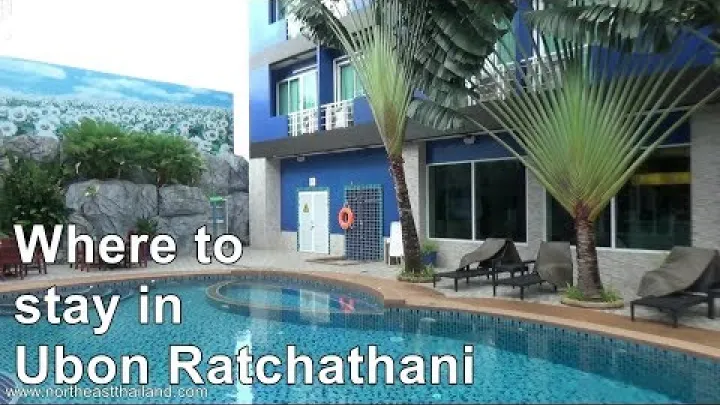
For a predictable budget-hotel reference point, HOP INN describes its Ubon Ratchathani property as a budget-friendly hotel with 75 rooms in a city-center location. Use named budget chains like this as benchmarks, but still compare the live rate with smaller local hotels and direct booking options when practical.
If you are traveling alone, the room cost can dominate your daily budget. If two people share a 600 THB room, the accommodation cost is 300 THB per person. If you travel solo, that same room is the full 600 THB. This difference explains why some travelers feel Ubon is extremely cheap while others find that their daily total is closer to a mid-range budget.
Mid-Range and Comfortable Hotel Choices
Many travelers will find the best value in Ubon Ratchathani in the mid-range hotel category. These properties may offer air conditioning, parking, a quieter room, better bedding, a desk for remote work, and easier access to Central Ubon, the city center, or major roads. For many dates, a practical planning range is around 800 to 1,600 THB for mid-range stays. Higher-comfort or better-located properties can reach 1,600 to 2,300 THB or more.
Hotel platforms show how much rates can vary by date and category. Booking.com has shown Ubon Ratchathani averages around USD 30 for 3-star hotels and around USD 61 for 4-star hotels on searched dates, but those are platform averages and not guaranteed rates. Averages can be skewed by property mix, last-minute demand, room type, taxes, and cancellation rules.
When comparing hotels, decide what you are buying. The cheapest private room may be enough for one night. A reliable budget chain can be better for a late arrival or business trip. A comfortable hotel may be worth the upgrade if you need sleep, parking, or work time. For couples and friends, a better room can still be economical when split between two people.
Season, Weekends, and Candle Festival Price Effects
Ubon hotel prices can change with season, weekends, Thai public holidays, and local events. The Ubon Ratchathani Candle Festival is the most important event for many visitors. Public viewing can be low-cost or free, but accommodation availability can tighten and rates can rise when many visitors want to be in the city at the same time.
Outside major event periods, Ubon is usually less pressured than Thailand’s major beach and city tourist centers. Flexible travelers may find better value by avoiding festival dates, long weekends, and peak holiday periods. If your trip is tied to the Candle Festival, book earlier and compare cancellation terms carefully. If your dates are flexible, it can be cheaper to visit before or after the event and still enjoy temples, markets, and Isaan food at normal local prices.
Hotel average pages are useful for a quick sense of the market, but they should not replace a date-specific search. Momondo notes that average hotel figures vary according to facilities and timing, which is a good reminder to treat averages as a guide rather than a fixed travel cost.
Food and Drink Prices
Food is one of the strongest budget advantages in Ubon Ratchathani. Local markets, simple restaurants, and Isaan-style meals can keep daily spending low while still giving travelers a strong sense of place. Spending rises mostly when you add cafes, Western-style meals, seafood, desserts, and alcohol.
Street Food, Night Markets, and Local Meals
A strict local-food budget can be very low in Ubon. Simple dishes such as noodles, rice dishes, som tam, sticky rice, grilled chicken, grilled pork, and local Vietnamese-influenced items are often the best value. For planning, many travelers can think in the range of 30 to 80 THB per simple dish, with a daily local-food budget around 120 to 220 THB if they eat mainly at markets and basic eateries.
Rachabut Night Market is a useful local anchor for budget planning because it lets you build a meal from snacks, grilled items, rice dishes, fruit, and drinks. Prices still vary by stall, portion size, ingredients, and demand. Seafood, larger portions, specialty drinks, and more tourist-oriented venues can raise the bill.
Markets also help control spending because you can see prices before ordering and buy only what you want. If you are staying near Thung Si Muang or a central hotel area, a market-based dinner plus a simple breakfast and lunch can keep your total daily food cost low.
Cafes, Sit-Down Restaurants, and Alcohol
Ubon Ratchathani has a local cafe and restaurant scene, especially around commercial areas and shopping zones such as Central Ubon. These places are still often modest compared with tourist-heavy destinations, but daily spending increases quickly when you add air-conditioned cafes, specialty coffee, desserts, Western-style meals, or restaurant dinners.
A mixed day with local food plus one cafe stop may cost around 250 to 450 THB for food and drinks. A restaurant-heavy day with coffee, dessert, and a more comfortable dinner can reach 500 to 800 THB or more. Alcohol should be treated as a separate budget variable. Beer, cocktails, imported drinks, and nightlife can add more to the daily total than local meals do.
The best strategy is balance. Eat local for most meals, then choose one cafe or restaurant where comfort matters. This keeps the budget realistic without making the trip feel restricted.
Transport Costs Around the City and Province
Transport costs in Ubon Ratchathani depend on whether you stay mostly in the city or use the city as a base for provincial attractions. Local rides can be cheap, but private rides and rental vehicles change the budget quickly. Access by flight, bus, or train also matters more on very short trips.
Arriving by Airport, Bus, or Train
Ubon Ratchathani Airport is close enough to the city that arrival transfers are usually manageable. World Travel Guide reports that a taxi coupon to the Ubon Ratchathani city center costs around 100 THB. Treat this as a useful planning figure, and check current airport arrangements on arrival because local systems can change.
Intercity bus and train travel can be budget-friendly alternatives to flights, depending on your origin, seat class, and booking date. CheckMyBus lists low-cost bus options to Ubon Ratchathani, with fares varying by route and operator. Trains can also be economical, especially for travelers who are flexible about travel time.
If you stay only one or two nights, the cost of reaching Ubon can be a large part of your real daily budget. For longer stays, the same arrival and departure costs are spread over more days.
Local Transport: Songthaews, Tuk-Tuks, and Motorcycle Taxis
Inside Ubon Ratchathani city, travelers may use walking, songthaews, tuk-tuks, and motorcycle taxis. Songthaews are usually the cheapest option when the route matches where you want to go. BusOnlineTicket Thailand describes songthaew rides connected with Ubon Ratchathani Bus Terminal at 10 THB per person per ride, regardless of short or longer distance on that route.
For a very low-cost city day, plan 20 to 60 THB for mostly walking and songthaews. If you use more tuk-tuks or motorcycle taxis, 80 to 200 THB per day is a more realistic local-transport allowance. Agree on the price before private rides, carry small notes, and avoid assuming a Bangkok-style metered taxi experience.
Accommodation location affects transport spending. A slightly more expensive room near markets, Thung Si Muang, or your transport needs may save money and time if it reduces repeated private rides.
Car and Motorbike Rental for Day Trips
Car rental becomes relevant when you want to visit places outside the city, especially Pha Taem National Park, Sam Phan Bok, and Mekong River areas near the province. Renting a car can be expensive for one person but reasonable for two or more people sharing costs, especially if you visit several sites in one day.
For a current platform-based reference, Booking.com has shown an average of around USD 34 per day for a medium car in Ubon Ratchathani. Your actual total may differ after insurance, fuel, deposit rules, taxes, pickup location, and damage coverage. Always check what is included before confirming.
Motorbike rental can be cheaper, but local daily rates are less consistently visible in public sources. It is not a good choice for inexperienced riders. Before renting any vehicle, check license requirements, helmet availability, fuel policy, deposit, road conditions, and insurance. A cheap rental is not good value if it creates safety, legal, or damage-cost problems.
Attraction and Activity Costs
Ubon Ratchathani can be inexpensive for city sightseeing because many rewarding activities involve temples, parks, markets, and local neighborhoods. The budget changes when you add national parks, long-distance day trips, boat rides, or optional comfort spending.
Free and Low-Cost City Sights
City-based sightseeing is one of the easiest ways to keep costs low. Wat Phra That Nong Bua, Thung Si Muang, local markets, and neighborhood walks can fill a day with little spending beyond local transport, snacks, drinks, and voluntary donations. Temples may not always have a formal admission fee, but respectful donations are common when you use facilities or want to support maintenance.
Rachabut Night Market is also an activity, not only a food stop. You can browse, eat, and watch local evening life without paying an entrance fee. If you add museums or formal attractions, check current hours and admission details before visiting because small fees and opening times can change.
Pha Taem, Sam Phan Bok, and Excursion Days
Pha Taem National Park and Sam Phan Bok are major reasons to explore beyond Ubon Ratchathani city. They can also be the days that change your budget most. The main costs are transport, fuel, possible parking, possible boat rides, food stops, and entrance fees. In Thailand, foreigner national-park entry fees can be significant compared with local city activities, so verify the current fee before you go.

A sample shared excursion day might include a rental car or hired transport, fuel, snacks, simple meals, and attraction-related costs. For two people, the per-person cost can be much lower than for a solo traveler because the vehicle cost is shared. For a solo traveler, it may be better to group sites into one longer day or join other travelers if a reliable option is available.
Do not judge your whole Ubon budget by one excursion day. A five-day trip with four low-cost city days and one higher-cost Pha Taem or Sam Phan Bok day can still average out well.
Festivals, Events, and Optional Comfort Spending
The Ubon Ratchathani Candle Festival can be excellent value because the public experience itself can be low-cost. The budget risk is not only ticket price. It is accommodation demand, possible transport pressure, restaurant crowds, and less flexibility if you need a specific location or date.
Optional extras can also matter because Ubon’s basic costs are relatively low. Laundry, mobile data, souvenirs, massages, cafes, desserts, and nightlife may each seem small, but together they can double a very cheap daily budget. Create a separate flexible allowance for extras instead of mixing them with essential costs.
For a budget traveler, 100 to 200 THB per day for small extras may be enough if used carefully. For a mid-range or comfortable traveler, a separate 300 to 700 THB allowance gives more room for cafes, shopping, and convenience without losing control of the total budget.
How Ubon Costs Compare Within Isaan and Thailand
Ubon is best understood as a practical Isaan city base rather than a resort destination. It has enough services to make travel easy, but prices often remain lower than in high-demand tourist centers. The cheapest option is not always the lowest room price; it is the lowest total cost after transport, food, and time are included.
City Base Versus Rural Districts and Mekong Areas
Ubon Ratchathani city usually makes budgeting easier because it has more hotels, more food choices, more transport options, and better access to shops and services. Staying in the city can reduce uncertainty. It also allows you to do low-cost city days between more expensive excursions.
Rural districts and Mekong-side areas may have simple lodging and local food, but fewer choices can make the total cost less predictable. If you stay closer to Pha Taem or Mekong River areas, you may save travel time and gain atmosphere. You may also spend more on transfers, limited dining options, or private transport if you do not have your own vehicle.
The budget decision is practical. Sleep in Ubon city if you want choice, easy meals, and flexible transport. Stay closer to a natural attraction if sunrise, sunset, or reduced travel time is worth the extra planning.
Ubon Compared With Bangkok, Chiang Mai, and Resort Areas
Ubon is generally lower-cost than Bangkok, Chiang Mai’s most tourist-focused zones, and Thailand’s resort areas for many everyday expenses. Local meals, market snacks, simple rooms, and local transport can be especially good value. It also lacks daily resort costs such as beach clubs, island transfers, and tourist-priced marine tours.
However, the cheapest travel style looks different in Ubon. There may be fewer backpacker dorms, fewer group tours, and fewer tourist shuttle systems than in major hubs. A budget traveler may rely more on simple private rooms, local buses or songthaews, and self-planned sightseeing.
The best value in Ubon comes from combining local prices with manageable city infrastructure. If you expect resort-style convenience or private transport every day, costs rise. If you travel in a local, flexible way, Ubon can be one of Thailand’s better-value city bases.
Sample Budgets and Practical Saving Tactics
The examples below show how different choices change a Ubon Ratchathani trip cost. They assume normal non-festival conditions and city-based accommodation. Adjust them upward for peak dates, private transport, alcohol, or higher-comfort hotels.
One-Day and Multi-Day Budget Examples
A city-only day can be very cheap. A provincial excursion day can be much higher. The goal is to average your spending across the whole stay rather than treat every day as identical.
| Example day | Assumptions | Estimated cost per person |
|---|---|---|
| Shoestring city day | Simple room, local meals, walking, songthaews, markets, temples | 600-900 THB |
| Mid-range city day | Comfortable hotel shared by two, local meals plus cafe, some private rides | 900-1,500 THB |
| Comfortable city day | Better hotel, restaurant meals, cafes, private transport, extras | 1,500-2,500 THB |
| Excursion day | Shared rental or hired transport, fuel, meals, possible fees | Often above a normal city day |
For a three-day trip, a budget traveler might spend two low-cost city days and one higher-cost excursion day. If the excursion adds 1,200 THB beyond normal spending, that adds 400 THB per day when averaged over three days. Over five days, the same extra cost adds 240 THB per day. This is why longer stays often feel better value.
Cash, Cards, and Small Planning Costs
Budget primarily in Thai baht and carry small notes for markets, songthaews, small eateries, local guesthouses, and donations. Cards may be useful for hotels, Central Ubon, car rental, and some cafes, but acceptance varies. Check payment options before relying on a card for smaller local purchases.
Small costs that are easy to forget include bottled water, laundry, SIM cards or mobile data, ATM fees, fuel, snacks, tips, temple donations, and replacement items such as sunscreen or medicine. ATM and foreign-exchange fees depend on your bank, card network, and withdrawal habits.
- Carry small notes for 10 THB and other low-value local rides.
- Keep a separate envelope or wallet section for excursion costs.
- Ask hotels and rental companies which payment methods they accept.
- Include bank fees in your travel budget if you withdraw cash often.
Best Ways to Save Without Missing the Experience
The best savings tactics in Ubon are simple: eat local, use songthaews when routes fit, share rooms when possible, compare hotel rates, group day trips, avoid major event dates if flexible, and prioritize free or low-cost city sights. Choose accommodation near the places you will use most, such as markets, the city center, the bus terminal area, or roads leading to your planned excursions.
Spend selectively on high-value experiences. Instead of paying for private transport every day, save it for one day that includes Pha Taem, Sam Phan Bok, or Mekong-side stops. On other days, enjoy Wat Phra That Nong Bua, Thung Si Muang, Rachabut Night Market, and local restaurants.
For budget travelers, the key is a simple room and local food. For mid-range travelers, the key is choosing comfort upgrades that save time or improve sleep. For comfortable travelers, the key is avoiding unnecessary private transport on days when walking, markets, and central sights are enough.
Frequently Asked Questions
How much money do I need per day in Ubon Ratchathani?
Plan around 600 to 900 THB per day for a budget style, 900 to 1,500 THB for mid-range travel, and 1,500 to 2,500 THB for a comfortable city-based stay. Add more for car rental, national parks, alcohol, and festival periods.
Is Ubon Ratchathani cheaper than Bangkok or Thailand's islands?
Usually yes for local meals, simple hotels, and everyday transport. It does not have the same beach-tour, island-transfer, or resort-service costs, but private transport and comfortable hotels can still raise the total.
Can I travel around Ubon Ratchathani without renting a car?
Yes, for city sights such as markets, temples, Thung Si Muang, and central areas. You can use walking, songthaews, tuk-tuks, and motorcycle taxis. A car becomes more useful for provincial attractions outside the city.
Should I rent a car or motorbike for Pha Taem and Sam Phan Bok?
A car or shared hired vehicle is often the easier choice for longer day trips, especially for two or more travelers. A motorbike may be cheaper, but only experienced riders should consider it, and they should check license, helmet, insurance, and road conditions.
Do prices rise during the Ubon Ratchathani Candle Festival?
They can. Public viewing may be low-cost, but accommodation availability can tighten and hotel rates can rise around festival dates and major holidays. Book earlier if the festival is the reason for your trip.
Conclusion: Is Ubon Ratchathani Good Value?
Ubon Ratchathani is good value for travelers who want local food, simple or mid-range hotels, low-cost city sightseeing, and access to Isaan culture without resort-area prices. A realistic daily budget is around 600 to 900 THB for careful budget travel, 900 to 1,500 THB for a comfortable mid-range style, and 1,500 to 2,500 THB or more for travelers who prefer better hotels and private transport.
The main rule is to separate city days from excursion days. Keep everyday costs low with markets, songthaews, and central accommodation, then spend deliberately on Pha Taem, Sam Phan Bok, or festival timing if those experiences matter most. Check live prices shortly before travel, especially for hotels, vehicle rental, and entrance fees, and Ubon can be one of Thailand’s most practical budget-friendly city bases.
Select area
Create a post
Posting is free and no registration is required.