Kanchanaburi Travel Guide: First-Time Visitor Tips

This Kanchanaburi travel guide is designed for first-time visitors who want a practical, balanced overview before adding the province to a Thailand itinerary. Kanchanaburi is close enough to Bangkok for a short trip, but it rewards travelers who slow down and give time to its rivers, memorial sites, waterfalls, and rural landscapes. This guide covers where to stay, how to get there, what to do, when to visit, likely planning costs, safety points, and realistic itinerary choices.
Why Kanchanaburi Belongs in a Thailand Itinerary
Kanchanaburi offers a strong contrast to Bangkok, beach resorts, and northern mountain towns. It is a place where history, river scenery, national parks, and small-town travel come together in a way that is easy to understand but not always easy to rush.
Where Kanchanaburi Is and What Makes It Different
Kanchanaburi is in Central Thailand, west of Bangkok, and is often treated as one of the most accessible nature-and-history escapes from the capital. The Tourism Authority of Thailand frames Central Thailand as a region of historic cities, cultural sites, and accessible travel routes, and Kanchanaburi fits that pattern while feeling more rural and river-focused than Bangkok.
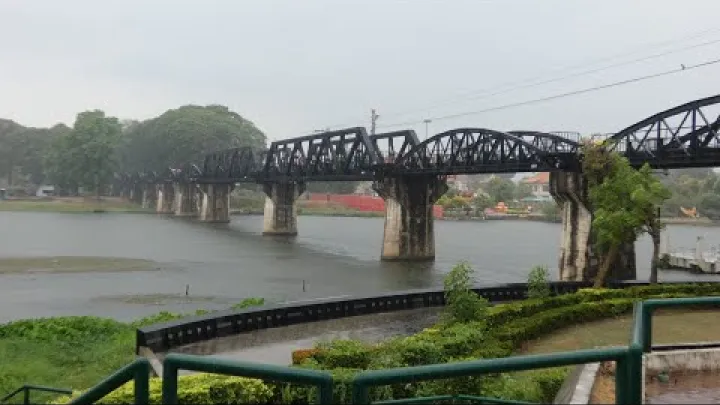
The main travel base is Kanchanaburi town, set around the River Kwai area and close to well-known landmarks such as the Bridge over the River Kwai and Kanchanaburi War Cemetery. Beyond town, the province opens into waterfalls, caves, reservoirs, national parks, and more remote areas such as Sangkhlaburi. This mix makes Kanchanaburi useful for travelers who want more than one type of experience without taking a domestic flight.
Who Should Visit and How Long to Stay
Kanchanaburi is a good match for travelers interested in World War II history, railway heritage, waterfalls, national parks, river resorts, and slower travel after busy days in Bangkok. It is also useful for travelers who want an easy first step into rural Thailand while still having access to guesthouses, restaurants, tours, and public transport.
A day trip can work if you only want a quick look at one or two highlights, especially history sites near town or a guided tour from Bangkok. Two to three days is better for most first-time visitors because it allows time for Kanchanaburi town, the Bridge over the River Kwai, a war cemetery or museum visit, and one nature day such as Erawan National Park or Hellfire Pass. Four or five days allows a river resort stay, Sai Yok, reservoirs, or Sangkhlaburi without making every day feel like a transfer day.
Travelers mainly looking for beaches, nightlife, or shopping should see Kanchanaburi as a contrast to those parts of Thailand, not a substitute. Its appeal is quieter, more reflective, and more landscape-based.
Best Areas to Base Yourself in Kanchanaburi
The best base depends on how independently you want to move around. First-time visitors usually do best in Kanchanaburi town, while riverside resorts and Sangkhlaburi suit more specific travel styles.

| Base area | Best for | Main trade-off |
|---|---|---|
| Kanchanaburi town | First-time visitors, public transport, history sites, day trips | Less secluded than river resorts |
| River Kwai resorts | Scenery, rest, couples, resort-focused stays | Transfers and meals may need planning |
| Sangkhlaburi | Remote extension, Mon Bridge, lakeside mornings | Longer road travel and fewer quick connections |
Kanchanaburi Town for First-Time Visitors
Kanchanaburi town is the best overall base for most first-time visitors. It is practical for people arriving by train, bus, or minivan, and it gives easier access to restaurants, guesthouses, local transport, tour operators, the riverfront, the Bridge over the River Kwai, and Kanchanaburi War Cemetery.
Town is not a single compact sightseeing zone where every attraction is always walkable, so you should still expect to use taxis, local rides, bicycles, organized tours, or arranged drivers depending on where you stay. The advantage is flexibility. You can visit history sites one day, take a day trip to Erawan National Park or Hellfire Pass the next, and still have easy access to food and onward transport.
The trade-off is atmosphere. Town accommodation is convenient, but it is not as quiet or scenic as a remote riverside property. If this is your first trip, a common solution is to spend the first nights in town, then add a quieter river stay if your schedule allows.
River Kwai Resorts for a Slower Stay
River Kwai resorts are ideal if your priority is scenery, quiet, and a slower pace. Some stays focus on river views, floating-style rooms, forest surroundings, or a retreat-like atmosphere. They can be memorable, especially after a busy Bangkok itinerary.
The main planning issue is movement. Some river properties are not convenient for independent sightseeing, and transfers may need to be arranged in advance. Meals, check-in timing, luggage handling, and pick-up points can also matter more than they would in town. Before booking, check how you will arrive, how you will leave, and whether the property can help with day trips.
This base works best for travelers who do not need to move frequently, or as an add-on after seeing the main town-based sights. It is less suitable if you want to make many last-minute independent trips by public transport.
Sangkhlaburi for a Remote Extension
Sangkhlaburi is a more remote extension in the wider Kanchanaburi province, close to the Myanmar border area and associated with Mon Bridge, lakeside views, and multicultural local communities. It has a very different rhythm from Kanchanaburi town and is better for travelers who enjoy early mornings, slower observation, and long overland journeys.
This is not a casual add-on for every first-time visitor. The distance means you should usually plan at least one overnight stay rather than trying to visit and return on the same day. Travelers should also be careful and respectful around villages, religious places, and community life. Ask before photographing people, avoid treating local ceremonies as performances, and check current transport options before committing to the journey.
Getting to and Around Kanchanaburi
Most visitors reach Kanchanaburi from Bangkok. The main choices are train, bus, minivan, private transfer, organized tour, or self-drive. The best option depends on whether you value atmosphere, speed, comfort, luggage space, or flexibility.
Train from Bangkok Thonburi
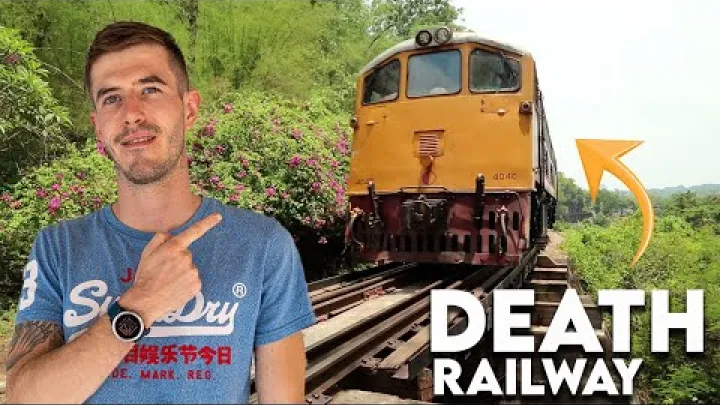
The train from Bangkok Thonburi Station is one of the most atmospheric ways to reach Kanchanaburi. It connects naturally with the Death Railway story and gives the journey a sense of place that a road transfer may not have. Route-specific planning sites such as ThailandTrains publish train information for the Bangkok to Kanchanaburi route, but schedules and fares should always be checked close to travel.
The train is best if you enjoy scenic, slower travel and are comfortable with basic conditions. It is not always the fastest or most convenient choice, especially if your Bangkok accommodation is far from Thonburi or if the available departure times do not fit your itinerary. Build in time to reach the station and avoid planning a tight connection immediately after arrival.
Bus and Minivan Options from Bangkok
Buses and minivans are often the most flexible road-based options between Bangkok and Kanchanaburi. Services may operate from major terminals such as Sai Tai Mai Southern Bus Terminal, and some routes or booking platforms may also show options connected with Mo Chit Bus Terminal depending on the operator and date. Platforms such as BusOnlineTicket can help travelers compare available services, but times, boarding points, and fares can change.
Minivans can be frequent and direct, but luggage space may be limited. Larger buses may feel more comfortable for some travelers, though departure points and timing may be less convenient. Bangkok traffic can affect road journeys, so avoid tight same-day flight connections after returning from Kanchanaburi. If you must connect to a flight, leave a generous buffer or return to Bangkok the previous night.
| Option | Advantages | Limitations |
|---|---|---|
| Train | Historic feel, scenery, simple route | Fewer departures, basic comfort, slower pace |
| Bus or minivan | Flexible, practical, many road options | Traffic risk, luggage limits on some minivans |
| Private transfer | Door-to-door comfort, useful for groups | Higher cost, quality depends on provider |
| Organized tour | Easy planning, guide support | Less freedom, fixed schedule |
Local Transport, Day Trips, and Self-Drive Choices
Within Kanchanaburi town, some short movements may be possible on foot depending on your accommodation and the weather, but many visitors use local rides, bicycles, taxis, songthaew-style shared transport where available, tours, or private drivers. Attractions outside town usually need more planning. Erawan National Park, Hellfire Pass, Sai Yok National Park, reservoirs, and Sangkhlaburi are not simple walks from the main accommodation areas.
Guided tours are useful if you have limited time, want historical interpretation, or do not want to manage local transport. Private drivers can work well for groups or families who want flexibility. Independent buses or minivans may reduce costs, but they require more patience and current schedule checks.
Motorbike or car rental gives freedom, but it also increases responsibility. Check that your license, travel insurance, and rental agreement cover the vehicle you plan to use. Wear a helmet on motorbikes, avoid riding in heavy rain or after dark if you are not confident, and remember that rural roads can include fast traffic, uneven surfaces, animals, and limited lighting.
Top Things to Do in Kanchanaburi
The best things to do in Kanchanaburi fall into three broad groups: World War II and railway history, waterfalls and national parks, and river or reservoir landscapes. A balanced first visit usually includes at least one experience from each group if time allows.
World War II Sites and the Death Railway
The core history route usually includes the Bridge over the River Kwai, Kanchanaburi War Cemetery, sections of the Death Railway or Nam Tok railway line, and Hellfire Pass Interpretive Centre. These places are connected to forced labor, prisoners of war, Asian laborers, wartime suffering, and deaths during the construction of the railway. They deserve more than a quick photo stop.
The Hellfire Pass Interpretive Centre is an important source for understanding the site and its memorial context. If you visit, give yourself time to read interpretive material and walk respectfully. At cemeteries and memorials, keep noise low, dress with basic respect, and avoid posing in ways that conflict with the solemn purpose of the site.
It is also useful to separate the real history from simplified popular narratives. The Bridge over the River Kwai is famous worldwide, but the broader railway story is larger, more complex, and more painful than a single landmark or film reference can explain.
Erawan National Park and Waterfalls
Erawan National Park is one of Kanchanaburi’s major nature attractions, known for waterfall tiers, forest trails, and swimming areas when conditions and rules allow. Thai National Parks describes Erawan as a popular national park in Kanchanaburi Province, but visitors should still check current opening hours, fees, trail access, and park rules before going.
Arriving early is usually a good idea because the park can be more comfortable before the hottest part of the day and before peak visitor numbers. Bring drinking water, sun protection, suitable footwear, and cash backup for small payments if needed. Wet rocks can be slippery, and rain can change trail conditions quickly.
Do not assume that every pool is open for swimming on every visit. Follow signs and staff instructions, keep food secured where required, and avoid leaving litter. If your Kanchanaburi itinerary is short, dedicate most of a day to Erawan rather than trying to combine it with several distant attractions.
Sai Yok, Reservoirs, and River Landscapes
Sai Yok National Park, Srinakharin Dam, Vajiralongkorn Dam, caves, river valleys, waterfalls, and reservoir landscapes offer alternatives or additions to Erawan. These areas appeal to travelers who want scenic drives, boat-based stays, quiet river views, or a more nature-focused trip.
They also require more transport planning than the main town sites. Access, boat trips, waterfall conditions, and some activities can depend on weather, water levels, operators, and local rules. Rather than trying to list every possible stop, choose by travel style. If you want easy nature, prioritize Erawan or a simple river day. If you want slower scenery, consider a resort or reservoir stay. If you want a more active day, check current tour options and trail conditions before you go.
Mon Bridge and Sangkhlaburi
Mon Bridge is the main landmark for many travelers extending to Sangkhlaburi. The appeal is often strongest in the early morning, when the lake, bridge, and local life are quieter. Some travelers also arrange boat trips where available or visit nearby villages and temples with local guidance.
Respect is essential. Religious giving, morning routines, and community life are not tourist performances. If you observe alms-giving or temple activity, keep a respectful distance, dress modestly, and avoid intrusive photography. Because Sangkhlaburi is far from Kanchanaburi town, plan an overnight stay and check current transport and boat availability before building it into your route.
Best Time to Visit Kanchanaburi
Kanchanaburi can be visited year-round, but the experience changes with heat, rain, and water conditions. Because weather can vary by year, use seasonal guidance as a planning tool rather than a guarantee.
Cool Season, Hot Season, and Wet Season
The cooler and generally drier part of the year is often the most comfortable time for outdoor sightseeing, memorial walks, train journeys, and waterfall days. The hot season can still be rewarding, but walking, cycling, and long open-air sightseeing days may feel tiring. Start early, rest during the hottest hours, and drink more water than you think you need.
The wet season can make landscapes greener and waterfalls more powerful, but rain can also create slippery trails, muddy paths, delays, and occasional access changes. Storms may be short or heavy, and conditions can vary across the province. Check the forecast close to departure and keep your most weather-sensitive activities flexible.
Matching Weather to Activities
If your priority is hiking, war memorial walking routes, cycling, or long outdoor days, choose a period when heat and rain are less likely to affect comfort. If your priority is waterfalls and lush scenery, wetter months can be attractive, but you need better footwear, flexible plans, and a willingness to change activities if conditions become unsafe.
For Erawan, Sai Yok, and rural routes, avoid building an itinerary with no backup plan. Place important outdoor activities early in a multi-day stay so you can move them if rain or closures interfere. For town history sites, morning visits are often more comfortable than midday visits, especially during hotter periods.
Costs, Booking, and Safety Tips
Kanchanaburi can be planned at several budget levels. The main difference is not only accommodation cost, but also how you move between spread-out attractions.
Typical Budget Categories to Plan For
The main costs are transport from Bangkok, local transport, accommodation, food, tours or drivers, national park fees, museum or interpretive site entries, and boat trips where relevant. A guesthouse-based trip in town can be relatively simple to manage, while a remote river resort or private driver itinerary will cost more.
| Cost category | What to consider |
|---|---|
| Bangkok transport | Train, bus, minivan, private transfer, or tour package |
| Local transport | Drivers, taxis, local rides, tours, fuel, or vehicle rental |
| Accommodation | Town guesthouses, riverfront hotels, floating-style stays, resorts |
| Activities | Parks, museums, rail trips, boat trips, guided tours |
| Cash needs | Small operators, markets, rural transport, and some park visits |
Avoid planning only with card payments. Cash can be useful for smaller restaurants, market food, local rides, park-related payments, and rural areas. If you use online booking platforms, confirm what is included, where pick-up happens, and whether entrance fees are separate.
What to Book Ahead and What to Arrange Locally
Book ahead if you want a specific river resort, are traveling on a weekend or Thai public holiday, need a private driver, or have limited time and cannot risk missing a tour. Popular accommodation can become harder to secure during busy domestic travel periods, although demand varies by date and property.
You can often arrange simple local sightseeing, food, markets, and some day trips after arrival in Kanchanaburi town. This gives flexibility if weather changes or if you decide to rest. The best approach is to book the items that would seriously affect your trip if unavailable, while leaving smaller decisions flexible.
Before visiting major attractions, confirm opening hours, access rules, transport schedules, and pick-up points. This is especially important for national parks, remote areas, and any itinerary that depends on one specific departure.
Safety, Health, and Responsible Travel
Kanchanaburi is a popular travel destination, but no destination is risk-free. The most common practical issues for visitors are heat, dehydration, slippery waterfall paths, rain, traffic, and underestimating distances. Carry water, use sun protection, wear suitable shoes, and avoid overloading your days.
Road safety deserves special attention. If you rent a motorbike, use a helmet, check insurance and license requirements, and avoid riding beyond your ability. If you hire a driver or join a tour, choose operators that communicate clearly about timing, vehicle type, and what is included.
For health and security, travel insurance is sensible, especially if you plan waterfalls, rural road trips, or motorbike rental. Check current national travel advisories and local access updates before departure, particularly if you plan remote areas. Responsible travel also means behaving respectfully at war memorials, cemeteries, temples, villages, and natural sites. Avoid wildlife or animal activities unless you can verify that welfare standards are responsible.
Suggested Kanchanaburi Itineraries
The right Kanchanaburi itinerary depends on how much time you have and whether your priority is history, nature, or rest. The province is easy to underestimate because many attractions look close on a map but take time to reach.

One-Day Trip from Bangkok
A one-day trip from Bangkok is possible, but it is best kept focused. Choose a history-centered route with Kanchanaburi town, the Bridge over the River Kwai, a war cemetery, and perhaps a short railway-related experience, or choose a nature-focused guided day with fewer stops. Trying to combine town, Erawan National Park, Hellfire Pass, and a scenic train ride in one day can feel rushed.
This format suits travelers with very limited time, people who prefer organized tours, or those who mainly want an introduction. It is less suitable if you dislike long travel days or want time for reflection at memorial sites. Expect a high proportion of the day to be spent in transit.
Two to Three Days in Kanchanaburi Town
Two to three days is the best first-time structure for many visitors. Use Kanchanaburi town as your base and plan one day around history sites near town, one day for Erawan National Park or Hellfire Pass, and one slower block for the riverfront, food, markets, or a train segment.
A simple two-day plan could include arrival, the Bridge over the River Kwai, Kanchanaburi War Cemetery, and town-based sightseeing on the first day, followed by Erawan or Hellfire Pass on the second. With three days, you can reduce pressure, add a Death Railway or Nam Tok railway line experience, and include more rest time.
Do not pack every distant attraction into one day. Heat, rain, and transport uncertainty can make a dense itinerary tiring. A slower plan usually gives a better sense of Kanchanaburi than a checklist.
Four to Five Days with Nature or Sangkhlaburi
With four to five days, choose one main extension rather than trying to see every far-flung attraction. A nature-focused route could add Sai Yok, a river resort, Srinakharin Dam, Vajiralongkorn Dam, or more time around waterfalls. A remote extension could include Sangkhlaburi and Mon Bridge with at least one overnight stay.
If you want comfort, add a river resort after town. If you want active nature, build the itinerary around parks and scenic drives. If you want a cultural landscape and a more remote atmosphere, choose Sangkhlaburi and accept the longer road journey. Extra days are valuable because they reduce transport pressure and give you room to adapt to weather.
Frequently Asked Questions
How many days do you need in Kanchanaburi?
Two to three days is best for most first-time visitors. A day trip can cover a few highlights, while four or five days allows time for river resorts, Sai Yok, reservoirs, or Sangkhlaburi.
Can you visit Kanchanaburi as a day trip from Bangkok?
Yes, but it can feel rushed. A day trip works best if you focus on either history sites near town or one organized nature route, not every major attraction in the province.
Is the train or bus better from Bangkok to Kanchanaburi?
The train is better for atmosphere and railway context. Buses and minivans are often better for flexibility. Choose based on your departure area in Bangkok, luggage, schedule, and comfort needs.
Where should first-time visitors stay in Kanchanaburi?
Kanchanaburi town is the most practical first-time base because it gives easier access to transport, restaurants, tour operators, riverfront areas, and major history sites.
When is the best time to visit Kanchanaburi?
The cooler, drier period is usually most comfortable for outdoor sightseeing. Wetter months can bring greener scenery and stronger waterfalls, but trails may be slippery and access can change.
Final Planning Advice for Kanchanaburi
Kanchanaburi is most rewarding when you plan it as more than a quick photo stop from Bangkok. Use Kanchanaburi town if you want convenience, choose a River Kwai resort if you want quiet scenery, and add Sangkhlaburi only if you have enough time for a slower remote extension.
For a first trip, two to three days gives the best balance of history, nature, and rest. Check current transport schedules, park access, weather, and opening hours before you travel, then keep your itinerary flexible enough to enjoy the province at its natural pace.
Select area
Create a post
Posting is free and no registration is required.