Suwon Where to Stay: Best Areas and Accommodation
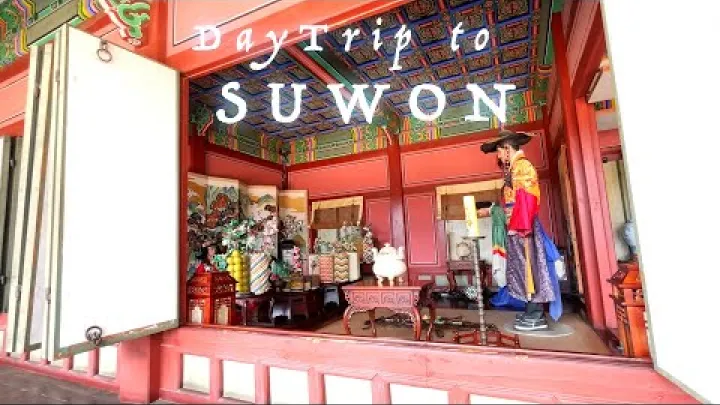
Where to stay in Suwon depends less on finding one universally best hotel and more on choosing the right base for your daily plans. Suwon Station suits flexible transport, while Hwaseong Fortress and Haenggung-dong are better for heritage sightseeing on foot. Ingye-dong and Na Hye-Seok Street focus on dining and evening activity, and Gwanggyo Lake Park offers a more modern, leisure-oriented setting. This guide compares these areas, explains which accommodation type fits different trips, and gives you a practical checklist for booking.
How to Choose Where to Stay in Suwon
Begin by deciding what you want to do after arriving in Suwon. A visitor combining Suwon with Seoul or other parts of the metropolitan area may value a rail-connected base, while someone visiting mainly for the fortress may save time by staying closer to the historic core. Travelers who expect to spend most evenings eating out may prefer Ingye-dong, while longer stays can benefit from the newer surroundings of Gwanggyo and Yeongtong-gu.
The comparison below is a planning guide, not a ranking of hotels. Exact room conditions, property facilities, availability, and prices change by date and by building, even within the same neighborhood.
| Base area | Best for | Main advantage | Main trade-off |
|---|---|---|---|
| Suwon Station and city center | Transport and mixed itineraries | Rail access and everyday services | Requires a local connection to the fortress |
| Hwaseong Fortress and Haenggung-dong | Heritage sightseeing | Walking access and historic atmosphere | Less direct rail convenience |
| Ingye-dong and Na Hye-Seok Street | Dining and nightlife | Restaurants, bars, and cafes nearby | More activity and possible noise |
| Gwanggyo Lake Park and Yeongtong-gu | Modern comfort and longer stays | Contemporary lodging and leisure space | Less convenient for central heritage visits |
The Best Default Base for First-Time Visitors
For most first-time visitors, Suwon Station and the surrounding city-center area are the most flexible default. They make arrivals, departures, regional trips, meals, and basic errands relatively straightforward. If your main purpose is to explore Hwaseong Fortress, Hwaseong Haenggung Palace, and Haenggung-dong at a relaxed pace, the historic core is the stronger default instead.
This distinction is more useful than choosing a hotel from a list labeled best. A property may have a suitable name or rating but still be far from the station exit, on a noisy road, or inconvenient for the sights you plan to visit. An overview from Agoda identifies the city center near Suwon Station and the area near Hwaseong Fortress as popular lodging bases, which supports using these two zones as the main starting points for comparison.
Choose the station area when flexibility matters more than atmosphere. Choose the fortress area when most of your sightseeing is concentrated in the historic center and you want to walk out of your accommodation into that part of Suwon. Neither choice is the best for every itinerary.
Match Your Neighborhood to Your Itinerary
Use your evening plans as well as your daytime attractions to choose an area. The place where you sleep determines how often you need a bus, taxi, or other local connection after a full day of sightseeing. It also affects whether you can return briefly to your room before dinner or an evening walk.
- For heritage sightseeing: Choose Hwaseong Fortress, Hwaseong Haenggung Palace, or Haenggung-dong when walking between cultural sites is the main purpose of the trip.
- For regional transport: Choose Suwon Station when your plans include Seoul, other Gyeonggi destinations, early departures, or an itinerary that may change.
- For dining and nightlife: Choose Ingye-dong or Na Hye-Seok Street when restaurants, bars, cafes, and late-evening activity are more important than being beside the fortress.
- For modern scenery or a longer visit: Choose Gwanggyo Lake Park or a suitable part of Yeongtong-gu when park walks, contemporary facilities, and a routine-oriented stay are priorities.
Direct walking access and practical local access are different. A station-area hotel may connect well to other cities but need another ride for the fortress. A lake-area property may be comfortable for a park-centered visit but unsuitable if you expect to walk to historic attractions every morning. Write down your two or three most important destinations before opening a booking site.
Compare Location, Nighttime Feel, and Cost Before Booking
District names are only a starting point. Open the map pin for each property and inspect the actual walking route to the station, fortress, restaurant street, or park. Check whether the route uses a main road, crosses a large intersection, follows a quieter side street, or ends at a different building entrance from the one shown in the photographs.
Nighttime activity also varies within an area. A commercial corridor can be convenient for dinner but less suitable for someone who wants quiet sleep. A historic street can feel atmospheric during the day but have fewer late services. Avoid describing any whole neighborhood as universally quiet, comfortable, or safe when those experiences depend on the exact block, arrival time, building entrance, and recent local conditions.
Cost should be compared at the property level. A less central room can offer better value if its route is practical, the room configuration suits your group, and its policies fit your plans. Conversely, a low room rate can lose its advantage if you need frequent local transport or if essential facilities are not included. Make the location decision first, then compare the final booking conditions in the checklist later in this guide.
Suwon Station and the City Center: Best for Transport
Suwon Station is the most practical base when mobility across Suwon and the wider metropolitan area is central to your trip. It is also a useful choice for visitors who want everyday city services close by and do not yet have a fixed schedule.
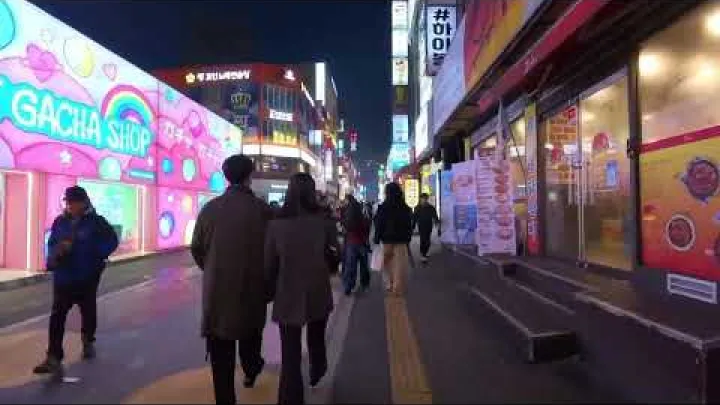
Why Stay Near Suwon Station
Suwon Station works as a transport anchor because it places you near a major rail connection and a broad range of urban services. The Suin–Bundang Line provides rail-corridor context toward Seoul and Incheon, although the route, transfers, stopping pattern, and operating hours must be considered for your particular journey. The published line information on Wikipedia is useful background, but it should not replace a current rail journey search.
Before selecting this base for a commuter-style itinerary, check the current rail route for your travel dates, including any transfer pattern and the last service you could realistically use. This is especially important if you will return after an event, leave early for another destination, or carry luggage during a connection. A station-area location is valuable only when the actual service pattern works for your schedule.
Also compare the hotel's walking route to the station rather than relying on the neighborhood label. Note the station exit you would use, the distance to the property's entrance, and whether the route is easy to follow with luggage. A property described as near Suwon Station may still sit on a different side of the station or require a longer walk than expected.
Who Should Choose the Station Area
The station area is a strong match for travelers combining Suwon with Seoul or other Gyeonggi destinations. It also suits business travelers, visitors with early departures, and people who want several possible day-trip routes. If your plans include only one day of Suwon sightseeing and several days elsewhere, reducing transport changes can be more valuable than staying beside the fortress.
Set the right expectation: this is a mobility-first base, not the best place to experience the historic core from your front door. Reaching Hwaseong Fortress normally means adding a local connection, so consider whether that extra step is acceptable in exchange for easier regional travel. The station area may also feel more practical and urban than heritage-focused.
A simple example is a mixed itinerary. You could arrive in Suwon, stay near the station, use the rail network for a regional day trip, and reserve a separate day for the fortress and palace using local transport. This plan works well when the accommodation needs to support several destinations instead of one concentrated walking route.
What to Check in Station-Area Hotels
Station-area properties can include business-oriented hotels, tourist hotels, and larger full-service hotels. Compare them by the features that affect your trip: actual walking distance to rail, room comfort, parking, breakfast, reception arrangements, and cancellation terms. Do not assume that two properties with similar station labels offer the same service or room experience.
Main-road locations can make arrival and onward travel simple, while a side-street location may provide a different nighttime atmosphere. Look at the map and recent property comments together. If you need a car, check parking arrangements rather than assuming that a central hotel includes convenient parking. If you arrive outside standard hours, check how reception and check-in operate.
Prices in the station area are date-dependent. Compare the complete booking total and the room you would actually use instead of treating the area as automatically cheap or automatically expensive. Maximum station proximity may be worth paying for an early departure, while a nearby side street may be a better choice for a longer stay with fewer rail journeys.
Hwaseong Fortress and Haenggung-dong: Best for Sightseeing
The historic core is the most natural base for a Suwon visit centered on Hwaseong Fortress, Hwaseong Haenggung Palace, Haenggung-dong, nearby markets, cafes, and local food. It favors a slower schedule in which the walking experience is part of the attraction rather than simply a way to move between transport stops.

Stay Close to Suwon's Historic Core
Staying near Hwaseong Fortress puts the city's major heritage anchors closer to the beginning and end of your day. You can start sightseeing without first crossing the city, return to your room between visits, and spend more time exploring the streets around Haenggung-dong. This can be especially useful for short trips when every local transfer takes time away from the historic sites.
The area suits visitors who want to combine fortress walks with Hwaseong Haenggung Palace, cafes, cultural stops, markets, and local meals. It is also a natural choice for people who prefer to keep evenings near the same historic center rather than return to a transport hub after each outing.
Heritage events and evening programs can add a special reason to stay nearby, but they depend on the dates and program details. Treat them as an itinerary benefit when they match your visit, not as a permanent feature of every evening. The best reason to choose this base is still the concentration of sights and the ability to explore them at a comfortable pace.
Guesthouses and Hotels Near Hwaseong Fortress
Accommodation near the fortress can suit several budgets and travel styles. A small guesthouse or hostel may appeal to a solo traveler who values location and shared social space, while a private room or tourist hotel may be better for couples, families, or anyone who wants more predictable privacy. Apartment-style and hybrid listings may also appear, but their facilities need to be assessed individually.
A current Hotels.com search for stays near Hwaseong Fortress illustrates that the area has a mixed set of listings rather than one standardized accommodation category. Use a booking-platform page to identify possible locations, then read the individual property page instead of treating the list as a ranking.
For guesthouses and hostels, check whether the room is private or shared, whether the bathroom is inside the room, and whether lockers or luggage storage are available. Confirm reception hours, quiet-hour rules, heating or cooling arrangements, and cancellation terms. For hotels, check the same map details and room policies, then compare whether the additional facilities are useful for your particular stay.
The Trade-Off Between Heritage Access and Rail Convenience
The historic core offers stronger walking access to heritage attractions, but it is not the same transport base as Suwon Station. You may need a local connection for rail departures or regional day trips. The area can also include hills, slopes, or uneven routes around parts of the fortress, so the shortest map route is not always the easiest route for every traveler.
Choose this area over the station area when most of your planned time is around Hwaseong Fortress, Hwaseong Haenggung Palace, and Haenggung-dong. The value comes from sleeping beside the places you want to experience, not from having the simplest regional commute. Choose the station area instead when rail departures, cross-city plans, or flexible day trips make up a large part of the itinerary.
Separate neighborhood walkability from the physical conditions of an individual property. A walkable historic district does not guarantee that every hotel entrance, stairway, elevator, or room is equally practical. Those details belong in your property comparison, especially when you are traveling with heavy luggage or have specific mobility requirements.
Ingye-dong and Na Hye-Seok Street: Best for Dining and Nightlife
Ingye-dong and Na Hye-Seok Street are strongest for travelers who want restaurants, bars, cafes, and an active evening setting close to their accommodation. This is a contemporary urban base rather than a direct heritage base, so it works best when your Suwon experience includes substantial time after sunset.
What Makes This Corridor Appealing
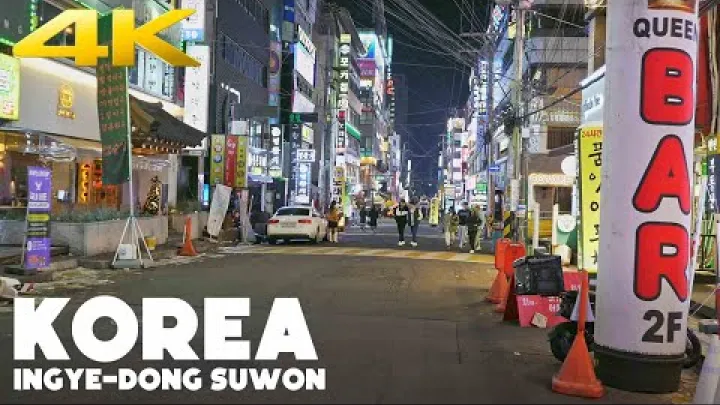
Ingye-dong is a practical choice for couples, groups of friends, and food-focused travelers who want to walk to evening plans. A current Expedia travel guide describes the area as a busy street environment with shops and restaurants, including chicken restaurants and beer bars. That description supports the area's role as a dining and evening-activity corridor, although the character can change from one block to another.
The main advantage is convenience after a day elsewhere in Suwon. You can plan dinner, coffee, or a drink without making the historic core or the lake district your evening destination. The trade-off is that Hwaseong Fortress and Gwanggyo Lake Park remain separate daytime areas reached by local transport rather than immediate walks from every property in Ingye-dong.
Choose this corridor when your priority is the quality and variety of evening plans. If your trip is mainly about walking through the fortress area at different times of day, the historic core will usually align more closely with your itinerary.
How to Balance Nightlife With Quiet Sleep
Commercial density is both the appeal and the main drawback of this area. Restaurants and bars can mean more people, traffic, late operating hours, and street noise. The atmosphere may be convenient and lively for one traveler but tiring for someone who needs quiet evenings or an early start.
Use a practical room-selection strategy. Read recent reviews for comments about nighttime noise, look at the property's exact distance from the busiest stretch, and check whether rooms face a main road or a side street. When quiet sleep matters, request a room away from the busiest nightlife streets and ask the property whether a quieter room position is available. A side-street building can be a better match than a room directly above an active venue.
Activity should not be treated as a blanket statement about safety, and a traveler's sense of nighttime comfort is not the same as verified safety information. Travelers seeking very quiet evenings, direct walking access to heritage sights, or a more leisure-oriented setting may prefer the fortress area or Gwanggyo instead.
Gwanggyo Lake Park and Yeongtong-gu: Best for Modern Comfort
Gwanggyo Lake Park and selected parts of Yeongtong-gu suit visitors who value contemporary accommodation, outdoor walks, and a more modern daily routine. The area can work well for couples, some families, wellness-focused travelers, and people staying several nights, but the exact property location matters because Yeongtong-gu is a broad district rather than one uniform hotel zone.
Who Benefits From a Lakefront Base
A lake-oriented base makes sense when park walks and modern surroundings are part of the trip rather than an occasional side excursion. It can provide a calmer rhythm for visitors who want to begin the morning outdoors, return to a contemporary hotel after meetings, or spend several days without staying beside the busiest central streets.
Families and couples may appreciate having leisure space near the accommodation, while longer-stay travelers may prefer the area's routine-oriented feel. These are planning advantages, not guarantees about every building. Check the exact walking route to Gwanggyo Lake Park, the property's room layout, nearby food options, and the facilities that your group actually needs.
Distinguish the hotel cluster around Gwanggyo Lake Park from the wider residential parts of Yeongtong-gu. A listing in Yeongtong-gu may be practical for a work commitment or an apartment-style stay but may not provide the lake access suggested by a broad district name.
Compare Branded Hotels and Local Options
Near Gwanggyo Lake Park, current accommodation pages list examples such as Courtyard by Marriott Suwon, Four Points by Sheraton Suwon, ibis Suwon Ambassador, and Haeden Hotel High. A current Expedia page is useful for seeing the hotel cluster, but its ordering should not be read as an independent ranking or a promise that every property is equally close to the lake.
Compare branded and local options by total value rather than by brand name alone. Look at room size, breakfast, parking, views, cancellation terms, available facilities, and the actual route to the park. A larger brand may be useful when standardized facilities matter, while a local hotel may fit better if location or room cost is the main priority.
Do not use a fixed nightly price as a general description of Gwanggyo. Rates depend on dates, demand, room type, and the precise location. A listing shown near the lake may also cover more than one micro-area, so open the map before deciding that a property provides the lakefront experience you want.
When Gwanggyo Is Less Convenient
Gwanggyo is a weaker fit for a trip built around walking to Hwaseong Fortress or for a schedule that requires the simplest access to Suwon Station. If you expect to visit the historic core repeatedly, a lake-centered base can add local travel to many otherwise short sightseeing days. If most of your plans are rail-based, the station area is usually the more direct planning choice.
Choose Gwanggyo when the lake, modern hotel amenities, scenery, or a local work or family commitment matters more than central sightseeing. For example, a lake-oriented plan might begin with a park walk, use the area as a comfortable base, and include the fortress as one planned outing. A heritage-oriented plan would reverse that priority and place the accommodation closer to Hwaseong Fortress or Haenggung-dong.
Choose the Right Accommodation Type for Your Trip
After selecting an area, choose the type of lodging that matches your budget, privacy needs, schedule, and length of stay. A hotel near the wrong attraction can be less useful than a simpler property in the right location.
Hotels and Full-Service Stays
Hotels are the simplest choice for travelers who want private rooms, predictable reception arrangements, and a clear range of on-site services. Full-service properties may be useful for business travelers, families, or visitors who prefer breakfast, restaurants, lounges, parking, or other facilities in one building. Business and tourist hotels can provide practical comfort without requiring the same level of on-site service.
Current examples in Suwon's urban hotel market include Novotel Ambassador Suwon and Ramada Plaza Suwon. The Expedia Suwon lodging guide describes features such as a bar and cafe at Novotel Ambassador Suwon and restaurants at Ramada Plaza Suwon. These are examples of property-specific facilities, not a universal recommendation or guarantee that the same features suit every traveler.
Confirm the current room type, breakfast, parking, reception, accessibility information, and cancellation terms on the individual property page. Do not infer facilities from a brand name or star label. Resort-style amenities should also be treated as property-level features to verify, not as evidence that Suwon has a separate resort district that will suit your itinerary.
Hostels and Guesthouses for Budget Travelers
Hostels and guesthouses can suit solo travelers, social trips, and visitors who want to keep the room cost focused on location rather than extensive hotel facilities. They may be especially appealing near the historic core, where a smaller property can place you close to the sights. Supply, room formats, and service levels vary, so compare the individual listing carefully.
The main choice is often between a dormitory bed and a private room. A dormitory may work for a flexible solo traveler who values social space, while a private room is more suitable for couples or visitors who need personal quiet. Check bathroom arrangements, lockers, luggage handling, quiet hours, reception times, and whether the accommodation has stairs or an elevator.
Compare the complete experience rather than the room price alone. A cheaper room farther from your main sights may involve more local transport and more time each day. A slightly more central guesthouse may be better value if it reduces transfers and places your planned evening activities nearby. Live rates and availability can change significantly by date.
Apartment-Style Stays for Longer Visits
Apartment-style or serviced-apartment accommodation can suit longer visits, families, self-catering, and people who need a more routine-oriented place to work or rest. It may be a good match for parts of Yeongtong-gu, especially when a residential setting is more useful than a central sightseeing location.
Booking categories for Yeongtong-gu include hotels, guesthouses, and apartment-related listings. The Expedia area page shows this mixed inventory, but a category page does not prove that every listing is a serviced apartment or offers hotel-style service.
Confirm kitchen access, living space, cleaning schedules, minimum-stay rules, building entry, house rules, reception arrangements, and cancellation terms. An apartment listing may not provide a full kitchen, regular housekeeping, a hotel reception, or extra living space unless the individual property states this clearly. Distinguish a verified serviced apartment from an ordinary short-term rental or a hotel room with limited additional space.
A Practical Suwon Booking Checklist
Once you have a preferred area and accommodation type, use the property page and map together. This avoids choosing a room based only on a district label, attractive photographs, or a headline price.
Verify the Exact Map Location and Arrival Route
Start by identifying the property's exact building on a current map. Mark the nearest station or bus stop, estimate the walking route with your luggage, and locate the entrance you will actually use. Check whether the map pin points to the accommodation itself or to a nearby area with a similar name.
Look at the route from your arrival stop to the property's door, not just the distance between two neighborhood labels. This is important in a large station area, a broad district such as Yeongtong-gu, or a historic zone where streets and entrances may not align with the shortest map line. Read the property's arrival instructions separately and confirm any late check-in procedure.
For a late arrival, map the route from the arrival stop to the property's exact entrance before traveling, and review current local guidance for the area. Do not classify an entire district as safe or unsafe based only on a commercial listing or a general impression. Instead, use the specific route, building instructions, current local information, and your arrival circumstances to make a practical decision.
Check the Live Price, Room Details, and Policies
Before paying, compare the live booking page's final total and the exact room you are selecting. A short checklist should include:
- Final total and any taxes or fees shown on the booking page
- Cancellation and change conditions
- Check-in and check-out times
- Bed configuration and maximum occupancy
- Private or shared bathroom arrangements
- Breakfast, parking, and other included or extra-cost services
- Recent review dates and comments relevant to your needs
Use date-stamped prices only as examples because availability, demand, room type, and booking conditions can change. The cheapest displayed room may not be the lowest-cost choice if it excludes breakfast, requires paid parking, adds local transport, or has a restrictive cancellation policy. Compare the room that fits your group and schedule with the final amount you would actually pay.
Separate confirmed facts from assumptions based on photographs, star ratings, or marketing language. If a feature matters, such as a particular bed, kitchen, view, or check-in arrangement, it should be stated in the live listing or confirmed directly with the property.
Plan Around Events, Operating Details, and Mobility Needs
Events and seasonal scenery can influence the best place to stay, but only when they match your dates. A tourism guide from VisitKorea provides context for Suwon's fall scenery, festivals, and itinerary planning. Use current event information and property or attraction pages for dates, opening hours, operating details, and any changes that affect your visit.
If you are choosing a fortress-adjacent stay for evening programming, confirm that the program is operating during your visit. If you are choosing Gwanggyo for outdoor time, check the practical details that matter for your plans. Seasonal weather can also change how much walking you want to do, so leave enough flexibility to use local transport when necessary.
Make a separate accessibility check. Ask about step-free access from the street, elevator availability, stairs inside the building, and the most practical route from the room to the entrance. Around the fortress, consider hills and uneven routes rather than assuming that a short distance is automatically easy. If the listing is unclear, ask the property or a local tourism office to confirm the route and facilities before booking.
Use these final decisions to select your base:
- Choose Suwon Station and the city center if regional rail access, flexible plans, or early departures are your main priorities.
- Choose Hwaseong Fortress and Haenggung-dong if heritage walking and the historic core will occupy most of your visit.
- Choose Ingye-dong and Na Hye-Seok Street if restaurants, cafes, bars, and evening activity matter most, and you can accept a more active nighttime setting.
- Choose Gwanggyo Lake Park or a suitable part of Yeongtong-gu if modern comfort, park walks, scenery, or a longer routine-oriented stay outweigh direct access to the station and fortress.
Final Recommendation: Where to Stay in Suwon
For a first visit with a mixed schedule, start by comparing hotels near Suwon Station and the historic core. Select the station area when transport flexibility is most important, and choose Hwaseong Fortress or Haenggung-dong when the heritage experience is the center of the trip. Ingye-dong is the better match for dining and nightlife, while Gwanggyo and Yeongtong-gu suit modern comfort and longer stays. The best place to stay in Suwon is the one that keeps your most important destinations, evening plans, arrival route, and accommodation needs aligned.
Select area
Create a post
Posting is free and no registration is required.