Suwon Budget: Daily Travel Costs in South Korea

A Suwon budget can be surprisingly manageable, especially when your plans focus on Suwon Hwaseong Fortress, local food, walking, and public transport. The largest differences usually come from your room, dining style, travel dates, and the number of taxi rides or premium activities you choose. This guide explains realistic daily travel costs in Korean won for budget, mid-range, and comfortable trips. It also separates daily spending from flights, airport transfers, intercity travel, shopping, and other one-off expenses.
Suwon Budget at a Glance
For most visitors, Suwon does not have one fixed daily price. A solo traveler paying for a private room will spend more per person than two travelers sharing the same room. Likewise, a heritage-focused day can be inexpensive, while a full-service hotel, restaurant meals, and taxis can quickly move the total into a higher range.
Daily Budget Ranges by Travel Style
The following figures are practical planning bands per traveler for one day in Suwon. They include one night of accommodation, food and drinks, local transport, and ordinary sightseeing. The budget range is unusually lean and usually requires a dorm bed, shared-room allocation, or very inexpensive lodging. The comfortable range assumes a better hotel, more restaurant dining, and greater use of taxis or paid experiences.
| Travel style | Approximate daily budget | Typical pattern |
|---|---|---|
| Budget | ₩40,000–₩70,000 | Low-cost lodging, simple meals, walking, buses, and mostly free sights |
| Mid-range | ₩80,000–₩140,000 | Comfortable hotel, varied meals, regular public transport, and some paid attractions |
| Comfortable | ₩180,000–₩300,000 or more | Full-service hotel, restaurant dining, taxis, cafés, and optional premium activities |
These are illustrative scenarios, not official averages or guaranteed minimums. Do not add the highest number in every category and treat it as a normal daily bill. A budget traveler might combine a low-cost room with a free fortress walk, while a comfortable traveler might spend more on lodging but little on attractions. The ranges exclude flights, airport transfers, long-distance rail, shopping, nightlife, expensive private tours, and other major one-off costs.
Use Korean won as your working currency, and recalculate the displayed ranges for your actual travel dates and current exchange rate before booking accommodation or exchanging money. A foreign-currency price can look inexpensive or expensive depending on the rate used by your bank, card provider, or booking website.
What a Daily Suwon Budget Includes
A useful Suwon travel budget has four recurring parts: accommodation, food and drinks, local transport, and activities. Accommodation is normally the largest variable. Food depends more on restaurant frequency and drinks than on the price of one inexpensive meal. Local transport can stay small when you walk between heritage sites, while taxis and repeated trips across the city change the total quickly. Activities may be nearly free if you concentrate on outdoor heritage areas, or much higher if you add tours and premium experiences.
Separate a per-person budget from a shared-room budget. If a room costs ₩80,000 for two people, the lodging allocation is ₩40,000 per person, although the booking total is still ₩80,000 per night. This distinction is important when comparing a solo trip with a couple or small group.
A simple formula is: nightly room rate multiplied by nights, divided by the number of guests, plus daily spending multiplied by full sightseeing days, plus one-off costs. For example, a three-night stay using a ₩60,000 room, ₩30,000 per day for food, ₩8,000 for local transport, and ₩5,000 for activities gives ₩180,000 for lodging and ₩129,000 for three full days of local spending. The local subtotal is therefore about ₩309,000 per traveler if the room is not shared. Add arrival, departure, and intercity costs separately. Arrival and departure days may be lighter or heavier than a full sightseeing day, so multiplying a full daily allowance by every calendar day can mislead.
Accommodation Prices in Suwon
Suwon accommodation covers dormitories, guesthouses, motels, local business hotels, and international chains. The best value depends not only on the headline room rate but also on occupancy, location, parking, breakfast, cancellation terms, and the transport needed to reach your planned sights.
Hostels, Guesthouses, and Budget Motels
Hostels and guesthouses are usually the lowest-cost entry point. A Suwon hostel listing snapshot showed starting prices around US$22, but that figure covered different dates, room types, and properties. It should not be converted into a fixed Korean-won rate without using the exchange rate for the date you will pay. A dorm bed may be excellent value for a solo traveler, while a private guesthouse room can be more suitable for travelers who want privacy without paying for a large hotel.
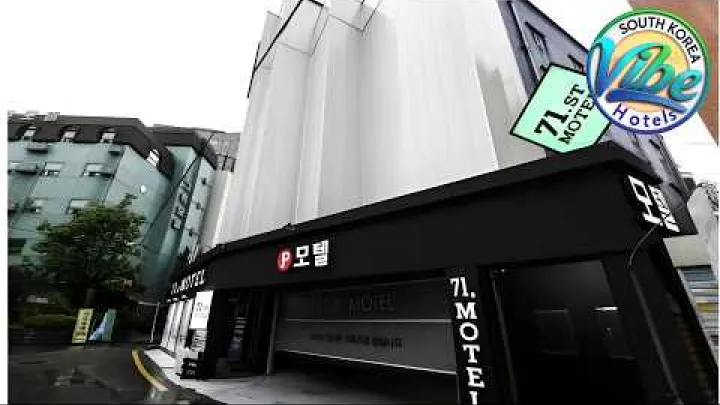
A budget motel is another practical category. One Suwon motel listing snapshot reported an average of approximately ₩55,560 per night, but this is a listing reference rather than a guaranteed rate for every property or date. Motels may offer a private room and useful in-room facilities, but the standard, neighborhood, reception arrangements, and included services can differ from a conventional hotel.
Think of the trade-offs in three steps. The cheapest dorm bed normally minimizes the room cost but gives you less privacy. A private guesthouse room may add comfort and a more personal setting while still requiring careful checks on bathrooms, check-in, and location. A budget motel may provide a private room and sometimes parking, but its facilities and booking conditions need to be assessed property by property. For example, SB Guest House is described in a budget listing as offering Wi-Fi and self-parking; those are features of that property, not universal guesthouse benefits.
When comparing these categories, first identify whether the displayed amount is per bed or per room. Then note occupancy, breakfast, parking, cleaning charges, taxes, and cancellation conditions. These details can change the value of the cheapest headline rate.
Mid-Range Hotels and International Chains
Entry-level hotel listings for Suwon have been advertised from about US$37 in a booking snapshot. The Booking.com listing page presents this as a starting point, not as a typical or guaranteed price for every night. A low displayed rate may apply to limited availability, a particular occupancy, a nonrefundable room, or a room without breakfast.
For a mid-range or comfortable stay, named examples include Ramada Plaza by Wyndham Suwon and Courtyard by Marriott Suwon. These properties help illustrate the difference between a competitive local business hotel and an international-brand, full-service hotel. The right category depends on the room selected and what is included, not only on the brand name.
International chains can cost more because of consistent brand standards, business demand, meeting facilities, on-site restaurants, staff coverage, fitness or leisure facilities, and broader service expectations. A local business hotel may offer a similar sleeping experience at a lower rate, particularly when you do not need breakfast, a large lobby, event facilities, or extensive on-site dining. On the other hand, a chain may be worth the difference for predictable services, loyalty benefits, accessibility needs, or a work trip requiring reliable facilities.
Compare like with like. Use the same dates, number of guests, room category, cancellation conditions, and payment terms. A room with breakfast and flexible cancellation is not directly comparable with a cheaper nonrefundable room that excludes breakfast and parking.
How Location, Dates, and Inclusions Change the Room Rate
Room rates can respond to weekday business demand, weekends, public holidays, local events, conferences, and short-notice availability. A Tuesday room and a Saturday room in the same property may display different prices. Advance booking can provide more choice, while a last-minute booking may leave only higher room categories. These patterns are common pricing effects, but they do not create a guaranteed cheap or expensive day.
Use Suwon Station, the Hwaseong heritage area, Paldal-gu, and Yeongtong-gu as practical location anchors. If your main plan is Suwon Hwaseong Fortress and Hwaseong Haenggung, a room closer to the heritage area may reduce walking time and local rides. A room farther away may have a lower headline rate, but the difference can be reduced by bus fares, taxi use, luggage transfers, and the time needed to move between the hotel and sights. The evidence does not support a fixed ranking in which one of these areas is always cheapest.
Before deciding, compare the same property on at least one weekday and one weekend date. Then compare the final totals, not just the room rate. Breakfast can reduce the need for a separate morning meal, parking matters if you rent a car, and flexible cancellation can be valuable when dates are uncertain.
At checkout, confirm the final accommodation total, room type, number of guests, taxes, breakfast, parking, payment timing, and cancellation terms. The amount shown in an initial search may not be the amount charged for your complete stay. Keep a copy of the final booking conditions.
Food Prices and Dining Choices in Suwon
Suwon food costs can fit a small daily allowance when you use simple local meals, but dining becomes a major budget decision when you add galbi, alcohol, cafés, desserts, or several restaurant meals in one day. The most useful approach is to plan a pattern of meals instead of assuming one average price applies to every day.
Low-Cost Meals, Snacks, and Cafes
Available cost-of-living evidence places inexpensive meals in an indicative range of about ₩7,000–₩10,000, with fast-food meals in the lower thousands of won. These figures describe a general price level rather than a guaranteed current menu price at a specific Suwon restaurant. Portions, neighborhood, meal type, and extra side dishes can affect the bill.
A strict food day could allocate about ₩5,000–₩7,000 for a light breakfast, ₩7,000–₩10,000 for a simple lunch, and ₩10,000–₩13,000 for an ordinary dinner. Skipping a café or choosing only a small snack can keep the total near ₩20,000–₩30,000. This is a planning pattern, not a promise that every meal will fit those amounts.
Convenience stores, simple Korean diners, and casual set meals can help control spending. They are useful for a quick breakfast, a snack before a long walk, or a low-cost meal between heritage visits. However, coffee, desserts, alcohol, and repeated café stops can add more than the difference between two inexpensive meals. If you buy a drink and dessert several times each day, create a separate café allowance instead of hiding it inside the meal budget.
Suwon Galbi and Premium Meals
Suwon galbi is an optional signature experience, not a required baseline for a Suwon food budget. The Bonsuwon menu lists a 450-gram serving with two bones at approximately ₩70,000 for one option and ₩65,000 for marinated galbi. The menu describes the meat as U.S. choice grade or higher. You can review the current Bonsuwon menu when deciding whether to include this type of meal.

The menu also indicates a basic order condition of two servings per table. That means the listed per-serving amount should not automatically be treated as the final bill for one person. For example, if two diners each order one ₩65,000 serving, the meat line alone would be ₩130,000 in total, or ₩65,000 per diner before drinks, shared dishes, and any other items. The actual group calculation depends on the restaurant rules, party size, serving choices, and what else is ordered.
This is why galbi has a large effect on a daily budget. One premium dinner can be balanced by inexpensive breakfasts and lunches on the same day or by ordinary meals on other days. Eating at this level every day is a different travel style from choosing one planned specialty meal during a three-night stay.
A Practical Daily Food Allowance
Use these indicative food bands when building a Suwon travel budget:
- Frugal: about ₩20,000–₩30,000 for simple meals, limited snacks, and few café purchases.
- Varied mid-range: about ₩35,000–₩50,000 for casual restaurants, a more substantial dinner, and occasional coffee or dessert.
- Premium-focused: about ₩70,000–₩120,000 or more for frequent specialty meals, galbi, drinks, cafés, or higher-priced restaurants.
A strict-budget day might combine a light breakfast, an inexpensive local lunch, a simple dinner, and no alcohol. A one-splurge day might keep breakfast and lunch modest, then include a premium meal whose listed meat cost is around ₩65,000–₩70,000 per serving before other items. Over several days, one planned splurge is easier to absorb than premium dining at every meal.
Keep alcohol, café visits, desserts, and convenience-store snacks visible as separate adjustments. The biggest food decision is usually how often you choose a higher restaurant tier, not whether one inexpensive meal costs slightly more or less than another.
Transport Costs in and Around Suwon
Local transport in Suwon can remain a small part of the daily budget when your accommodation and sightseeing area are close together. It grows when you cross the city repeatedly, carry luggage, return late, or use taxis for convenience. Intercity rail from Seoul should be calculated separately from ordinary local movement.
Local Buses and Gyeonggi Fare Rules
Use the official Gyeonggi G-Bus information rather than a Seoul-only fare table when planning Suwon buses. The G-Bus fare table displays a city-bus fare table dated October 25, 2025, with categories for payment method and passenger type. For a trip in a later period, the displayed table should be checked again because fares and rules can be revised.
Recent fare context described the standard adult city-bus transportation-card fare as rising from ₩1,450 to ₩1,650. Using ₩1,650 as a dated illustration, six simple rides would total ₩9,900 before any transfer treatment. The amount for an actual journey depends on the applicable route, payment method, passenger category, and transfer rules shown by the official fare information.
For a low-use day, a heritage visitor may walk much of the route and budget for two local rides. For a high-use day, four to six rides or several cross-city journeys require a larger transport line. A transportation card can simplify payment, but do not assume that every card, cash payment, and transfer has the same price. Build your estimate from the current G-Bus categories that match your travel pattern.
Taxi Costs and When Convenience Is Worth It
Taxi estimates require particular caution because the available fare evidence is inconsistent. One third-party Suwon fare page lists a starting price around ₩3,700 and a per-kilometer figure around ₩600, while official city fare information can use a different base-fare structure. These figures should not be treated as a definitive current taxi tariff for every ride.
Use a taxi as an occasional convenience for luggage, a late return, a time-sensitive appointment, mobility needs, or a small group that values door-to-door travel. Several rides in one day can move transport spending into the tens of thousands of won even when each individual ride appears inexpensive. Traffic, waiting time, tolls, route length, and app or operator conditions can also affect the final charge.
Check the live meter or taxi-app estimate before starting a ride. For two or more travelers, divide the expected fare by the number of passengers when comparing a taxi with public transport, but also consider luggage, transfer time, and the number of separate journeys. A taxi is not automatically cheaper; its value comes from the time and convenience it provides.
Train and Regional Travel from Seoul
Rail between Seoul and Suwon belongs in an intercity or regional transport line, not automatically in the local Suwon daily allowance. An indicative Seoul-Suwon rail listing gives economy fares of about US$10–US$15 and first-class fares of about US$18–US$22. The Koreantrain information notes that exact prices can vary with service, date, demand, and class. Keep the figures in the original currency unless you confirm a current operator fare and calculate a Korean-won equivalent using the relevant rate.
Commuter or metropolitan rail can have a different price and travel-time profile from premium or high-speed services. Do not use a premium rail estimate as though it were the fare for every train. For budgeting, identify the service you expect to use, calculate the return cost for a Seoul day trip, and add it to the day rather than hiding it in the local bus allowance.
Compare the total base cost as well. Staying in Suwon may reduce the number of intercity journeys if your main activities are at the fortress and nearby heritage sites. Staying in Seoul may be more practical when most of your itinerary is in the capital, even if a Suwon room appears cheaper. Count both accommodation and every planned return journey.
Attractions and Activity Costs in Suwon
Suwon can offer a full sightseeing day without a large activity bill. The key distinction is between outdoor heritage areas, enclosed ticketed facilities, and optional paid experiences. Put each type on its own budget line so a free walking day is not confused with a day that includes several admissions.
Free and Low-Cost Hwaseong Heritage Stops
Suwon Hwaseong Fortress is the main low-cost anchor for many visitors. Walking along suitable open sections, viewing gates and walls, and taking outdoor photographs can fill a substantial part of a day without a large admission payment. The wider heritage area also includes facilities where access may be ticketed, so do not assume that every building or museum has the same entry rule as an outdoor section.
Hwaseong Haenggung and museum visits can be treated as modest paid additions in a heritage-focused budget, but a reported low admission level is not a current price guarantee. Check the current Suwon Cultural Foundation information for opening hours, ticket status, facility access, and any combined-ticket conditions on the day of your visit. This is particularly important if your plan depends on visiting an enclosed site at a specific time.
A cost-controlled heritage day can combine outdoor fortress areas with one selected paid facility. Record outdoor sightseeing as free or low cost, the chosen admission as a separate line, and any trolley or guided experience as an optional extra. This makes it easy to keep the day affordable without removing the main reason for visiting Suwon.
Paid Experiences and Guided Tours
Optional activities such as a tourist trolley or archery can add interest to a fortress visit, but their prices and availability should be treated separately from ordinary admission. A self-guided walk has little operator cost. A paid experience may include equipment, a scheduled time, staff support, interpretation, or a shorter route that saves energy.
Guided tours can also include transport, language support, reservations, or several attractions in one package. Do not treat a commercial tour listing as though it were an attraction ticket, because group size, inclusions, duration, meeting point, and cancellation rules can be different. Compare the total package with the cost of visiting independently.
Choose based on your needs. Independent sightseeing is often suitable when you have time, can read maps or signs, and want maximum flexibility. A low-cost local experience can add structure to a half-day. A guide-inclusive package may be worthwhile when language support, mobility assistance, limited time, or historical interpretation is more important than minimizing the activity budget.
What Makes a Suwon Trip More Expensive
Accommodation usually creates the largest single swing in a Suwon budget, but several smaller choices can combine into a much higher daily total. The following factors help explain why two travelers visiting the same city can report very different costs.
Season, Weekday, and Event Effects
Hotels are especially sensitive to weekends, holidays, business demand, local events, and short-notice availability. A room near Suwon Station or a major business area may respond to weekday demand, while a heritage-area room may be more attractive during busy sightseeing periods. The effect is not limited to one season.
One booking guide has suggested that January, March, and December may sometimes offer better availability or reduced package prices in Suwon. Treat that as a listing observation, not a universal seasonal rule. Weather, events, hotel inventory, and the exact dates can produce a different result.
Flexible dates can save more than careful optimization of small bus fares or admission costs. Compare the same property and room type across a weekday, weekend, holiday, and any event dates you are considering. A simple comparison without a fixed discount percentage is more reliable than assuming that one month will always be the cheapest.
Choosing Suwon or Seoul as Your Base
Choosing between Suwon and Seoul is a total-cost decision. Compare the Suwon room rate plus planned rail or other intercity travel with the Seoul room rate plus the cost and time of every trip to Suwon. A lower room price in one city does not automatically produce the lower trip total.
A Suwon-focused stay suits travelers whose main plans include Suwon Hwaseong Fortress, Hwaseong Haenggung, local restaurants, and a slower local schedule. Suwon Station or a location with practical access to the heritage area can reduce daily movement, although no single location is always the cheapest. A Seoul-focused base suits an itinerary centered mainly on Seoul, because it avoids repeated return journeys after capital-city sightseeing. A split stay can work when you want several Suwon nights and several Seoul nights, but changing hotels has time and luggage costs.
Use identical room standards when comparing bases. Count round-trip rail for every planned Seoul visit, airport movement, late-night convenience, and the number of bags you will carry. If you expect only one Suwon day from a Seoul itinerary, commuting may be reasonable. If most of your activities are in Suwon, repeated commuting can remove the apparent savings of a Seoul base.
Costs to Keep Outside the Daily Estimate
Keep the following items outside the ordinary Suwon daily allowance:
- Fixed trip costs: international flights, travel insurance, and major pre-trip purchases.
- Arrival and departure costs: airport transfers, first or last train, luggage services, and unusual late-night transport.
- Regional travel: Seoul-Suwon rail, other intercity journeys, and private transfers.
- Personal spending: shopping, nightlife, gifts, premium alcohol, and special events.
- Connectivity: SIM cards, eSIM plans, mobile data, or other communication costs.
- Optional activities: major guided tours, private vehicles, premium experiences, and costly venue tickets.
A worksheet can have four separate blocks: fixed costs, per-night costs, daily costs, and optional splurges. Add a personal contingency line after those blocks rather than hiding it inside the food or transport estimate. Create a separate line for every one-off expense before setting the daily allowance. This prevents an airport transfer or a Seoul rail ticket from making an ordinary Suwon day look unusually expensive or unusually cheap.
The result is a distinction between an on-the-ground daily budget and a complete door-to-door trip budget. Both are useful, but they answer different questions.
How to Build and Reduce Your Suwon Trip Budget
Once the cost categories are separate, you can create a useful daily estimate without pretending that every day will be identical. Start with the room, then decide how you want to eat, move, and spend time at attractions.
Build a One-Day Suwon Budget
The table below shows transparent heritage-focused scenarios. The accommodation figure is a per-person allocation, so a shared room can reduce that line even when the total room payment remains the same. The activity line assumes a mix of outdoor heritage sightseeing and a selected modest paid option.
| Travel style | Stay allocation | Food | Local transport | Activities | Planning total |
|---|---|---|---|---|---|
| Budget | ₩20,000–₩30,000 | ₩20,000–₩25,000 | ₩0–₩5,000 | ₩0–₩5,000 | ₩40,000–₩65,000 |
| Mid-range | ₩40,000–₩65,000 | ₩30,000–₩45,000 | ₩5,000–₩10,000 | ₩5,000–₩10,000 | ₩80,000–₩130,000 |
| Comfortable | ₩90,000–₩150,000 | ₩70,000–₩100,000 | ₩10,000–₩25,000 | ₩10,000–₩25,000 | ₩180,000–₩300,000 or more |
For the budget example, choose a dormitory, shared room, or low-cost private room, eat simple meals, walk around the fortress area, and use a bus only when needed. The mid-range example uses a local business hotel or similar room, varied casual dining, regular public transport, and one paid heritage facility. The comfortable example allows a full-service hotel, restaurant meals, cafés, taxis, and optional experiences.
Replacing an ordinary ₩10,000–₩15,000 dinner with a Bonsuwon galbi serving listed at ₩65,000–₩70,000 can add roughly ₩50,000–₩60,000 per diner before other items, subject to the restaurant's ordering rules. Replacing a walk or bus ride with several taxis can also move the transport line upward. These choices have a much greater effect than saving a small amount on one low-cost admission.
Turn the Daily Range Into a Two- or Three-Night Total
For a short stay, multiply the nightly room cost by the number of nights, then add food, local transport, and activities for the full sightseeing days. Add arrival, departure, Seoul travel, and other one-off costs afterward. Treat arrival and departure as partial days if your flight or train schedule leaves little time for normal sightseeing.
Here is an illustrative solo calculation for three nights and three full sightseeing days:
- Room at ₩60,000 per night: ₩180,000.
- Food at ₩40,000 per full day: ₩120,000.
- Local transport at ₩8,000 per full day: ₩24,000.
- Activities at ₩8,000 per full day: ₩24,000.
- Local stay subtotal: ₩348,000.
This subtotal excludes flights, airport transfers, regional rail, shopping, and other one-off costs. It also assumes that the room is paid entirely by one traveler.
For two travelers sharing a ₩90,000 room for three nights, the room total is ₩270,000, or ₩135,000 per person. If each person spends ₩35,000 per full day on food, ₩8,000 on local transport, and ₩5,000 on activities, the three-day local subtotal is ₩279,000 per person. The pair therefore spends ₩558,000 for the shared local plan before one-off expenses. This example shows why room sharing can change the per-person budget more than small savings on food or admissions.
One premium meal can add approximately ₩25,000–₩30,000 per diner when it replaces a ₩40,000 dinner with a listed ₩65,000–₩70,000 galbi serving, before other charges. A taxi-heavy day may have a similar effect on transport, depending on the number and length of rides. These adjustments should be added as specific choices rather than spread invisibly across every day.
Concrete Ways to Save Without Missing Suwon
Rank saving decisions by likely impact:
- Choose the room carefully. Compare a dorm bed, private guesthouse, motel, local hotel, and chain hotel using the same occupancy and booking conditions. Sharing a room can make a major difference per person, while a private room may be worth the extra cost for privacy or convenience.
- Compare dates before changing neighborhoods. Check weekday and weekend rates for the same property. A flexible date can save more than a small reduction in bus or admission spending.
- Control premium dining. Use inexpensive meals for breakfast or lunch, then schedule one specialty meal such as galbi instead of paying for a premium restaurant every day.
- Walk the heritage area and use public transport. Combine Suwon Hwaseong Fortress and nearby sights in one walking period, then use buses for longer movements. Reserve taxis for luggage, late returns, mobility needs, or time-sensitive trips.
- Limit private tours and add-ons. Compare the cost of independent sightseeing, a modest local experience, and a guide-inclusive package based on what each includes.
- Compare Suwon with Seoul as a base. Add all planned round-trip transport and travel time before deciding that a cheaper room in one city is the better value.
Low-cost options are not identical in convenience. A dorm may reduce privacy, a guesthouse may have limited check-in support, a motel may be farther from your preferred sights, and a local hotel may offer less language or brand support than an international chain. The best saving plan is the one that reduces high-impact costs without creating transport, time, or comfort problems that cause you to spend more later.
Bottom Line: Is Suwon Affordable for Travelers?
Suwon can suit a wide range of travel budgets. A lean traveler can target about ₩40,000–₩70,000 per day by sharing or choosing low-cost lodging, eating simple meals, walking, and focusing on outdoor heritage areas. A comfortable visitor may spend ₩180,000–₩300,000 or more because accommodation, premium dining, cafés, taxis, and paid experiences all rise together.
For the most accurate Suwon travel budget, price the room for your exact dates first, then set separate allowances for food, local transport, and activities. Keep flights, airport transfers, Seoul rail, shopping, connectivity, and major tours outside the daily figure. The decisions that matter most are where you sleep, when you travel, how often you choose premium meals, and whether you rely on taxis or private experiences.
Select area
Create a post
Posting is free and no registration is required.