Camiguin Best Time to Visit: Best Months and Weather

The Camiguin best time to visit is usually from March to early June, when the island often has sunnier weather, more practical sea conditions, and better odds for outdoor plans. Camiguin is warm throughout the year, so the main question is not temperature alone. It is rainfall, wind, sea state, heat, crowds, festival timing, and how much flexibility you have. This guide explains the best season for beaches, White Island, Mantigue Island, Mount Hibok-Hibok, waterfalls, the Lanzones Festival, and short trips with ferry connections.
Quick Answer: The Best Time to Visit Camiguin
For most visitors, the safest general choice is the late dry-season window. Choose March, April, May, or early June if your priority is island-hopping, sightseeing, and a simple itinerary with fewer weather interruptions. Choose October if your main reason is culture and the Lanzones Festival, but keep your beach and hiking plans flexible.
Best Overall Months for Most Travelers
The best overall months to visit Camiguin are usually March to early June. This period is commonly recommended for clearer skies and calmer seas, and Guide to the Philippines also points to March to June as the best time for Camiguin travel, with October popular for festival reasons.
Even in the drier months, do not plan as if the weather is guaranteed. Camiguin has a tropical maritime climate, so short showers can still happen. The advantage of this window is that rain is generally less likely to dominate the whole trip, which matters for White Island, Mantigue Island, coastal roads, viewpoints, and Mount Hibok-Hibok plans.
Best Months by Travel Style
The best time to visit Camiguin depends on what you want most from the trip. A traveler focused on snorkeling and sandbars should not choose dates in the same way as someone visiting mainly for a festival or a quiet budget stay.
| Travel goal | Best months | Main trade-off |
|---|---|---|
| Beaches and island-hopping | March to May, early June | Hot days and stronger demand |
| White Island and Mantigue Island | March to May | Boat trips still depend on same-day sea conditions |
| Hiking Mount Hibok-Hibok | February to April, with early starts | April and May can be very hot |
| Culture and events | October | Higher rain and weather uncertainty |
| Lower crowds and value | July to September, parts of November | More flexible plans are needed |
| Short fixed itinerary | March to May | Book ahead for weekends and holidays |
Camiguin Weather and Seasonal Pattern
Camiguin sits in Northern Mindanao and has warm, humid, tropical weather. National climate guidance for the Philippines is useful, but local island conditions, mountain slopes, and sea exposure can affect each day’s travel experience.
Dry Season: Clearer Skies, Hotter Days, and Calmer Seas
The Philippines has a tropical maritime climate with high humidity, warm temperatures, and abundant rainfall, according to PAGASA. In Camiguin travel planning, the practical dry-season window is often described as March to June. This does not mean there is no rain. It means visitors usually have better odds for sunshine, outdoor touring, and boat-friendly days.

Late dry season is especially practical for White Island, Mantigue Island, coastal sightseeing, and motorcycle or van tours around Mambajao and nearby attractions. The main disadvantage is heat. April and May can feel intense, especially on exposed sandbars, open boats, and road stops without shade. Start early, take a midday break, drink water often, and save less exposed activities for the hottest part of the day.
Rainy Season: Greener Landscapes, More Showers, and Higher Disruption Risk
Rain risk generally increases from around mid-year. July, August, and September are better described as flexible-travel months than as ideal months for fixed beach itineraries. Showers may be short, but they can also affect visibility, trail conditions, and boat comfort.

The rainy season is not automatically a bad time to visit Camiguin. Landscapes can be greener, waterfalls may feel more dramatic, and some periods can be quieter. The trade-off is that you need a looser schedule. After heavy rain, trails can be slippery, viewpoints may be cloudy, and nearshore water can be less clear. If your trip is only two or three days and depends on one boat tour or one summit hike, a drier month is a safer choice.
Typhoon Influence and Why Forecasts Still Matter
Camiguin is not immune to regional weather systems. Even when a storm does not pass directly over the island, it can still bring heavy rain, wind, rough seas, or thunderstorm risk. This matters most for ferries, small boats, island-hopping, volcano hikes, and exposed coastal plans.
Month-level climate advice helps you choose dates, but live forecasts help you decide what to do today. Before ferry crossings, boat trips, and mountain hikes, check current Mindanao forecasts, heavy rainfall warnings, and thunderstorm advisories from PAGASA, then confirm with operators or local accommodation staff.
Camiguin Month-by-Month Travel Feel
The table below gives a practical month-by-month feel. It is not a forecast for a specific trip. Always check current conditions close to your travel dates, especially if you will use ferries, small boats, or mountain trails.
| Month | Travel feel | Best for |
|---|---|---|
| January | Often cooler and quieter, with possible rain or wind | Relaxed trips with flexibility |
| February | Transition toward drier, more comfortable conditions | Sightseeing and lighter hiking |
| March | One of the strongest months, with more established dry weather | Beaches, boat trips, road touring |
| April | Sunny and hot, with strong outdoor potential | Island-hopping and early-day activities |
| May | Very warm and often good for sea plans | Beaches, snorkeling, short outdoor stops |
| June | Transition month, especially later in the month | Trips with a backup day |
| July | Wetter and greener, with more schedule risk | Quiet stays and inland scenery |
| August | Rain more likely; sea and trail plans need checks | Flexible travelers |
| September | Still weather-dependent, with lush landscapes | Longer stays with open plans |
| October | Festival appeal, but rain uncertainty remains | Lanzones Festival and culture |
| November | Possible transition, with remaining rain risk | Flexible sightseeing |
| December | Often comfortable for year-end travel, not as reliable as late dry season | Holiday trips with weather checks |
January to March
January can feel more comfortable than the hottest months and may be quieter after holiday travel. However, it can still bring rain, wind, or sea conditions that affect boat plans. It is a reasonable month for travelers who are not relying on perfect beach weather every day.
February often feels like a transition toward better travel conditions. By March, dry-season conditions are usually more established, making it one of the best months for a balanced Camiguin itinerary. Expect increasing heat and potentially more visitors as the drier season becomes more attractive.
April to June
April and May are strong choices for beaches, island-hopping, snorkeling, and road-based sightseeing. These months can also be the most physically demanding because of heat and sun exposure. Plan White Island in the morning, bring sun protection, and avoid starting long hikes late in the day.
June is a transition month. Early June can still be very usable for travel, but shower risk may increase as the month continues. If June is your only option, build in at least one backup day for weather-sensitive plans.
July to September
July to September are generally wetter and greener. They are not impossible months for Camiguin, but they are less reliable for travelers who want a fixed schedule built around beaches, small boats, and summit views.
These months can suit visitors who want a quieter island stay, waterfalls, springs, and slow travel. Keep plans flexible, ask about trail and sea conditions locally, and avoid tight same-day connections after weather-sensitive crossings.
October to December
October is important because of the Lanzones Festival. For culture-focused travelers, it can be one of the most memorable times to visit Camiguin. For travelers focused mainly on sun, snorkeling, and hiking, October is less predictable than March to May.
November may still carry rain risk, so it works best with flexible plans. December can feel more comfortable than the hottest months and may suit year-end travel, but it should not be treated as the most reliable dry-season choice. Check accommodation demand and ferry plans carefully around holidays.
Best Time for Beaches, Island-Hopping, and Snorkeling
For beach-focused travel, the best time to visit Camiguin is usually March to May, with early June also possible. These months give you better odds for sun and calmer water, but the final decision for boat trips always depends on same-day conditions.
White Island and Mantigue Island
White Island and Mantigue Island are two of Camiguin’s most popular marine attractions. They are also exposed to wind, sun, and sea state. A month may be generally dry, but a specific morning can still be unsuitable for small boats.
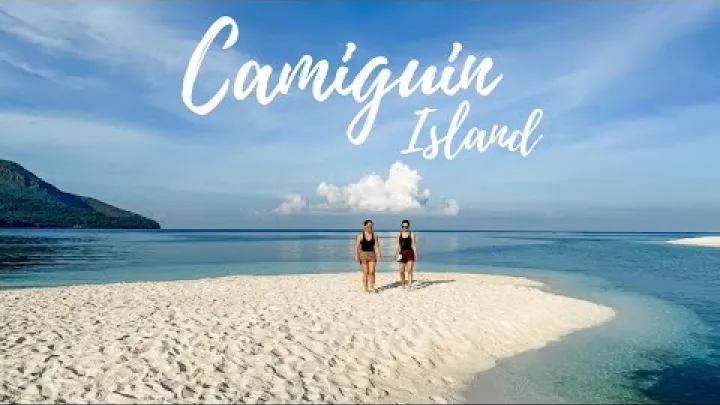
For the most practical island-hopping window, choose late dry season and keep at least one alternate day in your itinerary. Morning trips are often more comfortable in hot months, especially for White Island, where shade is limited and reflected sun can be strong.
Snorkeling and Water Clarity
Snorkeling is usually more enjoyable when seas are calmer and there have been several drier days. Heavy rain can reduce nearshore clarity after runoff, and wind can make small-boat travel less comfortable.
Do not rely only on monthly weather descriptions for snorkeling plans. Ask your boat operator or accommodation about same-day visibility, currents, and sea conditions. Local advice is especially useful after rain or when winds change.
Best Time for Hiking, Waterfalls, Springs, and Inland Trips
Camiguin is not only a beach destination. Its volcanic landscape, springs, waterfalls, and inland roads mean that the best season also depends on how much hiking and inland touring you plan to do.
Mount Hibok-Hibok and Volcano Hiking
Mount Hibok-Hibok is most practical when trails are drier and visibility is better. February to April can be good for hiking, but heat becomes a major factor as the dry season advances. April and May hikes should start early, with enough water and realistic pacing.
Rainy months can bring slippery trails, cloud cover, and reduced summit views. If a volcano hike is a priority, check the weather close to the date, use local guidance, and do not force a summit plan when rain, thunderstorm risk, or poor trail conditions are present.
Waterfalls, Hot Springs, and Cold Springs
Waterfalls, hot springs, and cold springs can be enjoyable in mixed weather, which makes them useful when beach plans are uncertain. Drier periods may make access simpler, while wetter periods can make the landscape greener and water attractions feel more active.
During or after heavy rain, use extra caution on wet steps, rocks, and paths. Wear secure footwear, pack a light rain layer, and schedule inland stops with enough time so you are not rushing on wet roads or paths late in the day.
Crowds, Prices, and Festival Timing
Weather is only one part of choosing travel dates. Demand, accommodation availability, local events, and holidays can change the feel of a Camiguin trip.
Peak Season Booking and Higher Demand
The drier travel window is also the period when demand can be higher. Local Camiguin planning guidance describes March to June as dry season and notes peak-season considerations such as booking early and higher accommodation demand through Camiguin.
If you are visiting on a weekend, holiday, or short fixed itinerary, reserve accommodation earlier and confirm tour or transport details before arrival. This is especially important if you only have one chance for White Island, Mantigue Island, or a ferry-linked transfer through Balbagon Port or other local access points.
Low Season Value and Flexible Planning
Wetter months can appeal to travelers who prefer fewer crowds, greener scenery, and possible better value. However, any savings can be reduced if a short itinerary loses its main outdoor activity to bad weather.
Budget travelers should not only ask, “Which month is cheapest?” A better question is, “Can I stay long enough to wait for a good weather window?” If the answer is yes, the rainy season can still work. If the answer is no, the dry season may give better value in terms of successful activities.
Lanzones Festival in October
October can be one of the best times to visit Camiguin for culture because of the Lanzones Festival. The festival gives the island a different energy, with events, visitors, and stronger local identity around the harvest celebration.
Festival appeal does not mean October is the best weather month. If you visit for Lanzones Festival, book accommodation early, keep boat and hiking plans flexible, and check current event schedules and weather before finalizing each day.
Practical Weather Planning for a Camiguin Trip
A good Camiguin itinerary should match the season. The goal is not to avoid all uncertainty, but to reduce the chance that one weather delay affects the whole trip.
Ferries, Boat Trips, and Rough Sea Contingencies
Ferries and small boats can be affected by wind, rough seas, thunderstorms, heavy rain, and wider storm systems. Avoid planning tight same-day connections after weather-sensitive crossings when possible, especially if you must catch a flight, long bus ride, or onward ferry.
Before departure, confirm conditions with ferry operators, accommodation staff, boatmen, and official weather advisories. For small-boat trips, respect local operator decisions. A delayed island-hopping trip is frustrating, but safety should come before a fixed sightseeing plan.
What to Wear and Pack
Pack for heat, humidity, sun, rain, and wet surfaces. Light breathable clothing, swimwear, sun protection, and a refillable water bottle are useful in every season. A hat and reef-safe sun protection are especially helpful for exposed boat trips and sandbar visits.
Bring quick-dry layers, a compact rain jacket or poncho, and secure footwear for wet steps, springs, waterfalls, and trails. A light layer can also help during early rides, breezy boats, or higher-elevation stops around the island.
When to Avoid or Build in Backup Days
Avoid the wetter and more storm-sensitive periods if you have a very short trip focused only on beaches, island-hopping, or Mount Hibok-Hibok. If you travel in the rainy season, add backup days and be ready to change the order of activities.
Use a simple go-or-adjust checklist before weather-sensitive plans: Is there an official weather warning? Are sea conditions suitable? What do operators advise? Are trails safe and visible? Do you have a backup activity such as springs, a relaxed food stop, or a shorter inland visit?
Frequently Asked Questions
What is the best month to visit Camiguin?
March is one of the best months for most travelers because dry-season conditions are usually more established, but April and May are also strong for beaches and island-hopping if you can manage the heat.
Is the rainy season a bad time to visit Camiguin?
No, but it requires flexibility. The rainy season can bring greener scenery, fewer visitors, and enjoyable inland trips, but it has a higher risk of postponed boat trips, muddy trails, and cloudy viewpoints.
Is October a good time to visit Camiguin?
Yes, if you are interested in the Lanzones Festival and local culture. For the most reliable beach and hiking weather, March to May is usually a better choice.
Can boats to White Island or Mantigue Island be cancelled because of weather?
Yes. Small-boat trips can be delayed or cancelled because of wind, rough seas, thunderstorms, or other safety concerns. Check with operators close to your travel time.
How many backup days should I allow for a Camiguin trip?
For a short dry-season trip, one backup day is useful if island-hopping is essential. In wetter months, allow two or more flexible days if you can, especially for boat trips or summit hikes.
Final Recommendation for Choosing Your Dates
For the best balance of weather, sea conditions, and outdoor access, plan your Camiguin trip from March to early June, with March to May the strongest window for most visitors. Choose October if festival culture is your priority, and choose wetter months only if you are comfortable with flexible plans.
If your itinerary depends on ferries, White Island, Mantigue Island, snorkeling, or Mount Hibok-Hibok, build in backup time and check live forecasts before committing to each activity. Camiguin is rewarding in many seasons, but the best trip comes from matching your dates to your travel style and giving the weather room to change.
Select area
Create a post
Posting is free and no registration is required.