Camiguin Travel Guide: First-Time Itinerary & Tips

This Camiguin travel guide is for first-time visitors who want a practical plan, not just a list of beautiful places. Camiguin is a compact island province in Northern Mindanao with volcanic peaks, springs, waterfalls, heritage sites, sandbars, and a quieter pace than many larger Philippine destinations. This guide explains when to visit, how to get there, where to stay, how to get around, what to do, how long to stay, and what to verify before you go.
Camiguin at a Glance
Camiguin is small enough to feel manageable, but it rewards careful planning. The island has coastal roads, inland volcanic terrain, marine day trips, and several municipalities that work well as travel-planning anchors.
Where Camiguin Is and Why It Feels Different
Camiguin sits off the northern coast of Mindanao in the Philippines, within Northern Mindanao. It is often called the Island Born of Fire because its landscapes and visitor experiences are closely tied to volcanic activity. The island has hot springs, cold springs, waterfalls, heritage ruins, and hiking routes connected to its volcanic interior.
For planning, it helps to think in terms of five municipalities: Mambajao, Catarman, Mahinog, Sagay, and Guinsiliban. Mambajao is the most common base for first-time travelers because it has many services and good access to major sights. Catarman is useful for western heritage stops such as the Sunken Cemetery and Gui-ob Church Ruins. Mahinog is often associated with access toward Mantigue Island, while Sagay and Guinsiliban suit travelers who want a quieter island setting.
The Department of Tourism Northern Mindanao frames Camiguin around island adventures, tranquil retreats, and natural attractions including Timpoong-Hibok-Hibok Natural Monument. That is a useful way to understand the island: it is not mainly a nightlife destination or a large resort hub. It is best for travelers who want nature, local movement, short scenic routes, and a slower rhythm.
How Long to Stay
A short Camiguin itinerary can work, but the island is more enjoyable when you do not treat it as a checklist. Transport connections, ferry timing, weather, and boat trips can all affect your days.
| Length of stay | Best for | Main trade-off |
|---|---|---|
| Two nights | A rushed highlights trip with White Island, a few inland stops, and heritage sights | Little room for delays, rain, late arrival, or rest |
| Three nights | Most main sights at a reasonable pace | You still need to choose priorities carefully |
| Four to five nights | A comfortable first visit with island trips, springs, waterfalls, food, and possible hiking | Requires more time in your Philippines itinerary |
If Camiguin is part of a larger Philippines route, build in buffer time before an international flight or a fixed onward booking. Ferry schedules, sea conditions, and domestic flight changes can make tight connections stressful.
Best Time to Visit Camiguin
The best time to visit Camiguin depends on what you want to do. Beach days, boat trips, hiking, festivals, and quiet travel all have different timing considerations.
Dry Season, Rainy Season, and Heat
The Philippines has a tropical maritime climate, with high temperature, high humidity, and abundant rainfall as described by PAGASA. In practical terms, you should expect warm weather in Camiguin at most times of year and plan for both sun and rain.
The drier months are generally more convenient for first-time visitors who want White Island, Mantigue Island, snorkeling, scenic drives, and clear outdoor days. Weather is never guaranteed, so avoid building a plan where one rainy morning ruins the whole trip. Keep your most important boat or hiking activity early in the stay if possible, so you have room to move it.
Hotter periods can make exposed places feel intense, especially sandbars, open coastal roads, and viewpoints without shade. Start early, carry water, use sun protection, and take midday breaks when needed.
Festival Timing and Peak Travel Periods
The Lanzones Festival is Camiguin’s best-known cultural event and is tied to the island’s local fruit identity, harvest season, performances, and community pride. It can be a rewarding time to visit if you want atmosphere and cultural activity, but it can also increase demand for rooms, transport, and tours.
Other busy periods can include Christmas, New Year, Holy Week, and Philippine long weekends. If your Camiguin travel dates fall during a public holiday or festival period, book accommodation earlier and confirm transport arrangements. Festival dates and programs can change from year to year, so check current local announcements before making non-refundable plans.
Weather Planning for Beaches, Boats, and Hikes
White Island, Mantigue Island, snorkeling, and ferry crossings are more pleasant when seas are calm and visibility is good. Local boat operators are important sources of day-by-day advice because conditions can change quickly.
Mount Hibok-Hibok and other upland routes require a different type of planning. Rain can mean mud, slippery surfaces, low visibility, and slower walking. Heat can also make a climb more demanding. If hiking is a priority, keep your schedule flexible, start early, and follow current guide and permit requirements.
How to Get to Camiguin
Getting to Camiguin usually involves either flying directly to the island from a connecting city or combining a mainland Mindanao transfer with a ferry. Transport details are schedule-sensitive, so confirm current routes, timings, and baggage rules before booking.
Flying to Camiguin via Cebu
Flying to Camiguin via Cebu is often discussed as one of the most convenient options for short trips. It can reduce transfers and limit your exposure to ferry delays, which is helpful if you only have three or four nights.
Do not assume flight days, frequencies, or routes are fixed. Domestic airline schedules can change by season and demand. Check directly with the airline and allow buffer time if you are connecting from an international flight or another Philippine island. If your first flight is delayed, a tight domestic connection can quickly become expensive.
Reaching Camiguin via Cagayan de Oro and Balingoan
Another common route is to fly to the Cagayan de Oro area, usually through Laguindingan Airport, then travel overland to Balingoan Port and take a ferry to Camiguin. Benoni Port is a key Camiguin-side anchor for this route, but exact ferry operations, departure times, and arrival points should be checked close to travel.
This route can be cost-effective and useful for travelers already visiting Northern Mindanao, but it has more moving parts. You may need to coordinate an airport transfer, bus or van travel, port waiting time, ferry boarding, and onward transport on Camiguin. Avoid scheduling an important appointment or same-day long-distance connection immediately after the ferry.
Coming from Bohol or Building a Multi-Island Route
Camiguin can fit into a multi-island route with Bohol, Cebu, or Northern Mindanao when schedules align. Some travelers look at routes involving Jagna Port in Bohol and Balbagon Port in Camiguin, but island-to-island ferry routes can change and may not operate daily.
A multi-island route is worthwhile if you enjoy slower travel and have flexible dates. If your time is limited, compare the total transfer time with the simplicity of flying. Before committing, check port status, sea conditions, ferry operator announcements, accommodation cancellation rules, and your onward transport from the arrival port.
Getting Around the Island
Camiguin is compact, but its attractions are spread around the coast and into the volcanic interior. Your transport choice will shape how much you can comfortably do each day.
Motorbike, Tricycle, Jeepney, and Private Driver Options
The main options are motorbike rental, tricycles, jeepneys or multicabs, and private drivers. Traveler blogs such as Created2Travel describe these local transport choices, but fares and availability should always be treated as changeable.
| Transport option | Good for | Check before using |
|---|---|---|
| Motorbike rental | Confident riders who want flexibility | License rules, helmet, fuel, insurance, road conditions |
| Tricycle | Short trips and flexible local movement | Price, waiting time, route, luggage space |
| Jeepney or multicab | Budget travelers with time and light luggage | Route, last trip, pickup point, delays |
| Private driver | Families, groups, non-riders, and comfort-focused travelers | Inclusions, hours, parking, meals, attraction waiting time |
Choose based on confidence, weather, luggage, and route complexity. A motorbike can be efficient, but rain, unfamiliar roads, and night riding increase risk. If you are not an experienced rider, a driver or arranged tour may be the safer and more relaxing choice.
How to Plan Day Routes Around the Ring Road
Camiguin’s ring road makes circular day planning possible, but you should still group sights to avoid backtracking. From Mambajao, it is practical to think in clusters: northern and inland sights, western Catarman heritage stops, and eastern or Mahinog-linked island trips.
Start early for White Island, Mantigue Island, waterfalls, and hikes. Use midday for meals, cold springs, shaded stops, or rest. Weather, road conditions, and local advice from accommodation staff or drivers can change the best order on the day.
Where to Stay in Camiguin
Where you stay affects your transport costs, dining options, and how easy your days feel. Do not choose only from room photos. Check the map, road access, nearby restaurants, and how you will reach attractions.

Mambajao for First-Time Visitors
Mambajao is the most practical base for most first-time visitors. It usually offers the strongest mix of accommodation, dining, services, and access to major sights. It is also convenient for Camiguin Airport and common attractions such as White Island, Katibawasan Falls, and Ardent Hot Springs.
This convenience matters most on short trips of two to four nights. If you do not plan to rent a motorbike, staying closer to restaurants and transport options can save time and reduce stress. Mambajao is not the only good place to stay, but it is the safest default choice for many visitors planning their first Camiguin route.
Catarman, Sagay, Mahinog, and Guinsiliban for Quieter Stays
Outside Mambajao, Camiguin can feel quieter and more retreat-like. Catarman is useful for visitors who want easier access to the Sunken Cemetery, Gui-ob Church Ruins, and western coastal sights. Mahinog may suit travelers focusing on Mantigue Island access. Sagay and Guinsiliban can appeal to travelers who prefer quieter coastal areas and slower days.
The trade-off is convenience. You may find fewer restaurants, less nightlife, fewer casual transport options, and more dependence on your accommodation or arranged drivers. Before booking, check whether the property can help with meals, transfers, island tours, and early departures.
How to Choose by Budget, Connectivity, and Dining Access
Budget travelers may value central access, public transport, and simple food options. Couples may prefer a quieter resort or sea-view property. Families often benefit from larger rooms, breakfast, reliable transfers, and easy meal access. Divers and slow travelers should check proximity to their operator, laundry, cash access, and long-stay comfort.
Remote workers should be especially careful. Wi-Fi quality can vary by property, and mobile signal can be uneven in more secluded areas. Ask recent questions before booking if you need video calls or stable work hours. Ultra-luxury options are more limited than in larger resort destinations, so focus on location, service, and practical comfort rather than expecting a wide high-end hotel market.
Best Things to Do in Camiguin
Camiguin’s best activities combine coast, volcano, water, and heritage. A balanced first visit usually includes at least one island or sandbar trip, one inland water stop, one heritage loop, and some unplanned rest time.
White Island and Mantigue Island
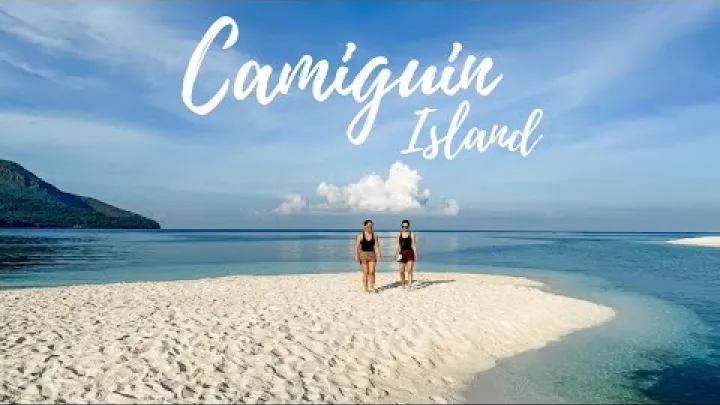
White Island is Camiguin’s famous sandbar experience. It is scenic, open, and highly exposed, with limited natural shade. Go early for softer light, cooler conditions, and better comfort. Bring sun protection, drinking water, and a dry bag, and take all waste back with you.
Mantigue Island is more marine-focused, with beach and snorkeling appeal. Access rules, environmental fees, boat arrangements, and permitted areas should be checked locally. Do not expect guaranteed wildlife sightings or perfect visibility. Practice reef-safe behavior: avoid standing on coral, do not touch marine life, and follow local guidance.
Sunken Cemetery and Gui-ob Church Ruins
The Sunken Cemetery is one of Camiguin’s most recognizable landmarks, with a large cross marking a site tied to the island’s volcanic history and local memory. It is both a heritage symbol and, for some visitors, a marine experience.
Gui-ob Church Ruins, also associated with Camiguin’s volcanic past, are a meaningful stop rather than only a photo location. Visit respectfully, especially where religious or historical meaning is present. Keep noise low, dress appropriately, and follow any local access rules.
Waterfalls, Hot Springs, Cold Springs, and Soda Springs
Katibawasan Falls and Tuasan Falls are two major inland water stops. Katibawasan is often included in first-time routes from Mambajao, while Tuasan can feel more connected to a western or interior loop depending on your day plan. Conditions can vary after rain, so treat paths and rocks as slippery.
Camiguin also has springs that show the island’s water variety. Ardent Hot Springs is commonly planned after a hike or active day. Santo Niño Cold Spring can be refreshing during warm midday hours. Bura Soda Water Park adds another distinctive stop. Before visiting any of these places, check current opening hours, fees, and water conditions locally.
Mount Hibok-Hibok and Timpoong-Hibok-Hibok Natural Monument
Mount Hibok-Hibok is a serious hiking option, not a casual viewpoint stop. Plan for guides, permits, weather, fitness, early starts, proper footwear, water, and enough time. Do not attempt shortcuts or unsupported routes because volcanic terrain, heat, rain, and visibility can make the hike more demanding than it appears on a map.
Timpoong-Hibok-Hibok Natural Monument is an important protected natural area, so visitors should treat conservation rules seriously. Stay on approved trails, follow guide instructions, avoid leaving waste, and do not disturb plants or wildlife. If hiking is a major reason for your trip, arrange requirements in advance through local contacts or your accommodation.
Food, Culture, and Local Experiences
Camiguin’s local experience is not limited to attractions. Meals, small-town routines, religious sites, festivals, and conversations with local operators all shape the visit.
What to Eat and Where to Look for Local Meals
Dining in Camiguin is usually a mix of Filipino comfort food, seafood, casual eateries, cafes, and resort restaurants. Mambajao generally offers the widest choice, making it easier for first-time visitors who want flexibility at dinner.
Outside the main dining areas, you may need to eat at your accommodation or arrange transport after dark. If you have dietary restrictions, contact your lodging before arrival and identify a few backup restaurants. Lanzones is an important local food identity anchor, especially around festival season, and is worth trying when available.
Lanzones Festival and Everyday Island Culture
The Lanzones Festival is a major cultural event connected to harvest, local pride, performances, and increased visitor activity. It can add energy to a trip, but it also requires more planning for rooms and transport.
Everyday culture in Camiguin also includes Catholic traditions, local heritage sites, and ordinary island life that should not be reduced to photo opportunities. Dress and behave respectfully at churches and religious sites. Ask before photographing people closely. Support local businesses, use local guides where appropriate, and be patient during busy periods.
Sample Camiguin Itineraries
Use these sample Camiguin itineraries as flexible structures rather than fixed schedules. Weather, arrival time, transport choice, and energy level should guide the final order.
Two to Three Days for the Main Highlights
For a very short trip, base yourself in Mambajao and keep the plan selective. On the first full morning, visit White Island early if weather and boat conditions are suitable. Use the rest of the day for nearby inland stops such as Katibawasan Falls, a meal break, and a relaxed evening.
On another day, plan a western loop with the Sunken Cemetery, Gui-ob Church Ruins, Tuasan Falls, and one spring stop such as Santo Niño Cold Spring or Ardent Hot Springs, depending on your route and energy. If you have only two days and arrive late, choose either a hike or an island-hopping day. Trying to include everything can turn the trip into transfers instead of travel.
Four to Five Days for a Slower First Visit
With four to five days, Camiguin becomes much easier to enjoy. You can separate White Island and Mantigue Island into different weather windows, add waterfalls and springs without rushing, and still have time for heritage stops and relaxed meals.
A slower first visit might include one island or sandbar morning, one western heritage and springs loop, one Mantigue Island day, and one flexible day for Mount Hibok-Hibok, diving, a southern or eastern drive, or rest. Not every traveler needs a strenuous hike. A buffer day is valuable because it lets you adjust to rain, tiredness, or a changed ferry schedule.
A Practical Daily Rhythm to Avoid Backtracking
A useful rhythm is to reserve early mornings for sandbars, hikes, boat trips, and popular outdoor sites. Use midday for meals, transit, cold springs, shaded rests, or lower-effort stops. Late afternoons and evenings work well for sunsets, hot springs, dinner, and relaxed town time.
This rhythm is not a rule. Local drivers, guides, boat operators, and accommodation staff may suggest a better order based on the day’s weather, road conditions, and crowd patterns. Listen to that advice, especially for boat trips and hikes.
Costs, Safety, and Final Planning Tips
Camiguin can be planned across different budgets, but costs depend strongly on transport style, accommodation location, private tours, boat trips, and how much flexibility you want.
Budget Planning and Cash
Main cost categories include accommodation, island transport, boat trips, entrance or environmental fees, food, guides, rentals, fuel, and contingency money. Avoid relying on old fare examples because prices can change.
Carry enough Philippine pesos for small operators, local eateries, tricycles, guides, and attraction payments. ATMs may be available in key areas, but you should not rely on one machine or one card. A practical money checklist is simple: bring backup cash, keep smaller bills, separate emergency funds, confirm whether your hotel accepts cards, and budget extra for weather-related changes.
Road, Water, Hiking, and Health Safety
Camiguin is generally approached by travelers as a peaceful island destination, but no travel guide should describe any place as risk-free. Check current national travel advice before visiting the Philippines. Smartraveller advises exercising a high degree of caution in the Philippines overall, with higher advice levels applying in some areas, so travelers should review current guidance for their own nationality and route.
For road safety, be realistic about your riding ability. Wear a helmet, avoid riding at night if you are not confident, slow down in rain, and do not carry more luggage than you can manage. If you would not ride a motorbike at home, Camiguin is not the place to learn under pressure.
For water and hiking safety, watch for currents, coral, sun exposure, slippery rocks, dehydration, and changing weather. Use guides where required, follow boat operator advice, and do not enter water or trails if local staff advise against it.
Health planning also matters because island medical capacity is more limited than in major cities. The Philippine Information Agency has reported development efforts at Camiguin General Hospital, but travelers with serious medical conditions should still plan carefully. Consider travel insurance, emergency support, and medical evacuation coverage when doing higher-risk activities.
What to Book or Verify Before You Go
Before your trip, confirm flights, ferry schedules, accommodation location, airport or port transfers, festival dates, weather forecasts, guide or permit requirements, boat inclusions, cancellation rules, and cash access. Transport routes and schedules can change, so verify details directly with current operators, your accommodation, or local contacts rather than relying only on old travel posts.
The easiest Camiguin trips are flexible. Choose a practical base, keep your most weather-sensitive plans early in your stay, respect roads and protected areas, and leave space for rest. Camiguin is most rewarding when you move at the island’s pace rather than trying to force every attraction into one tight schedule.
Select area
Create a post
Posting is free and no registration is required.