Manila Travel Guide: Where to Stay, Things to Do and Tips
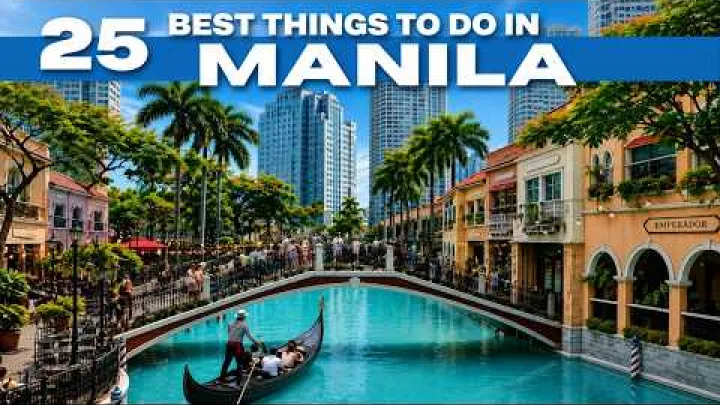
This Manila travel guide is designed for first-time visitors who want a practical, balanced overview before arriving in the Philippines. Manila can be rewarding, intense, historic, modern, crowded, and convenient all at once, so good planning makes a major difference. This guide explains where to stay, what to see, how to get around, when to visit, and how to handle airport, safety, weather, and booking logistics. It also shows how Manila fits into a wider Philippines itinerary, especially if you are connecting to islands such as Palawan, Cebu, Bohol, or Boracay.
Start Here: What to Know Before You Visit Manila
Manila is not a compact city where every major sight is a short walk away. For visitors, the most important first step is understanding the difference between historic Manila and the wider metropolitan area, then planning your days by district.
Manila, Metro Manila, and the City of Manila
Travelers often say “Manila” when they mean the whole urban area around the capital. Official tourism material describes Manila as part of the National Capital Region, also called Metro Manila, and as a main gateway for international travelers to the Philippines through Philippine Department of Tourism resources.

The City of Manila is only one part of Metro Manila. It contains many historic and cultural stops, including Intramuros, Fort Santiago, San Agustin Church, Casa Manila Museum, Rizal Park, the National Museum Complex, Binondo, and Manila Bay. Nearby cities such as Makati, Taguig, Pasay, and Quezon City are separate local government areas within the larger metro region.
This distinction matters when choosing accommodation and planning transfers. A hotel in Makati, Bonifacio Global City, or Pasay may be described as being “in Manila” for travel purposes, but it can be far from Intramuros in real travel time. Short distances on a map can still involve long delays, especially on busy roads such as EDSA or during rain.
How Manila Fits Into a Philippines Itinerary
Manila is both a destination and a gateway. Many international visitors arrive at Ninoy Aquino International Airport, spend one or two nights in Metro Manila, and then continue to domestic destinations. This makes the city useful for recovering from a long flight, handling onward connections, and adding a cultural introduction before beaches, islands, or countryside trips.
For a quick stopover, focus on a small number of places: Intramuros, the National Museum area, Rizal Park, Binondo, or one modern district for dining and shopping. For a two-day cultural visit, you can add more time for museums, food, Manila Bay, Makati, or Bonifacio Global City. For a longer urban stay, Manila works best if you are interested in history, food, shopping, business, nightlife, or contemporary Filipino culture.
Avoid treating Manila like a small walking city. Build your schedule around jet lag, heat, traffic, and flight buffers. If you are returning from an island destination before an international flight, consider spending your final night in Metro Manila instead of relying on a same-day domestic-to-international connection.
How Many Days to Spend in Manila
One full day is enough for a transit-focused overview if you choose a tight route, such as Intramuros, Rizal Park, and a nearby museum or food stop. This is best for travelers who mainly need to pass through Manila but still want to understand the capital beyond the airport.
Two to three days is a better first-time choice. It gives you time to see the historic core, visit the National Museum Complex, eat in Binondo, explore Makati or Bonifacio Global City, and leave space for weather or traffic delays. More than three days can be worthwhile if you enjoy museums, food neighborhoods, malls, markets, photography, or city life.
Plan each day by area. Pair Intramuros with Fort Santiago, San Agustin Church, Casa Manila Museum, Rizal Park, and the National Museum Complex. Pair Pasay with SM Mall of Asia, Manila Bay, or airport-related logistics. Keep cross-city trips to a minimum unless you have a clear reason and enough buffer time.
Best Time to Visit Manila
Manila is warm throughout the year, but the comfort level for sightseeing changes with heat, rain, and storm risk. First-time visitors should think less about perfect weather and more about flexible planning.
Dry Season, Heat, and Rainy Season
The broad travel pattern in the Philippines is a generally drier and more comfortable period around the late year to early year, followed by hotter months before wetter conditions later in the year. Travel specialists such as Audley Travel commonly point to December to February as a favorable period for visiting the Philippines. Because weather varies by year and local conditions, treat this as general planning guidance rather than a precise forecast.
Manila remains warm even in the more comfortable months. Lightweight clothing, sun protection, water, and breaks in air-conditioned places are useful year-round. If you visit during hotter months, plan outdoor sightseeing early in the morning or later in the afternoon, and use museums, restaurants, and malls during the middle of the day.
| Period | What to expect | Planning tip |
|---|---|---|
| December to February | Often more comfortable for first-time sightseeing | Book ahead for busy travel dates |
| Hotter pre-rainy months | Warm to very hot city conditions | Start early and schedule indoor breaks |
| Wetter months | More chance of heavy rain and delays | Keep plans flexible and check forecasts |
Weather Risks and Flexible Planning
Rain and storms can affect Manila more than a visitor may expect. Heavy rain can slow road travel, reduce walking comfort, and affect airport schedules. This does not mean you should avoid Manila during wetter periods, but it does mean you should avoid overly tight plans.
Keep indoor alternatives ready. The National Museum Complex, malls in Makati or Pasay, restaurants in Binondo or Bonifacio Global City, and hotel downtime can all save a rainy day. Before and during your trip, check current forecasts and official travel notices, especially if you have flights, ferries, or long transfers elsewhere in the Philippines.
Where to Stay in Manila
The best area to stay in Manila depends on your travel style. For most first-time visitors, the safest planning approach is to choose a base near the activities you care about most, then limit cross-city travel.
Quick Recommendations by Travel Style
Choose Makati or Bonifacio Global City if you want comfort, restaurants, hotels, nightlife, shopping, and easier navigation. These areas are popular with business travelers and first-time visitors because they offer many modern services and a more straightforward arrival experience.
Choose Intramuros or the City of Manila if your main reason for visiting is history. You will be close to Fort Santiago, San Agustin Church, Casa Manila Museum, Rizal Park, the National Museum Complex, and Binondo. The trade-off is that street conditions, traffic, heat, and city intensity can feel more challenging, especially at night or with luggage.
Choose Pasay or the SM Mall of Asia area if you need airport convenience, shopping, entertainment, or a short stopover base. Pasay can be practical before or after a flight through Ninoy Aquino International Airport, but you should still allow generous time for transfers.
Makati, Bonifacio Global City, Intramuros, and Pasay Compared
District names can be useful, but exact hotel location matters more. A hotel on a convenient block near restaurants, secure entrances, and pickup points can be easier than a cheaper room in a less practical location within the same broad area.
| Area | Best for | Main trade-off |
|---|---|---|
| Makati | Hotels, business, dining, shopping, central convenience | Still affected by traffic at busy times |
| Bonifacio Global City | Modern streets, restaurants, nightlife, easier walking | Not next to the historic core |
| Intramuros and City of Manila | History, museums, Rizal Park, Binondo access | More intense street environment |
| Pasay and Mall of Asia area | Airport convenience, shopping, events, short stays | Not ideal for every sightseeing route |
What to Check Before Booking a Hotel
Before booking, check the exact hotel location on a live map. Look at travel time to Intramuros, Makati, Bonifacio Global City, Pasay, or the airport during the time of day you expect to travel. Do not rely only on a district name or a simple distance measurement.
Read recent guest reviews for comments on entrance security, noise, air conditioning, cleanliness, pickup access, nearby dining, and ease of using ride-hailing services. Amenities such as luggage storage, breakfast, airport transfer options, and a reliable front desk can be especially useful if you arrive late or leave early.
If your Manila stay is short, convenience often matters more than saving a small amount on the room. A better-located hotel can reduce stress, help you avoid unnecessary transfers, and give you more usable time in the city.
Getting Around Manila
Getting around is one of the biggest practical challenges in Manila. Visitors usually combine ride-hailing, taxis, walking in selected areas, and sometimes trains, depending on the route and comfort level.
Arriving at Ninoy Aquino International Airport
Many international visitors arrive through Ninoy Aquino International Airport in Metro Manila. The Manila International Airport Authority is the relevant airport authority for NAIA information, and travelers should confirm terminal, airline, and transfer details before departure and again close to travel.
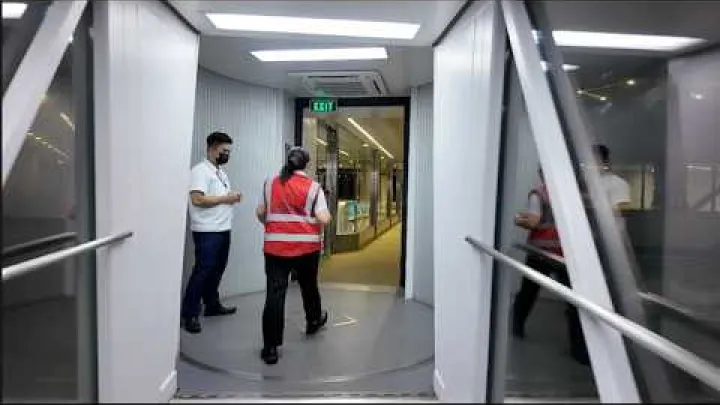
Before landing, prepare a simple arrival checklist: working mobile data, a ride-hailing app if you plan to use one, your hotel address saved offline, some local currency, your passport and entry documents, and your onward flight details if connecting. If you have a same-day domestic connection, leave more time than you would in a smaller airport city.
Terminal access, road traffic, queues, and weather can affect transfer times. Avoid planning important activities immediately after arrival, especially after a long international flight.
Ride-Hailing, Taxis, and Airport Transfers
Many visitors use ride-hailing or pre-arranged airport transfers because the route is clearer and the pickup details are easier to track. This can be helpful for late arrivals, families, business travelers, or anyone carrying large luggage.

If using taxis, use official queues where available, confirm fare expectations, and avoid unclear offers from people approaching you outside formal pickup areas. If a route may include tolls or heavy delays, clarify how these are handled before starting the trip.
Hotel cars and booked transfers usually cost more than the cheapest option, but they can reduce stress. They are worth considering if it is your first time in Manila, your flight arrives late, or you need a simple door-to-door transfer.
Trains, Jeepneys, Walking, and Traffic
Jeepneys are part of everyday urban transport and local culture, but they can be confusing for a first arrival. If you are unfamiliar with routes, payment habits, and stops, use them only when you have clear local guidance or are comfortable navigating informal public transport.
Walking is easier in parts of Makati, Bonifacio Global City, and Intramuros than in many other areas. Even then, heat, rain, uneven pavements, and road crossings can affect comfort. The most reliable strategy is to cluster your sightseeing: do a historic Manila day, a Makati or Bonifacio Global City evening, and a Pasay or airport day rather than crossing the metro repeatedly.
Top Things to See and Do in Manila
Manila’s strongest attractions are history, food, museums, public spaces, and modern urban districts. First-time visitors should prioritize the historic core, then add food and contemporary areas according to their interests.
Intramuros, Fort Santiago, and the Historic Core
Intramuros is the essential historic area for a first Manila visit. Within and around the walled district, travelers commonly plan time for Fort Santiago, San Agustin Church, Casa Manila Museum, plazas, walls, and heritage walks. The Intramuros Administration provides current site information, including hours and fees for key managed sites, so check details before visiting.
Visit early in the day or later in the afternoon if you want to reduce heat exposure. Wear comfortable shoes, carry water, and plan breaks. Intramuros pairs well with Rizal Park, the National Museum Complex, and Binondo, but do not try to rush every stop if the weather is hot.
National Museum Complex, Rizal Park, and Manila Bay
The National Museum Complex is one of the best ways to understand Philippine art, history, culture, and natural heritage. It is close enough to the historic core that many travelers combine it with Intramuros and Rizal Park in the same general sightseeing day.
Rizal Park is an important public space near Intramuros and the museum area. It is best visited with attention to heat, daylight, and weather. Manila Bay is another well-known outdoor stop, often used for a short walk or sunset-focused visit, but conditions can vary by weather and exact location.
Before planning around any museum or public site, check current opening days, entry rules, and access conditions. Avoid building a full day around a single attraction without confirming it is open.
Binondo, Food, Shopping, and Modern Districts
Binondo is a popular area for visitors interested in food, older city streets, and Chinatown atmosphere. It works well as a lunch or snack-focused stop after Intramuros, but streets can be busy, so keep valuables secure and plan your transport out before you get tired.
For modern dining, shopping, bars, and easier evening plans, look at Makati and Bonifacio Global City. These districts are often more comfortable for first-time visitors who want restaurants, malls, and hotels within a relatively manageable area.
Pasay is useful for SM Mall of Asia, events, Manila Bay access in some routes, and airport-related stays. If shopping or entertainment is part of your plan, it can be a convenient base, but it is not automatically the best location for historic sightseeing.
Budget, Booking, and Daily Practicalities
Manila can fit different travel budgets, but costs vary widely by district, hotel type, comfort level, and how often you use private transport. Instead of relying on fixed daily budget claims, plan by spending category.
Typical Cost Categories to Plan For
Your main cost categories in Manila are accommodation, airport transfers, ride-hailing or taxis, local transport, meals, museum or attraction fees, shopping, mobile data, and small cash expenses. Accommodation is usually the biggest variable: a budget room, business hotel, and luxury property can produce very different trip costs.
Meals also vary by setting. Local eateries and casual food stops can keep costs lower, while hotel restaurants, bars, and premium malls raise daily spending. Transport costs depend on where you stay; a cheaper hotel far from your planned activities can lead to more spending and more wasted time.
- Accommodation: compare exact location, guest reviews, and cancellation rules.
- Airport transfers: budget for arrival and departure separately.
- Local transport: expect costs to vary with distance, traffic, and transport type.
- Food: mix casual meals, food neighborhoods, and planned restaurants.
- Attractions: check current fees before visiting managed sites.
- Cash needs: keep small local currency notes for minor expenses where appropriate.
Connectivity, Payments, and Entry Tasks to Verify
Mobile data is important in Manila because many visitors rely on maps, messaging, translation tools, and app-based transport. Arrange a local SIM, eSIM, or roaming plan before depending on ride-hailing or online directions.
Payment habits vary by place. Cards are commonly useful in many hotels, malls, and higher-end restaurants, but cash can still be important for small shops, local transport, tips, and minor purchases. Keep your cash divided and avoid displaying large amounts in public.
Entry forms, visa rules, health requirements, airline procedures, and airport processes can change. Before departure, check official government and airline information for your nationality, length of stay, and route. Do not rely only on old travel blogs or social media posts for administrative requirements.
Booking Buffers for Flights, Tours, and Transfers
Build buffer time around flights and fixed bookings. Manila traffic, airport queues, rain, and domestic travel delays can affect your schedule. This is especially important if you are connecting between an island destination and an international departure.
Book fixed-time tours only after checking where you will stay and how long the transfer may take at that time of day. A tour that looks close on a map can become stressful if it requires crossing the metro during a busy period.
It gives you a buffer if a domestic flight or weather-affected transfer changes.
Safety and Common Travel Pain Points
Manila is a major urban destination, and many travelers visit without serious problems. The key is to use normal city precautions, stay informed, and plan around the practical issues that most often cause stress.
Urban Safety Precautions for Visitors
Official travel advisories can apply differently across the Philippines, so check advice for your full itinerary, not only Manila. The U.S. Department of State advises increased caution in the Philippines and identifies some areas of the country as having higher risk, which is a reason to review current guidance before travel.
In Manila, use practical urban precautions. Keep valuables secure, avoid displaying expensive jewelry or electronics, use trusted transport, and be cautious when walking late at night. In crowded areas such as markets, transport points, busy streets, and tourist zones, keep bags closed and phones controlled.
Choose accommodation with secure access and reliable reviews. If you are unsure about a neighborhood after dark, use a car rather than walking. This is not about being fearful; it is about reducing easy opportunities for theft or confusion in a large city.
Traffic, Weather, and Neighborhood Awareness
Traffic is one of the most common pain points for Manila visitors. It can affect airport transfers, sightseeing days, restaurant bookings, and simple cross-city plans. Rain can make delays worse and can make outdoor walking less comfortable.
Choose a base near your main plans, especially if your stay is short. Use daylight hours and busy, well-known areas for first-time exploration. If you want to visit several districts, divide them across different days instead of trying to move constantly across Metro Manila.
With realistic planning, Manila becomes easier to manage. Expect delays, protect your schedule with buffers, and treat each district as its own mini-itinerary rather than a quick stop on a citywide checklist.
Frequently Asked Questions
Is Manila worth visiting or just a transit stop?
Manila is worth visiting if you are interested in history, museums, food, shopping, or understanding the Philippines beyond island destinations. If your trip is very short, it can also work as a practical transit stop with one focused sightseeing day.
How many days do you need in Manila?
One day is enough for a quick overview, but two to three days is better for first-time visitors who want Intramuros, museums, Binondo, and at least one modern district without rushing.
What is the best area to stay in Manila for first-time visitors?
Makati and Bonifacio Global City are often the easiest bases for first-time visitors because they offer many hotels, restaurants, shops, and more straightforward navigation. Intramuros or the City of Manila is better if history is your main focus.
Is Manila safe for tourists?
Many tourists visit Manila without serious problems, but it is a large city where normal precautions matter. Use trusted transport, secure valuables, avoid displaying expensive items, and check current travel advisories for your full Philippines itinerary.
What is the best time of year to visit Manila?
December to February is commonly considered a more comfortable period for first-time sightseeing, but Manila is warm year-round. Check current forecasts close to travel, especially during wetter months.
How early should you leave for NAIA airport?
Leave with a generous buffer because traffic, terminal access, queues, and weather can affect travel time. Confirm your terminal and airline requirements before departure, and avoid tight same-day connections when possible.
Final Manila Travel Tips
Manila is easiest to enjoy when you plan it as a large, multi-center city rather than a compact sightseeing stop. Choose your base carefully, cluster your days by district, and leave more time than you think you need for airport transfers and cross-city travel.
For a first visit, prioritize Intramuros, Fort Santiago, the National Museum Complex, Rizal Park, Binondo, and one modern area such as Makati, Bonifacio Global City, or Pasay. Check current hours, weather, entry requirements, and airport details close to travel. With realistic expectations and a flexible schedule, Manila can be a useful gateway and a meaningful introduction to the Philippines.
Select area
Create a post
Posting is free and no registration is required.