Manila Best Time to Visit: Weather, Seasons, and Monthly Guide
The Manila best time to visit is usually January to early March, especially if you want more comfortable weather for walking, sightseeing, and short city stays. Manila is tropical all year, so the main travel question is not cold versus warm, but dry versus wet, and how much heat, humidity, and storm risk you can accept. This guide explains Manila weather by month, the dry and rainy seasons, typhoon-season disruption risk, and practical planning for places such as Intramuros, Manila Bay, and Manila Ocean Park. Use it to choose your travel window, then check current forecasts and official advisories close to departure.
The Short Answer
Best Overall Window: January to Early March
For most visitors, the best time to visit Manila is January to early March. This period usually gives the most useful balance of lower rainfall, less oppressive humidity, cooler evenings, and lower risk of storm-related disruption compared with the rainy-season months.
January and February are typically the most comfortable months for first-time sightseeing in Manila and Metro Manila. March can still be a good dry-season choice, but it is noticeably warmer, so outdoor plans are easier early in the morning or later in the afternoon.
This is climate guidance, not a guarantee. Averages help you choose a better month, but the exact weather during your travel week can still vary.
Best Shoulder Windows for Better Value or Festivals
Late November to early December can be a useful shoulder window for travelers who want improving weather before the busiest holiday period. Conditions often move toward the cooler, drier season, but late-season storms or rainy spells are still possible.
Late March and April are also possible for travelers who prefer drier weather and can tolerate stronger heat. These months can work well for short city trips if you plan outdoor sightseeing early and use air-conditioned spaces during the hottest part of the day.
December and early January can be attractive for Manila’s Christmas and New Year atmosphere. However, holiday demand can affect flights and hotels, so do not assume this period will automatically be cheaper or quieter.
Months to Avoid If You Need Predictable Weather
If your trip depends on predictable outdoor weather, approach June to October most cautiously. This period overlaps with heavier monsoon rain and the peak part of the Philippine tropical cyclone season, so outdoor plans, airport timing, ferries, and road movement can be more vulnerable to disruption.
Travel is still possible during the rainy season, especially if you have flexible plans and indoor alternatives. Rainy season does not mean it rains all day every day, but it does mean heavier downpours and more weather uncertainty.
May is a transition month. It is often hot and humid, with increasing rain risk, but it is not usually the same as the core wettest period from July to October.
How Manila's Climate Works
Manila has a tropical climate shaped by monsoon patterns, coastal humidity, and the wider weather systems affecting the Philippines. For travelers, the most important differences are rainfall, humidity, heat stress, and reliability of transport or outdoor plans.
Use Climate Normals for Planning and Forecasts for Travel Week
Climate averages and weather forecasts answer different questions. Long-term climate normals help you choose a month or season. Short-term forecasts help you decide what to do on a specific day.
For month-by-month planning, the official climate-normal framework from PAGASA is the most relevant baseline. PAGASA’s climate normals summarize long-term patterns for rainfall, temperature, and related weather elements rather than predicting one exact travel date.
The PAGASA Science Garden station in Quezon City is a useful Metro Manila reference point, but it should still be read as a regional baseline. Conditions can feel different across dense streets, waterfront areas, open parks, and air-conditioned interiors.
Northeast and Southwest Monsoon Patterns
Manila’s more comfortable season is linked with the northeast monsoon, locally called Amihan. This pattern usually supports cooler and drier conditions during the part of the year that includes January and February.
The wetter season is linked with the southwest monsoon, locally called Habagat. This pattern can bring moist air, heavier rain, and higher humidity, especially during the mid-year to early fourth-quarter months.
Exact onset and withdrawal dates vary each year. For travel planning, it is better to think in broad windows rather than fixed calendar dates.
Why Manila Can Feel Hotter Than the Averages
Manila is a dense, low-elevation coastal city on Manila Bay. Humidity, limited shade, direct sun, paved surfaces, and slow-moving air can make the city feel hotter than a simple average temperature suggests.
Urban heat island effects can also make streets and evenings feel warm, especially in built-up parts of Metro Manila. The perceived heat depends on humidity, shade, wind, sun exposure, and time of day.
Even in the cooler months, Manila is still tropical. Bring sun protection, drink water regularly, and avoid planning long unshaded walks in the middle of the day.
Month-by-Month Feel in Manila
The table below gives a practical monthly weather feel for Manila. It uses broad categories so you can match the month to your tolerance for heat, rain, and itinerary flexibility.
Monthly Weather Snapshot Table
The monthly pattern below is consistent with the Metro Manila climate baseline shown in the PAGASA Science Garden climatological normals, while keeping the information practical for travel planning.
| Month | General feel | Rain risk | Comfort level | Best use |
|---|---|---|---|---|
| January | Cooler tropical weather | Low | Best | Walking tours and sightseeing |
| February | Dry and comfortable | Low | Best | City breaks and outdoor plans |
| March | Dry but warmer | Low to moderate | Good | Dry-season travel with heat planning |
| April | Very hot and mostly dry | Moderate | Fair | Heat-tolerant travelers |
| May | Hot, humid, unsettled | Increasing | Fair to difficult | Flexible trips and indoor breaks |
| June | Rainy season building | High | Variable | Flexible city stays |
| July | Wet and humid | High | Disruption-prone | Indoor-focused travel |
| August | Wet and storm-aware | High | Disruption-prone | Flexible plans only |
| September | Wet and humid | High | Disruption-prone | Short, flexible visits |
| October | Still wet, slowly changing | High | Variable | Travel with weather buffers |
| November | Improving but variable | Moderate | Fair to good | Shoulder-season travel |
| December | Festive and improving | Moderate | Good, with caveats | Holiday atmosphere |
How to Read the Monthly Pattern
Manila’s main seasonal difference is rain and humidity, not cold weather. Even January and February are warm by temperate-climate standards, but they are usually easier for walking and sightseeing.
The dry season can still have occasional showers. The rainy season often means a higher chance of intense downpours, thunderstorms, and travel delays, not continuous rain every hour of every day.
If you dislike heat, choose January or February. If you dislike rain-related uncertainty, avoid July to October. If you can accept trade-offs, shoulder months can still work.
Dry Season in Manila
The dry season is the easiest period for most city visitors. It gives you better odds for outdoor sightseeing, waterfront walks, and short day trips from Manila.
January and February: Coolest and Most Comfortable
January and February are usually the strongest choices for Manila sightseeing. Lower rainfall and more comfortable evenings make it easier to explore Intramuros, walk near Manila Bay, or plan outdoor city routes without building the whole day around rain avoidance.
Daytime heat is still present, but it is often more manageable than in April or May. These months are also popular for travel, so booking flights and accommodation early may be wise if your dates are fixed.
March and April: Dry but Increasingly Hot
March is often a good dry-season option, especially in the first half of the month. It is warmer than January and February, but many travelers still find it practical for a short Manila stay.
April can be one of the hottest practical travel periods for the city. It is not a bad month for everyone, but heat-sensitive travelers may prefer January or February.
If you travel in March or April, plan outdoor activities early in the morning or late in the afternoon. Use midday for museums, restaurants, malls, rest, or air-conditioned transfers.
December: Festive and Improving, but Not Fully Low-Risk
December often feels better than the core rainy season as Manila moves toward cooler and drier conditions. For many visitors, the Christmas and New Year atmosphere is a major reason to choose this period.
However, December is not as weather-reliable as January or February. Rainy spells or late-season storms can still occur, and holiday demand can affect flight and hotel availability.
If you choose December, book early for fixed holiday dates and keep some flexibility in outdoor plans.
Rainy Season and Typhoon Risk
Manila’s rainy season is not automatically a reason to cancel a trip, but it changes how you should plan. The biggest issue is reliability: heavy rain can affect outdoor sightseeing, travel times, and regional connections.
May and June: Heat, Humidity, and Rainy Season Onset
May is usually hot, humid, and increasingly unsettled. Afternoon or evening thunderstorms become more likely, and the city can feel tiring during long outdoor walks.
June is often when rainy-season conditions become more established. Daily weather can still vary, but visitors should expect a higher chance of downpours and plan around both heat and rain.
If you visit in May or June, keep outdoor plans flexible, carry rain protection, and avoid tightly packed schedules.
July to October: Peak Rain and Cyclone Disruption Risk
July to October is the period with the strongest reason for caution. PAGASA’s tropical cyclone information notes that the peak of the typhoon season is July through October, when a large share of Philippine tropical cyclones develop, according to PAGASA Tropical Cyclone Information.
This does not mean every storm hits Manila directly. The city can be affected by direct systems, nearby systems, or enhanced southwest monsoon rain that brings heavy downpours even when a storm center is elsewhere.
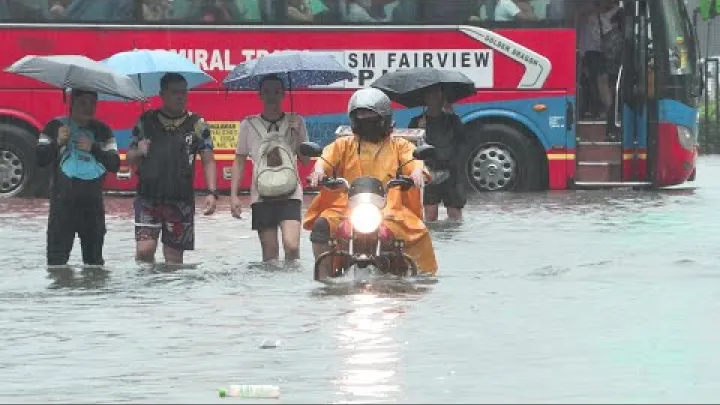
Possible travel impacts include heavy rain, localized flooding, flight delays, slower road movement, and limited outdoor sightseeing. If you must travel during this period, choose flexible bookings when possible and follow official advisories.
What Heavy Rain Means for Flights, Roads, and City Plans
Heavy rain can slow cross-city movement in Metro Manila, including travel to and from Ninoy Aquino International Airport. It can also affect low-lying streets and underpasses, although exact conditions change by storm, drainage, and local advisories.
Avoid tight airport connections during rainy months when heavy rain is forecast. Add transfer buffers, keep key documents protected, and confirm airline, accommodation, ferry, and local guidance when storms are developing.
For city sightseeing, make a simple wet-weather plan. Indoor museums, malls, restaurants, and rest time can help you avoid wasting the day if heavy rain interrupts outdoor routes.
Best Time by Trip Style
The best season for Manila depends on what you want to do. A first-time city break, a culture-focused holiday, a budget trip, and a day-trip itinerary do not all have the same ideal month.
First-Time Sightseeing and Historic Manila
For first-time sightseeing, January to early March is the easiest recommendation. Lower heat stress and lower rain risk make walking-heavy plans more enjoyable.

Intramuros, Manila Bay, and outdoor city routes are more comfortable when the air is less humid and sudden rain is less likely. March can still work well, but plan around midday heat.
If you only have one or two days in Manila, choose the more reliable dry-season window if your schedule allows it.
Culture, Christmas, and City Atmosphere
Late December to January can be attractive if you are interested in holiday atmosphere and city life. Manila and the wider Metro Manila area can feel especially active around Christmas and New Year.

January is stronger for weather reliability, while December has more residual weather uncertainty. If culture and atmosphere matter more than pure climate comfort, December can still be a good choice.
Check current event calendars before you travel. Dates, venues, road closures, and opening hours can change, especially around public holidays.
Budget Trips and Lower-Crowd Periods
Shoulder months may appeal to budget travelers, but savings are not guaranteed. Airfare and hotel prices depend on route, demand, events, school holidays, and booking timing.
Late November to early December can offer a weather-improving trade-off before the most intense holiday demand. March to May can also be considered, but each month has a downside: rising heat in March and April, then heat plus increasing rain risk in May.
If value is a priority, compare flexible dates and choose accommodation with practical cancellation terms where possible.
Nearby Beaches, Ferries, and Hiking Day Trips
Manila is often used as a base or gateway for nearby coastal, island, and upland trips. Drier months are better for plans that depend on sea conditions, road reliability, visibility, or long outdoor walking.
For trips such as Corregidor Island or Tagaytay, avoid building plans around assumptions. Weather, ferry schedules, road conditions, and operator decisions can change, especially in rainy season.
If a day trip is important to your itinerary, January to March gives you better odds. Even then, confirm schedules and weather close to the date.
What to Pack and How to Plan Each Day
Packing for Manila is mostly about heat, humidity, sun, rain, and air-conditioning. You do not need cold-weather clothing, but you do need practical protection from tropical conditions.
Clothing and Sun Protection
Pack lightweight, breathable clothing for all months. Natural or quick-drying fabrics are useful because humidity can make clothes feel damp even without rain.
Bring a hat, sunglasses, sunscreen, and an umbrella for shade. A light layer can be useful in air-conditioned malls, restaurants, hotels, and transport, but not because Manila is cold by temperate standards.
Take stronger heat precautions in March, April, May, and humid rainy-season days. Drink water regularly and avoid long unshaded walks at midday.
Rain Gear and Waterproofing
A compact umbrella is useful even in the dry season for sun and occasional showers. From May to October, stronger rain preparation is sensible.
Consider quick-drying footwear, a waterproof pouch for your phone and documents, and a light bag cover if you will be walking between attractions. Sudden rainy-season downpours can be intense and can quickly soak bags and shoes.
Keep passports, tickets, medication, and electronics protected during monsoon months, especially on transfer days.
Daily Timing for Heat, Traffic, and Downpours
During hot months, schedule outdoor sightseeing early in the morning or late in the afternoon. Use the hottest or wettest part of the day for indoor activities, meals, rest, or transport between neighborhoods.
Check live forecasts during travel week, and check again each morning during the rainy season. Forecast services such as the Met Office are useful for current conditions, while official local advisories are especially important when storms are active.
When heavy rain is possible, allow generous transfer buffers. This matters most for airport days, ferry connections, and plans that require crossing Metro Manila during busy periods.
Final Recommendation
Simple Decision Rule Before You Book
Choose January or February if you want the most comfortable and reliable weather for Manila. Choose early March if you still want dry-season conditions and can accept more heat.
Choose late November to December if you value holiday atmosphere or shoulder-season timing and can accept some weather uncertainty. Choose late March or April only if you tolerate heat well and can plan around midday sun.
Be most flexible from June to October because of heavy rain and cyclone-season disruption risk. Before departure, check official forecasts and advisories so you can adjust daily plans safely.
Frequently Asked Questions
What is the best single month to visit Manila?
February is often the best single month to visit Manila because it usually combines dry-season conditions, relatively comfortable evenings, and lower storm disruption risk.
When is the rainy season in Manila?
The rainy season generally builds from May or June and is most disruption-prone from July to October. Exact timing varies each year, so check current forecasts before and during your trip.
Is December a good time to visit Manila?
Yes, December can be a good time for festive atmosphere and improving weather, but it is not as reliable as January or February. Holiday demand can also affect flights and hotels.
What is the best time to visit Manila Ocean Park?
Manila Ocean Park can be visited year-round, but January to early March is usually the most comfortable overall period for combining it with outdoor sightseeing nearby. Check current opening hours before visiting.
Should I use climate averages or a live forecast before traveling?
Use climate averages to choose the best month, then use live forecasts and official advisories to plan each travel day. This is especially important during the rainy season and when storms are active.
Select area
Create a post
Posting is free and no registration is required.