Manila Budget Guide: Daily Costs, Hotels, Food and Transport

A practical Manila budget depends less on one fixed price and more on where you sleep, how you move around, and how often you choose malls, cafés, ride-hailing, and paid attractions. Manila City can be inexpensive for travelers who stay near central sights and eat locally, while nearby Metro Manila areas such as Makati, Bonifacio Global City, Ortigas, Quezon City, and Pasay can cost more but may save time. This guide gives realistic daily cost ranges in Philippine pesos, with approximate U.S. dollar equivalents that can change with exchange rates. It also explains the main decisions that move a trip from budget to mid-range or comfortable.
Quick Answer: How Much to Budget Per Day in Manila
For most visitors, the useful starting point is a daily travel budget, not a single total for the whole trip. The ranges below are per person, except where a room or ride is shared. They include normal Manila travel costs such as accommodation, daily meals, local transport, and basic sightseeing, but they do not include international flights.
Daily Budget Ranges by Travel Style
A lean backpacker can often plan around ₱1,500-₱2,200 per day if using hostels, local meals, public transport, and mostly free attractions. A mid-range visitor should usually budget around ₱3,000-₱4,500 per day for a private room, mixed local and mall meals, occasional ride-hailing, and some paid activities. A more comfortable Manila budget starts around ₱5,000 per day and can rise quickly with better hotels, restaurants, nightlife, shopping, and frequent car transport.
As a rough guide, ₱1,500 is around the high US$20s and ₱5,000 is around the high US$80s when the exchange rate is near the mid-₱50s to US$1. Treat dollar amounts as approximate because exchange rates, card fees, season, neighborhood, and booking timing can change the real cost.
| Travel style | Daily budget | Typical inclusions |
|---|---|---|
| Lean backpacker | About ₱1,500-₱2,200 | Dorm bed or very basic room, local meals, public transport, free or low-cost sights |
| Mid-range | About ₱3,000-₱4,500 | Private room, mixed food choices, some ride-hailing, one or two paid stops |
| Comfortable | From about ₱5,000 and up | Better hotel or rental, more car transport, restaurants, cafés, paid activities |
Main Cost Categories to Plan First
Accommodation is usually the largest fixed cost in a Manila travel budget. Once the room is booked, the most flexible categories are food and local transport. A traveler who eats at carinderias and uses rail or jeepneys will spend very differently from someone who eats in malls and uses ride-hailing for most trips.
Start with five categories: stay, food, local transport, activities, and optional extras. Optional extras include shopping, bars, cafés, laundry, SIM or data top-ups, and convenience purchases. If you plan to travel from Manila to other Philippine islands, domestic flights, ferries, airport transfers, and baggage fees should be budgeted separately.
What These Estimates Include and Exclude
The estimates in this guide cover ordinary visitor costs inside Manila City and the wider Metro Manila area: nightly accommodation, everyday meals, local transport, and basic sightseeing. They do not include international flights, visa costs if applicable, travel insurance, major shopping, medical costs, expensive nightlife, or domestic trips to places such as Palawan, Cebu, Bohol, or Boracay.
It is sensible to keep a small buffer rather than plan to spend every peso. Manila traffic can make a short-looking trip more expensive by car, last-minute rooms may cost more than expected, and a paid attraction day can lift the daily total above your average.
Manila City Versus Metro Manila: Choosing a Budget Base
Many travelers say “Manila” when they mean the entire Metro Manila region. For budgeting, this distinction matters. Manila City includes areas such as Malate, Ermita, Intramuros, Rizal Park, and the National Museum complex, while Makati, BGC, Quezon City, Ortigas, and the Mall of Asia area in Pasay are separate nearby bases with different cost and convenience trade-offs.
Manila City Areas for Lower Costs
Malate and Ermita are practical areas to compare if you want lower-cost hotels, guesthouses, and access to central Manila sights. They can work well for travelers who plan to visit Intramuros, Rizal Park, Manila Bay, and the National Museum complex without crossing Metro Manila every day.
The trade-off is that lower prices may come with older buildings, simpler rooms, smaller bathrooms, limited lifts, or less polished service. Do not judge only by star rating. Check the exact street, recent guest reviews, air-conditioning comments, noise complaints, cancellation policy, and whether taxes or extra fees are included in the displayed price.
Nearby Metro Manila Areas That Cost More but Add Convenience
Makati and Bonifacio Global City are often more expensive than older central Manila areas, but they can be convenient for business meetings, nightlife, restaurants, cafés, and modern malls. Ortigas can suit travelers with work or appointments in the central business district. Quezon City can be useful for university, events, media, or northern Metro Manila plans. The Mall of Asia area in Pasay can be convenient for shopping, events, Manila Bay attractions, and access toward Ninoy Aquino International Airport.
Higher room prices are not automatically bad value. If staying in Makati or BGC prevents two long ride-hailing trips each day, the total trip cost may be similar to a cheaper room far away. The best base is the one that keeps your daily plans close enough to avoid repeated cross-city travel.
How to Pick the Cheapest Practical Location
The cheapest room is not always the cheapest trip. Before booking, list your main activities and mark the area where most of them are located. If your priority is heritage sightseeing, a base near Intramuros, Rizal Park, Malate, or Ermita may reduce transport costs. If your main plans are business meetings or nightlife in Makati or BGC, paying more for a nearby room can save time and app fares.
A simple rule works well: save money on location only if transport stays manageable. If the cheaper hotel forces daily ride-hailing during traffic, the room discount may disappear. This matters especially for first-time visitors because Metro Manila distances can feel longer than they look on a map.
Accommodation Costs in Manila
Accommodation has the biggest effect on your Manila budget because it repeats every night. Prices move with location, demand, day of week, rating, cancellation flexibility, and how far ahead you book. Compare total stay cost, not only the headline nightly rate.
Hostels and Dorm Beds
Hostels are usually the lowest-cost option for solo travelers because you pay for a bed instead of a whole room. Booking-platform snapshots can show very low prices on quiet nights, but better-located or better-rated hostels often cost more. KAYAK lists Manila hostel pricing that varies sharply by day of week, which is a useful reminder that a single advertised low fare may not represent every night of your stay.
As a planning range, very cheap dorm beds may appear below ₱1,000 on low-demand dates, while central or stronger-reviewed hostel beds can be higher. Always check recent reviews, air conditioning, locker availability, bathroom comments, check-in hours, cancellation rules, and whether taxes or service charges are included.
Budget Hotels and Guesthouses
Budget hotels and guesthouses suit travelers who want privacy but do not need a full mid-range hotel. In lower-cost areas, basic private rooms may often be found around ₱900-₱1,800 per night, though the best value depends heavily on dates and exact location. Rooms in Malate, Ermita, and some secondary districts can be cheaper than rooms in high-demand business districts.

Look beyond the room price. Air conditioning, private bathroom, window, lift access, cleanliness, water pressure, Wi-Fi, and walking access to food or transport can matter more than a star label. A slightly higher nightly rate may be better value if it avoids poor sleep or repeated car trips.
Mid-Range Hotels and Short-Term Rentals
Mid-range hotels become worthwhile when you want stronger reliability, better front-desk support, more comfort, or a location close to your schedule. Short-term rentals can be good for longer stays, remote work, families, or travelers who want kitchen access and extra space. They are not always cheaper for short stays because cleaning fees, service fees, and check-in rules can weaken the value.
As a market reference, AirROI reports recent Manila short-term rental data with a nightly-rate benchmark, but individual listings vary by district, building, fees, and demand. Compare Makati, BGC, Ortigas, and central Manila carefully because higher-demand areas can cost more. For one or two nights, a hostel or hotel may be simpler; for a week or more, compare rentals after adding all fees.
Food and Drink Prices in Manila
Food is one of the easiest Manila budget categories to control. You can eat cheaply with local meals, spend moderately with food courts and chains, or raise the daily total quickly with cafés, Western restaurants, alcohol, and delivery.
Street Food, Markets, and Carinderias
Local stalls, markets, and carinderias are usually the cheapest way to eat in Manila. A simple local meal can cost far less than a mall restaurant meal, especially if you drink water and avoid imported items. Exact prices vary by neighborhood, portion size, and whether the place is near offices, schools, malls, or tourist areas.
Quiapo and Divisoria are useful budget-food anchors, but prices are not guaranteed simply because an area is known for low-cost shopping or local markets. Choose busy places that look clean, where food turnover is high and prices are visible or easy to ask about. This approach can reduce daily spending without requiring every meal to be the cheapest possible option.
Fast Food, Food Courts, and Casual Restaurants
Fast food, food courts, and casual restaurants are useful when you want predictable menus, air conditioning, longer opening hours, and easy ordering. In a recent community discussion among Manila residents and expats, fast-food meals were commonly reported around ₱150-₱300, while simple non-fancy restaurant meals were often described around ₱200-₱400; treat these as reported ranges rather than fixed citywide prices from the Philippine expat dining discussion.
Jollibee, other fast-food chains, and Manila mall food courts can be good reference points for predictable spending. They usually cost more than carinderias but less than many sit-down restaurants in business districts. The value is convenience, not always the lowest price.
Cafes, Western Food, Alcohol, and Nightlife
Cafés, Western food, imported products, craft drinks, and bars are common budget leaks in Manila. One coffee stop, one dessert, and one bar drink may not feel expensive alone, but repeated daily extras can move a traveler from a budget food plan to a mid-range or comfortable plan.
This does not mean you should avoid these choices. It means they should be planned. For example, you might eat local meals during the day and choose one restaurant dinner, or reserve cafés for work sessions instead of adding them automatically after every meal.
Daily Food Budget Examples
Your food budget depends on appetite, drinks, snacks, and alcohol. The table below gives practical daily patterns rather than exact menu promises.
| Food style | Daily range | Typical pattern |
|---|---|---|
| Mostly local | About ₱300-₱700 | Carinderias, simple snacks, local drinks, limited cafés |
| Mixed | About ₱700-₱1,200 | Local meals plus fast food, food courts, or one casual restaurant |
| Café and restaurant-heavy | About ₱1,200 and up | Coffee, Western meals, restaurants, desserts, alcohol, delivery |
Food is flexible. If your accommodation costs more than planned, reducing café and restaurant frequency is one of the easiest ways to rebalance the day.
Local Transport Costs and Traffic Trade-Offs
Transport in Manila is not only about fares. It is also about time, traffic, weather, route complexity, luggage, and how many people are traveling together. Because current fare details can change, check official transport information or app estimates for exact costs before relying on a number.
Jeepneys, LRT, and MRT for Low-Cost Travel
Jeepneys, LRT, and MRT can keep daily transport spending low compared with ride-hailing. They are best for travelers who are comfortable with route planning, walking to stations or stops, and handling crowding during busy periods. Rail is especially useful when your origin and destination are near stations.

The non-money costs are important. Public transport may involve transfers, waiting, standing, heat, rain, or rush-hour crowding. If you are on a strict budget, these trade-offs may be worth it. If you have limited time in Manila, you may choose to spend more on transport for selected trips.
Ride-Hailing, Taxis, and Airport Transfers
Ride-hailing and taxis are much more expensive than public transport, but they can still be affordable for many international visitors, especially for groups. They are useful with luggage, late arrivals, heavy rain, or destinations that are not easy to reach by rail.
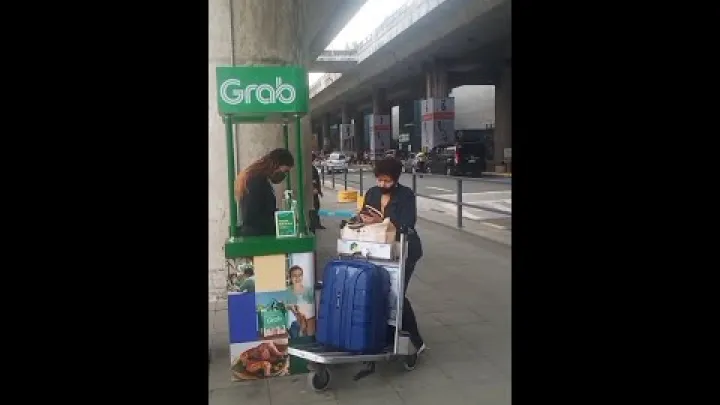
Airport transfers from Ninoy Aquino International Airport and cross-city trips depend heavily on distance, traffic, time of day, and dynamic pricing. Use app fare estimates before committing, and compare the fare with the cost of staying closer to your plans. For two or more travelers, a car fare can be divided, reducing the per-person cost.
When to Pay More for Transport
Paying more for a car can be rational late at night, with luggage, during heavy rain, or when traveling as a group. It can also make sense if a public transport route would require multiple transfers and a long walk. The decision is not only cheap versus expensive; it is cost versus time and comfort.
Repeated ride-hailing is where budgets often rise. If you stay far from Intramuros but visit central Manila every day, or stay in Manila City but spend every night in Makati or BGC, transport may become a hidden accommodation cost. Choose the base first, then estimate daily movement.
Activities and Sightseeing Costs
Manila sightseeing can be inexpensive if you focus on cultural areas, public spaces, churches, museums with free entry, and walking-friendly clusters. Paid attractions, guided tours, events, and family activities can still raise the daily total, so separate normal sightseeing days from splurge days.
Free and Low-Cost Cultural Stops
The National Museum complex is one of the strongest budget attractions in Manila because admission is free according to the National Museum of the Philippines. It is also near Rizal Park, making it easy to combine cultural stops with low-cost walking time in central Manila.
Rizal Park, churches, public spaces, and self-guided walks can fill much of a day without a large ticket budget. Free admission does not mean the whole day is free, because meals, transport, water, snacks, and optional cafés still matter. Group nearby stops together to reduce transport costs.
Intramuros and Heritage Site Budgeting
Intramuros can be done cheaply if you walk, focus on public areas, and choose paid sites selectively. Fort Santiago, Museo de Intramuros, Manila Cathedral, and San Agustin Church are key local anchors, but exact access rules, hours, and fees can change. Check current official information before building your day around a paid site.
A low-cost version of Intramuros may include walking the streets, visiting churches where access is open, taking photos from public areas, and eating at simple nearby places. A paid-experience version may add museum entries, a guide, a bike tour, a kalesa ride, cafés, or a more expensive restaurant. Both can be good choices; they just belong in different daily budgets.
Paid Attractions and Splurge Days
Paid attractions such as Manila Ocean Park, guided tours, cinemas, events, and special exhibitions should be treated as optional splurges. A single ticketed attraction can change the day’s total more than normal sightseeing, especially for families because many costs scale per person.
Before planning a paid day, check official ticket prices, current hours, closures, and promotions. If the ticket is expensive for your budget, balance it with cheaper meals or public transport on the same day, or place it between two lower-cost sightseeing days.
Sample Manila Travel Budgets
The examples below show how the daily ranges can work in practice. They are not strict rules. Your own total will change with booking dates, room quality, food preferences, weather, traffic, and how much you value comfort.
Backpacker Budget Scenario
A backpacker budget uses a dorm bed or very basic room, mostly local meals, public transport, and free or low-cost attractions. This can fit the ₱1,500-₱2,200 daily range, but it requires flexibility and some planning effort.
| Category | Example cost | Notes |
|---|---|---|
| Stay | ₱700-₱1,200 | Dorm bed or very basic room on a good booking date |
| Food | ₱300-₱700 | Mostly local meals and simple snacks |
| Transport | ₱100-₱300 | Mostly public transport and walking |
| Activities | ₱0-₱300 | Free museums, parks, churches, selective paid stops |
The trade-offs are less privacy, simpler facilities, more walking, and more patience with public transport. It is realistic, but not the most comfortable way to experience Manila.
Mid-Range Budget Scenario
A mid-range budget is a strong default for first-time visitors who want to save money without extreme trade-offs. It usually includes a private room or modest hotel, a mix of local and mall food, occasional ride-hailing, and one or two paid sites during the stay.
| Category | Example cost | Notes |
|---|---|---|
| Stay | ₱1,500-₱2,500 | Basic private room or modest hotel |
| Food | ₱700-₱1,200 | Local meals plus food courts or casual restaurants |
| Transport | ₱300-₱800 | Public transport plus selected ride-hailing |
| Activities | ₱200-₱800 | Mostly low-cost sightseeing with occasional paid entries |
You can cut this budget by choosing more local meals and using public transport more often. You can increase it by moving to a higher-demand district, taking more cars, or adding restaurants and paid attractions.
Comfortable Budget Scenario
A comfortable Manila budget starts around ₱5,000 per day and is open-ended. It may include a better hotel or short-term rental, more ride-hailing, cafés or restaurants, and paid activities. Makati, BGC, central Manila, Ortigas, and other high-demand areas can all be good choices, but comfort and location usually cost more.
| Category | Example cost | Notes |
|---|---|---|
| Stay | ₱2,800 and up | Better hotel, serviced apartment, or stronger location |
| Food | ₱1,200 and up | Cafés, restaurants, Western food, drinks, delivery |
| Transport | ₱700 and up | Frequent ride-hailing, airport transfer, cross-city trips |
| Activities | ₱500 and up | Paid attractions, tours, events, entertainment |
This level can still feel affordable compared with many global capitals, but it is high compared with local budget options. The biggest upward drivers are hotel choice, nightlife, shopping, and using cars for nearly every trip.
Two-Person and Family Budget Adjustments
Couples can often reduce per-person costs because one private room and one ride-hailing trip are shared. For example, a ₱2,400 room costs ₱1,200 per person when split by two people. A car ride also becomes more reasonable when divided.
Meals, attraction tickets, rail fares, and many activity costs still scale per person. Families should be careful with ticketed attractions because each additional person can raise the day’s total. For longer stays, a short-term rental with kitchen access may become more useful, especially if it reduces restaurant meals and gives more space.
What Drives Costs Up and How to Save
Manila can be affordable, but small decisions accumulate. The main cost drivers are accommodation demand, location mistakes, convenience spending, mall habits, paid attractions, and transport choices during traffic.
Peak Dates, Weekends, Events, and Last-Minute Booking
Accommodation prices can change by day of week, season, local holidays, events, and booking timing. A hostel or hotel that looks cheap on one date may cost much more on a Saturday, during a convention, or near a holiday. Cheap-room availability can also fall sharply when booking at the last minute.
Compare flexible dates when possible. If your plans are not fixed, check weekday and weekend rates before deciding your average daily budget. Refundable bookings can be useful when prices are uncertain, but always compare the total cost and cancellation rules.
Mall Habits, Imported Goods, and Convenience Spending
Metro Manila has many malls, especially in business districts and areas such as Makati, BGC, Ortigas, Quezon City, and the Mall of Asia area in Pasay. Malls are comfortable and convenient, but repeated mall meals, imported snacks, cafés, delivery, and convenience purchases can quietly raise daily costs.
A cheap room can be offset by expensive daily habits. If you save ₱500 on accommodation but spend ₱700 extra on cars and restaurant meals each day, the cheaper base may not help. Plan a few splurge meals instead of letting every meal become a mall or café meal.
Practical Saving Tactics That Do Not Require Extreme Budgeting
The strongest saving tactic is choosing a base near your main itinerary. Stay near Intramuros, Rizal Park, Malate, or Ermita for central Manila sightseeing. Consider Makati or BGC if most of your plans are there. Consider Pasay if airport access, events, or the Mall of Asia area matter most.
- Compare the total accommodation cost, including taxes, fees, and cancellation rules.
- Use public transport when practical, but check app fares for trips where comfort or time matters.
- Alternate free museum or walking days with paid attraction days.
- Mix local meals with planned restaurant meals instead of eating every meal in malls.
- Book longer stays when weekly or monthly discounts genuinely reduce the total.
- Keep a small buffer for traffic, rain, last-minute changes, and paid attractions.
You do not need extreme budgeting to control costs. The goal is to spend deliberately on the things that improve your trip and avoid paying repeatedly for avoidable distance, convenience, or poor planning.
Conclusion: Building a Realistic Manila Budget
A realistic Manila budget starts with your travel style and your base. Plan around ₱1,500-₱2,200 per day for a lean backpacker trip, ₱3,000-₱4,500 for a practical mid-range visit, and at least ₱5,000 per day for a more comfortable stay. Accommodation is the biggest fixed cost, while food, transport, and paid activities are the easiest categories to adjust.
For the best value, choose a location that matches your plans, compare total room costs, use public transport where it makes sense, and reserve restaurants, cafés, cars, and paid attractions for the moments when they add real value. With that approach, Manila can work for a tight travel budget, a comfortable city break, or a longer Metro Manila stay.
Select area
Create a post
Posting is free and no registration is required.