Davao Travel Guide: Where to Stay, What to Do and Tips

This Davao travel guide is for first-time visitors who want a practical overview before booking flights, hotels, tours, and transfers. Davao is often used to mean Davao City, the wider Davao Region, or nearby escapes such as Samal Island, so planning works best when you are clear about your base and daily route. The city offers urban comfort, food, markets, conservation sites, upland attractions, and access to Davao Gulf, but it is spread out and not designed like a compact walking destination. Use this guide to decide where to stay, how long to spend, what to do, how to move around, and how to approach safety and weather with realistic expectations.
Why Visit Davao
Davao City is one of the main gateways to the southern Philippines. It suits travelers who want a city base with access to nature, food, family-friendly attractions, and nearby island or upland trips.
Davao at a Glance
Davao City sits in the Davao Region of Mindanao and faces the Davao Gulf. For many visitors, it is the practical base for a trip that may include downtown streets, malls, parks, food markets, the Philippine Eagle Center, Malagos-area attractions, Samal Island, and, for experienced outdoor travelers, routes connected with Mount Apo.
The official Davao City Tourism site presents the city through categories such as attractions, accommodations, restaurants, shopping, parks, museums, adventure, and agri-tourism. That variety is the main reason Davao works well as a planning hub rather than a single-attraction stop.
The most important planning point is distance. Davao is large, traffic can affect travel time, and many attractions are not clustered beside one another. A good Davao itinerary groups nearby places together instead of treating the city as fully walkable.
Who This Davao Travel Guide Is For
This guide is best for first-time visitors who want a balanced plan covering where to stay, what to do, how to get around, safety, budget categories, and trip length. It is also useful for domestic tourists, business travelers adding free time, food-focused visitors, families, and travelers combining Davao City with Samal Island.
Davao is a good fit if you like practical city comforts but also want access to conservation, fruit and cacao experiences, casual food, and nature-based day trips. It may be less ideal if you expect a beach directly in the city center, a dense old town where every major sight is walkable, or a trip that requires no transport planning.
Best Time to Visit Davao
Davao can be visited year-round, but weather matters because many popular activities involve boats, upland roads, outdoor parks, or long transfers. Build your plan with flexibility, especially if Samal Island, hiking, or remote nature excursions are central to the trip.
Weather, Heat, and Rainfall Patterns
Davao is generally warm and humid throughout the year. Rain is possible in any season, and outdoor plans can change quickly during periods of heavier rainfall. Independent climate summaries such as Climates to Travel describe Davao as tropical, but travelers should avoid relying on broad seasonal labels as a guarantee of dry weather.
Many visitors prefer months that are commonly considered drier, but conditions vary from year to year. If you are planning beach days, boat trips, or upland excursions, check the short-term forecast close to departure and again before each outdoor day.
Pack for heat, sun, and sudden rain. Lightweight breathable clothing, sun protection, a compact rain jacket or umbrella, sandals or breathable shoes, and a reusable water bottle are useful. Midday sightseeing can feel tiring, so start early, use air-conditioned breaks, and avoid overloading one day with too many outdoor stops.
How Seasons Affect Island Trips, Hiking, and Events
Samal Island trips, island-hopping, and Davao Gulf activities can be affected by rain, sea conditions, operator policies, and local advisories. A trip that looks simple on a map may still depend on boat availability, resort transfer arrangements, and weather decisions made on the day.
Upland attractions and hikes are also weather-sensitive. Trails can become slippery, roads can be slower, and visibility may change. For serious hikes, including plans connected with Mount Apo, treat weather flexibility as part of the cost and time commitment rather than an inconvenience.
Events and festivals can make Davao more lively, but they may also increase demand for accommodation and transport. Confirm dates, venue details, hotel availability, and operator schedules before building a fixed itinerary around a specific event.
Where to Stay in Davao
The best area to stay in Davao depends on your trip style. First-time visitors usually choose between Poblacion or downtown, Bajada and the Abreeza area, Lanang and the northern corridor, or a split stay that includes Samal Island.
| Base area | Best for | Planning notes |
|---|---|---|
| Poblacion and downtown | Markets, older central areas, budget stays, city orientation | Check exact hotel location and recent reviews |
| Bajada and Abreeza area | Malls, restaurants, mid-range hotels, central convenience | Useful middle ground, but traffic still matters |
| Lanang and northern corridor | Airport access, business trips, malls, short stays | Convenient if activities are north or near transfer routes |
| Samal Island split stay | Beach time, resorts, slower pace | Confirm transfers, boat arrangements, and weather policies |
Poblacion and Downtown Davao
Poblacion and the downtown area are practical for visitors who want access to older city streets, local food, parks, markets, budget accommodation, and central transport. Anchors such as Roxas Avenue Night Market and People’s Park are often part of a first-time city itinerary.
Downtown can feel busy, commercial, and urban. Some travelers like that energy because it puts them closer to casual food and local movement. Others may prefer a quieter or more modern base. Do not assume that every downtown hotel is equally convenient or that all nearby streets are pleasant for walking at all times. Check the exact map location, recent guest comments, and transport access.
Bajada and the Abreeza Area
Bajada and the area around Abreeza are useful for travelers who want a middle-ground base. The area gives easier access to malls, restaurants, services, and a range of hotels while still keeping many city routes manageable.
This can be a good choice for first-time visitors who want modern amenities without being too far from older central areas. It is also practical if you value having food, shopping, and transport options close by. Traffic can still affect travel times, so the benefit is not that you avoid movement completely; it is that you have convenient options near your accommodation.
Lanang and the Northern Corridor
Lanang and the northern corridor suit travelers who prioritize airport access, newer hotels, business facilities, malls, and movement toward some northern or coastal routes. SM Lanang Premier is a useful orientation landmark for this part of the city.
This area can work well for short stays, business trips, late arrivals, early departures, and travelers planning transfers toward Samal Island or nearby coastal routes. It is not automatically the best base for everyone. If your main interests are downtown markets or upland attractions, compare travel times before booking.
When to Split Your Stay with Samal Island
If beach time is a priority, consider spending a few nights in Davao City and a separate stay on Samal Island. Samal is nearby, but staying there is different from staying in central Davao City. Daily commuting can reduce the relaxed feeling of a beach trip, especially if transfers, boat timing, or weather create delays.
A split stay works well if you want city food, markets, and attractions first, then slower resort time. Before booking, confirm how your resort handles transfers, what time boats or arranged transport operate, whether meals are included, and what happens if weather affects your arrival or departure.
Getting to Davao and Getting Around
Most short-stay visitors arrive by air and use a mix of taxis, ride-hailing, hotel transfers, jeepneys, and private drivers. Davao is spread out, so transport choices shape the comfort and efficiency of your trip.
Arriving by Air at Francisco Bangoy International Airport
Francisco Bangoy International Airport, commonly known by the airport code DVO, is the main arrival point for many visitors to Davao City. Travelers commonly connect through major Philippine hubs, but route availability changes, so check airline schedules directly before booking.
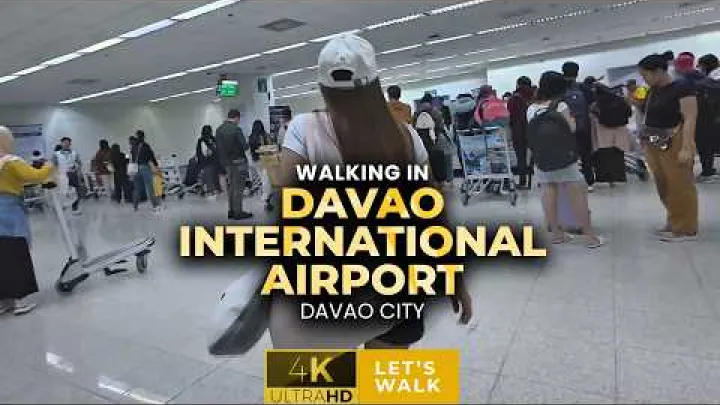
Airport transfer options may include taxis, ride-hailing where available, hotel-arranged transfers, or pre-booked services. Third-party airport transfer information from ShuttleFare also points travelers toward planning transport in advance, especially when arriving with luggage or at a late hour.
Allow extra time for traffic, luggage, check-in, and weather-related disruption. If your flight lands late, do not wait until arrival to decide how you will reach your hotel. Save your hotel address offline and keep enough cash or payment options available for your first transfer.
Getting Around by Jeepney, Taxi, Ride-Hailing, and Private Driver
Jeepneys and buses can be affordable and give a local experience, but they can be difficult for first-time visitors to navigate without local help. Routes, stops, and payment habits may not be obvious to new arrivals. Basic local transport overviews such as Discover Davao describe jeepneys, buses, taxis, and ride-hailing as common options, but route-specific details should be confirmed locally.
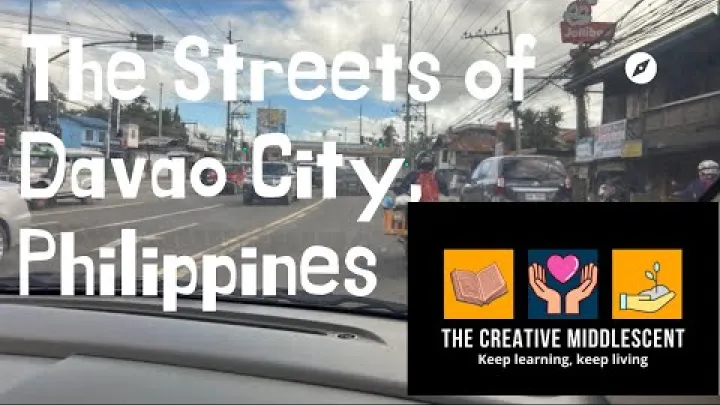
Taxis and ride-hailing are usually more practical for luggage, airport trips, night travel, and visitors with limited time. Private drivers or arranged transfers can make sense for multi-stop days, upland attractions, family groups, or travelers who prefer door-to-door service.
The simplest planning rule is to group nearby stops. For example, do not combine a downtown market, a far upland attraction, and an island transfer in one day unless a reliable operator has built the route. Ask hotel staff, the City Tourism Operations Office, or reputable tour providers for current route advice.
Manila to Davao by Land: What to Know Before You Choose It
Some travelers ask about traveling from Manila to Davao by land or a mix of land and sea. For most short-stay visitors, flying is the simplest and most time-efficient option. Overland travel can be long, multi-stage, schedule-sensitive, and affected by weather, ferry operations, road conditions, and security advisories.
If the journey itself is your goal, research current bus, ferry, and route information directly with operators before committing. Also check current safety guidance for the areas you will pass through, not only for Davao City. Avoid relying on old trip reports for schedules or route conditions.
Best Things to Do in Davao
Davao’s best experiences are a mix of easy city stops, food, conservation, upland attractions, island trips, and regional nature. Choose activities based on your available time and the amount of transport you are comfortable with.
City Sights, Parks, Malls, and the Roxas Avenue Night Market
For a first city day, keep the route simple. People’s Park, malls, casual restaurants, shopping areas, and the Roxas Avenue Night Market are common starting points for visitors who want to understand daily city life without leaving Davao City.
The night market is a practical place to sample casual food in a lively setting, but it is still a crowded urban environment. Carry small bills, keep valuables secure, and avoid bringing more than you need. Before going, check current operating days, hours, security rules, and any local changes through your hotel or local tourism channels.
Do not overstate nightlife when planning Davao. The city is better approached as a food, family, business, and nature gateway than as a late-night party destination. Malls and restaurants can also be easier choices for travelers who prefer air conditioning, predictable menus, or a slower evening.
Philippine Eagle Center and Malagos Upland Experiences
The Philippine Eagle Center is one of the most important conservation-focused attractions associated with Davao travel. It appeals to visitors interested in wildlife, biodiversity, and learning about the Philippine eagle in a managed conservation setting.
Many travelers combine the area with Malagos Garden Resort or cacao and chocolate-related experiences. These upland attractions should be treated as a half-day or full-day route rather than quick downtown stops. Confirm opening hours, entrance fees, booking requirements, and transport arrangements before you go.
Use respectful conservation behavior. Follow site rules, avoid loud behavior around animals, and do not expect a theme-park style experience. The value of this route is learning, nature, and a slower upland setting.
Samal Island and Davao Gulf Day Trips
Samal Island is one of the most common add-ons to a Davao itinerary. Visitors go for beaches, resorts, snorkeling, island-hopping, and a break from the city pace. Nearby day-trip framing from Discover Davao also places Samal among the area’s popular excursions.
A Samal day trip can be practical, but an overnight stay is often better if the main goal is rest, beach time, or resort facilities. Day trips require attention to transfers, boat arrangements, weather, and the location of your chosen resort or activity provider.
Before booking, ask what is included: transfers, meals, equipment, entrance fees, environmental fees, towels, snorkeling gear, and cancellation rules. Marine activities should always be planned with current sea and weather conditions in mind.
Mount Apo and Other Nature-Based Excursions
Mount Apo is a major regional nature draw and an important name in Mindanao travel. It is not a casual city attraction. Serious hikes may require permits, guides, preparation, suitable fitness, weather flexibility, and respect for local rules and environmental limits.
If you are not an experienced hiker, choose gentler nature options instead. Upland parks, gardens, farm-style attractions, and eco-tourism sites can provide cooler air and green scenery without the same physical demand. For any major hike, work with reputable local operators and confirm current access requirements before making plans.
Food, Markets, and Local Flavor
Food is one of the easiest ways to enjoy Davao. The city is known among travelers for tropical fruit, cacao and chocolate, seafood, casual Filipino meals, malls, markets, and neighborhood restaurants.
Night Market Eating and Casual Restaurants
Roxas Avenue Night Market is a popular way to try casual local food in a lively setting. It is best approached with simple expectations: walk slowly, compare what looks fresh and busy, carry cash, and keep small bills ready. If you have a sensitive stomach, choose freshly cooked items and avoid overordering on the first night.
Malls and casual restaurants are easier for travelers who want air conditioning, seating, card payment options, or menus that are more predictable. They are also useful during heavy rain or midday heat. Families and business travelers may find mall-based meals especially convenient between transfers.
Durian, Cacao, Seafood, and Local Produce
Davao is strongly associated with durian, cacao and chocolate, seafood, tropical fruits, and everyday Filipino dishes. Food-focused travelers can connect markets, cafes, restaurants, and Malagos-style cacao experiences into one route instead of treating food as an afterthought.
Durian rules may vary by hotel, vehicle, mall, or public space because of the strong smell. Ask before bringing it indoors or into a car. If you are vegetarian, halal-conscious, allergic to seafood or nuts, or sensitive to unfamiliar food, communicate clearly and carry a translation note if needed. Simple grilled seafood, rice meals, fruit, and mall restaurants can make eating easier while you learn what suits you.
Sample Itineraries and Trip Length
You can see the basics of Davao in two to three days, but four to five days gives more space for Samal Island, the uplands, food, and weather flexibility. Avoid building an itinerary that depends on perfect traffic and perfect weather every day.
Two to Three Days in Davao
With two to three days, focus on one urban day and one major excursion. A compact first-time plan could include a city orientation with People’s Park, a mall or cafe stop, and Roxas Avenue Night Market, followed by a half-day or full-day route to the Philippine Eagle Center and Malagos-area attractions.
If you have only two full days, choose either Samal Island or the uplands instead of trying to do both. Add airport transfer time into the plan, especially if you are staying far from DVO or traveling during busy traffic periods.
- Day 1: Arrive, settle in, explore nearby food and a central city area.
- Day 2: Choose an upland and conservation route, or choose a Samal day trip.
- Day 3: Add markets, malls, relaxed meals, and leave enough time for the airport.
Four to Five Days with Samal or the Uplands
Four to five days is more comfortable. You can spend one day on city orientation, one day on the Philippine Eagle Center and Malagos area, one day on Samal Island, and still keep time for food, shopping, rest, or weather changes.
If beach time is your priority, stay one or two nights on Samal instead of treating it as a quick side trip. If food and city comfort matter more, remain based in Bajada, Poblacion, or Lanang and use arranged day trips. If nature is the focus, plan fewer destinations and give each route enough time.
During busy periods, book key tours, transfers, or resort stays in advance. Remote workers and family visitors may prefer a slower pace with reliable accommodation, mobile data, and nearby malls or restaurants rather than daily long-distance excursions.
Budget, Booking, and Practical Travel Tips
Davao can work for budget, mid-range, and comfort-focused travelers, but costs depend heavily on accommodation style, transfers, tours, and whether you add Samal resorts or private drivers.
Typical Budget Categories
Think in categories rather than fixed daily promises. Your main costs will be accommodation, local transport, food, tours, island transfers, entrance fees, shopping, and buffer money. Budget travelers can control costs by using simple hotels, casual eateries, and fewer private transfers. Mid-range travelers often spend more for better locations, taxis or ride-hailing, organized day trips, and comfortable restaurants.
Costs rise quickly with private drivers, resort stays, island activities, and multi-stop tours. Before paying for a tour, check whether the price includes transfers, meals, entrance fees, environmental fees, equipment, guide service, parking, and tips. A cheaper listed price may not be cheaper after add-ons.
Cash, Cards, SIM Cards, and What to Verify Locally
Carry cash for markets, small eateries, local transport, tips, and some entrance fees. Larger hotels, malls, and restaurants may accept cards, but it is safer not to depend on cards for every small purchase. Keep cash divided between a wallet and a secure backup.
Arrange mobile data early. Maps, ride-hailing, hotel messages, weather checks, translation tools, and booking confirmations are useful in Davao. If you buy a local SIM or eSIM, compare current carrier options after arrival or before travel, because prices and registration requirements can change.
International visitors should also verify current Philippine entry rules, visa conditions, passport validity requirements, and health guidance through official channels before travel. A simple pre-arrival checklist should include flight details, hotel address, airport transfer plan, travel insurance, essential medicines, mobile data plan, cash access, and copies of important documents.
Safety, Health, and Final Planning Advice
Safety planning for Davao requires two levels of thinking: everyday city precautions and broader advisories for the Philippines and parts of Mindanao. Do not rely on one general statement, whether positive or negative, to make every decision.
How to Read Safety Advice for Davao and Mindanao
Travelers should distinguish between Davao City-specific experiences and broader Mindanao or Philippines travel advisories. Some foreign government advisories discuss risks such as crime, terrorism, civil unrest, or kidnapping in the Philippines and identify higher-risk areas. The current Travel.State.Gov advisory is one official source international visitors can check before travel.
At the same time, local reporting may present Davao City as a comparatively orderly urban destination. For example, the Philippine Information Agency has reported local safety-ranking and crime-reduction context for Davao. Read this type of local context together with, not instead of, official travel advisories.
Before long overland trips, remote excursions, or travel beyond common visitor routes, check current advisories again. Conditions can vary by province, route, and time.
Everyday Precautions, Local Rules, and Health Preparation
Use normal city precautions in Davao. Keep valuables secure, avoid displaying expensive items, use reliable transport at night, be careful in crowded markets, and avoid isolated areas when you do not know the neighborhood. Save your hotel address and use clear pickup points for taxis or ride-hailing.
Davao is also known for local rules on public behavior, smoking, alcohol, and public spaces that may feel stricter than some visitors expect. Rules and enforcement details can change, so ask your hotel or local hosts if you are unsure. Follow posted signs and behave conservatively in public spaces.
For health preparation, bring travel insurance, basic medicines, sun protection, mosquito precautions, and any personal prescriptions. Stay hydrated, pace yourself in the heat, and know how to contact your hotel or local emergency support. For personal medical decisions, including vaccines or condition-specific advice, consult a qualified health professional before travel.
Final Takeaways for a Well-Planned Davao Trip
A successful Davao trip starts with a convenient base, realistic transport planning, and flexible outdoor days. Choose Poblacion or downtown for central urban access, Bajada and the Abreeza area for a practical middle ground, Lanang for airport and northern-route convenience, or Samal Island for a separate beach-focused stay.
Group attractions by area, allow for traffic and weather, confirm current hours and transfer details, and avoid trying to do every major attraction in one short visit. Davao works best when treated as a city base for food, markets, conservation sites, upland experiences, and nearby island or nature excursions. Plan around your time, comfort level, and current local conditions, and this Davao travel guide can become a clear starting point for a well-paced trip.
Select area
Create a post
Posting is free and no registration is required.