Davao Getting There: Flights, Buses, Ferries and Routes
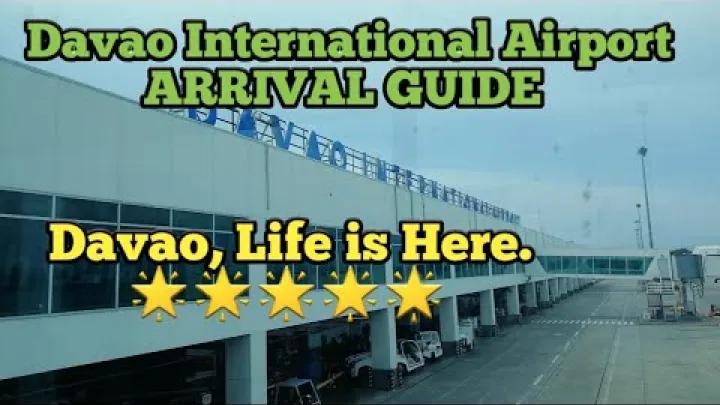
Davao Getting There: Flights, Buses, Ferries, and Arrival Routes
Davao getting there is usually straightforward if you choose the right gateway for your trip. Most visitors arrive by air through Francisco Bangoy International Airport, while travelers already in Mindanao may find buses practical from cities such as Cagayan de Oro or General Santos. Ferries and sea routes can work for flexible travelers, but they require more schedule checking and patience. This guide compares flights, buses, ferries, arrival terminals, and onward transport into central Davao so you can choose a route that matches your time, budget, and comfort level.
Quick Answer: The Best Ways to Get to Davao
The best route depends mainly on where you start. For most domestic and international travelers, flying is the simplest option. For travelers already moving around Mindanao, overland buses can be useful. Ferry travel is possible in some cases, but it is usually a slower and more schedule-sensitive choice.
Best Route for Most Visitors
For most visitors, the fastest and simplest way to reach Davao City is to fly into Francisco Bangoy International Airport, also known as Davao International Airport. Manila and Cebu are the most practical connection points for many travelers because they link Davao with the rest of the Philippines and with many international itineraries.
If you are arriving with luggage, traveling with children, or landing at night, plan your onward journey before you arrive. Taxis, ride-hailing cars, and hotel transfers are usually the easiest choices from the airport to Poblacion, Lanang, Matina, Ecoland, or other city districts. Public transport can be cheaper, but it may require walking, route knowledge, and transfers.
When an Overland Route Is Practical
Buses are practical mainly when you are already in Mindanao. Common regional starting points include Cagayan de Oro, General Santos, Tagum, and other provincial centers connected by intercity roads. Many long-distance buses arrive at Davao City Overland Transport Terminal in Ecoland, which is the main practical bus gateway for the city.
Overland travel from Manila or the Visayas is a very different decision. It can involve long bus segments, ferry crossings, terminal changes, and a high tolerance for delays. It may appeal to slow travelers or people building a multi-island route, but it is not the most efficient option for a short visit to Davao.
Before relying on any bus route, confirm the operator, departure terminal, arrival terminal, bus class, departure time, and ticket rules. Some services can be booked online or through third-party platforms, while others may still depend on terminal counters, operator offices, phone confirmation, or local advice.
When a Ferry Route Is Practical
Ferry travel to Davao is a niche option. It can suit travelers with flexible dates, a preference for sea travel, or an itinerary that already includes ports in Mindanao or the Visayas. It is usually much slower than flying and more vulnerable to schedule changes.
Long-distance ferry schedules can be affected by weather, maritime advisories, vessel changes, and seasonal demand. If your trip depends on a ferry, check the sailing status close to departure and avoid tight same-day connections with flights, buses, or fixed appointments.
It is also important to separate long-distance ferries to Davao from short local crossings after you are already in the city. Routes to Samal Island and Talikud Island are useful for side trips, but they are not the main way most travelers reach Davao from outside the region.
Davao's Main Arrival Gateways
Davao City has several gateway types: the airport for most visitors, the Ecoland bus terminal for overland arrivals, and ports or wharves for sea travel and island connections. Knowing the correct gateway name matters because Davao is spread out, and the wrong terminal or wharf can add unnecessary travel time.
Francisco Bangoy International Airport
Francisco Bangoy International Airport, commonly called Davao International Airport and identified by the airport code DVO, is Davao City's main air gateway. Basic airport identity and infrastructure context are summarized by Wikipedia, but travelers should rely on airlines and airport notices for current flight operations.
The airport is in the Sasa and Buhangin area, northeast of central districts such as Poblacion and south of parts of Lanang and Panacan. This location is useful for understanding your transfer: Lanang is relatively convenient from the airport, while Matina and Ecoland are farther across the city.
DVO is the most relevant arrival point for travelers coming from Manila, Cebu, and many international itineraries that connect through Philippine hubs. Avoid assuming that a route or terminal assignment will stay the same from one trip to another. Check your airline booking, baggage allowance, domestic terminal instructions, and flight status before travel.
Davao City Overland Transport Terminal
Davao City Overland Transport Terminal in Ecoland is the main practical arrival point for many provincial buses. Travelers coming from other Mindanao cities commonly use this terminal or verify whether their chosen operator stops there. Ecoland is south of the main downtown core and convenient for parts of Matina, but it is not the same area as the airport.
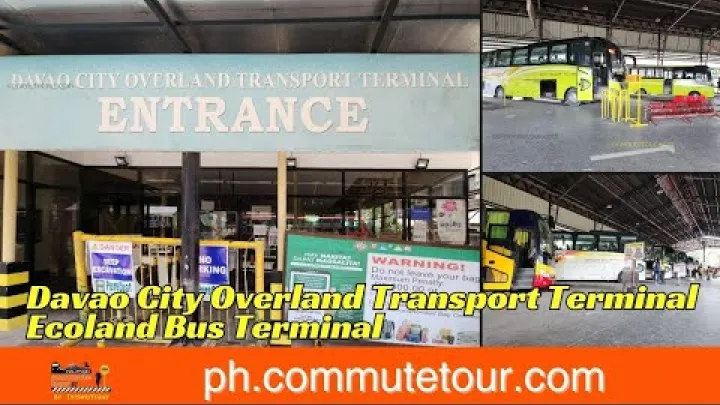
From the terminal, first-time visitors usually continue by taxi or ride-hailing car, especially with luggage or after a long overnight trip. Jeepneys and local buses may be cheaper, but they require route knowledge and may not be convenient for every hotel location. If your accommodation is near Roxas Avenue, Poblacion, Lanang, or Matina, check the map before choosing a local route.
Sasa Port, Sta. Ana Wharf, and Local Piers
Sasa Port and Sasa-area wharves are important for maritime access and some local island movements. Sta. Ana Wharf is closer to the urban core and is associated with some passenger boat routes, especially for Talikud-related trips. These places are not interchangeable, so it is important to confirm the exact pier or wharf name before taking a taxi.

Port use depends on the route, vessel type, operator, and whether the trip is for passengers, vehicles, cargo, or a local island crossing. If you are booking a sea route, ask for the exact departure point, arrival point, check-in time, baggage rules, and whether the sailing is confirmed for your date.
Getting to Davao by Air
Air travel is the most efficient way to reach Davao from most parts of the Philippines and from abroad. The main planning question is whether to fly directly to DVO from a Philippine hub or to build a connection through Manila or Cebu.
Flights from Manila and Cebu
Manila and Cebu are the most useful domestic gateways for reaching Davao by air. Flying from either hub is normally much faster than a route involving long-distance buses and ferries. For many travelers, it is also easier to compare flight times, baggage rules, and ticket conditions than to coordinate several land and sea segments.
Do not plan around old schedules or remembered fare ranges. Airline timetables, fares, baggage fees, and terminal assignments can change. Check airline websites or booking platforms close to your travel date, and review the details again before departure.
Booking earlier can help during Philippine holidays, school breaks, and major local events, but flexibility also matters. If you need to attend a meeting, join a tour, or catch a ferry after landing, allow a buffer instead of choosing the tightest possible connection.
International Arrivals via Philippine Hubs
Many international travelers reach Davao by flying first to Manila or Cebu, then connecting to a domestic flight to DVO. Manila often has broader long-haul connectivity, while Cebu can be convenient for some regional Asian itineraries or trips that also include the Visayas.
If you are buying separate tickets, be careful with connection times. You may need to pass immigration, collect checked baggage, move between terminals, re-check bags, clear security again, and meet the domestic check-in deadline. A delay on the first flight can also affect the second ticket if the bookings are not protected under one itinerary.
Direct international flights to Davao may appear at certain times, but they should be treated as a useful bonus rather than the default planning assumption. For a reliable plan, first compare connections through Manila and Cebu, then check whether a current direct option fits your travel dates.
Flight Delays, Weather, and Booking Buffers
Weather and operational disruptions can affect domestic flights in the Philippines. This does not mean you should avoid flying, but it does mean you should avoid building an itinerary with no margin for delay.
Leave buffer time before onward buses, ferry trips, business meetings, medical appointments, or hotel check-in deadlines. If you must travel on the same day, choose a connection with enough time to absorb a late arrival, baggage delay, or traffic from the airport.
On the day of travel, monitor airline notifications and flight-status tools. Keep your hotel or pickup contact informed if you are delayed, especially if you will arrive late at night.
Getting to Davao by Bus and Road
Road travel is important for regional movement within Mindanao. It is less useful for travelers starting far away, but it can be practical, affordable, and direct when your starting point is already connected to Davao by established intercity bus routes.
Routes from Cagayan de Oro, General Santos, and Regional Mindanao Cities
Buses are the main overland option for travelers already within Mindanao. Cagayan de Oro and General Santos are common regional origin points, and many travelers also arrive from smaller cities, provincial towns, or connecting terminals.

Travel time varies by route, traffic, stops, checkpoints, roadworks, weather, and the class of service. A third-party listing for Rural Transit on Bookaway shows an example of bookable Cagayan de Oro to Davao bus service, but current schedules and seat availability should always be checked for your exact travel date.
Before you leave, confirm the correct departure terminal in your origin city and the arrival point in Davao. During holidays and peak travel periods, arrive earlier than usual at the terminal and keep your plan flexible if seats are limited.
Long-Distance Land Travel from Manila or the Visayas
Traveling by land from Manila or the Visayas to Davao is much slower than flying. It may involve long bus rides, ferry crossings, route changes, and waiting time between segments. This can be interesting for slow travelers, but it is rarely the best option for a short stay.
The main trade-off is comfort. Very long overland travel can mean limited sleep, changing vehicles, carrying luggage through terminals, and handling schedule uncertainty. If you are traveling with children, older companions, heavy bags, or a fixed arrival deadline, flying is usually the safer and more comfortable plan.
Do not assume that a direct Manila to Davao bus will be available at the time you want to travel. Confirm routing directly with operators or terminals, and be prepared for a route that requires multiple tickets.
Buying Bus Tickets and Choosing a Service Class
Bus tickets may be available at terminal counters, operator offices, selected online platforms, or through phone and social media confirmation where operators provide it. Not every operator has reliable online booking, and not every online listing reflects the latest seat availability.
Service class matters on long routes. Air-conditioned buses, premium classes, reserved seats, luggage space, onboard comfort, and rest-stop patterns can make a major difference on a regional journey. If you are taking an overnight route, ask about seat type, stops, and whether the ticket is reserved or first-come-first-served.
Before paying, confirm the exact departure terminal, arrival terminal, cancellation policy, baggage handling, and boarding time. Keep some cash available for food, small purchases, local transport, or unexpected terminal needs.
Getting to Davao by Ferry and Sea
Sea travel can be part of a Davao itinerary, but it requires more caution than flights or simple regional bus routes. Ferries are useful for some routes and island trips, yet they are more affected by sailing schedules, port procedures, and weather conditions.
Long-Distance Ferries to Davao
Long-distance ferry travel is a possible but schedule-dependent way to reach Davao. It is normally much slower than flying and may require flexible dates. For travelers with tight itineraries, it is not usually the first choice unless the current schedule is confirmed and convenient.
Before booking, confirm the route, operator, departure port, arrival port, passenger rules, baggage rules, check-in requirements, and sailing status. If a ferry carries vehicles, confirm vehicle rules separately because passenger-only and vehicle procedures can differ.
Weather and maritime advisories can affect sailings. If a ferry leg is essential, avoid planning a same-day flight or important commitment immediately after arrival.
Arriving through Another Mindanao Port
Some travelers may enter Mindanao through another port and continue to Davao by bus or private transport. This can work if your route naturally brings you to a different port first, but it is a more complex planning concept than flying directly to Davao.
The key is to treat the trip as two connected legs: the sea leg and the overland leg. Check the ferry arrival time, the distance to the bus terminal, the last practical bus departure, and what happens if the vessel arrives late.
Missed connections can create long delays, especially in unfamiliar ports or at night. If you choose this approach, build in extra time and confirm each segment close to travel.
Samal and Talikud Connections after Reaching Davao
Samal Island and Talikud Island are common onward trips from Davao, not the main way most visitors arrive in Davao from outside the region. This distinction matters because travelers sometimes confuse local island ferries with long-distance access to the city.
Local guidance summarized by Ambot Ah describes a practical distinction between Sta. Ana Wharf for some Talikud or Kaputian passenger movements and Sasa-area routes for some Samal ferry movements. Treat this as orientation rather than a fixed timetable, and confirm the correct wharf for your exact trip.
Before heading to a pier, check first and last trips, passenger rules, vehicle rules, baggage handling, and the correct destination name. Sasa, Sta. Ana, Babak, Kaputian, Samal, and Talikud can refer to different routes or landing points, so do not rely only on a general instruction to go to the wharf.
From Davao Gateways to the City Center
Getting to Davao is only the first step. Your final transfer depends on whether you arrive at the airport, Ecoland bus terminal, Sasa-area ports, or Sta. Ana Wharf. For first-time visitors, the simplest choice is often worth a small extra cost.
Airport to Poblacion, Lanang, Matina, and Ecoland
From Francisco Bangoy International Airport, taxis, ride-hailing cars, hotel transfers, jeepneys, and shuttle-style arrangements may be available depending on time and location. A local transport guide by Jmavecars outlines common airport-to-city options such as taxis, ride-hailing, jeepneys, and shuttles.
Taxis and ride-hailing are usually the easiest choices for travelers with luggage, late arrivals, or limited knowledge of local routes. They are also practical if your hotel is in Poblacion, Matina, Ecoland, or a part of Lanang that is not directly on a simple public route.
Jeepneys can be cheaper, but they may require walking to the main road, understanding route signs, and transferring. If you choose a jeepney, confirm the route with your accommodation or a reliable local contact first. Avoid accepting vague informal offers before you understand the price and destination.
Bus Terminal to Central Districts
From Davao City Overland Transport Terminal in Ecoland, taxis and ride-hailing cars are the simplest onward options for first-time arrivals. They are especially useful if you are tired after a long trip or if your accommodation is near Poblacion, Roxas Avenue, Lanang, or another district that requires a transfer.
Jeepneys and local buses may be cheaper, but they are less straightforward if you do not know the route. Check your hotel address on a map before leaving the terminal area. A hotel in Poblacion, Matina, Lanang, or near Roxas Avenue may require different directions even if all are broadly described as central Davao.
If you plan to use DC Bus, check the route and operating window against your arrival time. The Davao City Public Transit schedule page is useful for understanding that local bus availability depends on route and time, so do not assume it will fit every arrival.
Port and Wharf Arrivals
Arrivals at Sasa Port or Sasa-area wharves may require a taxi, ride-hailing vehicle, jeepney, or pre-arranged pickup to reach central Davao. The area is useful for certain maritime routes, but it is not the same as the downtown core.
Sta. Ana Wharf is closer to the urban center and may be simpler for some downtown stays. Even so, the best onward route depends on your exact arrival time, luggage, weather, and hotel location.
Confirm the exact pier or wharf name before travel. For late arrivals, heavy luggage, or first-time visits, consider arranging pickup in advance rather than assuming that every wharf will have the same transport options at all hours.
Route Comparison and Planning Trade-Offs
The best route to Davao is not always the cheapest route, and the cheapest route is not always the safest choice for your schedule. Compare time, booking difficulty, comfort, and the risk of missed connections before committing.
Time, Cost, and Booking Difficulty
The table below gives a broad comparison. It avoids exact fares and durations because transport schedules and prices change. Always check current operator information before travel.
| Mode | Best use case | Speed | Cost tendency | Booking difficulty | Schedule reliability |
|---|---|---|---|---|---|
| Flights to DVO | Most visitors from Manila, Cebu, or abroad | Fastest | Variable | Easy to moderate | Generally good, but weather and operations can affect flights |
| Intra-Mindanao buses | Travelers already in Cagayan de Oro, General Santos, or regional cities | Moderate | Often lower than flying | Moderate | Depends on traffic, stops, road conditions, and demand |
| Long-distance land routes | Slow travel from Manila or the Visayas | Slow | Can be budget-friendly, but not always simple | High | More vulnerable to missed connections |
| Long-distance ferries | Flexible sea travel or port-based itineraries | Slow | Variable | Moderate to high | More sensitive to weather and sailing changes |
| Local island ferries | Samal or Talikud trips after reaching Davao | Short local use | Often economical | Low to moderate | Depends on route, wharf, and weather |
If your time is limited, choose flights and a simple city transfer. If you are already in Mindanao, a bus may be practical. If you choose a ferry or multi-leg route, protect your itinerary with extra time.
Weather, Holidays, and Local Event Demand
Weather can affect flights, ferries, and road travel. Ferry routes often need the most flexibility because sailing status can change when maritime conditions are unfavorable. Road routes can also slow down during heavy rain, traffic, roadworks, or holiday demand.
Holidays and major local events can increase demand for flights, buses, hotels, and local transport. If your trip overlaps with a busy period, book earlier where possible and avoid relying on last-minute seats for essential travel.
For fixed commitments, avoid tight same-day connections between flight, bus, and ferry legs. A safer plan is to arrive in Davao one day before an important meeting, tour, or onward island trip.
Safety and Common Traveler Traps
Most arrival problems are practical rather than dramatic: unclear prices, wrong terminals, rushed decisions, and accepting transport before confirming the destination. Use metered taxis or app-based fares where available, and confirm prices before accepting informal transport.
At terminals and wharves, touts and informal offers may appear. Stay calm, check signs, ask at official counters when available, and do not hand over luggage or payment until you understand the arrangement. Keep small cash for local transport, but avoid displaying large amounts of money.
For long overland routes in Mindanao, check current local conditions and travel advisories, especially if you are unfamiliar with remote routing. Share your arrival details with your accommodation or a trusted contact when appropriate.
Frequently Asked Questions
What is the easiest way to get to Davao from Manila?
The easiest way is usually to fly from Manila to Francisco Bangoy International Airport in Davao. It is much faster and simpler than a land-and-sea route, especially for short visits.
Is it better to connect through Manila or Cebu when flying to Davao from abroad?
Both can work. Manila often has more long-haul international connections, while Cebu can be convenient for some regional Asian or Visayas-linked itineraries. Compare total travel time, connection risk, baggage rules, and ticket protection.
Can I get to Davao by bus from other Mindanao cities?
Yes. Buses are practical from many Mindanao cities, including common regional origins such as Cagayan de Oro and General Santos. Confirm the operator, departure terminal, arrival terminal, and schedule before travel.
Is there a ferry to Davao?
Ferry travel may be possible depending on current routes and operators, but it is slower and more schedule-sensitive than flying. Always confirm the route, port, sailing status, baggage rules, and weather conditions close to departure.
How do I get from Davao airport to the city center?
Taxis, ride-hailing cars, and hotel transfers are usually the easiest options from the airport to central districts such as Poblacion, Lanang, Matina, or Ecoland. Jeepneys may be cheaper but require route knowledge and may involve walking or transfers.
Conclusion: Choosing the Best Way to Get to Davao
For most travelers, the best way to get to Davao is to fly into Francisco Bangoy International Airport and continue by taxi, ride-hailing car, or pre-arranged transfer. If you are already in Mindanao, buses to Davao City Overland Transport Terminal in Ecoland can be practical, especially from major regional cities. Ferry and multi-leg land routes are better for flexible travelers who are comfortable checking schedules and handling delays.
Choose your route by balancing time, cost, comfort, and booking certainty. Confirm current schedules before travel, allow buffers for weather and traffic, and make sure you know the exact airport, terminal, port, or wharf name before you depart.
Select area
Create a post
Posting is free and no registration is required.