Davao Best Time to Visit: Weather and Month-by-Month Guide

The Davao best time to visit is usually late December to early March, especially if you want a comfortable mix of lower rainfall, warm weather, and easier outdoor planning. Davao City and the wider Davao Region stay warm and humid all year, so the main travel question is not cold versus hot weather, but how much rain and cloud cover may affect your plans. This guide explains Davao City weather, the Davao rainy season, the best months for beaches and hiking, and how to plan around festivals, crowds, and forecasts.
Quick Answer: The Best Time to Visit Davao
If you want a simple answer, choose the drier part of the year and keep some flexibility in your itinerary. Davao is more forgiving than some Philippine destinations during the rainy months, but it is not a place where any season guarantees clear skies every day.
Best overall months for most travelers
For most first-time visitors, the best time to visit Davao is from late December to early March. February and early March are especially balanced because they often combine lower rainfall, warm but more manageable conditions, and good odds for city sightseeing, Samal Island day trips, and short outdoor activities.
Local tourism guidance describes Davao Region as having a drier season from December to April and a rainy season from May to November, while still noting that showers can happen at any time of year Discover Davao. This is the most important planning point: even in the better months, Davao is not rain-free. Pack for sun and showers, and avoid building an itinerary that depends on perfect weather every day.
Best months by travel goal
The best season for Davao depends on what you plan to do. A beach trip to Samal Island, a hike toward Mount Apo, and a culture-focused city visit do not all need the same weather conditions.
| Travel goal | Best timing | Planning note |
|---|---|---|
| Beaches and island trips | December to May; strongest from February to April | Good for Samal Island and Davao Gulf plans, but check local boat conditions. |
| Hiking and upland nature | December to February; March as a warmer option | Lower rainfall is better for trails, roads, and visibility. |
| Culture and festivals | August for Kadayawan Festival | Expect wet-season conditions and check the current event calendar. |
| Budget or lower-crowd travel | Wetter months can work | Best if your plans are flexible and not dependent on clear skies. |
How Davao Weather Differs From General Philippines Travel Advice
Many Philippines travel guides recommend the national dry season from roughly December to May. That advice is useful, but Davao needs a more local reading because rainfall is spread more evenly across the year than in many other destinations.
Davao has a drier season, not a rain-free season
Davao has a better and worse period for rain, but the difference is moderate rather than dramatic. Official climate-normal data for Davao City from PAGASA shows lower average rainfall around February and March, while June to October are generally wetter. The practical meaning is simple: showers are possible in any month, but repeated interruptions are more likely during the wetter stretch.
This also means that climate averages should guide your choice of month, not your exact daily schedule. A week in February can still include rain, and a week in August can still include usable breaks in the weather. Use the calendar to choose the odds, then use current forecasts to choose each day’s activities.
Heat and humidity matter more than temperature swings
Davao City stays warm throughout the year. Instead of planning for large temperature changes, plan for humidity, strong sun, cloud cover, and rain. December to February usually feels more comfortable for walking, sightseeing, and outdoor dining. March to May can feel hotter, especially in the middle of the day.
For city stays, schedule walking-heavy plans in the morning or late afternoon. Use shaded breaks, drink water often, and keep indoor options such as restaurants, malls, museums, or cafes for the hottest or wettest hours. Air-conditioned spaces can feel cool after humid streets, so a light layer may be useful for some travelers.
Heavy rain and typhoon risk are lower than many areas but not zero
Davao is often considered less exposed to typhoons than many northern and eastern parts of the Philippines, but it should not be treated as storm-proof. Heavy rain, thunderstorms, and severe weather can still affect flights, ferries, upland roads, and outdoor tours.
The safest approach is practical rather than alarmist. Avoid long mountain routes during sustained heavy rain. Do not push through unsafe river, coastal, or upland conditions for the sake of a fixed itinerary. During wetter months, keep buffer time before flights, ferry connections, guided hikes, and long road trips in Davao del Sur, Davao Oriental, and other parts of the region.
Month-by-Month Davao Weather Feel
The month-by-month guide below describes the usual travel feel, not a promise for a specific week. It is most useful for deciding when to book, while current forecasts are still needed close to your travel dates.
January to April: the drier and clearer stretch
January is generally favorable for Davao City breaks, Samal Island days, and flexible outdoor plans, though showers remain possible. February is one of the strongest overall months because it often combines relatively lower rainfall with more comfortable heat. March is also very good for clearer skies and beach weather, but the heat begins to build. April remains useful for beaches and island trips, although midday city walks and exposed hikes can feel harder.
| Month | Typical travel feel | Best suited for |
|---|---|---|
| January | Drier, warm, still with possible showers | City sightseeing, Samal Island, flexible outdoor trips |
| February | One of the most balanced months | First-time visits, walking, beaches, light hiking |
| March | Clearer and hotter | Beach weather, island trips, early-start outdoor plans |
| April | Hot, still relatively practical for travel | Beaches, short city activities, shaded breaks |
| May | Hot transition month with more showers | Flexible beach trips and city stays |
| June | Wetter and more humid | City, food, and indoor-friendly itineraries |
| July | Warm, humid, and showery | Flexible city travel more than remote nature trips |
| August | Wet-season feel with cultural appeal | Kadayawan Festival, food, markets, city activities |
| September | Cloudier with continuing rain risk | Flexible plans and indoor alternatives |
| October | Often less ideal for sun-dependent plans | City stays with backup plans |
| November | Still wet at times, gradually improving | Flexible travel before peak holiday demand |
| December | Improves toward late month | Holiday trips, city breaks, early dry-season travel |
May to August: hotter transitions and wetter days
May is a transition month. It can still be beach-friendly, but showers become more likely and heat can feel strong. June is usually one of the wetter months, so it requires more flexibility for island hopping, hiking, and long outdoor days.
July remains warm, humid, and showery. City and food-focused travel is easier than weather-dependent nature travel during this period. August is important for many visitors because of Kadayawan Festival in Davao City, but it sits in the wetter season, so expect cloudy or rainy conditions and check the current-year schedule before building your trip around specific events.
September to December: cloudier months and the return to better conditions
September and October are usually less attractive for travelers who need sun, clear views, or dependable sea conditions. They are not impossible months for travel, but they reward flexible planning more than fixed outdoor schedules.
November can still be wet and cloudy, although it starts moving toward the more comfortable travel period. December becomes more appealing as the month progresses, especially from late December onward. However, holiday demand can rise, so book earlier if you are traveling around Christmas or New Year.
Best Time to Visit Davao by Activity
Davao’s coast, city, and uplands respond differently to the same weather. A short shower may be a minor issue for a food tour in Davao City, but a serious problem for a mountain trail, river crossing, or boat trip.
Beaches, Samal Island, and Davao Gulf trips
For beaches, Samal Island, and Davao Gulf trips, December to May is the most practical window. February to April is a strong balance for many travelers because the weather is often brighter, the sea-based itinerary is easier to manage, and rain risk is generally lower than in the wetter months.

Still, boat trips depend on more than the calendar. Wind, rain, sea conditions, and local operator decisions matter on the day itself. If you visit in the rainy season, do not place all your beach or island plans on one fixed date. Keep at least one backup day, and confirm conditions with your accommodation, boat operator, or tour guide before departure.
Hiking, Mount Apo, and upland nature trips
For serious hiking, including Mount Apo-style upland trips in the wider Davao area, December to February is the safest and most comfortable general season. Lower rainfall reduces the chance of muddy trails and access problems, while slightly cooler conditions make long climbs more manageable.

March can still work, especially for experienced hikers who can start early and manage heat. During sustained rain, however, postponement is often the smarter choice. Trails can become slippery, river crossings can change, and upland roads may be affected. Use licensed guides or reputable local operators, follow current access rules, and treat weather warnings as a reason to adjust rather than continue at all costs.
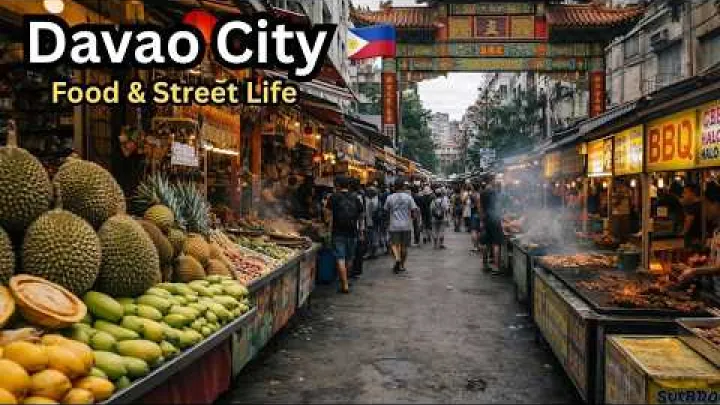
Kadayawan, city sightseeing, and food-focused travel
City-based travel is more weather-tolerant than hiking or island hopping. In Davao City, a rainy hour can often be handled by shifting to restaurants, markets, museums, shopping areas, or shorter local trips. This makes the wetter months more workable if your main interests are food, culture, and urban exploration.
Kadayawan Festival is a major reason to consider August despite the rainy-season timing. The trade-off is clear: you may gain a rich cultural experience, but you should plan around possible showers and changing event schedules. Check the official current-year calendar before booking flights or hotels around festival dates.
Budget travel and lower-crowd timing
Wetter months can be attractive for travelers who value flexibility and are comfortable with indoor activities. Demand may be lower outside major holidays and festivals, but savings are not helpful if your main goal is clear mountain views, beach days, or long boat trips.
Christmas, New Year, Holy Week, school-holiday periods, and major local events can increase demand for flights, hotels, and tours. If your dates fall in these periods, book earlier. If you want a balance of favorable weather and less intense holiday pressure, February or early March can be a practical choice, depending on the year.
What to Pack and What to Check Before You Go
Packing for Davao is simple if you prepare for heat, humidity, rain, and strong sun at the same time. The goal is to stay comfortable without carrying heavy clothing that you will rarely use.
What to wear in warm and humid Davao
Bring lightweight breathable clothing, comfortable walking shoes, sun protection, and a compact umbrella or light rain jacket at any time of year. For March to May, prioritize sunscreen, a hat, sunglasses, hydration, and early starts for outdoor plans.
For wetter months, quick-dry clothing is useful. A waterproof pouch or dry bag can protect phones, documents, and cameras during sudden rain. Footwear should handle wet streets, especially if you plan to walk through markets, ferry areas, or outdoor attractions. Heavy layers are usually unnecessary unless you are staying in strongly air-conditioned spaces or spending time overnight in cooler upland areas.
How to use forecasts, advisories, and flexible buffers
Use climate averages to choose your travel month, then use current forecasts and advisories to choose your daily activities. PAGASA provides official forecasts and regional weather updates for Mindanao, including thunderstorm and heavy rainfall information that can affect Davao-area plans PAGASA.
Thunderstorms can be short-notice and localized, especially during wetter months. If the forecast suggests heavy rain, move hiking, island hopping, and long road trips to a safer day when possible. Add buffer time before flights, ferries, guided hikes, and longer transfers so one storm does not disrupt the rest of your itinerary.
Periods to Approach With Extra Flexibility
No month is a complete no-go period for Davao, but some periods need more flexible planning. This is especially true if your trip depends on outdoor views, calm water, or reliable road access.
When weather can disrupt outdoor plans
June to October is the period most likely to require extra flexibility for hiking, scenic viewpoints, island hopping, and long road travel. September and October can be especially challenging for sun-dependent travel because cloudiness and rain risk may continue.

If you travel during these months, keep indoor alternatives ready. Food trips, markets, museums, cafes, and short city activities are easier to adjust around showers. Avoid pushing through heavy rain for mountain, river, or remote coastal activities. Close to departure, local forecasts are more important than monthly averages.
When demand can affect costs and availability
Weather is not the only timing factor. Late December to early January, Holy Week, school-holiday periods, and major local events may require earlier booking. The better-weather window can overlap with higher travel demand, especially around the holidays.
If your budget is a priority, compare the comfort of the drier season with the possible value of a wetter but quieter period. February or early March may offer a useful middle ground for some travelers because the weather is often favorable without the same holiday pressure as late December and early January.
Final Takeaway: Choosing Your Davao Travel Dates
For the best overall balance, plan Davao for late December to early March, with February and early March as especially strong choices. Choose February to April for beaches and Samal Island, December to February for hiking and upland nature, August for Kadayawan Festival, and the wetter months only if your itinerary can adjust around rain.
Davao’s climate is warm and humid year-round, with a drier season rather than a guaranteed dry season. If you choose your month wisely, pack for both sun and showers, and check current forecasts before outdoor plans, Davao can be a rewarding destination in many parts of the year.
Select area
Create a post
Posting is free and no registration is required.