Sagada Travel Guide: Best Time, Itinerary and Costs

This Sagada travel guide is designed for first-time visitors who want a practical, respectful, and flexible plan for one of the best-known mountain destinations in Northern Luzon. Sagada is famous for cool weather, caves, waterfalls, sunrise viewpoints, coffee, weaving, and cultural sites such as Echo Valley and the Hanging Coffins. It is also a living community, so the best trips balance outdoor adventure with local rules, safety decisions, and quiet village etiquette. Use this guide to decide when to go, how long to stay, where to base yourself, what to book locally, and how to build a realistic 2-day or 3-day itinerary.
Sagada at a Glance
Sagada is not a beach escape or a big-city weekend. It is a highland town where the main rewards are cool air, mountain walks, caves, waterfalls, viewpoints, and cultural learning. The pace is slower than in many Philippine urban destinations, but the logistics still need planning because tours, weather, road conditions, and community advisories can affect what you can do.
Where Sagada Is in the Cordillera
Sagada is a municipality in Mountain Province, within the Cordillera Administrative Region of Northern Luzon. For travelers unfamiliar with Philippine geography, it sits in the mountainous interior of Luzon, far from the country’s main beach circuits and several hours by road from larger gateways. The local government profile listed by CMCI is a useful official starting point for confirming municipal context and local government details.
Most visitors think of Sagada as part of a wider Cordillera trip. Baguio City is a common gateway, Bontoc is a nearby regional connector, and Banaue is often paired with Sagada by travelers who also want to visit rice terrace areas. These places are close on a map compared with islands and lowland provinces, but mountain roads make travel slower than distance alone suggests.
Who Sagada Is Best For
Sagada is best for travelers who enjoy mountains, walking, caves, waterfalls, coffee, local crafts, and cooler weather. Many of its best experiences involve stairs, wet rocks, uneven trails, village paths, or early starts. If you like slow mornings, small cafes, photography, and guided nature activities, Sagada can be very rewarding.
It is less suitable if you are looking mainly for nightlife, luxury resorts, shopping malls, or a beach-style vacation with minimal movement. A comfortable Sagada trip usually requires patience with changing weather, simple accommodations, cash-based transactions, and local tour coordination.
How Many Days to Spend
For a very quick first visit, 2 days and 1 night can work if you choose only a few highlights and accept that the long road journey will make the trip feel compressed. For most first-time travelers, 3 days and 2 nights is the better minimum because it gives you time to register, recover from the trip, do one or two major outdoor activities, and still enjoy food, coffee, or crafts without rushing.
If you are coming from Manila, count travel time as part of the experience. Overnight buses can save daylight hours, but arriving tired and immediately entering a cave or long trek is not ideal for everyone. Longer stays suit travelers who want rest days, writing time, photography, or a broader Cordillera route that includes Baguio, Bontoc, Banaue, or Batad.
| Trip length | Best for | Planning note |
|---|---|---|
| 2 days, 1 night | Quick highlights | Choose one major activity and one cultural stop. |
| 3 days, 2 nights | First-time visitors | Better balance of caves, viewpoints, food, and rest. |
| 4 days or more | Slow travel or Cordillera circuit | Add waterfalls, crafts, rest days, or nearby destinations. |
Best Time to Visit Sagada
The best time to visit Sagada depends on the activities you want most. Dry months are generally easier for walking, caving, and viewpoints, while rainy periods can be atmospheric but less predictable. Because Sagada is in the mountains, local conditions can change quickly even during generally favorable seasons.
Dry Season and Cool Mountain Weather
The Philippines generally has a dry season from December to May, according to the national climate overview from PAGASA. For Sagada travelers, this period is usually easier for planning hikes, cave tours, sunrise viewpoints, and road transfers. However, dry season does not guarantee clear skies every day, especially in highland areas where fog and sudden weather changes can still occur.
Because Sagada is a mountain destination, mornings and evenings can feel much cooler than in Manila, Cebu, or beach provinces. Bring a warm layer for sunrise at Marlboro Hills, evening walks near the town center, or an early arrival after an overnight bus. A light jacket, socks, and something warm for sleeping can matter more than air conditioning.
Rainy Season, Road Risks, and Tour Closures
Rainy season travel can still be beautiful, with misty views and greener landscapes, but it carries more disruption risk. Trails can become slippery, cave surfaces can be wet, waterfalls can become stronger, and mountain roads may be affected by fog, heavy rain, roadworks, or weather-related hazards. Build extra time into your plan if you travel during unsettled weather.
Local authorities may suspend or resume tours based on safety, community events, or site conditions. Sagada Tourism has posted advisories about tour suspension and resumption in the past, which shows why travelers should treat access as current and locally managed rather than automatic; check Sagada Tourism close to departure and again on arrival. If a tour is paused, consider it a safety and community management decision, not just an inconvenience.
Festivals, Holidays, and Crowd Timing
Philippine long weekends, Holy Week, Christmas and New Year travel, school breaks, and local events can increase demand for buses, lodging, guides, restaurants, and shuttles. If your trip falls on a peak period, book transport and accommodation earlier and expect slower local coordination.
Local cultural events and community rituals can also affect tour access. Dates and rules can change, so confirm current information through local channels rather than relying on old itineraries. Flexibility is valuable: keep one backup indoor or low-effort activity for every major outdoor plan.
How to Get to Sagada
Getting to Sagada is part of the trip. The route usually involves long mountain travel, so comfort, timing, and rest matter as much as the number of transfers. Current bus schedules, fares, terminals, and luggage rules can change, so confirm details directly with operators before booking.
Direct Manila to Sagada Bus
A direct overnight bus from Metro Manila to Sagada is a common first-time route because it avoids multiple transfers. It is especially useful if you have limited time and want to arrive in town without changing vehicles in Baguio or Bontoc. Some services may use terminals in Quezon City or nearby Metro Manila areas, but you should verify the exact terminal, departure time, fare, bus class, and baggage rules when you book.
For comfort, bring a jacket or shawl, water, snacks, tissue, earplugs, and any personal medication. If you are prone to motion sickness, prepare before the mountain sections. On arrival, avoid scheduling your most strenuous activity immediately unless you slept well and feel steady.
Via Baguio, Bontoc, or Banaue
The classic multi-leg route is to travel first to Baguio City, then continue by provincial transport toward Sagada. This can be useful if you want a break in Baguio, need more departure options, or prefer to divide the journey into shorter sections. The trade-off is that you must coordinate schedules and transfers.
Bontoc is often used as a regional junction for travelers moving between Mountain Province destinations. Banaue is another possible route pairing if you plan to visit rice terrace areas before or after Sagada. These combinations can create an excellent Northern Luzon itinerary, but they work best when you add buffer days rather than stacking mountain transfers back to back.
Private Vehicle and Mountain Road Considerations
A private vehicle can be practical for experienced drivers because it offers flexibility for stops, luggage, and side trips. It is not automatically easier than the bus. The route involves long mountain roads, curves, changing weather, possible fog, and limited visibility at night.
Drivers should avoid overly ambitious same-day plans after poor sleep. Check fuel, tires, brakes, weather, road advisories, and parking arrangements before departure. If you are not comfortable with mountain driving, a bus or a hired vehicle with an experienced local driver may be the safer and less tiring choice.
Getting Around Sagada and Booking Tours
Sagada is small enough to feel walkable in the center, but many attractions require guides, shuttles, or transport to a jump-off point. The local system is not only about convenience; it also helps manage safety, visitor flow, local livelihoods, and respect for sensitive places.
Town Center, Walking, and Local Rides
For many visitors, the town center is the easiest base for walking between guesthouses, restaurants, the market area, the Sagada Tourism Office, and nearby landmarks such as the Church of St. Mary the Virgin. Short distances can feel harder than they look because the terrain is hilly and the air is cooler.
Local rides and small vehicles can help when your lodging is farther from the center or when you need to reach a jump-off point. Do not assume that rides will always be instantly available early in the morning, late at night, during heavy rain, or on peak weekends. Ask your accommodation or the tourism office how to arrange transport for your planned activities.
Tourism Office Registration and Accredited Guides
First-time visitors should prioritize registration and current guidance through the local tourism office before major activities. Sagada’s main attractions are commonly managed through local tour coordination and accredited guides, especially caves, waterfalls, cultural sites, and longer walks. Check the official Sagada Tourism page for current advisories, registration reminders, tour availability, and site access information.
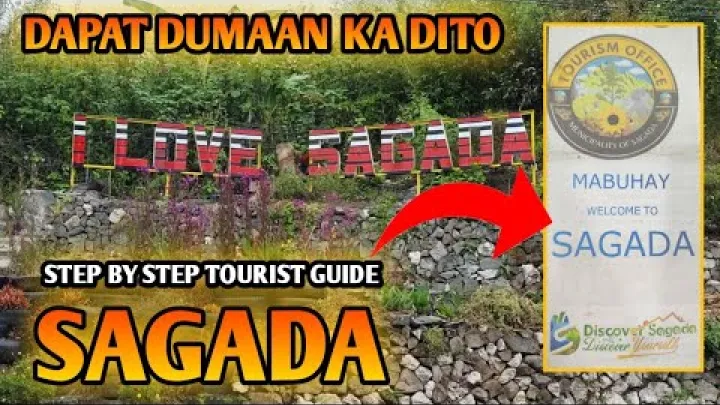
The guided system is important. It supports visitor safety in caves and on trails, helps protect burial sites and village paths, and keeps tourism benefits within the community. Do not enter sensitive or restricted places independently, even if an old blog or map makes the route look simple.
Shuttles, Shared Tours, and Daily Scheduling
Some attractions start only after a ride to a jump-off point. Guide and shuttle costs are often shared by group, which means the per-person cost can be very different for a solo traveler compared with a couple or a group of friends. If you want to reduce costs, ask your accommodation or the tourism office whether shared groups are available for the same route.
Plan demanding activities earlier in the day when you have more energy and more daylight. Leave buffer time before outbound buses, especially after cave tours, waterfall treks, or viewpoint trips. Weather, group pace, road conditions, and waiting time for shared transport can all affect your schedule.
Where to Stay in Sagada
Sagada has guesthouses, inns, homestays, and simple lodgings rather than large resort districts. The best place to stay depends on whether you value convenience or quiet. For a short first visit, convenience usually matters more than a distant view.
Best Base for First-Time Visitors
The town center or nearby main-road area is the most practical base for most first-time visitors. It keeps you close to the tourism office, restaurants, bus drop-off points, small shops, and basic services. This is especially helpful on 2-day or 3-day trips when every transfer and meal decision uses valuable time.
Staying central also reduces dependence on local rides during fog, rain, early morning starts, or busy weekends. If you plan to do Echo Valley, the Hanging Coffins, cafes, and town walks, a central guesthouse can make the trip much easier.
Quieter Stays Outside the Town Center
Quieter stays outside the center, including roads toward areas such as Ambasing, may offer more space, mountain views, and a calmer atmosphere. They can be a good fit if you have more time, prefer slow mornings, or want to be away from the busiest part of town.
The trade-off is logistics. You may need to walk farther or arrange rides for meals, registration, tours, and bus connections. Before booking, confirm the distance to the tourism office, whether transport is easy to arrange, and whether the property can help coordinate pickups for guided activities.
What to Check Before Booking
Before booking accommodation, confirm hot water, blankets, Wi-Fi, mobile signal, payment methods, check-in time, quiet hours, and cancellation rules. In Sagada’s cool climate, warmth and hot showers may matter more than air conditioning. If you arrive early after an overnight trip, ask whether early check-in or luggage storage is possible.
Book earlier for holidays, weekends, festivals, and school break periods. Small properties can fill quickly, and last-minute options may be farther from the center or less convenient for tour coordination. Keep expectations practical: internet and digital payments may vary, so have backup cash and offline copies of booking details.
Best Things to Do in Sagada
The best things to do in Sagada combine nature, culture, and slow travel. Access can depend on weather, guide availability, community rules, and site conditions, so treat this list as a planning menu rather than a fixed checklist. For broader regional tourism context, travelers can also monitor DOT Cordillera together with local Sagada updates.
Echo Valley and the Hanging Coffins
Echo Valley and the Hanging Coffins are among Sagada’s most important cultural visits. They should be approached as heritage and burial sites, not only as photo stops. The Church of St. Mary the Virgin and the nearby cemetery area often serve as orientation points for this part of town, depending on the route arranged locally.
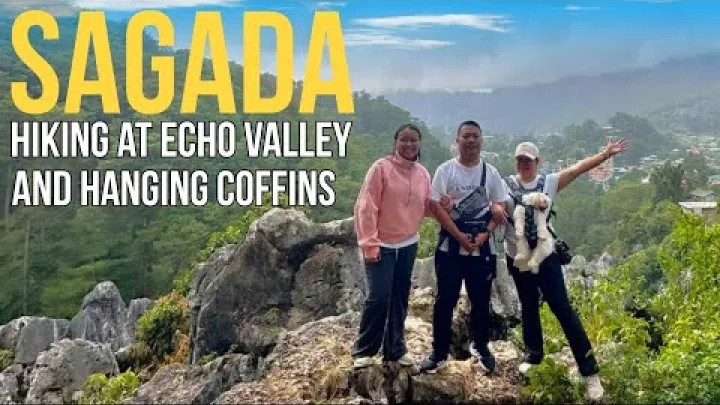
Follow your guide’s instructions, keep a respectful distance, lower your voice, and avoid posing in ways that treat burial traditions as spectacle. Ask before photographing people or sensitive areas. A short visit here can be meaningful when you take time to listen and observe rather than rushing through for pictures.
Sumaguing Cave and Cave Connection Tours
Sumaguing Cave is one of Sagada’s major adventure activities. Expect wet and slippery rock, uneven surfaces, water, dark sections, and guide-led movement. It is not a casual paved attraction, so wear proper footwear, bring only what you can manage safely, and be honest about your comfort with confined spaces and slippery terrain.
The Lumiang to Sumaguing cave connection is a more demanding option for fit and confident travelers, subject to current availability and local safety decisions. Cave tours can be affected by rain and flooding risk. If guides or local authorities say a route is not suitable on a given day, choose another activity.
Bomod-ok Falls, Pongas Falls, and Valley Walks
Bomod-ok Falls and Pongas Falls are popular guided waterfall and valley experiences, but they can involve significant walking. Routes may pass through villages, terraces, steps, and local paths where pacing and etiquette matter. These are not activities to squeeze between tight bus connections.
Wear comfortable walking or trekking shoes, carry water, and bring rain protection. Trails can become slippery after rain, and access or swimming conditions may change. Follow your guide’s advice about where to walk, where to rest, and whether conditions are safe for the day.
Marlboro Hills, Blue Soil, Lake Danum, and Viewpoints
Marlboro Hills, also known locally as Lamagan, and Blue Soil, also known as Kaman-utek, are popular landscape experiences when open and accessible. Many travelers hope for sunrise views or a sea of clouds, but these are weather-dependent and should never be treated as guaranteed. Even on cloudy days, the walk and open landscapes can still be worthwhile if conditions are safe.
Lake Danum and other viewpoints can be gentler options or sunset-oriented stops depending on current access and transport. Ask locally which routes are open, how difficult they are, and whether recent rain has changed trail conditions. If you are tired after a cave or waterfall day, choose a lighter viewpoint rather than forcing another strenuous activity.
Culture, Food, Safety, and Responsible Travel
A good Sagada trip is not only about completing attractions. Food, crafts, museums, churches, village paths, burial sites, farms, and community rules are all part of the experience. Responsible travel here means moving slowly enough to understand where you are.
Crafts, Coffee, Etag, and Local Food
Use slower activities for arrival day, rainy periods, or rest days between strenuous tours. Sagada Weaving, Sagada Pottery, Ganduyan Museum, cafes, and locally grown coffee can add depth to your trip without requiring a long trek. Opening hours for small museums, workshops, and cafes may change, so check locally before building your day around one stop.
Etag, a local smoked meat specialty, is often associated with Cordillera food traditions. Try it with curiosity and respect rather than treating it as a novelty challenge. Local restaurants and cafes can also be good places to rest, warm up, and ask your accommodation about current tour conditions.
Sacred Sites, Village Etiquette, and Community Rules
Sagada is a living community with sacred sites, burial areas, churches, cemeteries, farms, terraces, homes, and village paths. The same places that interest visitors may be part of daily life, family history, or community identity. This is why guide instructions and local rules matter.
Ask before photographing people, avoid loud behavior in burial areas and church grounds, stay on designated paths, and do not enter private property or restricted sites. At Echo Valley, the Hanging Coffins, village trekking routes, and cemetery areas, quiet behavior is a simple way to show respect.
Weather and Activity Safety
The main practical risks in Sagada are specific rather than dramatic: slippery trails, wet cave surfaces, sudden rain, fog, long road travel, and fatigue after overnight transport. The safest plan is one that matches your fitness, sleep, footwear, and comfort level. Do not let a fixed itinerary pressure you into an activity that feels wrong for the conditions.
Follow local guide decisions and official advisories when tours are paused, rerouted, or cancelled. If you plan to go caving or trekking, consider travel insurance and check whether the policy covers adventure activities. International travelers should also review their own government’s travel advisories for the Philippines before departure.
What to Pack for Sagada
Pack for cool mornings, possible rain, walking, and wet surfaces. You do not need specialist expedition gear for a casual visit, but poor footwear can make caves and trails uncomfortable or unsafe.
- Warm layer or light jacket for mornings, evenings, and bus travel
- Rain jacket, poncho, or compact umbrella
- Comfortable walking shoes or trekking footwear with good grip
- Quick-dry clothing for caves, waterfalls, or rainy walks
- Small daypack for water, snacks, and rain protection
- Reusable water bottle and personal medication
- Cash for small payments, rides, guide fees, and food
- Power bank, offline maps, and copies of bookings
- Sun protection for exposed trails and viewpoints
Budget and Itinerary Planning
Sagada can be planned as a modest trip or a more comfortable one, depending on transport choices, accommodation, group size, meals, and how many guided activities you do. Because fares and local fees change, it is safer to understand cost drivers than to rely on old price lists.
Typical Costs and Budget Variables
Your Sagada budget usually includes long-distance transport, accommodation, food, tourism registration, guide fees, shuttle fees, attraction fees, local rides, snacks, coffee, and optional shopping. The biggest variable after accommodation is often group size. A solo traveler may pay more per person for guides and shuttles than a small group sharing the same tour.
Couples and small groups should still compare total cost, not only per-person cost. A cheaper place to stay far from the center may require more rides. A packed itinerary may require more shuttles and less rest. Decide first what matters most: lowest cost, convenience, comfort, or number of activities.
| Cost item | What affects it | Practical tip |
|---|---|---|
| Transport | Route, bus class, transfers, season | Check current schedules and book early for peaks. |
| Accommodation | Location, room type, holiday demand | Stay central for short trips. |
| Tours | Guide rules, shuttle needs, group size | Ask about shared groups if traveling solo. |
| Food and extras | Cafes, snacks, coffee, souvenirs | Carry cash for small businesses. |
Cash, Connectivity, and Booking Buffers
Do not rely entirely on cards, online transfers, or continuous mobile signal. Carry enough cash for small restaurants, local rides, guide fees, shuttle payments, entrance fees, snacks, and emergency changes. Keep cash in smaller bills when possible.
For peak periods, book key transport and lodging ahead. Keep screenshots or offline copies of reservations because mobile data may not be reliable everywhere. Add buffers between arrival, registration, tours, and departure so a delayed bus or a slow group does not ruin the day.
Two-Day and Three-Day Itinerary Options
A good Sagada itinerary should not overload strenuous activities. Caves, waterfalls, and sunrise hikes can all be tiring, especially after a long road trip. Use the following options as flexible structures, then adjust based on weather, tour availability, and your energy level.
| Itinerary | Day plan | Backup option |
|---|---|---|
| 2 days, 1 night | Arrive, register, visit Echo Valley or town sites, then do one major cave or viewpoint activity before departure. | Choose cafes, crafts, Ganduyan Museum, or a shorter walk if rain or fatigue affects plans. |
| 3 days, 2 nights | Day 1 arrival and cultural walk, Day 2 cave or waterfall, Day 3 viewpoint, coffee, crafts, and departure. | Swap outdoor activities with Sagada Weaving, Sagada Pottery, food stops, or rest time. |
For a 2-day trip, be selective. A realistic plan might include registration, the Church of St. Mary the Virgin, Echo Valley and the Hanging Coffins, a cafe or weaving stop, and one major guided activity such as Sumaguing Cave or a viewpoint route. Avoid combining a demanding cave, a long waterfall trek, and a rushed departure in the same short visit.
For a 3-day trip, you can build a better mix. Spend the first day recovering from the journey and doing cultural or town-based stops. Use the second day for a major activity such as a cave tour, Bomod-ok Falls, Pongas Falls, or a landscape route. Keep the final day lighter with coffee, crafts, Lake Danum, or a short viewpoint before leaving.
Combining Sagada with Baguio, Banaue, or Batad
Sagada fits naturally into a wider Northern Luzon or Cordillera itinerary. Baguio works well as a gateway city with more transport and accommodation options. Bontoc can serve as a regional connector. Banaue and Batad are better known for rice terrace landscapes, while Sagada is known for caves, waterfalls, viewpoints, coffee, and cultural sites.
Avoid comparing these destinations as if one is always better. They serve different travel goals. If your Philippines itinerary is short, choose the place that matches your interests. If you have more time, add extra travel days so you are not doing exhausting back-to-back mountain transfers.
Final Tips Before You Go
Sagada rewards travelers who plan carefully but stay flexible. Choose 3 days and 2 nights if you can, stay near the town center for a first visit, register and coordinate tours locally, and keep weather backup plans ready. Bring warm layers, proper footwear, rain protection, cash, and patience for mountain travel.
Most importantly, treat Sagada as a community, not just an attraction list. Respect guide decisions, sacred sites, village paths, and local advisories. With realistic timing and a respectful approach, a first Sagada trip can combine adventure, culture, rest, and some of the most memorable highland scenery in the Philippines.
Select area
Create a post
Posting is free and no registration is required.