Sagada Best Time to Visit: Weather & Monthly Guide

The best time to visit Sagada is generally February to March, when the weather is usually drier, skies are more likely to be clear, and the cool highland climate is comfortable for hiking, caving, viewpoints, and town walks. Late December to April is the main dry-season window for most travelers, although January can feel cold at night and April can be warmer and busier during Holy Week. This guide explains Sagada weather by season, month, activity, crowd pattern, and travel risk so you can choose dates that match your priorities.
Quick Answer: Best Time to Visit Sagada
Sagada, Mountain Province is a highland destination, so the best month depends on whether you value clear views, cool nights, fewer crowds, waterfalls, cultural timing, or lower weather risk. The safest planning rule is simple: choose the dry months if outdoor activities are your main reason for visiting, and be more flexible if you travel during the wet season.
Best Overall Months for Most Travelers
For most visitors, February and March are the strongest overall months for a Sagada trip. They usually offer the best balance of lower rain, clearer skies, cool mornings, and comfortable daytime temperatures. These conditions are especially useful if your itinerary includes Marlboro Hills, cave activities, waterfall trails, sunrise viewpoints, and long walks around town.
Late December to April is generally the most reliable dry-season window. January is excellent for travelers who enjoy cold highland evenings, but it can feel surprisingly cold before sunrise. April is still usually workable for outdoor plans, but it is warmer and closer to the transition into wetter months.
November and early December can be good shoulder-season choices if you want greener scenery and somewhat lower demand than major holiday periods. The trade-off is that rain risk may still be present, especially in November. July to September is usually the least reliable time for hiking, caving, and clear mountain views because heavy rain, clouds, muddy trails, and road disruption become more likely.
Best Months by Travel Style
The best season for Sagada depends on what you plan to do. A traveler who wants clear sunrise views should choose different dates from someone who mainly wants lush scenery and fewer visitors.
| Travel style | Best timing | Why it works |
|---|---|---|
| Hiking and caving | January to March | Lower rain and more reliable trails |
| Sunrise and photography | February to March | Better chance of clearer skies |
| Green landscapes | November, May, or June | Lush scenery with more rain risk |
| Culture and events | Check current local dates | Event schedules and visitor rules can change |
| Lower crowds | November, early December, parts of May or June | Shoulder periods can be quieter but less predictable |
Demand can rise during Christmas, New Year, Holy Week, and local event periods. If your dates fall in these windows, book earlier, confirm guide availability, and allow more time for transport and registration steps.
Why Sagada Has a Different Climate from Lowland Philippines
Many travelers imagine Philippine weather as hot, humid, and coastal. Sagada is different because it sits in the Cordillera highlands, where elevation changes the feel of the climate. This is why packing only tropical summer clothing can be uncomfortable, especially from December to February.
Highland Temperatures in the Cordillera
Sagada is a municipality in Mountain Province within the Cordillera Central. Its highland setting makes it much cooler than lowland destinations such as Manila, Clark, or many beach towns. Days are often mild rather than hot, while mornings, evenings, and nights can feel cold to visitors from lower elevations.
Official Sagada-specific climate normals may be limited, so regional highland context should be used carefully rather than treated as exact station data for the town. PAGASA explains that climatological normals are long-term averages, which are useful for planning but not the same as a forecast for your travel dates.
For practical planning, assume you will need layers. A light jacket may be enough on a mild afternoon, but early morning viewpoint trips and evening walks can require a warmer layer, especially in January and February.
Dry Season, Rainy Season, and Typhoon Influence
The Philippines has a tropical maritime climate with abundant rainfall and broad dry and rainy season patterns, according to PAGASA. In general travel planning, the drier season is roughly December to May, while the rainy season is roughly June to November, although local timing varies by region and year.
In Sagada, the wet pattern commonly becomes more noticeable around May or June and can be most disruptive in the mid-year rainy months. Rain does not only affect comfort. It can affect trail safety, cave and waterfall access, river levels, visibility, and road reliability.
Typhoons do not affect Sagada in the same way they affect exposed coastal areas, but typhoon-related rain can still reach inland mountain destinations. Heavy rainfall in the Cordillera can increase landslide risk and may disrupt mountain roads even when the storm center is far away.
Sagada by Season: What to Expect
Seasonal planning is more useful than looking for one perfect date. The same month can have clear mornings, misty afternoons, and cold nights, so choose your season based on the activities that matter most to you.
December to February: Cool, Dry, and Clear
December to February is one of the best periods to visit Sagada. Rain is generally lower, skies are more likely to clear, and outdoor activities are more dependable than during the wet months. This is a strong time for sunrise viewpoints, hikes, town walks, and cave plans, provided local conditions and guide rules allow the activity.
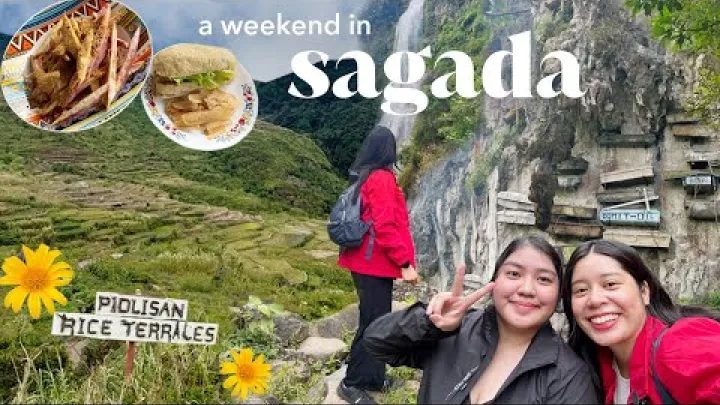
January is often the coldest-feeling month for visitors. The cold is most noticeable at night, before sunrise, and after rain or fog. If you plan to watch sunrise from a viewpoint, bring a jacket or fleece, long pants, and possibly a hat or scarf if you are sensitive to cold.
The main planning issue in this period is demand. Christmas, New Year, and local event periods can make rooms, transport seats, guides, and tours more competitive. If you want the dry-season weather without peak holiday pressure, February is often a better balance.
March to April: Warmer Dry Weather Before the Rains
March is usually one of the best months for active travel in Sagada. It is generally dry, mild to warm, and suitable for hiking, caving, and sunrise plans. For many travelers, March offers a very good combination of comfort and reliability.

April is warmer, but Sagada still does not usually feel like the hottest lowland parts of the Philippines. Light layers remain useful because evenings can still cool down. Later in April, the chance of cloud buildup or showers may increase as the rainy-season transition approaches.
Holy Week can fall in March or April depending on the year. It is a major domestic travel period, so Sagada may be busier and accommodation may need to be booked earlier. Visitors should also be respectful of local observances and avoid treating cultural or religious periods as only a travel convenience.
May to June: Lush Scenery with Rising Rain
May and June are not automatic no-go months, but they are less predictable than January to April. The landscape becomes greener, waterfalls can look more dramatic, and the town can still be enjoyable for travelers who accept flexible plans.
The trade-off is rising rain. Trails may be muddier, rocks may be slippery, and outdoor plans can be delayed or changed. If you visit during this transition period, schedule weather-sensitive activities early in the day and keep a backup plan for afternoons or rainy periods.
Pack for mixed conditions. Quick-dry clothing, a rain jacket, and footwear with good grip become more important. Do not assume that an activity will operate exactly as planned if rainfall changes local safety conditions.
July to November: Wet Months and the Return to Drier Weather
July to September is the main caution period for Sagada travel. Heavy rain, clouds, muddy trails, poor visibility, and road disruption are more likely. These months are usually the least reliable for travelers whose main goals are clear mountain views, sunrise photography, caving, and waterfall trails.

October can still carry significant rainfall or late-season storm risk. Conditions may improve at times, but it is still wise to keep flexible plans and check advisories before committing to long transfers or weather-sensitive tours.
November is different from the peak wet months. Conditions often begin improving, the landscape can be green, and visitor demand may be lower than in the year-end holidays. Still, November is not guaranteed dry. It is best for travelers who value shoulder-season atmosphere and can accept some rain risk.
Sagada Climate by Month
The following tables describe the usual climate feel for trip planning. They are not live forecasts. Mountain weather can change quickly within a single day, so always check current conditions close to your visit.
January to June: From Cold Dry Nights to Early Rain
| Month | Weather feel | Trip suitability | Planning notes |
|---|---|---|---|
| January | Cold nights, cool days, generally lower rain | Very good for outdoor plans | Pack warm layers for sunrise and evenings |
| February | Cool, dry-feeling, often clearer | Excellent overall choice | Strong for viewpoints, hiking, caving, and photography |
| March | Mild to warmer, still generally favorable | Excellent for active travel | Book earlier if dates overlap with high-demand periods |
| April | Warmer dry-season conditions | Good, with rising transition risk later | Holy Week can increase crowds in some years |
| May | Greener, warmer, more showers | Fair to good with flexibility | Use good footwear and plan backup options |
| June | Increasingly wet and humid | Less reliable for outdoor plans | Expect muddy trails and possible schedule changes |
July to December: From Peak Rain to Clearer Holidays
| Month | Weather feel | Trip suitability | Planning notes |
|---|---|---|---|
| July | Wet, cloudy, muddy | Low reliability for views and trails | Check road and activity advisories carefully |
| August | Often very wet and overcast | Low reliability for outdoor plans | Build in buffer days if you must travel |
| September | Still rainy and disruption-prone | Unpredictable | Keep plans flexible and monitor weather |
| October | Transitional, with remaining storm risk | Possible but cautious | Do not rely on clear sunrise views |
| November | Improving, green, still some rain risk | Good for flexible travelers | Useful shoulder month before holiday demand rises |
| December | Cooler, drier, clearer than wet months | Very good, especially outside peak holidays | Book ahead for Christmas and New Year travel |
Best Time for Sagada Activities
Weather matters more in Sagada than in many city destinations because many of its best experiences are outdoors. A rainy day may not ruin a town walk, but it can affect caves, waterfalls, steep trails, sunrise viewpoints, and mountain transfers.
Hiking, Caving, and Waterfalls
The best time for hiking, caving, and waterfall visits in Sagada is generally the dry season, especially January to March. This is when trails are more likely to be manageable, visibility is better, and rain-related changes are less likely to interrupt plans.
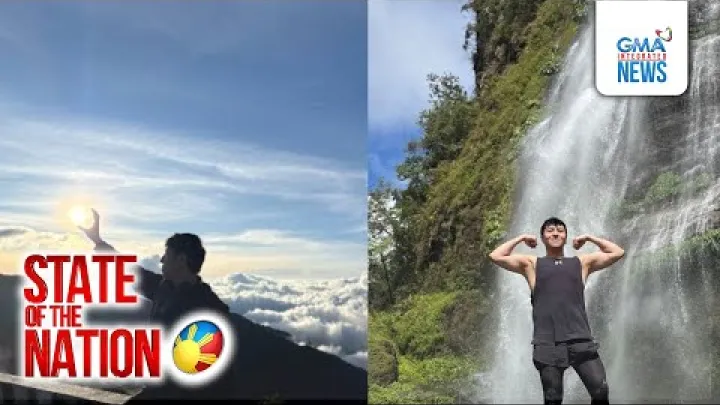
Popular activity areas and local anchors include Marlboro Hills, Bomod-Ok Falls, Pongas Falls, and cave experiences around Sagada. Access, guide requirements, and permitted routes can change, so do not assume an attraction is available just because it appears on an itinerary. Coordinate with accredited local guides and follow current local instructions.
Rain increases practical risk. Trails can become slippery, rivers can rise, cave conditions can become unsafe, and mud can slow travel. If a guide or local authority advises against continuing, treat that decision as part of safe travel rather than an inconvenience.
Sunrise Views, Photography, and Cloud Cover
For sunrise viewpoints and landscape photography, clear skies matter as much as low rain. February and March usually give the best balance of dry conditions and better chances of open mountain views. January and December can also be very good, especially when weather is stable.
November can be beautiful because the landscape may be greener after the rainy season, but clear sunrise views are less certain than in the core dry months. July and August are often poor choices if your main goal is wide, open mountain scenery because clouds and mist are more common.
Plan viewpoint trips early in your stay. If the first morning is cloudy, you may have another chance before leaving. Avoid building your entire trip around one sunrise attempt on your final day.
Festivals, Holy Week, Crowds, and Prices
The best cultural timing may not be the same as the best low-crowd timing. Local events, Holy Week, Christmas, and New Year can increase visitor demand for accommodation, transport, registration, guides, and tours. Prices can respond to demand, but exact changes vary by business and season.
Before choosing dates around events, check current announcements from Sagada Tourism or municipal channels. Event dates, visitor rules, crowd management measures, and registration procedures can change from year to year.
Travel respectfully during cultural and religious periods. Book earlier, confirm guide availability, allow extra time for local procedures, and follow visitor rules in sacred, residential, agricultural, and community spaces.
Rainy Season Safety and Travel Disruption
Rainy-season travel in Sagada is possible, but it requires more caution than dry-season travel. The main issues are not only wet clothes and missed views. Heavy rain can affect roads, trails, rivers, caves, and the decisions of local authorities and guides.
Landslides, Road Access, and Mountain Transport
Sagada access depends on mountain roads, including routes connected with Baguio, Bontoc, and other parts of the Cordillera. During periods of heavy rain, landslides, road closures, delays, and trip cancellations become more possible. This is especially important if you are using mountain road connections such as Halsema Highway.
Local reports have documented landslide-related disruption along Halsema Highway, including travel advisories affecting motorists and trips, as shared by Mountain Province Broadcasting Corporation. Because road conditions are time-sensitive, check current transport operator updates and local advisories before long transfers.
If you travel from Manila, Baguio, or Bontoc during rainy months, avoid tight same-day onward connections. Add buffer time before flights, work commitments, or prepaid activities. A flexible schedule is one of the best safety tools for Cordillera travel.
Cave and Waterfall Closures During Heavy Rain
Caves, waterfalls, rivers, and steep trails can become unsafe during heavy rain. Water levels can rise, rocks can become slippery, and visibility can drop. Even if the weather looks manageable in town, conditions at an activity site may be different.
Local authorities or guides may restrict activities when conditions are unsafe. Do not pressure guides to continue, enter closed areas, or take unofficial shortcuts. Their decisions are based on local experience, changing weather, and visitor safety.
During rainy months, keep backup options such as slower town walks, cafe time, rest periods, or rescheduling activities for another morning. The goal is to enjoy Sagada without forcing an itinerary against the weather.
Climate Averages Versus Live Forecasts
Climate averages help you choose a month, but they cannot predict the exact weather during your trip. A generally dry month can still have rain, and a wet month can still have brief clear periods. In mountain destinations, local weather can change quickly from clear to misty or rainy.
Before caving, long hikes, sunrise trips, and road transfers, check live forecasts and official weather bulletins. Commercial tools such as AccuWeather can help with local forecast planning, but final activity decisions should also consider official weather guidance and local advisories.
Use seasonal information to choose your travel month, then use current forecasts and local advice to choose what to do each day. This approach is especially important from May to November.
What to Wear and How to Plan Your Dates
Packing and itinerary design should match Sagada's highland climate. Even in the dry season, you should prepare for cool mornings. In the wet season, you should prepare for mud, rain, and changes to outdoor plans.
Packing for Cold Nights, Mild Days, and Wet Trails
From December to February, pack warm layers. A jacket or fleece is useful for early mornings, evenings, sunrise viewpoints, and cold rooms. Long pants and socks can make nights more comfortable.
From March to May, bring light layers rather than only lowland-style summer clothing. Daytime may feel mild or warm, but evenings can still cool down. A light jacket remains useful, especially if you plan early starts.
From May to November, rain protection becomes essential. Bring a rain jacket or poncho, quick-dry clothing, and footwear with good grip. Cave and waterfall activities may require clothes and shoes that can get wet or muddy, so avoid packing only delicate footwear.
Booking and Itinerary Flexibility by Season
Book earlier for Christmas, New Year, Holy Week, and major local event periods. These dates can increase demand for rooms, transport, guides, and tours. If you are traveling internationally, allow extra time to coordinate arrival, registration, and local transport.
For rainy months, build buffer days into arrivals and departures. Avoid planning a long mountain transfer followed immediately by an important flight, meeting, or non-refundable activity. Weather delays are not guaranteed, but they are more likely during the wet season.
For shoulder seasons such as November, early December, May, and June, understand the trade-off. You may find fewer visitors and greener scenery, but weather is less predictable than in February or March. Schedule weather-dependent activities early in the stay and keep backup options available.
Conclusion: When You Should Visit Sagada
If you want the most reliable answer, visit Sagada in February or March. These months usually provide the best mix of dry weather, clearer skies, cool highland comfort, and dependable conditions for hiking, caving, viewpoints, and photography.
If your dates are flexible, consider late December to April as the main dry-season window, with January best for cold-weather travelers and April better for those who do not mind warmer days and possible holiday crowds. November and early December can work well for greener scenery and shoulder-season travel, while July to September require the most caution because rain and disruption are more likely.
Whichever month you choose, plan Sagada as a mountain destination. Pack layers, check current forecasts, follow Sagada Tourism and guide advice, and leave enough flexibility for the weather to change.
Select area
Create a post
Posting is free and no registration is required.