Sagada Budget Guide: Trip Costs and Daily Prices
![Preview image for the video "CORDILLERA 🇵🇭 [ EP.02 ] | SAGADA, Mountain Province | DIY Solo Budget Travel Itinerary".](/sites/default/files/styles/media_720x405/public/oembed_thumbnails/2026-06/v-CYjxNytP7x6WtO1MyMXFVyM12-uu5YSAY0OMelb90.jpg.webp?itok=cIhLunq5 "Preview image for the video \"CORDILLERA 🇵🇭 [ EP.02 ] | SAGADA, Mountain Province | DIY Solo Budget Travel Itinerary\".")
A realistic Sagada budget should include more than a room and a few meals. Because Sagada is a mountain town in Mountain Province, the cost of getting there, guided activities, shuttles, and seasonal availability can change your total quickly. This guide breaks down daily prices, sample two-day and three-day costs, accommodation, food, transport, tourist registration, guide fees, and practical ways to spend less. All figures are planning ranges in Philippine pesos per person unless stated otherwise, and you should confirm current fares and local fees close to your travel date.
Sagada Budget at a Glance
Sagada can be affordable for backpackers and students, but it is not always as cheap as a lowland provincial town. The biggest reasons are the long journey from Manila or Quezon City, limited accommodation inventory, and the need for local guides or shuttles at several attractions.
Quick Daily Budget Ranges
For most travelers, a practical Sagada budget is around ₱1,500 to ₱2,000 per day for a basic trip, around ₱2,000 to ₱3,000 per day for a mid-range trip, and around ₱3,000 to ₱4,000 per day for a more comfortable trip. These daily ranges can look higher or lower depending on how you count the long-distance bus fare. If you spread a round-trip bus fare over only two days, your daily average rises sharply; if you stay three or four days, the daily transport burden becomes easier to absorb.
Recent DIY budget examples, such as those compiled by The Queen's Escape, are useful planning anchors because they show how bus fare, registration, meals, and activities combine. Treat any published sample budget as an illustration, not a guaranteed price for your own trip.
| Travel style | Accommodation | Food | Activities and local transport | Estimated daily total |
|---|---|---|---|---|
| Budget | Shared or basic stay | Simple meals | Selected guided sites | ₱1,500 to ₱2,000 |
| Mid-range | Shared private room or better homestay | Local meals plus some cafes | Several paid activities | ₱2,000 to ₱3,000 |
| Comfortable | Better-reviewed private room | More restaurant meals | More flexible tours or private sharing | ₱3,000 to ₱4,000 |
These estimates exclude unusually expensive choices, major shopping, and private custom tours. They also assume that you are using standard overland transport rather than a private vehicle with high fuel, parking, and driver costs.
Sample Two-Day and Three-Day Trip Costs
A short Sagada trip often costs less in total but more per day. A two-day, one-night DIY trip may land around ₱5,000 per person if you use standard buses, choose basic accommodation, eat simply, and limit paid attractions. A three-day, two-night trip can fall around ₱6,000 to ₱7,000 per person in a similar budget style, depending on your room, group size, and activities.
The shorter trip does not reduce the cost proportionally because the round-trip transport cost is almost the same. You may save one night of lodging and some meals, but you still pay for the bus, tourist registration, and at least some guided activities. This is why many travelers find that three days gives better value than a rushed overnight visit.
| Cost item | Two-day planning effect | Three-day planning effect |
|---|---|---|
| Round-trip bus | Same major fixed cost | Same major fixed cost |
| Accommodation | Usually one night | Usually two nights |
| Meals | Fewer meals | More meals but less rushed |
| Activities | Limited choices | More time to spread costs |
| Value per day | Often weaker | Often better |
Before you rely on a sample total, check current bus fares, room rates, tourism rules, guide fees, and shuttle arrangements. Even small increases in several categories can add up.
What the Budget Should Include
Your Sagada trip cost should include long-distance transport, local transport, accommodation, meals, tourist registration, guide fees, shuttle fees, attraction access fees, snacks, drinks, and contingency money. It is useful to separate unavoidable costs from optional costs before you book.
Unavoidable costs normally include the bus or other transport to Sagada, a place to sleep, basic meals, tourism registration, and required fees for the attractions you choose. Optional costs include cafe stops, souvenirs, alcohol, upgraded rooms, private transfers, travel insurance, and extra activities. The most common budgeting mistake is counting only lodging and meals while forgetting guide and shuttle costs.
Add a small buffer, especially if you are traveling on a weekend, during a holiday, or with a fixed schedule. Cash planning matters in a mountain town, so bring enough money for confirmed expenses and a reserve rather than assuming every small provider will accept your preferred payment method.
Transport Costs to Reach Sagada
Transport is usually the largest fixed cost in a Sagada travel budget. Whether you travel directly from Quezon City or combine Sagada with Baguio, Banaue, or Bontoc, compare total cost rather than only the cheapest single fare.
Manila and Quezon City Bus Fares
Direct buses from Quezon City are the simplest cost anchor for many travelers. A recent operator post from Coda Lines lists Quezon City to Sagada fares of about ₱1,080 one way for a non-CR bus and about ₱1,200 one way for a CR bus when those rates are current.

For planning, that means a direct round trip may cost about ₱2,160 to ₱2,400 per person before any third-party booking charges or convenience fees. If you board from Cubao or another Quezon City point late in the evening, the overnight ride can also save one hotel night. However, the long journey may add food, snacks, water, paid waiting time, or comfort expenses.
Confirm the latest fare, departure point, seat type, and schedule directly before paying. Bus availability can be more important than the fare itself during peak dates because the cheapest or most convenient seats may sell out.
Routes Through Baguio, Banaue, and Bontoc
Some travelers reach Sagada through Baguio, Banaue, or Bontoc, especially when building a wider Cordillera trip. These routes can be useful if you want to visit more than one destination, but they do not always reduce the total budget.
As a cautious planning range, Baguio to Sagada can be around the low hundreds of pesos, often estimated around ₱220 to ₱250 one way depending on the current service. Banaue and Bontoc segments may also be in the low hundreds of pesos, but fares, vehicle types, and availability can change. Treat these as route-cost components, not fixed quotes.
Multi-stop travel can create hidden expenses. You may pay for extra transfers, snacks while waiting, a room in Baguio or Banaue, or a short ride between terminals such as Baguio city points and Dangwa Terminal. If your main goal is a low total Sagada budget, compare the complete chain of costs against the direct Quezon City bus.
Local Transport, Shuttles, and Walking
Sagada town center is relatively walkable for many visitors, especially if you stay near the Sagada Tourism Office, restaurants, and common pickup areas. Choosing central accommodation can reduce short-hop transport costs and make it easier to join tours without paying for extra rides.
The larger local transport expense is usually activity-linked. Some attractions involve organized shuttles or transport arrangements connected to guides and local tourism procedures. These costs can be significant when split by only one or two people.
Exact tricycle and short-hop fares are not strongly established across public sources, so avoid building your whole budget around a guessed local fare. Ask your accommodation, guide, or the tourism office about current rates when you arrive, and do not bypass official transport or tourism rules to save a small amount.
Accommodation Prices and Where Your Money Goes
Sagada accommodation is mainly homestays, guesthouses, hostels, and small lodges rather than large resort hotels. Your per-person cost depends less on the room headline price and more on whether you are traveling solo, sharing a room, staying centrally, and booking during a busy period.
Homestays, Guesthouses, Hostels, and Lodges
Online booking platforms show Sagada homestays in the low tens of US dollars per night, with listings around the low 20s before exchange-rate changes, taxes, and booking conditions. For example, Booking.com provides a useful market anchor for homestays and small guest properties, although live prices vary by date and availability.
In peso terms, this often places many simple private rooms and homestays in a range that can be reasonable for couples or groups but more expensive for solo travelers. Online prices may be higher than some direct or walk-in options, but walk-in savings are not guaranteed, especially when rooms are limited.
When comparing properties, check whether the price is for the whole room or per person, whether breakfast is included, and whether taxes or platform fees are added at checkout. A room that looks cheaper can become less attractive if it is far from town, lacks important amenities for cold nights, or requires extra transport.
Private Rooms Versus Shared Rooms
Solo travelers usually pay more per person when they choose private rooms because there is no one to split the room cost with. Couples and small groups can often choose a better room while keeping the per-person cost moderate.
| Accommodation choice | Per-person planning range | Best for |
|---|---|---|
| Basic shared budget stay | About ₱400 to ₱700 | Backpackers and students |
| Shared private room | About ₱800 to ₱1,500 | Couples or small groups |
| More comfortable room | About ₱1,500 to ₱2,500 | Travelers who value convenience |
These bands are not promises for every date or property. Rates vary by season, room type, booking channel, and inclusions. Also compare practical details such as shared bathrooms, hot water, location, noise, views, and how easy it is to walk to food and tour meeting points.
Booking Ahead Versus Walk-In Savings
Booking ahead gives certainty. Walk-in or direct-contact arrangements may save money, but they also create risk if you arrive late, travel on a weekend, or have specific room needs.
Advance booking is more important during Philippine holidays, Christmas and New Year, Holy Week, long weekends, dry-season peak dates, and local event periods. Sagada has smaller accommodation inventory than a big city, so availability can tighten quickly even when price increases are not dramatic.
If your trip is short, your arrival is late, or you are traveling with family, book ahead and confirm cancellation terms. Also check whether breakfast is included. A room with breakfast may cost slightly more but can reduce your morning food budget and simplify early tour starts.
Food and Drink Costs in Sagada
Food costs in Sagada can be controlled, but cafes, coffee, desserts, and snacks can quietly raise your daily total. Plan a food allowance based on how you actually eat, not only on the cheapest possible meal.
Daily Meal Budget Ranges
A very simple food budget can be around ₱300 to ₱600 per day if you eat basic meals, avoid frequent cafe stops, and bring some snacks. A more realistic mixed budget is around ₱600 to ₱1,000 per day for local meals plus occasional cafe or restaurant food. Comfortable eaters may spend ₱800 to ₱1,200 or more per day, especially with coffee, desserts, bottled drinks, and larger meals.

| Food style | Daily planning range | What it usually means |
|---|---|---|
| Very simple | ₱300 to ₱600 | Basic meals and limited drinks |
| Mixed | ₱600 to ₱1,000 | Local meals plus some cafes |
| Comfortable | ₱800 to ₱1,200 or more | More restaurant meals and snacks |
Some sample itineraries use about ₱200 for a simple meal as a planning anchor, but current menu prices vary by restaurant and date. Sagada can feel more expensive than some rural towns because it is a small mountain destination with tourist demand and transport costs for ingredients. Check actual menus when you arrive and adjust your daily allowance if you prefer cafe dining.
Cafes, Restaurants, and Small-Town Price Expectations
Sagada has small eateries, homestay meals, cafes, and tourist-oriented restaurants. Recognized local names such as Sagada Brew often appear in traveler discussions, but your budget should be based on your eating pattern rather than one restaurant.
Frequent coffee, desserts, and snacks can add more to the total than travelers expect. A simple breakfast, packed snacks for tours, and water carried from your lodging can help control spending. You can still enjoy cafes by choosing selected meals rather than using them for every food stop.
If your accommodation includes breakfast or has access to hot water and basic kitchen facilities, use that benefit. It may reduce the need for paid breakfasts before early activities such as cave tours, waterfall trips, or viewpoints.
Tourist Registration, Guides, Shuttles, and Attraction Fees
Activities are one of the main reasons Sagada budgets vary widely. A traveler who visits only a few nearby sites will spend much less than someone who books caves, waterfalls, sunrise viewpoints, and multiple guided experiences.
Tourist Registration and Local Rules
Visitors should expect to register through the local tourism system before visiting many sites. Recent DIY budgets commonly use about ₱100 as a tourist registration planning figure, but older information may show different amounts, and local fees can change.
Check current announcements from Sagada Tourism or ask at the Sagada Tourism Office when you arrive. Keep your receipt or proof of registration because it may be checked before tours or at attractions.
The registration fee is a small but important fixed cost. It supports local management, visitor control, and safety procedures, so include it in your budget rather than treating it as an unexpected add-on.
Caves, Waterfalls, and Viewpoint Costs
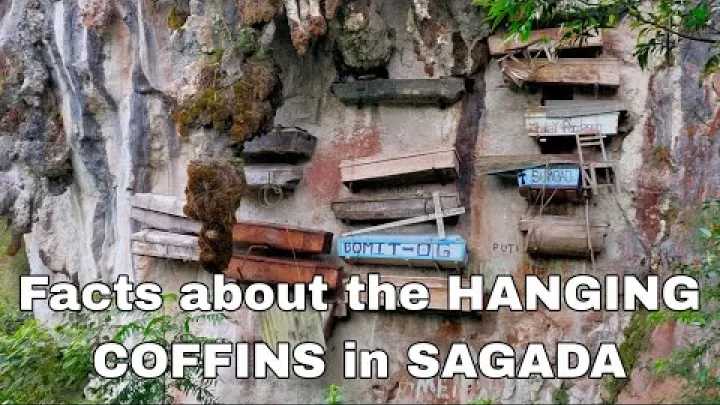
Common Sagada experiences include Echo Valley, the Hanging Coffins, Sumaguing Cave, Bomod-Ok Falls, and viewpoints. The total cost is often more than a simple entrance fee because you may also need a guide, local access fee, shuttle, or group transport arrangement.
For Bomod-Ok Falls, traveler budget examples such as King Tolentino show that a Sagada activity budget including the falls can reach several hundred pesos per person depending on how guide and shuttle costs are shared. This makes activities one of the biggest cost drivers after long-distance transport.
Do not treat old guide or shuttle prices as permanent. Confirm current rates at the tourism office or through legitimate local channels before finalizing your itinerary. Also do not attempt unguided visits where local rules, safety practices, or access procedures require a guide.
Why Group Size Changes Activity Costs
Many guide and shuttle charges are fixed per group. This means the per-person cost drops when more travelers share the same guide or vehicle, within the allowed group size and safety rules.
| Shared cost example | Two travelers | Four travelers |
|---|---|---|
| ₱900 shuttle | ₱450 each | ₱225 each |
| Budget effect | Higher per person | Lower per person |
This is why solo travelers may exceed the lowest advertised budget even if they choose cheap rooms and simple meals. If you are alone or traveling as a couple, ask your accommodation, tour desk, or the tourism office whether it is possible to join other visitors safely and within local rules.
Seasonal Price Changes and Cost Drivers
The cost of Sagada travel is affected by demand as much as by published prices. During busy periods, the main issue may be fewer cheap rooms and fewer convenient bus seats rather than a clear posted price increase.
Weekends, Holidays, Dry Season, and Festival Demand
Weekends, Philippine holidays, Christmas, New Year, Holy Week, and popular dry-season periods can tighten availability. If your dates are fixed, book transport and accommodation earlier instead of waiting for a last-minute bargain.
Local event periods can also affect demand. The Etag Festival, commonly associated with the last week of February, is a useful timing anchor when thinking about crowds and accommodation availability. Even if prices do not surge in a predictable way, limited rooms can push budget travelers toward more expensive choices.
For the lowest stress, avoid arriving without a room during peak periods. If you must travel then, increase your accommodation budget and keep your activity plan flexible.
Wet Season and Value Trade-Offs
Off-peak or wet-season travel may give you more lodging flexibility, but it can reduce certainty for outdoor activities. Caves, waterfalls, hikes, roads, and viewpoint plans can be affected by rain, safety decisions, or temporary access changes.
A cheaper trip is not always better value if the activities you care about are canceled or unsafe. Keep a buffer for alternative activities, extra meals, or schedule changes. Before paying for tours, ask about current local conditions and whether your chosen activity is operating normally.
Sagada on a Budget: Practical Ways to Spend Less
The best way to reduce Sagada costs is not always to choose the cheapest option in every category. Better savings usually come from managing fixed costs: transport, room sharing, tour sharing, trip length, and the number of paid activities.
Stay Longer to Reduce the Per-Day Transport Cost
The round-trip bus fare is a fixed cost. If your bus costs about ₱2,400 round trip, that equals ₱1,200 per day on a two-day trip but ₱800 per day on a three-day trip and ₱600 per day on a four-day trip. Your total spending still rises with extra nights and meals, but the cost per day can become better value.
A practical budget approach is to combine one or two paid activity days with cheaper town days. On lower-cost days, you can walk around the town center, rest, visit cafes selectively, and avoid stacking several paid tours in one schedule. This is especially useful for travelers who have enough leave days and do not need to rush back immediately.
Share Fixed Tour Costs Safely
Traveling with companions or joining other visitors can reduce guide and shuttle costs. This tactic is especially useful for solo travelers and couples because many activity charges are easier to manage when divided among more people.
Use legitimate channels when arranging shared tours. Ask your accommodation, a recognized tour desk, or the tourism office whether there are safe and allowed sharing options. Saving money should never mean skipping required guides, entering restricted areas, or accepting unsafe transport.
Always confirm the current group limits, price sharing rules, and inclusions before you pay. A slightly higher official arrangement is often better value than a cheap but unclear arrangement that creates safety or access problems.
Choose Comfort Upgrades That Matter
Not every upgrade is wasteful. In Sagada, paying more for a central location, reliable hot shower, private bathroom, better sleep before an early tour, or confirmed booking can be worth it. These choices may reduce transport costs, missed tours, and last-minute stress.
Spend less on low-value extras if you need to protect your budget. Repeated cafe stops, unnecessary private transfers, and room features you will not use can raise the total without improving the trip much. Choose comfort based on your itinerary, weather, travel companions, and how much certainty you need.
Frequently Asked Questions
How much cash should I bring for a 3-day Sagada trip?
For a budget to mid-range three-day trip, many travelers should prepare roughly ₱6,000 to ₱9,000 per person, plus a contingency buffer. Bring more if you are traveling solo, booking a private room, joining several paid tours, or visiting during a busy period.
Is Sagada expensive compared with Baguio or Banaue?
Sagada is usually not a luxury destination, but it can feel less cheap than some nearby towns because of remote access, limited rooms, and guided attraction costs. Baguio has more accommodation and food options, while Banaue or Bontoc may be cheaper in some categories but can add transfer costs.
Can I visit Sagada attractions without a guide?
Some areas may be simple to access, but many key attractions require registration, guides, or local procedures. Always ask the Sagada Tourism Office or legitimate local operators before visiting, and do not skip required guides to save money.
Is a 2-day Sagada trip actually cheaper than staying 3 days?
A two-day trip is often cheaper in total because you pay for fewer nights and meals, but it is not usually cheaper per day. The round-trip transport cost stays almost the same, so three days often gives better value if your schedule allows it.
Should I book Sagada bus tickets and accommodation in advance?
Yes, book ahead if you travel on weekends, holidays, festival periods, or with fixed dates. Advance booking is also wise for late arrivals, families, and short trips because limited seats and rooms can force more expensive choices.
Budget Scenarios and Final Checklist
The following scenarios show how different travel styles change a Sagada budget. Use them as planning examples, not fixed package prices.
Backpacker or Student Scenario
A backpacker or student budget usually means taking the direct bus, choosing a shared or basic stay, eating simple meals, and selecting only the most important guided activities. For a short two- to three-day trip, a cautious total range of roughly ₱5,000 to ₱7,000 per person is possible when transport, room sharing, simple meals, tourist registration, and limited activities align well.
The main risks to this budget are solo travel, peak dates, last-minute rooms, and booking too many paid activities. The best savings moves are to share rooms, share tours safely, book transport early, and keep food choices simple.
Mid-Range Couple or Small Group Scenario
A mid-range couple or small group may choose a private room, several guided activities, a mix of local meals and cafes, and standard bus transport. This is often the most practical Sagada budget for travelers who want comfort without luxury.
Sharing is the main advantage in this scenario. A private room divided by two people can be reasonable, and fixed guide or shuttle charges become easier when split among a small group. The final total depends heavily on the room chosen and how many activities are included, so compare costs by category rather than relying on one headline number.
Comfortable but Not Luxury Scenario
A comfortable Sagada trip usually means better-reviewed lodging, more flexible activity arrangements, frequent cafe or restaurant meals, and a larger contingency fund. It does not usually mean resort-style luxury because Sagada is better known for homestays, lodges, nature activities, and small-town hospitality.
Daily spending above the comfortable range is usually caused by short-trip transport averaging, private arrangements, peak-date room choices, or repeated paid activities. This tier is sensible for travelers with limited time who value certainty, sleep quality, a central location, and less logistical friction.
Final Budget Checklist
Before your trip, confirm your bus fare, book or reserve accommodation, check the current tourist registration fee, ask about guide and shuttle rates, plan your meal allowance, carry enough cash, and add contingency money. These steps prevent the most common underbudgeting problems.
- Confirm current Coda Lines or other bus fares and schedules.
- Book accommodation early for weekends, holidays, and fixed dates.
- Check the Sagada Tourism Office for registration rules and current fees.
- Ask current guide, shuttle, and attraction rates before choosing activities.
- Plan food spending realistically, including snacks, coffee, and drinks.
- Reduce costs by sharing rooms and tours safely where allowed.
- Add a buffer for weather changes, limited availability, and price updates.
The main takeaway is simple: Sagada can be affordable, but underbudgeting is common when travelers forget transport, guides, shuttles, and peak-period availability. Build your budget around trip length, group size, season, room sharing, and the number of paid activities, then verify current prices close to travel.
Select area
Create a post
Posting is free and no registration is required.