Tuguegarao Best Time to Visit: Weather and Month-by-Month Guide

The Tuguegarao best time to visit is mainly a weather decision. This inland city in Cagayan Valley can feel very hot in the dry months and can face heavy rain during the wettest part of the year. For most travelers, the best months combine lower rainfall, more comfortable temperatures, and fewer weather-related delays. This guide explains the best season, monthly conditions, travel-purpose recommendations, periods to plan around, and practical packing advice.
Quick Answer: Best Time to Visit Tuguegarao
If you want the simplest planning answer, choose the cooler and relatively drier months first. Tuguegarao is warm year-round, but the difference between a pleasant morning walk and a difficult midday walk can be significant.
Best Overall Window
The best time to visit Tuguegarao is generally from December to February. These months are usually cooler, relatively drier, and more comfortable for city sightseeing, short food trips, churches, markets, and nearby day trips. Conditions are not guaranteed to be sunny every day, but this period normally gives travelers the best balance of comfort and lower weather disruption risk.
Early March can also work, especially for travelers who are comfortable with stronger sun and warmer afternoons. WeatherSpark also identifies early December to mid-March as a favorable outdoor tourism window around Tuguegarao Airport, which supports this practical travel recommendation.
Good Alternatives
Late November is a possible shoulder period. Rain often starts easing compared with the core wet months, but the weather can still vary, especially if a late-season storm or monsoon pattern affects northern Luzon. Choose this period if your schedule is flexible and you can adjust outdoor plans.
Late February to early March is another good alternative. The weather is often clearer and drier than the rainy season, while the busiest holiday travel period has usually passed. This can suit budget-conscious visitors and travelers who prefer fewer peak-season pressures, but afternoons can already feel noticeably hotter.
Least Comfortable Periods
Late March to May is the least comfortable period for travelers who do not handle heat well. The weather can be useful for logistics because rain is often lower than in the wet season, but the strong sun and high daytime heat can make walking, commuting, and outdoor sightseeing tiring.
July to October is usually the most weather-disruptive period. Heavier rain, typhoon risk, wet roads, low visibility, and possible flooding can affect plans, especially for side trips outside the city. Tuguegarao is visitable year-round, but these months require more flexibility, closer weather monitoring, and backup plans.
What Shapes Tuguegarao Weather
Tuguegarao weather is shaped by its inland location, the seasonal monsoon pattern, and the wider geography of Cagayan Valley. Understanding these factors helps you choose not only the best month, but also the best time of day for activities.
Inland Lowland Heat
Tuguegarao City is inland in Cagayan Valley, not on the coast. Because it does not receive the same sea moderation as many island or beach destinations, daytime heat can feel intense, especially before the rainy season becomes established. The city is also part of a broader valley setting influenced by surrounding mountain systems such as the Sierra Madre and the Cordillera.
For visitors, this matters in practical ways. Walking between stops can feel more demanding than the distance suggests. Tricycle rides, market visits, outdoor queues, and road transfers are easier if planned early in the day. Hydration, shade, and air-conditioned breaks are important even when the month is considered a good time to visit.
Dry, Hot, and Rainy Seasons
For travel planning, it is easiest to divide Tuguegarao weather into three broad periods: cooler and relatively drier conditions from around December to February, hotter dry conditions from around March to May, and wetter conditions from around June to November. These labels are practical rather than absolute. A dry month can still have rain, and a rainy month can still have usable breaks in the weather.
Official PAGASA climatological normals for Tuguegarao provide the main climate-normal basis for rainfall, rainy days, and temperature patterns. For travelers, the exact monthly number is less important than the pattern: cooler months are more comfortable, late dry-season months are hotter, and the wettest months bring greater disruption risk.
The Cagayan Provincial Government describes the June to October period as a time when monsoon conditions can bring heavy rainfall to the province. This is especially relevant for visitors planning road trips, river activities, or travel beyond Tuguegarao City into other parts of Cagayan Valley.
Climate Averages Versus Live Forecasts
Climate averages help you choose travel months. Live forecasts help you decide what to do this week or today. Do not treat a month-by-month guide as a guarantee, because a single typhoon, thunderstorm pattern, or heat event can change travel conditions quickly.
In the days before you travel, check PAGASA regional weather information and local advisories for rainfall, typhoon, heat index, and flood-related updates.
Month-by-Month Guide to Tuguegarao Weather
The table below summarizes the usual travel feel by month. It uses rounded, visitor-friendly descriptions rather than exact daily predictions. Always compare the monthly pattern with the current forecast close to your travel dates.
How the Month-by-Month Table Should Work
Use this table as a planning tool, not as a promise. It is most helpful for choosing a travel window, deciding how much flexibility you need, and matching your itinerary to the likely season. For example, a short city stay can be easier to manage in mixed weather than a trip built around rivers, caves, coastal boats, or long drives.
| Month | Typical season feel | Relative rain | Heat comfort | Travel note |
|---|---|---|---|---|
| January | Cooler dry period | Lower | Comfortable by local standards | Excellent for city sightseeing |
| February | Dry and pleasant | Lower | Warm but manageable | One of the best months |
| March | Dry, hotter | Lower to moderate | Hot afternoons | Plan outdoor time early |
| April | Hot dry season | Lower to moderate | Very hot | Best for heat-tolerant travelers |
| May | Hot, more humid | Increasing | Very hot and humid | Allow shade and rest time |
| June | Rainy season begins | Moderate to higher | Humid | Expect showers or storms |
| July | Wet season | Higher | Humid | Build flexible plans |
| August | Wet season | Higher | Humid | Watch typhoon updates |
| September | Wet season | Higher | Humid | Possible transport disruption |
| October | Wet, slowly improving later | Higher | Humid | Keep backup days |
| November | Transition month | Moderate | Warm | Late month can be useful |
| December | Cooler dry period | Lower | More comfortable | Start of the best window |
December to February: Cool Dry Comfort
December to February is the most comfortable period for most Tuguegarao city stays. Days are still warm, but mornings and evenings can feel cooler than visitors expect from a lowland Philippine city. Rainfall is usually lower than in the wettest months, and outdoor plans are easier to arrange.
This is a strong period for walking around the city center, visiting markets, stopping at churches, trying local food, and planning nearby viewpoints or short side trips. February is often especially attractive because it is usually dry and warm without the more intense heat of April and May. Still, occasional clouds, breezes, or showers can occur, so keep your plans flexible.
March to May: Hot Dry Season
March is often still practical for travel, especially early in the month, but the heat becomes more noticeable. Outdoor sightseeing is best in the morning or late afternoon. If you plan to walk, visit open viewpoints, or move between several stops, avoid scheduling everything around midday.
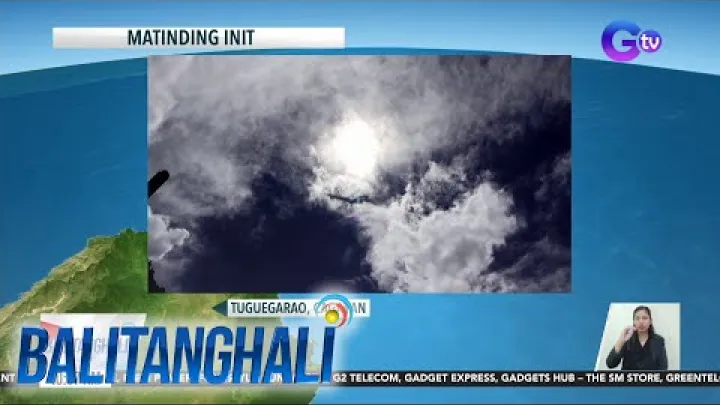
April and May are the strongest heat period. Dry weather can help with road movement and sightseeing logistics, but comfort drops for many visitors. Bring water, wear sun protection, choose shaded routes when possible, and plan indoor meals or rest periods during the hottest hours. May can also feel more humid and may begin to bring more afternoon showers as the season changes.
June to November: Rainy Season
June usually marks the shift toward wetter and more humid weather. Showers and thunderstorms become more frequent, and outdoor plans need more flexibility. Not every day is unusable, but travelers should expect changes in timing and be ready to move activities indoors.
July to October is the core wet and disruption-prone period for most visitors. Rain can affect road conditions, visibility, river levels, and access to attractions outside the city. November is a transition month: conditions may improve later in the month, but early November can still be affected by rain or late-season weather systems in some years.
Best Time by Travel Purpose
The best season for Tuguegarao depends on what you plan to do. A food-focused city stay is easier to manage in mixed weather than an itinerary built around rivers, caves, long drives, or coastal boats.
City Sightseeing and Food Trips
For city sightseeing and food trips, choose December to February if you can. The weather is usually more comfortable for exploring Tuguegarao City center, markets, churches, and local food stops. You can still expect warm daytime conditions, so early starts remain useful even in the best season.

Short city stays are easier to manage than long outdoor itineraries because you can adjust quickly. If rain appears, you can wait it out, take a meal break, use a vehicle between stops, or move a visit to another part of the day. If heat builds, schedule walking before lunch and keep the afternoon for indoor stops.
Callao Cave, River Trips, and Nearby Nature
For Callao Cave, the Pinacanauan River, Iguig Calvary Hills, and other nearby nature or viewpoint trips, December to March is the safest broad planning window. Rain and flood-related disruption are generally lower than during the core wet season, and travel conditions are usually easier to manage.

These activities are more sensitive to current conditions than ordinary city sightseeing. Before visiting, confirm access, local advisories, road conditions, cave rules, and any boat or river operations. If you plan longer trips toward Sta. Ana or Palaui Island, remember that coastal and sea conditions can differ from Tuguegarao City weather, so check local updates before committing to a fixed schedule.
Festivals and Cultural Events
Cultural-event timing may matter more than ideal weather for some travelers. If your dates align with a local event such as the Pavvurulun Afi Festival, you may choose to visit even during a wetter month because the atmosphere and community activities can be part of the reason for the trip.
The trade-off is important. Festival periods can involve rain, schedule changes, busier streets, and transport delays, especially if the event falls within the wet season. Confirm the current event schedule with local organizers or official city channels before booking around a specific date, and bring rain protection if traveling in August or nearby wet-season months.
Budget Travel and Fewer Crowds
For budget travel and fewer crowds, consider late November, late February, or early March. These shoulder periods may be easier for comparing flights and accommodation than the main holiday travel periods, while still offering more workable weather than the wettest months or the hottest peak of the dry season.
December and January can overlap with wider Philippine holiday travel, which may affect demand for flights and rooms. Avoid assuming that every shoulder date will be cheap. Compare options before booking, and balance price with weather: a cheaper wet-season trip may become less convenient if you need extra buffer days, taxis, or itinerary changes.
Periods to Plan Around or Avoid
No month is completely off-limits, but some periods need more caution. The main issues are heat in late dry season and heavy rain or flooding risk in the wettest months.
Extreme Heat and Sun Exposure
Heat-sensitive travelers may prefer to avoid late March to May. Tuguegarao can feel more demanding than coastal destinations because of its inland lowland setting, and the strongest sun can make ordinary sightseeing tiring. Families, older travelers, and visitors not used to tropical heat should plan carefully.
If you travel during this period, keep outdoor activity to the morning and late afternoon. Rest indoors at midday, drink water regularly, use a hat or umbrella for shade, wear breathable clothing, and choose accommodation with reliable cooling when possible. These are simple precautions, but they can make the difference between a comfortable trip and an exhausting one.
Heavy Rain, Typhoons, and Flood-Prone Conditions
July to October is the main period for heavier rain and higher disruption risk, with caution sometimes extending into early November. Tuguegarao’s setting near the Cagayan River makes flooding a practical concern during major rain or typhoon events. News reports such as BSS News accounts of flood disruption around Tuguegarao are useful context, but they should not be read as a prediction that the same event will happen every year.
If you have fixed flights, medical appointments, official errands, or very limited time, avoid the highest-risk wet-season window when possible. If you must travel, monitor PAGASA and local government advisories, keep buffer days, avoid floodwater, confirm road access before leaving, and stay close to your key destination when heavy rain is forecast.
What to Wear and How to Plan Each Day
Packing for Tuguegarao should match both the season and your activity level. The same trip may require sun protection, rain protection, and comfortable footwear, especially if you combine city errands with side trips.
Dry Season Packing and Daily Timing
For December to February, pack light breathable clothing, comfortable walking shoes, sun protection, and a light layer for cooler mornings or evenings. Many visitors still find the daytime warm, so do not pack as if it will be cold. A hat, sunglasses, and a reusable water bottle are useful throughout the year.
From March onward, daily timing becomes more important. Plan walking routes, viewpoints, outdoor meals, and market visits for early morning or late afternoon. Use midday for lunch, rest, transport, or indoor stops. Even in the best months, indoor breaks help because daytime warmth is normal in Tuguegarao.
Rainy Season Packing and Backup Plans
For the rainy season, bring an umbrella or compact rain jacket, quick-dry clothing, waterproof protection for documents and electronics, and footwear that can handle wet streets. Rain gear improves comfort, but it does not remove the risks of typhoons, flooding, or unsafe road conditions.
Build flexibility into your itinerary. Keep buffer days for important activities, avoid tight same-day connections during heavy-rain months, confirm transport before long road trips, and choose accommodation near key errands if your visit has a fixed purpose. Check forecasts before river, cave, coastal, or long-distance side trips.
Final Recommendation for Planning Your Trip
For most travelers, December to February is the best overall time to visit Tuguegarao. It offers the most comfortable balance of warm days, cooler evenings, relatively lower rainfall, and easier sightseeing conditions. Early March and late November can work as shoulder options if you accept some trade-offs.
Avoid late March to May if you are sensitive to heat, and be cautious from July to October if your itinerary depends on clear weather, road access, river conditions, or fixed schedules. Tuguegarao can be rewarding in any season, but the best trip comes from matching your dates to the climate, checking live advisories before you go, and planning each day around heat, rain, and local conditions.
Select area
Create a post
Posting is free and no registration is required.