Tuguegarao Travel Guide: First-Time Tips for Cagayan Valley

Tuguegarao Travel Guide: Practical Tips for First-Time Visitors
This Tuguegarao travel guide is for first-time visitors who want a practical base in northern Luzon, not a polished resort city. Tuguegarao is a hot, busy, service-oriented city in Cagayan Valley, useful for food trips, religious heritage, caves, river landscapes, and onward travel across Cagayan province. It is also a place where planning matters: heat, rain, long road journeys, and local transport can shape your experience. Use this guide to decide when to go, how long to stay, where to base yourself, what to eat, and which nearby trips are realistic.
Why Visit Tuguegarao
Tuguegarao is best understood as a northern Luzon gateway. It gives travelers access to inland Cagayan Valley experiences that are very different from the beach routes many visitors associate with the Philippines.
Where Tuguegarao Fits in Cagayan Valley
Tuguegarao is the capital city of Cagayan province and one of the main urban hubs of the Cagayan Valley region. Official local information is available through Tuguegarao City, which is useful for checking city-level context and current local channels before a trip.
On a map, Tuguegarao sits in inland northeastern Luzon, north of the bigger Central Luzon and Cordillera routes and far from the island resort corridors of Palawan, Cebu, or Boracay. It is connected by the Maharlika Highway, served by Tuguegarao Airport, and closely associated with the Cagayan River, one of the major river systems in northern Philippines.
For travelers, the city works less as a stand-alone sightseeing capital and more as a practical base. Centro, the traditional city core, gives access to shops, eateries, transport, churches, banks, and local services. From there, visitors can plan trips toward Penablanca and Callao Cave, Piat, Iguig, and longer routes toward northern Cagayan.
What Tuguegarao Is Best For
Tuguegarao is best for travelers who enjoy regional cities, local food, and slower discovery. It is a good match for people who want to try pancit batil patung, see how daily life works in a northern Luzon city, and use the city as a jumping-off point for caves, pilgrimage sites, and river landscapes.
It is not the right place if you expect a luxury resort district, a large international nightlife zone, or a heavily packaged tourism environment. The city is practical and local in character. Many visitors use malls, casual restaurants, tricycles, bus terminals, and simple hotels rather than resort transfers and concierge-style tour desks.
Tuguegarao can suit domestic-style travel, road trips, family visits, pilgrims, food travelers, and visitors who want to explore a less internationally known part of Luzon. If you like destinations where you need to ask questions, confirm schedules, and adjust to local rhythm, the city can be rewarding.
How Long to Stay
One day is enough for a stopover if you only want a meal, a short look around Centro, and one nearby highlight. This works best if your transport times are predictable and you are not arriving exhausted after an overnight bus.
Two to three days is better for a first visit. With that amount of time, you can try local food, visit Callao Cave or Penablanca, add Piat or Iguig, and still leave space for rest during the hottest part of the day.
Santa Ana and Palaui Island are better treated as a longer regional leg, not as a rushed add-on to a short Tuguegarao stay. They are part of the wider Cagayan travel picture, but they require more time, weather checks, and transport planning.
| Trip length | Best for | Main limitation |
|---|---|---|
| 1 day | Food, Centro, one nearby stop | Little room for delays or heat breaks |
| 2 to 3 days | Balanced first visit with day trips | Still too short for far northern Cagayan |
| 4 days or more | Regional travel toward Santa Ana or Palaui | Requires more transport and weather planning |
Best Time to Visit Tuguegarao
Weather is one of the most important planning factors in Tuguegarao. The city is known among Filipinos for intense heat, and rainy-season travel can affect roads, caves, river areas, and comfort.
Dry Season and Extreme Heat
The dry season can be a practical time for outdoor sightseeing because rain interruptions may be fewer. However, Tuguegarao can feel very hot, especially during the late dry season. For many visitors, the best time is not only about rain but also about how well they can manage heat.
Plan outdoor activities early in the morning or late in the afternoon. Use the middle of the day for lunch, cafés, malls, hotel rest, or travel in an air-conditioned vehicle. Choose accommodation with reliable air-conditioning if your budget allows, because heat can affect sleep and recovery.
Before travel, check current forecasts from PAGASA, the Philippine weather agency. Avoid relying only on average climate descriptions, because actual conditions can vary by week.
Rainy Season and Flood-Aware Planning
The rainy and typhoon-prone months can still be possible for travel, but they require more flexibility. Tuguegarao is linked to the Cagayan River basin, and heavy rainfall can affect roads, riverside areas, excursions, and general comfort.
If you travel during wetter months, avoid building an itinerary with tight same-day connections. Keep buffer time before flights or long bus journeys. Have backup options such as malls, cafés, churches, or indoor meals if an outdoor trip becomes uncomfortable or unsafe.
For cave, river, island, and long road trips, check weather, local advisories, and transport updates close to departure. Travel insurance is also sensible if your trip includes multiple prepaid bookings or onward international flights.
Afi Festival and Event Timing
Afi Festival is a local cultural highlight connected with Tuguegarao’s identity as a city associated with heat and fire. For visitors, festival timing can bring livelier streets, performances, local pride, and more reasons to stay in the city rather than only passing through.
Festival travel also needs more planning. Accommodation may be busier, traffic patterns may change, and central areas can be more crowded. Check current dates through local tourism or city channels before booking around the event.
Event periods may also overlap with humid or wet conditions, depending on the year. Pack for both sun and rain, and keep daily plans flexible enough to handle crowds, schedule changes, and heat.
How to Get to Tuguegarao
Most first-time visitors reach Tuguegarao from Manila by air or by road. Flying saves time, while buses are often chosen by budget travelers or people comfortable with long overnight journeys.
Flights from Manila
Tuguegarao Airport is the main air gateway for the city and nearby parts of Cagayan Valley. For travelers with limited time, flying is usually the fastest way to add Tuguegarao to a northern Luzon itinerary.

Do not compare only the flight time. Consider travel to and from airports, baggage rules, possible delays, and the timing of your first activity after arrival. A morning arrival can make a one-day stopover easier, while a late arrival may be better treated as a rest day.
Flight schedules and fares can change, so check current airline timetables before booking. Also plan your airport transfer in advance, especially if you are arriving at night or carrying heavy bags.
Buses and Road Travel from Manila
Buses are a common budget option between Manila and Tuguegarao. Many travelers choose overnight trips to save on accommodation and arrive in the morning, but the road journey is long and can be affected by Manila traffic, weather, roadworks, and holiday demand.
Transport comparison sites such as 12Go can help you compare route options, but treat listed schedules and prices as planning information rather than a guarantee. Confirm terminals, departure times, baggage rules, and boarding instructions close to travel.
| Option | Best for | What to check |
|---|---|---|
| Flight | Short trips and time-limited visitors | Schedule, baggage, airport transfer |
| Bus | Budget travel and overnight journeys | Terminal, seat type, travel time, delays |
| Private vehicle | Road trips and flexible regional plans | Driver fatigue, route conditions, parking |
Onward Travel Across Cagayan Valley
Tuguegarao can serve as a staging point for Penablanca, Piat, Iguig, Santa Ana, and other Cagayan Valley destinations. The easiest nearby trips are usually those within the Tuguegarao and lower Cagayan area, while coastal and island trips farther north need more time.
Local movement may involve vans, buses, jeepneys, tricycles, or private arrangements. First-time visitors should confirm where vehicles depart, what time the last return trip leaves, and whether a destination is realistic without a private driver.
For remote or weather-sensitive trips, ask your accommodation, local tourism staff, or transport operators for current advice. A route that looks simple on a map may be slower in practice because of waiting time, road conditions, or limited return services.
Where to Stay and How to Get Around
For most short visits, convenience is more important than scenery. A central base makes food, transport, errands, and early departures easier.
Centro and Commercial District Bases
Staying in or near Centro is practical if you want access to local eateries, shops, banks, churches, and short tricycle rides. It is also useful if you plan to leave early for Callao Cave, Piat, or other day trips.
Commercial areas around major retail anchors such as Robinsons Place Tuguegarao and SM City Tuguegarao can also be convenient. These areas are useful for air-conditioned breaks, simple meals, supplies, and easier orientation if you are new to the city.
The best base depends on your priority. Choose Centro for traditional city access and local movement. Choose a commercial district if you prefer malls, wider roads, and familiar services. If you have an early flight, consider how long the airport transfer may take at your travel time.
Accommodation Types and Booking Expectations
Tuguegarao’s accommodation scene is mainly made up of budget inns, practical hotels, and mid-range business-style properties. It is good for a functional city stay, but it does not have the same luxury resort scene as major beach destinations.
Air-conditioning should be a serious booking factor, not a minor extra. In hot months, a clean room with reliable cooling can make the difference between an enjoyable trip and an exhausting one.
Book earlier during festivals, long weekends, graduation periods, school-related demand, and holiday travel. Check recent guest reviews for cooling, cleanliness, water pressure, noise, and transport access rather than choosing only by price.
Tricycles, Jeepneys, and Short Walks
Tricycles are often the most convenient way to handle short city trips. They are useful for moving between hotels, restaurants, terminals, malls, and local stops when walking would be uncomfortable because of heat or distance.
Jeepneys can be useful on some corridors and for nearby town travel, but routes may be less obvious for first-time visitors. If you do not speak the local language, keep your destination written down or pinned on a map and ask clearly before boarding.
Walking is best for short distances only. Heat, traffic, rain, and uneven sidewalks can make longer walks less pleasant than they appear on a map. Carry water and avoid walking long distances during the hottest part of the day.
Visitor Transport Tips
Carry small bills for tricycles, snacks, and short purchases. If a fare is not posted or obvious, confirm the price before starting the ride. Keep your hotel name, address, and a pinned map location ready in case the driver does not recognize the property by name.
For late-night rides, ask accommodation staff for advice or use known stands when possible. Avoid wandering around unfamiliar terminals or quiet streets while visibly carrying valuables.
In crowded markets, malls, bus stations, and public vehicles, keep bags closed and valuables secure. These are normal urban precautions, not a reason to avoid the city.
Best Things to Do in and Around Tuguegarao
The best Tuguegarao activities combine local city experiences with nearby Cagayan Valley trips. Plan them by distance and weather sensitivity rather than trying to fit every famous name into one day.
City Highlights and Cagayan River Views
Start with low-pressure city experiences: walk or ride through Centro, try local eateries, visit a mall for supplies, and get a feel for Tuguegarao’s everyday rhythm. This is especially useful after a long bus journey or a hot midday arrival.
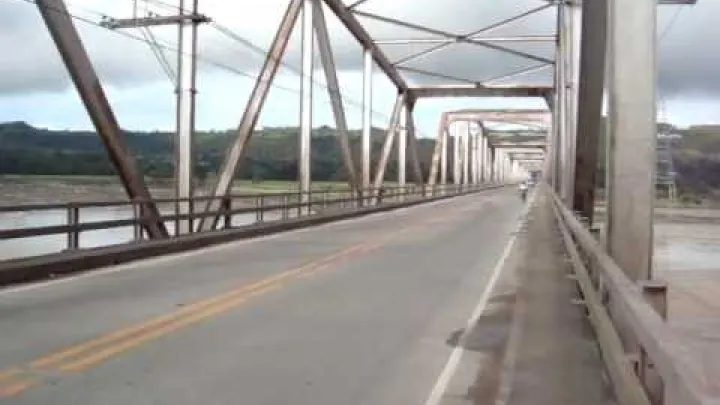
Buntun Bridge is one of the recognizable landmarks connected with the Cagayan River. If you visit for views, be careful with traffic and do not assume that every roadside viewpoint is designed as a tourist promenade.
Indoor cultural stops, churches, or museums may be worth adding if current opening hours and access details fit your schedule. Because local hours can change, check before making them the center of your day.
Callao Cave and Penablanca Day Trip
Callao Cave in Penablanca is one of the most common day trips associated with Tuguegarao. It gives visitors a limestone cave experience within reach of the city and is often the first excursion people consider when planning a Cagayan Valley trip.
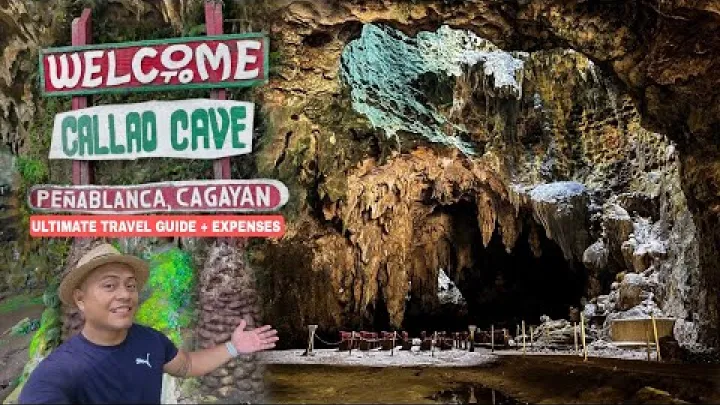
Expect steps, uneven surfaces, humidity, and conditions that may be difficult for travelers with mobility limitations. Wear comfortable shoes, bring water, and avoid rushing if the weather is hot.
Before going, check current opening hours, access rules, guide procedures, fees, and weather conditions. Cave and river-related trips can be affected by rain, maintenance, or local regulations, so confirm details locally rather than relying on old itineraries.
Piat, Iguig, and Religious Heritage
The Basilica of Our Lady of Piat is a major pilgrimage-focused destination commonly visited from Tuguegarao. It is outside the city proper but can fit into a day trip for travelers interested in religious heritage and local devotion.
Iguig Calvary Hills is another nearby religious and landscape-oriented stop often paired with Tuguegarao-based travel when access and timing are suitable. It can be meaningful for visitors interested in Catholic heritage, viewpoints, and quieter stops outside the city center.
In active worship spaces, dress modestly, keep noise low, and avoid intrusive photography, especially during services, feast periods, or private prayer. These are living religious places, not only sightseeing locations.
Santa Ana, Palaui Island, and Longer Regional Trips
Tuguegarao can be a gateway to northern Cagayan, but Santa Ana and Palaui Island should not be treated as quick city attractions. They are farther north and better planned as a separate regional leg or an extended itinerary.
These coastal and island experiences are different from inland Tuguegarao. They may involve longer road transfers, boat arrangements, weather checks, and local tourism rules. If Palaui Island is a priority, plan overnight stays closer to the coast rather than forcing a rushed return to Tuguegarao.
Always check boat operations, sea conditions, registration rules, and local guidance before island trips. Weather can change plans quickly, and island-hopping should not be treated as guaranteed until confirmed on the ground.
Food, Costs, and Practical Safety
Tuguegarao is a strong food destination for travelers who enjoy casual local dining. It can also be moderate in cost compared with major tourism hubs, although flights, private transport, and guided excursions can raise the total budget.
Pancit Batil Patung and Local Dining
Pancit batil patung is the signature Tuguegarao food experience. It is a hearty noodle dish commonly served with toppings, egg, a side broth, and condiments that let you adjust the flavor at the table.
Portions can be filling, so it works well as a main meal rather than a light snack. Many visitors try it in panciterias, where the setting is casual and the focus is on the dish rather than formal service.
Beyond pancit, expect cafés, bakeries, fast-food branches, mall restaurants, and simple local eateries. Meal timing can be practical: eat early before day trips, rest indoors at lunch, and use dinner for a more relaxed local food stop.
Typical Daily Budget and Price Checks
Your Tuguegarao budget depends mainly on how you arrive and how you move around. Bus travelers staying in simple accommodation and eating at local places can keep costs relatively low. Travelers who fly, book private vehicles, or add multiple guided excursions will spend more.
Think of the budget in categories: long-distance transport, accommodation, local rides, meals, entrance or guide fees, and regional transfers. Do not rely on old price lists, because fares and room rates change by season, booking channel, fuel costs, and demand.
| Budget item | Lower-cost approach | Higher-cost approach |
|---|---|---|
| Accommodation | Simple inn or budget hotel | Newer mid-range hotel |
| Transport | Bus, jeepney, tricycle | Flight and private vehicle |
| Meals | Panciterias and casual eateries | Cafés and hotel dining |
| Activities | Self-planned nearby visits | Guided or private day trips |
As a planning rule, Tuguegarao can be more affordable than the Philippines’ most famous island destinations, but it is not automatically cheap if your route requires flights or private transport. Check current prices before finalizing your daily budget.
Safety, Heat, and Weather Preparedness
Use standard city precautions in Tuguegarao. Keep valuables secure in terminals, markets, and crowded vehicles. Use care with late-night transport, and avoid displaying cash or expensive devices unnecessarily.
For national situational awareness, travelers can review current guidance from the U.S. Department of State or their own government’s travel advisory. Advisory pages cover the Philippines as a whole and may include risks that vary by region, so read them together with local updates.
Heat is a major practical issue. Drink water regularly, wear sun protection, and avoid scheduling caves, viewpoints, or long walks during the harshest part of the day. If you feel dizzy, weak, or overheated, stop, cool down, and seek help if symptoms continue.
During storm-prone periods, monitor weather, keep backup plans, and avoid risky river, cave, or island activities when conditions are poor. Flexible bookings and travel insurance are useful when your itinerary depends on several transport connections.
Suggested Tuguegarao Itinerary
A good Tuguegarao itinerary should be realistic. Build around morning starts, food stops, rest time, and weather checks rather than long lists of attractions.
One-Day Stopover Plan
If you arrive in the morning, start with breakfast or an early lunch featuring pancit batil patung. Use the first part of the day for a manageable nearby activity, such as a planned visit toward Callao Cave if weather, access, and transport are favorable.
Return to the city before late afternoon and keep the rest of the day simple. Visit Centro, stop at a mall such as Robinsons Place Tuguegarao or SM City Tuguegarao for supplies and air-conditioning, or look for a safe river-oriented viewpoint if conditions are comfortable.
If rain or extreme heat makes outdoor sightseeing unpleasant, choose food, errands, cafés, and indoor stops instead. A one-day visit is not the time to force distant regional sights.
Two- to Three-Day First-Time Visitor Plan
On day one, orient yourself in the city. Check into a central hotel, try pancit batil patung, ride around Centro, and confirm transport for the next day. Keep the afternoon light if you arrived by overnight bus.
On day two, plan an early start for Callao Cave or another Penablanca visit. Return before the hottest part of the afternoon if possible, then rest and use the evening for local dining.
On day three, choose between Piat, Iguig, or another nearby religious or heritage-focused trip. If you want to add Santa Ana or Palaui Island, extend the journey instead of squeezing it into this three-day plan. Treat that as a northern Cagayan leg with its own overnight stay and weather checks.
Frequently Asked Questions
Is Tuguegarao worth visiting for first-time travelers?
Yes, if you want local food, a practical Cagayan Valley base, caves, pilgrimage sites, and a less tourist-heavy northern Luzon experience. It is less suitable if you mainly want beaches, luxury resorts, or a highly polished international tourism scene.
How many days do you need in Tuguegarao?
One day works for a quick stopover, but two to three days is better for a first visit. That gives you time for local food, Callao Cave or Penablanca, and a Piat or Iguig day trip.
What is the best time to visit Tuguegarao?
The dry season can be convenient for outdoor trips, but Tuguegarao can be extremely hot. Check current weather forecasts before travel and plan sightseeing early in the morning or late in the afternoon.
How do you get from Manila to Tuguegarao?
You can usually travel by flight or long-distance bus. Flights are faster for short trips, while buses are common for budget and overnight travel. Always confirm current schedules, terminals, fares, and baggage rules.
What food is Tuguegarao known for?
Tuguegarao is best known for pancit batil patung, a filling noodle dish served with toppings, egg, broth, and condiments. It is commonly eaten in casual panciterias.
Is Tuguegarao a good base for Callao Cave, Piat, and Cagayan Valley trips?
Yes, Tuguegarao is a practical base for Callao Cave, Penablanca, Piat, and Iguig. For Santa Ana and Palaui Island, plan more time and consider staying farther north.
Final Tips for Planning Your Tuguegarao Trip
Tuguegarao is most rewarding when you plan it as a practical Cagayan Valley base rather than a conventional resort destination. Stay central, protect yourself from heat, keep transport plans flexible, and confirm current schedules before day trips.
Prioritize pancit batil patung, one strong nearby excursion such as Callao Cave, and one heritage or pilgrimage stop such as Piat or Iguig. If you want beaches and islands, extend your regional plan toward northern Cagayan instead of rushing from the city.
With realistic expectations, Tuguegarao can add depth to a northern Luzon itinerary. It offers food, local culture, inland landscapes, and access to places many first-time visitors to the Philippines never reach.
Select area
Create a post
Posting is free and no registration is required.