Santa Ana Getting There: Cagayan Valley Transport Guide

Santa Ana getting there planning is different from planning a simple city break because the town sits in the far northeastern part of Luzon in the Philippines. Most visitors reach it through a combination of air travel or long-distance road transport, followed by a regional road transfer through northern Cagayan. This guide explains the practical routes via Tuguegarao City, the role of buses and private vehicles, and what to check before you commit to a same-day connection. It also covers local arrival points such as Santa Ana town proper, San Vicente, Port Irene, and the onward route toward Palaui Island.
Quick Route Overview
For most travelers, the simplest way to think about the journey is to separate it into two parts: first, reach a northern Luzon gateway, then continue by road to Santa Ana. Tuguegarao City is usually the main planning hub because it is a major city in Cagayan Valley and has the most practical mix of transport, accommodation, and onward options. Exact travel times, bus departures, and flight availability can change, so use the route patterns below as planning guidance rather than as a fixed timetable.
The Usual Route Via Tuguegarao
The usual route to Santa Ana, Cagayan Valley is to travel first to Tuguegarao City, then continue north by regional van, bus, or private vehicle. Tuguegarao works well as a practical hub because it has an airport, long-distance bus connections, places to stay, and transport options that can help if your onward connection does not line up.
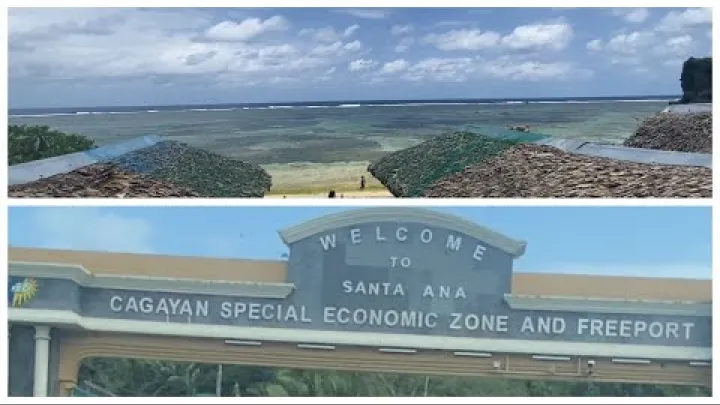
If you are coming from outside the Philippines, you will usually enter through a major international gateway such as Manila, Clark, or Cebu, then connect onward. If you are starting in Metro Manila, you can choose between flying to Tuguegarao, taking a long-distance bus, or driving. After Tuguegarao, the final leg to Santa Ana is still a significant road journey, so do not treat arrival in Tuguegarao as the end of the trip.
| Route pattern | Best for | Main trade-off |
|---|---|---|
| Fly to Tuguegarao, then road transfer | Short trips, international visitors, travelers reducing bus time | Requires flight timing and a separate onward connection |
| Long-distance bus via Tuguegarao or northern Cagayan | Budget travelers and those avoiding domestic flights | Much longer journey and possible fatigue |
| Private vehicle from Manila or another Luzon city | Groups, families, flexible itineraries, heavy luggage | Long drive, route planning, fuel, tolls, and weather risks |
Direct Bus Versus Split Journey
A direct bus to Santa Ana can be convenient when a service is currently operating and the departure point matches your plans. The benefit is clear: fewer transfers, less need to negotiate a final connection, and a simpler journey for travelers with luggage. The risk is that direct services to remote destinations can be limited, seasonal, or subject to operator changes.
Splitting the journey at Tuguegarao gives you more fallback options. If a bus is delayed, a flight arrives late, or the Santa Ana-bound service is full, you may still find accommodation, food, local information, or a different transport option in Tuguegarao. For first-time visitors, this flexibility can be more valuable than saving one transfer.
Before paying or boarding, confirm the exact destination printed or stated for the trip. Ask whether the vehicle ends in Santa Ana town proper, Tuguegarao, Lal-lo, another northern Cagayan stop, or a roadside junction where you must transfer again. A route that sounds close on a map may still require another local ride.
What To Verify Before Choosing A Route
Transport information for remote or less-visited destinations can be fragmented. A schedule found online may be old, a route may have changed, or a service may operate only when demand is sufficient. Build your plan around confirmation, not assumption.
- Flight status: Check whether Manila to Tuguegarao or other domestic connections are operating on your travel date.
- Bus destination: Confirm whether the ticket is to Tuguegarao, Santa Ana, Lal-lo, or another stop in Cagayan.
- Final-leg transport: Ask about current vans, buses, private transfers, or accommodation pickup from Tuguegarao to Santa Ana.
- Road conditions: Check for rain, roadworks, accidents, or mountain-road delays, especially if traveling overland from Manila.
- Weather: Monitor current forecasts before long road journeys and before any Palaui Island boat plans.
- Accommodation help: Ask your hotel, resort, or guesthouse where to get off and whether they can arrange pickup.
For important journeys, keep a buffer in your itinerary. Avoid planning a tight same-day chain of international flight, domestic flight, road transfer, and island boat trip unless every segment is confirmed and you are comfortable with the risk of disruption.
Air Gateways To Santa Ana
Air travel can shorten the long approach to northeastern Luzon, but it does not remove the final road leg. When comparing airports, separate physical distance from practical reliability. The closest-looking airport is not always the easiest if flights are irregular or ground transport is difficult to confirm.
Manila To Tuguegarao By Air
Flying from Manila to Tuguegarao is often the main time-saving option to consider when current flights are available. From Tuguegarao Airport, you still need to continue to Santa Ana by regional van, bus, private transfer, or a vehicle arranged through your accommodation. The airport is not in Santa Ana, so plan this as a connection point rather than a final arrival.
If you are arriving in the Philippines on an international flight and holding a separate domestic ticket, allow extra time. Immigration, baggage claim, terminal movement, check-in cutoffs, and weather delays can affect the connection. A domestic flight that looks workable on paper may be stressful if your international flight is late.
When possible, choose an arrival time that leaves enough daylight for the road leg or gives you a comfortable overnight option in Tuguegarao. First-time visitors often find daytime transfers easier because it is simpler to identify vehicles, confirm drop-off points, and communicate with accommodation staff.
Using Clark, Cebu, And Other Connection Points
Clark, Cebu, and other Philippine gateways can be useful if they fit your international arrival city or domestic travel pattern. However, their usefulness depends on current domestic flight schedules and how easily you can connect to northern Luzon. Some travelers may still need to route through Manila, fly to Tuguegarao if flights are operating, or continue overland after landing elsewhere.
These gateways are best treated as alternatives rather than default routes. They can be efficient for travelers already nearby, but they may add complexity if they require multiple separate tickets. Check current schedules before building a plan around them, and compare the total journey rather than only the flight segment.
Lal-lo And Laoag As Conditional Gateways
Lal-lo, associated with Cagayan North International Airport, may look attractive on a map because it is in northern Cagayan and is physically closer to Santa Ana than many larger gateways. The practical question is whether passenger flights are operating for your date and whether you can confirm a reliable ground connection onward to Santa Ana. Do not book around this route based only on distance.
Laoag can make sense for travelers already in the Ilocos region or building a broader northern Luzon itinerary. From Laoag, the route to Santa Ana is an overland regional journey across northern Luzon rather than a simple airport transfer. It may be interesting for flexible travelers, but it is usually not the simplest approach for someone whose main goal is to reach Santa Ana quickly.
For both Lal-lo and Laoag, confirm the complete chain before committing: flight availability, arrival time, ground transport, road conditions, and where the vehicle will drop you in relation to Santa Ana town proper, San Vicente, Port Irene, or your accommodation.
Overland Routes To Santa Ana
Overland travel remains important for Santa Ana because the final approach is by road. Travelers can use buses, vans, or private vehicles depending on budget, time, comfort needs, and where they are starting in Luzon. The main planning challenge is that long-distance and regional transport may not always connect smoothly.
Long-Distance Buses From Manila
Long-distance buses from Metro Manila toward Cagayan Valley and Tuguegarao are a common way to reach the region without flying. Some services may continue farther north or toward Santa Ana when operating, but you should confirm this directly with the operator or terminal before travel. Do not assume that every bus heading to Cagayan Valley reaches Santa Ana.

The all-bus route can be attractive for budget travelers because it avoids domestic flight logistics. It can also be useful when flights are expensive, full, or unavailable. The trade-off is a much longer journey, possible overnight travel, limited personal space, and more fatigue before you even begin the final leg.
When asking about a bus, use clear destination language. Ask, “Does this bus go to Santa Ana town proper?” or “Do I need to transfer in Tuguegarao?” If the answer is a transfer, ask where that transfer happens and whether onward transport is likely to be available when you arrive.
Driving From Manila Through Northern Luzon
Driving from Manila to Santa Ana gives the most control but also requires the most responsibility. At a high level, the route uses northern Luzon expressways and onward national or regional highways into Cagayan Valley before continuing to northern Cagayan. Depending on the chosen route, the journey may involve mountain approaches such as the Dalton Pass area, where weather, traffic, and road conditions can affect progress.

Avoid planning this drive as if it were a short highway transfer. Tolls, fuel stops, meal breaks, driver fatigue, roadworks, and local traffic can all extend the journey. Heavy rain or road incidents can make a long day even longer. If you have only one driver, consider an overnight stop instead of pushing through while tired.
Private driving can be practical for groups, families, travelers carrying sports or camera equipment, and visitors who want to combine Santa Ana with other northern Luzon stops. It also helps if your accommodation is outside the town proper or closer to San Vicente, Port Irene, or another local area. Still, the driver should be comfortable with long-distance Philippine road travel and changing road conditions.
Routes From Ilocos And The Cordillera
If you are already in Laoag, Ilocos, Baguio, or another northern highland area, Santa Ana can be reached as part of a broader northern Luzon route. These journeys may involve regional buses, vans, private vehicles, or several transfers through provincial towns. They are useful for flexible itineraries but are usually less straightforward than routing via Tuguegarao.
Schedule information for these less-standard routes may be less centralized. Ask locally at terminals, accommodation desks, or tourism information points, and allow extra time. If you must arrive in Santa Ana on a specific date for a boat trip, family event, or resort booking, avoid relying on an unconfirmed multi-transfer route.
The Tuguegarao To Santa Ana Final Leg
The road leg from Tuguegarao to Santa Ana is the segment that many travelers underestimate. Even after you reach Tuguegarao City or Tuguegarao Airport, you still need to arrange the onward journey to the coast. Your choice will usually depend on departure timing, luggage, group size, and whether your accommodation can help.
Regional Vans And Buses
Regional vans and buses are common practical options for the final leg from Tuguegarao to Santa Ana. Vans may be faster or more direct when operating, but they can have tighter seating and limited luggage space. Buses may offer more room and a more relaxed ride, but they may be slower or have less convenient timing for your arrival.
| Option | Strength | Watch point |
|---|---|---|
| Regional van | Often direct and efficient when available | Less space for large bags and bulky gear |
| Regional bus | More space and often better for comfort | May take longer and require schedule patience |
| Private transfer | Best control over pickup, stops, and drop-off | Usually costs more, especially for solo travelers |
Arriving earlier in the day gives you more room to solve problems. If your flight or overnight bus reaches Tuguegarao late, confirm the onward connection before leaving the airport, terminal, or city center. If there is uncertainty, an overnight stop in Tuguegarao may be safer and less stressful.
Timing The Transfer After A Flight Or Overnight Bus
Flight delays and late bus arrivals can affect whether you can continue to Santa Ana on the same day. A connection that looks possible may fail if baggage takes longer, traffic is slow, a van fills before you arrive, or the next available vehicle is not going all the way to Santa Ana.
The practical rule is simple: continue if you have a confirmed onward vehicle, enough daylight or a trusted pickup, and a clear drop-off point. Stay in Tuguegarao if you arrive late, feel tired, cannot confirm onward transport, or still need to coordinate with your accommodation. This is especially important for first-time visitors, solo travelers, and people carrying luggage.
If your final destination is a resort, guesthouse, or boat jump-off area rather than Santa Ana town proper, ask whether arriving at night creates a problem. Some accommodations can help arrange pickup, while others may prefer that you arrive during the day.
Luggage, Comfort, And Seat Choice
Think carefully about luggage before choosing a final-leg vehicle. Vans can be efficient, but large suitcases, diving or beach gear, camera equipment, hiking supplies, or multiple bags can make the ride uncomfortable. If you have delicate equipment, ask where bags will be placed and whether they will be stacked.
Buses or private transfers may be better if comfort matters more than speed. Groups may find that sharing a private vehicle is worth the added cost because it reduces waiting time and lets you travel directly to your accommodation. Families, older travelers, and anyone arriving after a long international journey may also prefer the predictability of a pre-arranged transfer.
If you are carrying bulky items, tell your accommodation or transport provider in advance. It is better to discuss luggage before departure than to discover at boarding that there is not enough space.
Arriving In Santa Ana And Moving Around Locally
Arriving in Santa Ana is a small-town experience compared with arriving in Manila or Tuguegarao. You may not step into a large urban station with many obvious counters. Your drop-off could be a terminal, roadside stop, operator-specific area, town center location, or point arranged by your accommodation.
Santa Ana Town Proper And Accommodation Transfers
Santa Ana town proper is the main local reference point for many arrivals, but your actual destination may be outside the center. Before travel, ask your accommodation exactly where you should get off. Save the property name, address, phone number, and any local directions offline in case mobile data is weak or your battery runs low.
If the driver asks where you are going, give both the accommodation name and the local area if you know it. For example, a place near San Vicente or Port Irene may require a different local ride from the town proper. Clear directions reduce the chance of being dropped at a place that is technically in Santa Ana but not convenient for your stay.
San Vicente, Port Irene, And Palaui Island Jump-Off Points
San Vicente is an important local anchor for many travelers because it is commonly associated with onward boat trips toward Palaui Island. Port Irene is another area that may appear in directions, accommodation descriptions, or local transport conversations. Reaching these points may require an additional local ride after arriving in Santa Ana town proper.
Do not treat “arriving in Santa Ana” and “being ready for Palaui Island” as the same thing. You may still need to reach the correct jump-off area, register or coordinate locally, check boat conditions, and arrange timing with your guide or boat operator. If Palaui Island is the main reason for your trip, coordinate the local step before you leave Tuguegarao or Manila.
Tricycles, Private Vehicles, And Resort Pickups
For short local trips within Santa Ana and nearby barangays, tricycles may be part of the local transport mix. Before departure, confirm the destination and whether the fare is per person or per ride. This simple question prevents misunderstanding, especially if you are traveling as a group.
For late arrivals, heavy luggage, distant accommodations, or unfamiliar drop-off points, a private vehicle or resort-arranged pickup can be easier. Ask what is included: pickup location, waiting time, number of passengers, luggage space, and final drop-off. If the price is higher than a local ride, balance it against the value of arriving smoothly after a long journey.
Weather, Seasonality, And Safety Practicalities
Weather and road conditions matter when traveling to Santa Ana because the journey often involves long distances, provincial roads, and possible onward boat travel. Instead of planning only around the shortest possible route, plan around the conditions you may actually face on the day.
Road Delays, Rain, And Daylight Planning
Heavy rain, storms, roadworks, accidents, and mountain-road issues can affect travel into Cagayan Valley and onward to northern Cagayan. These conditions can change quickly, especially on long overland routes from Manila or other parts of Luzon. Check current weather and road information before departure, and do not build your plan around perfect conditions.
Daylight planning is especially helpful for first-time visitors. Leaving earlier improves your chance of handling delays, finding the correct vehicle, and reaching Santa Ana with enough time to contact your accommodation. If severe weather is expected, consider delaying travel or adding a buffer night instead of forcing a tight itinerary.
Boat Conditions For Palaui Island
Boat trips from the Santa Ana area to Palaui Island depend on sea conditions and local operating decisions. Even if you reach Santa Ana on time, an island trip may be delayed, discouraged, or suspended if conditions are unsafe. Follow the advice of local authorities, boat operators, and your accommodation if the sea is rough.
Prepare for basic boat safety and comfort. Wear a life vest when provided, protect yourself from sun, waterproof important items, and prepare for seasickness if you are sensitive to boat movement. Keep in mind that visiting Palaui Island is an onward local trip, not simply the final step of getting to Santa Ana.
Fare Clarity, Touts, And Informal Offers
At terminals, roadside stops, and local arrival areas, you may receive transport or tour offers before you fully understand the situation. This does not mean every offer is a problem, but it does mean you should slow down and clarify details before accepting.
Use direct questions: “How much is the fare?” “Is that per person or per ride?” “Where exactly will you drop us?” “Is luggage included?” “Does this include the boat or only the road transfer?” If you are unsure, ask your accommodation for help or compare information with a local tourism contact before paying.
Keep small bills when possible and agree on the destination before departure. For tours or boat arrangements, clarify what is included, what is not included, and what happens if weather prevents the trip.
Choose The Best Route For Your Travel Style
The best route to Santa Ana depends on your priorities. A traveler with only a few days may choose speed, while a backpacker may choose cost. A family with luggage may prefer comfort and certainty over the lowest price.
Fastest Practical Route
The fastest practical route is usually to fly to Tuguegarao when flights are available, then continue by a confirmed road transfer to Santa Ana. This works best when your domestic arrival time leaves a comfortable connection window and your final-leg vehicle is arranged before you land.
A sample sequence is: arrive in Manila, connect to Tuguegarao, transfer from Tuguegarao Airport or the city to a van, bus, or private vehicle, then continue to Santa Ana town proper or your accommodation. The speed of this route depends on actual flight schedules, road conditions, and whether the onward vehicle is ready when you arrive.
Lower-Cost Route
The lower-cost route is usually based on long-distance bus travel from Manila toward Tuguegarao, Santa Ana, or another northern Cagayan transfer point. This can reduce the cost of flying, especially for solo travelers. It also avoids the complexity of domestic flight connections.
The trade-offs are time, comfort, and fatigue. You may spend many hours on the road, arrive early or late depending on traffic, and still need another vehicle for the final leg. When comparing cost, include meals, rest stops, luggage needs, possible terminal transfers, and the possibility of an overnight stay if connections do not line up.
Choose a budget route with clear transfer points. The cheapest unclear option can become more expensive if it leaves you far from your destination or forces you into a late private ride.
More Comfortable Route For Groups Or Heavy Luggage
Groups, families, older travelers, and visitors with large luggage may prefer a private vehicle, a private transfer from Tuguegarao, or a planned overnight stop. Comfort matters on a multi-segment journey because tired travelers make poorer decisions and may struggle with unclear drop-offs.
| Traveler type | Route to consider | Reason |
|---|---|---|
| Short-trip visitor | Fly to Tuguegarao plus confirmed transfer | Reduces long road hours |
| Budget solo traveler | Long-distance bus with clear transfer point | Often lowers transport cost |
| Family or group | Private vehicle or shared private transfer | Improves luggage space and arrival control |
| Late-arriving traveler | Overnight in Tuguegarao, then morning transfer | Reduces stress and night-arrival problems |
Private transport is not always necessary, but it can be worth it when the group can share the cost or when your accommodation is not near the most common drop-off point. Ask your hotel or resort whether they can arrange pickup, especially if you are arriving with children, older relatives, or bulky bags.
Frequently Asked Questions
Is there an airport in Santa Ana, Cagayan Valley?
Santa Ana is not usually planned as a direct airport arrival for most travelers. The practical air route is commonly to fly to Tuguegarao when flights are operating, then continue by road to Santa Ana.
What is the easiest way to get to Santa Ana from Manila?
The easiest route for many travelers is Manila to Tuguegarao by air, followed by a confirmed van, bus, private transfer, or accommodation-arranged ride to Santa Ana. If flight schedules do not work, an overnight or long-distance bus route via Tuguegarao is the main alternative.
Can I take a direct bus from Manila to Santa Ana?
A direct bus may be available at certain times or through certain operators, but you should confirm current service before relying on it. Ask whether the bus goes all the way to Santa Ana town proper or only to Tuguegarao or another northern Cagayan stop.
What should I do if I arrive in Tuguegarao late in the day?
If you do not have a confirmed onward ride to Santa Ana, consider staying overnight in Tuguegarao and continuing the next morning. This is often safer and less stressful than searching for a late connection with luggage.
Can I go straight to Palaui Island after arriving in Santa Ana?
Do not assume you can go straight to Palaui Island. You may need a local ride to the correct jump-off area, boat coordination, registration or local procedures, and safe sea conditions before the island trip can proceed.
Final Pre-Departure Checklist
Before starting your trip to Santa Ana, confirm each segment of the journey and keep your plan flexible. The route is manageable, but it rewards travelers who prepare for changing schedules, weather, and local transfer details.
- Confirm your flight, bus, or driving route to Tuguegarao or another northern Luzon gateway.
- Check whether your onward road transport goes to Santa Ana town proper, San Vicente, Port Irene, or another drop-off point.
- Ask your accommodation for pickup advice and save its contact details offline.
- Leave a buffer if arriving from an international flight, overnight bus, or long drive.
- Check current weather and road conditions before departure.
- Clarify fares, luggage space, and whether prices are per person or per ride.
- If visiting Palaui Island, confirm boat conditions and local arrangements separately from your transport to Santa Ana.
The most reliable Santa Ana getting there plan is not always the shortest one on paper. For many travelers, the best approach is to use Tuguegarao City as a flexible hub, confirm the final road leg in advance, and avoid tight same-day connections. With a realistic route, a buffer for delays, and clear local directions, the journey to Santa Ana, Cagayan Valley becomes much easier to manage.
Select area
Create a post
Posting is free and no registration is required.