Batanes Travel Guide: When to Go, Where to Stay & Tips

This Batanes travel guide is for travelers planning a first visit to the northernmost island province of the Philippines. Batanes is known for open hills, dramatic coastlines, Ivatan communities, stone houses, and a slower rhythm than many beach-focused destinations in the country. Planning matters here because weather, flights, boats, and limited island services can shape the trip. This guide explains when to go, how long to stay, where to base yourself, how to move around, what to do, and how to prepare responsibly.
Batanes at a Glance
Batanes rewards travelers who like landscapes, culture, and quiet places. It is not a destination where every day can be planned with city-level certainty, so a good trip begins with realistic expectations.
Where Batanes Is and What Makes It Distinct
Batanes is a remote island province in the far north of the Philippines, within the Cagayan Valley administrative region. It lies between northern Luzon and Taiwan, with the Luzon Strait and surrounding seas shaping both its scenery and its travel logistics. For most visitors, Basco on Batan Island is the main arrival point, the most practical base, and the easiest place to arrange accommodation, food, tours, and onward island visits.

The province feels different from many well-known Philippine destinations. The appeal is less about large resorts or long nightlife districts and more about coast roads, wind-shaped hills, traditional Ivatan stone houses, small communities, and views that change quickly with light and weather. Travelers often describe Batanes as peaceful, but it is better to understand it as a lived-in island province with real communities, weather limits, and a strong local identity.
Who This Batanes Trip Is Best For
A Batanes trip is best for travelers who enjoy scenery, photography, village walks, cultural context, and unhurried days. It suits couples, solo travelers, small groups, and families who are comfortable with simpler infrastructure and flexible schedules. It can also be a good choice for repeat visitors to the Philippines who want a destination that feels different from major beach, diving, or city routes.
It is less ideal if you mainly want large international resorts, a wide choice of late-night entertainment, frequent public transport, or guaranteed daily island-hopping. Weather can affect flights, boat crossings, and outdoor plans, so patience is important. If you can accept that a plan may change for safety or sea conditions, Batanes can be deeply rewarding.
Best Time to Visit and How Long to Stay
The best length of stay depends on how many islands you want to include and how much flexibility you need. For most first-time travelers, the main decision is whether to focus only on Batan Island or add Sabtang Island. Itbayat Island requires a more flexible and remote-travel mindset.
Weather Windows and Seasonal Trade-Offs
Weather is one of the most important parts of planning any Batanes trip. Wind, rain, visibility, and sea conditions can affect viewpoints, boat crossings, outdoor activities, and flight reliability. Broadly, some months can feel cooler and windier, some months are often warmer and more settled, and the rainier part of the year can bring a higher chance of disruption. These are general patterns, not guarantees.
Before booking and again before traveling, check current forecasts and local advisories. Once in Batanes, listen to local guidance from accommodation hosts, boat crews, tour coordinators, and local authorities. If a boat trip or outdoor route is postponed, treat it as normal risk management rather than an inconvenience to ignore.
| Travel period | Possible advantages | Planning cautions |
|---|---|---|
| Cooler or windier months | Comfortable temperatures for walking and photography | Wind can affect comfort, sea travel, and outdoor exposure |
| Warmer and often calmer months | Good for scenic touring and longer outdoor days | Demand may be higher, so early booking helps |
| Rainier months | Quieter atmosphere and dramatic skies are possible | Higher chance of delays, cancellations, and limited visibility |
A Three to Four Day Batan Island Trip
Three to four days is a practical minimum for a first-time Batanes travel plan focused on Batan Island and Basco. This gives enough time for an introduction to Basco town center, the northern and southern parts of Batan Island, coastal roads, viewpoints, villages, and relaxed meals. It also gives at least a little room for slow starts or weather adjustments.
A short trip can still feel rushed if flights are delayed or if a day of rain reduces visibility. For this reason, avoid making the schedule too tight. A simple three-day plan might include arrival and Basco orientation, one day for North Batan, one day for South Batan, and departure. A four-day plan is more comfortable because it can include a rest period, a second chance at scenic stops, or extra time for walking and local meals.
A Four to Five Day Trip With Sabtang
Adding Sabtang Island usually works better with at least four to five days. Sabtang is commonly visited from Batan Island, but the crossing depends on sea conditions and local safety decisions. A day trip can give a useful overview of heritage villages on Batan and Sabtang routes, coastal scenery, and Ivatan architecture, but it requires an early start and a smooth transport day.

An overnight stay on Sabtang gives a slower experience. It can allow more time in villages and coastal areas after day visitors have returned, but it also means accepting simpler lodging, fewer evening choices, and dependence on the next safe boat schedule. For first-time visitors, a Sabtang day trip is the easier choice; an overnight stay is better for travelers who value quiet time more than convenience.
A Six Day or Longer Trip With Itbayat
Itbayat Island is a more remote option and should be treated differently from the standard Batan and Sabtang route. It is best for travelers with extra time, patience, and a willingness to accept basic infrastructure and schedule changes. Reaching Itbayat can be more demanding and more affected by sea and weather conditions than the more common Sabtang crossing.
If you want to include Itbayat, plan six days or longer and avoid placing it at the end of a trip with no buffer. Confirm accommodation, food arrangements, and return transport before committing. Itbayat is not essential for every first Batanes itinerary, but it can be meaningful for travelers who specifically want remoteness and can manage uncertainty.
Where to Stay in Batanes
Choosing where to stay in Batanes is mostly a question of convenience versus quiet. Basco is the safest default base for most travelers, while Sabtang and Itbayat suit more specific trip styles.
Basco for First-Time Convenience
Basco is the best base for most first-time visitors. It is close to Basco Airport, has the widest range of visitor services, and makes it easier to arrange tour pickups, tricycle rides, van tours, meals, shops, and inter-island coordination. Staying in or near Basco town center also gives you more flexibility if the weather changes and you need to adjust your plans quickly.
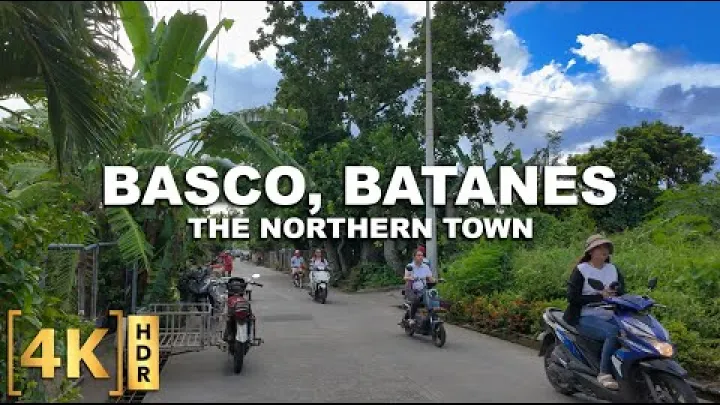
Accommodation in Batanes is commonly in small inns, guesthouses, lodges, or homestays rather than large international resorts. Expect personal service and simple comfort more than luxury infrastructure. Book early during high-demand periods, especially if you have fixed flight dates or need specific room types.
Sabtang for a Quiet Overnight Stay
Sabtang can be a rewarding overnight base for travelers who want a quieter experience beyond a day tour. Staying overnight may give more time to appreciate village life, coastal roads, and heritage areas at a slower pace. It can also reduce the feeling of rushing through photo stops.
The trade-off is convenience. Lodging may be simpler, food choices fewer, and evening activity limited. Your plans also depend on boat operations between Batan and Sabtang, so confirm the status of crossings before leaving Batan Island and again before your planned return. Pack light for the crossing and keep essential items with you.
Itbayat for Remote and Flexible Travel
Itbayat is better understood as an expedition-style base than a full-service tourist hub. Travelers who stay there should expect simple arrangements and a need for advance coordination. Food, lodging, and transport options may be limited compared with Basco.
Choose Itbayat only if you have enough time, clear local arrangements, and a flexible attitude toward changes. It is not a necessary part of a first Batanes travel guide, but it can be the right choice for experienced travelers who want a more remote island experience and can handle practical uncertainty.
Getting to Batanes and Moving Around
Transport planning in Batanes has two layers: getting to Basco by air and moving between or around islands once you arrive. Because weather can affect both, leave room in your plan for adjustments.
Flights to Basco and Buffer Days
Most visitors arrive through Basco Airport by domestic flight. Compared with major Philippine routes, capacity can be more limited, so early booking is often sensible if your travel dates are fixed. Flight availability, schedules, and fares can change, so check current airline information directly when planning.
Build in buffer time before important onward connections, international flights, weddings, work commitments, or non-refundable bookings. This is not meant to discourage travel; it is simply practical for a remote island province where weather can influence operations. Travel insurance that covers relevant delays and rebooking costs may be useful, but read the policy carefully before relying on it.
Boats to Sabtang and Itbayat
Inter-island travel depends heavily on sea conditions and local safety decisions. Sabtang is the more common crossing for visitors, while Itbayat is usually more demanding and requires more flexibility. Exact departure times, operating days, and passenger procedures can change, so confirm locally shortly before travel.

Respect cancellations or suspensions. Rough seas are not a minor issue, and local crews are better placed to judge whether a crossing should operate. If you are prone to seasickness, bring appropriate motion-sickness supplies, eat lightly before departure if that helps you, and pack essentials in a secure day bag. Avoid carrying bulky luggage unless necessary.
Tricycles, Vans, Motorbikes, and Bicycles
On Batan Island and Sabtang Island, visitors commonly use tricycles, vans, rented motorbikes, or bicycles depending on comfort, budget, group size, and experience. Tricycles work well for short trips and simple touring. Vans are more comfortable for groups, families, or travelers who prefer protection from sun, wind, and rain. Motorbikes offer flexibility but are best for experienced riders. Bicycles suit slow exploration, but hills and wind can make rides more demanding than they look on a map.
| Transport mode | Best for | Important caution |
|---|---|---|
| Tricycle | Short rides and local touring | Confirm route, waiting time, and price first |
| Van | Groups, families, and comfort | May need advance arrangement |
| Motorbike | Experienced riders who want flexibility | Check rental rules, helmet use, and road conditions |
| Bicycle | Slow travel and short scenic rides | Wind, hills, and weather can be challenging |
If you self-drive or rent a bike, ask about local rules, insurance, fuel, road conditions, and what to do in case of breakdown. Use safety gear and avoid riding in conditions beyond your skill level.
Guided Tours and Independent Exploration
Guided tours can be very helpful in Batanes, especially on a first visit. A local guide or driver can explain the logic of northern Batan, southern Batan, and Sabtang routes, help adjust the day around weather, and provide context for Ivatan communities, architecture, agriculture, and local customs. This can make the trip smoother than trying to coordinate every stop independently.
Independent exploration also has value. Basco town center, nearby eating places, seafront walks, and quiet roads can be enjoyed at a slower pace when conditions are good. A balanced plan often works best: use structured tours for orientation and harder-to-coordinate routes, then keep free time for walking, resting, photography, and unplanned local moments.
Things to See and Do in Batanes
The main attractions in Batanes are not single checklist sites only. The experience comes from landscapes, heritage villages, everyday life, and the way weather and light change the islands throughout the day.
Scenic Viewpoints, Hills, and Coast Roads
Batanes landscapes are a major reason to visit. Expect rolling hills, cliffs, coast roads, sea views, grazing areas, and wide skies. The scenery can look different within the same day as clouds, sunlight, wind, and rain move across the islands. This makes Batanes especially appealing for photography and slow scenic touring.
Safety matters at viewpoints and along coast roads. Stay back from cliff edges, avoid slippery ground, and do not approach rough seas for photographs. If a guide, driver, sign, or local resident advises against entering an area, follow that advice. The best view is never worth risking injury.
Ivatan Stone Houses and Heritage Villages
Ivatan stone houses and traditional village layouts are central to the cultural identity of Batanes. Their thick walls, compact forms, and practical design are often discussed as responses to wind, rain, and island conditions. Seeing these houses can help visitors understand how architecture, environment, and daily life are connected.
Heritage villages on Batan and Sabtang should be treated as living communities, not outdoor photo studios. Ask before photographing people, avoid entering private property without permission, and keep noise low in residential areas. A guide or local host can add important context about architecture, farming, fishing, family life, and the history of Ivatan communities.
Outdoor Activities and Gentle Adventure
Walking, hiking, cycling, and slow outdoor exploration are natural ways to experience Batanes. The province is not only about stopping at viewpoints; it is also about feeling the wind, seeing changing coastlines, and moving through the landscape at a human pace. Choose routes based on your fitness, the weather, and local advice.
Bring sturdy footwear, water, sun protection, and a light layer for wind or rain. Avoid unofficial or risky paths, especially near cliffs or exposed coastlines. Conditions can change quickly, and a route that seems easy in calm weather may feel very different in strong wind or heavy rain.
Food, Markets, and Everyday Local Moments
Some of the most memorable parts of a Batanes trip can be simple: a quiet meal, a market visit, a walk through Basco, a view of fishing boats, or an early evening near the sea. Because Batanes is remote, supply chains are more limited than in major Philippine cities. Imported goods, specialty items, and some menu choices may not always be available.
Approach food and daily life with flexibility. Try local eateries when available, but do not expect the variety of Manila, Cebu, or other large urban centers. Quiet evenings are part of the appeal. Respect community rhythms, avoid intrusive photography, and support local services where possible.
Costs, Money, Connectivity, and Packing
Batanes trip costs vary widely by season, flight price, accommodation type, tour style, and how many islands you include. Instead of relying on fixed figures that may change, it is more useful to understand the main cost drivers and prepare for limited payment and supply options.
Main Budget Categories
The main budget categories are flights, accommodation, guided tours or vehicle hire, inter-island transport, food, and incidental local fees. Flights are often one of the largest cost drivers because Batanes is remote and capacity can be more limited than on larger routes. Accommodation is often simple rather than resort-style, but prices can still rise when demand is high or availability is limited.
Batanes is not necessarily a luxury-priced destination in every category, but some items may cost more than in easier-to-supply provincial areas. Early planning, flexible dates, and realistic expectations help control costs. If you are traveling as a group, sharing transport can sometimes make touring more efficient, but confirm arrangements clearly before the day begins.
Cash, Cards, and Internet Expectations
Bring enough Philippine pesos for daily expenses. Cash is the safest payment fallback in Batanes, especially for small eateries, tricycle rides, local fees, tips, and simple lodging or tour arrangements. Card acceptance may be limited, and ATM reliability should not be your only plan.
Before traveling, notify your bank if needed, carry more than one payment method, and avoid keeping all cash in one place. Download booking confirmations, identification copies, maps, and important contact details in advance. Mobile data and Wi-Fi can be variable, especially outside Basco or during poor weather, so remote workers should not rely on Batanes for urgent online tasks unless they have confirmed suitable connectivity.
What to Pack for Wind, Rain, and Remote Supplies
Pack for warm days, cool wind, rain, and limited resupply. Useful items include a light windbreaker or rain jacket, breathable layers, sun protection, sturdy walking shoes, motion-sickness supplies, personal medicines, and basic first-aid items. If you use prescription medication, bring enough for the trip plus a small buffer in case of delays.
Special toiletries, preferred snacks, camera supplies, and technical accessories may be harder to replace locally. Pack light enough for inter-island movement but carefully enough that you are not dependent on finding specific items after arrival. A small dry bag or waterproof pouch can help protect documents, electronics, and medicine during boat crossings or sudden rain.
Safety, Etiquette, and Responsible Travel
Batanes is often experienced as calm and welcoming, but responsible travel still requires attention. The most important safety issues for many visitors are environmental conditions, respectful behavior in communities, and contingency planning.
Environmental Safety and Weather Awareness
Rough seas, strong winds, slippery paths, sudden rain, and cliff edges should be taken seriously. Follow local guidance, posted signs, weather updates, and decisions about boat suspensions. If a driver or guide recommends changing the plan, it is usually because conditions are not ideal.
Do not force an itinerary just because you have limited time. In Batanes, changing plans for safety is normal. Keep your most important activities early enough in the trip that you have a second chance if weather changes.
Respecting Ivatan Communities
Many places that visitors admire are also homes, farms, churches, roads, and working community spaces. Use polite greetings, dress and behave modestly in villages and churches, and ask before photographing people. Do not enter yards, houses, or agricultural areas unless invited.
Support local services fairly, avoid littering, reduce unnecessary plastic waste, and keep noise low, especially in smaller settlements. Respect is not complicated: move slowly, ask permission, listen to local advice, and remember that daily life continues around the visitor experience.
Health, Insurance, and Contingency Planning
Carry essential medicines, basic first-aid supplies, and any personal health items you cannot easily replace. If you have a medical condition, ask a health professional before travel and prepare for the realities of a remote island province. Keep emergency contacts and accommodation details available offline.
Travel insurance can be useful for medical needs, weather-related delays, and rebooking costs when the policy covers those situations. Read the terms carefully, especially exclusions for weather, transport disruption, and pre-existing conditions. Keeping at least one flexible day before major onward travel can reduce stress if flights or boats are delayed.
Frequently Asked Questions
How many days do you need in Batanes?
Plan at least three to four days for Batan Island and Basco. Choose four to five days if you want to add Sabtang, and six days or longer if you are considering Itbayat with enough buffer time.
What is the best time to visit Batanes?
The best time is usually when weather and sea conditions are more favorable for outdoor touring and boat crossings. Because conditions can change, check current forecasts and local advisories close to your travel dates.
Is Batanes suitable for first-time visitors to the Philippines?
Yes, but it is better for first-time visitors who are comfortable with quiet places, simple services, and flexible plans. If you want very easy transport, large resorts, and constant nightlife, other Philippine destinations may be easier for a first trip.
Can you visit Sabtang as a day trip from Batan Island?
Yes, many travelers visit Sabtang as a day trip when sea conditions allow. Confirm boat schedules locally and avoid planning the crossing on a day when you cannot tolerate delays.
Do you need to bring cash to Batanes?
Yes. Bring enough Philippine pesos for daily expenses because card acceptance and ATM reliability may be more limited than in large cities. Keep cash secure and carry more than one payment option if possible.
Final Planning Tips for Batanes
A good Batanes trip is built around flexibility. Base yourself in Basco if it is your first visit, plan three to four days for Batan Island, add Sabtang if you have extra time, and consider Itbayat only if you can handle remote logistics. Book flights and accommodation early when your dates are fixed, but avoid packing the itinerary so tightly that one weather delay creates stress.
Bring cash, pack for wind and rain, respect Ivatan communities, and treat local safety decisions seriously. Batanes is most rewarding when you slow down, leave space for changing weather, and see the islands as living communities rather than only scenic stops. With realistic planning, it can be one of the most memorable travel experiences in the northern Philippines.
Select area
Create a post
Posting is free and no registration is required.