Batanes Getting There: Flights, Boats and Routes

Batanes getting there is not as simple as booking a bus or choosing between many daily ferries. Most visitors reach the province by flying into Basco Airport on Batan Island, then arrange local transport and inter-island boats after arrival. This guide explains the practical routes from Manila, Clark, and Tuguegarao City, what not to rely on, and how to plan around weather, limited seats, and island connections. It is written for travelers who want clear decisions before booking flights, lodging, and tours.
Start Here: What Makes Reaching Batanes Different
Batanes is part of Cagayan Valley, but its transport reality is very different from mainland destinations such as Tuguegarao City or other parts of Northern Luzon. The province is remote, the routes are limited, and both flights and boats can be affected by weather. Good planning matters more here than in many larger Philippine destinations.
Basco is the main gateway to the province
For most travelers, the practical gateway to Batanes is Basco, the provincial capital on Batan Island. Basco is the usual first stop for visitors because it is where the main airport, accommodations, tour operators, and many local services are concentrated. The Department of Tourism Region 2 describes Batanes as a province with Basco as its capital and center of provincial activity, alongside municipalities such as Ivana, Mahatao, and Uyugan on Batan Island DOT Region 2.

Basco Airport is the key arrival point for Batanes. When travelers ask how to get to Batanes, the most useful answer is usually: choose a gateway airport, fly to Basco, then arrange your island transport from there. Available routes can change, so confirm live schedules directly with airlines or operators before paying for hotels, tours, or inter-island plans.
Limited seats and weather make planning less flexible
For comparison, destinations such as Boracay usually offer more route choices. Batanes has fewer transport choices than major island destinations such as Cebu or Palawan. Flight seats can be limited, aircraft may be smaller, and route frequency can vary. That does not mean the trip is unsafe or unrealistic; it simply means that a tight itinerary can become stressful if one connection changes.
Weather is a central planning factor. Wind, rain, storms, and sea conditions can affect aircraft operations and local boats. Because public, current, and consolidated transport information can be limited, treat schedules as changeable. Book early, check again close to departure, and avoid placing important onward flights immediately after your planned exit from Batanes.
Quick Route Comparison for Travelers
The best Batanes route depends on where you start, how flexible you are, and how easy you want booking to be. For most first-time visitors, the simplest plan is to fly from Manila or Clark to Basco when flights are available. For travelers already in Northern Luzon, Tuguegarao City can sometimes be a practical regional gateway.
Best route for most visitors: fly from Manila or Clark
Manila and Clark are the most practical mainstream gateways for many travelers. Manila is convenient for people arriving through Ninoy Aquino International Airport, while Clark International Airport can be useful for travelers coming from Central Luzon, Northern Luzon, or selected international routes into Clark.
Do not choose only by the lowest fare. Compare the arrival airport, connection time, baggage rules, refund conditions, and the risk of needing to rebook. A route that looks cheaper can become more difficult if the connection is too tight or if the return date leaves no room for delay.
| Gateway | Best for | Booking difficulty | Main caution |
|---|---|---|---|
| Manila | International arrivals and first-time visitors | Usually the simplest to search online | Allow enough time between flights |
| Clark | Central Luzon, Northern Luzon, and some international arrivals | Depends on current airline operations | Check route status close to travel |
| Tuguegarao | Travelers already in Cagayan Valley or Northern Luzon | May require direct operator contact | Limited seats and less standard online booking |
Best route from Northern Luzon: connect through Tuguegarao when available
Tuguegarao City can be useful if you are already in Cagayan Valley or traveling through Northern Luzon. In some cases, connecting through Tuguegarao avoids backtracking to Manila. This route can be attractive for local travelers, residents, or flexible visitors who can contact regional operators directly.
The main trade-off is booking certainty. Regional services may not always have the same online search visibility, payment flow, or frequency as major airline routes. Contact the operator, confirm the exact departure airport, baggage rules, passenger requirements, and return options before building your itinerary around this route.
What not to plan: a public ferry from Luzon to Basco
Do not build a Batanes itinerary around a regular public tourist ferry from mainland Luzon to Basco unless a current official port or operator notice confirms a service. Current practical planning should assume that ordinary visitors fly into Batanes.
This is separate from local inter-island boats within Batanes. Boats from Batan Island to Sabtang Island, and boats serving Itbayat Island when conditions allow, are part of local travel after you have already reached the province. A mainland boat route and a local inter-island crossing are not the same planning problem.
Flying to Basco from Major Gateways
Flights are the central part of most Batanes transport plans. The exact airline, schedule, and booking rules can change, so treat operator pages and direct confirmation as more important than old blog posts, screenshots, or social media comments.
Manila to Basco
Manila is the classic entry point for many travelers going to Batanes. If you arrive in the Philippines through Ninoy Aquino International Airport, a Manila to Basco flight can be the most straightforward route. It reduces the need for long land transfers before your Batanes flight.
Check the airline’s own booking page before booking non-refundable hotels or tours. Philippine Airlines maintains operator pages involving Basco, and travelers can use these to check available dates, fares, and route options directly with the airline Philippine Airlines. Avoid relying on an exact daily frequency unless you have checked the live booking system for your travel dates.
If you are arriving from abroad, build in enough connection time. A delayed international arrival can cause you to miss the Basco flight, and replacement seats may not be easy to secure at short notice. If possible, spend a night in Manila before flying to Basco, especially when your international arrival is late or your onward flight leaves early.
Clark to Basco
Clark International Airport can be a strong alternative for travelers based in Central Luzon or Northern Luzon. It may also be useful for international travelers who find a good flight into Clark and want to avoid crossing Metro Manila before the Batanes segment.

The advantage of Clark is geography. For some travelers, it reduces backtracking and road time. The caution is that thinner routes can be more sensitive to schedule changes, seasonal adjustments, or temporary suspension. Philippine Airlines has provided a Clark to Basco booking page, which is a useful place to check live availability rather than assuming that past schedules still apply Philippine Airlines.
If choosing Clark, also check your ground transport to the airport. Travelers coming from Manila should account for road travel time, traffic, and the need to arrive early for check-in. A Clark route is helpful only if the whole door-to-door journey remains practical.
Tuguegarao and other regional routes to Basco
Tuguegarao City is the strongest regional gateway supported by available operator information. Northsky Air describes regular and chartered flights from Tuguegarao City to Basco, Batanes, as well as other Northern Luzon points Northsky Air. This makes Tuguegarao worth checking if you are already in Cagayan Valley or if your itinerary includes mainland Northern Luzon.
Regional routes can suit travelers who are comfortable arranging details directly. They may also suit residents, returning visitors, business travelers, or small groups with flexible timing. For a first-time international tourist with fixed hotel nights and an international return flight, Manila or Clark may still be easier to manage.
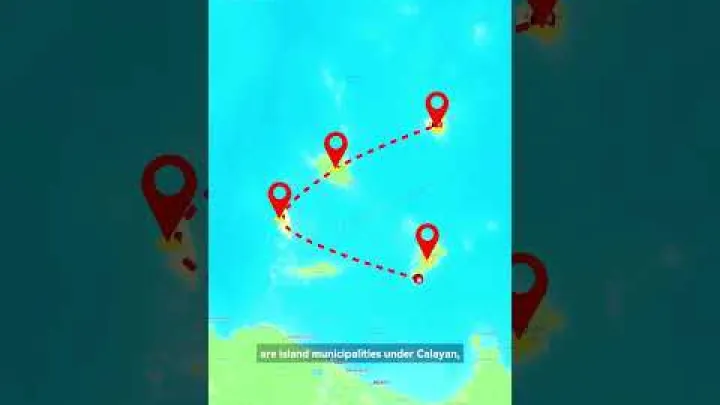
You may see references to other Northern Luzon points or operators, including places such as Laoag, Calayan, or smaller air services. Treat these as possibilities to confirm, not as guaranteed route options. Ask operators for the exact departure point, passenger minimums, baggage rules, payment method, cancellation policy, and return arrangement.
Booking channels, baggage limits, fares, and reliability
Mainstream flights may be searchable through airline websites and major booking platforms. Smaller operators may use direct contact, local offices, phone numbers, email, or social media updates. Before paying, make sure you are communicating with the official operator or a trusted local agent.
Baggage deserves special attention. Small aircraft can have stricter weight and size limits than larger domestic jets. Do not assume that your standard domestic baggage allowance applies to every Batanes route. If you plan to carry camera gear, diving or outdoor equipment, or large luggage, confirm the rules before purchase.
- Confirm the exact route, including airport codes or airport names.
- Check the date, departure time, and required check-in time.
- Confirm the terminal or airport location, especially for Manila, Clark, and Tuguegarao.
- Ask about baggage weight, cabin baggage, and excess baggage rules.
- Read refund, rebooking, and cancellation rules before payment.
- Save a working contact number for the airline, operator, lodging, and tour provider.
Flexible accommodation policies and travel insurance are useful for Batanes. They cannot prevent weather or operational changes, but they can reduce the cost and stress of rebooking.
Arrival at Basco Airport and First Transfer
After landing at Basco Airport, the next step is usually simple but should still be arranged in advance. Basco town is close to the airport, but arriving without a pickup can be inconvenient if you are carrying luggage, arriving in bad weather, or staying outside the central area.
Arrival procedures and accredited local arrangements
Many visitors arrive with prearranged accommodation pickup, a tour operator, or local transport support. This is often the smoothest approach because local providers understand arrival timing, airport procedures, and the first steps after landing.
Local tourism rules and arrival requirements can change. Before flying, ask your accommodation, tour operator, or the local tourism office what visitors currently need to prepare. You may need to follow local registration, environmental, guide, or operator requirements depending on current rules. Keep your booking confirmations and contact numbers easy to access.
Getting from the airport into Basco town
For the short transfer from Basco Airport into Basco town, the practical options are usually accommodation pickups, tricycles, or vans arranged through local contacts. Basco is compact, but walking with luggage is not always comfortable because of weather, road conditions, or the location of your lodging.
If your accommodation offers pickup, use it. If you are on a tour package, confirm whether airport transfer is included. If you are traveling independently, ask your lodging how to arrange a tricycle or van before arrival rather than assuming that taxis or ride-hailing cars will be available like in major cities.
Inter-Island Access After You Reach Batanes
Reaching Basco is only the first part of a fuller Batanes trip. Many travelers also visit Sabtang Island, and some plan the more demanding trip to Itbayat Island. These trips depend heavily on local boat operations, weather, and return timing.
Ivana Port to Sabtang by local boat
Sabtang Island is commonly reached from Batan Island through Ivana Port. Travelers usually go by local boat when sea conditions permit. This is one of the most common side trips for visitors because Sabtang is closer and more frequently included in standard Batanes itineraries than Itbayat.

Do not assume fixed hourly departures. Local boats often leave early, and return timing can depend on sea conditions, passenger demand, and local operations. Many visitors arrange the Sabtang trip through an accommodation or tour operator so that transport from Basco to Ivana Port, the boat crossing, local transport on Sabtang, and the return trip are coordinated.
If Sabtang is important to your trip, schedule it before your final full day when possible. This gives you another chance if the sea is not suitable on your first planned date.
Basco to Itbayat by boat
Itbayat Island requires more planning than Sabtang. The crossing is longer, more weather-sensitive, and less suitable for a rushed itinerary. Travelers should be physically ready for boarding and disembarking conditions that may be less simple than a standard pier-to-pier ferry experience.
Arrange Itbayat through reliable local contacts. Confirm the boat schedule, expected travel time, lodging, local transport, and return plan. If you are prone to seasickness, consider this before committing. If mobility is a concern, discuss the boarding process with a local operator or accommodation in advance.
Do not plan a same-day return to Basco followed by an important flight or international connection. Itbayat is better for travelers with extra days and flexibility.
Flying between Basco and Itbayat when available
Small aircraft can sometimes be an alternative to the Itbayat boat crossing when services are operating. This can reduce travel time, but it does not remove the need for careful planning. Small aircraft may have very limited seats and strict baggage rules.
Confirm directly with the operator before committing. Ask whether the service is scheduled, chartered, or dependent on a minimum number of passengers. Also confirm the return flight, baggage allowance, payment terms, and what happens if weather prevents flying. Flying may be faster, but it is not disruption-proof.
Local Transport Around Batan, Sabtang, and Itbayat
Local transport in Batanes is part of the getting-there plan because island connections and sightseeing routes are closely connected. The more remote the island, the more important prearrangement becomes.
Tricycles and short local rides on Batan Island
Tricycles are practical for short rides around Basco and nearby points on Batan Island. They may be used for point-to-point trips or arranged as part of local touring, depending on the driver, route, and agreement.
Do not expect transport to work like a major city with constant taxis or app-based cars. Ask your accommodation how to contact a tricycle driver, dispatcher, or local transport provider. Agree on the route, waiting time, and price before starting if the trip is more than a simple short ride.
Jeepneys, motorcycles, bicycles, and vans
Different local transport options suit different travelers. Budget travelers may ask about jeepneys or shared transport, but services can be limited and may not match tourist schedules. Motorcycles and bicycles provide independence, but they require caution, fitness, and good weather judgment. Vans are more comfortable for groups and are commonly used in arranged tours.
| Option | Best for | Main caution |
|---|---|---|
| Tricycle | Short rides and local touring | Arrange in advance when possible |
| Jeepney | Budget local travel | Limited routes and timing |
| Motorcycle | Independent travelers with proper license | Wind, road conditions, and safety |
| Bicycle | Fit travelers with time | Hills, wind, rain, and exposure |
| Van | Groups, families, and tours | Higher cost but easier coordination |
If renting or riding a motorcycle, carry the proper license and protective gear, and avoid riding in poor visibility or strong wind. If cycling, consider the terrain and distance carefully. Batanes landscapes are beautiful, but open roads can be exposed to sun, rain, and wind.
Why prearranged transport matters on Sabtang and Itbayat
Sabtang and Itbayat have narrower transport options than Batan Island. On Sabtang, many visitors use arranged local vehicles after arriving by boat. This helps coordinate sightseeing stops with the boat schedule back to Ivana Port.
Itbayat requires even more advance planning. Lodging, local vehicles, guides, and return transport should be arranged before crossing. Improvising can be difficult if a boat is delayed, a flight changes, or local vehicles are already committed.
Prearranged transport does not mean every traveler must buy a large package. It means you should know who will meet you, how you will move around, and how you will return before leaving Batan Island.
Timing, Safety, and Backup Planning
Batanes rewards careful travelers. Timing, flexibility, and contingency planning are not minor details here; they are part of a realistic transport plan.
Choosing travel dates around seasons and typhoon risk
Batanes travel is weather-sensitive. Flights can be affected by wind, storms, visibility, and operational conditions. Inter-island boats can be affected by waves and sea warnings. Even when the sky looks clear in Basco, sea conditions may still affect a crossing to Sabtang or Itbayat.
No month can guarantee calm seas or clear skies. Some periods may be more popular because conditions are often more favorable, but travelers should still check official weather updates and listen to local operator guidance before and during the trip. If a boat captain, airline, or local authority says conditions are not suitable, treat that as part of safe travel rather than an inconvenience to override.
Building buffer days, insurance, and rebooking plans
Build buffer days into your plan, especially before international flights, major events, cruises, exams, work commitments, or prepaid travel outside Batanes. A sensible rule is to avoid scheduling an important international departure immediately after your planned Batanes exit.
Flexible hotels, refundable tickets, and travel insurance are especially useful for remote destinations. They give you more room to respond if a flight is moved or a boat does not operate. Keep airline, accommodation, tour operator, and local emergency contacts saved offline as well as online.
For broader travel awareness in the Philippines, official government advisories can help travelers think about general safety and contingency planning. The U.S. Department of State publishes country-level travel advisory information, but travelers should combine broad advisories with local Batanes transport and weather updates.
Practical traps to avoid
The biggest Batanes travel mistakes usually come from assuming that transport works like it does in larger destinations. Avoid these common planning traps:
- Do not rely on an unverified public ferry from mainland Luzon to Basco.
- Do not assume that taxis, ride-hailing cars, or frequent public transport will be available at all times.
- Do not book a tight international connection immediately after your planned flight out of Basco.
- Do not assume boats to Sabtang or Itbayat operate on fixed tourist-friendly hours every day.
- Do not book Itbayat as a rushed side trip without confirming the return plan.
- Do not pack to the limit without checking baggage rules, especially on small aircraft.
These are planning issues, not reasons to avoid Batanes. With early booking, direct confirmation, and flexible timing, the journey is manageable and rewarding.
Frequently Asked Questions
What airport do you fly into for Batanes?
Most travelers fly into Basco Airport on Batan Island. Basco is the main gateway and the usual starting point for trips around Batanes.
Is there a public ferry from Luzon to Batanes?
Do not rely on a regular public tourist ferry from mainland Luzon to Basco unless a current official port or operator notice confirms it. For ordinary visitors, flying to Basco is the practical plan.
What is the best route to Batanes from Manila?
The best route from Manila is usually a direct flight from Ninoy Aquino International Airport to Basco when available. Check the airline’s live schedule before booking hotels, tours, or onward flights.
Can you reach Batanes from Tuguegarao?
Yes, Tuguegarao City can be a regional gateway when flights are operating. Contact the operator directly to confirm schedule, seats, baggage rules, payment, and return arrangements.
How many buffer days should you allow for Batanes travel?
Allow at least one buffer day before important onward commitments, and more if you are visiting Itbayat or traveling during weather-sensitive periods. Avoid placing an international departure immediately after your planned exit from Basco.
How do you get from Batan Island to Sabtang or Itbayat?
Sabtang is commonly reached by local boat from Ivana Port when sea conditions permit. Itbayat is usually reached by a longer boat crossing or, when available, a small aircraft service, both of which require direct local confirmation.
Conclusion: The Practical Way to Get to Batanes
The practical way to get to Batanes is to fly into Basco Airport, usually from Manila or Clark, or through Tuguegarao City when a regional service fits your itinerary. Do not plan around an unverified mainland ferry, and do not treat inter-island boats as fixed city-style transport.
Book early, confirm directly with operators, keep baggage light, and build buffer days into your schedule. Once you reach Basco, arrange local transfers and island connections through trusted accommodations, operators, or local contacts. Batanes is not difficult because it is confusing; it is difficult when travelers leave no room for weather, limited seats, and island timing. Plan with flexibility, and the journey becomes much easier to manage.
Select area
Create a post
Posting is free and no registration is required.