Batanes Budget: Trip Costs, Tours, Fees & Money-Saving Tips

A realistic Batanes budget starts with one important truth: the islands are not the cheapest destination in the Philippines, but the trip can be planned carefully. Basco flights, limited rooms, arranged tours, inter-island transport, and visitor fees all shape the final cost. This guide breaks down daily expenses, sample trip budgets, Basco accommodation, food, local transport, North Batan, South Batan, Sabtang Island, and Itbayat Island costs. Use the ranges as planning estimates, then confirm current prices with your airline, accommodation, tour operator, and local tourism contacts before paying deposits.
Quick Answer: How Much Budget Do You Need for Batanes?
For most travelers, the on-island budget is easier to estimate than the total trip cost. Flights to Basco can change quickly, while lodging, meals, tours, and local fees can be estimated with wider but useful ranges.
Daily budget ranges by travel style
Excluding flights, a practical Batanes budget is around PHP 2,000 to PHP 3,200 per person per day for a careful budget traveler, PHP 3,600 to PHP 6,000 for a mid-range traveler, and PHP 5,900 to PHP 9,000 or more for a comfortable trip. These are planning ranges, not guaranteed current prices. Your actual spending depends on travel dates, room type, group size, tour inclusions, meals, and whether you add Sabtang or Itbayat.

Solo travelers often pay more per person because tricycles, guides, vans, port transfers, and some island transport are harder to share. Couples and small groups usually get better value when they split fixed costs.
| Travel style | Estimated daily budget excluding flights | Typical cost profile |
|---|---|---|
| Budget | PHP 2,000 to PHP 3,200 | Budget room or shared room, simple meals, shared or basic tours, limited extras |
| Mid-range | PHP 3,600 to PHP 6,000 | Private room, mixed canteen and restaurant meals, standard North Batan, South Batan, and Sabtang touring |
| Comfortable | PHP 5,900 to PHP 9,000 or more | Better lodging, more private transport, packaged tours, cafes, specialty meals, stronger buffer |
Total trip budget with and without Basco flights
Flights to Basco are often the largest variable in a Batanes trip budget. Calculate airfare separately because prices can change by route, date, baggage allowance, booking timing, and airline availability. A trip can look affordable when you add only lodging and food, then become much more expensive once round-trip Basco flights are included.
A simple formula is: round-trip flight cost plus nights of lodging plus daily food plus tours and transfers plus mandatory fees plus contingency cash. For example, a five-day trip may need four nights of accommodation, four or five days of meals, at least two or three sightseeing days, visitor-related fees, local rides, and a weather or schedule buffer. Compare several departure dates before confirming non-refundable rooms or tours.
The fastest way to estimate your own cost
Start with the number of nights, not only the number of calendar days. Then list costs as either per-person or shared. Per-person costs include flights, meals, visitor fees, some boat fares, and personal spending. Shared costs may include tricycle tours, van transfers, some guide fees, and whole-room accommodation if two or more travelers share.
Before booking a package or tour, check whether breakfast, lunches during tours, airport transfers, boat transfers, port fees, municipal fees, registration fees, and guide fees are included. The cheapest realistic budget usually comes from controlling flexible costs such as room level, date choice, meals, and group sharing. It should not come from skipping required fees or ignoring current local rules.
Why Batanes Is More Expensive Than Many Philippine Trips
Batanes is remote, small, and weather-sensitive. Those features make the destination special, but they also create a higher baseline cost than many larger Philippine destinations with more flights, rooms, restaurants, and transport competition.
Remote supply chains and limited rooms
Basco is the main commercial base for most visitors, with the airport, many accommodations, more restaurants, banks, and tour operators. Outside Basco, choices are usually fewer, and services can be simpler or more dependent on advance coordination.
Batanes is not luxury-only. Budget inns, hometels, canteens, and group tours can keep costs under control. However, it is less forgiving for spontaneous low-budget travel than places with larger hotel inventories and frequent public transport. Food, fuel, maintenance, and supplies can also be affected by the islands' remote location and weather-sensitive supply lines.
Season, weekends, and holiday demand
Flights and rooms can become more expensive during holidays, long weekends, school breaks, and other high-demand periods. Limited inventory means a small increase in demand can create a large difference in available prices. Accommodation platforms can also show strong month-to-month variation, so treat any listed average as a signal rather than a promise.
Flexible dates are one of the strongest ways to reduce the total Batanes trip cost. Compare weekday and weekend departures, check several months if your schedule allows, and avoid assuming that the cheapest period is always the easiest travel window. Weather and sea conditions can affect transport reliability, so low prices should be balanced with schedule risk.
Tour rules and fixed local costs
Many standard Batanes sightseeing circuits are arranged through local operators, accredited guides, or organized transport. North Batan, South Batan, Sabtang, and Itbayat can involve guide services, tricycles or vans, boats, transfers, visitor fees, and other fixed costs. These costs create a minimum activity budget, especially for first-time visitors who want to see major sites such as Rakuh a Payaman, Vayang Rolling Hills, and Naidi Hills responsibly.
Recent visitor information shared by The Pinoy Traveler reports a PHP 405 per passenger fee for registration and Visitor ID. Before arrival, confirm the current fee system, exemptions, payment process, and required proof with your accommodation, tour operator, or local tourism office.
Best Bases for Your Budget: Basco, Sabtang, and Itbayat
Choosing the right base affects both cost and planning risk. Basco is usually the simplest base, while Sabtang and Itbayat can add atmosphere and adventure but may increase transport complexity.
Basco for widest choice and lowest planning risk
Basco is the default base for most first-time Batanes travelers. It has the airport, the widest choice of rooms, more dining options, banking services, and many operators who can arrange North Batan, South Batan, Sabtang, and sometimes Itbayat services. Staying near town can reduce small transport costs for meals, shops, and basic errands.
Basco also gives you more flexibility if weather affects your plans. If a Sabtang or Itbayat schedule changes, being in Basco makes it easier to adjust tours, meals, lodging, or onward arrangements. It is not always the cheapest on every date, but it usually offers the lowest planning risk.
Sabtang for day trips, boutique stays, or group homestays
Many travelers visit Sabtang Island as a day trip to control costs. A typical Sabtang cost plan includes transport from Basco to Ivana Port, the faluwa boat, local island transport, meals, and municipal or environmental fees when applicable. Tours may use tricycles or vans depending on group size and current local arrangements.
Staying overnight on Sabtang can be worthwhile if you want a slower experience, but it is not automatically cheaper. Boutique-style stays may be costly for solo travelers or couples, while group homestays can reduce per-person costs when available. If budget is the priority, compare the total cost of an overnight stay against a day trip before deciding.
Itbayat for simple lodging but higher logistics costs
Itbayat Island can have simple lodging, but the total side-trip cost can rise because access and on-island logistics are more complex. Budget for boat or flight access when available, transfers around Basco Port and Chinapoliran Port, guide arrangements, tricycles, meals, and extra time in case schedules change.
Itbayat fixed costs are easier to manage with a small group because transfers and guide-related expenses can be shared. Solo travelers should be especially cautious when estimating this extension. Simple lodging does not automatically make the whole itinerary cheap if transport, time, and contingency costs are high.
Batanes Cost Breakdown
The largest on-island costs are accommodation, tours, and transport. Food can be controlled with simple meals, while visitor fees and official local charges should be treated as required parts of the budget.
Accommodation price ranges
Basco is the best benchmark for accommodation because it has the widest room supply and most travelers stay there. Budget inns and hometels may fall around PHP 1,000 to PHP 1,800 per night in favorable periods. Mid-range lodges may sit around PHP 2,000 to PHP 3,500 per night. Comfortable or boutique stays can be around PHP 3,500 to PHP 5,000 or more per night, depending on the property and date.
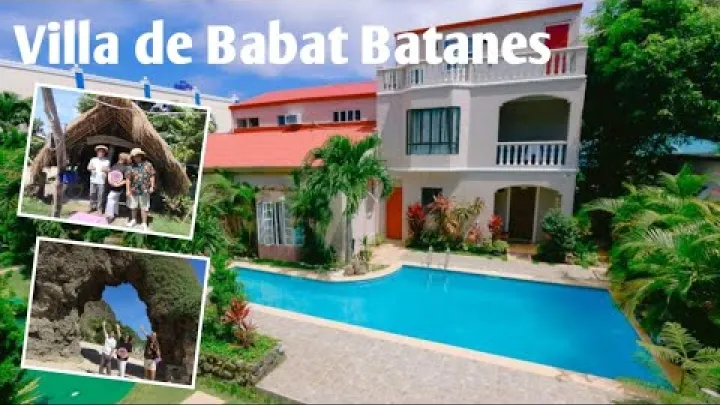
Hotel aggregators show that Basco rates can vary sharply by month and availability. KAYAK lists Basco hotel examples and seasonality signals, which can help you compare dates, but listed rates should be treated as examples rather than guaranteed walk-in prices. Always check inclusions such as breakfast, airport pickup, tour coordination, cancellation terms, and whether the rate is per room or per person.
| Accommodation type | Planning range per night | Budget note |
|---|---|---|
| Budget inn or hometel | PHP 1,000 to PHP 1,800 | Best for simple stays and travelers who will be out on tours most of the day |
| Mid-range lodge | PHP 2,000 to PHP 3,500 | Often better for couples who want private rooms and easier coordination |
| Comfortable or boutique stay | PHP 3,500 to PHP 5,000 or more | Higher comfort, better location, views, or package support may justify the cost |
Food and drink costs
Food spending in Batanes can be modest or high depending on where you eat. A simple daily food budget can be around PHP 350 to PHP 500 per person if you use carinderias, canteens, simple eateries, and included breakfasts. A mixed food budget is around PHP 600 to PHP 900 per person for a combination of simple meals, local restaurants, coffee, and occasional snacks. Comfortable dining can reach PHP 900 to PHP 1,500 or more per person per day if you add scenic cafes, specialty meals, desserts, and more restaurant meals.

Basco gives the most flexibility for food. You can find simple meals, hometel restaurants, cafes, and Ivatan specialty dishes. For local food context and examples of Ivatan cuisine, I am Aileen provides a useful overview of dishes travelers often look for. When budgeting, do not double-count meals that are already included in your accommodation or tour package.
Local transport and inter-island transport
Short tricycle rides around Basco are usually a smaller part of the total budget, but sightseeing transport is different. North Batan and South Batan circuits are commonly bundled into tricycle or van tours, and the cost per person depends heavily on group size. Bicycles or motorbikes may help with limited personal mobility, but they should not be treated as a way to bypass organized tour requirements where local rules apply.
For Sabtang, list each cost category before deciding whether to go. Include the ride from Basco to Ivana Port, faluwa boat fare, island tricycle or van tour, meals, and local fees. For Itbayat, separate boat or flight access, Basco Port or Chinapoliran Port transfers, on-island tricycle costs, guide costs, food, and extra lodging if schedules change. Fares and schedules can change with fuel prices, weather, sea conditions, and operator availability, so confirm them close to your travel dates.
Tours, entrance fees, and mandatory visitor costs
Tours are a major part of a Batanes travel budget. North Batan, South Batan, Sabtang, and Itbayat often involve arranged transport, local guides, or operator coordination. A package may include guide fees, lunches, transfers, boat fares, port fees, registration fees, environmental fees, and government fees, but another package with a similar headline price may exclude some of those items.
Klook describes a three-day Batanes tour structure covering Batan and Sabtang Islands, with transport by tricycle or van depending on group size through Klook. Use that kind of structure as a reminder to compare inclusions, not only the price. Keep receipts or digital proof of required payments, and treat official and community fees as part of responsible visitor management.
Sample Batanes Budgets by Trip Style
The sample budgets below exclude flights to Basco because airfare changes too quickly to estimate safely in a static guide. They are meant to show how costs stack up, not to guarantee a final quote.
Budget traveler staying in Basco
A budget traveler can keep costs near the lower range by using Basco as a base, booking a simple room, eating mostly simple meals, and joining shared or necessary tours instead of arranging private services for every movement. This approach works best in low-demand periods and when the traveler has flexible dates.
| Cost item | Planning amount per person | Notes |
|---|---|---|
| Accommodation | PHP 1,000 to PHP 1,800 per night | Lower if sharing a room |
| Food | PHP 350 to PHP 500 per day | Simple meals and included breakfast when available |
| Tours and local transport | Variable | Lower when shared, higher when solo |
| Fees and extras | At least current required fees plus buffer | Souvenirs and premium cafes excluded |
This sample excludes flights, premium dining, and major Itbayat extensions. A solo traveler should not copy the lowest shared-cost estimate unless a shared tour or room is already confirmed.
Mid-range couple or two-person trip
A couple or two-person trip often has better per-person value than solo travel. Two travelers can share a room, split some tricycle or transfer costs, and still use standard North Batan, South Batan, and Sabtang touring. This is the most practical range for many first-time visitors who want comfort without a premium package.
A mid-range couple might choose a PHP 2,000 to PHP 3,500 room, budget PHP 600 to PHP 900 per person per day for food, and compare tour options that include key transfers and lunches. Flights, optional cafes, souvenirs, and weather buffers should remain separate line items.
Group trip using shared tours and transfers
Groups often get the best per-person value in Batanes because van, tricycle, guide, and transfer costs can be shared. Larger groups can also compare whole-house homestays, family rooms, or family packages. However, flights, meals, visitor fees, and some boat fares remain per-person costs.
Groups should book earlier than solo travelers because Batanes has limited rooms and vehicles. A lower per-person cost is useful only if the service is appropriate, accredited where required, and not overcrowded. Confirm the exact group size used for the quote because the price may change if one person cancels.
Comfortable package-based trip
A comfortable package-based trip can be worthwhile for travelers who want predictable costs and less coordination. Packages may include accommodation, airport transfers, guide services, Batan Island tours, Sabtang tours, lunches, boat fares, and fees, but inclusions vary widely.
Package benchmarks from Batanes Travel and Tours show that budget, premium, honeymoon, and family packages can differ sharply by lodging standard and inclusions. Confirm current prices directly, then compare the total value rather than choosing only the lowest headline amount.
Cash, Payments, and Budget Safety
Money planning matters more in Batanes than in larger cities because payment options can be more limited. Carry enough Philippine pesos for daily spending, but manage cash safely.
How much cash to bring
There is no universal cash amount because trip length and travel style vary. A good method is to add your expected daily cash expenses, unpaid tours, local rides, meals, fees, and personal spending, then add an emergency reserve. The reserve should be enough for extra meals, another night of lodging, or schedule changes caused by weather or transport disruption.
Do not carry all cash loosely in one place. Split it between secure bags or pouches, keep small bills for tricycles and simple eateries, and avoid spending your full buffer before the final travel day.
ATMs, cards, GCash, and foreign currency
Banking and payment infrastructure in Batanes is more limited than in large Philippine cities. Basco is the main place to access banking services and cash withdrawals, so handle cash needs there before going to smaller islands or more remote areas.
Some establishments may accept cards or digital wallets such as GCash, but cash remains important for small eateries, tricycles, guides, homestays, and local fees. International travelers should arrive with Philippine pesos or withdraw in a larger city before flying to Basco because foreign exchange options may be limited.
Emergency buffer for weather and schedule changes
Batanes travel can be affected by weather, sea conditions, and flight or boat schedule changes. This does not mean you should avoid the trip, but it does mean your budget should not be too tight. Keep money available for extra meals, another night of lodging, adjusted transfers, or rebooking-related expenses.
Flexible accommodation terms, travel insurance when suitable, and a cash buffer can reduce stress. Check weather and transport status close to departure, especially before Sabtang or Itbayat travel days.
How to Save Money in Batanes Responsibly
The best savings in Batanes come from better timing, shared costs, smart inclusions, and realistic planning. Avoid savings tactics that create problems for local communities or violate current rules.
Book low-demand dates and compare accommodation early
Date flexibility can reduce both flights and accommodation costs. Compare several departure dates, weekdays, and months before committing. If you must travel during a holiday, long weekend, or school break, book earlier because small-room inventory can disappear quickly.
Check cancellation terms before paying. Batanes is a destination where weather and transport changes can affect plans, so a slightly higher flexible rate may be better value than a cheap non-refundable booking.
Share fixed tour and transport costs
Sharing fixed costs is one of the most effective legal ways to lower a Batanes trip budget. Travel with a partner, join a small-group tour, or ask your accommodation or operator whether shared transfers are available. This can reduce the per-person cost of tricycles, vans, guides, and some transfers.
Remember that not everything can be shared. Flights, meals, visitor fees, personal expenses, and some boat fares remain individual costs. Solo travel in Batanes can still be rewarding, but it often costs more per person even when lodging is simple.
Use meal inclusions and simple local eateries
Accommodation with breakfast can save money when the room rate is still competitive. Tour lunches may also be included on some sightseeing days, which means you can reduce the separate food budget for those days. Always check inclusions before buying extra meals in advance.
Carinderias, canteens, and simple local eateries can keep food costs lower than eating every meal in scenic cafes or full-service restaurants. Carry basic snacks and water when appropriate, but respect local waste rules and avoid leaving trash at viewpoints or ports.
Avoid false savings that break rules or create risk
Skipping required fees, using unaccredited services where accreditation is required, or ignoring local guidance is not responsible budget travel. Older extreme DIY advice may not match current Batanes rules, fee systems, or transport arrangements.
Before visiting, confirm tour requirements, visitor registration, inter-island schedules, and current fees. Sustainable budgeting means choosing better dates, sharing costs, checking inclusions, and paying the community and environmental contributions that apply to your trip.
Frequently Asked Questions
How much budget do I need for a Batanes trip excluding flights?
Plan around PHP 2,000 to PHP 3,200 per person per day for a careful budget trip, PHP 3,600 to PHP 6,000 for mid-range travel, and PHP 5,900 to PHP 9,000 or more for a comfortable trip. Add a separate buffer for fees, optional meals, souvenirs, and schedule changes.
Is Batanes expensive compared with other Philippine destinations?
Yes, Batanes is often more expensive than many Philippine beach or city destinations because it is remote, has limited rooms, fewer transport options, and many sightseeing costs are arranged through local tours or operators.
Can I travel around Batanes DIY to save money?
You can manage some personal spending yourself, such as meals and short rides around Basco, but many sightseeing circuits may require local coordination, accredited guides, or arranged transport. Confirm current rules before assuming that a fully DIY itinerary is allowed or cheaper.
How much cash should I bring to Batanes?
Bring enough Philippine pesos for unpaid lodging, meals, tricycles, guides, small local fees, and an emergency reserve. Build the amount from your daily budget and trip length, then add money for at least extra meals and possible schedule changes.
Is a Batanes tour package cheaper than booking everything separately?
Sometimes, especially for couples and groups who can share transfers and guides. Compare inclusions carefully because one package may include lunches, boat fares, fees, and transfers while another may exclude them.
Does visiting Sabtang or Itbayat increase the budget a lot?
Sabtang usually adds manageable costs for port transfers, boat fare, island transport, meals, and fees. Itbayat can increase the budget more because access, transfers, guide arrangements, limited services, and weather buffers make the side trip harder to estimate.
Final Takeaway: Planning a Realistic Batanes Budget
A realistic Batanes budget is built around Basco flights, accommodation, meals, tours, visitor fees, transport, and a sensible cash buffer. Budget travelers can reduce costs with simple rooms, local eateries, shared tours, and flexible dates, while mid-range and comfortable travelers may find packages useful for predictable planning. Basco is usually the safest budget base, Sabtang is best compared as a day trip versus overnight stay, and Itbayat needs extra time and contingency money. Confirm current prices before you travel, pay required local fees, and plan enough buffer so the trip remains enjoyable even if schedules change.
Select area
Create a post
Posting is free and no registration is required.