Yangon Budget: Daily Travel Costs, Hotels, Food, and Transport
A Yangon budget can be modest when you use local food, walk between nearby sights, and choose simple accommodation. However, hotel category, restaurant meals, major attractions, airport access, and optional tours can change the total quickly. This guide breaks down realistic planning ranges for a Yangon trip, from a low-cost city stay to a more comfortable visit. All US dollar figures are planning estimates, while many everyday purchases in Yangon are priced in Myanmar kyat.
Yangon Budget at a Glance
Your daily cost depends less on small bus fares than on your room choice and dining pattern. The ranges below cover typical in-city spending for one traveler and are intended as a practical starting point, not fixed prices or guaranteed citywide averages.
How Much to Budget per Day in Yangon
A useful Yangon travel budget starts with four categories: accommodation, food and drinks, local transport, and ordinary sightseeing. A budget traveler can aim for about US$25–40 per day by staying in a dormitory or simple room, eating mainly local food, and keeping paid activities selective. A mid-range traveler may plan about US$50–85 per day, usually with a private hotel room and a mix of local and restaurant meals. A comfortable travel budget of roughly US$90–150 per day gives more room for better hotels, restaurant dining, taxis, and paid experiences.

| Travel style | Daily planning range | Typical allocation |
|---|---|---|
| Budget | US$25–40 | Simple stay, local meals, low-cost transport, limited paid sights |
| Mid-range | US$50–85 | Private room, mixed dining, convenient local travel, key sights |
| Comfortable | US$90–150 | Better hotel, more restaurants, taxis, tours or extra activities |
As an illustrative split, a budget day might allocate US$7–15 to lodging, US$5–10 to food, US$1–5 to local transport, and up to about US$10 to activities. A mid-range day could put roughly US$20–45 into lodging, US$10–20 into food, US$3–10 into transport, and US$5–15 into activities. A comfortable day may allocate US$45–80 to lodging, US$20–35 to food, US$8–15 to transport, and US$10–25 to activities. These categories overlap and their upper ends should not all be added together; they are planning illustrations rather than separate market averages.
These bands can overlap. A traveler in a US$20 room who takes an organized tour and eats at restaurants may spend more than someone in a US$50 hotel who otherwise eats locally and walks. Hotel dates, exchange-rate movement, individual preferences, and the number of paid activities all matter.
What the Daily Yangon Budget Includes
Use the daily estimate for accommodation, meals, drinks, local movement within Yangon, and ordinary sightseeing. This makes it easier to compare travel styles without mixing recurring city costs with expenses paid only once.
- Included: hotel or hostel, breakfast if it is not included in the room, lunch, dinner, drinks, local buses or short local rides, and normal attraction entry.
- Usually excluded: international flights, visas, travel insurance, airport transfers, SIM costs, shopping, intercity buses or flights, and large private tours.
- Variable: a major attraction ticket, a guided food tour, alcohol, imported goods, or a day trip can raise one day above the usual range.
US dollars are useful for comparing travel styles, but kyat is more practical for local meals, buses, markets, and smaller purchases. Convert only with a current rate when you are planning, because the kyat amount can stay the same while its value in your home currency changes.
Accommodation Costs in Yangon
Accommodation is normally the largest predictable part of a Yangon budget. The key decision is not simply the lowest nightly rate: compare the final price, the location, air conditioning, breakfast, recent guest feedback, and the flexibility of the booking.
Hostels, Guesthouses, and Budget Hotels
For basic planning, allow around US$7–15 for a hostel dormitory bed and about US$18–25 for a simple private guesthouse room or budget hotel. These figures reflect the kind of low-end options travelers may find, but availability can be narrow at the lowest prices. An advertised starting rate is often tied to a specific date, room type, promotion, or payment condition.
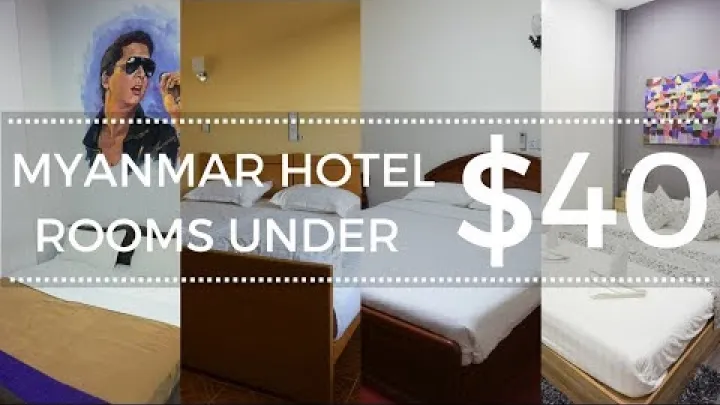
A dormitory bed offers the lowest accommodation cost and can work well for travelers who spend most of the day outside. A private room usually costs more but may be worthwhile for privacy, quieter sleep, air conditioning, a private bathroom, or more dependable check-in arrangements. A low headline price should not be treated as the final cost until taxes, service charges, and booking fees are displayed. Ignore implausible aggregator listings that show nominal single-digit kyat room rates; they are not a reliable picture of the real accommodation market.
When comparing inexpensive properties, read recent reviews for cleanliness, water supply, air conditioning, location, and staff communication. A US$5 saving is less useful if a remote property requires repeated paid rides or makes an early departure difficult.
Mid-Range and Comfortable Hotels
Many standard or mid-range Yangon hotels can be approached with a cautious working range of about US$40–70 per night, although live listings vary substantially. One current hotel listing may look inexpensive while another has a higher rate because of its room size, location, facilities, or booking dates. A hotel aggregator can provide a useful starting point, but it is not a citywide average.
For example, some listings may place a hostel-style or value-oriented property around the US$40 level, while general hotel search results can begin much lower on selected dates. For a broad market snapshot, Kayak shows that displayed Yangon hotel prices and day-to-day deal patterns can vary. Treat any individual property as an illustration of available value rather than a promise of what every hotel will cost.
A room near US$50 can consume most of a moderate daily budget before meals and sightseeing are added. For a comfortable stay with stronger amenities, a central address, breakfast, a pool, or higher service levels, obtain a live quote rather than relying on a generic luxury average. Choose based on the features that affect your trip: privacy, location, air conditioning, breakfast, cancellation flexibility, and reliable reviews.
Location, Timing, Taxes, and Booking Fees
Downtown Yangon and Chinatown can make sense for travelers who want to walk to food streets, markets, and central sights. A less central room may have a lower nightly price, but the true comparison is the total trip cost: add extra transport, travel time, and the convenience of returning to the hotel during the day.
Hotel rates can change with demand, weekends, events, room availability, and the time between searching and booking. Expedia notes that Yangon hotel rates vary by timing and demand, with deals sometimes beginning at a relatively low level. Compare the final payable total, not only the first rate shown. Taxes, fees, breakfast, and currency conversion can materially alter the result.
Before booking, compare flexible and non-refundable options according to how fixed your itinerary is. Check the final total, breakfast inclusion, air conditioning, accepted payment method, cancellation deadline, check-in requirements, and recent reviews. A non-refundable rate is only a saving if you are confident that you will use it.
Food and Drink Costs in Yangon
Food is one of the easiest parts of a Yangon budget to control. The lowest spending comes from tea shops, market stalls, and simple local eateries, while alcohol, imported products, air-conditioned restaurants, and international-style venues can move the daily total much higher.
Street Food, Tea Shops, and Local Meals
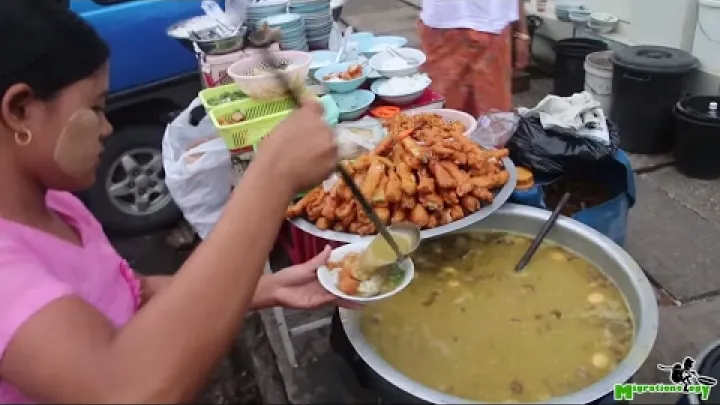
Simple local meals can provide the low end of Yangon food spending. A local meal around 2,000 kyat is a useful price anchor, but it should not be converted into a fixed US dollar amount without checking the current exchange rate. Mohinga, noodle dishes, rice meals, tea-shop snacks, and market food can all help keep costs down when chosen carefully.
A low-cost eating day might be a local breakfast such as mohinga, a rice or noodle lunch, an inexpensive dinner at a busy neighborhood eatery, and modest snacks or tea. Travelers who mainly follow this pattern can often plan roughly US$5–10 per day for food. This is a planning band, not a promise that every stall or meal will fit the same price.
For a practical approach, favor vendors with visible turnover and food that is being prepared or served regularly. Busy stalls do not guarantee a particular hygiene standard, but high turnover can be a sensible factor when choosing where to eat. Small vendors usually quote prices in kyat, so keeping a modest amount of local cash helps.
Restaurants, 19th Street, and Drinks
Sit-down restaurants, tourist-oriented dining, and evening areas such as 19th Street in Chinatown can cost notably more than a local stall. A decent restaurant meal in a higher-priced area, with drinks included, can be approached with a cautious US$10–20 planning range. The total depends on the venue, the number of drinks, and whether you choose local or imported items.

Alcohol is a separate budget decision. Beer, cocktails, imported beverages, desserts, and several shared dishes can turn an inexpensive dinner into one of the day’s larger expenses. Air-conditioned restaurants and international menus also tend to carry a comfort and convenience premium.
A balanced approach is to eat mostly local meals while reserving one restaurant dinner or a 19th Street evening for the experience you value most. This gives you variety without assuming that all Yangon dining is equally inexpensive.
Sample Daily Food Budgets by Travel Style
Food budgets work best when they reflect meal habits rather than isolated menu prices. Breakfast included with your hotel can reduce the daily total, while snacks, bottled drinks, coffee, and alcohol can increase it.
| Meal style | Daily planning range | Main cost drivers |
|---|---|---|
| Mostly local food | US$5–10 | Tea shops, stalls, simple eateries, few paid drinks |
| Mixed dining | US$10–20 | Local meals plus a restaurant visit or more drinks |
| Restaurant-focused | US$25–40 | Multiple sit-down meals, alcohol, imported items, desserts |
One organized food activity can cost more than several self-guided local meals because it includes guidance, planning, and convenience. Decide whether that added structure is part of your food budget or your activity budget, then avoid counting it twice.
Local Transport and Access Costs
Getting around Yangon can be inexpensive in cash terms, but the cheapest options may take more time and confidence. Treat local movement separately from the cost of reaching Yangon or traveling onward through Myanmar.
Yangon Bus Service, Walking, and the Circular Train
Walking is free and can be effective when you group nearby sights in Downtown Yangon, Chinatown, and surrounding central neighborhoods. It also reduces the chance that a succession of short rides becomes an unnoticed daily expense.
The Yangon Bus Service has been reported at 300 kyat per ride, and broader travel guidance has described public city buses as costing under US$1. These are useful low-cost anchors, not a fare guarantee. Public buses can involve crowding, route complexity, language barriers, and longer journey times, so the money saving is balanced by convenience. Before relying on the Yangon Bus Service or the Circular Train, confirm the current fare and service status locally.
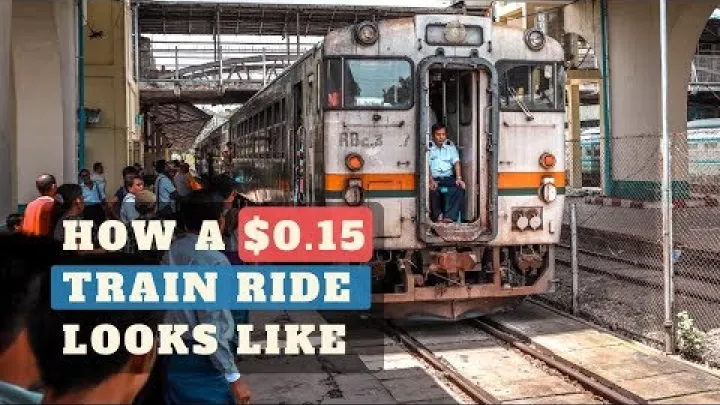
The Yangon Circular Train is often treated as both transport and a low-cost local experience. A reported fare of around US$0.20 is best understood as dated reference information, not a current quote. It can suit travelers with time to spare, while taxis may be more practical for a short itinerary or a tightly scheduled day.
Taxis, Airport Transfers, Flights, and Intercity Add-Ons
Do not build a trip around a fixed taxi or airport-transfer price from an old travel post. Obtain a current quote from a reliable provider, your hotel, or an official counter, and clarify what is included before accepting the ride. Price airport transfers, intercity tickets, and flights separately using a current provider or official counter.
International flights belong outside the daily Yangon budget. Their cost can exceed several days of local food and accommodation, and fare comparisons should be made live for your dates rather than based on one airline or route example. A visa, insurance, airport access, and an optional SIM are also one-time or trip-level costs, not ordinary daily city spending.
Intercity buses are relevant only if Yangon is part of a wider Myanmar itinerary. Reported examples of US$10–15 bus travel or a US$23 VIP service provide broad Myanmar context, but they are not Yangon city fares. Keep onward travel to places outside Yangon, including any separate flight, in its own line of the budget.
Attraction Fees and Activity Costs
Yangon can be inexpensive to explore if you combine free streets, markets, parks, and neighborhoods with a limited number of paid attractions. The important step is to identify major entry fees before assigning a daily activity allowance.
Shwedagon Pagoda and Other Paid Sites
Shwedagon Pagoda is likely to be one of the major planned costs for foreign visitors. A reported foreign-visitor entrance fee of 20,000 kyat is a useful budgeting reference, but fees and visitor rules can change. Check the current official Shwedagon Pagoda entrance notice before assigning the fee to a travel day.
One major ticket can make an otherwise inexpensive day noticeably more expensive, especially when it is combined with taxis, meals, and an evening restaurant. Smaller pagodas, parks, museums, and other sites may have different foreign-visitor fees or no charge at all. Do not assume that an attraction price is permanent simply because it appears in a guide.
Balance a paid pagoda visit with a free market, a neighborhood walk, or time in a public space. This keeps the activity category transparent instead of making a single attraction appear to represent the cost of all sightseeing in Yangon.
Markets, Parks, and Free or Low-Cost Activities
Bogyoke Aung San Market is a useful example of a free-entry place where spending is entirely optional. The market itself can be part of a low-cost sightseeing day, but purchases, souvenirs, jewelry, and negotiated goods should be listed as shopping rather than as attraction fees.
Colonial-era streets, local neighborhoods, public parks, and self-guided walks can provide low-cost ways to see the city. The Circular Train may also be a low-cost experience if current service and fare conditions suit your plans. Free activities are particularly useful on a day when you have already paid for a major attraction.
Organize the activity budget in three groups: free places to visit, low-cost experiences such as local transport or minor entry fees, and discretionary spending such as shopping, tours, and premium dining. This method prevents market purchases from distorting the actual sightseeing budget.
Organized Tours and Dala or Twante Day Trips
Organized activities add value through a guide, logistics, local explanation, and time savings, but they are not the same cost as self-guided exploration. A reported US$24 street-food tour is a useful example: the price pays for more than the food itself, so it should be considered an optional guided experience.
Dala and Twante can add ferry travel, local transport, and possibly a guide or driver to an otherwise central Yangon itinerary. A reported tourist ferry figure of 4,000 kyat is only a reference point and should be confirmed before travel. Do not assume a fixed price for bike taxis, guides, or private vehicles, because these may depend on the arrangement and timing.
In budget impact order, self-guided walks and markets are usually the lightest choice, short guided experiences sit in the middle, and day trips are more likely to increase the total through transport and time costs. A structured tour can be worthwhile if it gives you access or context you would not obtain independently; otherwise, a self-guided day protects the budget.
Currency and Payment Planning
Clear money planning makes Yangon cost estimates more useful. The local price may be stable in kyat while its value in US dollars, euros, or another home currency changes, so record both the local amount and the conversion you used.
Kyat, USD Comparisons, and Cash Planning
Use kyat as the main reference for small meals, buses, market purchases, and local fees. Use US dollar figures as a comparison tool for hotel categories and overall travel style. A meal priced in kyat has not necessarily become more expensive locally just because its converted value changes after exchange-rate movement.
Card acceptance and practical payment conditions should not be assumed to be universal. Carry a cash allowance for small vendors, local transport, and minor purchases, while confirming practical payment options for your particular hotel and itinerary before departure. Check the current kyat-to-home-currency rate and carry enough kyat for small local purchases before leaving the hotel.
Fixed Fees, Negotiated Prices, and Budget Buffers
A reliable budget distinguishes between fixed, variable, and optional spending. Official attraction tickets and posted transport fares are fixed costs when current. Hotel rates, meals, and informal transport quotes are variable. Market shopping, alcohol, tours, and upgrades are optional costs that you can reduce without changing the basic trip.
| Cost type | Examples | Budget approach |
|---|---|---|
| Fixed | Confirmed hotel, official entry ticket | Record the final amount |
| Variable | Meals, local rides, changing hotel rates | Use a range, not one exact figure |
| Optional | Shopping, alcohol, tours, upgrades | Set a separate spending limit |
Do not assume bargaining applies to official tickets or posted charges. For variable and optional costs, leave a flexible buffer for small price differences, exchange-rate movement, unexpected transfers, and activities you decide to add. The buffer does not need to be a fixed percentage; it should be large enough that a small surprise does not force you to cut an important part of the itinerary.
Ways to Save Money in Yangon
The largest savings usually come from a few high-impact decisions, not from trying to reduce every small expense. Focus first on the choices that affect entire days of the trip.
Use the Biggest Budget Levers First
Accommodation category and restaurant frequency normally have a greater effect on the total than small savings on already inexpensive public transport. Choose a reliable hostel, guesthouse, or modest hotel that matches your comfort needs; eat mainly local meals; walk where practical; and use public transport selectively when the time trade-off makes sense.
Do not remove the experiences that matter most merely to chase the lowest possible daily number. Mix free attractions, markets, and neighborhood walks with one major paid site such as Shwedagon Pagoda. This is often a better travel experience than paying for many minor activities or skipping the city’s key sights.
A published full-day sightseeing benchmark suggests that US$30–50 can support a full day in Yangon, depending on choices. InsideAsia Tours provides this as a practical comparison point, not as a universal promise of today’s prices. The main comfort trade-off is clear: lower spending generally means simpler rooms, more local food, more walking, and less convenience.
Manage Seasons, Weekends, and Event Demand
Hotel datasets can show variation by month and day of week, but their patterns are not always consistent enough to identify one guaranteed cheapest period for every property. Rather than assuming a particular weekday or month will always be cheaper, compare several date combinations and check whether holidays or local events are affecting availability.
Changing from a higher hotel category to a simple but reliable property often saves more than optimizing a small weekday difference. If your dates are fixed, book early enough to secure an acceptable room and cancellation terms. If final price matters more than one specific hotel, retain flexibility and compare several neighborhoods and room types.
How to Build a Complete Yangon Trip Budget
A complete trip budget combines recurring daily costs with one-time expenses. Building the total by category makes it easy to adjust the plan if you upgrade a room, add a tour, or decide to stay longer.
Calculate the Total for Any Number of Days
Use this simple formula: daily in-city budget × number of travel days, plus one-time costs, planned activities, and a flexible buffer. Start by listing lodging, food, local transport, and activities separately. Then add flights, visas, insurance, airport access, intercity travel, a SIM, and any pre-booked tours only once.
For a three-night city stay with three full sightseeing days, a budget traveler might use a US$30 daily city estimate for roughly US$90, then add separate costs for airport access, a major attraction, and any onward journey. A mid-range traveler might use US$65 daily for roughly US$195 before those one-time items. These are rounded examples based on the planning bands above, not quotations.
For a longer stay, multiply the daily categories rather than copying a single total. The same itinerary can fit different budgets: choose a dormitory instead of a private hotel, eat local food more often, walk between grouped sights, or reduce the number of paid activities. Count hotel nights separately from full sightseeing days, especially if you arrive late or leave early. For example, an arrival evening may need a room and airport ride but little sightseeing, while a departure morning may involve breakfast and transport without a full day of attractions. Assign those partial days their actual costs instead of multiplying the full daily range automatically.
Costs to Verify Before Booking
Use a short final check before committing money:
- Confirmed: final hotel total, taxes and fees, cancellation terms, and included breakfast.
- Estimated: current attraction fees, local transport availability, airport access, exchange rate, and practical payment options.
- Optional: tours, Dala or Twante trips, shopping, alcohol, restaurant upgrades, and intercity travel.
Recheck accommodation totals, official attraction charges, and travel arrangements close to departure because these costs can change. Keep part of the overall budget uncommitted rather than spending every available amount on fixed bookings.
Conclusion: What to Budget for Yangon
For most travelers, a Yangon budget of US$25–40 per day supports a simple local experience, while US$50–85 allows a more private and flexible stay. Comfortable travel commonly needs a larger allowance because accommodation, restaurants, taxis, and tours add up faster than local food or buses. Build your plan around the room type and experiences you value, price one-time travel costs separately, and keep a cash and spending buffer for the parts of the trip that remain variable.
Select area
Create a post
Posting is free and no registration is required.