Yangon Best Time to Visit: Weather, Seasons, and Monthly Guide

The best time to visit Yangon is generally from November to February, when the city is warmer than many temperate destinations but usually less wet, less humid, and easier to explore on foot than during the monsoon. Yangon has a tropical monsoon climate, so the practical difference between seasons is significant: heat affects daytime sightseeing, while heavy rain can affect city movement and onward travel. This guide explains Yangon weather by month, the trade-offs between comfort and value, and how to choose dates for culture, wider Southern Myanmar travel, or a flexible budget trip. Climate patterns are useful for planning, but they are not a promise of conditions on any particular day.
Quick Answer: When Is the Best Time to Visit Yangon?
For most first-time visitors, the dry-season months offer the simplest and most comfortable Yangon experience. The best dates still depend on whether you prioritize outdoor sightseeing, a festival, lower demand, or a greener monsoon landscape.
November to February: Best Overall for Comfort
November through February is generally the best time to visit Yangon for city sightseeing. Rainfall is usually much lower than in the monsoon months, humidity is more manageable, and daytime warmth is easier to handle when visiting pagodas, markets, parks, and historic areas. Myanmar tourism guidance also identifies November to February as the broadly favorable period for travel because it combines the dry season with cooler temperatures and reduced rainfall; see Tourism in Myanmar.
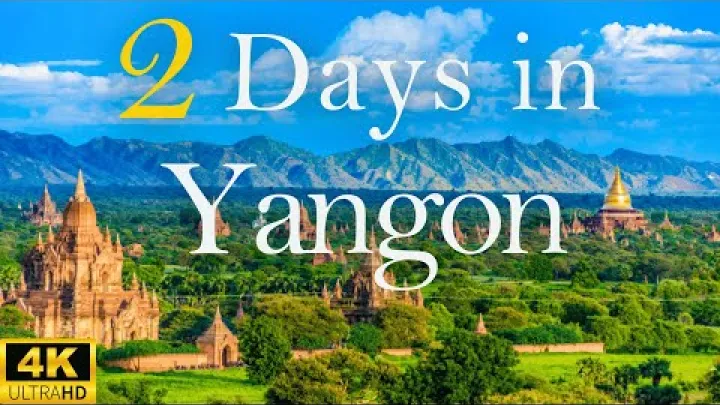
For Yangon specifically, “cooler” means relative comfort rather than cold weather. Days remain warm, particularly in sun-exposed streets and at temple compounds, but mornings and evenings are usually more pleasant for walking. This window works well for a short city break and for an itinerary that combines Yangon with other parts of Myanmar, where dry roads and clearer conditions can make logistics easier.
The trade-off is demand. November to February is the most popular weather window, so preferred hotels and convenient connections may have less availability, and prices can be higher than in quieter months. This is a tendency rather than a fixed rule: compare actual options for your dates before deciding.
March and October: Shoulder-Season Alternatives
March and October can suit travelers willing to exchange some weather comfort for a potentially quieter trip. March is usually still dry, but the heat rises quickly and can make midday sightseeing tiring. It is a reasonable option for visitors who can begin outdoor activities early, take a long indoor break, and return outside near sunset.
October is the opposite type of compromise. The city is often greener and the monsoon pattern may begin to ease, yet substantial rain can still occur. It can appeal to travelers looking for a transition-season stay rather than guaranteed dry weather. In both months, accommodation demand may be lighter than in the core dry season, but no fixed saving should be assumed.
Choose March if you prefer lower rain risk and can tolerate heat. Choose October if you prefer greener scenery and accept a greater chance that rain will shape the day. The month-by-month sections below explain these two choices in more detail.
When April or the Monsoon Can Still Work
April is not the default choice for heat-sensitive visitors, but it can be an especially memorable time for travelers interested in the Thingyan water festival and its public, celebratory atmosphere. The main compromise is intense pre-monsoon heat, which can make normal sightseeing difficult in the middle of the day.
June to September can also work for travelers whose priorities are low visitor numbers, lush vegetation, photography in softer cloud-filtered light, or a more relaxed city schedule. Rain may come in heavy bursts or more persistent wet periods, and humidity can make simple outdoor tasks feel slower. A first-time visitor with a tightly scheduled sightseeing plan will usually find the dry season easier.
The monsoon should therefore be viewed as a preference-based choice, not an automatic period to avoid. It is best for travelers who value atmosphere and flexibility more than a predictable outdoor itinerary.
Yangon's Climate and Monsoon Seasons
Yangon’s weather is shaped by its tropical setting, the nearby coast, and the annual monsoon cycle. Understanding the rhythm of dry months, pre-monsoon heat, and wet-season rain is more useful than focusing on one daily temperature number.
Yangon's Delta Setting and Seasonal Rainfall
Yangon is a low-lying, humid city in the Yangon delta. Its wet season is linked to the southwest monsoon, which brings much of the year’s rainfall from roughly mid-May into late October. Research on Myanmar’s monsoon climate describes a rainy southwest monsoon and a cooler, drier northeast monsoon, while also showing that rainfall patterns can vary over time and by place; see Water.
This pattern matters because Yangon is not a reliable guide to every destination in Myanmar. Inland areas can be drier, upland areas can feel cooler, and coastal routes may have different exposure to rain and sea conditions. A traveler staying only in Yangon can plan around city heat and showers. A traveler adding beaches, mountain areas, or long road journeys needs to assess the whole route.
Climate observations associated with Yangon and the Mingaladon weather station provide useful historical context, but the city’s actual experience is shaped by individual rain bands and storms. During the wet season, the useful travel question is not only “Will it rain?” but also whether rain will affect the timing and ease of the activities you want to do.
Heat, Humidity, and Comfort by Season
Temperature alone does not describe Yangon comfort. High humidity can make a warm afternoon feel much more demanding, especially when walking on paved streets, standing at outdoor sites, or removing shoes at large pagoda compounds. The dry season generally combines warm days with less oppressive humidity. March and April are hotter, while the monsoon often brings more cloud cover but much heavier humidity.
Historical climate summaries show Yangon’s annual mean temperature at about 26.8°C, with the warmest monthly conditions occurring around the hot pre-monsoon period and January among the coolest months. These figures are long-term context rather than a daily forecast; Climate-Data.org provides a monthly comparison of temperature and rainfall patterns.
In practice, dry-season visitors can often spend longer outdoors, though shade and water remain important. In March and April, a midday rest in an air-conditioned museum, café, or hotel is sensible. In the monsoon, lightweight clothing may dry more slowly, and a short walk can become uncomfortable after a downpour even when the air temperature is lower than in April.
Climate Averages Versus the Live Forecast
Monthly averages describe what Yangon often experiences over many years. They cannot tell you whether your particular week will have a heat spell, an early or late monsoon shift, repeated heavy rain, or a weather system that changes local conditions. Use them to choose a season, then make day-to-day decisions with current information.
Shortly before departure and throughout the stay, consult the Department of Meteorology and Hydrology for current forecasts and official warnings. This is particularly important during the wet season, when heavy rain and broader tropical weather conditions can affect the practicality of outdoor plans. A favorable climate average does not guarantee safe, dry, or convenient conditions on a specific date.
Yangon Weather Month by Month
The following guide gives a practical monthly feel rather than a promise of exact weather. Seasonal transitions do not arrive on the same day every year, and individual weeks can differ from the usual pattern.
November to February: Dry-Season City Weather
November marks the transition toward the drier season. It is often a good time to visit, although occasional showers may still occur as the wet-season pattern fades. Greenery remains visible after the rains, while the city gradually becomes easier to explore outdoors.
December is commonly one of the most comfortable months for Yangon. Conditions are generally dry, days are warm rather than intensely hot, and evenings can feel notably easier than afternoons. It is a strong choice for Shwedagon Pagoda visits, downtown walks, and photography at the beginning or end of the day.
January is often among the coolest and driest parts of the year. It is particularly suitable for travelers who want to spend several hours outside without the humidity of the monsoon or the peak heat of April. February remains largely dry and is still an excellent choice, though warmth begins to build as the month progresses.
| Month | Typical feel | Best for | Main trade-off |
|---|---|---|---|
| November | Drier transition | Green city sightseeing | Possible residual showers |
| December | Dry and warm | Walking and culture | Higher seasonal demand |
| January | Relatively cool and dry | Full-day exploration | Popular travel period |
| February | Dry, increasingly warm | Outdoor itineraries | Heat starts to increase |
These months are well suited to outdoor cultural activities, but early starts still improve comfort. They are also popular dates for multi-stop Myanmar itineraries, so book earlier if your schedule is fixed.
March and April: Hot Pre-Monsoon Weather
March is usually mostly dry, but it is a clear step into the hot season. Yangon’s streets, open courtyards, and pagoda terraces can feel demanding in the afternoon. It is a workable month for travelers who prefer a quieter period and organize days around the heat: start early, carry water, use shade, and reserve the central hours for rest or indoor activities.
April is typically the hottest part of the year. It can be rewarding for visitors who specifically want the energy of Thingyan, Myanmar’s water festival, but it is less suitable for travelers whose main goal is long daytime walks. Choose accommodation with reliable cooling and plan a slower pace than you might use in December or January.
Thingyan can alter the normal rhythm of the city through holiday schedules, water-related street activity, closures, and busy travel periods. If you plan to travel during the festival, confirm holiday schedules, closures, and transport availability before booking intercity movements. Festival dates and local arrangements should be checked for the year of travel rather than assumed from a past calendar.
May and June: Monsoon Onset and Establishment
May is a mixed month. Early May can still feel strongly hot, while later weeks often become wetter and more humid as the monsoon develops. It is not accurate to treat every May day as uniformly rainy, but the chance of rain-related disruption rises through the month. Travelers can still enjoy Yangon if they are comfortable adapting each day’s activity order.
By June, the monsoon is more established. Frequent rain, cloud cover, and humid air become central features of the city experience. Cloud may reduce direct sun and daytime heat compared with April, but this does not necessarily mean better walking comfort. Damp conditions, wet footwear, and sudden downpours can add friction to an itinerary.
The benefits are a greener cityscape and potentially lighter visitor demand. The drawback is lower reliability for outdoor plans and journeys beyond the city. This period suits visitors who can treat rain as part of the experience rather than as a failure of the trip.
July to October: Peak Wet Season and Gradual Easing
July and August are generally the core wet-season months in Yangon. Expect high humidity, frequent rain, and a greater possibility that an outdoor plan will need to be shortened or moved. A visit can still be enjoyable with a city-based schedule that includes museums, food stops, covered spaces, and time to pause between activities.

September commonly remains very wet. It is a poor choice for travelers who need reliable outdoor photography, long walking days, or tightly timed transfers. On the other hand, visitors who enjoy lush surroundings and have a flexible pace may find the atmosphere appealing.
October often signals gradual improvement, but it remains a transition month rather than a guarantee of dry weather. Some periods may feel much easier for sightseeing than July or August, yet substantial rain is still possible. It can be a useful shoulder-season choice only if you accept that the monsoon may still influence your plans.
| Month | Typical feel | Potential advantage | Main limitation |
|---|---|---|---|
| May | Hot-to-wet transition | Mixed-season timing | Rising humidity and rain |
| June | Established monsoon | Green surroundings | Frequent rain |
| July | Very wet and humid | Quieter city feel | Uncertain outdoor plans |
| August | Core monsoon | Lush scenery | Heavy rain risk |
| September | Still very wet | Lower demand | Limited outdoor reliability |
| October | Gradual easing | Shoulder-season option | Residual substantial rain |
Choose the Best Time for Your Travel Priorities
There is no single best month for every traveler. The right choice becomes clearer when you decide whether comfort, a festival, wider regional access, lower demand, or a specific type of activity matters most.
Culture and City Sightseeing
For culture-focused travel, November to February is the strongest choice. Lower rain and less humidity make it easier to visit Shwedagon Pagoda, walk around Yangon downtown, browse markets, and spend time in parks without planning the entire day around shelter. Morning light and late-afternoon light are also more comfortable for photography than the hottest part of the day.

Even in the dry season, plan outdoor landmarks for early morning or late afternoon. Yangon remains warm year-round, and large open religious sites provide limited shade in some areas. Museums, galleries, cafés, and other indoor stops can provide useful alternatives during a hot afternoon or a rain shower without reducing the cultural value of the day.
Opening hours and access arrangements can differ by attraction and holiday period, so do not assume that every site operates on the same seasonal schedule. Build your itinerary around a few priorities rather than trying to fit many outdoor stops into one heat-exposed day.
Beach, Hiking, and Wider Southern Myanmar Trips
A Yangon forecast is not enough when your itinerary continues to beaches, islands, hiking areas, or other destinations in Southern Myanmar. Coastal travel can be affected by rain, sea state, and local operating patterns, while higher or inland routes may have different temperatures and road conditions. For this reason, the city’s dry season is a helpful starting point, not a complete regional travel decision.
November to April is often the more practical broad window for beach-focused travel, while cooler dry-season months are generally more comfortable for hiking than the hot pre-monsoon period. However, access depends on the specific route, not just the calendar. Before committing to a southern beach or hiking extension, verify whether the intended route is operating and whether road or sea conditions permit travel on your chosen dates.
This distinction is important for travelers who use Yangon as an arrival point. A dry, pleasant morning in the city does not establish that a coastal boat route, remote road, or upland trail will be practical.
Budget Travel and Fewer Crowds
March and October are plausible compromises for travelers seeking lower demand than the core dry season. March may offer a drier experience but requires tolerance for substantial heat. October can feel greener and may have less visitor pressure, but rain remains a meaningful trade-off.
The monsoon can sometimes bring more accommodation choice or lower prices, especially for flexible travelers. It can also bring reduced operating schedules or fewer convenient transport options, so a lower room rate is not automatically better value. Compare current hotel, flight, and local travel prices for your exact dates instead of expecting a standard seasonal discount.
If budget is the main concern, a flexible itinerary is more useful than choosing one supposedly cheap month. Consider staying longer in Yangon, where indoor options are available, rather than relying on a tightly connected outdoor route during the wettest period.
Heat-Sensitive and Rain-Averse Travelers
If you want the lowest combined burden of strong heat and rain, choose November to February. January and December are especially appealing for visitors who want to walk, use public spaces, and see major sights with fewer weather-related compromises.
Travelers who struggle with high heat should reconsider April and approach March with a careful daily plan. Travelers who strongly dislike wet streets, damp clothes, or uncertain outdoor timing should avoid July through September. A shorter dry-season visit can be more satisfying than a longer wet-season itinerary when comfort and predictable movement are the main goals.
The decision rule is simple: choose the dry season for dependable city exploration, March for dry but hotter conditions, October for a wet-to-dry transition, and the core monsoon only when flexibility and green-season atmosphere outweigh weather certainty.
Practical Yangon City-Stay Planning
Seasonal planning is not only about choosing a month. The way you structure each day, what you pack, and how far ahead you book can make a major difference to comfort in Yangon.
Rain Logistics in a Low-Lying City
In a low-lying city such as Yangon, heavy monsoon downpours can make street movement, drainage, walking routes, and short local transfers less predictable. Rather than scheduling every hour, leave spare time between activities during the wet season. Keep an indoor alternative near the day’s main destination, such as a museum, covered market, restaurant, or hotel break.
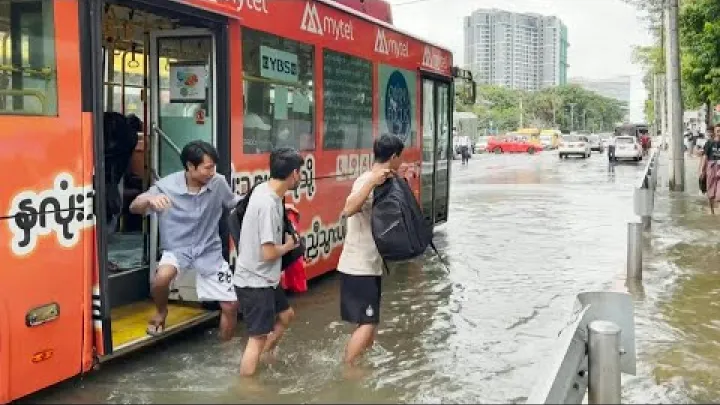
During periods of heavy rain, confirm current road, rail, airport, and local route conditions before setting out, and keep an alternative city plan. This is especially useful when a day depends on a long transfer or an onward connection. Avoid relying on assumptions about which streets or neighborhoods will be affected, because local conditions can differ from one event to another.
What to Wear and Pack by Season
Lightweight, breathable clothing is useful throughout the year. In hot and humid months, loose fabrics help with comfort, while modest clothing is appropriate for religious and cultural sites. Bring clothing that covers shoulders and knees when visiting pagodas, and choose footwear that is easy to remove where shoes are not permitted.
For the dry season, pack sun protection, a hat, refillable water capacity, and comfortable walking shoes. Evenings can feel more comfortable than afternoons, but Yangon should not be treated as a cold-weather destination. A light layer may be useful for strongly air-conditioned interiors rather than for outdoor winter conditions.
For May through October, add a compact umbrella or light rain layer and footwear that can handle wet surfaces. Avoid carrying items that are difficult to protect from rain. A small bag cover or waterproof inner pouch is often more practical than heavy rain gear in a humid city.
Crowds, Prices, and Booking Strategy
The popular dry-season period, especially November to February, often brings stronger demand for well-located accommodation and convenient transport connections. If your travel dates are fixed and you have a preferred hotel area or room type, booking earlier is sensible. This is particularly useful for short stays when changing hotels would waste valuable sightseeing time.
Shoulder and wet-season travel may offer quieter conditions and more choice, but this varies by property and date. Do not assume that every hotel will be cheaper or that every service will run at the same frequency. When booking during the rainy season, review cancellation terms and the operating status of services that are important to your itinerary.
A flexible booking can have real value in a weather-sensitive period. It allows you to prioritize a comfortable location, reliable indoor space, and a manageable daily schedule rather than selecting only the lowest advertised rate.
Plan Outdoor Time Around Heat and Rain
During March and April, place walking tours, pagoda visits, and outdoor photography in the early morning or late afternoon. Use the hottest part of the day for lunch, rest, shopping, museums, or other indoor activities. This approach is often more enjoyable than attempting one continuous day outside.
During the monsoon, build each day around a mix of outdoor and indoor activities. For example, begin with an early pagoda visit, keep a nearby indoor cultural or food stop available, and leave a less time-sensitive activity for later. This avoids making the whole day dependent on a single long outdoor plan.
In every season, allow more time than you think you need between activities. Yangon rewards a slower pace: it gives you room to rest in the heat, wait out a shower, and enjoy places without treating the itinerary as a fixed timetable.
Final Recommendation for Yangon's Best Time to Visit
For the best overall balance of warm weather, lower rainfall, and comfortable city sightseeing, visit Yangon from November to February. December and January are particularly strong choices for first-time visitors, while February remains a good dry-season option with increasing warmth.
Choose March if lower rain matters more than heat, April if Thingyan is a central reason for visiting, and October if you accept a wetter transition season in exchange for a greener, potentially quieter trip. June to September is best reserved for flexible travelers who are comfortable planning around monsoon conditions. Whatever month you choose, use climate patterns to set expectations and current official weather information to shape the final itinerary.
Select area
Create a post
Posting is free and no registration is required.