Bago Travel Guide: Sights, Transport, and Safety Advice
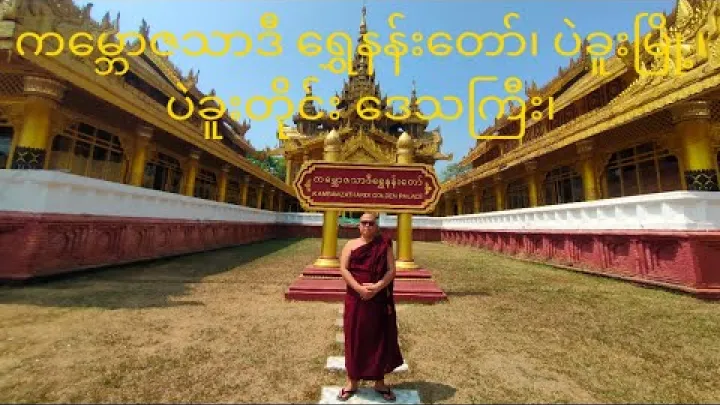
A Bago travel guide needs two kinds of planning: an understanding of the city's royal and religious landmarks, and a careful review of current travel conditions. Bago is close to Yangon and is known for sites such as Shwemawdaw Pagoda, Kanbawzathadi Palace, and several important reclining Buddhas. This guide explains what belongs to Bago City, what lies in the wider Bago Region, how visitors have traditionally moved around, and which base may fit different trips. Because access, transport, operating conditions, and official advice can change, treat the practical details below as a framework for checking a trip rather than as a guarantee of availability.
Start With Current Safety and Access Conditions
Before choosing attractions or booking a room, decide whether a leisure visit is appropriate under the latest official information. The current situation affects not only personal safety but also road access, communications, insurance, accommodation operations, and the ability to return to Yangon.
Check Government Advisories Before You Plan
The advisory supplied for this guide from the U.S. Department of State travel advisory is dated May 8, 2026 and labels Burma Level 4, Do not travel. It cites armed conflict and unrest and warns that conditions can change. Readers should open the latest advisory from their own government, because advice, consular support, and travel warnings can differ by nationality.
This warning belongs at the beginning of the decision process, not in a small note after the sightseeing advice. A popular Yangon excursion from an earlier period does not show that the same route is currently suitable. A guide, hotel, driver, or online listing also cannot replace a government advisory or a direct assessment of current conditions.
- If your government advises against travel to Myanmar or the relevant area, do not proceed with a leisure trip.
- If the advice permits limited travel but identifies restrictions, read the detailed regional and transport guidance before making plans.
- Read the advisory again close to departure and keep a way to receive updates while travelling.
Date-stamp any information you save about security, road access, closures, or local restrictions. A Bago itinerary should remain cancelable until the decision is supported by current official information and reliable local confirmation.
Separate Bago City From the Wider Bago Region
Bago City is the main urban sightseeing area. Its well-known religious and royal-history sites can be considered as a city circuit, although they are not all in one compact pedestrian center. The wider Bago Region is a much larger area that includes rural roads, wetlands, and other townships. It should not be treated as an extension of a short city visit.
- Bago City: the practical focus for Shwemawdaw Pagoda, Kanbawzathadi Palace, Shwethalyaung Buddha, Mya Tha Lyaung Reclining Buddha, Kyaik Pun Pagoda, and other urban religious sites.
- Wider Bago Region: a broader nature-and-culture area that may include places such as Moeyungyi Wetland Wildlife Sanctuary and more remote accommodation or excursions.
Road conditions, local permissions, communications, and operating hours can differ between the city and a rural excursion. Check the exact city, road, and planned route with a reputable current local contact before paying for an excursion. Do not infer that a wetland route is accessible simply because the Yangon-Bago corridor is accessible, or that every city site is operating because one monument is open.
Verify Entry, Insurance, and Local Permissions
Administrative details should be settled before buying non-refundable tickets. Confirm your passport and visa status through current official channels, and check whether your nationality, intended entry point, and itinerary require any additional permission. Do not rely on an old blog post or a booking website for current immigration rules.
Separate formal requirements from practical protections. Formal checks may include entry permission, visa conditions, and any rules affecting foreign visitors on trains, buses, or particular routes. Practical checks include insurance exclusions for travel against government advice, medical evacuation limits, treatment availability, cancellation cover, and the contact details for your insurer, embassy or consulate, and accommodation.
The Myanmar Ministry of Hotels and Tourism provides an official tourism information gateway, but tourism information is not a substitute for current immigration or embassy instructions. Cross-check entry requirements with the relevant Myanmar authorities and your own government or embassy, then ask transport providers about foreign-passenger rules for the exact service you intend to use.
Keep written confirmation of important answers, including the name of the person or organization that provided them. Confirm again before paying for a tour, transport, or accommodation that cannot easily be refunded. Carry emergency contacts offline in case mobile data or electricity is unavailable.
Understand Bago's Geography, History, and Travel Role
Bago is most useful to understand as a history-and-religious-architecture destination near Yangon, with a separate regional nature dimension. Its historical identity explains why visitors stop here, while its location explains why many itineraries consider it alongside Yangon and journeys toward Southern Myanmar.
Bago Near Yangon and Southern Myanmar
Bago is associated with the former royal center of Hanthawaddy and with the history of the Bago kingdom. For a first-time visitor, that identity gives the city more meaning than a list of pagodas: royal sites, Buddhist monuments, and old religious institutions reflect different parts of its historical role.
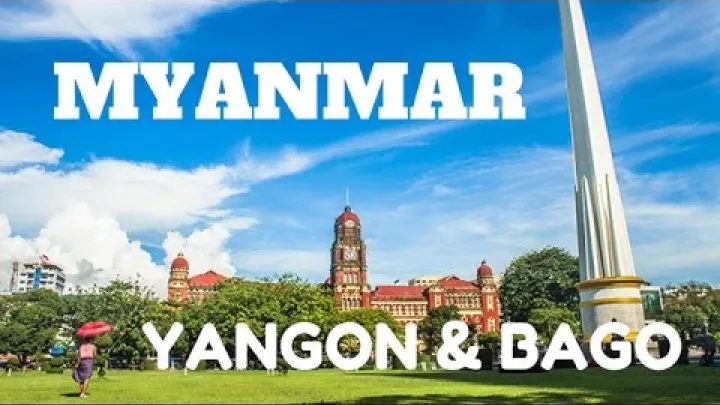
Its position near Yangon has historically made Bago a common stop or excursion from the larger city. It has also sat on a travel corridor connecting Yangon with destinations farther south. That geographic role does not make Bago a substitute for Hpa-An, Mawlamyine, Dawei, or coastal and karst destinations. Those places offer different landscapes and cultural experiences, and their current access must be assessed separately.
Use Bago as a focused history stop when your interests are religious architecture, royal history, local urban life, and a manageable introduction to the region. Consider the wider Bago Region only when the planned nature experience is worth the extra route and logistics.
Bago City and the Wider Region
A useful mental map has two layers. The first is Bago City, where a visitor can organize a flexible monument circuit around the major pagodas, palace remains, reclining Buddhas, and local streets. The second is the wider region, where nature-oriented sites require more attention to distance, road conditions, communications, and services.
The Myanmar Ministry of Hotels and Tourism presents Bago Region through a combination of nature, culture, and handicrafts. That official positioning is helpful for understanding the area, but it does not mean that every attraction has the same opening hours, visitor facilities, or access conditions.
Plan a city sightseeing circuit and a rural nature excursion as different products. A city day may depend mainly on local vehicle availability and site access. A wetland visit may also depend on weather, boat or guide arrangements, communications, and a longer return route. Ask about each intended stop rather than applying one blanket assumption to the region.
Choose a Day Trip, Overnight, or Longer Stop
A same-day excursion can make sense for a traveler based in Yangon who wants to see the principal urban monuments and has a confirmed transport and return plan. It places more pressure on the day, so the itinerary should be selective rather than an attempt to visit every named site.
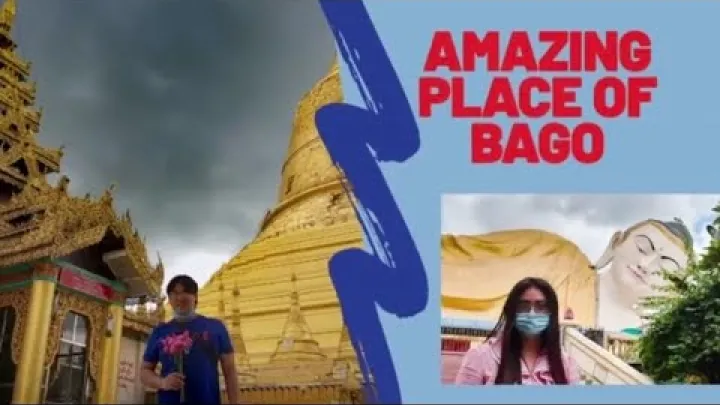
An overnight in Bago can reduce repeated transfers and allow a slower start or finish. It may suit visitors who want time for local streets, religious sites, and a less compressed schedule. The benefit is logistical, not a promise that every hotel or service will be operating at a particular standard.
A nature-focused visit to the wider Bago Region needs additional time and route planning. Allow at least an extra day in the overall concept when a wetland or remote stay is central to the trip, and do not add it casually to a monument circuit. If plans change, cut the farthest or least important excursion first. Preserve time for the return journey, food, rest, and a confirmed place to sleep.
What to See and Do in Bago
Bago's main attractions combine active Buddhist places with royal-history sites and large Buddha images. A good visit gives each kind of place a different purpose instead of treating every stop as another photograph.
Shwemawdaw Pagoda
Shwemawdaw Pagoda is the principal religious landmark in many Bago itineraries and a natural starting point for understanding the city. Its compound is a place of worship as well as a major visitor attraction. Allow time to observe the buildings, courtyards, devotional activity, and the way local visitors use the site.

Dress modestly, keep shoulders and knees covered, and remove shoes and socks where site rules require it. Walk carefully around worshippers and avoid blocking prayer or ceremonial activity. Ask locally before photographing people, monks, religious objects, or restricted areas. Photography rules, opening arrangements, admission practices, and access to particular parts of the compound can change, so confirm them at the entrance or through a current local contact.
Heat and hard surfaces can make a large religious compound more tiring than expected. Carry water, use shade when available, and schedule the most exposed walking for a cooler part of the day. Treat Shwemawdaw as a living religious place, not only as a viewpoint.
Kanbawzathadi Palace
Kanbawzathadi Palace is the key royal-history stop associated with Hanthawaddy and the reign of King Bayinnaung. It helps explain Bago's importance as a royal center and gives the sightseeing route a different character from the city's pagodas.
The useful historical distinction is between the original royal complex, archaeological evidence, reconstructed structures, and museum interpretation. A reconstruction can communicate the scale and design of a former palace without being an untouched surviving building. Avoid presenting legends, later interpretations, and original fabric as if they were the same evidence.
Before setting out, ask what parts of the palace grounds or museum are open. An itinerary that depends on an interior visit can fail if access is limited. A short timeline is usually enough: Hanthawaddy's royal role, the Bayinnaung-era palace association, later loss or damage, and the reconstructed visitor setting seen today.
Reclining Buddhas and Kyaik Pun Pagoda
Shwethalyaung Buddha, Mya Tha Lyaung Reclining Buddha, and Kyaik Pun Pagoda work well as complementary stops. They should not be described as interchangeable attractions, because each has a different setting and visual focus. Their locations also mean that a vehicle is usually more practical than expecting to walk between every site.
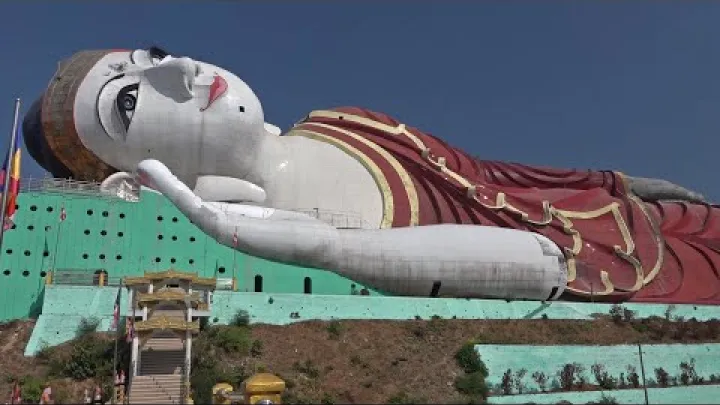
- Shwethalyaung Buddha: include it as a major reclining-Buddha visit and allow time for respectful observation, footwear arrangements, and shelter from the heat.
- Mya Tha Lyaung Reclining Buddha: treat it as a separate reclining-Buddha stop rather than assuming the experience is identical to Shwethalyaung.
- Kyaik Pun Pagoda: add it as another distinctive religious monument when the route, time, and current access make the detour practical.
A local driver or guide can suggest a sequence, but use it as a flexible plan rather than a guaranteed route. Wear clothing suitable for religious sites, keep shoes organized, and leave space for unexpected waiting or a slower transfer. If time is limited, choose fewer sites and experience them properly instead of rushing through all three.
Monuments, Monasteries, and Local Life
Bago is more than its headline monuments. Monasteries, Buddhist seminaries, teahouses, local commerce, and handicraft activity can help visitors understand how the city functions beyond the formal sightseeing circuit. A quiet walk, a meal, or time near a market may provide more local context than adding another hurried stop.
Observe rather than stage cultural encounters. Ask permission before photographing people, especially monks, students, workers, and worshippers. Do not enter a monastery building, teaching area, or private compound without an invitation. If you make a donation, use the process suggested by the site or local host and do not pressure anyone to participate in a photograph or performance.
Bago's history includes overlapping Mon and Bamar influences, but the details of local identity are more complex than a simple label. Use careful wording and listen to local explanations. Handicrafts and ordinary commerce are best approached as part of daily life, not as guaranteed demonstrations arranged for visitors.
Getting to Bago and Around the City
The Yangon-Bago transport corridor has historically supported road, rail, and bus travel, but the existence of a route on a map does not establish that a service is currently running or suitable for a foreign visitor. Plan transport in two stages: reach Bago, then move between dispersed sites.
Travel From Yangon by Road
Private vehicles, hired cars, and organized day tours have historically been common ways to approach Bago from Yangon. They can make it easier to combine several sites and return to a Yangon hotel, but they also require a clear agreement about the vehicle, driver, route, timing, and return arrangements.
Before accepting a road plan, confirm the exact departure point, route condition, driver's identity and credentials, vehicle condition, waiting time, and what happens if a site is closed or the return is delayed. Ask whether the quote includes fuel, parking, waiting, and any guide service. A day tour should identify a realistic latest departure or return time rather than promising that every stop will fit.
Do not publish or rely on a fixed journey time or fare as if it applies to every day. Congestion, road conditions, fuel availability, checkpoints, and local restrictions can change the practical value of a road itinerary. A conservative plan with fewer sites is easier to manage than a tightly timed list.
Train and Bus Services Require Confirmation
Rail schedules and bus listings may show services connected with Bago. For example, the BNF Express station information includes Bago-related intercity transport details. An operator listing is useful as a lead, but it is not proof that a departure, ticket, route, or foreign-passenger rule remains available on the day you need it.
Foreign passengers have encountered inconsistent information between telephone enquiries, online listings, and station-level practice. Immediately before travelling, ask the railway or bus operator or the station to confirm whether foreigners are accepted, where tickets are sold, the departure point, boarding rules, luggage arrangements, and the current return option. Get the answer from the organization responsible for the service rather than relying mainly on an old social media report.
Keep a legal and available backup only when it has also been checked. A private car, taxi, or hotel-arranged vehicle may be a possible alternative, but do not assume that one will appear at the end of the day. Transport confirmation should be part of the go decision, not an afterthought once you are already in Bago.
Move Between Bago's Dispersed Sights
Bago's main sights are spread across the city and do not form one simple pedestrian core. Walking can be useful for short local observations, but a full monument circuit requires decisions about heat exposure, waiting time, road distance, and the number of sites you can visit without rushing.
- Hired car: usually the most comfortable option for several stops, luggage, heat, and a planned return.
- Taxi or local vehicle: potentially flexible for a shorter circuit, provided the vehicle, driver, availability, and total service are clear.
- Tuk-tuk: may suit short urban movements, but gives less protection from heat and rain and may be less practical for long waits or distant stops.
- Organized transport: can simplify sequencing, but check exactly which sites, waiting periods, fees, and return arrangements are included.
Do not promise ride-hailing availability or a standard local fare. Agree the service, route, waiting time, and price before departure, and keep the arrangement understandable to both sides. That agreement helps prevent confusion, but it does not replace checking that the operator is currently available and appropriate for the route.
Use a Conservative One-Day Site Sequence
A flexible one-day template can begin with the central religious and royal sites, when the temperature and light are more manageable. Visit Shwemawdaw Pagoda and Kanbawzathadi Palace first if both are open and fit the confirmed route. Take a midday break for food, water, and rest rather than treating the hottest period as an opportunity to add another exposed compound.
Later, add Shwethalyaung Buddha and then consider Mya Tha Lyaung Reclining Buddha or Kyaik Pun Pagoda only if the vehicle, time, weather, and access remain suitable. This is a planning concept, not a guaranteed timetable or a statement about the exact best geographic order. A local operator who knows the current roads can adjust the sequence.
Use a simple stop-cutting rule: remove the farthest or least important stop first, then protect the return to Yangon or the confirmed hotel. Do not sacrifice the return plan to complete a checklist. If the day begins late, transport takes longer than expected, or conditions become uncomfortable, finish with fewer monuments and retain time for the journey back.
Where to Stay and Which Base Fits
The best base depends on whether Bago is the main destination, a conditional excursion from Yangon, or part of a wider nature plan. Accommodation choice affects transfer time and access to basic services, but a convenient base is not by itself a safety endorsement.
Central Bago for Site Access
Central Bago is the most practical base for a traveler who wants to focus on the city's main monuments. Staying nearer the urban sightseeing area can reduce repeated transfers and make an early or late visit easier than commuting from Yangon for every stop. It also provides a clearer base for arranging a local vehicle or asking about site operations.
Before booking, contact the property directly and ask whether it is operating for foreign guests on your dates. Confirm the current address, reception hours, air-conditioning, water supply, electricity and power backup, internet access, payment method, and whether staff can help arrange transport. These details matter more than an old ranking or a photograph from a previous season.
Use online listings as leads, not as proof that a hotel is open or providing every advertised service. If the itinerary depends on a particular amenity, obtain a direct answer and keep a fallback option where possible.
Yangon as a Pre- or Post-Trip Base
Yangon may suit travelers who already want time in the city and prefer to make Bago a conditional excursion. It can avoid moving accommodation for a short visit and may provide more choice for flights, onward planning, and other urban activities. This option is strongest when the Bago plan has a confirmed road or transport arrangement and a realistic return plan.
Compare the total exposure of a same-day road or rail journey with the value of sleeping in Bago. A Yangon base does not automatically make the excursion easy, and it does not remove Myanmar-wide risks or transport uncertainty. If a return journey is likely to be difficult, an overnight in Bago may be more practical than forcing a late trip back.
Choose Yangon when Bago is one part of a broader city itinerary and flexibility matters more than being near the monuments. Choose central Bago when the city sites are the main purpose and the accommodation's current operation has been confirmed.
Wetlands and Nature-Oriented Stays
Moeyungyi Wetland Wildlife Sanctuary represents a different Bago Region experience from the urban monument circuit. The focus is wetlands, open landscapes, and birdlife rather than pagodas and palace history. It is better planned as a dedicated nature visit than as a guaranteed extra stop after a full day in Bago City.
Remote accommodation trades urban convenience for proximity to nature. Ask about the route, weather sensitivity, communications, electricity, food, water, transport after arrival, and the distance to medical help. Confirm whether a guide, boat, or other activity is actually operating on your dates. Do not assume that online descriptions guarantee wildlife sightings or a particular species list.
A nature-oriented base is appropriate only when the additional logistics are part of the purpose of the trip. If access or weather becomes uncertain, a city base offers a simpler alternative, but it does not guarantee that every urban site will be open.
Confirm Hotel Operations and Essential Amenities
Use a short booking workflow for any Bago accommodation:
- Verify the property's current operating status directly.
- Confirm the exact address, directions, reception hours, and access for foreign guests.
- Ask about water, electricity, power backup, air-conditioning, charging, internet, and meals.
- Confirm the payment method, cancellation terms, and whether the quoted room is still available.
- Retain a fallback property or Yangon option when the itinerary allows it.
Online inventory and on-site service levels may not match during periods of disruption. Save the property's phone number and address offline, and ask the hotel to explain how a delayed arrival will be handled. Booking a room is a logistics decision; it should not be treated as an endorsement of wider travel conditions.
When to Visit Bago
Climate can help determine how comfortable outdoor sightseeing will be, but it is only one part of the timing decision. The live security, transport, access, and operating picture must be settled before climate preferences become useful.
Dry Season and Monsoon Trade-Offs
For broad Myanmar planning, the Audley Travel climate guide describes October to May as the dry season. Late-year to early-year conditions are generally the more manageable period for outdoor sightseeing, while hotter parts of the year can make long visits to exposed compounds tiring. Monsoon conditions can bring heavier rain, wet surfaces, slower travel, and changes to nature excursions.
This is broad national climate guidance, not a dedicated current forecast for Bago. Do not promise clear skies, open roads, or comfortable temperatures in any month. Seasonal averages can help you choose a flexible window, but they cannot confirm what will happen on a particular travel day.
Manage Heat, Rain, and Outdoor Site Time
Translate the season into simple actions. Schedule large pagoda compounds and outdoor walking for early morning or late afternoon when possible. Carry drinking water, sun protection, and rain protection, and wear footwear that is easy to remove at religious sites while still being practical for wet or uneven surfaces.
- Allow extra time for slower walking, shelter, and transfers during hot or wet conditions.
- Protect phones, documents, and cash from rain and keep a way to charge essential devices.
- Expect the site sequence to change if surfaces become slippery, visibility falls, or heavy rain makes a route uncomfortable.
- Check a current local forecast before exposed visits and move those visits to a cooler period when needed.
Carry enough water for the planned route and avoid building a schedule that depends on perfect weather. The most useful itinerary is one that can lose an outdoor stop without losing the return journey or access to shelter.
Treat Climate as Secondary to Current Access
A pleasant forecast does not override armed conflict, an official do-not-travel advisory, route restrictions, or unreliable transport. Make the timing decision in this order: first review the latest official travel advice, then confirm the specific route and operations, and only then use the seasonal climate pattern to choose the most comfortable available window.
That order prevents a dry-season booking from creating pressure to travel when the wider conditions are unsuitable. If the access picture changes, postponing or cancelling is more important than preserving a preferred month.
Bago Costs and Day-to-Day Practicalities
Bago costs are easier to manage when they are separated into individual decisions. Currency conditions, fuel, payment acceptance, accommodation operations, and transport availability can change, so an old headline daily budget is less useful than a current quote and a contingency plan.
Budget for Accommodation, Transport, and Admissions
Build the budget around these categories:
- Accommodation: the room rate, taxes or service charges if applicable, meals, and any transfer arranged by the property.
- Yangon-Bago transport: a bus, train, private vehicle, or organized tour, including the cost of returning to Yangon if that is the plan.
- Local vehicle hire: the vehicle, driver, waiting time, parking, fuel, and any extra route.
- Food and drinks: meals, tea shops, snacks, and suitable drinking water.
- Site admissions: any current entrance, camera, parking, or local service charges.
- Guide services: a local guide or interpreter if one is arranged.
- Contingency: a delayed return, a replacement vehicle, a change of hotel, extra food, or a cancelled transport option.
Ask for current prices in writing or in a message and clarify what is included. Accommodation and some admissions may be quoted as fixed prices, while a private vehicle or local service may be negotiated. Transport and vehicle costs are especially exposed to fuel, demand, route changes, and waiting time.
Do not turn old kyat figures or stale online listings into a precise daily budget. Use the latest available quotes, keep the itinerary modest, and allow more than the minimum amount needed for a return and one unexpected change.
Plan for Cash and Payment Limitations
Foreign visitors may encounter inconsistent card acceptance, exchange arrangements, and cash availability. Ask the accommodation and transport provider which payment methods they accept now, in which currency, and whether payment is due at booking or on arrival. Do not assume that a card terminal shown in an old listing is working.
Carry a secure, legal cash reserve that matches the confirmed itinerary and keep a backup payment method separate from the main wallet. Split essential funds between secure locations, while avoiding unnecessary exposure of cash in public. Use only lawful exchange arrangements and do not treat informal rates, online comments, or unverified cash limits as dependable planning information.
Confirm how you will pay for the return journey, accommodation, food, and emergency changes before leaving Yangon. A low-cost plan that cannot cover a delayed vehicle or an extra night is not a resilient budget.
Food, Water, Connectivity, and Power
Simple local meals and tea shops may help keep daily spending moderate, but availability and opening hours can vary. Choose food that suits your health needs and ask about ingredients when necessary. Use drinking water that you have confirmed is safe, and carry a suitable supply for site visits instead of assuming that every attraction has reliable drinking water.
Connectivity, electricity, charging, and access to medical care may be less predictable than a first-time visitor expects, particularly outside the city. Download maps, booking details, addresses, and important phone numbers before leaving a reliable connection. Carry essential medication, a charging solution, and basic items you may not be able to replace quickly.
Ask your hotel or transport provider what happens if the power fails, mobile service drops, or a vehicle is delayed. Keep plans simple enough to operate offline and leave room for a slower transfer or a change in where you eat and rest. These preparations are practical ways to reduce dependence on services that may not be consistent.
Conclusion: Decide Whether Bago Fits Your Trip
Bago can be a rewarding history-focused stop for travelers interested in Hanthawaddy, Buddhist architecture, royal sites, and the daily life of a city near Yangon. Its core urban sights can fit a selective day visit or a slower overnight, while Moeyungyi Wetland Wildlife Sanctuary and other regional nature plans require a separate commitment of time and logistics.
The right Bago travel plan begins with the latest official travel advice, then checks entry rules, route access, transport acceptance, accommodation operations, weather, and payment arrangements. If those checks support travel, choose a small number of sites, protect the return plan, and leave space for local conditions. If the latest official advice says not to travel, the responsible choice is to postpone rather than build an itinerary around older information.
Select area
Create a post
Posting is free and no registration is required.