Bago Budget: Myanmar Travel Cost Guide 2026
![Preview image for the video "[CC] Solo Day Trip to Bago by Train from Yangon | ပဲခူး နေ့ချင်းပြန် ရထားစီးမယ်။".](/sites/default/files/styles/media_720x405/public/oembed_thumbnails/2026-08/AzQmNYnHwjfTc0ThKKC2Z6U2TnvLrxllA0acFliS0Qo.jpg.webp?itok=D9-V5BpN "Preview image for the video \"[CC] Solo Day Trip to Bago by Train from Yangon | ပဲခူး နေ့ချင်းပြန် ရထားစီးမယ်။\".")
A Bago budget is usually shaped by a few clear decisions: whether you stay overnight, how many people share a room or vehicle, whether you eat locally, and whether you visit independently or with a guide. This guide gives practical daily planning ranges for budget, mid-range, and comfortable travel in Bago, Myanmar. It also explains accommodation, food, local transport, Yangon access, attraction fees, payment planning, and ways to reduce costs without removing the main heritage sights from your trip. Prices are approximate planning figures because local rates, exchange conditions, and availability can change.
How Much Does Bago Cost Per Day?
Bago can be a relatively focused destination because several important landmarks are visited during the same sightseeing period. However, the cost of reaching the city, hiring a private vehicle, or booking a short-notice room can change the total substantially. The Travel Cost Calculator gives a broad 2026 reference of about 129 USD per day, with a much wider range of approximately 77 to 232 USD depending on travel style. That calculator is an indicative benchmark rather than a local tariff, so the category-based estimates below are more useful for building your own itinerary.
Daily budget tiers for budget, mid-range, and comfortable travel
The following figures are working estimates per traveler for a normal sightseeing day in Bago. They include a room allocation, ordinary meals, local rides, a modest attraction allowance, and small incidental spending. The stay line is especially sensitive to occupancy: a solo traveler may pay the full room price, while two people can divide the same room cost.

| Travel style | Stay allocation | Food | Local transport | Fees and activities | Incidentals | Planning total |
|---|---|---|---|---|---|---|
| Budget | 15-18 USD | 8-10 USD | 3-5 USD | 5-8 USD | 2-4 USD | About 35-45 USD |
| Mid-range | 24-35 USD | 15-22 USD | 8-12 USD | 8-12 USD | 5-9 USD | About 60-90 USD |
| Comfortable | 45-60 USD | 25-35 USD | 15-25 USD | 10-15 USD | 10-15 USD | About 110-150 USD or more |
These totals are rounded planning ranges, not guaranteed prices. A private car, a return transfer from Yangon, an organized tour, a resort meal, or a higher room category can push one day well above its normal tier. Conversely, a traveler who walks between nearby sights, eats at tea shops, shares a room, and stays more than one night may spend less than the lower end of the mid-range estimate.
What the headline ranges include and exclude
The core daily calculation is designed for time spent in Bago. It normally includes one night in a standard room, three simple meals or an equivalent food allowance, short local rides, planned sightseeing fees, water and snacks, and a small amount for unexpected purchases. It does not include international flights, a Myanmar visa, travel insurance, airport costs, long-distance transport to or from Bago, or an unusually expensive private tour.
It helps to divide the budget into three types of expense:
- Fixed or near-fixed costs: a booked room, a one-time Yangon-Bago transfer, and an attraction ticket if the fee applies to your visit.
- Variable costs: meals, drinks, local rides, room upgrades, extra site charges, and shopping.
- Optional costs: a guide, a dedicated driver, a private vehicle, international-style dining, or a more comfortable hotel.
A solo day visitor has no accommodation cost but may face a large transport cost, particularly when using a private vehicle. A couple may spend more in total but less per person because the room and car can be shared. A traveler already staying in Yangon should compare the cost of a return transfer or tour with one Bago room and the extra meals required for an overnight stay.
A sample one-night and two-day Bago budget
Consider a simple one-night, two-day visit for one person. To make the arithmetic visible, use an illustrative room cost of 24 USD, a food allowance of 10 USD per day, 10 USD for local rides across the visit, and 5 USD for water and small purchases. Before admission, the calculation is:
| Item | Illustrative amount | Planning note |
|---|---|---|
| One room night | 24 USD | One room for one solo traveler |
| Food for two days | 20 USD | About 10 USD per day |
| Local transport | 10 USD | Short rides grouped by sightseeing day |
| Water and incidentals | 5 USD | Small purchases and contingency |
| Subtotal before admission | 59 USD | Add attraction fees in the accepted currency |
The Bago Archaeological Zone fee must then be added in kyats if it applies, along with any separate charge for a particular site. This is an adjustable example, not a guaranteed bill. If two people share the same 24 USD room, the room line becomes 12 USD per person and the same basic calculation becomes about 47 USD per person before admission, assuming the other costs remain similar. If a group shares a private transfer, divide the confirmed vehicle quote by the number of paying travelers and add that one-time amount separately.
Accommodation Prices In Bago
Accommodation is often the largest recurring difference between a low-cost Bago visit and a comfortable one. Online listings can make prices easier to compare, while local guesthouses and motels may offer a different level of information or availability. Think about the total cost of the room and the local rides it may require, not only the advertised nightly rate.
Budget guesthouses, motels, and shared rooms
Low-cost accommodation in Bago can include simple guesthouses, local motels, fan rooms, and basic private rooms. Older traveler accounts have used places such as San Francisco Motel as examples of inexpensive local lodging, but an old anecdotal rate is not a current tariff. Use such reports only to understand that basic local rooms may exist; do not build a present-day budget around an unconfirmed historical price.
The cheapest room is not always the most economical choice. Check whether it has air conditioning or only a fan, a private or shared bathroom, reliable hot water, mosquito protection, Wi-Fi, breakfast, and a reception that can help with transport or early departures. Road noise and heat may also matter if sightseeing begins early. A room with fewer facilities can work well for a short stay, but the trade-off may be less comfort, less predictable service, or more time spent arranging basic needs.
Some local rooms may not appear on international booking platforms. A walk-in inquiry can sometimes provide more choice, but inspect the room and confirm the full price, facilities, occupancy, and payment terms before accepting it. If you need a reliable booking record, air conditioning, a private bathroom, or flexible cancellation, the cheapest local option may not meet your practical requirements.
Mid-range hotels and what a booking-site quote includes
A current booking snapshot from Hotels.com shows visible Bago hotel inventory from around 24 USD. Treat that figure as an indicative starting point for the dates and room conditions shown, not as a guaranteed price for every traveler. Availability, occupancy, taxes, cancellation terms, and payment conditions can change the final amount.
When comparing a mid-range room, record more than the headline number. Ask whether the price includes breakfast, Wi-Fi, air conditioning, a private bathroom, taxes, service charges, and the number of people allowed in the room. A non-refundable rate may be cheaper but less useful if your transport plans are uncertain. A higher rate may include breakfast or a better location, which can reduce food and local transport spending during the day.
A booking-site listing also does not by itself confirm that a room is available at the moment you need it or that its facilities and reception arrangements suit every international visitor. Use the listing as a comparison point, then read the occupancy and cancellation conditions carefully. If you contact a property directly, compare its total offer with the online total rather than comparing only the base room price.
Choose lodging by location, comfort, and season
Location is a cost decision as well as a comfort decision. A cheaper property can cost more overall if it requires several paid rides to the Bago Archaeological Zone, Bago railway station, restaurants, or other transport points. A more central room may save time and short-ride fares, while a quieter or more comfortable property may be worthwhile for travelers who value rest over the lowest possible rate.
Use this simple choice framework:
- Lowest daily spend: accept basic facilities, compare a local guesthouse with visible online prices, and keep food and transport simple.
- Reliable facilities: prioritize air conditioning, a private bathroom, breakfast, and a clear cancellation or payment policy.
- Efficient sightseeing: choose a location that reduces repeated rides to the main landmarks or arrange one grouped local transfer.
- Lower per-person cost: share a private room with a travel companion and compare the total room cost, not only the per-room headline.
Room sharing, early comparison, and flexible dates can reduce the accommodation line. Basic rooms and local rates may be less predictable, while more visible online inventory may be easier to reserve but not always the cheapest option.
Food And Drink Costs In Bago
Food gives travelers one of the easiest ways to adjust a Bago travel budget. Local meals can keep spending low, while resort restaurants, imported ingredients, alcohol, and packaged dietary products create separate additions. Build a food allowance that reflects how you actually eat rather than relying on a single average meal price.
Local meals at tea shops, markets, and stalls
Countrywide Myanmar backpacker reports commonly place a simple local meal around 2-3 USD, with basic eating sometimes described as costing under 5 USD. This is a broad traveler baseline, not a current Bago menu. Local prices may differ by portion, location, ingredients, and the exchange conditions available to the traveler.

Tea shops, markets, food stalls, noodle shops, rice dishes, curries, snacks, tea, and bottled water are the main categories to consider when planning a low-cost day. A three-meal calculation using the 2-3 USD estimate gives roughly 6-9 USD before extra drinks and snacks. A more practical daily food allowance is about 8-15 USD for a traveler who mostly eats locally and leaves room for water, tea, fruit, or a larger meal.
Portion size and eating habits matter. A traveler who eats a small breakfast and local lunch may stay near the lower end, while someone who prefers air-conditioned restaurants, western dishes, frequent coffee, or packaged food should use a higher allowance. Keep the local-food estimate separate from drinks so that a low meal average does not hide the cost of beverages.
Sit-down restaurants and resort dining
Shwe Pyi Resort Restaurant is a useful named example of a more structured Bago-area dining option. Its Tripadvisor listing describes Burmese food alongside localized Italian, Chinese, Indian, Thai, and western-style choices. That range can be useful for groups with different preferences, but cuisine categories and a restaurant review do not establish exact current dish prices.
Table service, a broader menu, resort surroundings, imported ingredients, and larger portions can all move a meal above tea-shop spending. A restaurant meal may be worthwhile when a group needs choice, a break from basic food, or a comfortable setting after sightseeing. It is not automatically better value for a traveler who is satisfied with local dishes and wants to keep the daily budget low.
Use a current menu or ask the venue directly for the price of the dishes, drinks, taxes, and service charges that matter to you. For budgeting purposes, place a structured restaurant meal in a separate dining line instead of assuming it fits the same allowance as a local market meal.
Drinks, alcohol, and dietary extras
Bottled water, soft drinks, coffee, alcohol, imported snacks, and specialty dietary products should be treated as separate additions to the basic meal budget. A traveler who drinks only local tea and water may need little extra. A traveler who orders hotel or resort drinks, buys alcohol, or needs packaged foreign foods can spend substantially more than the local-food estimate.
Set a daily beverage allowance before departure. You can keep it low by carrying water where practical and choosing local drinks, or raise it if you expect restaurant beverages, coffee, or alcohol. Travelers with allergies, medical diets, or strong preferences for imported food should also carry a separate food contingency rather than assuming that every requirement will be available at a local market.
Exact prices for alcohol, coffee, and imported products are not established by the available Bago evidence, so avoid treating a generic online figure as a local menu price. The most useful adjustment is behavioral: local meals with simple drinks fit the lower food line, while resort dining and specialty products require a higher one.
Transport And Access Costs
Transport should be divided into two different budget lines. Reaching Bago from Yangon is a one-time access cost, while trishaws, taxis, walking, and private sightseeing vehicles are local transport costs. Keeping those lines separate prevents a cheap local day from appearing expensive because it includes an intercity transfer.
Yangon-Bago transport: low-cost options versus private transfers
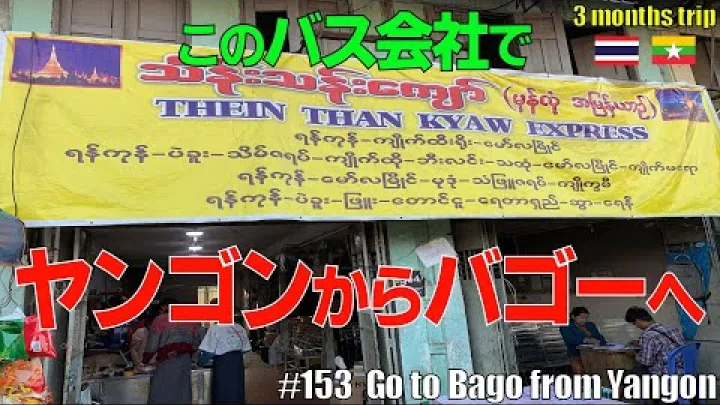
Travelers generally compare train, bus, and private-car access when considering the Yangon-Bago highway or railway options. Public transport belongs in the low-cost category when it is available and usable for the traveler, but information about foreigner eligibility and particular train services can be inconsistent. A low advertised fare is therefore not a dependable planning figure unless the service is confirmed for the date of travel.
The Bago railway station and the relevant transport operator are the places to confirm current departure information, eligibility, and payment arrangements. Before relying on a train or bus, confirm current foreigner eligibility, departure information, and the final fare with the station or operator. For a private option, Knopka Transfer lists private Yangon-Bago taxi and chauffeur choices using sedan or minivan categories. The page shows that a quote-based private transfer exists, but it should not be treated as a fixed universal fare.
Request a one-way and return quote and ask whether the amount includes pickup, tolls, waiting time, vehicle capacity, luggage, and cancellation conditions. Compare the final quote with the number of travelers. A private car can be expensive for one person but more reasonable per person for a group, especially when it replaces several local rides and allows a concentrated sightseeing schedule.
Local rides: trishaws, taxis, and walking
Bago city-center trishaws can be useful for short journeys and may be cheaper than arranging a dedicated car for every landmark. One community-reported example places a trishaw ride near Kanbawzathadi Golden Palace at approximately 1,000 kyats. Other community reports mention short taxi bands around 5,000 kyats and typical rides around 10,000-15,000 kyats. These are unverified snapshots, not a published fare table, and they should not be converted into a fixed USD price without a current exchange calculation.
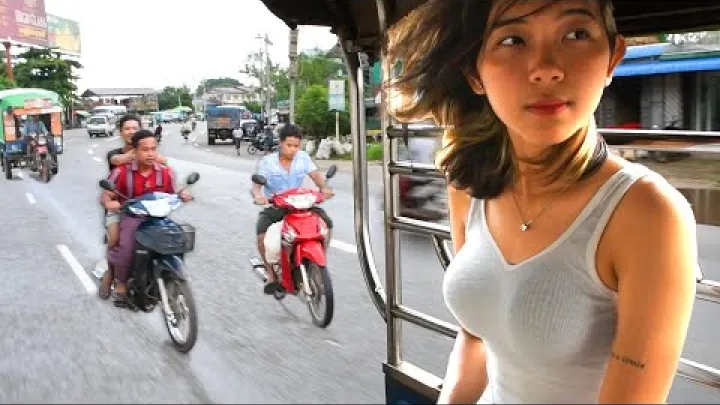
Before leaving, agree on whether the fare is per vehicle or per passenger, whether waiting time is included, and whether the driver is taking you to one site or remaining available for several stops. Walking can reduce the transport line when sights, food, and accommodation are conveniently grouped. Sharing a trishaw or taxi can lower the per-person cost, while grouping nearby attractions avoids paying for repeated short trips.
The choice depends on comfort, distance, heat, time, and group size. A budget traveler may walk part of the day and use one or two short rides. A family, older traveler, or group with limited time may reasonably spend more on a car or several trishaws. Put about 3-6 USD into a basic local transport allowance only as a planning placeholder, then adjust it to the number of rides and the current kyat fares you expect to use.
Organized day tours and private vehicles
An organized Bago tour can bundle a car, driver, guide, entrance fees, and sightseeing logistics. That convenience may be valuable during a short visit, especially when several landmarks must be coordinated. It also makes the tour much more expensive than an independent plan based on a zone ticket and local rides. The main reason to pay more is reduced uncertainty and saved time, not an assumption that a tour always offers better value.
Published tour listings and older date-specific examples should be treated as historical or limited quotations rather than a current standard price. Compare an independent calculation with the tour on the same basis. Independent sightseeing usually means local rides plus admission and food. A tour calculation means the total quote divided by the travelers who share the vehicle, plus anything the quote excludes.
Before booking, request a current written tour quote that lists transport, guide services, entrance fees, meals, waiting time, and every additional charge. Check whether the vehicle is private, whether the guide is included for the whole day, and whether the quoted amount changes with group size. A solo traveler will usually carry more of the vehicle cost, while couples and small groups can divide it. If the tour excludes admission or food, add those items before deciding that it is more expensive or cheaper than independent travel.
Attraction Fees And Sightseeing Costs
Sightseeing costs in Bago are not limited to a single headline ticket. The main landmarks include the Bago Archaeological Zone, Kanbawzathadi Golden Palace, Shwemawdaw Pagoda, Shwethalyaung Buddha, Four Buddhas Pagoda, and the archaeological museum. The important budgeting question is which sites are covered by a zone ticket and which have a separate charge.
Bago Archaeological Zone and separate site charges
An available fee reference from Authentique Myanmar lists the Bago Zone fee as 10,000 kyats. Use that amount as a planning snapshot rather than a timeless admission promise. A zone ticket may not cover every site in the same way, and a site-specific charge may apply at Kanbawzathadi Golden Palace or the archaeological museum.
When planning the day, list each landmark separately: Shwemawdaw Pagoda, Shwethalyaung Buddha, Four Buddhas Pagoda, Kanbawzathadi Golden Palace, the museum, and any additional site on your itinerary. Do not assume that one ticket covers every attraction unless current local information confirms the coverage and validity period. At the first attraction, confirm the current fee, payment currency, ticket validity, and included sites before budgeting for the full sightseeing day.
Keep a small kyat cash line for admission even when the headline budget is shown in USD. If a site has a separate charge, a fee-based sightseeing day can exceed the activity allowance in the daily table. If a ticket remains valid for more than one day, the effective daily cost may fall when you spread it across several sightseeing days, but use the local terms attached to the ticket.
Independent visits versus guided sightseeing
Independent visits usually offer the greatest control over spending. You can select the landmarks that matter most, walk when practical, use city-center trishaws for short rides, and spend more time at one site without paying for a full private vehicle. A concentrated plan can also reduce duplicated transport between the main heritage attractions.
The trade-off is coordination. You may need to arrange fares, identify the correct ticket coverage, manage opening information, and decide how much time to spend at each place. A guide can reduce language and interpretation problems and may make a short visit easier, but the guide, vehicle, and waiting time can become the largest single cost of the day.
Choose independent sightseeing when your group is comfortable with flexible timing and simple local transport. Consider a guide or organized tour when you have limited time, need detailed historical explanation, or prefer a single person to coordinate the day. Compare the total price for your group, not only the per-person ticket cost.
Build an attraction budget by sightseeing day
A fee-heavy sightseeing day should have separate lines for the Bago Zone ticket, any palace or museum charge, local transport, water and snacks, and a guide tip if you use a guide. A lower-cost day can focus on walking, markets, repeat visits to a nearby landmark, or sites where no separate charge has been confirmed. The latter should be described as a low-cost possibility, not as proof that every site is free.
Use this checklist for each day:
- Write down every planned landmark and the fee category you expect.
- Mark which cost is a zone ticket and which may be a site-specific charge.
- Add the rides needed to reach the first site and return to your room or transport point.
- Allow for water, snacks, waiting time, and a guide tip if relevant.
- Record whether a ticket can be used on another day before spreading its cost across the itinerary.
This method keeps attraction fees separate from the general activity allowance. It also makes it easier to remove an optional site when a short visit is running over budget.
Money, Currency, And Payment Planning
International travelers often see Bago prices in both kyats and USD, but local spending decisions are made in the currency accepted by the hotel, restaurant, driver, or attraction. Use USD figures for comparison and use kyat figures for actual cash planning whenever a local price is available.
Kyat, exchange rates, and USD conversions
Do not build the entire Bago budget around one fixed exchange rate. A converter may show a rate that differs from the rate available to a traveler after exchange spreads, local market conditions, or payment-method differences. The same kyat price can therefore produce different foreign-currency totals for different travelers and dates.
Keep the Bago Zone example in its original form as 10,000 kyats until you have a current conversion for your own trip. Recalculate the USD planning ranges shortly before departure, but remember that a change in the exchange rate changes your foreign-currency equivalent; it does not necessarily mean that local hotels, meals, or transport prices changed by the same percentage.
For a clearer plan, make a short list of expected kyat expenses, such as local rides, food purchases, small tips, and admission. Then keep your international budget in USD or another familiar currency as a separate comparison. This avoids confusing an old USD snapshot with a current local price.
Cash, cards, and payment contingencies
Plan to use cash for small food purchases, trishaws, taxis, markets, and attraction payments. Card acceptance and foreign-currency acceptance should be confirmed rather than assumed, especially outside larger hotels or businesses that regularly serve international visitors. A card may be useful as a backup, but it should not replace a practical cash plan for a sightseeing day.
Carry enough usable kyat for the day, including a contingency for fare changes, payment problems, or the need to use a more expensive transport option. Keep notes that local businesses can reasonably change, and confirm the accepted currency and the amount of change before paying an admission fee or boarding a vehicle. Before departure, check current exchange conditions and card acceptance for your hotel, planned restaurants, transport operator, and main attractions.
The contingency does not need to be hidden inside the food or activity estimate. Show it as its own line so that you can spend the planned amount without treating every unexpected payment as a budget failure. If you are traveling with others, agree who will carry the shared transport and admission cash and how the final cost will be divided.
How To Lower Your Bago Travel Budget
The best savings usually come from flexible categories rather than from removing the heritage sights that make Bago worthwhile. Compare the cost of time, comfort, and certainty before choosing the lowest price.
When prices rise: peak periods, weekends, events, and late booking
Accommodation scarcity and higher demand can affect prices during popular travel periods, weekends, local events, and late bookings. Bago does not have a reliable fixed seasonal percentage that can be applied to every hotel, so treat seasonality as a planning risk rather than a precise forecast. A low online starting rate may not be available for the exact weekend you need.
Protect the accommodation budget by comparing exact dates early, checking whether a rate is refundable, and looking at more than one room category. If your itinerary is flexible, compare a weekday night with a weekend night and consider staying before or after a local event. Check the exact event calendar and hotel availability for your travel dates instead of adding an unsupported percentage to the room price.
Late booking can also reduce choice rather than simply increasing the price. If only a comfortable or resort-oriented property remains, the accommodation and dining lines may rise together. Reserve the essentials first, then keep optional activities and restaurant choices flexible.
Savings tactics that preserve the experience
Use the following savings tactics with their trade-offs in mind:
- Compare local lodging and online rates: a local room may cost less, but an online booking may provide clearer facilities and cancellation terms. Inspect and confirm a walk-in room before paying.
- Eat some meals at tea shops or markets: this can reduce food spending while offering local variety, but it may provide less menu choice or comfort than a sit-down restaurant.
- Share a room: two travelers can divide the room cost, but they must accept the same facilities and cancellation conditions.
- Share a vehicle: a private transfer or sightseeing car becomes more affordable per person in a group, although the itinerary may need to suit everyone.
- Walk and use short trishaw rides: this reduces local transport spending when distances and conditions are comfortable, but it takes more time and may not suit every traveler.
- Group the main landmarks: visiting the Bago Archaeological Zone and nearby attractions in a concentrated schedule can reduce repeated rides and duplicated admission spending.
Save on flexible dining and local rides before cutting the cash contingency. A small reserve protects the trip when a fare, room, admission rule, or payment method does not work as expected.
Decide whether to stay overnight or visit from Yangon
A Yangon day trip may remove the accommodation line, but it can add a return private-transfer quote or the per-person cost of an organized tour. An overnight stay adds a room and extra meals, yet it can spread sightseeing across more time and may reduce the need to pay for a rushed private day arrangement.
Use two simple calculations:
- Day trip total: return Yangon-Bago transport quote, food, local rides, attraction fees, and any guide or tour cost.
- Overnight total: transport, one room night, extra meals, local rides, attraction fees, and any guide or tour cost.
For a couple or group, divide the private vehicle cost by the number of travelers in both calculations. A day trip may be sensible when the public transport option is confirmed, the group wants only a short visit, and no room is needed. An overnight stay may make more sense when a private transfer quote is high, several landmarks are important, or the group values a slower schedule. Compare the total cost and available time rather than assuming that avoiding a hotel always produces the cheapest trip.
Bago Compared With Other Bases In Southern Myanmar
Bago should be compared with the type of base you want, not labeled as universally cheap or expensive. A large city, a concentrated heritage center, a quiet rural town, and a resort-oriented property can have different cost patterns even when everyday food appears inexpensive.
Bago versus Yangon
Bago offers a concentrated heritage itinerary around landmarks such as Shwemawdaw Pagoda, Shwethalyaung Buddha, Four Buddhas Pagoda, and Kanbawzathadi Golden Palace. That concentration can reduce sightseeing distance and make a short overnight visit practical. Yangon generally offers a broader choice of hotels, restaurants, transport services, and booking channels, which can make it easier to find a specific comfort level or a last-minute alternative.
The cost comparison depends on the transport decision. Sleeping in Yangon may appear cheaper when no room is added in Bago, but a return private transfer or organized tour can change the total. Sleeping in Bago adds accommodation and meals but may reduce repeated access costs and allow more time at the landmarks.
Choose Bago as a base when concentrated heritage sightseeing, a slower schedule, or shared local transport matches your plans. Choose Yangon as the base when hotel choice, dining variety, business services, or a broader city itinerary matter more than staying close to Bago's landmarks.
Bago versus quieter southern Myanmar towns and rural areas
Mawlamyine, Hpa-an, Myawaddy, and quieter rural areas in southern Myanmar are useful broad comparison points, but current city-by-city evidence is limited. Do not transfer Bago prices directly to any of these places or treat them as a precise ranking from cheapest to most expensive.
In a quieter town or rural area, everyday local food and simple services may be modestly priced, but there may be fewer visible hotel choices, fewer online booking options, and less access to private vehicles or specialized services. A resort-oriented property can move in the opposite direction: the surroundings, structured dining, imported ingredients, and added convenience may produce a higher total even when local food nearby remains affordable.
Compare four lines before selecting a southern base: the room you can actually reserve, the meals you are likely to eat, the transport needed for sightseeing, and the cost of reaching the next destination. A lower room price is not useful if access is difficult or if the trip requires expensive private transport for every major activity.
Match your base to your budget and trip style
Use the following decisions to match the base with your travel style:
- Lowest daily spend: choose basic lodging, local meals, walking, and shared short rides, while keeping a cash reserve.
- Concentrated heritage sightseeing: stay in or near Bago long enough to group the main landmarks and spread any valid zone ticket across the sightseeing period.
- Comfort and predictable facilities: prioritize a confirmed hotel with air conditioning, a private bathroom, and clear booking conditions, even if the room line is higher.
- Flexible food choices: use Yangon or a larger base when you need more restaurant variety, then compare the cost of commuting to Bago.
- Easy access from Yangon: compare a confirmed public option, a shared private transfer, and an overnight stay before choosing a day trip.
The main Bago cost levers are room category, group size, transport mode, tour use, dining style, and the number of attraction days. Bago is often a practical overnight base for travelers who want focused heritage sightseeing, while Yangon may be better for travelers who value broad services and are willing to pay for access. Your final choice should follow the total itinerary cost, not the room price alone.
Final Bago Budget Checklist
Before setting your Myanmar travel budget for Bago, write down the following items:
- Number of travelers and whether the room or vehicle will be shared.
- Chosen daily tier: budget, mid-range, or comfortable.
- Room price, occupancy, facilities, breakfast, taxes, cancellation terms, and payment conditions.
- Food allowance for local meals, restaurant meals, drinks, alcohol, or dietary extras.
- One-time Yangon-Bago access cost kept separate from local transport.
- Expected trishaw, taxi, walking, or private-vehicle costs for each sightseeing day.
- Every planned attraction, including the Bago Archaeological Zone and possible site-specific fees.
- Independent sightseeing, guide, or tour costs, with included and excluded items clearly separated.
- Kyat cash for small purchases and admission, plus a contingency for payment or transport problems.
- Exact hotel availability for your dates, especially weekends, holidays, and local events.
A realistic Bago budget is less about finding one perfect daily number and more about separating room, food, access, local rides, admission, and optional comfort costs. Start with about 35-45 USD for a careful budget plan, 60-90 USD for mid-range travel, or 110-150 USD or more for comfortable travel, then adjust for your group size and confirmed quotes. This approach gives you a useful estimate without treating changing local prices as fixed promises.
Select area
Create a post
Posting is free and no registration is required.