Kawthaung Travel Guide: Safety, Access and Planning
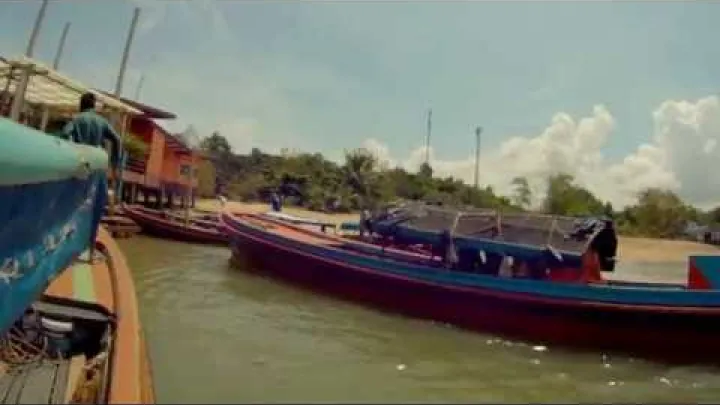
A Kawthaung travel guide must begin with a practical decision: is a trip acceptable under current security, border, and access conditions? Myanmar’s southernmost town is a working border town, a local cultural center, and a possible departure point for the Mergui Archipelago, but it is not a conventional resort destination. This guide explains how to assess the trip, reach Kawthaung, choose a base, plan local sightseeing, manage money and transport, and build a realistic stay around changing conditions.
Read This Before Planning a Kawthaung Trip
Kawthaung can look straightforward on a map because it is close to Thailand. In practice, a short crossing or longer holiday involves separate questions about security, immigration, permits, boats, weather, and the ability to leave on schedule. Treat the following section as a go-or-no-go framework rather than as a guarantee that a tourist itinerary is currently possible.
What Current Advisories Mean for a Leisure Trip
Begin with the wider Myanmar and Tanintharyi security situation, not with old descriptions of a pleasant waterfront visit. The U.S. State Department page listed here shows a May 8, 2026 advisory date and says not to travel to Burma because of armed conflict, unrest, arbitrary enforcement of local laws, poor health infrastructure, and related risks. Read the complete Travel.State.gov advisory, along with the current advice from your own government.
Country and regional warnings can change the basic answer to whether a leisure trip is responsible. They may address conflict, civil unrest, crime, landmine risk, arbitrary enforcement, limited medical care, and difficulty obtaining assistance. A town-level travel article cannot override those warnings, and a calm experience on one road or at one viewpoint would not prove that conditions are stable elsewhere.
For that reason, separate historical tourism information from a current recommendation. If your government advises against travel to Myanmar or the relevant part of Tanintharyi, postponing is the clearest choice for a leisure trip. If you still consider going, make the decision only after reading the current advisory, checking whether insurance remains valid, and confirming that your itinerary is permitted and that you have a credible way to leave if conditions change.
What to Verify Before Departure
Make a dated checklist and record the name of the person, office, hotel, or operator that confirmed each item. Do not treat an old blog, a forum message, or a social-media comment as settled immigration or security policy.
- Border status: Confirm that the Ranong–Kawthaung crossing is operating for your nationality and intended purpose, including the return process.
- Visa and permit: Check the exact Myanmar visa or entry arrangement, any local permit, and whether the planned movement beyond the port or town is allowed.
- Accommodation: Confirm that the property is currently accepting foreign guests, can register the required documents, and can explain arrival and departure logistics.
- Transport: Confirm the boat arrangement, border hours, domestic flight or road connection, and a realistic exit plan.
- Marine travel: Ask an authorized operator to confirm current permits, route, departure point, safety equipment, weather policy, and cancellation terms.
- Communications: Prepare offline contact details, document copies, and a communication plan if mobile service or internet access fails.
- Insurance: Obtain written confirmation that the policy covers Myanmar, the relevant region, the intended transport, and activities such as diving or boat travel despite official travel warnings.
Use the checklist for a specific itinerary, not for Kawthaung in the abstract. A town visit, a nearby island excursion, and a multi-day archipelago cruise can have different access and permit requirements.
Prepare for Limited Services and Disruption
Plan as though some ordinary travel services may be limited or interrupted. Medical care may not match what an international traveler expects, connectivity can be uneven, transport can change, and payment options may not work consistently. Assistance can also take longer than it would in a larger regional tourism center.
Carry essential prescription medicines in their original packaging, a small first-aid supply, reliable drinking water, sun protection, rain protection, insect protection, and offline copies of your passport, visa, insurance, and key contacts. Keep the documents in a waterproof pouch when crossing by boat. Do not rely on a single phone, bank card, mobile connection, or digital booking.
A sensible plan has an early exit option. You may need to shorten the stay, abandon a countryside excursion, or postpone a marine departure if an authority, operator, weather system, or security event changes the situation. Keep enough time, money, and communication capacity to make that change without improvising at the last moment.
Understand Kawthaung's Role and Layout
Kawthaung is best understood in two ways: as a functional mainland border town and as a staging point for organized trips into the Mergui Archipelago. The waterfront and central streets are useful for a short visit, while hills, airport access, nearby countryside, and islands require additional planning. A Kawthaung District Destination Management Plan identifies a city tourist map as an important visitor-information need, so use local directions and maps carefully rather than assuming every online pin is current.
Kawthaung as a Border Town and Archipelago Gateway
Kawthaung sits at Myanmar’s southern edge opposite Ranong in Thailand. Its daily character is shaped by border movement, port activity, trade, local neighborhoods, religious life, and marine logistics. Travelers may arrive for a short permitted visit, stay overnight before a boat departure, or use the town as the mainland part of a longer Mergui Archipelago itinerary.
Those are different travel experiences. The town itself offers waterfront activity, markets, viewpoints, religious sites, and opportunities to observe local life. The archipelago is a separate marine destination with its own operators, routes, permits, weather exposure, and time commitment. Entry into Kawthaung should not be interpreted as unrestricted access to every nearby island.
Expect a practical town rather than a polished resort city. Thai, Burmese, and wider regional influences are visible in a border setting, but local communities should be approached as residents and hosts rather than as scenery for visitors. A respectful, low-pressure itinerary usually works better than trying to turn every local site into an attraction.
The Waterfront and Central Town
The waterfront and Strand Road area are the most useful orientation points for many first-time visitors. Depending on current operations, the central area may bring together port and immigration logistics, small hotels, food shops, markets, exchange services, and local transport. These services are practical rather than standardized, so confirm individual opening arrangements instead of relying on an old business listing.

For a short town visit, start by locating your accommodation, the relevant port or meeting point, a food option, and a reliable way to return. From there, selected central streets can often be covered on foot if heat, hills, traffic, and local conditions allow. Walking is useful for understanding the town, but it is not a reason to carry all your luggage through the area or to assume that every road is comfortable at midday.
A simple written orientation is more useful than a long list of businesses: waterfront and port first, central services next, then the hill roads and outer destinations. Ask your accommodation to mark the current departure point on a local map, particularly if a boat operator uses a different landing place from the one shown online.
Hills, Airport, and Nearby Countryside
The hills above town provide a geographic reference. From a permitted viewpoint, visitors may be able to understand the compact coastal layout, the waterfront, the surrounding sea, and the position of the Thai coast across the water. Religious sites and viewpoints are generally more demanding than the flat central streets because roads can rise steeply and the sun can be intense.
Kawthaung Airport belongs in the wider transport plan rather than being treated as a guaranteed connection. Flight schedules, airport procedures, and road access can change, so confirm them directly with the airline, airport contact, accommodation, or a trusted local travel provider. The northern countryside is also a different proposition from central Kawthaung: allow more time, use an agreed vehicle or driver where appropriate, and confirm that the route is allowed.
Palane Tone Tone Island and Maliwun are possible trips beyond the core town, not automatic additions to a short itinerary. Their suitability depends on the road or bridge condition, weather, transport availability, physical effort, and any movement permission. Plan them only after the central town route is secure.
How to Reach Kawthaung
Most visitors approach Kawthaung either from Ranong by boat or from elsewhere in Myanmar by domestic transport. These routes are not interchangeable: the border crossing involves immigration on both sides, while an internal flight or overland journey depends on separate schedules and access conditions.
Crossing from Ranong by Boat
The Ranong–Kawthaung route is a maritime border crossing across the waterway between southern Thailand and Myanmar. It is commonly associated with local boats rather than a normal state-run ferry timetable. A route-specific account from Mind of a Hitchhiker describes the lack of a regularly scheduled ferry, which is a useful warning against arriving at the pier expecting a fixed public service.
The broad sequence is departure-side immigration, boat transfer, arrival-side immigration, the permitted town or onward activity, and the return process in reverse. The exact order, meeting point, operating hours, boat arrangement, and fees must be confirmed for your travel date. Keep your passport, visa or permit papers, receipts, and operator contact details together, but protected from spray and rain.
Build a substantial same-day return buffer. A delay at immigration, a boat change, rain, tide, congestion, or a late start can consume time quickly. Do not plan a distant island or countryside excursion on a crossing day unless an authorized provider has confirmed the complete sequence and you still have a protected window for the return border process. Before leaving Ranong, ask who controls the return boat, where you must report, and what happens if the planned boat is delayed.
Arriving by Domestic Flight or Overland Route
Domestic flights have historically been the most practical internal access option because Kawthaung is far from Myanmar’s main urban centers. Yangon and Tanintharyi connections may appear in historical routing patterns, but an airline listing or an old travel guide is not proof that a flight is operating on your date. Confirm the airline, airport, route, baggage rules, check-in time, and any onward transfer before committing to accommodation or a boat departure.
Overland travel can be much slower and may involve changing road, rail, security, and permit conditions. It should not be presented as a simple scenic alternative to flying. A route that is technically shown on a map may still be unsuitable because of road conditions, checkpoints, service interruptions, or a lack of dependable onward transport.
If you use an internal connection, avoid combining a newly arrived flight with a tightly timed marine departure. A town overnight can provide a useful buffer, but only if the accommodation and onward operator have confirmed the arrangement. Keep the final decision tied to current advisories and operating schedules, not only to price or personal preference.
Documents, Permits, and Border-Day Rules
A Myanmar visa or e-visa is not automatically the same as a local entry permit, a visa-on-arrival arrangement, or permission to travel beyond the port and town area. The document that allows entry may have a different purpose or geographic limit from the document required for an excursion or marine route.
Confirm, for your nationality and passport, that the Ranong–Kawthaung crossing is eligible for the document you hold. Ask immigration or an authorized operator to confirm whether the planned route is permitted, whether a separate local permission is needed, and whether the permission covers every island, road, or overnight stop on your itinerary. Carry passport originals, printed confirmations, copies, and the contact details of the confirming office or operator.
Thai re-entry rules also matter. Check whether your return to Thailand requires a valid visa, re-entry permission, a particular number of entries, or compliance with a border-use rule. Border procedures and movement restrictions can change, and anecdotal reports about radius limits, repeated border runs, or island access should not be treated as universal law.
Finally, record appointments in both local time zones. Thailand and Myanmar use different local times, and a short crossing can become confusing when boat meetings, immigration instructions, and flight times are written in different time references. Ask each provider to state the time and location clearly, then leave more time than the minimum connection requires.
Where to Stay and Manage Booking Logistics
Accommodation in Kawthaung should be chosen for the purpose of the trip, not only for a view or a low advertised rate. A border transit, a town visit, an airport connection, and a marine departure each benefit from a different balance of location, flexibility, luggage handling, and communication.
Why the Central Waterfront Is the Practical Base
The central waterfront is a practical base for many short visits because port logistics, food, markets, local transport, and central streets are relatively close together. It can reduce the number of separate rides needed on a border day and make it easier to return to the accommodation for documents or luggage.
Travelers using Kawthaung for a marine departure should ask whether the operator collects guests, where luggage is stored, when check-in begins, and whether an overnight stay is required. A property near the waterfront may be convenient for a boat meeting, while a place farther away may be more suitable for an airport connection or a quieter overnight. Convenience is not the same as a safety guarantee, so do not describe any neighborhood as universally safest.
Choose the base according to your schedule:
- Border transit: Favor simple access to the confirmed immigration and boat meeting points.
- Town sightseeing: Favor a central location that allows walking and short local rides.
- Airport connection: Confirm the road transfer and departure time rather than relying on a map distance.
- Marine departure: Confirm luggage, check-in, transfer, and weather-delay arrangements with the operator.
Booking Accommodation, Boats, and Local Assistance
Online accommodation inventory may be incomplete or outdated. Contact a property directly and ask whether it is open, accepts your passport and intended stay, provides the required registration, has a working way to communicate with guests, and can arrange or explain local transport. Request the full price, payment method, cancellation terms, check-in time, and what happens if your crossing is delayed.
For a boat or tour provider, confirm the departure location, meeting time, passenger documents, route, permitted destinations, inclusions, meals, equipment, return arrangements, and weather policy. A provider’s ability to sell a trip is not proof that the route is currently legal, safe, or operating for your nationality. Keep the confirmation in writing and do not pay a non-refundable deposit until the key terms are clear.
Flexible reservations are valuable in Kawthaung because border procedures, weather, security, and operator availability can affect the schedule. A flexible booking does not remove the need to verify the plan; it simply limits the cost of a change.
Daily Supplies, Connectivity, and Contingencies
Arrange basic supplies before leaving the central area or boarding a boat. Carry drinking water, medicines, sun and rain protection, insect protection, a portable charging solution, offline maps, and essential contact details. If you need a specific medicine, food item, or medical device, do not assume it will be available locally.
Ask your accommodation and transport provider about current ATM, card, mobile, internet, charging, and power arrangements. A Thai mobile connection or bank card may not work in Myanmar, and a digital booking may be inaccessible if your phone has no service. Keep a reserve of physical cash and a written record of your next steps, but confirm which currency each provider currently accepts in the money section of your plan.
Use a simple contingency plan. Name one accommodation or operator contact, agree on a time when you will report that you are safe or have arrived, and write down a fallback route to the next border, airport, or confirmed hotel. If a boat is canceled, a connection is lost, or you need to leave early, return to that plan instead of accepting an unverified alternative from a stranger.
Getting Around and Managing Money
Local travel is usually a matter of combining walking with short rides and a prearranged vehicle for outer destinations. The most useful approach is to group places geographically, protect time for border procedures, and avoid treating informal services as if they had fixed schedules or standards.
Walking, Motorcycle Taxis, and Local Rides
Walking can work around the central waterfront and nearby streets, especially for orientation, meals, and short errands. Heat, humidity, steep roads, traffic, uneven surfaces, and rain can make a route more tiring than the map suggests. Start early or later in the afternoon for hill visits, and carry water rather than assuming that a shop will be open along the route.
Motorcycle taxis or other local rides may be available for hills, the airport, and destinations outside the center. Agree on the destination and fare before departure, and ask whether the price is for one passenger, a return journey, waiting time, or luggage. Consider a helmet, road surface, traffic, visibility, and your own comfort before accepting a ride.
Motorbike rental is not the default solution. Use one only if you have the correct license, relevant experience, suitable insurance, and current local advice about the road and security situation. A foreign visitor should not assume that an informal rental agreement provides a helmet, mechanical support, or meaningful insurance protection.
Build Efficient Local Sightseeing Loops
For a first town visit, group the waterfront and central streets together, then visit one hilltop viewpoint and one religious or cultural site if access is confirmed. This creates a compact loop without requiring repeated crossings of town. A driver or local operator is more practical for Palane Tone Tone or Maliwun than several disconnected rides, particularly when the route, bridge, or road condition is uncertain.

Use a time-of-day plan rather than a rigid timetable. A morning loop can cover the waterfront and a hill before the strongest heat. Midday can be reserved for food, rest, document checks, or a weather decision. Late afternoon can suit a viewpoint or quiet central walk, provided you have enough daylight and a confirmed ride back.
Keep the loop within the visa, permit, and access limits confirmed for your trip. A route that seems close geographically may still cross a controlled area or require a boat, driver, or permission that you do not have.
Budgeting and Payment Expectations
There is no responsible universal daily budget for Kawthaung when currency values, inflation, transport arrangements, accommodation inventory, operator prices, and payment methods can vary. Build the budget by category and ask for the current amount and currency before committing.
- Border costs: Include boat transfers, immigration or administrative charges, and any required document fees.
- Accommodation: Confirm the full room price, taxes or extra charges, deposit, refund terms, and accepted currency.
- Local transport: Allow for central rides, hill visits, airport transfers, waiting time, and an outer-town vehicle.
- Food and water: Keep a daily allowance plus extra supplies for a delayed crossing or canceled boat.
- Excursions: Separate local boat trips, permits, equipment, guides, and liveaboard costs rather than treating them as one item.
- Emergency reserve: Hold backup cash for an additional night, a changed route, communication, or an earlier departure.
Kyat and baht may both appear in a border-town conversation, but acceptance, exchange rates, notes, and change can differ by provider. Before paying, ask which currency is accepted, what exchange rate is used, whether a deposit is refundable, and whether the quoted amount includes transport, meals, permits, and equipment. Carry a reserve in a form that does not depend on a working ATM or card terminal.
What to See in Kawthaung and Nearby
Kawthaung’s attractions are best approached as a small set of viewpoints, religious places, waterfront observations, and possible outer-town excursions. Access and facilities should be treated as local details to confirm, not as permanent features of a tourist circuit.
Hilltop Viewpoints and Southernmost Landmarks
Pyi Daw Aye Pagoda, Bayintnaung Hill, the statue of King Bayinnaung, Bayintnaung Point, and 555 Hill can be considered together as a group of hilltop religious and geographic landmarks. They help visitors see the town’s coastal setting, surrounding sea, nearby Thai coast, and position at Myanmar’s southern edge.

Do not try to visit every viewpoint on a tight border day. Select one or two based on the confirmed road, available daylight, physical effort, and return transport. A hill route may involve steep sections, heat, limited shade, and changing access. Ask a current local contact whether the road is open, whether a vehicle can reach the site, and whether any religious or security restrictions apply.
Pagodas and other religious spaces require modest clothing, quiet behavior, and respect for worshippers. Remove footwear where requested, avoid blocking ceremonies, and ask before photographing people. A viewpoint is not permission to enter restricted areas, climb structures, or use a religious site only as a photo background.
Mey Paw Kyan and the Town's Religious Landscape
Mey Paw Kyan is described as a small offshore island associated with a pagoda and nat shrines. If a boat is operating and landing is permitted, it may offer a short cultural and scenic excursion. It should not be treated as an automatic stop: confirm the boat arrangement, landing conditions, duration, cost, and return plan before leaving the waterfront.
Kawthaung’s religious landscape also includes Buddhist, Christian, Muslim, and Hindu places of worship. This plural character is more meaningful when observed as part of local community life than when reduced to a checklist of buildings. Visitors should dress modestly, keep voices low, ask about photography, and avoid entering areas where a service or private activity is taking place.
Use neutral language when speaking about local communities and religious practices. Do not assume that a person at a shrine, market, or place of worship wants to be photographed or interviewed. A short visit with permission is more respectful than an unplanned group stop.
Palane Tone Tone Island and Maliwun Waterfall
Palane Tone Tone may be considered for a nearby coastal outing associated with a bridge, mangroves, sandbanks, beach, and simple seafood venues. Those features and facilities can change with weather, maintenance, local access, and seasonal conditions. Confirm that the bridge and road are usable, that the landing or crossing is permitted, and that any food venue is open.
Maliwun Waterfall is a farther countryside excursion. Swimming or other recreation may be possible in some conditions, but do not promise safe swimming, clean water, open facilities, or a maintained route without current local confirmation. Ask about recent rain, road condition, water level, access permission, and the time needed to return before choosing it.
Choose between these trips by available time and tolerance for uncertainty. Palane Tone Tone may suit a short coastal outing if the route is open; Maliwun requires more commitment to road travel and changing countryside conditions. Wet-season rain, local security decisions, and transport problems can turn either plan into a reason to remain in town.
Plan Mergui Archipelago Excursions Carefully
The Mergui Archipelago is not simply a collection of beaches next to Kawthaung. It is a separate marine destination with regulated access, long distances, boat exposure, and its own operational requirements. Decide first whether the archipelago is central to your trip or whether a town-focused visit is the better alternative.
Decide Whether to Add a Marine Trip
Kawthaung often functions as the mainland departure point for Mergui Archipelago cruises, but a departure listing does not guarantee that every island is open or that a route is available to every traveler. A commercial overview on LiveAboard identifies Kawthaung as a departure city, but current availability, permits, and conditions still need direct confirmation.
Compare three broad choices: a town-only stay, a short organized marine excursion, or a multi-day cruise or liveaboard. The town option has the simplest logistics but does not provide an archipelago experience. A short trip may fit a limited schedule but can be vulnerable to sea conditions. A liveaboard offers more time at sea and in the islands but creates greater exposure to weather, operator quality, permit changes, and the consequences of a cancellation.
Do not assume that independent island-hopping is legal or practical. If the route, permit, operator, or return plan cannot be confirmed, stay in Kawthaung and use the town itinerary instead. A realistic mainland alternative is better than reaching the port with no authorized way to continue.
Choose an Operator-Led Day Trip or Liveaboard
A short organized excursion and a multi-day liveaboard differ in nearly every practical respect. A day trip may involve a limited route, shared boat, basic equipment, and a same-day return. A liveaboard adds sleeping arrangements, meals, repeated sea crossings, more equipment, longer communications gaps, and a larger weather commitment. Compare the full package rather than the advertised number of islands.
Before paying, obtain written confirmation of the following:
- Legal access: Ask which current permits cover the route, passengers, islands, and activities.
- Itinerary: Confirm departure point, dates, stops, overnight arrangements, return time, and what happens if a stop is removed.
- Boat condition: Ask about maintenance, passenger capacity, sleeping arrangements, food and water storage, and sanitation.
- Safety equipment: Confirm life jackets, first-aid supplies, fire equipment, navigation and communication systems, and emergency procedures.
- People responsible: Ask about the skipper, guides, relevant qualifications, language support, and who makes weather decisions.
- Coverage and cancellation: Confirm insurance responsibilities, refund rules, cancellation deadlines, and what happens if authorities or weather stop the trip.
Request the operator’s emergency procedure in plain language. You should know how the boat communicates, where it can seek help, who contacts your emergency person, and whether you can leave early. Advertised availability changes quickly, so reconfirm the complete plan directly shortly before departure.
Respect Island Communities and Marine Environments
Follow local access rules and the operator’s instructions about landing, photography, fishing, wildlife, and community areas. Do not arrange an unplanned visit to a village or approach people as an attraction. Ask permission before taking photographs, keep conversations respectful, and understand that a community may decline contact.
Moken and other local communities are living communities, not historical props or entertainment. Avoid language that suggests people exist to perform a traditional lifestyle for visitors. Follow guidance about where you may walk, what you may buy, and whether a site is culturally sensitive.
At sea, reduce waste, avoid single-use items where possible, do not leave food or plastic behind, and keep distance from wildlife. Favor providers that explain their permits, environmental practices, waste handling, and relationship with local communities clearly. Do not assume that an operator’s claim of sustainability proves that it shares benefits locally; ask what the claim means in practical terms.
Choose the Season and Build Weather Flexibility
Seasonal patterns can help with initial planning, but they cannot replace a current forecast or a same-day decision about a boat or road. Kawthaung is hot and humid for much of the year, and marine conditions can change faster than a town itinerary.
The Drier Period for More Predictable Travel
As a broad planning guide, roughly December through March is generally the more workable period for town sightseeing, border crossings, outdoor viewpoints, and marine travel. Conditions still vary from day to day, and a relatively drier season does not guarantee an open crossing, calm sea, or clear sky.
Marine operators have historically favored the drier part of the year, but their current schedules, permits, and routes remain separate questions. If an archipelago trip is important, ask the operator how it handles delays and whether the itinerary has a weather-related cancellation policy. Do not book a tight international connection immediately after a marine return.
Even in the more workable months, plan for strong tropical sun, humidity, dehydration, and sudden rain. Lightweight modest clothing, water, sun protection, and a shaded midday break make hill visits and town walks more manageable.
Monsoon Months and Weather Disruption
Roughly May through October usually brings heavier rain, more cloud, rougher marine conditions, and a greater chance of changes to roads, waterfalls, crossings, and island trips. November is better treated as a transition period than as a month with a guaranteed weather profile. Not every operator or attraction necessarily closes, but access can become less predictable.
Check a current local forecast, rainfall outlook, sea conditions, and road information on the morning of each boat or countryside excursion. Ask the operator or driver what threshold causes a delay, and do not pressure a skipper to depart because you have already paid. Keep a land-based backup plan involving the waterfront, a permitted hill visit, a religious site, food, rest, and document or logistics time.
Build flexibility into the whole trip rather than adding one empty afternoon at the end. A weather delay can affect the boat, the return border process, and the next flight or hotel. If the sea or road decision is negative, use the town plan and protect your departure window.
Choose a Realistic Length of Stay
The right length depends on whether Kawthaung is a border stop, a town destination, or a marine staging point. The plans below are frameworks, not fixed schedules. Keep the itinerary modular so one canceled activity does not disrupt the whole trip.
A Border-Transit Day
A border-transit day should center on immigration, the boat crossing, a short permitted town visit, and a protected return window. Prioritize the waterfront and one nearby viewpoint or central cultural stop. Do not add a distant island, waterfall, or countryside route to a schedule that already depends on two immigration processes and local boat timing.
The plan works only when your documents, crossing status, weather tolerance, and return transport have been confirmed. Set a turn-back time before leaving the port. If immigration takes longer than expected, the boat is delayed, or the weather becomes unsuitable, abandon sightseeing and protect the return connection. Missing a return border process is a more serious problem than missing a viewpoint.
A One-Day Town Visit
A one-day town visit can combine the central waterfront, a hilltop viewpoint, one religious or cultural stop, and time for meals and observation. Begin with the place that has the most limited access or transport dependence. Use the middle of the day for food, rest, supplies, and checking the next movement rather than scheduling several exposed hill walks.
A flexible sequence might be:
- Morning: Orient yourself around the waterfront and central streets, then visit one confirmed hill or viewpoint.
- Midday: Eat, rest, arrange local transport, and confirm any optional afternoon route.
- Late afternoon: Visit one religious or cultural site, take a permitted local walk, or return to the waterfront.
Nearby islands and countryside should remain optional. Add them only after current access, boat or road transport, permission, and return timing are clear. This structure is intended for a traveler staying in town, not for someone boarding a liveaboard the same day.
Two or More Days or a Marine-Staging Stay
With two or more days, use the additional time as a buffer before and after activities. You can spend a second day in town, add one confirmed nearby excursion, or prepare for an organized Mergui departure. Extra time is most valuable when it absorbs a delayed boat, changed permit, canceled trip, or limited onward connection.
Keep the itinerary in modules: a town module, a viewpoint module, an outer-town module, and a marine module. If the marine activity is canceled, the rest of the trip should still work. Confirm luggage storage, accommodation nights, departure procedures, and the route back to Thailand or onward to the airport.
Practical decision rule: If the current advisory, insurance, documents, access permission, operating status, weather, operator arrangements, or return plan cannot be confirmed, postponing the trip is more responsible than improvising. If all of those points are acceptable, keep the Kawthaung itinerary compact, flexible, and respectful of the town and island communities you visit.
Select area
Create a post
Posting is free and no registration is required.