Taunggyi Where to Stay: Areas, Transport and Accommodation
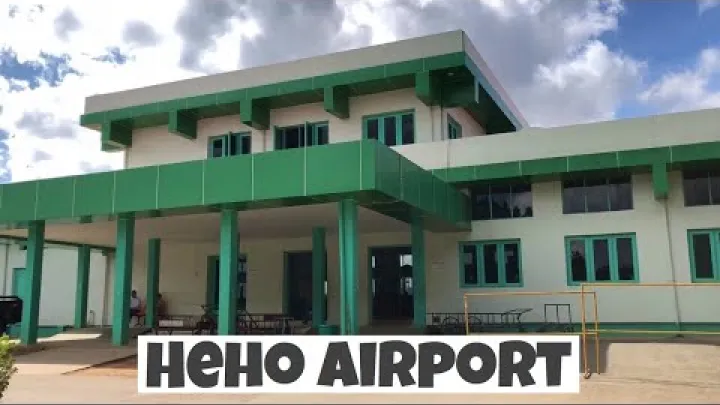
Choosing where to stay in Taunggyi is mainly a decision about your daily base. For most first visits, a central or near-central property is the practical starting point because it can simplify access to meals, services, local sightseeing, and transport. A different location may be better if you have a confirmed early departure, need parking or extra space, or want a retreat-style stay. This guide compares Taunggyi areas, accommodation types, arrival logistics, walkability, utilities, event travel, and the checks to complete before paying.
The Short Answer: A Central or Near-Central Base for Most First Visits
Taunggyi does not need to be treated as a choice between a single perfect neighborhood and everywhere else. The better approach is to select a base that matches your main reason for visiting and then examine the exact property, street, entrance, and transport arrangements. Area labels on accommodation listings can be broad, and the practical experience may vary from one building to another.
Use a Central or Near-Central Base as the Default
A central or near-central base is the working default for a first visit when you want to eat outside the property, use ordinary city services, visit local sights, or arrange transport in several directions. The central market area and established commercial streets are useful orientation points, but they should not be treated as precise boundaries. A property described as central may still be on a busy road, on a less convenient side street, or farther from services than the listing suggests.

The main benefit is service density. Food, small shops, markets, local contacts, and transport assistance may be easier to reach than from a property outside the built-up area. This can matter more than a small difference in the room rate, especially when you have limited time or do not plan to hire a private vehicle for every journey.
The trade-off is that central convenience does not guarantee a quiet room, simple nighttime movement, or consistent service. Traffic, early-morning commercial activity, religious loudspeakers, or a seasonal event may affect one street while leaving another relatively calm. Ask about the exact room position and request a room away from the main road or active frontage if quietness matters.
A useful decision rule is simple: choose central or near-central unless another property offers a confirmed advantage that directly supports your itinerary. Before booking, ask the property to confirm the exact address, the nearest recognizable landmark, the usual route for drivers, reception hours, nearby food options, and whether the room faces a main road or active public area.
Choose a Different Base Only for a Clear Trip Reason
Looking beyond the center can make sense when your trip has a specific requirement. Examples include a confirmed early departure, a private car that needs parking, a group that needs more space, a local contact who recommends a particular property, or a preference for a compound setting with less street activity. These are practical reasons to compare another base. They are not proof that an outer location is cheaper, safer, or more comfortable.
Compare the complete door-to-door plan rather than the room rate alone. Include transport to meals, the cost of returning in the evening, pickup charges, time spent reaching your main activities, and the inconvenience of carrying luggage. A property that looks attractive online may become less useful if you need a vehicle for every basic errand or if late arrival arrangements are unclear.
For a short first visit, a central fallback is usually easier to manage. For a longer stay, an outer property may be reasonable if the space, parking, quietness, or route access has been confirmed and the daily journey is acceptable. Decide from the trip purpose, not from an assumption about what a map label means.
Compare Taunggyi's Main Base Options
Taunggyi accommodation is best compared through practical base types rather than rigid neighborhood rankings. The categories below are orientation tools. Check the current map, the precise building location, and the property's own arrival instructions before treating any category as a final choice.
| Base option | May suit | Main benefit to investigate | Main question |
|---|---|---|---|
| Central commercial area | First visits and city errands | Food, services, and driver recognition | Will traffic or activity affect the room? |
| Inner mixed-use streets | Visitors seeking a compromise | Central access with a more residential setting | Is the route practical after dark? |
| Outer or road-corridor property | Parking, space, or a confirmed onward route | Vehicle access and a specific practical advantage | How dependent will the stay be on private transport? |
The Central Commercial Area
Use the central market area and established commercial streets as orientation categories when comparing where to stay in Taunggyi. Their value is usually practical rather than scenic: visitors may find it easier to locate meals, basic services, local shops, and transport contacts. Drivers may also recognize established commercial streets more easily than a small side road, although this depends on the exact address and current conditions.
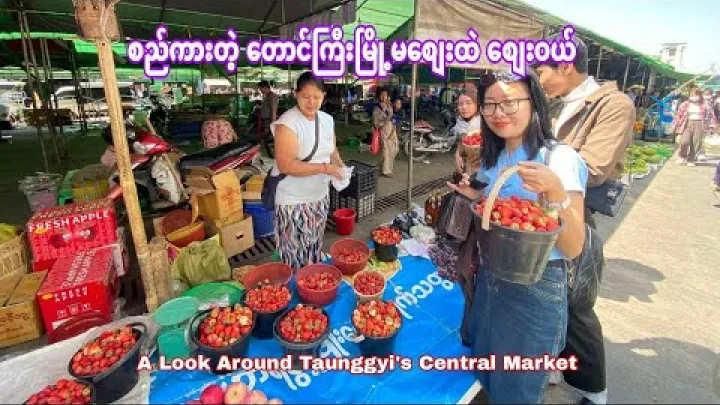
Check the property at street level. Ask whether the entrance is directly on a busy road, whether rooms face the market or another active area, and whether activity begins early in the morning. Look for information about room orientation, windows, sound insulation, reception hours, and the route from the entrance to the nearest meal options. Central location is useful, but the exact building can determine whether the stay feels convenient or tiring.
Inner Mixed-Use and Residential Streets
Inner mixed-use and residential streets can provide a compromise between central access and a less commercial setting. This is not a formal district boundary. It is a way to describe properties that are close enough to the main commercial area for regular errands but are not directly on the busiest frontage.
Do not rely only on a listing that says near downtown. Confirm the walking route to food, the market, transport pickup points, and the main commercial area. A route that looks short on a map may include a slope, an uneven surface, a narrow street, or an entrance that is difficult to identify. Ask about street lighting, sidewalks, reception hours, local transport, and whether staff can help arrange a return journey in the evening.
This type of base may work well for travelers who want access to central services but do not need to be directly beside them. The right choice depends on the actual route and the property's operating arrangements, not on the residential label alone.
Outer and Road-Corridor Locations
Outer and route-side properties are special-purpose choices. They may appeal to travelers who have a private car, require parking, want more space, prefer a view or compound setting, or have a confirmed onward route that makes the location convenient. They can also suit a group that expects to spend much of its time at the property.
Check the exact distance and route to the center, dining, transport pickup points, and the roads leading toward gateways such as Heho Airport or Nyaung Shwe. Confirm whether a driver can reach the entrance, whether the final approach is easy in poor visibility, and whether the property can help with transport if your vehicle is unavailable.
Possible trade-offs include roadside noise, fewer nearby services, limited evening transport, and greater dependence on a private vehicle. Do not infer a lower price, better conditions, or easier airport access simply because a property is outside the center. Compare the full daily cost and route before choosing it.
Choose Where to Stay by Trip Purpose
The best area in Taunggyi depends on what you will do after check-in. A visitor focused on local errands needs a different base from someone using the city for regional journeys or attending a major event. Start with the activity that cannot be moved, then choose lodging that makes the remaining daily movements manageable.
For Local Sightseeing and Everyday Convenience
For local sightseeing, compare central and inner areas by access to the central market, restaurants, local services, and the cultural or religious sites on your own itinerary. A central reference point can simplify a short visit because you may be able to combine meals, errands, and sightseeing without arranging a separate vehicle for every movement.
Exact walking routes and opening conditions still matter. A property may be close to a destination in straight-line distance but less convenient because of slopes, traffic, an unclear entrance, or a route that is difficult to use after dark. Ask the property which nearby streets are practical for walking and where drivers normally meet guests.
For most sightseeing stays, use this priority order:
- Daily access to food, services, and the places you plan to visit.
- A practical return route and suitable reception or contact arrangements.
- A room position that meets your need for quietness.
- The total accommodation and transport cost.
This order prevents a low room rate from hiding a location that creates extra journeys every day.
For Airport, Bus, and Road Arrivals
If arrival or departure logistics matter more than sightseeing, evaluate the whole connection from Heho Airport or from the current bus or road arrival point. Do not assume that the most central listing has the simplest airport transfer, or that a property on a road corridor automatically has the easiest access. The current drop-off point, road conditions, and vehicle availability can affect the practical route.
Before booking, ask whether the property can arrange pickup, accept a late arrival, store luggage, and explain the final approach to the building. Confirm the name and phone number of the person who will receive you, where the driver should stop, and what to do if your arrival time changes. These questions apply whether you arrive by flight, bus, private car, or a regional transfer.
A short arrival checklist is:
- Confirm the exact address and a recognizable nearby landmark.
- Ask whether pickup is available and what information the driver needs.
- Confirm reception or key-collection arrangements for your expected arrival.
- Ask whether luggage storage is available before check-in or after check-out.
- Save a direct contact number and a backup way to reach the property.
Avoid relying on an unlabelled map pin or a generic online arrival description when the final approach is important.
For Inle Lake, Kakku, Kalaw, and Other Regional Trips
Taunggyi can be considered as one possible regional base when your plans cover several directions, but it is not automatically the best place to sleep for every regional itinerary. If your main activity is concentrated around Nyaung Shwe and Inle Lake, staying closer to that activity may reduce repeated transfers. The same question applies to plans centered on Kakku, Kalaw, or another destination.
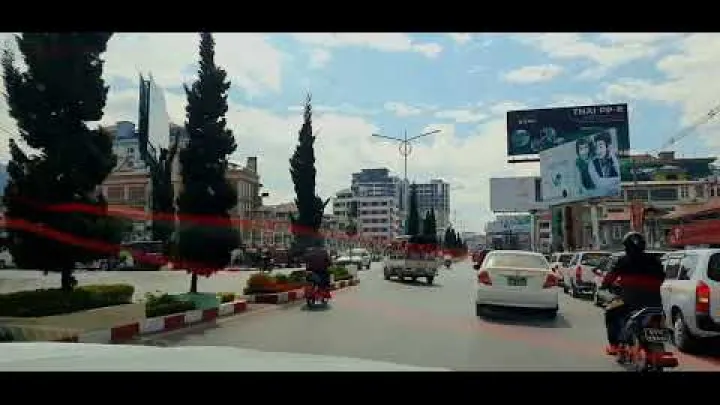
A city-based stay may make sense when you have local appointments, want access to Taunggyi services, or will travel in more than one direction. A destination-focused stay may be more practical when most of your time will be spent at one regional attraction or in one town. Compare the number of daily transfers, the expected return time, luggage arrangements, and the availability of a reliable driver.
Ask the property whether drivers currently serve your intended route, whether pickup from Taunggyi is possible, and whether a return at your preferred time can be arranged. Treat route convenience as a current operating question, not as a permanent feature of the map.
For the Taunggyi Balloon Festival or Other Major Events
Event travel changes the lodging decision. For the Taunggyi Balloon Festival or another major event, compare access to the current venue with the ease of returning to your room, likely crowding, road restrictions, and noise around the property. The closest property is not always the most practical if the final return route is difficult or if transport arrangements are uncertain.
Before paying, confirm the current event dates, venue access, road restrictions, and available return transport. Ask the accommodation whether guests can reach the property during the event period, where vehicles can stop, and how late check-in or late return will work. Do not rely on an old event calendar, an outdated venue description, or an assumption that ordinary city routes will operate in the same way during the event.
If the event is the main reason for your trip, choose the base with the most manageable confirmed return route rather than automatically choosing the property with the shortest apparent distance. Keep the booking terms clear because event arrangements can change.
Choose the Right Accommodation Type
After choosing a base, compare the type of property with your length of stay, budget, working needs, and tolerance for arranging services yourself. Hotel, guesthouse, hostel, resort-style, and serviced accommodation can provide very different levels of support. The name used in a listing is less important than the facilities and operating details that are confirmed for your dates.
Formal Hotels for Short Stays and First Visits
A formal hotel may suit a short stay or a first visit because it may offer a clearer check-in process, private rooms, staff assistance, and help with transport. These advantages are useful only when the property currently provides them, so compare the actual service rather than relying on the word hotel or on photographs.
Ask about current room condition, hot water, electricity, internet, reception hours, cancellation terms, and the total price including any added charges. Confirm whether breakfast, transport, luggage storage, or other services are included or arranged separately. Recent reviews can help identify patterns, but they do not replace a direct answer about your dates.
Foreign-guest acceptance and registration procedures must be confirmed directly. A property that appears in a booking search or on a map may have different current policies, limited operating hours, or restrictions on the documents it can accept. Ask before making a non-refundable payment.
Guesthouses, Hostels, and Budget Rooms
Guesthouses, hostels, and budget rooms may reduce the nightly cost, but the trade-off can involve reception hours, private bathroom availability, sound insulation, utilities, language support, or transport assistance. These differences are not the same at every property. Confirm the room type rather than assuming that a budget listing includes the facilities you need.
Hostel-style inventory should also be confirmed rather than treated as evidence of a large or established hostel market in Taunggyi. Ask whether the available room is private or shared, whether bedding is provided, and how many guests share the bathroom. If you work online, ask specifically about Wi-Fi and backup arrangements rather than using a general connectivity label.
A budget booking checklist should include:
- The exact address and a contact who will respond near arrival.
- The current availability and the precise room category.
- Private or shared bathroom arrangements.
- Payment method, deposit, cancellation terms, and accepted documents.
- Late-arrival arrangements and whether passport details are required at check-in.
Resort-Style Properties for Space and Quiet
A resort-style or compound property may fit a retreat, a group stay, or a traveler who values outdoor space and a quieter setting more than walkability. It can also work for a longer stay when you plan to spend substantial time at the property. This choice involves accepting more distance from everyday food, markets, and local services.
Compare the full experience. Check whether you will need a private vehicle, whether evening arrival support is available, and whether the property has suitable heating or extra bedding, hot water, internet, and power arrangements for your dates. Ask how far the property is from the activities and services that matter to you, using the actual route rather than a broad city description.
Confirm that the property is open, bookable, and offering the advertised amenities. A compound or resort label does not by itself confirm a pool, restaurant, reliable transport desk, workspace, or quiet room. Select this type only when its confirmed features justify the reduced walkability.
Serviced Apartments and Longer-Stay Options
Serviced apartments and other long-stay options can suit students, remote workers, business visitors, and people relocating temporarily. Prioritize a kitchen or food-preparation area, laundry access, workspace, storage, stable internet, and a daily route that you can use without excessive transport planning.
Before committing, confirm the deposit, utility charges, lease length, maintenance contact, payment arrangements, cleaning schedule, and any registration requirements. Ask what happens if an appliance, water system, or internet connection needs attention. A lower weekly or monthly quote may not include all of the services needed for a comfortable long stay.
Locally advertised long-stay options can be harder to verify than standard hotel listings. A short initial stay can be a sensible way to inspect the area, test connectivity, and confirm the property's operating arrangements before making a longer commitment.
Check Practical Conditions Before Booking
The area decision is not complete until the property can support your arrival, daily routine, and basic comfort. These checks are especially important when an online listing gives limited detail or when your stay includes late arrival, remote work, regional travel, or a seasonal event.
Arrival and Late-Check-In Logistics
Confirm the final route from the airport, bus or road arrival point to the property. Ask whether a driver can identify the building, where the vehicle should stop, and whether the last part of the route is easy to find. A map pin may mark the general property position without explaining a narrow entrance, a changed road approach, or a meeting point.
Ask about late check-in, pickup, luggage handling, contact numbers, and a backup plan if your original transport changes. Send your expected arrival details and ask the property to reply with clear instructions. Current road conditions and transport availability can change, so do not select a location only because a generic listing makes the route appear simple.
A useful message to send is:
Please confirm the exact address, the best arrival route from my arrival point, whether pickup is available, where the driver should meet me, whether late check-in is possible, and whom I should contact if my arrival changes.
Keep the reply available offline or in a form you can access without relying on hotel Wi-Fi.
Walkability, Nighttime Activity, and Noise
Define walkability by the real route to meals, markets, transport pickup points, and the return journey after dark. Straight-line distance is not enough. Consider whether the route has a usable sidewalk, a slope, heavy traffic, an unclear entrance, or businesses that close before you return.
Inspect the exact street and property entrance through current map information where available, then ask the property about lighting, sidewalks, slopes, street activity, and local transport. These details help you decide whether central convenience is useful for your schedule or whether a property with pickup support would be more practical.
Noise can vary within the same base area. Ask for a room away from the main road, market frontage, religious loudspeakers, restaurants, construction, or event activity where relevant. Also ask whether rooms have windows facing an internal courtyard or an active street and whether the property has quiet hours.
Electricity, Hot Water, Heating, Wi-Fi, and Payment
Essential facilities should influence both the area and the accommodation choice. A central room is not convenient if you need reliable work access, warm showers, or comfortable nights and the property cannot explain how it handles basic services.
Ask about power interruptions, backup arrangements, hot water, heating or extra bedding, Wi-Fi performance, mobile signal, and accepted payment methods. If you work online, ask whether the connection is suitable for calls and whether there is a practical alternative if the main connection stops. If you will arrive late, confirm how payment is handled and whether cash or another method is required.
For dates when the room may be cool or wet, ask the property whether it has adequate bedding or heating, hot water, and backup arrangements. Treat each answer as specific to the property and your dates rather than as a citywide guarantee.
Verify Current Conditions and Finalize Your Base
Once you have a short list, use a final verification process. The aim is not to find the most impressive listing. It is to confirm that the property is operating, reachable, suitable for your documents and travel purpose, and flexible enough for the conditions of your trip.
Check Current Safety and Travel Advisories
Read the latest official travel advisory for Myanmar and any relevant regional guidance before finalizing your trip. Broad conditions in Myanmar and eastern Myanmar can affect transport, accommodation operations, road access, and the availability of local assistance. This information is time-sensitive and should be checked close to departure as well as during major itinerary changes.
Keep the advisory at the correct level. A national or regional advisory is not a street-by-street rating for Taunggyi, and a central map label is not evidence that a particular road is suitable for every traveler. Avoid unsupported neighborhood rankings and focus on the current conditions that affect your route and property.
After reading the latest guidance, confirm local operating conditions with the accommodation. Choose a property with a clear access route, a reachable contact, and practical support that matches your itinerary only after those current checks are complete.
Confirm Property Availability and Guest Requirements Directly
Contact the property directly before making a non-refundable booking. First confirm that it is open on your dates. Then confirm that the room category shown online exists, the quoted total is current, and the accommodation accepts your passport or nationality.
Ask about registration, check-in documents, utilities, payment, cancellation, and the exact address. If you are traveling internationally, ask whether foreign guests are accepted and what information must be provided at check-in. If you are booking for a group, confirm the names and documents required for every guest.
A current listing or map entry does not prove that a property is operating or suitable for an international visitor. A direct reply also gives you a contact for arrival and lets you identify differences between the online description and the present arrangement.
Use this short message checklist:
- Is the property open and is the requested room available for my dates?
- What is the current total price, including deposits, taxes, utilities, or other charges?
- Do you accept my passport or nationality, and what registration documents are required?
- What payment method and cancellation terms apply?
- Are hot water, electricity, internet, bedding, and the advertised facilities available for these dates?
- What is the exact address and the best direct contact for arrival?
Use a Flexible Booking and Backup Plan
When transport, property operations, or event arrangements are uncertain, a refundable booking or a short initial stay can reduce the cost of a change. Read the cancellation deadline and identify whether a deposit is refundable before paying.
Save the property's direct contact details, arrival instructions, booking confirmation, and payment record. Keep one alternative property or a central fallback in mind, with its address and contact information stored separately from the first booking.
This preparation helps if a route changes, an event affects access, the selected room is unavailable, or the current property differs from its online listing. Make the final payment only after you understand the total cost, arrival process, guest requirements, and cancellation terms.
Final Recommendation for Where to Stay in Taunggyi
For most first-time visitors, start with a central or near-central base close to the central market area or established commercial streets. This is the most practical default for local sightseeing, meals, services, and flexible transport arrangements, provided the exact property has suitable room conditions and arrival support.
Choose an inner mixed-use or residential street when it offers a confirmed balance of central access and the room quietness you need. Choose an outer or road-corridor property only when parking, space, a retreat setting, or a confirmed onward route gives you a clear practical advantage. For regional trips, compare Taunggyi with staying closer to Nyaung Shwe, Inle Lake, Kakku, Kalaw, or your main activity.
Before booking, make four decisions: identify your main trip purpose, select the base that supports it, choose an accommodation type that fits your length of stay, and confirm the property's current operating details directly. That process is more reliable than choosing a hotel from a broad area label or assuming that a lower room rate produces a better overall stay.
Select area
Create a post
Posting is free and no registration is required.