Taunggyi Budget: Daily Costs, Trip Totals, and Ways to Save

A realistic Taunggyi budget depends less on one average price than on where you sleep, how you share transport, and how many paid excursions you add. As a starting point, plan about US$25–35 per person per day for austere travel, US$50–80 for mid-range travel, or US$90–150 or more for a relaxed trip with several paid activities. These ranges cover normal visitor spending on accommodation, food, local transport, and ordinary activities, but international flights and major intercity travel are separate. This guide explains the cost of staying in Taunggyi town, Nyaungshwe, or near Inle Lake, and shows how to adjust the budget in Myanmar kyat.
How Much Does a Taunggyi Trip Cost?
Daily Taunggyi Budget Ranges by Travel Style
The following bands are useful for initial planning, not guaranteed prices. They are calculated per person and per spending day. The biggest variables are whether a room is shared, whether a boat or car is shared, and whether an excursion is included in that day.
| Travel style | Daily range | Typical assumptions |
|---|---|---|
| Austere | US$25–35 | Shared basic room or simple guesthouse, local meals, walking and short local rides, mostly low-cost sightseeing |
| Mid-range | US$50–80 | Private room or comfortable double room shared by two people, mixed local and sit-down meals, regular local transport, selected paid activities |
| Relaxed | US$90–150 or more | Comfortable hotel or resort, private room, frequent restaurant meals, more hired transport, and several tours or upgrades |
An austere budget is most realistic for a traveler who stays in Taunggyi town, eats mainly local food, and treats an Inle Lake boat, Kakku Pagodas visit, or vineyard outing as a separate occasional cost. A mid-range budget allows more flexibility and can absorb some paid sightseeing when transport is shared. The relaxed range is more appropriate when you want a resort or lakefront stay, private transfers, private excursions, imported food, wine, or regular drinks.
These figures should not be confused with a resident cost-of-living total. The Livingcost Taunggyi page is a broad reference for rent, food, and local living expenses, so it can provide context but is not a direct quotation for a visitor's current trip. Booking dates, availability, exchange conditions, and local quotations can change the result.
Separate three types of day when planning. A normal Taunggyi city day may stay near your chosen daily band. An excursion day can be much higher because of a boat, car, guide, or admission fee. A travel day may include a bus or airport transfer but little sightseeing. Averaging all three without showing the separate lines can make the budget look more precise than it is.
What Each Daily Range Includes
A useful daily estimate has four routine categories: the place to stay, food and drinks, local transport, and ordinary activities. It should also show which expenses are excluded. One-off car hire, boat hire, admission fees, and long-distance tickets are easier to control when they remain outside the routine daily baseline and are added only to the days when they occur.
| Category | Austere planning approach | Mid-range planning approach | Relaxed planning approach |
|---|---|---|---|
| Stay | Basic room shared by two or a simple private room | Comfortable private room or double room shared by two | Higher-comfort hotel, lodge, or resort |
| Food | Shan noodles, tea shops, markets, and simple Burmese meals | Local meals mixed with cafes or selected restaurants | Hotel dining, international food, wine, alcohol, and specialty drinks |
| Local transport | Walking, grouped rides, and only necessary short trips | Regular taxis or other local rides, with some sharing | More private rides, transfers, or hired vehicles |
| Activities | Free or low-cost city sightseeing | Some admissions or one planned paid outing | Several paid tours, private arrangements, or upgrades |
Always distinguish a room price from a person price. For example, if a double room is quoted at US$20 per room, two people sharing it would start with US$10 each before taxes, breakfast, and other extras. A solo traveler pays the full room amount unless a genuine single rate is offered. The same principle applies to boats, cars, and taxis: a quote for one vehicle is not automatically a quote for each traveler.
Accommodation is often the largest routine cost that changes with travel style. Food can remain controlled with local dishes, but one lake day or rural day trip can add more than several ordinary meals. A useful budget therefore has a normal-day allowance and a separate excursion allowance instead of forcing every day into one identical figure.
Build a Taunggyi Trip Budget Before Booking
Start with a small worksheet rather than multiplying a single daily number. This makes it easier to compare Taunggyi with Nyaungshwe and to see whether a cheaper room is still economical after transfers to Inle Lake.
Separate Fixed, Daily, and Optional Costs
Classify each cost according to how often it occurs. Fixed or one-time costs may include arrival and departure from Heho Airport, a long-distance bus, a domestic flight, an intercity transfer, a regional or zone fee where applicable, and a required vehicle or guide for a particular visit. Daily costs usually include accommodation, meals, drinks, short local rides, and routine sightseeing. Optional costs include wine tourism, a private tour, a boat upgrade, extra waiting time, special meals, and resort transfers.
Use this basic formula:
Total trip budget = nights multiplied by accommodation cost, plus daily food and local transport, plus intercity travel, excursions, one-time fees, and a flexible contingency.
Then label every line using four details:
- Who pays: per person, per room, per vehicle, or per boat.
- When it applies: every night, every day, once per trip, or only on an excursion day.
- What is included: breakfast, taxes, admissions, guide, meals, fuel, waiting time, or return transport.
- How the price was obtained: a current booking snapshot, a directional menu reference, or a quotation that still needs local confirmation.
For a couple, calculate the room and any shared vehicle at the total price first, then divide by two. For a small group, do the same for a car or boat and divide only among the travelers who use it. This prevents a per-room or per-vehicle amount from being mistakenly added to each person's budget.
Sample Budgets for Three and Seven Days
These examples multiply the three daily planning bands. They mean three or seven spending days, not a promise about the number of hotel nights. A three-day visit may use two nights if the traveler arrives early and leaves on the third day, while three hotel nights require an additional accommodation line.
| Travel style | Three spending days | Seven spending days |
|---|---|---|
| Austere | About US$75–105 | About US$175–245 |
| Mid-range | About US$150–240 | About US$350–560 |
| Relaxed | About US$270–450 or more | About US$630–1,050 or more |
The totals exclude long-haul arrival and departure costs and major intercity legs. Add a bus, flight, or Heho Airport transfer as a separate line. Also add an Inle Lake boat day, Kakku visit, or other paid excursion rather than assuming it is already covered by the daily multiplication. If a couple shares a room and a boat, the per-person total may be lower than the solo total even when both travelers choose the same itinerary. Recalculate after selecting dates, a base, and the number of travelers.
Accommodation Prices: Taunggyi, Nyaungshwe, or Inle Lake
Eastern Myanmar travel costs can change substantially when the accommodation base changes. Taunggyi town, Nyaungshwe, and lakefront properties serve different itineraries, so the cheapest nightly listing is not always the cheapest complete trip.
Taunggyi Town Guesthouses and Hotels
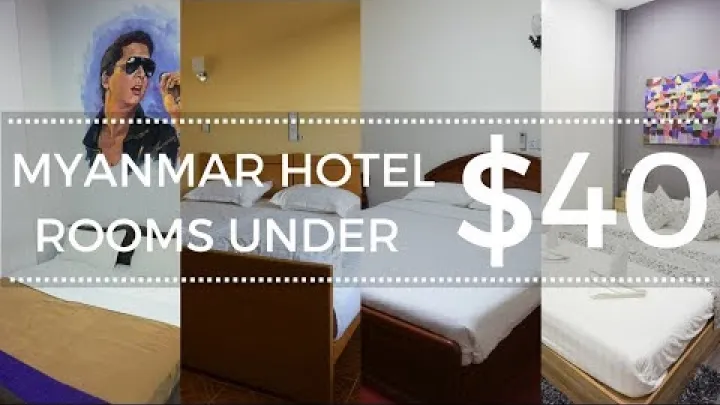
Online booking snapshots have shown Taunggyi guesthouses from about US$13, but a starting price is date-dependent and may not include taxes, breakfast, or other charges. The Expedia listing is best treated as an indicative search result for the selected dates, not as a citywide standard.
Search pages also identify properties such as Mountain Star Hotel, UCT Taunggyi Hotel, Royal Star Hotel, Cherry Queen Hotel, and Aythaya Monte diVino Lodge as budget accommodation examples. The Agoda page can help travelers find names to compare, but a listed property is not a fixed recommendation or proof that a room is currently available.
There are three practical levels to compare. The cheapest private room may reduce the nightly total but offer fewer facilities or a less convenient location. A central mid-range hotel may cost more but reduce local ride costs and make meals easier to find. A more comfortable hotel or lodge may include breakfast, better common facilities, or a quieter setting, but it can raise the total once transport and restaurant spending are added.
For the exact dates, recheck the total accommodation price, availability, taxes, breakfast, electricity or internet conditions, and cancellation terms before paying. Compare the final payable amount rather than only the displayed starting rate. Also divide the room total by the actual number of people sharing it so that a double-room price is not mistaken for an individual nightly cost.
How Nyaungshwe and Lakefront Stays Change the Budget
Nyaungshwe town is a different accommodation market from Taunggyi town. It is closer to common Inle Lake departure points and has a travel-oriented supply of guesthouses, restaurants, and services. A budget-hotel snapshot has shown Nyaungshwe rates from about US$16, as displayed by Expedia. That figure is an indicative starting point affected by dates and availability, not a fixed Nyaungshwe rate.
| Base | Nightly price logic | Boat and activity access | Food and local transport | Often suits |
|---|---|---|---|---|
| Taunggyi town | More city lodging choices to compare | Add transfers for Inle Lake or rural outings | Useful access to city meals and services | City-focused visits or travelers combining several inland stops |
| Nyaungshwe | Budget rooms are available in some date searches | Usually simpler logistics for lake departures | Travel-oriented food and ride choices nearby | Short stays centered on Inle Lake activities |
| Lakefront or resort | No reliable fixed range; search the exact dates | Scenery and resort setting may reduce transfer needs for some plans | On-site dining and transfers may cost more | Travelers prioritizing comfort, views, and convenience |
Taunggyi may lower everyday lodging and food costs while adding a transfer each time you visit the lake. Nyaungshwe may cost more or less for the room on a particular date, but it can reduce lake-day logistics. A lakefront resort may save time and provide a special setting while charging more for comfort, scenery, meals, or transport. Choose the base by comparing the complete itinerary: number of lake days, group size, room standard, and transfer needs.
Season, Weekends, and the Balloon Festival
Demand can be stronger during the cooler, drier travel period, on weekends, and around the Taunggyi balloon festival. A directional planning pattern often places December to February among the busier months and March to May among periods that may offer lower accommodation demand, but this is not a guaranteed seasonal price rule. A particular hotel may have its own events, closures, or availability pattern.
The festival can affect more than the room rate. Rooms may disappear earlier, buses and local transport may be busier, and a convenient base can become more valuable than a small saving. Do not assume a specific festival surcharge without comparing live rates for the relevant dates.
Rainy-season accommodation can look attractive when demand is lower, but a cheaper room is not automatically a good bargain if a rural day trip becomes difficult. Before fixing a rainy-season or rural excursion plan, check current local weather and road conditions, then decide whether the saving is worth the access risk. Check festival dates and live availability before choosing a non-refundable booking.
Food and Drink Costs in Taunggyi
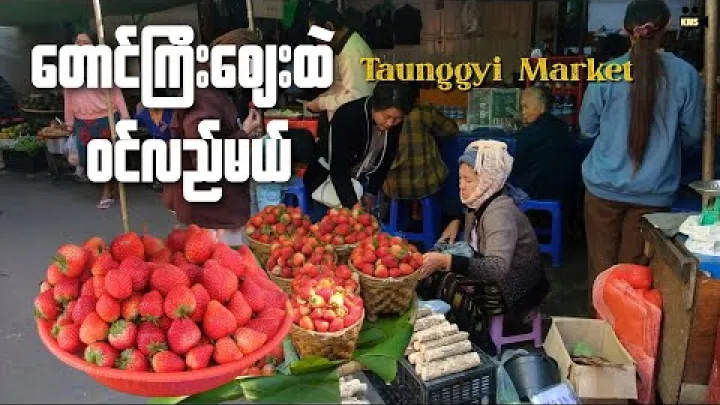
Food is one of the easier parts of a Taunggyi travel budget to adjust. Local Shan dishes and simple Burmese meals can support an austere plan, while cafes, hotel dining, imported products, alcohol, and wine experiences can quickly move a day into the mid-range or relaxed band.
Local Meals, Shan Dishes, and Markets
Use three food-spending scenarios when building the daily budget:
| Food pattern | What it includes | Budget effect |
|---|---|---|
| Low | Shan noodles, tea shops, simple Burmese meals, markets, and limited snacks | Leaves more of the daily allowance for transport or one paid activity |
| Typical | Local meals with a cafe drink, extra snack, or occasional sit-down restaurant | Fits many mid-range days when paid excursions are separate |
| Higher | Hotel or international dining, specialty coffee, alcohol, imported food, and frequent snacks | Can raise the daily total faster than ordinary local meals |
One available menu reference lists Burmese tea at MMK 5,000 and Shan noodles at MMK 6,000. However, the venue is a Taunggyi-branded cafe in Thingangyun, Yangon, not in Taunggyi. The Foodpanda menu is therefore only a directional example of listed menu prices, not direct Taunggyi pricing. Use a current Taunggyi menu or local quotation before converting those figures into a city-specific food estimate.
Hotel breakfast can reduce the number of meals purchased outside, but only if it is included in the final room price and is actually available on the relevant dates. Keep separate allowances for bottled water, coffee, tea, fruit, snacks, and meals during excursions. These small purchases are easy to omit when a budget lists only breakfast, lunch, and dinner.
Cafes, Restaurants, Alcohol, and Wine Tourism
Sit-down restaurants and international food usually require a higher food allowance than local tea shops or markets. Specialty coffee, beer, wine, and hotel meals can have an even larger effect because they are often purchased in addition to, rather than instead of, a basic meal.
Aythaya Vineyards and the Sunset WineGarden area are useful local examples for travelers who want to include wine tourism near Taunggyi. Treat a vineyard visit as its own experience line: separate the meal, drinks, tasting fee if any, and transport to the venue. Do not use an old review price or a general national restaurant average as a current Taunggyi menu rate. Recheck the current menu or operator quotation if the visit is important to the itinerary.
A practical moderate-budget strategy is to alternate local meals with selected higher-cost experiences. For example, choose Shan noodles or a simple Burmese meal for the main food routine, then reserve one restaurant meal, cafe visit, or wine experience for a chosen day. This preserves room for local experiences without requiring every day to be either extremely basic or fully comfortable.
Transport Costs and Paid Experiences
Transport can be a small daily cost inside Taunggyi but a major one when it connects the city with Heho Airport, Yangon, Nyaungshwe, Inle Lake, or Kakku Pagodas. Put regional access and paid excursions on separate lines so they do not distort the normal city-day estimate.
Arrival and Intercity Transport as Separate Budget Lines
Heho Airport transfers, long-distance buses, and domestic flights are regional-access costs. They should be added to the trip total separately from walking, short rides, and ordinary local sightseeing. A traveler who arrives at Heho Airport may have a different total from someone who reaches Taunggyi by bus, even if both spend the same number of nights in town.

| Transport category | How to budget it | Main variables |
|---|---|---|
| Heho Airport transfer | Use a separate quoted line for the vehicle or shared transfer | Pickup time, destination, vehicle size, passengers, and luggage |
| Long-distance bus | Add the ticket per traveler; an overnight trip may replace a hotel night | Operator, class, departure, arrival time, baggage, and booking channel |
| Domestic flight | Keep the air ticket and airport transfers outside the daily range | Route, date, availability, baggage, and payment conditions |
| Intercity private vehicle | Price the vehicle for the whole party, then divide the shared cost | Distance, waiting time, stops, vehicle type, and return arrangement |
For a concrete but changeable reference, a CheckMyBus snapshot has shown Taunggyi-to-Yangon buses starting at about US$25, with multiple daily departures listed. The CheckMyBus result is a current-looking comparison snapshot, so the fare should not be treated as a guaranteed price for every operator, class, date, or booking channel.
An overnight bus can reduce one accommodation night, but that saving has a trade-off. The arrival time may require an onward taxi or early check-in, and the lower fare may involve less comfort than a flight or private transfer. Before booking, confirm the current operator, departure time, fare, baggage rules, and payment method directly. Add any onward transport to the arrival-day budget.
Local Rides, Scooter Hire, and Walking
Short local transport in Taunggyi may involve walking, motorcycle taxis, tuk-tuks, taxis, or a rented scooter. Current Taunggyi-specific fare evidence is limited, so broad Myanmar transport estimates should be treated only as background. A fare from another city, a general travel guide, or a sparse taxi-aggregator result for an eight-kilometer ride is not a reliable standard for Taunggyi.
Compare prices using the correct unit. A taxi quote may be per ride or per vehicle, a scooter quote is usually per day, and a motorcycle taxi may be per passenger and per trip. If two travelers take one vehicle, divide a shared ride by two only when both travelers are included in the agreed price. If several short rides are needed, grouping nearby sights and walking between suitable stops can be simpler than renting a vehicle for the whole day.
A scooter can be economical for an experienced rider who has a clear need for independent movement, but it is not automatically cheaper than walking and a few grouped rides. Before choosing one, check the current rental terms, road suitability, local restrictions, and your own experience level. Ask what documents, deposit, fuel arrangement, damage terms, and return time apply. If roads or weather make riding unsuitable, the apparent daily saving may not justify the risk.
Inle Lake Boats, Kakku, and Other Excursions
Excursions are the most difficult part of a Taunggyi travel budget because the same activity can have a very different per-person cost depending on group size. Inle Lake boat hire is commonly discussed as a price for the whole boat, while some organized tours are quoted per person. Kakku Pagodas visits may include a vehicle, admission, and a Pa-O guide requirement. Cycling, trekking, vineyard visits, and special lake activities can add separate costs.
For a solo traveler, a car or boat can make a day expensive because the vehicle cost is not divided among several people. A couple or small group can reduce the per-person cost by sharing, but admissions and some other charges may still remain per person. Do not assume that a low headline quote includes everything needed to complete the day.
| Excursion item | Ask how it is quoted | Keep in the worksheet |
|---|---|---|
| Boat or car | Per boat, vehicle, person, or group | Total quote, capacity, fuel, itinerary, and return plan |
| Admission or area fee | Per person, if applicable | Each traveler's fee as a separate line |
| Guide | Included, required, or optional | Guide cost and any local guide arrangement |
| Meals and drinks | Included in a package or purchased separately | Food allowance for the excursion day |
| Waiting and return transport | Included in the time or charged separately | Extra hours, late return, and transfers after the activity |
For every excursion quote, confirm whether the amount is per person, vehicle, or boat and whether admission, guides, meals, and return transport are included. This is especially important for Kakku and Inle Lake plans, where a vehicle or boat price may be only one part of the total. Record the current operator, group size, meeting point, waiting time, and payment terms in the worksheet before treating the quote as final.
Practical Ways to Save Money in Taunggyi
The best savings usually come from matching the base and activities to the itinerary. Cutting the cost of every meal is less effective if repeated transfers or a private boat dominate the trip total.
Save on Accommodation by Choosing the Right Base and Season
Compare the complete cost of staying in Taunggyi with the transfers required for lake activities. Taunggyi can work well for a city-focused itinerary, local food, and selected inland visits. Nyaungshwe is often more practical when most days begin on or near Inle Lake. A lakefront resort may suit a comfort-focused visit but should be compared with the cost of separate transfers, meals, and activities rather than judged only by its room rate.
Use this decision rule:
- For one or two lake days and a short visit, compare Nyaungshwe's room cost and easier boat logistics with the cost of transferring from Taunggyi.
- For a city-focused stay or a longer itinerary with fewer lake departures, compare Taunggyi's daily room and food costs against the added rides.
- For a couple or small group, calculate shared rooms, boats, cars, and transfers per person before deciding which base is cheaper.
- For event dates or higher-demand weekends, compare several date options if the itinerary allows, but do not assume a lower-demand period is suitable without considering access conditions.
Sharing a room, choosing a basic guesthouse, asking about a longer stay, or traveling outside peak demand may reduce the per-person average. Direct negotiation or monthly pricing may not be available everywhere, so treat it as a possibility rather than a promised saving. Compare the final price and cancellation terms before selecting a low-season or event-period booking.
Save on Food and Everyday Spending
Build the core food budget around local tea shops, Shan dishes, markets, and simple restaurants. Then choose hotel dining, imported food, alcohol, and specialty drinks as planned occasions. This approach allows a traveler to enjoy higher-cost meals without making every meal expensive.
Small purchases accumulate. One cafe drink each day for a seven-day trip means seven separate purchases, even if each one seems minor. The same is true of bottled water, snacks, desserts, and transport to a restaurant outside the main area. Write these items into the daily plan instead of treating them as invisible extras.
Accommodation with breakfast can help when the inclusion is confirmed and the meal suits your schedule. Check menus before ordering and ask whether service charges or other extras are included. Price discussions should remain fair and respectful; a small saving for a visitor should not depend on pressuring a local vendor who is working with much lower local incomes.
Share Excursions and Cluster Paid Activities
Sharing is often more powerful for a boat, car, airport transfer, or taxi than for a single meal. If a hypothetical vehicle quote is US$120 for four travelers, the transport portion is US$30 per person before admissions or meals. If only one traveler uses that vehicle, the same quote remains US$120 for that traveler. The arithmetic is simple, but the quote must actually cover the same vehicle and itinerary for all travelers.
Look for compatible travelers who want the same departure time, stops, duration, and comfort level. Cluster activities that use the same transport or base area, and walk or cycle where practical. A private tour, resort transfer, wine visit, or guide can be a worthwhile upgrade, but compare it with a locally arranged alternative and include every extra component in the total.
When comparing shared offers, record the operator, vehicle or boat capacity, itinerary, waiting time, and inclusions. A cheaper headline amount is not necessarily the lowest total if it excludes admission, a guide, meals, fuel, or the return journey. Sharing reduces a fixed cost; it does not remove costs that apply to each person.
Currency, Cash, and Price Verification
Plan daily purchases in Myanmar kyat and use US dollars only as a convenient comparison. The local amount is the amount a vendor, hotel, or operator may actually request, while a dollar estimate can become misleading when it uses an old or different conversion basis.
Plan in Myanmar Kyat Instead of Using a Fixed Dollar Conversion
A budget written as US$50–80 per day is useful for comparing travel styles, but it is not a stable local tariff. Preliminary price references can show a meaningful gap between a reference exchange rate, a commercial rate, and the rate used in an on-the-ground transaction. Mixing conversions from different dates can make the same MMK price appear to change more than it really has, or hide a real change in the local price.
Keep a current MMK reference while planning and use ranges rather than one exact dollar conversion. When a hotel, operator, or vendor quotes in foreign currency, ask whether the amount is fixed in that currency or converted from a kyat price. Confirm the same-day MMK price and exchange rate, and confirm whether the quoted amount is fixed, before paying.
- Write the quoted amount in MMK and the comparison amount in USD separately.
- Record the date and source of any exchange-rate example.
- Ask whether payment must be in kyat or whether another currency is accepted.
- Ask whether the quoted amount includes taxes, service charges, admissions, fuel, or other extras.
- Keep a record of deposits, balances, and cancellation conditions for larger bookings.
Do not present one supposedly correct conversion as the answer for the whole trip. Recalculate the daily bands when the local rate, room price, or excursion quote changes.
Verify Every Price Before You Commit
Use a final checklist after choosing the base and itinerary. This is more reliable than copying a single online travel budget because different price references have different strengths and limitations.
- Accommodation: confirm the exact dates, total payable amount, availability, taxes, breakfast, facilities, location, and cancellation terms.
- Transport: confirm the operator, departure time, fare, class, baggage rules, pickup point, payment method, and any onward ride.
- Food: use a current Taunggyi menu or local quotation, and ask whether service charges or extras are included.
- Excursions: confirm whether the quote is per person, vehicle, or boat, and list the guide, admissions, meals, waiting time, fuel, and return transport.
- Currency: record the MMK amount, conversion date, and whether the price is fixed or can change.
- Contingency: leave a flexible amount for rate changes, unavailable rooms, changed schedules, extra transfers, and one-off fees.
Label estimates clearly in your notes. A current snapshot is a recent booking or operator result for chosen dates. A directional estimate is a useful reference that does not directly describe the exact location or date. A local verification is a quotation or menu checked for the planned visit. Booking-platform starting prices, user reviews, old travel reports, general cost-of-living aggregators, and social-media quotes should not be treated as equivalent evidence.
After confirming the number of travelers, nights, base, and paid excursions, calculate the budget again. This final step usually changes the answer more than fine-tuning the cost of an ordinary cup of tea.
Bottom Line: Make Your Taunggyi Budget Flexible
For initial planning, use about US$25–35 per person per day for austere travel, US$50–80 for mid-range travel, and US$90–150 or more for a relaxed itinerary. Add Heho Airport transfers, intercity tickets, Inle Lake boats, Kakku Pagodas visits, and other paid experiences separately. Choose Taunggyi town, Nyaungshwe, or a lakefront property by comparing the full itinerary rather than the cheapest room alone.
The most effective savings come from sharing rooms and vehicles, eating locally most of the time, grouping activities, and choosing a base that reduces repeated transfers. Keep the final calculation in Myanmar kyat as well as US dollars, use ranges, and update it when your dates and quotations are known. A flexible Taunggyi budget is more useful than an exact number that cannot survive a change in exchange rates, availability, weather, or local prices.
Select area
Create a post
Posting is free and no registration is required.