Taunggyi Travel Guide: Safety, Seasons, Transport & Sights

Taunggyi is the highland capital of Shan State and a practical starting point for exploring the culture, markets, religious sites and landscapes of southern Shan State. A first visit can combine central Taunggyi with nearby destinations such as Inle Lake, Kakku Pagodas or Pindaya, but these places are regional excursions rather than city neighborhoods. This Taunggyi travel guide explains how to make a conditional travel decision, choose between Taunggyi and Nyaungshwe, plan transport, compare seasons and build a flexible itinerary. Read the current travel-advisory guidance first, then use the planning sections only if the journey is appropriate and access can be confirmed.
Should You Travel to Taunggyi Now?
The first question is not which pagoda to visit or where to book a room. It is whether current official guidance, transport conditions and your own circumstances support travel to Myanmar and the Taunggyi area. Treat this section as a decision framework, not as a promise that the city or its surrounding routes are operating normally.
Read Current Advisories Before Planning
The official security position should be the first source you read and the last one you recheck before departure. The Burma Travel Advisory supplied for this guide lists Myanmar at Level 4, “Do Not Travel,” with an issue date of May 8, 2026, citing armed conflict and unrest. Advisory wording and dates can change, so use the linked page for the current position and consult your own government’s advice as well.
National security guidance takes priority over an old guidebook, a hotel description, an operator’s message or a social-media post saying that a particular tourist area is calm. A description of Taunggyi as a market city, a gateway to Inle Lake or a cooler highland destination does not establish that travel there is currently suitable.
For that reason, this article provides conditional planning information. It does not certify Taunggyi, Heho Airport, Shwenyaung, Inle Lake or any rural route as safe, open or consistently accessible. If the official advice for your nationality recommends against travel, casual tourism should generally be postponed rather than treated as a normal booking decision.
Make a Conditional Go-or-No-Go Decision
If travel remains under consideration, make the decision using a short checklist instead of relying on a general impression of the destination:
- Official advice: Read the latest travel advisory and any relevant official notices for Myanmar and the areas on your proposed route.
- Purpose of travel: Consider whether the trip is essential, time-sensitive or discretionary. A leisure trip normally allows more flexibility to postpone.
- Route confirmation: Establish that your intended airport, roads, accommodation and regional stops are currently usable through reliable, current contacts.
- Local support: Identify a dependable local contact, driver, accommodation representative or organization that can communicate changes quickly.
- Personal limitations: Consider medical needs, medication access, mobility, language, communications and your ability to leave if plans change.
- Insurance: Check whether your policy covers the destination and the activities you plan to undertake. Some policies restrict coverage when an official advisory recommends against travel.
- Cancellation flexibility: Prefer arrangements that allow changes or refunds if a route, property or activity becomes unavailable.
Proceeding despite negative official guidance means accepting the possibility of changing access, reduced services, delays and an abandoned itinerary. If an advisory recommends against travel, or if transport and local operating conditions cannot be independently confirmed, postponement is the more practical choice.
Understand Taunggyi's Setting and Character
Taunggyi makes more sense when viewed as part of southern Shan State rather than as an isolated sightseeing city. Its highland setting, regional connections and mix of urban and rural experiences shape how long to stay and where to base yourself.
Taunggyi's Highland Setting and Regional Role
Taunggyi is the elevated capital and an administrative-commercial center of Shan State. Its highland character generally feels cooler than Myanmar’s lowland cities, particularly in the evening and during the cooler part of the year. The city is more useful for travelers who want to understand the region or connect several interests than for visitors seeking a single concentrated monument district.
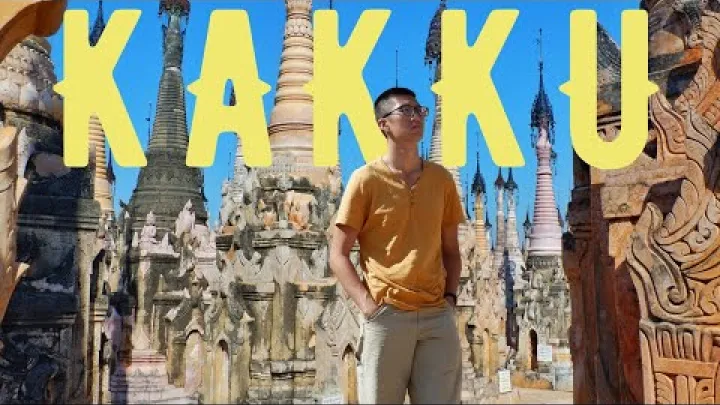
The surrounding travel area includes Shwenyaung, Inle Lake and Nyaungshwe, but the relationships between them matter. Taunggyi is inland and urban, while Nyaungshwe is the more direct lake-side base. Heho Airport is commonly used as an arrival point for the wider area, followed by a road transfer. Kakku Pagodas, Pindaya caves and countryside or vineyard stops are additional regional destinations, not parts of Taunggyi’s central walking area.
Use Taunggyi as a regional staging point when your interests include markets, local culture, hilltop religious sites, caves, countryside or a broader Southern Shan route. Choose it as the main base only when the city itself is a priority or when current transport conditions make it the most workable location for your plans.
City Layout, Local Culture, and Orientation
There is no need to treat an informal visitor map as an official district system. A useful mental map begins with the central commercial streets and Myoma Market, continues toward the civic and cultural area associated with the Shan State Cultural Museum, and then extends uphill toward religious sites and viewpoints. The outer edge leads toward countryside, agricultural areas and the Ayetharyar area, where visitor facilities and access can differ from the city center.
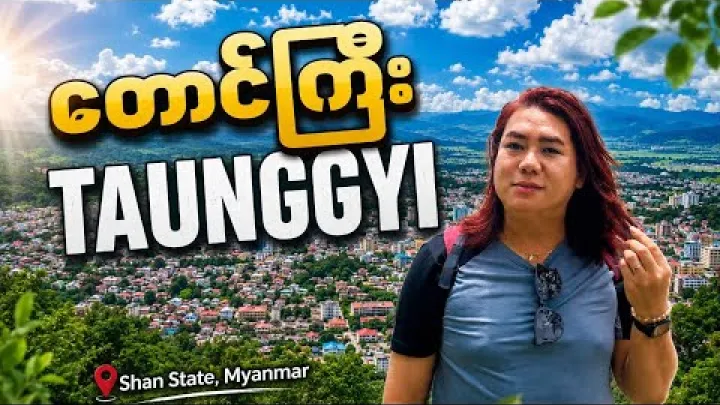
The central area is the most plausible place for short walks between food, shopping and everyday city activity. Hilltop sites, the vineyard area and other outlying stops usually make more sense with a taxi, private car, hired driver or another locally arranged vehicle. Slopes, luggage, weather and the condition of side roads can make an entirely walking-based plan tiring or impractical.
Taunggyi’s local character is connected to Shan, Pa-O and wider regional cultures. Markets, clothing, religious places, food and tea-shop life offer more useful cultural context than a rushed list of photo stops. Approach these spaces as working and living environments. Dress modestly at religious sites, follow local instructions, ask before photographing people and ceremonies, and avoid turning ethnic identity into a performance for visitors.
What to See and Do in Taunggyi
Taunggyi rewards a slower city visit, especially when you combine one central cultural stop with one or two carefully selected sites outside the commercial core. Nearby destinations should be chosen by travel goal and current logistical feasibility rather than added automatically to a checklist.
Start with Myoma Market and Central Taunggyi
Myoma Market and the surrounding commercial streets are a natural starting point for experiencing Taunggyi’s daily rhythm. The purpose of visiting is not simply to collect photographs. It is to observe how food, produce, household goods and regional commerce come together in an active local setting.
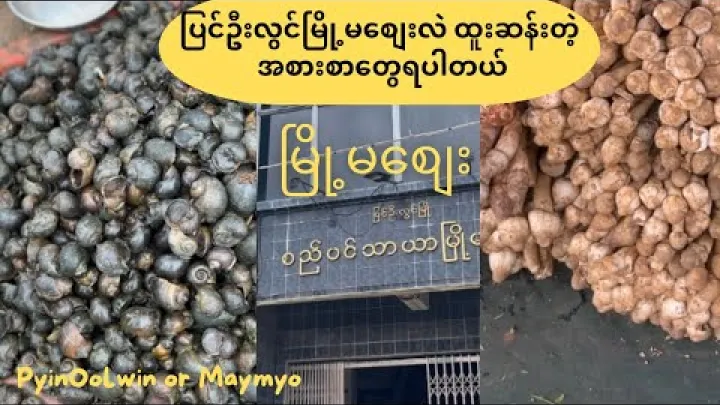
Look for foods and snacks that local vendors currently identify with Shan cuisine, including Shan-style noodles where they are available. Recipes, menus and stall choices can vary, so avoid assuming that one dish represents every Shan community or that a particular stall will still be operating. Highland produce and tea-shop stops can add context to the market visit without requiring a long transfer.
A compact central route can pair the market with the Shan State Cultural Museum and a nearby tea shop. The museum can provide historical and cultural background that helps make the market and religious sites easier to understand. Ask locally about the market’s current operating pattern instead of relying on older descriptions of daily or rotating trade, and remember that vendors are not attractions without context or consent.
Visit Viewpoints, Pagodas, and the Countryside Edge
Sulamuni Pagoda and Shwe Phone Pwint Pagoda are examples of hilltop religious and viewpoint stops associated with Taunggyi. They can add elevation, religious context and a change of pace after time in the central market area. Treat them as candidate stops from available travel material rather than as guaranteed current attractions with fixed facilities.
The city’s outer areas connect with agricultural landscapes and the Ayetharyar area, including the Ayetharyar Vineyard named in regional travel material. This kind of stop may suit travelers who want open countryside or a slower afternoon, but do not assume that visitor services, tasting arrangements or road access are operating in the same way as older descriptions suggest.
It is usually more workable to combine the central area with one or two outlying stops than to attempt every hilltop and countryside site in a single rushed outing. Ask locally about access, current opening status and photography rules. At religious sites, wear suitable clothing, remove shoes where requested and give ceremonies and worshippers space.
Choose Regional Excursions by Travel Goal
Regional additions are easier to choose when each one has a clear purpose:
- Inle Lake and Nyaungshwe: Choose this combination for lake-based experiences, lakeside communities and a stay centered on the Inle area. Nyaungshwe is the more direct overnight base for lake plans.
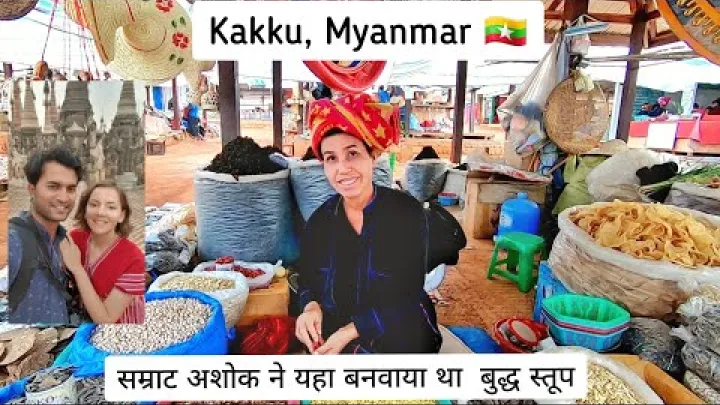
- Kakku Pagodas: Consider Kakku for a heritage-focused outing and a route built around religious and cultural interest rather than city activity.
- Pindaya caves and nearby nature: Choose Pindaya when caves, landscape and possible hiking or trekking are more important than the Taunggyi city experience.
- Ayetharyar and the countryside: Consider the vineyard and agricultural edge for a shorter change of scenery, provided the current facilities and route suit your plan.
The Myanmar Ministry of Hotels and Tourism describes Shan State as a region with caves as well as opportunities for hiking and trekking. That broad regional description can help you choose an interest area, but it does not confirm access to a particular cave, trail or rural route.
Do not treat these options as interchangeable Taunggyi neighborhoods or assume that every one is a guaranteed day trip. The best choice depends on your available time, the purpose of the visit, current permissions and the route conditions at the time of travel.
How to Get to Taunggyi and Get Around
Transport planning in Taunggyi is less about finding one perfect timetable and more about confirming a workable chain of connections. The arrival airport, road transfer, overnight base and day-trip vehicle should be considered together.
Arrive via Heho Airport and Shwenyaung
The commonly described arrival pattern for the Southern Shan area is a flight to Heho Airport followed by a road transfer through or near Shwenyaung toward Taunggyi or the Inle Lake area. This is a route pattern, not a live timetable. It does not confirm that a flight is available, that the airport is operating normally, or that the road transfer is currently possible.
Before booking, confirm flight availability, airport operations, the transfer meeting point, road access and any local movement conditions. Confirm the same chain again before departure, especially if your booking depends on arriving late, transferring directly to Nyaungshwe or continuing to a rural destination. Avoid publishing a fixed fare or journey duration in your own plan unless a current operator has confirmed it for your exact date.
Choose the first overnight base according to your main purpose. Taunggyi is the logical first base for a city-focused visit, while Nyaungshwe may reduce backtracking when the lake is the main reason for travel. If arrival conditions are uncertain, a confirmed room and a simple transfer plan are more valuable than an ambitious first day.
Compare Overland Travel Options
Depending on current operations, travelers may encounter several broad overland categories: buses, shared vehicles, private cars and hired drivers. They differ less by a universal ranking than by the kind of flexibility you need.
- Buses: They may suit travelers who prioritize a lower-complexity shared journey, but departures, departure points, delays and current operation need confirmation.
- Shared vehicles: These can connect travelers with common routes, but space, luggage arrangements, waiting time and the final drop-off point may be less predictable.
- Private cars: A private vehicle can make several regional stops easier to coordinate and can provide more control over pauses and luggage.
- Hired drivers: A driver with local route knowledge may be practical for rural destinations, particularly when the return plan or road conditions need active management.
An Eastern Myanmar travel guide provides broad background on regional transport modes and rural road conditions, but an older route description is not proof that a service is operating today. Ask for the actual departure point, vehicle type, operator contact, route, expected waiting arrangements and current road situation.
Several stops can make a private arrangement more practical than separate shared journeys, but the extra flexibility does not remove the need for current confirmation. Do not assume that a border, rural road or remote route is available simply because it appears on a route planner.
Plan Local Transport and Day-Trip Logistics
A mixed approach is usually the simplest local transport plan. Walk around the central commercial area when distances and slopes are comfortable, then use a taxi, private car or locally arranged shared vehicle for hilltop religious sites, Ayetharyar and other stops outside the center.
Before leaving Taunggyi for a regional excursion, agree on the vehicle, driver, route, waiting time and return plan. If the driver is expected to wait during a site visit, confirm that this is included. If you are using shared transport, establish where you will be dropped off and how you will make the return journey rather than assuming a vehicle will be available at the destination.
For travelers carrying luggage, managing mobility limitations or working with a narrow departure window, a car-based plan may be more realistic than combining several informal pickups. Keep the local plan geographically grouped. One central walking loop and one outlying route normally create less stress than repeated cross-city transfers.
Where to Stay and How Long to Stay
The best base depends on whether you want Taunggyi’s city life or direct access to Inle Lake. There is no need to treat one base as universally best; choose according to your route, priorities and confirmed operating conditions.
Stay in Central Taunggyi for City Access
Central Taunggyi suits travelers who want practical access to Myoma Market, the Shan State Cultural Museum, restaurants, tea shops and everyday commercial activity. It is also a reasonable choice for a city-focused visit, an administrative or business stay, or a broader Southern Shan route that uses the city as a staging point.
Think in terms of location rather than hotel rankings. A centrally located property may reduce local transport for market and museum visits, while a property farther out may require a vehicle even for simple errands. Check the map carefully because a listing that uses “Taunggyi” may not be close to the central area.
Before paying, confirm that the property is currently receiving guests, that the room category and facilities match the listing, and that the cancellation terms are workable. These checks are particularly important when an itinerary depends on a specific arrival route or a same-day regional transfer.
Use Nyaungshwe for an Inle Lake-Focused Trip
Nyaungshwe is generally the more direct base for a trip centered on Inle Lake. It can reduce repeated transfers for lake activities, lakeside communities, cycling plans or nearby wine-related stops. Choosing it does not mean that Taunggyi is unimportant; it means that the lake becomes the organizing center of the itinerary.
The trade-off is straightforward. A Taunggyi stay emphasizes city culture, markets and highland urban life, while a Nyaungshwe stay makes the lake easier to prioritize but turns Taunggyi into a separate visit. Do not choose between the bases based on a blanket claim that one is safer or more reliable. Choose according to confirmed access and the experiences that matter most.
| Base | Best for | Main advantage | Trade-off |
|---|---|---|---|
| Central Taunggyi | Markets, museum, city culture | Easy access to central activity | Lake visits become separate outings |
| Nyaungshwe | Inle Lake-focused travel | More direct lake-oriented planning | Taunggyi requires a separate visit |
Choose Nyaungshwe for lake-first plans and central Taunggyi for city-first plans. In either case, confirm that the usual lake-tourism pattern is operating normally before building a non-flexible itinerary around it.
Match the Length of Stay to Your Priorities
A one-day Taunggyi visit can work when the goal is a compact introduction to the market, museum, food and one nearby viewpoint or religious site. This is a city-focused plan and should not be expanded automatically into several distant excursions.
Two or three days allow more room for Taunggyi plus one regional anchor. Depending on confirmed access, that anchor could be Inle Lake, Kakku Pagodas or Pindaya caves and nearby nature. Select one rather than trying to combine all three, because each changes the transport pattern and may require a different base.
Longer stays make sense when you have a specific cultural, nature, festival or regional purpose and enough flexibility for delays. Build buffer time into every plan that includes a rural road, a flight connection or a change of overnight base. Treat these lengths as scenarios, not rules: the right answer depends on current access and the pace you prefer.
When to Visit Taunggyi
Weather affects walking comfort, views, rural roads and outdoor excursions, but it does not determine whether travel is appropriate. Use seasonal information as planning background and make the final choice with current conditions in mind.
Choose the Cool, Dry Season for Easier Sightseeing
Published tourism guidance commonly favors a broad cool and dry period for Taunggyi. One Taunggyi travel source identifies December through March as the dry-season preference, while other descriptions use a somewhat different range. The useful conclusion is not a precise guaranteed window, but a general preference for the cooler, drier part of the year.
Drier weather can make central walking more comfortable and may offer clearer hill views than wetter periods. It can also make outdoor and rural activities easier to organize, although a favorable forecast does not guarantee that a road, attraction or excursion is available.
The AsiaTours Taunggyi guidance describes December to March as a period with long sun hours and clearer weather. Use that information as general climate context, not as a current safety recommendation or a promise of exact conditions for your dates.
Weigh Monsoon and Shoulder-Season Trade-Offs
During wetter periods, cloud, rain and lower visibility can change the character of hilltop and countryside visits. Wet conditions may also make unpaved or remote roads slower and less suitable, even when a city sightseeing plan remains possible.
The possible advantage is greener countryside and fewer visitors who are sensitive to weather. That benefit should not be confused with reliable access to caves, trails, vineyards or rural religious sites. Shoulder periods can also bring warmer, hazier or more changeable conditions, so avoid making a detailed month-by-month forecast from a general travel page.
Before any unpaved or remote excursion, check a current forecast and same-day rural road conditions. Postpone the outing if rain, visibility or road conditions make the route unsuitable. A city-based alternative is more useful than forcing a rural plan simply because it appeared in an older itinerary.
Plan Around the Taunggyi Tazaungdaing Festival Only After Confirmation
The Taunggyi hot-air-balloon festival is traditionally associated with Tazaungdaing and the full moon of Tazaungmon, the eighth month of the traditional Burmese calendar. Because the traditional calendar does not match a fixed Gregorian date, the festival date changes from year to year. The Taunggyi Hot Air Balloon Festival background can explain the traditional timing, but it should not be used as a current event notice.
The festival’s appeal comes from its distinctive balloons and nighttime atmosphere, but it also involves crowd density, fireworks, open flames and balloon launches. Follow venue instructions, keep a safe distance from launch and firing areas, and plan how you will return to your accommodation without assuming that movement will be simple after the event.
Confirm the current dates, venue, operating status, access arrangements and restrictions through a current official or trusted local source. Warm clothing may be useful for a cool highland evening, but clothing preparation does not replace confirmation of the event’s current arrangements and safety controls.
Budget, Booking, and Practical Preparation
A realistic Taunggyi travel budget is more useful when it is built from current quotes and possible changes rather than copied from a static daily-cost estimate. Separate the city portion from any regional add-ons so you can reduce the plan if transport or operating conditions change.
Build a Budget from Current Quotes
Organize the budget under these categories:
- Accommodation: Compare central Taunggyi rooms with Nyaungshwe lodging if the lake is part of the trip.
- Food: Allow for market meals, tea shops, restaurants and any dietary requirements.
- Local transport: Include short city rides, hilltop visits, airport transfers and waiting time for a private vehicle.
- Regional transfers: Price each movement separately when adding Inle Lake, Kakku or Pindaya.
- Guides and drivers: Ask whether guide time, vehicle time, fuel, waiting and return travel are included.
- Attractions and communications: Allow for entrance charges, local contact methods and data or calling needs where available.
- Contingency: Keep a reserve for delays, route changes, extra nights or an early departure.
A dynamic Expedia lodging snapshot supplied for this guide displayed Taunggyi hotels from $13. That Expedia Taunggyi hotel listings figure is a starting rate for a changing search result, not a typical city-wide price. It may depend on dates, room type, taxes, fees, availability and booking conditions.
Compare the total cost of different travel styles rather than comparing room prices alone. A lower-priced room can cost more overall if it requires repeated car transfers, while a private vehicle may be worthwhile when it replaces several separate regional journeys. Ask for current prices, accepted payment methods and what each quote includes. Do not rely on an old online rate, and keep a contingency reserve instead of budgeting to the last dollar.
Verify Accommodation, Operators, and Opening Conditions
Use a prepayment checklist for every hotel, driver, guide, day tour, attraction and festival arrangement. Confirm that the property, operator or attraction is currently operating; the exact address, meeting point and contact method; the proposed route and any access or permission requirements; what is included, such as transport, waiting time, meals, guide service or entrance charges; the cancellation, refund and change terms; and what happens if weather, road conditions or local restrictions prevent the service.
Older reviews and static travel pages may describe a different staffing level, opening pattern, route or local operating environment. This matters for Myoma Market, museums, religious sites, vineyards, regional excursions and festival plans alike. Treat a listing as an invitation to ask questions, not as proof that the service will be available on your date.
When possible, choose flexible arrangements and retain written confirmation of the agreed service. Avoid building a non-refundable itinerary around an unverified event or a remote excursion that has no clear cancellation plan. If a provider cannot explain the meeting point, inclusions or fallback arrangement, choose a simpler plan or delay payment.
Check Documents, Communication, and Contingencies
Entry, passport, visa, movement and documentation rules can vary by nationality and can change. Check the current requirements through official channels for your passport and intended route. Do not copy visa, permit, health or insurance rules from an old Myanmar travel guide without checking the issuing authority.
Keep offline copies of your passport identification page, visa or entry confirmation, insurance details, accommodation bookings, transport confirmations, emergency contacts and important addresses. Store them separately from the originals. Save route information in a form you can use without continuous internet access, and tell a trusted person your broad itinerary and planned check-in points.
Read what your insurance and assistance arrangements actually cover in a destination affected by an official high-risk advisory. Check exclusions for armed conflict, government warnings, medical evacuation, trip interruption and activities such as trekking. Do not assume that a named assistance service, hospital or transport provider will be available when you need it.
Prepare for delayed transport, unavailable accommodation, route changes and an early departure. Keep enough funds and communication options for an extra night or a change of base where possible. A contingency plan should identify who you will contact, which booking can be changed, how you will reach the next confirmed location and how you will end the trip if conditions no longer support it.
Sample Taunggyi Itineraries
These sample plans are frameworks rather than fixed schedules. Grouping stops by location and leaving open space is more practical than assigning every hour to a destination whose current opening or access conditions may change.
Use a One-Day City-Focused Plan
Begin in the central market area and allow time to observe the commercial rhythm rather than treating Myoma Market as a quick photo stop. Continue to the Shan State Cultural Museum if it is accessible, then choose a local food or tea-shop experience nearby. Finish with one nearby viewpoint or religious site, such as Sulamuni Pagoda or Shwe Phone Pwint Pagoda, if the route and access suit the day.
This sequence keeps the main stops geographically grouped and limits unnecessary crossings of the city. It also gives you a simple way to shorten the plan: if the museum or a hilltop site is unavailable, the market, central streets and food experience can still form a coherent city visit.
Do not attach fixed admission fees, opening hours or exact transfer times to this sample without current confirmation. Leave room for changing local operating conditions, weather, transport delays and a slower pace at the market. The best one-day Taunggyi itinerary is adaptable rather than crowded.
Build a Flexible Two- or Three-Day Regional Plan
Start with a Taunggyi city day, then add one regional focus according to your confirmed route and travel goal:
- Lake-focused option: Move the overnight base toward Nyaungshwe when Inle Lake is the main priority. This can reduce repeated lake transfers, but it makes the Taunggyi city visit a separate part of the plan.
- Heritage-focused option: Add Kakku Pagodas as the main regional anchor rather than trying to combine it with several other distant sites.
- Cave and nature option: Add Pindaya caves and nearby landscapes when caves, hiking or trekking are more important than lake activities.
Choose one option, not all of them, unless you have substantial flexibility and a clearly confirmed route. Keep the return or departure plan open enough to absorb road delays, weather changes, booking problems or a change in local conditions. Confirm the vehicle, driver, route, waiting arrangement and overnight accommodation as one connected plan rather than booking each part in isolation.
A two-day trip can remain city-focused with one carefully chosen regional addition. Three days provide more room to change bases or add a buffer, but they still do not guarantee that several distant attractions can be completed comfortably. Use the simplest plan that meets your purpose.
Final Takeaways for Planning Taunggyi
Taunggyi is most useful to travelers who want more than a single attraction: a highland city experience, regional food and culture, hilltop religious sites, and access to the wider Southern Shan landscape. Start by making an official travel decision, then choose between central Taunggyi and Nyaungshwe according to whether city culture or Inle Lake is your priority.
For a practical plan, group central sights around Myoma Market and the museum, add only one or two outlying stops, use current quotes for transport and lodging, and keep enough flexibility for route, weather and operating changes. A careful, conditional itinerary is more valuable than a longer list of places that cannot be confirmed.
Select area
Create a post
Posting is free and no registration is required.