Monywa Best Time to Visit: Weather by Season and Month

The best time to visit Monywa is generally from November to February, when the city is usually drier and less demanding for outdoor sightseeing. Monywa lies in Sagaing Region beside the Chindwin River, within Myanmar's central Dry Zone, so strong heat is an important part of travel planning even outside the monsoon. This guide explains Monywa's seasons, compares each month, and shows how weather can affect city walks, day trips, river plans, and road travel. Climate averages help you choose a month, but a live forecast and local access information are needed for specific travel days.
When Is the Best Time to Visit Monywa?
For most travelers, November through February offers the best balance of relatively dry weather and more manageable daytime conditions. October and March can also work for flexible travelers, but October may still have unsettled rain while March begins the transition toward stronger heat. A broad Myanmar travel guide from Audley Travel also identifies the dry season as the main travel window, although Monywa's inland climate makes the local recommendation more specific.
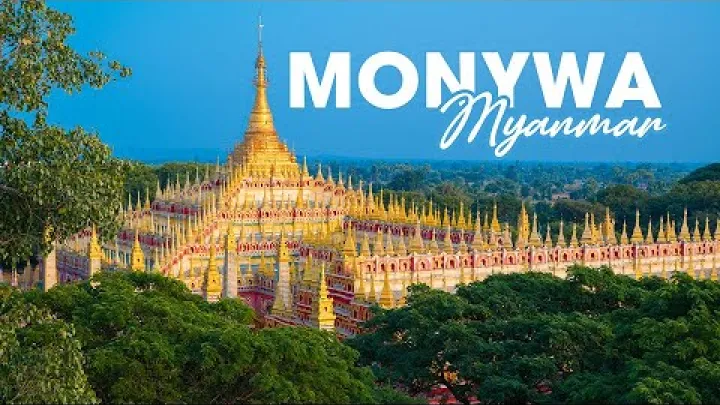
November to February: the best overall window
November to February is generally the most comfortable period for spending substantial time outside in Monywa and the surrounding Dry Zone. Rainfall is usually lower than during the monsoon, and daytime heat is less intense than in the pre-monsoon months. This makes walking, city exploration, riverfront time, and open-air excursions easier to organize.
Cool season does not mean cold conditions. Monywa is a lowland city, so light clothing, sun protection, and comfortable walking shoes remain useful. Some mornings or evenings may feel cooler than the middle of the day, making a light layer practical. This is a climate-based recommendation, not a promise of clear weather or confirmed transport on every day.
October and March: practical shoulder-month alternatives
October can be useful after the wetter part of the monsoon, but it is a transition month rather than a guaranteed start to the dry season. March is usually drier than the monsoon period, but heat becomes more important, especially for long walks or exposed sites. October suits travelers who can allow extra time for rain-sensitive plans; March suits those who can start early and rest during the strongest afternoon heat.
Do not assume that either month guarantees lower prices or smaller crowds. Reliable Monywa-specific evidence for seasonal visitor numbers, hotel rates, and discounts is not supplied. Compare actual prices and availability for your dates, then consider your activity level, heat tolerance, and current forecast.
Monywa's Climate and Seasonal Pattern
Monywa's seasonal pattern is shaped by its inland location rather than by conditions on Myanmar's coast or in higher areas. The year normally moves from a relatively cool and dry period to a very hot pre-monsoon period, followed by wetter months and an October transition. This affects comfort, clothing, walking schedules, and the reliability of outdoor plans.
Monywa's inland Dry Zone setting
Monywa is in Sagaing Region on the Chindwin River and is commonly associated with Myanmar's central Dry Zone. Its inland setting gives it a hotter, sunnier feel than many coastal destinations and a different travel profile from highland areas. Visitors should expect strong sun, dry-season dust or dryness, and a pronounced difference between the hottest months and the monsoon period.

Climate-Data.org reports an average annual temperature of about 27.0 °C and annual precipitation of about 1,035 mm. These long-term indicators show that Monywa is warm overall, with rainfall concentrated more strongly in part of the year. They are not a daily forecast: a dry-zone city can still receive a sudden shower, and a normally cooler month can still produce a hot afternoon.
The relatively cool and dry season
November through February is the relatively cool and dry season in Monywa. Lower rainfall usually creates more predictable conditions for city sightseeing, while daytime temperatures are generally easier to handle than during the late dry season. This is why the period is the strongest default choice for a first visit.
Breathable shirts, light trousers or long skirts, a hat, sunglasses, sunscreen, and comfortable shoes are more useful than heavy cold-weather clothing. A light layer can help during a cooler morning or evening. The main benefit of this season is scheduling flexibility, although river conditions and local transport remain separate considerations.
The hot pre-monsoon season
Heat rises from late February through May, with the exposed central plains becoming particularly demanding for midday activities. March can still be a reasonable compromise, but April and May require more deliberate planning. Heat can reduce the distance travelers want to walk, make roadside waiting tiring, increase the need for water and shade, and limit how many open-air sites fit into one day.
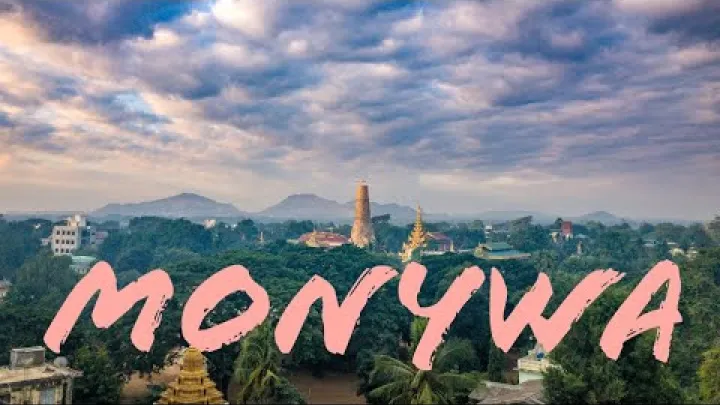
If you visit during this period, choose lighter daily schedules, use shaded or indoor periods for rest, and treat early morning as the most valuable time for exposed activities. Monywa is not a highland destination, so travelers should not expect a cold season that removes the need for heat preparation.
The monsoon and post-monsoon transition
June through September generally brings heavier monsoon rainfall, while October often marks a gradual transition toward drier conditions. The Dry Zone may receive less persistent rain than some coastal parts of Myanmar, but short, intense showers can still disrupt walking, reduce visibility, slow roads, and affect river conditions.
Monsoon weather can combine rain with humidity, thunderstorms, and brief strong winds. Quick-drying clothing, protection for electronic devices, and spare time are useful. The relevant local questions are whether rain is likely on the planned day, whether heat remains uncomfortable between showers, and whether recent weather has affected the intended road or river journey. October may improve the balance, but the changeover is not fixed to one date each year.
Monywa Weather Month by Month
The table gives a simple monthly feel for Monywa. These descriptions summarize seasonal patterns, not guaranteed conditions. February is identified as the driest month in the available Monywa climate dataset, while September can be among the wetter months in the same broad pattern.
| Month | Typical feel | Rain pattern | Planning focus |
|---|---|---|---|
| January | Dry and relatively comfortable | Usually low | Good for outdoor sightseeing |
| February | Dry, with heat rising late | Very low on average | Use mornings for exposed activities |
| March | Increasingly hot | Often still limited | Plan early starts and midday breaks |
| April | Very hot and demanding | Pre-monsoon change possible | Keep itineraries light |
| May | Among the hottest periods | Rain may begin increasing | Prioritize shade, water, and rest |
| June | Hot, humid, and wetter | Monsoon becomes more established | Allow time for showers |
| July | Wetter and humid | Frequent rain periods possible | Use flexible outdoor plans |
| August | Wet-season conditions | Showers can interrupt plans | Protect electronics and documents |
| September | Wet and variable | Often among the wetter months | Keep buffer time for travel |
| October | Transitioning toward drier weather | Variable and less predictable | Carry rain protection |
| November | Drier and more manageable | Usually lower | Strong month for city walks |
| December | Dry and relatively comfortable | Usually low | Good all-round sightseeing window |
November to February: the clearest sightseeing period
November and December usually bring a drier, more comfortable feel for exploring Monywa on foot. January continues the same broad pattern, and February is shown in the climate-normal data as receiving very little rainfall. These months suit travelers who want to spend much of the day outside without making rain the main scheduling concern.
Although February is the driest month in the supplied dataset, late February can already feel hotter as the pre-monsoon season approaches. Morning activities are therefore more attractive than long midday walks. Average rainfall does not rule out an isolated shower, and dry weather does not guarantee that a river or road plan will operate.
March to May: increasing heat before the rains
March, April, and May show a progression from rising heat to more demanding conditions. March may be a workable compromise for a relatively dry trip, while April and May require closer attention to the length and timing of outdoor activities. Rain may remain limited during part of this period, so heat is often the main planning issue at first.
Use early starts for walking or open-air visits, then leave the middle of the day for rest, meals, transport, or activities with reliable shade. Light clothing, water, a hat, and sun protection are practical basics. No month should be called impossible for every traveler; the decision depends on heat tolerance, activity level, and itinerary flexibility.
June to August: wetter conditions and flexible plans
June through August usually brings a clearer monsoon influence, with more humidity and a greater chance that showers will interrupt outdoor visits. Rain is not necessarily continuous every day in the Dry Zone, but a short heavy shower can create a slower travel day. Keep the itinerary adjustable rather than fitting several weather-sensitive activities into a tight schedule.
Pack quick-drying clothing, a compact rain layer, and waterproof protection for phones, cameras, passports, and other documents. Footwear should handle wet surfaces. Spare time between activities is useful because rain may lengthen waits or make a route less practical. Check local rainfall, road access, and river conditions before relying on a day trip.
September and October: wet-season peak and transition
September can be among the wetter months in Monywa's climate pattern, so travelers should allow more uncertainty for outdoor plans. October is a transition month: it may be more suitable than the wettest part of the monsoon but less predictable than December, January, or February.
If you choose September or October, keep important outdoor activities movable, carry protection for electronics and documents, and avoid building a short itinerary around one weather-sensitive journey. The month label sets expectations, but it does not replace information about the days you will actually travel.
The Best Time to Visit Monywa by Travel Purpose
The best month depends on what you want to do. City sightseeing, open-air excursions, Chindwin-related travel, and budget planning have different weather and access requirements. November to February is the strongest general recommendation, but another month may suit travelers who accept a clear trade-off.
Culture and city sightseeing
Travelers who want to explore Monywa's streets, markets, riverfront areas, and everyday city life will usually find November to February easiest. Lower rainfall makes walking plans simpler, and the cooler part of the annual pattern reduces the need to stop frequently because of heat.
During March to May, begin outdoor walks early, keep the middle of the day lighter, and return to exposed areas in the late afternoon. October and March can work when dates are limited, provided activities can be shortened or moved if conditions are unfavorable.
Outdoor excursions and Chindwin-related plans
Drier, cooler months are generally easier for open-air excursions from Monywa. During the hot season, an early departure and a shorter itinerary can make a major difference. The Chindwin River is a defining local feature, but a river plan also depends on water levels, navigation, vessel availability, operator schedules, weather, and the return journey.
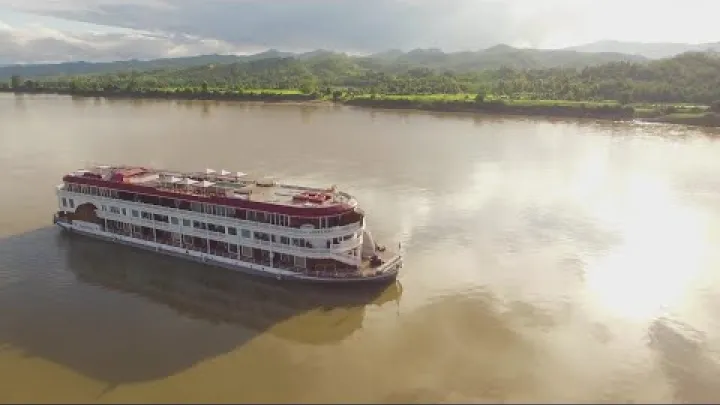
When a river journey is central to your trip, confirm its current arrangements locally before making other bookings depend on it. A comfortable weather month does not guarantee that a boat or excursion is operating.
Budget, crowds, and booking flexibility
The available evidence does not establish reliable Monywa-specific patterns for hotel prices, visitor numbers, or seasonal discounts. Do not assume that the rainy season will always be cheaper, quieter, or easier to book. Compare real prices and availability across November to February, then compare October or March while stating the weather trade-off clearly.
For a budget trip, flexibility is more dependable than a fixed low-season rule. Choose dates that meet your main purpose, leave room for weather-sensitive plans, and do not require an unconfirmed transport connection to work perfectly.
Practical Weather Planning for a Monywa City Stay
Monywa's hot inland setting affects what to wear, how far to walk, how much time to leave between activities, and how to protect belongings during rain. Simple adjustments can make both the dry and wet seasons easier to manage.
Heat, clothing, hydration, and daily timing
Choose breathable clothing throughout the year, with extra attention to light fabrics during March to May. A hat, sunglasses, sunscreen, and comfortable shoes help with strong sun and dusty or dry conditions. A light layer can be useful in the relatively cooler season, but heavy clothing is rarely the main requirement.
Place exposed sightseeing, longer walks, and outdoor waiting periods in the cooler morning or late afternoon during hot months. Use the middle of the day for rest, meals, transport time, or activities with shade. Carry water, look for shade, and take regular rest breaks while paying attention to the day's conditions.
Rain logistics for streets and day trips
Sudden or heavy rain can affect walking routes, waiting time, visibility, and the comfort of a day trip. Use a compact rain layer or umbrella, waterproof bags for electronics and documents, and footwear that remains stable on wet surfaces. Keep spare time between activities and use quick-drying clothing during humid weather.
After recent rain, treat nearby excursions as weather-sensitive rather than assuming that the monthly pattern applies. A shorter city activity is a useful alternative to a plan that depends entirely on one outdoor route.
Climate averages versus the live forecast
Climate normals help answer which month to choose. They cannot tell you whether rain, extreme heat, thunderstorms, poor visibility, or a warning will affect your exact travel day.
For official weather information, consult Myanmar's Department of Meteorology and Hydrology. A current forecast reference is also available from Meteoblue, but forecasts can change as the date approaches. Shortly before departure and before each excursion, review expected heat, rain, thunderstorms, visibility, and warnings for the planned route.
- Use climate averages to select the season.
- Use the current forecast to decide clothing and daily timing.
- Check rain, thunderstorms, strong heat, and visibility concerns.
- Allow changes when the forecast is unfavorable for an exposed activity.
Seasonal Access Around Monywa
Weather and access are related, but they are not the same question. A dry month can still have a changed boat schedule, and a rainy month can still include a usable travel window. The Chindwin and roads around Monywa each require local confirmation.
Chindwin water levels and boat plans
The Chindwin River is an important local anchor. Seasonal rainfall can influence water levels and the feasibility of some river journeys. Available research notes that levels may be lower later in the dry season, but this is an observation to confirm rather than a fixed operating rule.
Before relying on Chindwin travel, ask a current local operator about water conditions, departure times, vessel availability, the departure point, and the expected return arrangement. Confirm that the service is running on your intended date and that recent weather has not changed the plan.
Road conditions and nearby excursions
Heavy rain can affect the practicality and timing of road-based excursions from Monywa. It may slow travel, reduce visibility, make wet surfaces less comfortable, or change the expected return time. Specific closures should not be assumed without current local information.
Before fixing a monsoon excursion, ask accommodation staff or a local transport provider to confirm the route, departure point, expected travel time, and return conditions. If information is unclear, keep the excursion optional. No single authoritative local road-condition source is supplied for every route around Monywa, so direct local confirmation is the practical approach.
Build a flexible itinerary around the forecast
Rank activities by weather sensitivity. Place open-air sightseeing or a river-related plan on the day with the most suitable forecast and confirmed access, while keeping city-based activities available for a less favorable day. During the monsoon, leave buffer time between journeys; during the hot season, place demanding activities early and reserve the strongest midday heat for rest.
A simple rule is useful: if the forecast supports your main activity and local access is confirmed, proceed; if either weather or access is uncertain, use a flexible city plan and move the outdoor activity to a better day.
Final Recommendation for Choosing Your Monywa Travel Dates
Choose November through February for the best overall balance for Monywa sightseeing, especially walking and outdoor excursions. Choose October if you can accept a variable transition from the monsoon, or March if you prefer a relatively dry month and can manage increasing heat. Late March through May is better suited to travelers comfortable planning around strong heat, while June through September requires more rain flexibility.
Use Monywa's climate pattern to select your travel month, then use the live forecast and local transport information to choose specific activities and dates. With breathable clothing, early starts, rain protection, buffer time, and separate confirmation for Chindwin or road plans, you can build a practical itinerary in more than one season.
Select area
Create a post
Posting is free and no registration is required.