Savannakhet Travel Guide: Plan Your Trip to Southern Laos
Savannakhet is a slower-paced Mekong city in Southern Laos, suited to travelers who value lived-in streets, local food, religious landmarks, and unhurried exploration over a long list of major attractions. Its old quarter, riverfront, museums, and temples can fill a rewarding short stay, while the surrounding province offers heritage and rural excursions for travelers willing to plan more carefully. This Savannakhet travel guide explains where the city fits in a Southern Laos itinerary, how to arrive, where to base yourself, and what to do with one to three nights. It also covers the practical details that matter most for a first visit: heat, rain, transport, cash, communication, and responsible rural travel.
Savannakhet at a Glance
Savannakhet is best approached as a city to experience at a human pace. The central sights are relatively modest, but their value lies in the combination of riverside atmosphere, architecture, everyday commerce, and local religious life.
What Savannakhet Is Best For
Savannakhet is a quiet provincial capital on the Mekong, opposite the Thai city of Mukdahan. Visitors commonly come for colonial-era and Lao-influenced streets, temples, the Catholic church, small museums, casual cafés, and evenings by the river. It is a useful choice for travelers who prefer walking slowly through a real working city rather than following a tightly managed attraction circuit.
The city is particularly suitable for people who enjoy architecture, cycling, photography, history, and observing daily routines in markets and streets. A short wander may reveal shaded façades, food stalls, school traffic, religious buildings, and river views without requiring a fixed plan. This makes Savannakhet a good pause between longer overland journeys in Laos or Thailand.
Set expectations accordingly. Tourism services are more limited than in Luang Prabang, Vientiane, or the main destinations farther south, and information in English may be uneven at smaller sites. That is not a disadvantage for every traveler, but it rewards patience, offline maps, and a willingness to ask locally. For broad country context and ideas for extending a Laos trip, consult Tourism Laos.
How Savannakhet Fits a Southern Laos Itinerary
For many first-time visitors, one or two nights is enough to explore the old quarter, riverfront, religious landmarks, museums, and food scene without rushing. Stay three nights if you want a deliberately slow visit or intend to make one provincial excursion. More time makes sense only when you have a specific rural, heritage, or family connection in mind.
The city can also be practical in an overland route. It lies by the Second Thai–Lao Friendship Bridge, has connections through Savannakhet Bus Station, and sits on the Route 9 corridor toward Vietnam. Treat these links as geographic advantages rather than guaranteed seamless connections: services, border procedures, and road journeys can change, so build your wider route around confirmed departure options.
How to Reach Savannakhet and Get Around
Savannakhet is accessible by land from Thailand and from other parts of Laos, with onward overland possibilities toward Vietnam. Arrival is straightforward when plans are current, but it is wise to leave room for changes in schedules and border processing.
How to Reach Savannakhet
A common arrival route is from Mukdahan in Thailand via the Second Thai–Lao Friendship Bridge. Travelers also reach the city by overland bus from elsewhere in Laos, or use it as a stop along Route 9 toward Vietnam. Savannakhet Bus Station is the main local anchor for scheduled road transport, although the exact service pattern and boarding arrangements should be checked close to travel.

There is an airport in Savannakhet, but flight availability can be limited or change over time. If flying is important to your itinerary, check directly with Lao Airlines rather than relying on old route information. For bus searches, a comparison tool such as CheckMyBus can help identify possibilities, but the operator or station is the better final confirmation.
Before departure, confirm entry requirements with the relevant authorities, then check the transport operator’s schedule and your onward connection. Carry the required travel documents, enough cash for immediate transport and food, and a saved address for your accommodation. Allow extra time at the border and avoid booking an inflexible onward departure immediately after an international crossing. If a service is delayed or unavailable, a night in Savannakhet is usually a more comfortable backup than trying to force a late rural transfer.
Walking, Cycling, Tuk-Tuks, and Motorbikes
The central area is best explored on foot. The old quarter, Mekong riverfront, Wat Sainyaphum, St. Teresa's Catholic Church, and several everyday food stops can be combined into an easy walk, particularly in the morning or late afternoon. A bicycle adds useful range for quieter streets and makes it easier to connect the riverfront with museums and landmarks outside the most compact core.
Tuk-tuks are more useful when you arrive with luggage, travel during midday heat or rain, or need to reach locations beyond the central walking area. State the destination clearly and agree on the fare before getting in. Keeping the place name and hotel address on your phone, ideally in a locally recognizable format, reduces misunderstandings.
A motorbike can offer independence for experienced riders, especially beyond town, but it is not a shortcut around preparation. Before renting, inspect the brakes, lights, tires, fuel level, and helmet; confirm the rental terms, insurance position, required documents, and whether your licence is valid for the vehicle. Ask specifically whether the intended roads are suitable after rain. Central city travel is one thing; a long provincial ride involves different surfaces, traffic, navigation, and return-time risks. For unfamiliar rural routes, local advice is more valuable than an optimistic map estimate.
Where to Stay and How Savannakhet Is Laid Out
Savannakhet is not a city that requires complicated neighborhood research. Choosing a location near your main purpose—walking the historic core or catching an early connection—will usually matter more than finding a particular district name.
The Old Quarter and Mekong Riverfront
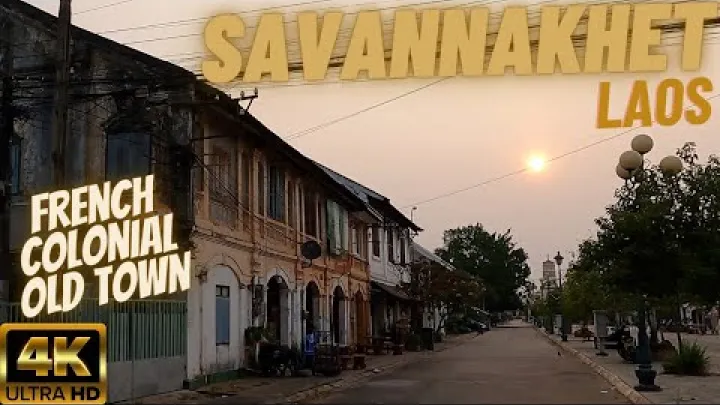
The most useful orientation point is the old quarter and Mekong riverfront. Here, historic streets meet everyday shops, food stalls, cafés, and open views toward the river. The area is a convenient base for sunset walks and for seeing the mix of colonial-era, art-deco, and Lao-influenced buildings that gives the city much of its visual character.
St. Teresa's Catholic Church and Wat Sainyaphum help orient a first walk, while the main square, museums, and small food businesses are within the broader central area. Think in terms of landmarks rather than formal tourist districts: the city is compact enough to learn by walking, but a map will still help identify the most practical route between stops.
Check local conditions once you arrive. Pavement quality, shade, street lighting, and business hours can vary from one block to another, and a route that feels simple in daylight may not be ideal after dark. A brief daytime orientation walk is the easiest way to decide where you want to spend your evenings.
Choosing a Base for Different Trips
Choose the historic center or riverfront if your priority is city sightseeing, dining, and relaxed evening walks. This location makes it easier to return to your room during the hottest part of the day and to enjoy the city without depending on transport for every stop.
A property closer to transport connections may suit travelers who are treating Savannakhet as a transit stop, arriving late, or leaving early the next morning. The trade-off can be less immediate access to the riverfront atmosphere. In a smaller accommodation market, the best choice is often the place that clearly matches your schedule rather than the one with the most ambitious description.
Before booking, check recent guest feedback, the exact map location, air conditioning or fan arrangements, payment method, cancellation terms, and how late arrivals are handled. Ask whether the property can provide a clear address for a tuk-tuk driver. If quiet matters, also check whether the room faces a road, market area, or shared courtyard.
What to See and Do in Savannakhet City
The most satisfying city itinerary combines a few named landmarks with free time to walk, eat, and notice how the place changes through the day. Do not judge Savannakhet by how many tickets it sells; its appeal is cumulative.
Colonial Streets, Architecture, and Sunset Walks
Urban wandering is the main activity. Around the old quarter and riverfront, look for older commercial buildings, high façades, shutters, balconies, decorative details, and streets that show layers of Lao and French-era influence. Some buildings may be visually striking without being formal visitor sites, so enjoy them from public spaces and respect homes and active businesses.
Walk the same area at different times if you can. Early morning is cooler and often quieter; later in the day, markets and street food become more active; sunset shifts attention toward the Mekong. The riverfront is a simple but worthwhile place to sit, have a drink, or take photographs when the light is softer.
Bring water, seek shade, and ask permission before closely photographing people or private premises. Cafés, riverside seating, murals, and ordinary street scenes can be meaningful parts of the visit without needing to be treated as a formal attraction checklist. Modest clothing and a calm approach are especially appropriate around homes and religious buildings.
Temples, the Catholic Church, and Local Religious Life
Wat Sainyaphum is a useful central temple stop and an introduction to the Buddhist presence in the city. St. Teresa's Catholic Church provides a contrasting landmark, reflecting the different religious and historical influences that have shaped Savannakhet. Visit both as active community places, not simply as architecture to consume.
![Preview image for the video "28. 야시장이 제일 괜찮았던 사완나켓(카이손 폼비한)!!(탓잉항,성 테레사 성당) [라오스]".](/sites/default/files/styles/media_720x405/public/oembed_thumbnails/2026-08/PwnpI7NdJsQnXViDadmpgE4KgFyIzlCCDCOLJzimQ3o.jpg.webp?itok=5urL5XlF "Preview image for the video \"28. 야시장이 제일 괜찮았던 사완나켓(카이손 폼비한)!!(탓잉항,성 테레사 성당) [라오스]\".")
Dress modestly, speak quietly, and follow instructions about footwear, photography, and areas that are not open to visitors. A shoulder-covering layer and clothing that covers knees are sensible to carry when you plan to enter religious grounds. If worship or a community activity is taking place, observe from an appropriate distance rather than assuming access.
Opening arrangements, ceremonies, and visitor rules may not be posted consistently, so let what you see on arrival guide your visit. The most respectful experience is often a short, attentive one that does not interrupt daily religious life.
Museums, the Night Market, and Everyday Food
The Savannakhet Museum offers a compact introduction to local history and wartime memory, while the Dinosaur Museum is a distinctive stop for visitors interested in the region’s paleontological story. These are best treated as small-scale museums rather than large, highly interpreted institutions. Displays may rely largely on Lao and French, so a translation tool can be helpful for signs.
Check current opening arrangements and admission on the day you want to visit, especially if your schedule is tight. Give yourself time to look closely at objects and images rather than expecting extensive English explanations. If a museum is closed, replace it with a longer old-quarter walk or a food-focused afternoon instead of trying to compress the rest of the day.
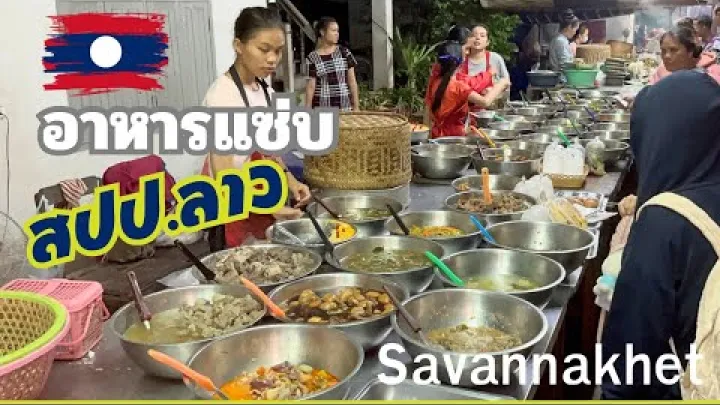
For everyday food, explore the night market and streets where meals are cooked to order. Grilled foods, noodle dishes, herbs, sticky rice, coffee, and simple riverside meals are practical ways to experience local flavors. If you have allergies or dietary restrictions, communicate them clearly with a translation tool and choose food that is freshly cooked and served hot. Do not assume that a dish can be made vegetarian, mild, or free of a particular ingredient without asking.
Day Trips and Provincial Attractions
The province adds depth to a longer stay, but it should not be planned like a city sightseeing circuit. Distances, access, local interpretation, and weather can make one carefully chosen excursion more rewarding than several rushed stops.
Nearby Heritage and Religious Sites
Heun Hin is a Khmer-era stone site that can interest travelers who want to look beyond Savannakhet’s urban heritage. That Ing Hang is an important religious destination and may be a more suitable choice for visitors drawn to Buddhist architecture and living devotional practice. Either can give a third day a clear focus.
These visits need more preparation than city landmarks. Transport availability, road conditions, site access, and explanatory information may differ by season and by day. Arrange a vehicle through a reputable local contact or ask locally about the most practical way to reach the chosen site, rather than assuming public transport will fit a sightseeing timetable.
Wear respectful clothing at religious places and avoid making firm plans around unconfirmed travel times, historical details, or access arrangements. Before leaving the city, establish how you will return, whether there are any entrance or visitor procedures, and how much daylight you need for the journey back.
Rural Landscapes and Nature Stops
Rural interests around Savannakhet can include Phonsim Turtle Lake, Dong Natad Protected Area, and waterfall areas mentioned by local contacts. These places are better for travelers seeking rice landscapes, forest atmosphere, plants, birdlife, photography, and light outdoor time than for those expecting developed resort facilities or heavily signed trails.
Facilities and English-language information may be limited, while seasonal rain can alter access and road comfort. Do not assume a lake is suitable for swimming, that a trail is clearly marked, or that a particular wildlife sighting is likely. Treat the outing as an opportunity to spend time in a rural setting, not a guarantee of a particular activity.
For any nature excursion, confirm five points before departure: transport both ways, the weather outlook, whether a guide is useful or required, entry arrangements, and a realistic return time. Keep the plan to one area per day. This leaves room for roads, conversations, photo stops, and a change of plan without turning the excursion into a stressful race.
War History and Responsible Rural Exploration
Savannakhet’s museums and surrounding countryside can introduce the lasting effects of the Indochina and Secret War periods. This history should be approached with respect for communities whose landscapes and family histories may still be affected. It is not a reason to search for remnants or take unsupervised detours.
Unexploded ordnance remains a serious concern in parts of Laos. The current U.S. Travel Advisory advises increased caution in areas of Savannakhet and identifies unexploded ordnance as a concern in Laos. For rural or war-history outings, stay on well-used roads and established paths, do not enter abandoned areas or use unknown shortcuts, and never touch, move, or closely handle an unfamiliar metal object.
The practical sequence is simple: choose an established destination, ask a knowledgeable local person about the appropriate route, follow that route, and turn back if access becomes unclear. Check current official advice before travel. Responsible exploration protects you and avoids adding risk or disruption to local communities.
Weather and the Best Time to Visit
Weather affects Savannakhet less through formal sightseeing closures than through comfort and transport. Your ideal timing depends on whether you value easier city walking, greener rural scenery, or a more flexible pace.
Dry and Wet Season Trade-Offs
Savannakhet is hot, with a drier part of the year and a wetter period marked by seasonal rainfall. Drier conditions can make walking, cycling, and road travel more comfortable. Wetter conditions can bring greener landscapes and a different rural atmosphere, and may suit travelers who do not mind adapting their schedule around rain.
Neither period is automatically best for every trip. Choose drier travel if your priority is time outdoors and simple road logistics. Consider the wetter period if you are more interested in lush scenery and can accept interruptions to rural plans. Visitor numbers and room prices may also vary, but should not be assumed to follow a fixed pattern.
Check a current local forecast before committing to a provincial excursion. Rain can affect rural roads, waterfall conditions, bus comfort, and the timing of outdoor activities. A forecast is a planning tool, not a guarantee, so leave enough space in your itinerary to move an excursion or replace it with a city day.
Heat, Rain, and Daily Activity Planning
Use the cooler morning for walks, cycling, and outdoor landmarks. Reserve the hottest part of the day for a museum, café, lunch, rest, or a shaded indoor space. Return to the riverfront or old quarter in the late afternoon when the light improves and the temperature may feel more manageable.
Carry water, sun protection, breathable clothing, comfortable shoes, and a rain layer. A waterproof pouch or bag is useful for a phone, documents, and camera during sudden showers. If you plan to cycle or ride in a tuk-tuk, keep a light layer available because weather protection may be limited.
On a rainy day, a simple plan works well: choose one indoor stop, take a long meal break, and leave a short walk for any dry interval. On an extremely hot day, reduce the distance rather than trying to complete every planned sight. Savannakhet rewards a measured pace.
Costs, Food, and Practical Travel Logistics
Savannakhet generally works well for budget and mid-range travel, but the useful question is not a single daily figure. Your costs depend on whether you walk, hire private transport, rent a motorbike, and add a rural excursion.
Accommodation, Transport, and Daily Cost Planning
A simple city stay can be relatively economical: choose a basic room, eat local meals, walk between central sights, and treat museums or market snacks as small additions. Costs rise when you choose more comfortable accommodation, private transfers, a motorbike rental, or a full-day provincial outing. The difference between a walking itinerary and a transport-heavy itinerary can be more important than the city itself.
Build your own budget in five parts: accommodation, meals and drinks, local transport, activities, and a contingency for delays or an unplanned transfer. This method is more reliable than using an old published daily budget. Keep a margin for the first and last day, when transport or late-arrival needs can add expenses.
Carry a practical payment backup and ask for the total price before a service begins. Confirm current room rates, rental charges, admissions, and transport fares before paying, since examples found online can become outdated. For a tuk-tuk or private rural vehicle, agree on the destination, waiting time, and return arrangement so that the expected service is clear to both sides.
Food, Language, Cash, and Connectivity
Daily life in Savannakhet is Lao-centered, with some Thai and French influence. English may be available at some hotels and visitor-oriented businesses but should not be expected everywhere. Use offline maps, a translation tool, and saved destination names or addresses when arranging rides or asking for a smaller site.
Cash remains a sensible backup for meals, local transport, small shops, and services where card payment may not be available. Do not rely on a single payment method or assume exchange options, card acceptance, and mobile coverage will be identical throughout the city and province. Keep essential contact details and accommodation information accessible without needing a data connection.
Savan Centre is a named practical landmark in the city. The American Corner Savannakhet is located there; if it is relevant to your plans, check current access details through the U.S. Embassy in Laos. For everyday needs, communicate patiently, point to a map when useful, and treat limited shared language as a reason to slow down rather than a barrier to enjoying the city.
Build a Flexible First-Time Savannakhet Itinerary
A good Savannakhet itinerary has deliberate gaps. The city is more enjoyable when you can linger over a meal, step inside a quiet religious site, or adjust plans to the temperature instead of moving continuously.
A Two-Day City Plan
On day one, use the morning to orient yourself around the old quarter and Mekong riverfront. Combine an architecture walk with Wat Sainyaphum and St. Teresa's Catholic Church if access is appropriate. After a midday meal and rest, choose either the Savannakhet Museum or Dinosaur Museum, depending on your interests and current opening arrangements. End with a riverside walk and dinner or market food.
On day two, slow down. Cycle or use local transport to explore streets and neighborhoods beyond your first route, revisit a building or café that caught your attention, and add the museum you did not see on day one. Leave time for food stops, a market visit, and an unplanned conversation or local recommendation.
If you arrive late, make the riverfront and dinner your first evening, then start the fuller city plan the next morning. If heat or rain interrupts the day, replace outdoor distance with a museum, café, or longer lunch. The aim is not to complete every minor stop, but to understand the rhythm of the city.
A Three-Day Plan with One Provincial Excursion
Use the first two days for the city, then give day three to one provincial interest. Choose a heritage-focused day for Heun Hin, a religious-focused day for That Ing Hang, a nature-focused day for a rural landscape or Dong Natad area, or a slower local-life day if conditions do not support a longer excursion.
Choose based on planning complexity, not on an idea that one option is universally better. Religious and heritage sites may be manageable with arranged transport, while nature outings can require more attention to weather, roads, guidance, and facilities. A local contact can help clarify which option is realistic for your exact day.
Confirm return transport, road conditions, guide availability where relevant, entrance arrangements, and the daylight window before you leave. If the rural plan becomes impractical, use the extra day for a second riverfront walk, food exploration, museums, cycling, or rest. A flexible city day is a better outcome than a rushed excursion with an uncertain return.
Pre-Departure Checklist and Backup Plan
Before leaving for Savannakhet, confirm current entry rules, transport schedules, accommodation location, weather outlook, and your onward connection. Save important addresses in a form that drivers can recognize, download maps, and keep cash and communication tools available for the first hours after arrival.
Allow extra time for border crossings and overland travel. Keep at least one half-day uncommitted for a delayed bus, rain, heat, rest, or a useful local suggestion. This small amount of flexibility makes a short visit much easier to enjoy.
Choose Savannakhet if you want a slower, locally grounded Southern Laos city experience rather than a destination built around major attractions. Plan conservatively for travel beyond the center, stay attentive to local conditions, and let the city’s streets, food, and riverfront set the pace.
Select area
Create a post
Posting is free and no registration is required.