Luang Namtha Travel Guide: Trekking, Transport & Seasons
Luang Namtha is one of northern Laos’s strongest bases for travelers who want guided trekking, rural landscapes, and slower travel rather than a packed city itinerary. The provincial capital is small, but it connects visitors with Nam Ha National Protected Area, village-based experiences, and road routes across the north. This Luang Namtha travel guide explains how to choose a stay length, reach town, select activities, manage practical details, and travel responsibly. Build in time for local arrangements: transport and trail conditions can shape the trip as much as the destination itself.
Plan Your Luang Namtha Trip at a Glance
Think of Luang Namtha as an outdoor base, not a place to rush through between long-distance connections. Its appeal is strongest when you have time to arrange an activity, spend time beyond the town, and return without needing to leave immediately.
What Luang Namtha Is Best Known For
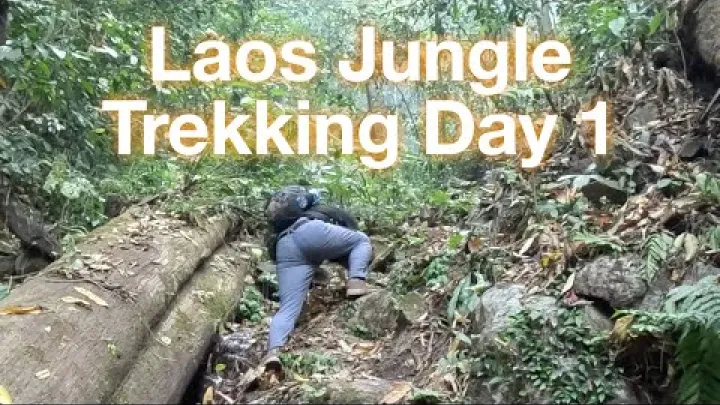
Luang Namtha is best known for guided forest trekking in and around Nam Ha National Protected Area, village visits, and forms of community-based tourism. Treks may combine walking through forest and farmland with local guides, shared meals, and an overnight in a village or a simple forest camp. The experience is usually about the route, the guide, and the pace of rural life rather than about ticking off famous monuments.
This is a good destination for travelers who enjoy walking, can accept basic facilities on a multi-day trip, and want a less commercial setting in northern Laos. It can also work for visitors who prefer cycling, a short countryside outing, or time in a quiet provincial town. It is less suitable for travelers seeking extensive nightlife, large resorts, frequent public transport, or a long list of walkable urban sights. The local Luang Namtha Tourism overview describes the area as a gateway to northern Laos, which is a useful way to approach it: town is the practical starting point and the wider province is the main experience.
How Many Days to Spend in Luang Namtha
Allow at least two nights if you want more than a brief stop. This gives you an arrival day to find accommodation, speak with operators, and explore the center, followed by one full day for a short trek or local excursion. A one-night visit is possible, but it often feels rushed once station transfers, bus arrivals, and activity arrangements are included.
Three to four nights suits many first-time visitors. You can take a one- or two-day guided trek and still have time for the market, a bicycle ride, or a nearby outing. Plan four to six nights if a two- or three-day trek is your priority, especially if you want a recovery day afterward or an extension toward Muang Sing or Vieng Phoukha. The right length depends on your main goal: trekkers need preparation and buffer time, while travelers focused on cycling or a light cultural visit can stay for less time.
Understand Luang Namtha Town and Province
Luang Namtha town and Luang Namtha Province are not interchangeable. Most visitor services are in the provincial capital, while many trails, villages, waterfalls, and district-level experiences require transport or an organized excursion.
Luang Namtha Town Layout and Atmosphere
The central part of Luang Namtha is compact and functional. Guesthouses, small hotels, restaurants, trekking agencies, shops, the local market, and the evening market are generally the places visitors use most. Staying centrally makes it easier to organize a trek, buy supplies, eat independently, rent a bicycle or motorbike, and ask about onward transport.
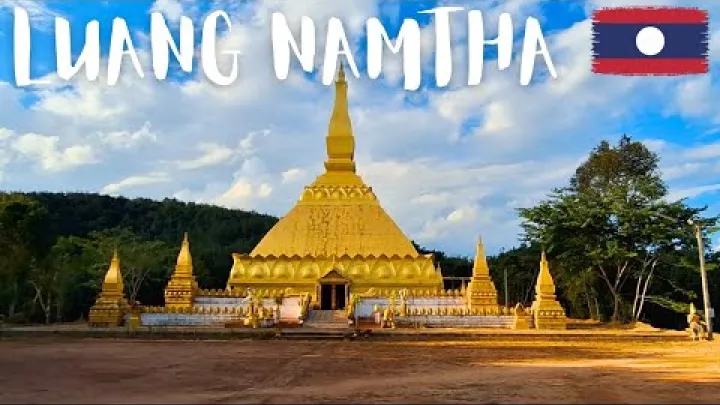
The Nam Tha River is part of the town’s wider landscape, and some accommodation lies in quieter riverside or outer areas. These properties can offer more space and a calmer setting, but they may be less convenient for an early bus, an evening meal, or last-minute arrangements. Choose the center if this is your first visit or if you have limited time. Choose a quieter location if you value atmosphere and are comfortable arranging rides when needed. Town itself is not a major sightseeing destination; its real value is as a comfortable place to prepare for and recover from time in the surrounding countryside.
Nam Ha National Protected Area and Nearby Districts
Nam Ha National Protected Area is the main geographic anchor for a Luang Namtha trip. It gives the area its reputation for guided outdoor travel and helps explain why local treks often combine natural landscapes with village-based services. A protected-area visit is not necessarily a single entrance gate or a self-guided park walk. Routes, permissions, overnight arrangements, and access points can differ by operator and season.
Use Luang Namtha town as the main base, then consider nearby districts as extensions. Muang Sing is often added by travelers interested in northern roads, rural scenery, and village areas. Vieng Phoukha may appeal to people looking for a quieter district with caves, landscapes, or trekking possibilities. Neither is a casual walk from town, and current road conditions and activity availability can affect whether an extension is worthwhile. Ask locally which routes are operating and how much travel time they require before changing bases.
Luang Namtha, Luang Prabang, or Nong Khiaw?
Choose Luang Namtha when your priority is a structured guided trek, community-based travel, or a deeper northern Laos outdoor experience. It generally rewards travelers who are willing to plan an activity and spend time away from the main street. Choose Luang Prabang if you want heritage architecture, temples, a broad restaurant choice, and more urban comfort between excursions.
Nong Khiaw is often a better fit for travelers who prioritize river scenery, viewpoints, and shorter outdoor activities from a compact riverside setting. It can feel easier for independent sightseeing, while Luang Namtha has a stronger case for multi-day trekking and village-based routes. None is universally better. Consider your available days, tolerance for rural accommodation, preferred transport route, and whether you want organized trekking or scenic relaxation with fewer logistics.
How to Get to Luang Namtha
Getting to Luang Namtha usually involves a final road transfer, even when you use rail or air for the longer part of the journey. Avoid building an itinerary around a tight same-day connection, particularly on mountain roads or after arriving from a remote trek.
Arriving by Laos–China Railway via Na Teuy
Na Teuy railway station is the relevant rail gateway for Luang Namtha Province, but it is not in Luang Namtha town. The Laos–China Railway can make a northern Laos itinerary more efficient, yet a rail ticket alone does not complete the journey. On arrival, you still need a bus, minivan, shared vehicle, or private transfer to town.
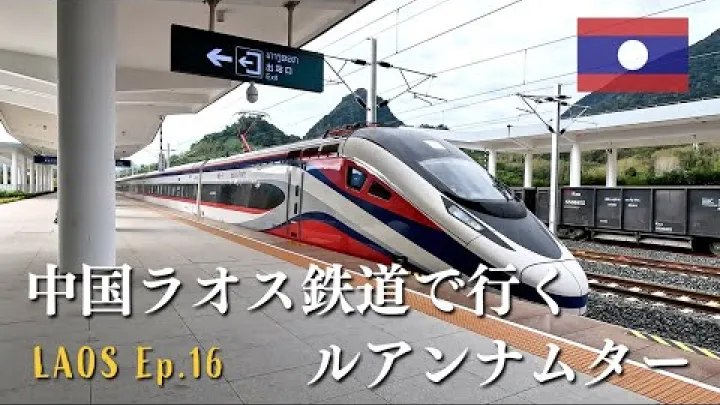
A practical arrival sequence is simple: confirm that your chosen train stops at Na Teuy, obtain the ticket using the current process, arrive with the required identification, and arrange or locate the onward transfer. The reverse journey deserves the same attention because reaching the station late could affect an otherwise secure rail booking. Route-level information about the railway exists through the Boten Railway Station post, but train stops, departure times, ticket release practices, and transfer services can change. Confirm the current departure, ticket requirements, and onward transport from Na Teuy before you travel, and keep a buffer day if the connection matters.
Buses and Minivans from Northern Laos and Thailand
Road services connect Luang Namtha with parts of northern Laos, including routes associated with Luang Prabang, Nong Khiaw, Oudomxay, Huay Xai, and Boten. These are useful links for travelers arriving from the Thai border area, continuing through northern Laos, or connecting from another regional hub. Service may use a full-size bus, minivan, shared van, or a vehicle whose final destination and comfort level differ from what an old online listing suggests.
Ask which station your vehicle uses. Luang Namtha has central and outer bus-station arrangements, and the correct departure point matters when you are staying in town or arriving late. For any road journey, ask the station staff or your accommodation about the day’s departure time, seat availability, fare, expected arrival, and exact boarding location. Do this before relying on a same-day onward connection. Mountain roads, weather, passenger loading, and vehicle changes can make road travel slower than expected.
Flying to Luang Namtha
Flying can be useful for travelers coming from Vientiane who value speed over a longer road or rail itinerary. However, flight frequency, operating status, schedules, and fares may vary, so do not treat a flight as available until it appears through a current airline or booking channel. The airport is outside the walkable core, meaning you should also plan the transfer into town.
Compare the complete journey, not only the flight time. Rail may be appealing when seats and transfers align; buses may suit a point-to-point northern route; flying can reduce travel time but may offer fewer alternatives if a service changes. If you choose air travel, arrange or confirm the airport ride with your accommodation or a local provider after your flight is confirmed.
Getting Around Luang Namtha
Most visitors use a mix of walking in town and hired or rented transport for everything beyond it. Match your transport choice to the distance, weather, road quality, and your own experience rather than assuming every rural sight is suitable for independent travel.
Walking, Tuk-Tuks, and Local Transfers
The town center is easy to cover on foot for meals, markets, agencies, and many guesthouses. Walking is also the simplest way to compare trek options and find supplies before departure. Outside the center, tuk-tuks or similar local rides are practical for the airport, bus stations, riverside accommodation, and early-morning transfers.
Agree on the destination and fare before getting in, especially when traveling to an outer station or a lodge beyond the center. Prices can depend on distance, time of day, group size, and whether the driver needs to wait. If you have an important train or bus, arrange the ride in advance through your accommodation rather than leaving it to the last minute.
Bicycles, Motorbikes, and Provincial Day Trips
A bicycle can be a pleasant option for exploring the valley, nearby roads, and the outskirts at a slower pace. It suits travelers who want light activity without committing to a trek. A motorbike extends the range toward places such as Muang Sing, rural villages, waterfalls, and other provincial sights, but it is only appropriate if you are confident on winding, uneven, or wet roads.
Before renting, inspect the vehicle, ask about helmets, fuel, and breakdown arrangements, and make sure your licence and insurance cover the vehicle you plan to use. Download offline maps and get local advice on the route. Stay on established roads and do not use a map line as proof that a remote track is suitable, open, or safe. Guided transport is often the better choice for a first visit when rain, limited riding experience, or a distant destination would turn a day trip into a difficult journey.
Best Things to Do in Luang Namtha
The best activities here are not all the same level of effort. Decide first whether you want a guided multi-day experience, a day outdoors, or a lighter excursion from town, then choose an operator and route that fit that aim.
Trekking in Nam Ha National Protected Area
Guided trekking is the main reason many visitors come to Luang Namtha. Options can range from a shorter guided walk to multi-day routes with village or forest overnights. The advertised number of days tells only part of the story. Ask about distance, climbs and descents, trail surface, forest conditions, river crossings, group size, meals, and sleeping arrangements. A route that is manageable in dry weather can feel substantially harder when wet.
Choose the trek that matches your actual fitness and interest. A shorter route may be more rewarding than a demanding itinerary if you want time to talk with guides and hosts, take photographs respectfully, and walk safely. Do not book based on promises of wildlife sightings or a guaranteed type of cultural encounter. Nature and village life are not performances, and conditions vary.
Before paying, confirm what the package includes: transport to the trailhead, guide services, food, water arrangements, accommodation, protected-area or community fees, and any equipment you need to bring. Ask the operator to explain the route, physical demands, guide arrangements, inclusions, emergency plan, and cancellation options. This conversation is more useful than selecting the lowest advertised price.
Community Homestays and Village-Based Tourism
Village homestays, local guiding, forest camps, and locally managed services can help direct visitor spending toward rural livelihoods while giving travelers a more grounded experience. Luang Namtha has long been associated with community-based tourism, and Mekong Tourism describes the area’s role in this type of travel. The quality of an experience depends on current local participation, the route, and the operator’s relationship with hosts.
Some travelers ask about the Nalan Trail or similar village-based routes. Treat these as possible examples, not guaranteed products: availability can change with local decisions, access, and season. A homestay is not a rural hotel. Expect basic sleeping conditions, shared meals, limited privacy, and household routines that may be different from those in a guesthouse.
Follow your guide’s instructions on household spaces, meals, clothing, and participation. Ask before taking photographs, including of people, children, homes, or religious items. It is reasonable to ask how fees are shared between the operator, guides, hosts, and community services. Clear answers are a good sign that the experience is designed with hosts as partners rather than as a background for visitors.
Waterfalls, Weaving, Markets, and Short Excursions
For an arrival day or rest day, choose a lower-intensity outing. Nam Dee Waterfall, Ban Phieng Ngam, local weaving, the night market, and rides through nearby villages are commonly considered by visitors, though each has different transport and access needs. The night market is easiest from central accommodation and works best as an evening food and local-shopping stop, not as a large attraction requiring hours.
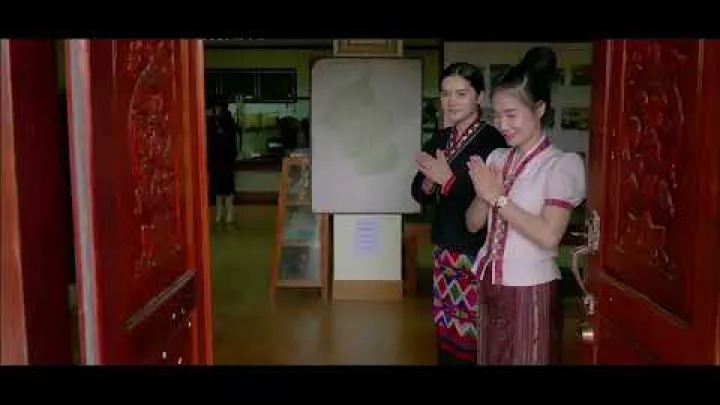
Nam Dee Waterfall or a village visit may suit travelers with a bicycle, motorbike, tuk-tuk, or guided day transport. Muang Sing requires more planning and is better treated as a provincial extension than a quick town outing. Caves and viewpoints in the wider province can be worthwhile only when access, road conditions, and entry arrangements are suitable. Confirm current opening status, weather, and transport before setting out. A flexible local day is often more satisfying than trying to fit several distant stops into one itinerary.
Where to Stay, Eat, and Manage Daily Costs
Luang Namtha has simple traveler infrastructure rather than a broad luxury market. The easiest way to manage comfort and costs is to choose a convenient base, keep cash available, and prepare properly for time outside town.
Best Areas to Stay in Luang Namtha
For most first-time visitors, central Luang Namtha is the best base. You will be near restaurants, agencies, markets, transport information, and walkable services. This is especially useful if you arrive without a fixed trek or need to leave early the next day. It also makes it easier to compare accommodation in person when availability is not tight.
Riverside and out-of-town lodges are better for travelers who value quiet, landscape, and a slower setting over immediate convenience. Confirm how you will reach town, the station, or an agency if you stay farther out. Village homestays and jungle camps should be viewed as part of a specific guided experience, not as substitutes for a hotel base. Check recent guest feedback and current operating status before reserving any named property, since room standards and services can change.
What to Eat and Pack for Treks
In town, food is usually a mix of Lao meals, market snacks, guesthouse restaurants, noodles, grilled dishes, vegetables, sticky rice, and a limited range of familiar international choices. Do not assume that every restaurant can accommodate a complex dietary need. If you have allergies or strict dietary requirements, explain them clearly to an operator before booking and carry suitable backup snacks.
Meals on a trek or at a village homestay may be simple, shared, and based on what guides and hosts can prepare locally. Bring a reusable water container and ask how drinking water will be supplied or treated. Pack broken-in footwear, rain protection, a warm layer for cool hill nights, insect protection, a headlamp, personal medication, a small first-aid kit, and a dry bag for electronics and documents. Light layers are generally more useful than one heavy item because conditions can shift between a warm walk and a cool evening.
Cash, ATMs, SIM Cards, and Internet
Use Luang Namtha town to prepare for rural travel. Carry enough Lao kip for a multi-day trek, meals, local rides, and unplanned transport changes, even if a hotel or agency accepts another payment method. For budgeting, separate funds for accommodation, meals, local transport, trek fees, equipment, and an emergency reserve, then ask current providers for prices because costs and payment methods can change. A bank-linked ATM is generally the most practical place to obtain cash, but availability and withdrawal limits can vary. Keep a separate cash reserve for essential transport and emergencies rather than storing all money in one place.
Buy or activate a local SIM if you need mobile data, but expect connectivity to become less reliable outside the provincial capital. Download offline maps, booking records, accommodation addresses, and key directions before departure. Save contact details for your next accommodation and transport provider. Card acceptance and internet access can decline quickly in rural areas, so cash and offline information are practical safeguards rather than inconveniences.
Best Time to Visit and How to Plan
Season affects almost every Luang Namtha decision: trekking comfort, road travel, motorbike suitability, river conditions, packing, and the amount of buffer time you need. There is no single perfect month for every traveler.
Dry, Hot, and Rainy Season Trade-Offs
Northern Laos generally has cooler, drier conditions during part of the year, hotter weather before the main rains, and a wetter period that can affect trails, roads, visibility, and rural transport. Many travelers prefer the relatively cooler and drier period for trekking, but this does not guarantee clear conditions or easy trails. Cool-season nights in hill areas can feel cold, while hotter months can make exposed walking demanding.
Rain can bring greener scenery and more water at falls, but it may also mean mud, slippery paths, slower roads, and less predictable transfers. Motorbike plans are particularly sensitive to wet conditions. Check a current local forecast and confirm trail and road conditions before committing to a trek or rural journey, while keeping a buffer day. Pack according to the route and elevation rather than relying only on a broad seasonal label.
Practical Three-Day and Five-Day Itinerary Frameworks
A three-day visit works best as a focused introduction. On day one, arrive, settle into central town, arrange any remaining details, and take a short walk or visit the market. Use day two for one carefully selected trek or a guided countryside excursion. Keep day three for departure or a light activity if your onward transport is later. If your arrival is delayed, reduce the plan rather than forcing a rushed trek.
A five-day framework gives Luang Namtha more room. Use the first day to arrive and prepare. Begin a two- or three-day guided trek after discussing the route and packing needs. Reserve the following day for recovery, laundry, a bicycle ride, weaving, a waterfall, or an extension toward Muang Sing if local access is suitable. Travelers who do not want jungle camping can replace the multi-day trek with separate day outings and more time in town. Put important international or long-distance connections after a buffer, not immediately after a remote trek.
What to Book and What to Confirm Locally
Book ahead when timing matters: scarce rail seats, a preferred room during a busy period, a confirmed flight, or a particular multi-day trek with limited places. Accommodation for an arrival night is often worth securing so you can organize calmly. Flexible day trips, restaurant choices, bicycle rentals, and some short excursions can often be decided after you understand the weather and current options.
For a trek, get clear answers on route, duration, group size, guide, transport, meals, overnight conditions, equipment, fees, physical difficulty, weather policy, and emergency arrangements. Save the confirmation and cancellation terms. Before international travel, verify current entry, border, and document requirements through official Lao channels, especially if entering from Thailand or continuing toward China. Keep digital and offline copies of transport bookings, accommodation addresses, travel insurance details, and emergency contacts.
Safety and Responsible Travel
Luang Namtha is best enjoyed with ordinary travel awareness and extra care appropriate to remote terrain. A careful approach supports both your safety and the communities and forests that make the area distinctive.
Road, Trail, Unexploded Ordnance, and Remote-Area Safety
National travel advice for Laos calls for increased caution because of crime, unrest, and unexploded ordnance; read the current U.S. Department of State advisory in full and check advice from your own government. This is national guidance, not a statement that every location in Luang Namtha has the same risk. In this province, practical visitor concerns often include remote roads, uneven trails, changing weather, limited emergency support, and delays in transport or communication.
Stay on established roads and trails, follow guide instructions, and never touch or move unfamiliar metal objects in rural areas. Tell someone your route and expected return, carry identification and essential medication, and use insurance that explicitly covers the trekking or motorbike activities you intend to do. On a remote route, a small injury or a change in weather can take longer to manage than it would in a city, so pack and plan conservatively.
Choosing Guides and Assessing Trek Conditions
A capable local operator and guide can make a substantial difference to navigation, communication with hosts, route selection, food planning, and emergency response. Do not judge a trek only by its price or by attractive photographs. Lower prices may omit transport, community payments, adequate equipment, or a realistic response plan for difficult conditions.
Ask specifically about fitness requirements, steep sections, river crossings, trail conditions, overnight sleeping arrangements, first-aid provision, communication coverage, and what happens if weather changes. Ask who will guide the group and whether the itinerary can be adapted if a participant struggles. Reassess honestly if you have an injury, limited hiking experience, or little tolerance for basic accommodation. The right trek is the one you can complete safely and respectfully, not necessarily the longest one available.
Cultural and Environmental Responsibility
Support community-based tourism by using locally managed services where possible, paying agreed fees, and following the guidance of hosts and guides. Ask permission before photographing people, homes, ceremonies, religious spaces, or children. A respectful request is more important than obtaining a photograph.
Carry out your waste, reduce single-use plastic, conserve water, avoid disturbing wildlife, and remain on permitted paths. Do not remove plants, objects, or cultural items from a trail or village. These actions help protect the forests, household privacy, and local relationships on which trekking and village tourism depend. Travel slowly, spend thoughtfully, and let hosts set the boundaries of the experience.
Select area
Create a post
Posting is free and no registration is required.