Luang Namtha Getting There: Flights, Trains & Buses

Getting to Luang Namtha takes more planning than reaching Laos’s larger cities, but there are several workable routes. Your main decision is whether to arrive by domestic flight, use the Laos–China Railway and continue by road, or travel overland by bus and minivan. This guide explains the gateways, transfers, and border routes that lead to Luang Namtha town center, with practical advice for choosing a route that fits your time, budget, and comfort level.
Transport in Northern Laos can be less standardized than in major regional hubs. A route that looks simple on a map may involve a train station outside town, a vehicle that leaves only when full, or a border crossing that requires an overnight stop. Build some flexibility into the journey, especially when connecting between different transport systems.
At a Glance: The Main Ways to Reach Luang Namtha
Luang Namtha is connected to the rest of Laos and nearby international borders by air, rail-plus-road, and road transport. The right option depends mostly on where you start and how much uncertainty you are willing to accept on the final leg.
The Three Practical Arrival Gateways
There are three practical ways to approach Luang Namtha. The first is Louangnamtha Airport (LXG), the small domestic airport near the town. This is the most direct gateway when a suitable flight from Vientiane is operating.
The second is Nateuy Railway Station, on the Laos–China Railway. Nateuy is the useful rail stop for Luang Namtha, but it is not in the town itself. A train journey always needs a separate road transfer from Nateuy to Luang Namtha town center. The third is the northern road network, including Highway 3 and provincial roads used by buses, minivans, and private vehicles.
It helps to separate the railway corridor from the destination. Boten is near the Chinese border, Nateuy is a rail gateway farther south, and Luang Namtha town is west of the main rail line. In simple terms, the northbound rail route is train to Nateuy, then road transport to Luang Namtha town. Road travellers generally arrive at or near the Luang Namtha town bus station before continuing to their accommodation.
Schedules, fares, and the availability of local transfers can change. Treat online listings as a starting point rather than a guaranteed timetable, particularly for minivans and regional buses.
Choose a Route Based on Your Starting Point
From Vientiane, flying can be the simplest option when the domestic service fits your dates. The rail route can also work, but the railway trip and final road leg should be considered as one journey. From Luang Prabang, travellers can compare a direct road journey with a train connection toward Nateuy. The train may reduce time spent on mountain roads, while the direct bus or van can reduce the number of transfers.
From Thailand, the usual approach is through Chiang Khong and Huay Xai, followed by an overland journey on the Lao side. From China, the relevant gateway is the Boten–Mohan border area; travellers can continue by local road or use the railway corridor and then transfer from Nateuy.
| Starting point | Usual route type | Best for | Main trade-off |
|---|---|---|---|
| Vientiane | Domestic flight | Speed and simplicity | Limited flight schedule |
| Vientiane or rail corridor | Train to Nateuy plus road | Comfortable long-distance travel | One uncertain final transfer |
| Luang Prabang | Bus, van, or train combination | Flexible itineraries | Long road travel or extra changes |
| Northern Thailand | Chiang Khong–Huay Xai border route | Overland travel from Chiang Rai | Several separate stages |
| China | Boten–Mohan border or rail combination | Travel from Yunnan | Immigration and onward coordination |
When choosing, compare the complete door-to-door trip: time to the departure point, waiting time, border or ticket formalities, luggage handling, and the final ride into town. A route with a short headline travel time is not always the quickest arrival at your guesthouse.
Arriving by Air at Louangnamtha Airport
Flying is the direct domestic option for reaching the Luang Namtha area. It is most useful for travellers starting in Vientiane who have limited time and prefer a simple arrival over a long series of road and rail connections.
Flying from Vientiane to Luang Namtha
Louangnamtha Airport uses the code LXG. Its route network is limited, and the practical domestic connection is generally associated with Vientiane rather than with a wide range of regional cities. The airport’s limited schedule means that travellers from Luang Prabang, Thailand, or China will often find rail-and-road or overland routes more realistic than trying to build an indirect flight itinerary.
Third-party schedule pages show that Lao Airlines has served LXG, but an airport route listing is not a promise that a flight operates on a particular day. FlightsFrom is useful for identifying the route, while the airline’s current booking system should be the deciding source for dates, operating days, fare conditions, and seat availability.
Before paying for connected travel, check the current Lao Airlines or Lao Skyway schedule, confirm whether the flight is operating on your date, and read the cancellation and change conditions. This matters more on a limited domestic route, where a cancellation can leave few same-day alternatives. Once you arrive, allow time for the short onward transfer toward the town center rather than comparing only the flight duration.
When Flying Is Worth the Extra Cost
Flying is usually worth considering when you are time-sensitive, carrying luggage you do not want to move between stations and vans, or arriving in Laos on a short itinerary. It also gives a clearer booking process than many provincial minivan routes. For business travellers, families, and visitors with fixed trekking or accommodation dates, the convenience may justify the higher cost.
It is less compelling for travellers who are already near the Laos–China Railway corridor, have flexible dates, or want to keep transport costs low. The flight’s limited frequency can also make it unsuitable if its operating day does not match your plan. In that situation, a train to Nateuy followed by a road transfer is the main alternative; a long-distance bus is the fallback for travellers who prefer to avoid arranging the rail connection.
Using the Laos–China Railway via Nateuy
The Laos–China Railway has changed travel across the country, linking Vientiane with Boten on the Chinese border. It can make the long-distance portion of a trip north much more comfortable than travelling entirely by road, but Luang Namtha remains a separate road destination from the railway.
Why Nateuy Is the Rail Gateway for Luang Namtha
Nateuy Railway Station is the closest useful railway connection for Luang Namtha town. Travellers can arrive there from major Lao cities along the line or from the Boten direction, then continue by road. A local guide to the station describes Nateuy as the closest railway connection for both Luang Namtha and the Huay Xai area near Thailand. Hobomaps also notes that small buses are often available around arriving trains.
Do not book Boten simply because it appears closer to China or farther north. Boten is a border and railway area, not Luang Namtha town. Likewise, a ticket to Nateuy solves the long-distance rail journey but not the final road journey. Keep these destinations distinct when searching transport, booking accommodation, or explaining your plan to drivers.
The practical sequence is straightforward: arrive at Nateuy, collect your luggage, find a shared vehicle or arrange a taxi, then travel by road to Luang Namtha town center. The last leg is part of the journey, not a minor airport-style transfer, so avoid scheduling an activity immediately after the train arrival.
Booking Train Tickets and Matching the Road Transfer
Railway booking methods, ticket release periods, classes, and train times can change. Depending on the current system, tickets may be available through the railway’s booking channel, station ticket offices, or established local agents. Popular departures can sell out, particularly around holidays and busy travel periods. A timetable guide such as the Hobomaps railway guide can help you understand the corridor, but use the latest official booking channel or station information for the actual departure and fare.
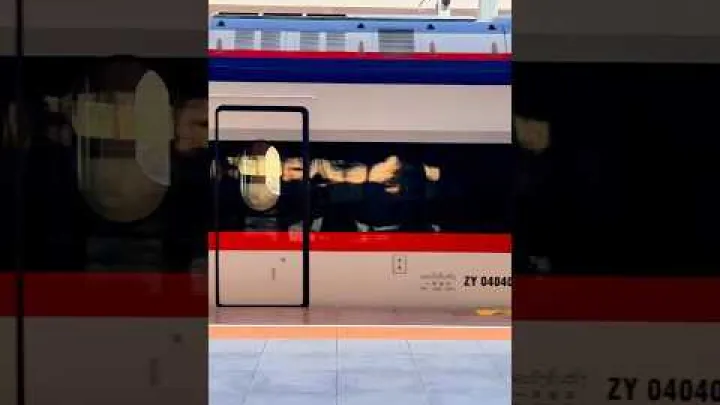
Plan the train and road segments together. An early train arrival gives more room to find a shared minivan, speak with station staff, or wait for enough passengers. A late arrival can turn a relatively easy connection into an expensive private transfer or an unplanned overnight stay. If you must reach Luang Namtha on the same day, choose a train with a generous buffer rather than the latest possible connection.
Confirm the current train departure and ticket availability before committing to accommodation or onward transport. Then allow extra time for leaving the station, locating the road transport area, and travelling onward. The railway can be highly efficient for the long-distance segment, but a tight connection removes much of that advantage.
Nateuy to Luang Namtha by Minivan or Taxi
After leaving Nateuy station, look first for local small buses or minivans serving Luang Namtha. These vehicles may be waiting around train arrivals, but operations can be demand-driven. A vehicle may leave when it has sufficient passengers rather than at a precise published time. Confirm the destination as Luang Namtha town, not merely a village or junction on the route.
For a first visit, use a simple sequence. Ask station staff where the Luang Namtha vehicles depart. If no vehicle is ready, contact your guesthouse, hotel, or a local transport operator and ask whether they can identify the next shared transfer. If shared transport is unavailable or the wait is unsuitable, arrange a private taxi and agree the price and final drop-off point before departure.
Ask specifically about the next Nateuy transfer and keep a private taxi option available if the minivan does not run. This is especially important after a delayed train or late-day arrival. Do not rely on a nominal departure time alone, and keep enough local currency available for a road vehicle that may not accept electronic payment.
Reaching Luang Namtha by Bus and Minivan
Road transport remains essential in Northern Laos. Buses and minivans connect Luang Namtha with other Lao towns and are often the only direct option outside the railway corridor. They can be economical and useful, but they require more patience than a standard intercity coach network.
From Luang Prabang and Other Lao Gateways
From Luang Prabang, travellers may find a direct bus or van route toward Luang Namtha, depending on current local operations. This is an all-road journey through Northern Laos and can be slow because of the mountainous road network, rest stops, weather, and the vehicle’s local pickup pattern. It can nevertheless be the simplest option when a direct departure is available, because it avoids the Nateuy transfer.
The other approach is to use the railway corridor toward Nateuy and then continue by road. This may be more comfortable for the longest section, but it has at least one extra logistical step. Compare full journey times, not just the train time: include travel to the rail station, ticket collection, waiting, the Nateuy transfer, and arrival in Luang Namtha town.
Oudomxay and other northern hubs can sometimes be useful transfer points, but connections should be confirmed at the current local station rather than assumed from older route maps. A service listed by an aggregator may be discontinued, seasonal, or operating from a different terminal than expected.
From Nong Khiaw and Northern Laos
Nong Khiaw and other northern destinations are often connected to Luang Namtha through a combination of local vans and a transfer hub such as Oudomxay. Direct services are sometimes reported, but lateral routes across Northern Laos are less standardized than services to major cities. They can be a good fit for travellers building a circular route without returning through Luang Prabang.
If a direct vehicle is unavailable, ask first about the most practical hub rather than trying to force a same-day route based on an old online listing. Staff at the departure point can usually tell you whether the next useful connection is through Oudomxay, Luang Prabang, or another provincial town. Be prepared for separate tickets and a waiting period between vehicles.
These services are practical for flexible travellers, but they may use small vans with limited luggage space and variable comfort. Keep water, snacks, and essential items with you rather than placing everything in an inaccessible luggage area.
How Local Bus and Minivan Services Work
The Luang Namtha town bus station is the key place to ask about provincial and regional road connections. Service may be provided by a scheduled bus, a small bus, a songthaew-style shared vehicle, or a minivan. The category matters: a larger bus is more likely to have a recognizable timetable, while a shared local vehicle may wait for passengers and make additional stops.
Before boarding, confirm five details: the exact destination spelling, the departure point, the fare, where luggage will be carried, and the final arrival point. Also ask whether the vehicle leaves at a fixed time or only after filling. These questions prevent common misunderstandings, especially when a driver is serving a nearby town rather than the town center you need.
Use the station or a reputable accommodation provider as your first information point. Informal roadside offers can be useful when formal service is limited, but agree the vehicle, route, fare, and destination before handing over money or loading luggage.
Arriving from Thailand via Chiang Khong and Huay Xai
The Thailand route is a natural overland option from Chiang Rai and Northern Thailand. It is not one continuous service: it combines travel to Chiang Khong, a transfer to the international crossing, immigration procedures, arrival in Huay Xai, and an onward Lao road connection.
From Chiang Rai to Chiang Khong and Across the Border
Start by reaching Chiang Khong in Thailand from Chiang Rai or another northern Thai departure point. From Chiang Khong, continue to the Friendship Bridge crossing used for travel between Thailand and Huay Xai in Laos. Local transport is normally needed for this stage, so do not assume that a bus to Chiang Khong will take you directly through immigration and onward into Laos.

At the border, complete Thai exit formalities, cross to the Lao side, complete entry procedures, and then arrange transport from Huay Xai. Each segment may involve a different ticket, vehicle, queue, and waiting period. This makes a same-day connection possible in some circumstances but not automatically comfortable, particularly if you arrive late or have a fixed onward booking.
Before starting from Chiang Rai, check current border operating conditions, visa requirements, and the availability of onward local transport. If the timing is tight, plan an overnight in Chiang Khong or Huay Xai rather than treating the border as a quick interchange. Keep your passport, any required entry documents, and enough cash for local transport readily accessible.
From Huay Xai to Luang Namtha by Road
From Huay Xai, Highway 3 is the main overland corridor toward Luang Namtha. Direct buses, shared vans, and express-style shuttles are often discussed by travellers, but their frequency, pickup point, stops, and departure behavior can change. Some services may continue toward Nateuy or Boten rather than ending in Luang Namtha town, so confirm the final destination before boarding.
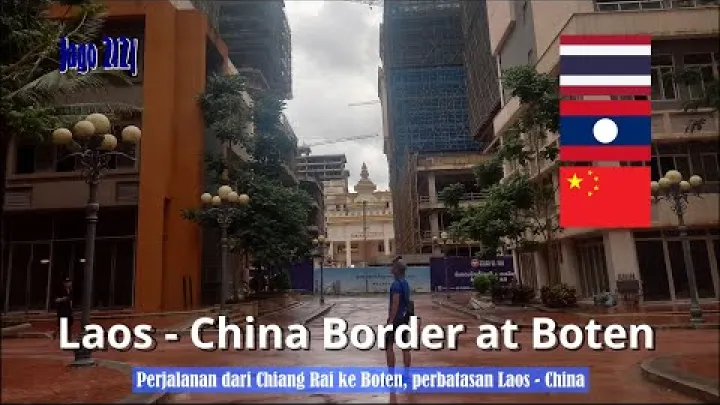
Go to the relevant Huay Xai transport point early in the day and ask for the next vehicle to Luang Namtha town. Confirm whether the departure is a scheduled service or a vehicle waiting to fill, and ask where in Luang Namtha it will drop passengers. Early arrival gives you more options if a direct vehicle is full, cancelled, or not running.
Confirm the onward Huay Xai–Luang Namtha service before crossing from Thailand, and do not depend on a tight late-day connection. If the connection is uncertain, staying overnight in Huay Xai is usually a safer choice than crossing with no workable plan for the Lao-side road journey.
Arriving from China via Boten and Mohan
Travellers coming from Yunnan and other parts of China normally approach Northern Laos through the Boten–Mohan border area. This route can connect well with the railway corridor, but international travel, immigration, and the final road transfer to Luang Namtha need to be planned separately.
Crossing from Mohan to Boten
Mohan is the Chinese-side border area and Boten is the Lao-side counterpart. This is the relevant international gateway for travellers approaching Luang Namtha from China. You may cross by land and then arrange Lao-side transport, or combine an international rail journey with travel onward in Laos where the current rail services and ticketing rules permit it.
International train travel should not be treated as identical to domestic travel. Immigration, ticketing, luggage procedures, and onward transport can be separate steps. Likewise, a land crossing to Boten does not place you in Luang Namtha town; it only brings you into the northern Lao border area.
Check visa eligibility, entry requirements, border operating conditions, and any current transport restrictions through official authorities before travelling from China. Use official immigration counters only. Decline unofficial offers to arrange visas, speed up processing, or collect unlisted additional fees, and request a clear explanation for any official charge you are asked to pay.
Continuing from Boten or Nateuy to Luang Namtha
After arriving in Boten, you still need a road connection to Luang Namtha unless a current direct service is confirmed locally. One approach is to seek a shared vehicle or private road transport from Boten toward Luang Namtha. Another is to travel by rail from Boten to Nateuy and arrange the road transfer from there. The better option depends on the day’s train times, the availability of local vehicles, and how much waiting you can accept.
Do not assume an international train journey continues seamlessly to Luang Namtha. The clear route sequence is border or international rail arrival at Boten, then either local road transport or a domestic rail segment to Nateuy, followed by road transport into Luang Namtha town center. Direct Boten-to-town transport should be treated as something to confirm on arrival rather than a guaranteed scheduled service.
Allow extra time after immigration for ticket purchase, possible luggage checks, finding the correct departure point, and waiting for local vehicles. If you arrive late, an overnight in the border area or near a rail station may be more realistic than attempting to complete every stage on the same day.
Compare Time, Cost, Comfort, and Booking Difficulty
No single route is best for every traveller. Air travel prioritizes speed, rail improves the long-distance experience but adds a local road leg, and buses offer reach and lower costs at the expense of comfort and schedule certainty.
A Practical Comparison of the Main Routes
| Route | Transfers | Speed | Cost | Comfort | Booking difficulty |
|---|---|---|---|---|---|
| Vientiane to LXG by air | Low | Fastest when operating | Higher | High | Usually straightforward |
| Rail to Nateuy plus road | One or more | Moderate to fast | Moderate | Good on rail; variable by road | Moderate |
| Luang Prabang by direct road | Potentially none | Slow | Usually lower | Variable | Moderate to high |
| Thailand via Huay Xai | Several | Moderate | Variable | Variable | High |
| China via Boten | Several | Variable | Variable | Variable | High |
These are relative comparisons, not fixed promises. Exact times and fares depend on the date, season, vehicle, and connection. The important distinction is schedule certainty: a booked flight or confirmed train ticket is generally more predictable than an informal shared van, while a border route combines the uncertainties of both transport and immigration timing.
Choose the Best Option for Your Trip
Choose the flight if you are starting in Vientiane, value speed, and find a suitable operating day. If the flight is sold out or does not run on your date, use the rail corridor as the main alternative and allow sufficient time after Nateuy.
Choose train plus road if you are travelling from Luang Prabang, Vientiane, or another point along the Laos–China Railway and prefer a more comfortable long-distance journey. Its fallback is a direct or connecting bus route, especially if train tickets are unavailable or the Nateuy arrival is too late for a practical transfer.
Choose bus or minivan if budget and itinerary flexibility matter more than strict timing. This can be the most useful approach from other Northern Lao towns. If a direct service is unavailable, ask about the most logical transfer hub rather than waiting indefinitely for an unconfirmed direct van.
Choose the Thailand or China border route when your trip naturally begins in Chiang Rai, Yunnan, or nearby border regions. These routes are rewarding for overland travellers but require the greatest tolerance for changes. Keep an overnight stop available in the border town as your practical fallback.
Final Advice for a Flexible Arrival
The simplest way to get to Luang Namtha is not always the route with the fewest kilometers. For a fast trip from Vientiane, a suitable flight is usually the clearest choice. For travellers following the Laos–China Railway, Nateuy is the key rail gateway, but the final road connection must be planned as carefully as the train ticket.
For road and border routes, arrive early, ask transport staff to confirm the exact destination, and leave room for a missed connection or overnight stop. Keep accommodation contact details, local currency, drinking water, and essential documents accessible during transfers. With realistic timing and a backup plan, Luang Namtha is reachable from Laos, Thailand, and China without needing to rely on a perfect timetable.
Select area
Create a post
Posting is free and no registration is required.