Luang Namtha Budget: Daily Costs, Prices, and Money-Saving Tips
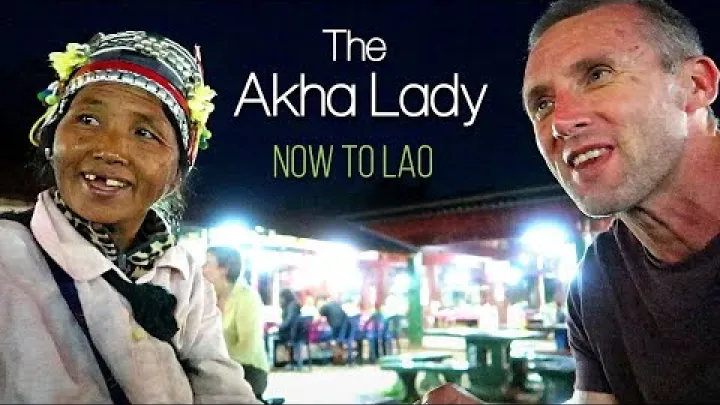
Luang Namtha can be an affordable stop in Northern Laos, especially for travellers who use local restaurants, walk around town, and choose a simple guesthouse. Costs rise quickly when a trip includes private rooms, frequent cafe meals, booked transport services, or a multi-day trek in Nam Ha National Protected Area. This guide separates ordinary town-day spending from package-based trekking costs so that your Luang Namtha budget is realistic. All prices are approximate planning ranges in U.S. dollars unless stated otherwise, and current quotes can differ by date, provider, group size, and what is included.
How Much Does Luang Namtha Cost Per Day?
For most visitors, the useful question is not simply whether Luang Namtha is cheap. It is whether the daily estimate includes a room, meals, local mobility, and activities, or whether large expenses such as an intercity bus and a guided trek are still missing. Use the following ranges as a starting point for ordinary days based in town.
Daily Budget Ranges by Travel Style
A budget traveller can plan roughly 16–29 USD per person per day for a basic room or shared room cost, local meals, walking or a bicycle, and small independent activities. A mid-range traveller should allow about 40–70 USD per person per day for a private room, a broader choice of food, occasional paid transport, and more comfort. A comfortable traveller may spend around 80–170 USD per person per day with higher-end accommodation, restaurant meals, private arrangements, and more flexible transport choices.
| Travel style | Approximate daily total | Typical pattern |
|---|---|---|
| Budget | 16–29 USD per person | Simple room, local food, walking or cycling |
| Mid-range | 40–70 USD per person | Private room, mixed dining, modest extras |
| Comfortable | 80–170 USD per person | Comfortable hotel, restaurants, flexible transport |
These are local planning estimates, not fixed prices. They combine accommodation, food, local transport, and modest activities on a normal town day. They do not include international flights, visas, travel insurance, shopping, major intercity travel, or a substantial guided trek. Room prices are usually quoted per room, while food and many activities are per person.
Trek days need a separate calculation. A package can include a guide, permits, meals, rural accommodation, and transport, so adding a hotel night and full food budget to the package rate can make your estimate artificially high. Before choosing a daily limit, set aside a separate reserve for arrival and departure transport, major activities, exchange-rate changes, and unexpected fees.
How to Use the Budget Ranges
Your position within a range depends mainly on room choice, meal style, how often you use paid transport, whether you travel alone, and whether you join a group trek. A traveller sharing a private room can reduce the accommodation cost per person sharply. A solo traveller who wants a private room may have a mid-range accommodation cost while still eating on a budget.
Think of the headline amount as an average, not a promise that every day costs the same. A quiet day in town can be inexpensive: a simple guesthouse, local breakfast, market food, and a walk between the main road restaurant area and the Luang Namtha night market may require little beyond meals. An arrival day with an intercity ticket, station transfer, and snacks can cost much more. A guided trek may become the most expensive part of a short stay, even when its daily rate covers many essentials.
A more reliable trip budget has two parts. First, list fixed costs: intercity transport, booked rooms, trekking packages, and any deposits. Then add variable daily costs for meals, drinks, local mobility, laundry, and small purchases. For example, three ordinary nights in a basic private room plus low-cost food may remain near the budget range, while the same three-night stay with a comfortable room and cafe meals can move toward mid-range spending. If a trek package replaces two town nights and includes meals, treat it as one bundled expense rather than multiplying the town-day estimate.
Accommodation Costs in Luang Namtha
Accommodation is often the largest ordinary daily expense in Luang Namtha, but it is also the category where sharing a room makes the greatest difference. Availability can be limited compared with larger Lao destinations, so compare the complete room offer rather than choosing only the lowest visible rate.
Guesthouse, Hotel, and Private-Room Price Ranges
For planning, very basic rooms may appear around 10–15 USD per room per night, although this lower band is not guaranteed and depends on availability. Ordinary budget private rooms are more safely estimated at 20–30 USD per room. Mid-range options commonly fit a planning band of 35–50 USD per room, while more comfortable properties can be around 50–100 USD per room. These ranges should be read as indicative, particularly when booking close to arrival.
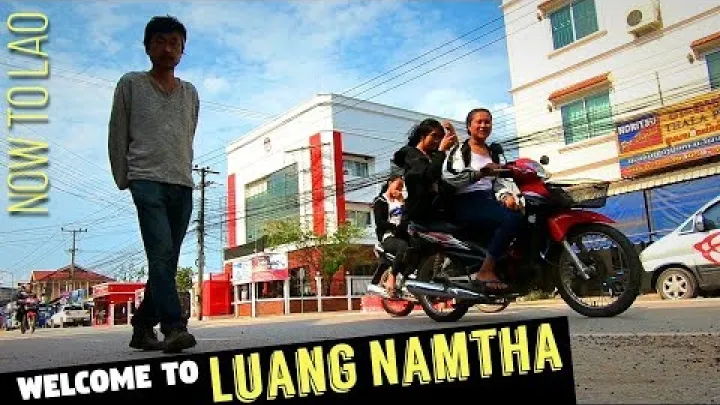
A local online listing snapshot from Agoda places budget hotels and guesthouses around 20–40 USD per night and more comfortable options around 50–100 USD. This supports using the middle of the ranges for a practical plan, rather than assuming that every low advertised price is available on your dates.
Zuela Guesthouse and Restaurant is one value example often shown with an average room price of about 24 USD, compared with a reported city average of about 38 USD on its listing. That is a per-room comparison, not a per-person total: two travellers sharing a 24 USD room would each carry roughly half of the room cost before food and other spending. Rates can differ between direct booking and online channels, and fees, occupancy rules, and cancellation terms affect the final comparison.
There is not enough consistent local evidence to assign a dependable dormitory price. Hostel listings may exist at different times, but do not build a Luang Namtha budget around a guaranteed dorm bed. Check current listings and ask whether the quoted price is for one person, one bed, or the entire room.
What Makes a Room Good Value
The best-value room is not always the lowest nightly rate. Compare whether breakfast is included, whether the bathroom is private, whether hot water and air conditioning matter to you, and whether Wi-Fi, luggage storage, or a convenient location are available. A central guesthouse near the night market, restaurants, and trekking agencies may cost slightly more but reduce paid rides and make inexpensive meal options easier to use.
When comparing an online offer with a direct quote, use the same checklist. Confirm the total number of nights, room type, number of guests, taxes or service charges, breakfast, cancellation conditions, and payment method. A low non-refundable price is not necessarily cheaper than a flexible direct rate if your plans may change. If breakfast is included, estimate whether you would otherwise buy breakfast; if it is not, do not give it a value you would not actually use.
Location also changes convenience. Properties around the main road restaurant area, including the area near Phou Iu III Bungalows, can suit travellers who want easy access to meals. A quieter or more distant property may be a good choice if it has the facilities you value, but include the likely cost and time of returning to town for food, agencies, and evening errands. Individual reviews can help identify a property’s current strengths, but one review should not be treated as a guarantee for every stay.
Town Rooms Versus Trek Homestays and Camping
Town accommodation and trek accommodation serve different purposes. A town room gives flexibility: you can arrive late, choose where to eat, compare agencies, visit the market, and add or remove activities. It is usually the better base when your visit is short, you have not selected a trek, or you want independent time around Luang Namtha.
Homestays and camping connected with guided Nam Ha treks are often part of the package price. Depending on the operator and route, the package may cover rural sleeping arrangements, meals, guide services, permits, and some equipment. Do not add a separate hotel night for a trek night unless you intend to keep your town room at the same time. Keeping a room can be worthwhile for luggage storage or a guaranteed return base, but it is an optional extra rather than an unavoidable trek cost.
Choose a town room if flexibility and independent dining are your priority. Choose a bundled rural stay if trekking is the main reason for the visit and the quoted inclusions fit your needs. A rural stay is not automatically cheaper; compare the complete package against the cost of town accommodation, meals, transfers, and the time needed to arrange each item separately.
Food, Drinks, and Daily Meal Costs
Food can be one of the easiest parts of a Luang Namtha travel budget to control. The difference comes less from one meal than from repeated choices: local stalls versus tourist-facing cafes, water and coffee purchases, alcohol, snacks, and whether meals are already included in a trek.
Night Market, Local Dishes, and Simple Meals
The Luang Namtha night market and small local restaurants are the main anchors for inexpensive eating in town. A traveller who relies mainly on local meals can use approximately 5–8 USD per day as a modest food-planning range. This is an approximate daily allowance, not a current price list, and it works best when meals are simple and drinks are limited.
Look for regional and Lao food without assuming that every stall offers the same dishes. Foods associated with the area include kao soi, a soft rice noodle soup, bitter bamboo shoot soup, rattan dipping sauce, Lao coffee, baguettes, and local rice-based drinks. The restaurant information from Phou Iu III Bungalows identifies several of these local dishes and beverages, but menus and daily availability vary by venue.
Check the current stall or menu price before ordering, especially if you add meat, drinks, desserts, or extra portions. A seemingly inexpensive meal plan can rise when breakfast is bought at a cafe, afternoon coffee becomes routine, and bottled drinks or snacks are added throughout the day. For the lowest practical food budget, use a local breakfast or baguette, a simple lunch, and market or local restaurant food in the evening.
Cafes, Western Food, and Drinks
Travellers who want a mix of local meals and cafes can plan about 10–15 USD per day for food and non-alcoholic drinks. This allows room for a more familiar breakfast, coffee, or one Western-style meal while keeping some local meals. A traveller eating frequent restaurant meals, choosing Western food regularly, or ordering alcoholic drinks may need around 20–40 USD per day.
A balanced approach is often more satisfying than treating every meal as either the cheapest or the most comfortable option. You might choose a local breakfast and lunch, then have one cafe meal or a more familiar dinner. This preserves variety while keeping the average lower than an all-cafe routine. Hotel dining may be convenient, but compare it with nearby restaurants before making it your default.
Meals included in a trekking package should be removed from your separate town food calculation. You may still need a coffee, pre-departure snack, bottled water, or a meal after returning, depending on the timing. National Laos travel-budget figures can provide broad context, but they should not be treated as a current menu for Luang Namtha, where the type of venue and your ordering habits determine the result.
Transport Costs to and Around Luang Namtha
Transport is a separate budget line because one intercity journey can outweigh several low-cost town days. In town, the compact central area can keep costs low; between towns, the booking method and added services can be more important than the advertised ticket price.
Intercity Bus Fares and Booking Methods
Traveller reports provide a useful illustration of why bus quotes need to be unpacked. One reported comparison described a direct ticket of about 150,000 kip, plus a reported 10,000-kip insurance charge, while an agent-booked fare on a similar journey was around 250,000 kip. These are anecdotal examples, not an official fare table, and the actual amount can change by route, date, operator, seat availability, and pickup arrangement.
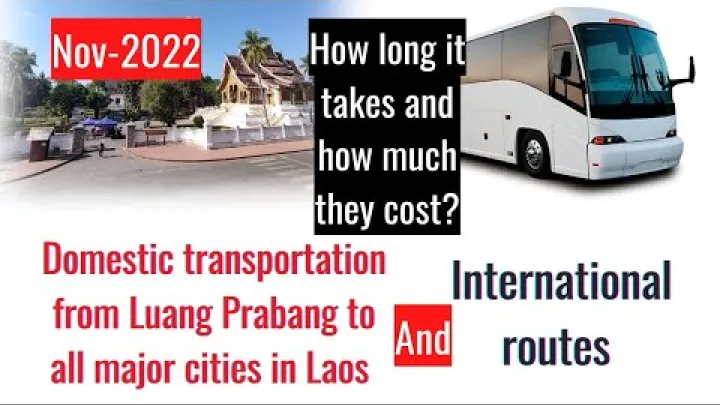
The quoted agent price may include a transfer to the station, hotel pickup, booking convenience, or commission. That does not automatically make it poor value; it means you should compare like with like. A traveller fare report from the Laos Backpacking Group shows how the direct ticket and an agent package can differ substantially.
Before paying for an intercity bus, confirm the current direct fare, insurance, station transfer, pickup, and agent commission. Ask whether the quote is only the ticket or the full door-to-station service. This makes it possible to decide whether the convenience is worth the difference without assuming that all agents or routes use the same pricing.
Walking, Bicycle Rental, and Other Local Transport
Walking can cover many practical central errands in Luang Namtha: moving between accommodation, restaurants, agencies, and the night market. This is one reason a centrally located guesthouse can be good value even when its room rate is not the lowest. Plan paid local transport mainly for luggage, distances outside the centre, or arrangements not included in an activity package.
A reported bicycle rental example of approximately 10,000 kip for a day provides a low-cost mobility reference. Treat it as indicative, not guaranteed. A bicycle can turn a simple day into an independent outing while avoiding repeated short rides, but inspect the bicycle and agree on the return time and any damage conditions before leaving.
There is insufficient consistent local evidence for dependable motorbike, tuk-tuk, or shared-vehicle rates. Request the total price before using a ride or rental, and ask whether fuel, helmets, a driver, waiting time, or return transport are included. Keep local mobility separate from trailhead transfers, which may already be part of a guided activity package.
Trekking and Activity Costs
For many visitors, guided trekking is the reason to visit Luang Namtha. It can also be the dominant expense. The right comparison is not just the price per day, but the complete combination of guiding, permits, meals, accommodation, transport, safety practices, and community payments.
What Multi-Day Treks Usually Include
Collected traveller references suggest that a typical three-day trek may cost around 120–136 USD per person. One recent traveller discussion mentioned a quote of 129 USD for a three-day, two-night trek. Longer or more demanding packages can cost more. These are planning benchmarks rather than fixed rates, because operators, routes, seasons, and group sizes differ.

The apparent daily cost can include much more than walking. Packages may cover a guide, permits, forest admission, village or community-based tourism contributions, meals, homestays, camping equipment, and transport between town and the start or end point. This can make a trek package look expensive beside a low-cost town day, but it may replace several separate expenses at once.
| Package reference | Approximate total | Confirm before payment |
|---|---|---|
| Three-day trek | 120–136 USD per person | Meals, permits, accommodation, transfers, group size |
| Longer trek | Varies by duration and route | Route difficulty, equipment, community fees, exclusions |
| Private or specialist trek | Varies widely | Minimum group charge, guide ratio, transport, cancellation |
Group size is often a major cost driver. A shared group can spread guiding and transport costs, while a private trek may require a much higher per-person payment. Trail difficulty, season, accommodation style, and operator standards also matter. A traveller trek-price discussion from the Laos Backpacking Group is useful as a recent benchmark, but it cannot replace a live quote for your selected dates.
Request a current written trek quote that states group size, meals, permits, guide services, homestay or camping arrangements, community fees, and cancellation terms. Also consider guide quality, safety practices, and whether the package clearly identifies where community payments go. The cheapest advertised package is not necessarily the best value if essential services or responsible local arrangements are unclear.
Low-Cost Activities and Balanced Itineraries
Visitors who do not take a multi-day trek can keep activity spending low through bicycle exploration, time at the market, and independent town activities. Local waterfalls or other nearby outings may involve small entry, rental, transport, or food costs, but the available evidence does not support one dependable fee for all sites. Separate these components rather than assuming an outing is free or fully included.
A major guided trek can dominate the average cost of a short Luang Namtha stay. For example, a traveller could have two inexpensive town days and one expensive multi-day package, producing a trip average that looks much higher than their daily routine in town. This is normal and does not mean every day needs to be expensive.
To balance the budget, pair the guided experience you most want with low-cost days before or after it. Walking around town, using a bicycle, eating at local venues, and browsing the night market can leave more room for a carefully chosen trek. For forest and village activities, follow local guidance and use arrangements appropriate to the area rather than assuming independent access is suitable everywhere.
Currency, Payments, and Trip-Budget Planning
Good price estimates are only useful if you can pay for the planned items. Luang Namtha spending is commonly discussed in Lao kip for small purchases, while online accommodation listings and organized trekking quotes may appear in U.S. dollars. Keep the two types of spending separate when making your plan.
Lao Kip, U.S. Dollars, and Everyday Payment
Use Lao kip as the working currency for everyday purchases such as local meals, small rentals, and minor services. Larger travel expenses may be quoted in U.S. dollars, particularly online rooms or organized activities. A dollar-denominated quote is not automatically a final dollar payment, so clarify how it will be settled.
Do not assume that cards will be accepted everywhere, that an ATM will always be convenient, or that every business uses the same exchange rate. Carry enough kip for small purchases and ask each property or operator which currency, exchange rate, card fee, and payment method will apply. Before paying for a room, transport, or tour, confirm any deposit requirement and request a receipt or clear written record of what the payment covers.
A practical cash plan has two parts. Keep an everyday kip allowance for meals, drinks, small transport, and incidentals. Keep a separate amount for larger pre-booked items such as accommodation balances or trekking, using the payment form the provider accepts. Use a current exchange rate when converting the dollar ranges in this guide rather than relying on a fixed conversion published in advance.
A Simple Formula for a Total Trip Budget
Build the total with this formula: accommodation nights + food and local mobility days + arrival and departure transport + activities + payment fees + contingency reserve. The formula is simple, but each item should be assigned correctly. A room is usually fixed per room. Food is generally per person. An intercity ticket is per traveller. A trek may be per person but can change with group size.
For an illustrative three-night town stay, one solo traveller might estimate 20–30 USD per night for a basic private room, 5–8 USD per day for mainly local food, a small local-mobility allowance, and a separate amount for the arrival and departure journey. A couple sharing the same room can divide the room cost, but each person still needs food, transport, and activity money. If either traveller adds a trek, replace the relevant hotel nights and meals only where they are included in the package.
Do not double-count bundled costs. If a three-day trek includes two nights of homestay accommodation, meals, permits, and transfers, those inclusions should not be added again under hotel, food, activity, and transport lines. On the other hand, pre-trek snacks, a town room retained for luggage, tips where appropriate, and post-trek meals may remain separate. A contingency reserve gives the plan room for a changed bus quote, a payment fee, or a choice to upgrade comfort without disrupting the rest of the trip.
What Raises Costs and How to Save Money
Luang Namtha can reward a simple travel style, but it is not immune to demand changes and limited supply. The most effective savings come from choosing the right room, understanding package inclusions, and reserving money for the few costs that cannot be reduced easily.
Peak Periods, Weekends, Events, and Other Cost Drivers
Seasonal demand, busy weekends, local events, limited room supply, and late booking can push rooms and tours toward the upper end of their ranges. There is not enough consistent local data to apply a fixed weekend or event surcharge, so use seasonality as a reason to check live prices and availability rather than as a guaranteed calendar rule.
Other common cost drivers are private rooms instead of shared lodging, frequent Western meals and drinks, agent-added transport services, private rather than shared treks, difficult routes, and premium accommodation. Each may be worthwhile, but identify it as a conscious upgrade instead of letting it disappear inside a vague daily average.
Weather and trail conditions can also affect trekking decisions, timing, and what an operator can offer. Check current trail, road, and weather conditions with a local operator before committing to a trekking date or a rainy-season itinerary. This is especially important when a route, transfer, or overnight arrangement is a central part of the package.
Practical Ways to Stay Within Budget
Use this prioritized checklist to keep spending controlled without making the trip feel restrictive.
- Before arrival, compare direct accommodation quotes with online rates using the same room type, dates, and cancellation conditions.
- Choose a room for useful inclusions and location, not only its headline price. Breakfast, walkability, and a private bathroom may be worth a modest difference.
- Reserve separate money for intercity transport and one major activity before setting a daily food allowance.
- In town, eat local meals regularly and use the night market or small restaurants for part of the day.
- Walk for central errands and consider a bicycle for a low-cost day of local mobility.
- For trekking, compare shared-group options and package inclusions rather than selecting only the lowest stated price.
- Keep a flexible allowance for cash fees, drinks, snacks, laundry, and an occasional higher-cost meal.
Shortly before travel, recheck room availability, current prices, payment terms, and every package inclusion. Local evidence is mixed in date and providers can change their offers. A flexible plan with a low-cost base, one planned highlight, and a reserve for practical extras is usually more reliable than trying to force every day into the same spending figure.
Final Checklist for Planning a Luang Namtha Budget
Start with the kind of stay you want: a simple town visit, a comfortable base with independent outings, or a trek-focused trip. For ordinary days, use the budget, mid-range, or comfortable daily range as a guide, then add accommodation correctly as a per-room cost where applicable. Add food based on your likely meal style, not an idealized version of it.
Next, price transport and trekking separately. Compare a direct bus fare with any agent package on the same inclusions, and treat a Nam Ha trek as a bundled expense that may cover beds, meals, permits, guides, and transfers. Keep everyday kip spending separate from larger payments, and leave a contingency reserve rather than converting every dollar of your plan into committed spending.
With those steps, Luang Namtha can work for a careful backpacker budget, a moderate private-room trip, or a more comfortable trekking holiday. The key is to make the major choices visible in your calculation: room standard, dining pattern, booking method, and the level of guided activity you want.
Select area
Create a post
Posting is free and no registration is required.