Huay Xai Best Time to Visit: Weather by Month

The best time to visit Huay Xai is generally November to February, when northern Laos is typically cooler, drier, and more comfortable for time along the Mekong River. This period suits a short city stay, the slow-boat route toward Pakbeng and Luang Prabang, and forest activities in Bokeo Province. However, the right month also depends on whether you value dry weather, green landscapes, lower demand, Lao New Year celebrations, or a lower-cost trip. This guide explains Huay Xai weather by season, the practical effect on travel, and how to plan around conditions that can change quickly.
The Best Time to Visit Huay Xai at a Glance
Huay Xai, also spelled Ban Houayxay, sits on the Mekong opposite Chiang Khong in northern Thailand. Its weather follows the broad northern Laos pattern, but river travel, rural roads, and forest trails make the local impact of each season especially important.
Best Overall Window: November to February
For most travelers, November through February is the strongest all-round window for Huay Xai. Days are usually warm rather than intensely hot, rainfall is generally lower, and mornings and evenings can feel pleasantly cool. These conditions make it easier to explore the riverfront, cross from the Chiang Khong border area, spend time on a Mekong boat, or begin an outdoor excursion without the heavier heat and rain of later months.
January and February are often the most dependable choices for drier conditions. November and December can be especially appealing for travelers who like greener scenery after the monsoon while still wanting improving weather. This is a climate-based preference, not a promise for every date: a dry-season day can still bring cloud, wind, or an isolated shower.
The main trade-off is demand. More travelers use Huay Xai as a gateway to the slow-boat route toward Pakbeng and Luang Prabang during the comfortable season, so popular accommodation and onward arrangements may be busier than in the wet months.
Choose by Travel Priority
| Travel priority | Best period | Why it works |
|---|---|---|
| Comfortable sightseeing | November to February | Cooler, mainly dry conditions |
| Mekong slow boat | November to February | More comfortable time on deck |
| Forest trekking | November to February | Usually drier and less hot trails |
| Green scenery and lower demand | May, June, or October | Lush landscapes with more weather uncertainty |
| Lao New Year | April | Festival atmosphere, despite heat |
Travelers focused on relaxed sightseeing and the slow boat should favor the cool dry period. Those planning trekking or forest activities will usually find the drier, cooler months easier, although conditions vary by route. May, June, and October are reasonable shoulder-season options for visitors who accept showers, humidity, or residual mud in return for vivid vegetation and potentially lighter demand. Exact prices are not fixed by season alone, so compare accommodation and tour availability for your dates rather than expecting guaranteed discounts.
Huay Xai Climate and Northern Laos Seasons
Huay Xai has a tropical monsoon climate shaped by its northern Laos location and its position beside the Mekong. It is useful to think in terms of a dry period, a hot late-dry period, and a wet period rather than treating every month in one season as identical.
Dry, Wet, and Hot Sub-Seasons
Broadly, northern Laos has a drier period from about November to April and a wetter period from about May to October. The national climate picture includes substantial variation in rainfall and temperature between regions; the UNDP Lao PDR climate overview notes that northern and eastern mountainous areas are cooler than many lower parts of the country. Huay Xai is still warm for much of the year, but its cooler dry-season mornings can feel very different from its hot, humid pre-monsoon afternoons.
November to February is the cooler part of the dry season and is normally the most comfortable time to be outdoors. March and April remain relatively dry but become much hotter, particularly around midday. From May onward, humidity and rain become more influential. The timing and strength of seasonal change can shift from year to year, and rainfall can differ between town, riverside areas, and forested hills around Bokeo.
What Climate Averages Can and Cannot Tell You
Climate averages describe the usual pattern over many years. They help answer questions such as when rain is more likely, when temperatures tend to rise, and when the landscape is likely to be green. They cannot tell you whether it will rain during your boat journey or whether a particular trekking day will be clear. The World Bank Climate Change Knowledge Portal provides historical climatology for Lao PDR, but such information is a planning baseline rather than a daily prediction.
For Huay Xai, precise figures found online may be based on modeled information or observations from nearby locations rather than a complete local station record. Treat monthly temperature and rainfall numbers as approximate. Use climate normals to choose a season, a short-range forecast to plan individual days, and local observations to understand what is happening on the river or trails.
Huay Xai Weather Month by Month
The following guide focuses on the likely travel feel rather than claiming exact daily weather. It is designed for travelers deciding when to stay in Huay Xai, cross the border, take a river journey, or join a Bokeo forest experience.
November to February: Coolest and Driest Travel Conditions
This is typically Huay Xai's easiest period for travel. Warm daytime temperatures, cooler early mornings and evenings, lower rainfall risk, and often clearer skies make it suitable for walks around town and Mekong views. It is also a practical time to continue downstream toward Luang Prabang or to plan a forest activity where wet ground would otherwise add difficulty.
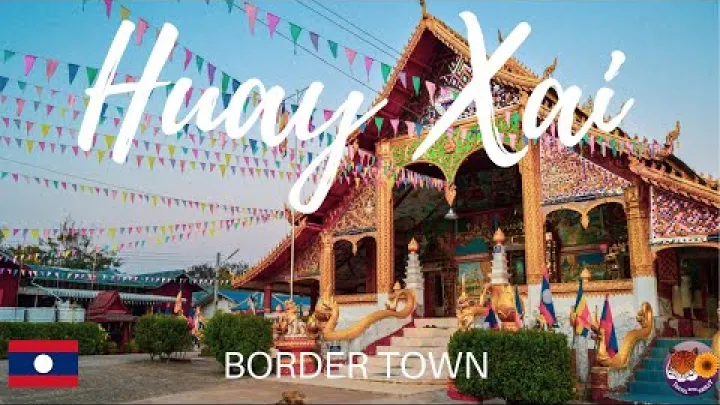
January and February are often the driest-feeling months. November and December may retain more post-monsoon greenery, which can be attractive around the river and forested hills. Nights near the Mekong can feel cool compared with the afternoon, especially on an open boat. Pack light clothing for the day, a long-sleeved layer for early departures and evenings, and sun protection for exposed river travel.
This is a popular time for travel through the northern Thailand border crossing and onward river route. Reserve the arrangements that matter most to you early, but do not assume that weather alone guarantees a particular boat departure or activity condition.
March and April: Hot, Dry, and More Hazy
March and April are usually hotter, with stronger sun and less comfortable conditions for midday walking or hiking. Dry weather can simplify some road and river logistics, but it does not automatically make these months the best choice for every traveler. A morning river journey may be manageable, while an exposed afternoon in town or a strenuous forest hike can feel demanding.

Smoke and haze can affect northern Laos during the late dry season. The timing and intensity vary across the region and from year to year, so visibility may range from clear to noticeably reduced. April can still be rewarding for visitors who specifically want Lao New Year celebrations, but holiday travel can add demand alongside heat.
May and June: Hot Green-Season Shoulder Months
May and June mark the transition toward the wet season. Conditions are often hot and humid, while showers become increasingly frequent. There can still be useful dry periods, but this is not as predictable as January or February. Travelers who choose these months should plan a slower pace and accept that outdoor activities may need adjustment.
The benefit is a greener landscape as vegetation responds to the rain. Visitor demand may also be lower than in the main dry-season window. In town, expect wet pavements, damp clothing, and more humidity. Outside Huay Xai, rural paths can become muddy earlier than paved areas, so footwear and realistic expectations matter.
July to October: Peak Rain, Then a Lush Transition
July through September is generally the wettest stretch of the year. August is commonly treated as part of the rainfall peak in regional and modeled climate descriptions. Rain can be heavier or more persistent than in May and June, affecting visibility, trail surfaces, unpaved roads, and comfort on open transport. It does not mean every day is washed out, but it does make a rigid itinerary less suitable.

October is a transition month. It can bring strikingly green scenery, fuller waterways, and fewer visitors than the cool dry season, while showers and muddy ground may still remain. It is a good compromise for travelers who value lush forest landscapes more than consistently dry weather.
| Months | Typical feel | Planning advantage | Main drawback |
|---|---|---|---|
| November to February | Cooler and mainly dry | Best all-round comfort | Higher demand |
| March to April | Hot and relatively dry | Dry-season logistics | Heat and possible haze |
| May to June | Hot, humid, greener | Shoulder-season atmosphere | Increasing showers |
| July to September | Wet and lush | Rich forest scenery | Mud and variable travel |
| October | Green transition | Fewer visitors | Residual rain and mud |
The Best Time for River Travel, Trekking, and Local Experiences
Weather matters differently depending on your plans. Huay Xai is not only a border town: it is a Mekong departure point and a base for Bokeo's forested landscape, where rain and heat can have a direct effect on comfort and timing.
Mekong Slow-Boat Travel from Huay Xai
Huay Xai is a familiar gateway for travelers arriving from Chiang Khong and joining the Mekong route toward Pakbeng and Luang Prabang. November to February is usually the most comfortable period for a long day near the water, with less intense heat, a lower chance of prolonged rain, and often better views from an open deck.
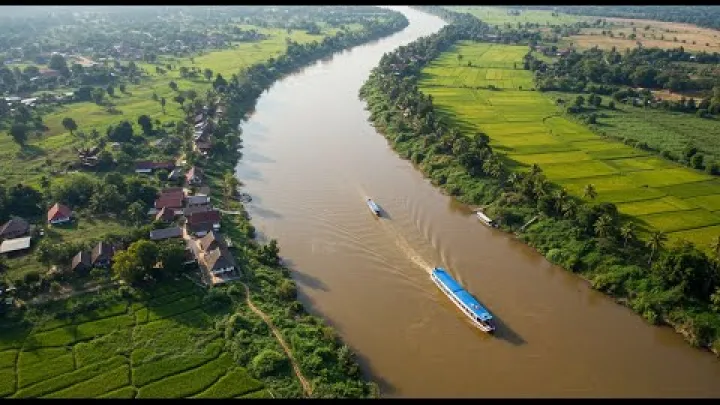
March can offer relatively dry travel conditions but may bring strong heat or haze. October can look greener and feel less busy, but weather is more variable. In the wetter months, higher river levels and unsettled weather can affect comfort, timing, or operations. Before committing to a tight border, accommodation, and boat connection, confirm the departure, river conditions, and any schedule changes directly with the local operator.
The Gibbon Experience and Forest Trekking
The Gibbon Experience in Bokeo's forested hills is a useful local example of why season matters beyond town weather. In the drier months, trails are usually easier to manage and the lower heat stress can make long walks more comfortable. November to February is therefore the best choice for many travelers who want the most straightforward forest experience.
Rainy-season conditions can be much more demanding. The Gibbon Experience states that Classic tour hikes can take up to four additional hours during the peak rainy period of July to September. Mud, slippery ground, river crossings, insects, and wet gear can all change the experience. Rainy-season travelers may enjoy exceptionally lush forest and fewer visitors, but should arrive physically prepared, wear secure footwear, use quick-drying clothing, and confirm current trail conditions and operator requirements before booking.
Culture, Sightseeing, and Budget Travel
Cultural sightseeing and a relaxed Huay Xai stay are possible throughout the year. The cooler dry season simply makes walking between riverside and town locations more pleasant. Travelers interested in scenery rather than perfect weather may prefer October or May and June, when the landscape is greener and demand can be lighter.
April is best treated as a special-interest option for visitors who want Lao New Year rather than as the default weather choice. Expect heat, possible haze, and holiday-related demand. For any season, compare current room and tour availability for your exact dates; value depends on local demand, length of stay, and the type of excursion you choose.
When to Reconsider a Huay Xai Visit
No month is automatically unsuitable, but some periods are less suitable for particular travel styles. Consider your comfort with heat, air quality, wet ground, and itinerary changes before choosing dates.
Late Dry Season Heat and Burning-Season Haze
Late March and April can be uncomfortable for travelers who want to walk extensively, hike in the forest, or spend long periods on an exposed river boat. High heat and humidity can reduce enjoyment even when rainfall is low. Regional smoke and haze may also reduce distant Mekong and hill views, and can be a concern for travelers sensitive to poor air quality.
Dry weather is only one factor in a good trip. If clear air and comfortable outdoor conditions are priorities, November to February is usually the safer seasonal choice, with October also worth considering for greener scenery. Before scheduling strenuous outdoor activities in late dry season, check current regional air-quality information and reconsider demanding plans if smoke or haze is affecting Bokeo.
Peak Rain and Flexible Access Planning
July to September can make rural roads, unpaved routes, and forest trails slower or more difficult. For a Huay Xai city stay, rain can mean wet-weather walking, delayed transfers, lower visibility, and extra time needed to dry shoes and clothing. For a trip that combines the town, a rural excursion, and onward road or river travel, these effects can compound.
Avoid very tight connections during the wettest period, especially between a forest activity and an onward boat or road departure. Conditions can differ significantly by route and day. Ask accommodation staff or tour staff about current road and trail conditions before heading to rural sites during the wettest months.
How to Plan for Huay Xai Weather
Good seasonal planning gives you a useful starting point, but practical preparation determines how well your itinerary works when conditions differ from the usual pattern.
Check Climate Averages Against the Live Forecast
Use climate information to select the month, then use a short-range forecast to make day-to-day decisions. Shortly before departure, review expected rainfall timing, thunderstorms, temperature, and visibility for Huay Xai. During late dry season, include regional air-quality information in your planning.
A month described as dry season can still have rain, while a wet-season day can have a long usable break in the weather. Check a current short-range forecast shortly before departure instead of relying only on climate averages. For a river journey or forest plan, combine that forecast with updates from your accommodation or operator, since local observations are often more useful for immediate conditions.
What to Pack for Different Seasons
For November to February, bring light clothing for warm afternoons and a warmer layer for cool mornings, evenings, and time on the Mekong. Sunglasses, a hat, and sunscreen are useful year-round because river travel can be exposed even in cooler months.
For March and April, prioritize breathable clothing, sun protection, and a practical hydration plan. A face covering may be useful for some travelers during hazy conditions, although it does not replace changing plans when air quality is poor. For May to October, pack quick-drying clothing, rain protection, footwear with reliable grip, and waterproof storage for electronics and documents.
Insect protection is useful in humid months and around forest activities. Allow extra drying time for wet clothes and shoes, especially if your itinerary includes trekking. Packing needs can vary substantially between a simple town stay, a slow-boat journey, and an overnight forest excursion.
Final Recommendation for the Best Time to Visit Huay Xai
Choose November to February for the best overall balance of comfortable temperatures, mainly dry weather, Mekong travel conditions, and easier outdoor plans. January and February are strong choices for travelers who prioritize lower rainfall risk, while November and December may appeal to those who also want greener post-monsoon scenery.
Choose October, May, or June if you can accept more weather uncertainty in exchange for greener landscapes and potentially lighter demand. Visit in March or April mainly if dry conditions or Lao New Year are more important to you than cool air and clear views. For any month, make the final decision using the live forecast and current local updates for your boat, trail, or onward travel plan.
Select area
Create a post
Posting is free and no registration is required.