Matsuyama Travel Guide: Sights, Stays & Itineraries

This Matsuyama travel guide explains how to plan a first visit to one of Shikoku's most appealing city bases. Matsuyama combines a hilltop castle, historic hot springs, literary heritage, local food, and access to the Seto Inland Sea without requiring a complicated city itinerary. You will find advice on how to arrive, how the main districts connect, where to stay, what to do, when to go, and how to extend your trip into Ehime and wider Shikoku.
Matsuyama at a Glance
Matsuyama is a useful starting point for understanding northern Shikoku because its central attractions are distinct but connected. A visit can focus on the city itself or become part of a longer route through Ehime.
Why Matsuyama Works for First-Time Visitors
Matsuyama is the capital of Ehime Prefecture and the largest city on the island of Shikoku. Its strongest visitor experiences are close enough to combine: Matsuyama Castle represents the city's feudal history, Dogo Onsen provides a traditional hot-spring setting, and the central shopping streets offer everyday dining and local shopping. The city also has strong connections with haiku, Natsume Soseki's Botchan, and the Seto Inland Sea.
This combination gives Matsuyama a clear fit for travelers who enjoy history, onsen culture, food, walking, and cultural sightseeing. It works as a short city break because the main attractions can be arranged into a small number of zones. It also works as an urban base for exploring Ehime, including preserved towns, pilgrimage sites, coastal areas, and the Shimanami Kaido. The regional position and cultural identity of the city are outlined by Travel Japan.
How Matsuyama Is Laid Out
For a simple mental map, begin with Matsuyama Castle and Mount Katsuyama near the middle of the city. Okaido, Gintengai, and the nearby Ropeway Shopping Street form the main central shopping and dining area. Dogo Onsen lies to the northeast and has a different atmosphere, with bathhouses, traditional streets, ryokan, and evening strolling. JR Matsuyama Station is farther west of the central core, while port districts such as Mitsuhama are farther toward the waterfront.
Two station names are especially important. JR Matsuyama Station is the intercity rail station used for travel on the JR network. Matsuyama City Station is part of the Iyotetsu urban transport network and is closer to central tram connections, shopping arcades, and the main downtown area. They are not the same station, so check which one appears on your train, hotel, or transfer information.
Think of the city in four practical zones:
- Castle and downtown: Matsuyama Castle, Okaido, Gintengai, and Ropeway Shopping Street.
- Dogo: Dogo Onsen Honkan, Asuka-no-Yu, Tsubaki-no-Yu, shops, and traditional accommodation.
- Rail and west side: JR Matsuyama Station and useful connections for regional travel.
- Waterfront: Mitsuhama and other port-side areas, best treated as focused food or harbor visits unless your accommodation or transport plans make them convenient.
This layout makes location more important than choosing the most highly rated hotel in the abstract. Stay in Dogo for atmosphere and bathing, in central Matsuyama for convenience, or near JR Matsuyama Station for an early rail departure.
How to Get to Matsuyama
Your best route depends on whether you value speed, simple transfers, scenery, cycling, or access to rural Ehime. Matsuyama can be reached by air, rail, ferry, road, and combinations of these options.
Flying Through Matsuyama Airport
Matsuyama Airport is the most direct aerial gateway for the city. Domestic and international services can change according to season, airline, and operating period, so compare the route from your actual departure city rather than assuming that every connection runs year-round.
For most first arrivals, the airport limousine bus is the simplest connection into the city. It links Matsuyama Airport with JR Matsuyama Station, Matsuyama City Station, and the Dogo Onsen area. The JAL MaaS information is a useful starting point for the airport connection.
Before boarding, match the bus destination with your accommodation area. A hotel near Dogo is best served by the Dogo stop, while a central hotel may be more convenient from Matsuyama City Station. Travelers near JR Matsuyama Station should select that destination instead of assuming that the central station names are interchangeable.
Flying is often attractive when you are coming from outside Shikoku, carrying luggage, or connecting with a route that has a convenient airport schedule. Rail or ferry travel may be more appealing when you are already in western Japan and want to include the journey as part of the experience.
Taking the Train from Honshu or Elsewhere in Shikoku
The common rail pattern from Honshu is to travel through Okayama and continue toward Matsuyama on the limited express connection. This creates a practical link between Matsuyama and major rail routes on Honshu, although the best train combination depends on your departure city and travel date.
Within Shikoku, the JR Yosan Line is important for journeys toward destinations such as Ozu, Uchiko, and Uwajima. These routes make rail a useful choice for travelers building a wider Ehime itinerary. A train-based trip can be comfortable for visitors who prefer not to drive, but some regional sights are more spread out than the city center.
Check current JR schedules, reservations, transfer arrangements, and rail-pass conditions before committing to a route. Pass validity, required reservations, and supplemental fares can change. Also confirm whether your final arrival is at JR Matsuyama Station or whether you need an onward transfer to Matsuyama City Station or your hotel.
Arriving by Ferry, Road, or the Shimanami Kaido
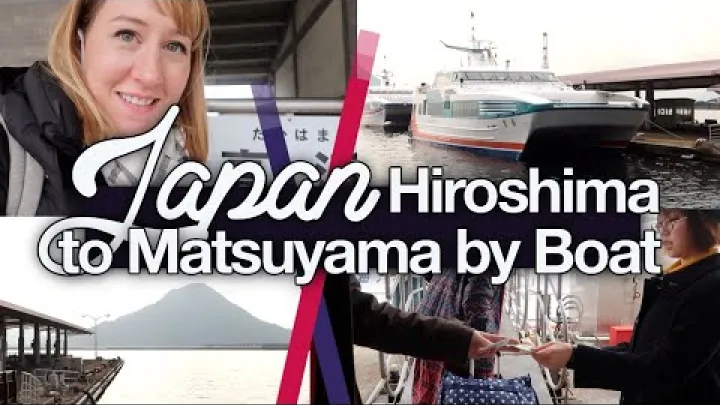
A sea crossing between Hiroshima and Matsuyama can add a scenic Seto Inland Sea experience to the journey. It may suit travelers who are already visiting Hiroshima, prefer a maritime route, or want to avoid repeating a rail or air connection. The arrival terminal and onward connection matter, because reaching central Matsuyama may require an additional local journey.
The Shimanami Kaido is a different type of arrival route. It connects Onomichi on Honshu with Imabari on Shikoku; it does not lead directly into central Matsuyama. Cyclists who finish in Imabari need a separate rail, bus, road, or other onward connection to Matsuyama, depending on their equipment and schedule.
A rental car becomes more useful when your plan includes rural Ehime, coastal villages, mountain pilgrimage sites, or several stops that are difficult to link by public transport. It is usually unnecessary for the central Matsuyama attractions, where trams, buses, walking, and occasional taxis are more practical.
Choose among these routes according to four questions:
- Are you starting in Hiroshima, Okayama, another part of Japan, or elsewhere in Shikoku?
- Is cycling the main purpose of the journey, or is it only one optional activity?
- Will you visit rural or mountainous places where a car saves substantial effort?
- Could weather affect a ferry, cycling day, mountain walk, or exposed coastal route?
Train, ferry, road, and cycling connections are not permanent details. Confirm current operators, terminals, routes, bicycle policies or rental arrangements, road conditions, and timetables close to departure. This is particularly important when several independent connections must work on the same day.
How to Get Around Matsuyama
The central city is manageable without a car. A practical Matsuyama transport plan usually combines Iyotetsu trams, buses, walking, and taxis according to luggage, weather, and mobility needs.
Using Trams, Suburban Rail, and Buses
The Iyotetsu tram network is the most visitor-friendly way to connect the main arrival points with central Matsuyama and Dogo Onsen. It links areas around JR Matsuyama Station, Matsuyama City Station, central stops near Okaido, and Dogo. For a first arrival, a simple sequence is to reach the correct station, transfer toward the central or Dogo area, and walk the final part to your accommodation.

Buses supplement the trams. They are useful for the airport connection, outlying neighborhoods, temple visits, and places that do not sit directly on a tram route. Use a current route-planning tool when you are unfamiliar with the local network, especially if you are carrying luggage or trying to reach a site at a fixed time.
The Botchan Train is a separate heritage-style sightseeing experience rather than a replacement for ordinary tram travel. Its appeal is the connection between Matsuyama's literary identity and its historic transport character. Treat it as an optional ride and plan the rest of your journey around the ordinary tram or bus network.
Do not build a schedule around an assumed fare, payment method, frequency, or heritage-train timetable. Those details should come from the current transport operator or a current station information source.
Walking, Taxis, Cycling, and Mobility Planning
Walking is valuable in the castle, arcade, and Dogo zones because it lets you combine sightseeing with shopping, snacks, and small streets. However, the city is not one uniformly flat or effortless walking area. Mount Katsuyama, castle approaches, temple routes, heat, rain, and time spent inside attractions can make a day feel longer than a map suggests.
Taxis are useful for heavy luggage, late arrivals, short transfers between accommodation and a station, steep approaches, or travelers who need to reduce walking. A taxi can also make a flexible itinerary easier when a public transport connection would require a long wait or an inconvenient transfer.
At Matsuyama Castle, the ropeway and chairlift provide alternatives to walking the full uphill approach. They reduce the climb but do not remove all barriers. Historic grounds and buildings may still include slopes, stairs, narrow passages, and uneven surfaces. Ask the operator or attraction directly if you need detailed mobility information.
Urban cycling can be a pleasant optional way to see less central streets, but it is different from the established long-distance cycling experience on the Shimanami Kaido. Choose cycling only when the route, weather, traffic conditions, bicycle type, storage, and return arrangements suit your ability and itinerary.
Where to Stay in Matsuyama
The best area depends on whether you want bathing and atmosphere, central dining and transport, or easy access to a morning train. Matsuyama's main bases each solve a different planning problem.
Dogo Onsen for Historic Atmosphere
Dogo Onsen is the strongest base for travelers who want an onsen-centered stay. Its appeal comes from the combination of bathhouses, traditional streets, shops, ryokan-style accommodation, and an evening atmosphere that feels different from the commercial center. Staying here makes it easy to bathe without making a separate cross-city trip at the end of a sightseeing day.
The main facilities include Dogo Onsen Honkan, Asuka-no-Yu, and Tsubaki-no-Yu. They are distinct facilities, not interchangeable names for one bathhouse. Their operating arrangements, bathing options, and conservation or maintenance conditions can differ, so use the Dogo Onsen Official Website for the latest facility information.
Dogo is still practical for city sightseeing. Trams and buses connect it with Matsuyama Castle, Okaido, Gintengai, and the station areas. Choose Dogo when your ideal evening includes a bath and a slow walk; choose central Matsuyama if you prefer a wider choice of restaurants and a more urban base.
Central Matsuyama for Convenience
The area around Okaido, Gintengai, and Ropeway Shopping Street is the most convenient base for many first-time visitors. It places you near restaurants, covered shopping arcades, casual evening activity, and the main approach to Matsuyama Castle.
Central tram stops make it straightforward to reach Dogo Onsen, the two station areas, and other parts of the city. This is a strong choice for short stays, business travelers, people arriving late, and visitors planning day trips to other parts of Ehime.
The trade-off is atmosphere. Central Matsuyama feels more urban and commercial than Dogo. It is usually better for flexible dining and transport than for a traditional hot-spring-street experience.
JR Matsuyama Station and Port-Side Areas
The JR Matsuyama Station area is a functional base for travelers with an early rail departure, a late arrival, or several intercity connections. It can reduce the stress of moving luggage on the first or last day, but you may need a tram, bus, or taxi for the main castle, arcade, and Dogo sightseeing zones.
Mitsuhama offers a more local-feeling port district with maritime character and interest for travelers seeking seafood or a harbor-town atmosphere. It is better viewed as a focused food or neighborhood option than as the default base for every first-time Matsuyama visitor.
Stay near JR Matsuyama Station when transport efficiency is your priority. Consider Mitsuhama when the waterfront character is part of your purpose and you are comfortable making regular local trips to the central attractions.
Choosing a Base and Deciding How Long to Stay
One night can provide a fast introduction, but arrival and departure times may leave only a few usable sightseeing hours. Two full days are more comfortable because they allow you to separate Matsuyama Castle, the central streets, and Dogo Onsen instead of treating the whole city as one rushed route.
Three or more nights make sense when you want slower onsen time, a temple visit, a specialty-food outing, or a regional excursion. Compare bases using these questions:
- Evening atmosphere: Dogo is the better fit for bathing streets and traditional lodging.
- Dining and shopping: Central Matsuyama offers the widest concentration in the city core.
- Rail access: The JR station area is practical for early or late intercity travel.
- Regional exploration: Central Matsuyama or the JR area may simplify transfers, depending on your route.
Remember that two nights do not always equal two full days. A late arrival or early departure can change the realistic itinerary more than the number of nights on the booking.
Best Things to Do in Matsuyama
Matsuyama's best experiences are strongest when combined rather than treated as an isolated checklist. Pair the castle with the central streets, then give Dogo enough time for both bathing and wandering.
Visit Matsuyama Castle for History and City Views
Matsuyama Castle is the city's central historic landmark. Its hilltop setting on Mount Katsuyama creates broad views across Matsuyama and toward the Seto Inland Sea, while the surviving historic elements give the visit more depth than a simple viewpoint stop.

You can approach the castle by walking uphill or by using the ropeway or chairlift. The transport option is useful when you want to preserve energy for the grounds and tower, while the walk may suit visitors who enjoy a slower approach. Inside the main tower, expect steep stairs and uneven historic spaces rather than a modern, fully level museum environment.
The official castle page lists an adult admission example of ¥520 and gives seasonal closing times, including a later summer closing and an earlier winter schedule. It also identifies a regular closure example. Treat these as checkable operating details, not permanent facts, and use the Matsuyama Castle Official Website when planning the day.
Morning can provide a cooler approach and a clear start to the itinerary. Late afternoon may give softer light and a natural transition to downtown or Dogo. Visibility, heat, cloud, and the castle's operating hours should guide the final choice.
Experience Dogo Onsen and Its Bathhouse District
Dogo Onsen is both a bathing destination and a historic district. A complete visit includes time for the bathhouse itself, the surrounding streets, shops, small food stops, and the atmosphere after dark. You do not need to stay at a ryokan to enjoy the district, although staying nearby makes an evening visit easier.

Dogo Onsen Honkan is the best-known historic building, while Asuka-no-Yu and Tsubaki-no-Yu offer different ways to experience the local bathing culture. Their access arrangements, ticketing, conservation work, and facilities may not be identical. The popular literary and cultural associations of Dogo are part of the district's identity, but they should not replace practical planning for the facility you actually intend to use.
Before bathing, consider operating hours, last admission, changing arrangements, personal comfort, and how much time you want for walking afterward. Bathing etiquette is simple but important: wash before entering the shared bath, keep towels out of the water, and follow posted instructions. Use the official Dogo information for current rules and facility choices rather than relying on an old itinerary.
Explore Literary Heritage, Haiku, and Pilgrimage Sites
Matsuyama has a strong literary identity connected with Natsume Soseki's Botchan, the haiku poet Masaoka Shiki, and the city's wider haiku culture. These themes appear through heritage transport, museums or cultural displays, public references, and the way local sightseeing presents the city.
The Botchan Train offers a literary and heritage-themed ride between central Matsuyama and Dogo Onsen when it is operating. It is best understood as a special experience, not simply as the fastest way to move around. Ordinary trams remain the practical foundation for transport.
Ishite-ji, near Dogo, is an accessible introduction to the Shikoku pilgrimage for visitors who want to see one temple without attempting the full 88-temple route. A visit can be combined with Dogo when transport and energy allow. By contrast, mountain pilgrimage routes associated with Daihoji and Iwayaji require more planning and physical commitment than a short city temple visit.
Choose one cultural thread rather than trying to cover everything. A literary-focused visit might combine the Botchan Train with central streets and Dogo. A pilgrimage-focused visit might pair Ishite-ji with a slower temple walk. Longer routes beyond the city should be treated as separate excursions.
Shop, Eat, and Find Additional City Views
Okaido and Gintengai are practical anchors for shopping, casual meals, local browsing, and rainy-day plans. Covered arcades make it easy to adjust the pace when outdoor sightseeing becomes uncomfortable. They also provide a useful place to buy snacks and souvenirs without adding a distant detour.
Ropeway Shopping Street is a natural approach to Matsuyama Castle. Its visitor-oriented shops and food stops can be combined with the castle before or after the hilltop visit. This creates a logical route instead of treating shopping as an unrelated activity.
For a slower day, add a park, a secondary viewpoint, or an urban walk according to your interests. These are optional additions for photography and seasonal scenery. Keep them flexible so the castle and Dogo experiences receive enough time.
When to Visit Matsuyama
Matsuyama can work throughout the year, but the best season depends on whether your priority is comfortable walking, seasonal scenery, bathing, cycling, or regional excursions.
Spring and Autumn for Comfortable Sightseeing
Mid-April to mid-May and late October to mid-November are useful general planning windows for comfortable outdoor sightseeing. Spring is attractive for blossoms and castle scenery, while autumn can suit foliage, temple visits, and regional walks.
These periods are planning guides rather than guarantees of exact weather or peak seasonal conditions. Accommodation demand can also rise around school holidays, festivals, and local events. If a particular blossom, foliage, or event experience matters to you, allow flexibility rather than building the entire trip around one assumed date.
The broad seasonal recommendation for Matsuyama is also reflected by Climate to Travel, but a short-term forecast is more useful for final daily decisions.
Summer, Winter, and Weather-Flexible Planning
Summer can be hot and humid, which affects castle climbs, temple approaches, cycling, and long walking days. Heavy rain or typhoon-related disruption can also affect ferry-dependent routes, exposed coastal plans, and mountain activities. Start outdoor sightseeing earlier when conditions are suitable, build in breaks, and avoid making a demanding excursion the only purpose of a short stay.
Winter is cooler but can still suit castle visits, city walks, food-focused plans, and the contrast of a hot-spring experience. Shorter daylight and cold evenings may favor a more compact route, with Dogo Onsen, covered arcades, and indoor attractions providing useful anchors.
For cycling or hiking, check the short-term forecast and official weather warnings before leaving. Keep an indoor alternative such as the arcades, bathhouses, literary or cultural attractions, and a shorter food-focused route. Festival dates and operating arrangements should be checked against current local calendars because they can vary by year.
What to Eat and What to Budget
Food planning is one of the easiest ways to connect Matsuyama with the wider identity of Ehime. Mix a specialty meal with casual arcade dining, sweets, drinks, and a port-side food stop if your schedule allows.
Try Ehime and Matsuyama Specialties
Tai meshi, or sea bream rice, is a key dish to look for, but regional versions can differ in preparation and presentation. Mitsuhama is a useful Matsuyama-area anchor for a seafood-focused meal and a change of scenery from the central arcades.
Other items to place on a food checklist include jakoten, mikan and mikan juice, Botchan dango, and local dairy-based sweets. Some are strongly associated with Ehime more broadly rather than Matsuyama alone, so treat the list as a regional tasting guide rather than a claim that every dish originated in the city.
Food exploration can follow your route. Have a specialty lunch in or near Mitsuhama, choose casual dishes around Okaido and Gintengai, or make Dogo part of an evening of sweets and small purchases after bathing. A local food guide such as Gltjp can help identify a current specialty venue, but check opening days and meal availability directly.
Plan a Matsuyama Budget Without False Precision
A useful Matsuyama budget separates transport, attractions, meals, accommodation, and optional regional excursions. A single citywide daily average can be misleading because a night in a Dogo ryokan, a central business hotel, a ferry journey, and a Shimanami Kaido cycling plan produce very different totals.
Use current venue prices as examples rather than permanent assumptions. The Matsuyama Castle site gives an adult admission example of ¥520. Dogo's bathhouses have different facilities and ticket options, so compare the current choice that matches your bathing plan. A dedicated tai meshi meal will also depend on the restaurant, portion, and menu selected.
Build the trip in one of three ways:
- Lower-cost city visit: Choose a practical hotel or guesthouse, use public transport, select one or two paid anchors, and mix specialty food with casual meals.
- Comfort-focused visit: Allow more for a Dogo ryokan or central hotel, bathing options, taxis when useful, and meals chosen for atmosphere as well as price.
- Excursion-focused visit: Create a separate allowance for regional rail, ferry travel, car rental, bicycle hire, guided activities, or an additional night outside Matsuyama.
Accommodation rates vary with season, booking timing, base area, and local demand. Venue prices can also change. Use current prices when making the final plan and carry a backup payment method rather than relying on outdated budget figures or one payment option.
Safety, Accessibility, and Booking Logistics
Good logistics make Matsuyama easier to enjoy. The most important preparation is not a rigid schedule but a short process for checking conditions, matching attractions to your needs, and keeping the day adaptable.
Check Current Conditions Before Each Sightseeing Day
Use a brief checklist before departure and again on the day of travel:
- Confirm attraction opening hours, closure dates, maintenance notices, and last admission.
- Check Dogo Onsen facility operations, bathing rules, ticket options, and any conservation arrangements.
- Review train, tram, bus, ferry, road, and cycling connections for the route you will actually use.
- Check weather-sensitive connections and any warnings affecting outdoor or regional plans.
- Save the address and contact details of your accommodation.
When an older travel article conflicts with an official page, give priority to the official Matsuyama Castle and Dogo Onsen information for those facilities. This matters especially when a historic building is undergoing work or when operating hours and access routes have changed.
Plan attractions in a sequence that can absorb a delay or closure. For example, central arcades and food stops can replace an outdoor viewpoint for part of a day, while Dogo can be moved to the evening if the castle visit is affected.
Plan for Bathing, Walking, and Accessibility Needs
Historic wooden bathhouses, castle interiors, temple approaches, hills, stairs, and uneven surfaces require realistic expectations. A short distance on a map may still involve a slope, a queue, a standing period, or an interior that is difficult to navigate with wheels or limited stamina.
The castle ropeway or chairlift can reduce the uphill walk, but it does not guarantee step-free movement throughout the grounds or tower. Likewise, a bathhouse may have different access conditions from a modern hotel. Accessibility is venue-specific, so do not assume that all major Matsuyama attractions are barrier-free.
Plan footwear, rest points, shorter sightseeing blocks, and taxi use around your own needs. If you require step-free access, accessible changing facilities, seating, assistance, or another accommodation, contact the historic site or bathhouse in advance and describe the practical support you need. A direct answer from the facility is safer than relying on a general accessibility label.
Use Conservative Safety and Emergency Guidance
Matsuyama should be approached with ordinary travel preparation rather than claims that any destination is risk-free. Keep important documents and valuables secure, follow local instructions, and ask accommodation staff for help when a transport or facility problem is unclear.
Review a current government travel advisory for Japan before departure, retain travel insurance details, and save emergency and insurance contacts in an accessible place. The Travel Advisories page explains how advisory information is assessed, but travelers should also consider the current instructions from their own government.
Respect bathing rules, temple practices, pilgrimage sites, and residential neighborhoods. Keep voices low in shared spaces, follow photography restrictions, and avoid treating a working religious or residential area as a stage set. These habits help prevent small misunderstandings and make cultural visits more comfortable for everyone.
Build a Matsuyama Itinerary
The easiest itinerary is zone-based. Group attractions that connect naturally, leave time for bathing or meals, and avoid filling a short visit with distant excursions.
A One-Day Matsuyama Itinerary
Use the first part of the day for Matsuyama Castle if the weather is clear and the approach suits your energy. Walk or take the ropeway or chairlift, spend time in the grounds and tower, and return toward the central area through Ropeway Shopping Street. This gives the castle enough time without making the morning only a transport exercise.
Have lunch and browse Okaido or Gintengai. These arcades provide a practical choice of casual food, local products, and shelter if the weather changes. A specialty meal can fit here if you prefer not to make a separate trip to Mitsuhama.
Spend the afternoon and evening in Dogo Onsen. Choose a bathhouse according to the current facility information, then allow time for the surrounding streets, shops, and a relaxed dinner. If you arrive late or have an early departure, reverse the order and treat the day as an introduction rather than trying to see every attraction.
In rain or heat, shorten the outdoor castle visit or move it to the most suitable weather window. Use the arcades, a bathhouse, literary or cultural attractions, and shorter taxi rides as the indoor or low-exposure alternative.
A Two- or Three-Day Matsuyama Itinerary
With two full days, use the first day for the castle, central shopping streets, and a first introduction to Dogo. On the second day, slow down the Dogo experience or visit Ishite-ji, then add literary interests, museums, food stops, or a less hurried urban walk.
A third day gives you room to separate experiences that compete for attention. You could spend one day on the castle and central city, one on Dogo and Ishite-ji, and one on a regional excursion or a second, slower food and bathing day. The best sequence depends on opening days, weather, mobility, and whether you prefer active sightseeing or longer pauses.
Your accommodation area changes the feel of the itinerary. From central Matsuyama, begin with the castle and arcades and travel to Dogo later. From Dogo, begin with bathing or Ishite-ji and use the tram for a central city day. Near JR Matsuyama Station, group your rail departure or regional trip carefully so that station transfers do not interrupt the main sightseeing days.
Extending the Trip to Ozu, Uchiko, Uwajima, or the Shimanami Kaido
Choose regional extensions by interest and physical commitment. Uchiko suits travelers interested in preserved townscapes and historic streets. Ozu offers castle-town and riverside character. Uwajima is a longer regional rail outing that works better when you have a full day or an overnight plan rather than a rushed add-on.
The Shimanami Kaido is the strongest option for a dedicated cycling experience. Remember that the route runs between Onomichi and Imabari, so a cycling plan needs separate decisions about bicycle rental or transport, luggage, weather, the finish point, and onward travel to Matsuyama. It is not simply another central Matsuyama attraction.
Daihoji and Iwayaji provide more demanding mountain pilgrimage possibilities than a short visit to Ishite-ji. They require greater attention to transport, walking conditions, daylight, and personal fitness. Treat them as a separate commitment within a wider Shikoku itinerary.
For a focused city break, stay in Matsuyama for two full days and enjoy the castle, arcades, Dogo, food, and literary or pilgrimage highlights without overextending yourself. For a broader Ehime or Shikoku circuit, use Matsuyama as a comfortable urban anchor and reserve separate time for Ozu, Uchiko, Uwajima, the Shimanami Kaido, or the mountain temples. That balance gives you both the city's distinctive character and the wider regional experience without turning every day into a transfer day.
Select area
Create a post
Posting is free and no registration is required.