Matsuyama Budget: Daily Travel Costs & Saving Tips
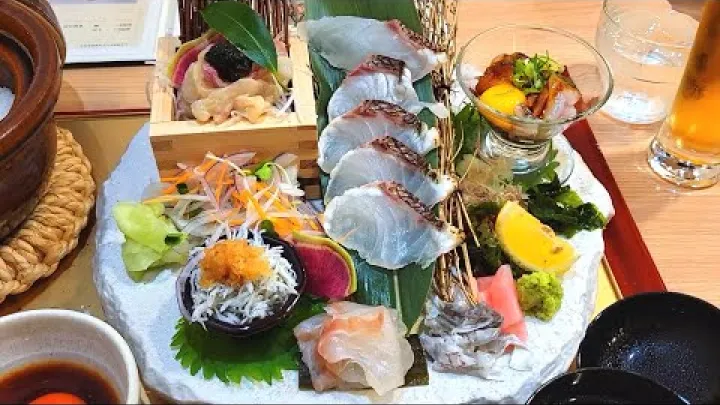
A realistic Matsuyama budget can range from about ¥5,000 to ¥13,000 per person per day for a low-cost trip, while a mid-range stay usually needs about ¥13,000 to ¥28,000. Comfortable travel costs ¥28,000 or more, especially when you choose a Dogo Onsen hotel or ryokan with meals. These figures cover spending in Matsuyama and exclude flights, ferries, long-distance buses, and intercity rail. This guide breaks down the main costs, compares central Matsuyama with the Dogo Onsen district, and shows how to plan a complete yen-based total.
Matsuyama Budget at a Glance
Matsuyama is suitable for several travel styles. Local trams and major attractions are relatively easy to price, but accommodation creates the largest difference between a backpacker trip and an experience-focused stay. Begin with a daily city allowance, then add arrival, departure, and intercity transport as separate items.
Daily Budget Ranges for Budget, Mid-Range, and Comfortable Travel
The following ranges are practical planning bands for one person and one calendar day in Matsuyama. They use the broad Japan travel budget bands reported by Japan Guide as a starting point, adapted to the local fares and attractions discussed below.
| Travel style | Daily city budget | Typical assumptions |
|---|---|---|
| Budget | ¥5,000–13,000 | Hostel or low-cost stay, simple meals, ordinary tram use, and limited paid activities |
| Mid-range | ¥13,000–28,000 | Private room or shared double room, casual restaurants, local transport, and several paid visits |
| Comfortable | ¥28,000 or more | Higher-quality hotel or Dogo Onsen lodging, restaurant meals, flexible transport, and optional experiences |
For a solo traveler, the budget tier often means a hostel bed or a very simple private room. A couple or two friends sharing a room may spend less per person on accommodation, even if the total room price is higher than one hostel bed. The mid-range tier becomes easier to reach when two people divide a double room. The comfortable tier can be much higher when a Dogo Onsen ryokan package includes dinner and breakfast.
These are planning ranges, not guaranteed Matsuyama prices. Your total changes with room occupancy, travel dates, meal inclusions, taxes, exchange rates, and the number of paid activities. Long-distance access to Matsuyama is not included.
What the Daily Figures Include
A daily figure is an envelope for the city portion of the trip. It should cover a share of accommodation, food, local transport, and activities, but the categories do not always appear separately on a booking page. A ryokan may combine the room, dinner, breakfast, and bathing facilities in one per-person price, while a hostel or business hotel usually leaves food and attractions separate.
| Tier | Accommodation assumption | Food and city costs | Exclusions |
|---|---|---|---|
| Budget | Hostel bed or low-cost room | Simple meals, two to several ¥210–¥230 tram rides, and selected low-fee attractions | Flights, ferries, intercity rail, and major splurges |
| Mid-range | Private room or shared double room | About ¥2,500–¥4,500 for food, regular tram use, and paid cultural or onsen visits | Premium ryokan meals and flexible taxi use |
| Comfortable | Higher-grade hotel or Dogo Onsen ryokan | More restaurant meals, drinks, paid experiences, and a larger transport allowance | International and long-distance access unless added separately |
Use room rates as room totals until you divide them by the number of guests. Use a per-person ryokan package as a per-person cost unless the listing clearly states that the amount is for the whole room. This prevents double counting. If dinner and breakfast are already in the lodging package, do not add them again to the food allowance.
Accommodation Costs in Matsuyama
Matsuyama offers a choice between practical central lodging and the more experience-led Dogo Onsen district. The best value depends on whether you want the lowest bed price, a private room near transport, or a traditional overnight stay with meals.
Hostels and Low-Cost Stays
Hostels are usually the clearest starting point for a solo Matsuyama budget. A KAYAK listing snapshot shows Matsuyama hostel searches from about $21 per night, with an average nightly figure around $28 in July and about $92 in August. The same page demonstrates how sharply an aggregator result can change by month; these dollar figures are a date-sensitive snapshot rather than guaranteed rates in yen. You can view the accommodation snapshot on KAYAK.
Compare a live price for your exact dates, then note whether the result is for a shared bed, a private room, or an entire room. A hostel bed may be the best choice when you travel alone and spend most of the day outside. A private guesthouse room or business hotel becomes more attractive when the difference is small, when you want more privacy, or when two travelers can share the room.
Central locations around JR Matsuyama Station or near Iyotetsu tram stops may also reduce the number of paid rides. Features such as a shared kitchen, lockers, towels, breakfast, and luggage storage differ by property, so treat them as listing details rather than universal hostel benefits.
Business Hotels Near Central Matsuyama
Business hotels are a useful private-room reference point for a Matsuyama travel budget. A broad Japan accommodation benchmark places a single room at about ¥10,000–¥20,000 and a double room at about ¥12,000–¥30,000. These are comparison ranges, not a citywide Matsuyama average or a promise for a particular date.
Areas around JR Matsuyama Station and Matsuyama City Station are practical bases when you want a private room, straightforward airport-bus access, and a wide choice of casual meals. They also work well if Dogo Onsen is one visit rather than the main purpose of the overnight stay. A room near Dogo Onsen offers a different benefit: you are closer to the bathhouse district and can spend more time there without making the area a separate outing.
For two people, divide the double-room total by two before comparing it with hostel beds. For example, a ¥18,000 room is ¥9,000 per person for two guests before any additional taxes or meals. On the same booking page, compare room-only, breakfast-included, cancellation, and tax-inclusive totals rather than comparing only the headline nightly rate.
Dogo Onsen Hotels and Ryokan
Dogo Onsen is a premium lodging micro-market within Matsuyama. Traditional rooms, hot-spring facilities, Japanese-style service, and meal-included plans can place a Dogo night well above a basic central hotel night. The price is paying for an overnight experience, not simply for access to a bath.

A Dogo-focused ryokan guide gives an approximate example of roughly $160–$450 for Funaya. The guide also shows why foreign-currency examples should not be converted into a fixed yen promise: the rate, room type, occupancy, and meal plan all affect the total. Read the example as a broad premium-segment signal, and compare a current yen quote from the property. The guide is available through Japan Ryokan Guide.
Compare ryokan plans on a per-person basis. A room-only plan, a plan with breakfast, and a dinner-and-breakfast plan are different products. If the goal is to experience Dogo without paying for a premium night, stay near the central stations and pay for a separate Dogo Onsen visit instead. A one-night ryokan splurge can also replace one standard night while the remaining nights use a lower-cost central base.
Food and Drink Costs
Food in Matsuyama can be adjusted more easily than accommodation. The main choice is whether you want simple meals throughout the day, casual restaurant dining, or a ryokan dinner included in the lodging price.
Low-Cost Meals and Everyday Dining
For planning purposes, use about ¥500–¥1,000 for breakfast, ¥500–¥1,500 for lunch, and ¥500–¥2,500 for dinner. These are broad meal benchmarks rather than a surveyed average for Matsuyama menus. Convenience stores, simple noodle or curry meals, lunch sets, and casual restaurants can all produce different totals within those bands.
| Meal pattern | Working daily allowance | Typical use |
|---|---|---|
| Low-cost | ¥1,500–¥2,500 | Simple breakfast, inexpensive lunch, basic dinner, and few snacks |
| Casual | ¥2,500–¥4,500 | Regular restaurant meals, a cafe stop, snacks, or a non-premium drink |
| Higher comfort | ¥4,500 or more | More substantial restaurant dining, alcohol, cafes, or a special dinner |
Use the lower pattern when accommodation has a kitchen or breakfast included, but do not assume that every hostel provides those facilities. A central base gives you more flexibility to combine convenience-store purchases with casual dining. The important budget decision is the pattern over the whole day, not the price of one isolated meal.
Ryokan Meals and Special-Dining Splurges
Dinner and breakfast at a Dogo Onsen ryokan are commonly bundled into the lodging plan. Because the food is part of the package, it is often not useful to search for a separate dinner price and subtract it from the room rate. Compare the total value of the package instead.
Use this calculation when comparing options: let R be the per-person ryokan price with dinner and breakfast, and let C be the per-person cost of a central room. Add the independent food allowance to C, then compare R with that combined amount. The difference is the price of the traditional stay, meal service, and location experience rather than the price of food alone.
One meal-included Dogo night can move a day from the mid-range budget into the comfortable tier, even if the other days use simple meals. Premium meals, alcohol, cafes, and snacks are optional additions. Dietary requirements, meal content, serving times, and the exact meal plan should be confirmed directly with the property you choose.
Set a Food Allowance Without Local Menu Overclaims
A useful food envelope is about ¥1,500–¥2,500 for a lean day and about ¥2,500–¥4,500 for a mid-range day. Allow more when you want frequent alcohol, several cafe visits, or a special dinner. Keep alcohol separate from the main food allowance so you can see which part of the budget is flexible.
| Day plan | Breakfast | Lunch | Dinner | Food envelope |
|---|---|---|---|---|
| Lean | Simple or included | Inexpensive meal | Basic casual meal | ¥1,500–¥2,500 |
| Mid-range | Simple or cafe breakfast | Casual restaurant | More comfortable meal | ¥2,500–¥4,500 |
| Splurge | Hotel or ryokan meal | Flexible | Special meal or drinks | Above the mid-range allowance |
Current Matsuyama-specific menu evidence is limited, so these amounts are planning estimates, not citywide menu quotes. Use current menus for the restaurants you select and check the meal-plan price at your chosen lodging before treating the allowance as final. Do not add a separate food allowance to a ryokan package that already includes those meals.
Transport and Arrival Costs
Local transport is usually a smaller part of a Matsuyama budget than accommodation. Price ordinary city rides separately from the one-time airport transfer, and keep long-distance access outside the daily city allowance.
Iyotetsu Trams and Local Fares
The core urban transport figure is ¥210 per tram ride when paying with an IC card and ¥230 when paying cash, regardless of the distance traveled. Two rides therefore cost ¥420 with an IC card or ¥460 in cash. Four rides cost ¥840 or ¥920.
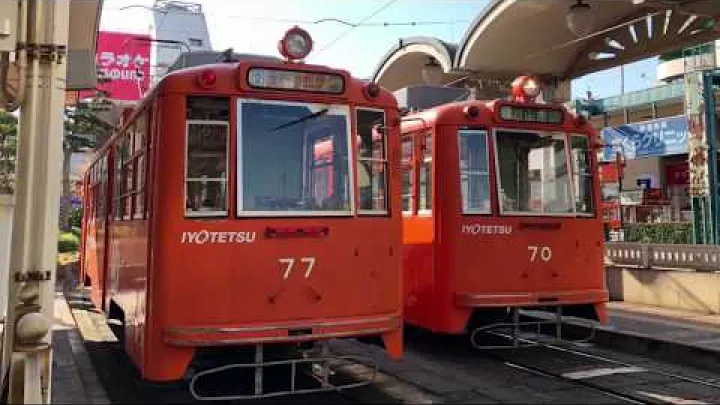
This makes the tram easy to model for a day based around the principal stations, central Matsuyama, and the Dogo Onsen district. Count the rides you expect rather than adding a large general transport buffer. A one-day ticket may be useful for a high-ride day, but compare its current price and coverage with the number of individual rides before choosing it.
Matsuyama Airport Transfers
The Iyotetsu airport limousine bus provides a separate arrival or departure cost. The researched fare table lists ¥1,000 in cash or ¥980 with cashless payment to JR Matsuyama Station, Ehime Newspaper Office, and Matsuyama City Station. The fare to Okaido or Dogo Onsen is ¥1,200 in cash or ¥1,180 with cashless payment. The official operator page is Iyotetsu.

| Destination group | One way, cash | One way, cashless | Round trip, cash | Round trip, cashless |
|---|---|---|---|---|
| JR Matsuyama Station, Ehime Newspaper Office, or Matsuyama City Station | ¥1,000 | ¥980 | ¥2,000 | ¥1,960 |
| Okaido or Dogo Onsen | ¥1,200 | ¥1,180 | ¥2,400 | ¥2,360 |
These are access costs, not daily tram costs. A taxi may be more convenient for heavy luggage or a group, but the final quote varies, so do not build an assumed taxi average into the default budget. Check the official Iyotetsu fare, accepted cashless method, destination fare, and service status immediately before travel.
Intercity Transport as a Separate Budget
Flights, ferries, long-distance buses, and intercity rail can change the total trip cost more than local sightseeing. Keep them outside the Matsuyama daily range. A useful formula is:
Complete trip total = Matsuyama city stay + airport or port transfers + optional intercity transport.
A Shikoku rail pass may be useful for intensive travel between several cities, but it is not automatically good value for a Matsuyama-only stay. Compare the current pass price, validity, eligible trains, and restrictions with the point-to-point fares for your actual travel. Older pass prices in travel reports are historical snapshots, not current purchase prices.
Sightseeing and Onsen Admission Costs
Matsuyama has several low-cost ways to fill a day, so you do not need a large activity allowance unless you choose multiple paid experiences. The clearest anchors are Matsuyama Castle and Dogo Onsen Honkan.
Matsuyama Castle and Low-Cost Cultural Stops
The main-tower admission reference for Matsuyama Castle lists ¥520 for adults and ¥160 for children. Treat that as the admission line only. Any optional access service, special facility, transport, or operating-status issue should be handled separately unless the current ticket explicitly includes it.
A castle visit can therefore fit comfortably into a low-cost sightseeing day. Combine one paid cultural stop with walking and other low-cost city exploration instead of assuming every hour needs a ticket. This approach keeps the activity budget adjustable when weather, opening conditions, or personal interests change.
Dogo Onsen Bathing Options
Dogo Onsen Honkan has tiered adult admission of ¥700, ¥1,300, ¥2,000, and ¥2,500. The corresponding child prices listed are ¥350, ¥650, ¥1,000, and ¥1,250. These are different bathing courses, not simply four prices for an identical ticket. The course label determines what is included, so use the official names and inclusions shown on the Dogo Onsen Honkan page when selecting an option.
The ¥700 basic adult admission is useful for a budget itinerary because it provides a way to experience Dogo Onsen without booking a ryokan. Higher tiers may provide additional spaces or services, so compare the included features with your purpose for visiting. Before visiting, confirm the Honkan’s current opening hours, bathing course, admission fee, and any closure or access information on the official page.
Plan for Paid and Free Activities
Use ¥0–¥1,000 as a low-cost sightseeing allowance and ¥1,000–¥3,000 as a medium activity allowance. These are planning bands, not a complete list of Matsuyama attraction prices. They allow you to choose one or two paid anchors and leave the rest of the day for low-cost exploration.
For a simple paid example, Matsuyama Castle at ¥520 plus the basic adult Dogo Onsen Honkan admission at ¥700 equals ¥1,220 per adult. That calculation excludes food and transport. You can remove either admission when building a lower-cost day, or add other paid experiences without treating the ¥1,220 example as a fixed sightseeing package.
What Raises the Cost of a Matsuyama Trip
Most changes in a Matsuyama travel budget come from lodging choices and timing rather than from small local fares. Room type, occupancy, meal inclusion, and the decision to sleep in Dogo are more important than a difference of a few hundred yen in local transport.
Seasonal and Weekly Accommodation Demand
A KAYAK hostel snapshot shows July at around $28 per night and August at around $92 per night. This is an example of seasonal volatility, not a permanent cheapest-month rule or a universal calendar for Matsuyama. The result may differ for your property, room type, and dates.
Weekends, school holidays, Obon-related demand, and local event periods can also increase accommodation prices or reduce availability. Compare the exact total for weekday and weekend nights when your dates are flexible. A short booking checklist is useful: compare the same room type, keep occupancy constant, note whether meals are included, and look at the full cancellation and tax terms. Do not assume that one month is always the cheapest.
Dogo Location, Room Type, and Meal Inclusion
Staying in Dogo Onsen is an experience decision. It can save some local time when bathing is the main purpose, but traditional rooms, private baths, dinner, breakfast, and enhanced service can make the night substantially more expensive than a central room. Staying near JR Matsuyama Station or Matsuyama City Station usually gives more flexibility in room types, meals, and transport choices.
| Base | Best for | Likely cost trade-off |
|---|---|---|
| Central Matsuyama | Flexible dining, private-room value, and simple airport-bus arrival | Pay for a tram ride or other local transport when visiting Dogo |
| Dogo Onsen district | Onsen atmosphere, short access to the bathhouse area, and a traditional overnight experience | Higher lodging prices, especially with dinner, breakfast, larger rooms, or private bathing |
Choose Dogo lodging when the overnight atmosphere and meal service are worth the premium. Choose a central base when flexibility and cost control matter more. Compare like-for-like totals with the same number of guests and the same meal inclusions.
Solo Travel, Room Sharing, and Extras
Accommodation prices use three different units: a hostel price may be per bed, a hotel price is often per room, and a ryokan package may be per person. Write the unit beside every number in your budget.
For a hotel, use room total divided by number of guests. For a hostel, use bed price multiplied by nights. For a ryokan, use the listed per-person package multiplied by guests and nights, unless the listing clearly states that the price covers the whole room. A ¥18,000 double room costs ¥9,000 per person for two guests, while a solo traveler pays the entire room total.
Also separate breakfast and dinner inclusion, paid bathing, taxes, cancellation terms, and optional drinks. These extras can make two apparently similar listings produce very different final totals. Occupancy and inclusions should remain separate variables in every sample budget.
How to Save on a Matsuyama Travel Budget
The most effective savings tactics are local decisions: choose the right base, match transport tickets to your ride count, and spend on one meaningful experience instead of upgrading every category.
Choose the Right Base
Compare the central station area with Dogo Onsen before booking rather than treating the two areas as interchangeable. Central Matsuyama is the better comparison base when you want a private-room value, flexible meal choices, and a predictable airport-bus arrival. Dogo is the better experience-led base when sleeping near the onsen district is more important than keeping the lodging line low.
| Base choice | Best for | Main trade-off | Compare before booking |
|---|---|---|---|
| JR Matsuyama Station area | Arrival convenience and transport connections | Less of a traditional onsen-stay atmosphere | Room total, breakfast, and tram costs to planned visits |
| Matsuyama City Station area | Central dining and flexible private-room stays | Dogo visits require local transport | Room occupancy, cancellation terms, and meal options |
| Dogo Onsen district | An overnight hot-spring experience | Premium lodging and meal-plan prices | Room-only versus breakfast or dinner-and-breakfast packages |
There is no fixed price difference between the districts for every date. The saving comes from choosing the base that matches your priority, then comparing equivalent room and meal products.
Use Public Transport and Payment Options
Use the confirmed Iyotetsu fares to make a simple transport calculation:
- Count the number of city tram rides and multiply by ¥210 with an IC card or ¥230 in cash.
- Add the one-way or round-trip airport bus fare if you are arriving at or departing from Matsuyama Airport.
- Compare the result with the current one-day ticket only if your ride count and the ticket coverage make it worthwhile.
Cashless payment can save ¥20 on each researched airport-bus journey compared with cash and can reduce the need to handle exact fares. It is not a reason to buy a pass automatically. Taxis and rental cars can make sense for particular groups or luggage situations, but public transport is the simpler default for a city budget.
Mix Budget Staples With One Local Splurge
Protect the lodging budget first because room type and meal inclusion usually move the total more than small fare differences. Then choose one or two paid anchors, such as Matsuyama Castle or a Dogo Onsen course, and keep the rest of the day low-cost.
- Backpacker: Use a hostel bed, keep food near the lean allowance, count tram rides, and select one low-fee attraction.
- Private-room saver: Share a central double room, use casual restaurants selectively, and visit Dogo separately instead of paying for a ryokan night.
- Experience-focused visitor: Book one Dogo Onsen ryokan night with the meal plan you actually want, then use central lodging and fewer paid attractions on the other nights.
A one-night Dogo splurge combined with lower-cost central nights can provide the traditional experience without making every night expensive. The key is to treat the ryokan as a deliberate upgrade rather than an automatic part of a Matsuyama itinerary.
Sample Budgets and Pre-Trip Checks
These examples show how to apply the daily ranges. They are city-stay illustrations for one person, not live package quotes. Replace the accommodation variable with the total shown for your room, occupancy, dates, and meal plan.
A Lean Two-Night City Stay
For two nights and three days, the lean city portion is roughly ¥15,000–¥39,000 per person, calculated from ¥5,000–¥13,000 per day. This assumes a hostel or low-cost stay, simple meals, ordinary local transport, and selective paid sightseeing. Treating all three calendar days as full spending days is conservative; a short arrival or departure day may cost less.
| Item | Illustrative calculation | How to use it |
|---|---|---|
| Accommodation | Two-night hostel or low-cost quote, divided by occupancy | Insert the actual per-person share |
| Food | ¥1,500–¥2,500 × 3 days = ¥4,500–¥7,500 | Keep ryokan meals out of this example |
| Local transport | Six to twelve tram rides = ¥1,260–¥2,760 | Use the IC or cash fare that applies |
| Activities | ¥0 for free exploration, or ¥1,220 for the castle plus basic Dogo admission | Food and transport are not included in this line |
| City total | ¥15,000–¥39,000 | Use the daily envelope, then replace each assumption with your quote |
The non-lodging subtotal in this illustration is about ¥5,760–¥11,480 before any extra activities. Add your two-night accommodation share to that subtotal. If the result exceeds ¥39,000, the trip is no longer operating at the upper edge of the lean band; move the plan into the mid-range category rather than hiding the difference.
A Mid-Range Three-Night Stay
A three-night, four-day mid-range stay is roughly ¥52,000–¥112,000 per person for the city portion, before long-distance access. This applies the ¥13,000–¥28,000 daily range. The scenario assumes a private business-hotel-style room or a shared double room, regular casual meals, ordinary tram use, and several cultural or onsen visits.
| Item | Illustrative calculation | Solo and shared-room treatment |
|---|---|---|
| Accommodation | Three-night private-room quote | Solo pays the room total; two people divide the room total |
| Food | ¥2,500–¥4,500 × 4 days = ¥10,000–¥18,000 | Subtract included breakfasts from the independent allowance |
| Local transport | Eight to sixteen tram rides = ¥1,680–¥3,680 | Add airport access separately |
| Activities | About ¥1,000–¥3,000 on selected days | Choose one or two paid anchors instead of a fixed attraction list |
| City total | ¥52,000–¥112,000 | Keep the total per person and exclude intercity travel |
The non-lodging lines can total approximately ¥15,680–¥33,680 before optional upgrades. Add the per-person share of the three-night room quote and compare the result with the four-day range. Sharing a room can move the same itinerary toward the lower end without changing the activities, while a solo private room or included restaurant meals can move it upward.
A One-Night Dogo Onsen Splurge
Make a Dogo Onsen ryokan night a replacement for one standard lodging night, not an automatic extra cost. A Dogo-focused guide gives an approximate premium example of about $160–$450, but that foreign-currency range should not become a fixed yen price. Use a current yen quote and record whether dinner, breakfast, bathing, taxes, and other services are included.
To measure the upgrade, compare:
Ryokan upgrade = per-person Dogo package − (per-person central room + independent food allowance + separate Dogo admission).
If the ryokan includes dinner and breakfast, do not add those meals again. If its facilities provide the bathing experience you want, a separate Honkan admission may also be unnecessary; if not, include the appropriate admission. The remaining nights can use a central hostel or business hotel, allowing the traditional stay to remain a single deliberate splurge.
Check the Final Total Before Booking
Before committing, turn the complete itinerary into a yen-based calculation. Use this checklist on the lodging page and the relevant transport or attraction pages:
- Record the full lodging total for the correct dates, room type, and number of guests.
- Identify whether the price is per bed, per room, or per person.
- Separate taxes, bathing charges, breakfast, dinner, drinks, and optional services.
- Confirm the current Matsuyama Castle admission and the Dogo Onsen Honkan course and fee.
- Count Iyotetsu tram rides and add the airport limousine bus as a one-time access cost.
- Check the payment method and fare that apply to the airport bus and local transport.
- Add flights, ferries, long-distance buses, intercity rail, or passes as separate items.
- Keep a small contingency for price changes and flexible choices instead of assigning an unsupported fixed percentage.
Then calculate both figures: the complete stay total in yen and the average daily Matsuyama city cost with long-distance access removed. This keeps a cheap flight or expensive rail journey from distorting your view of local prices, and it makes a Dogo upgrade easy to measure.
Matsuyama Budget Takeaways
Matsuyama can fit a low-to-mid Japan travel budget when you use a hostel or central private room, simple meals, Iyotetsu trams, and one or two low-fee attractions. Plan about ¥5,000–¥13,000 per person per day for a lean trip, ¥13,000–¥28,000 for mid-range comfort, and ¥28,000 or more for flexible or premium travel. The major upgrade decision is a Dogo Onsen ryokan night: it can add a traditional meal-and-bath experience, but it should replace a standard night in your calculation rather than being added without comparison.
Select area
Create a post
Posting is free and no registration is required.