Matsuyama Where to Stay: Best Areas and Accommodation Guide

Where to stay in Matsuyama depends less on finding one universally best hotel than on choosing the right base for your days and nights. For most first-time visitors, downtown around Okaido and Gintengai is the easiest default because it combines food, shopping, Matsuyama Castle access, and onward transport. Choose Dogo Onsen when bathing, ryokan hospitality, and historic atmosphere are central to the trip, or choose JR Matsuyama Station when trains, luggage, and regional travel matter most. This guide compares those areas with Matsuyama City Station and outlying retreats, then matches hotels, ryokan, hostels, serviced apartments, and longer-stay options to different travel styles.
How to Choose Where to Stay in Matsuyama
Matsuyama is easier to plan when you choose a neighborhood before comparing room photographs and prices. The useful question is not simply which hotel looks best, but whether the address supports your arrival, sightseeing route, evening routine, and departure. For a city-level orientation, the Official Tourism Matsuyama guide includes maps and access information that can help you distinguish the main visitor areas.
Start with Your Main Travel Priority
A simple three-way decision rule works well for many trips:
- Choose downtown around Okaido and Gintengai if you want the strongest all-round base for a first visit. You will be well placed for restaurants, shopping, central sightseeing, and transport toward other areas.
- Choose Dogo Onsen if the purpose of the stay is hot-spring bathing, a ryokan experience, traditional meals, or a historic evening atmosphere. This is the better fit when the neighborhood itself is part of the experience.
- Choose JR Matsuyama Station if you have an early train, a late arrival, heavy luggage, or a wider itinerary across Ehime and Shikoku. It is a practical transport base rather than the main sightseeing core.
These are area recommendations, not rankings of individual hotels. A well-located business hotel may suit your itinerary better than a more expensive property in a famous district. Also check the exact meaning of a station name in a listing: JR Matsuyama Station and Matsuyama City Station are separate transport nodes, and they create different daily routines.
Choose a Lodging Style Before Comparing Properties
Modern and business hotels are usually the simplest choice for independent sightseeing. They tend to suit travelers who want a private bathroom, Wi-Fi, a predictable room format, straightforward check-in, and freedom to eat outside the property. They are often practical for short stays, business trips, solo travel, and itineraries that start early or end late.
Ryokan and onsen hotels suit travelers who value the stay itself. Tatami rooms, futon bedding, traditional service, regional meals, and bathing may create a stronger sense of place than a standard city room. The trade-off is that dinner and breakfast may follow set times, room routines may be less familiar to international travelers, and the best rate may depend on a meal plan.
Hostels, serviced apartments, family rooms, and resorts should be assessed by purpose rather than by category alone. A hostel can be useful for social travel and a lower room cost, while an apartment can help with laundry, cooking, or a longer stay. A resort or design retreat may be worth choosing when the property is the destination, but it may be inefficient for daily city sightseeing. Compare trip length, total budget, room occupancy, meal arrangements, laundry needs, and your tolerance for fixed schedules before narrowing the property list.
Downtown Matsuyama: The Best All-Round Base
Downtown Matsuyama is the most balanced answer to the question of where to stay in Matsuyama for many visitors. The area around Okaido and Gintengai combines everyday services with access toward Matsuyama Castle, while the central transport network makes it easier to reach Dogo Onsen and the station areas without using a car for every outing.
Stay Near Okaido and Gintengai for Everyday Convenience
Okaido Shopping Street and Gintengai Shopping Street form a central commercial spine with shops, restaurants, cafés, and covered pedestrian routes. Their position makes downtown convenient for travelers who like to decide dinner after returning from sightseeing rather than planning every meal in advance. The area also places you near the urban route toward Matsuyama Castle, making it possible to combine shopping or dining with central sightseeing.
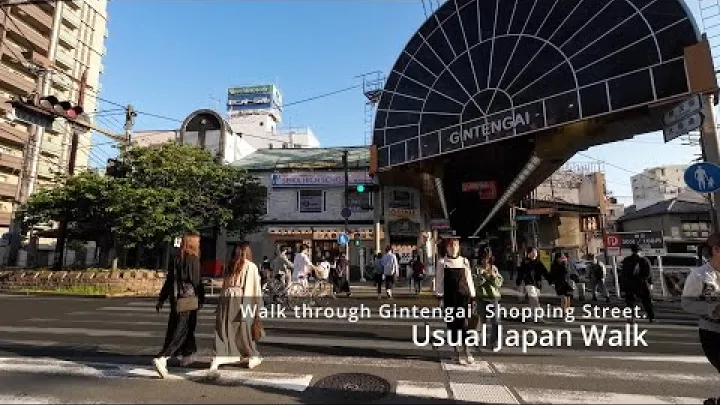
This is a particularly useful base when you do not plan to rent a car. You can spend the day visiting the castle, museums, or Dogo Onsen, then return to a district with several types of food and shopping close to the hotel. The area can also work well for a short visit because you do not need to spend much of the itinerary traveling between a remote hotel and the main city attractions.
Central activity varies by street. The covered shopping arcades are not identical to nearby nightlife streets, and a hotel close to entertainment venues may have a different evening atmosphere from one on a quieter side street. If sleep is important, compare the property's exact map position, the room's side of the building, and the available room descriptions instead of relying only on the word downtown. Individual businesses also have their own opening hours, so do not assume that every shop or restaurant will operate late.
Compare the Okaido Core with the Castle and Civic Center Side
Downtown is not one uniform hotel zone. The Okaido core favors direct access to the busiest shopping and dining environment. The area toward Matsuyama Castle, the lower ropeway area, the Museum of Art, Ehime, and the civic district may suit travelers who place more weight on cultural sights, a particular walking route, or a less concentrated immediate streetscape.
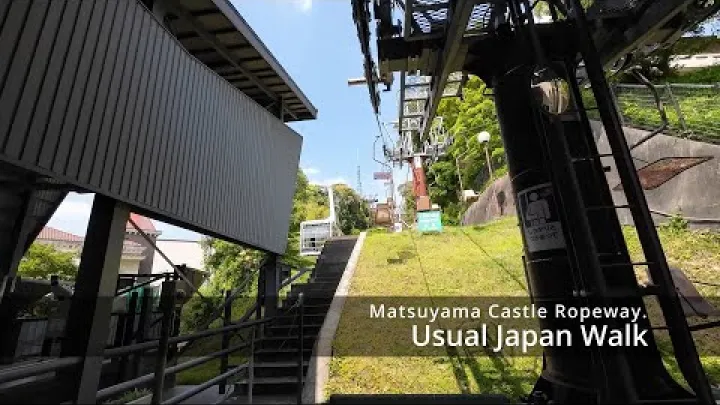
Staying slightly away from the busiest arcade can provide a useful middle ground: central enough for restaurants and transport, but not necessarily on the most active commercial frontage. This does not guarantee a quiet room, since traffic, neighboring businesses, and the hotel's own building position still matter. Treat quietness as a room-and-street question, not as a permanent feature of an entire district.
HOTEL MYSTAYS Matsuyama is one example of why it is useful to compare room formats as well as addresses. Its listed choices include twin, suite, and Japanese-style rooms with Wi-Fi, which may appeal to different occupancies and travel styles. It is an example of a central lodging format, not a definitive choice for every traveler. Check the distance to the specific castle entrance, tram stop, restaurant area, and hotel entrance that matter to your itinerary.
Dogo Onsen: The Best Area for a Traditional Hot-Spring Stay
Dogo Onsen is the natural choice when bathing and atmosphere are more important than being in the middle of the shopping district. The Dogo Onsen district is organized around a historic bathing culture, nearby accommodation, and an evening experience that feels different from downtown. It can be the highlight of a trip, but readers should understand exactly what the public bath provides and what a hotel provides.
Understand the Difference Between Dogo Onsen and Its Lodging
Dogo Onsen Honkan is a public bathing facility, not an overnight hotel. Visitors who want to sleep in the Dogo Onsen area book a surrounding ryokan, hotel, or other lodging. This distinction matters because a room described as being near Dogo Onsen may provide only a convenient location. It does not automatically include admission to the Honkan, a private bath, or a bathing arrangement within the room rate.

The Dogo Onsen official information separates the bathing facilities from private-room reservations, operating information, and overnight accommodation options. The site notes that advance reservations apply to certain private rooms and special areas rather than treating every visit as the same type of booking. Read the current information for the facility you intend to use.
Before committing to a Dogo stay, confirm the current Honkan opening hours, reservation rules, and any restoration or operating changes. Then ask whether your chosen lodging includes bathing access, an admission arrangement, an in-house bath, or simply a short walk to the public facility. Those are different experiences and can produce different total costs and evening plans.
Choose a Ryokan or Modern Hotel Near Dogo
Traditional ryokan are suitable when you want tatami rooms, futon bedding, traditional service, and the possibility of a regional dinner served as part of the stay. A meal plan can make the evening easy and immersive, especially for couples or travelers who want to spend more time at the property. It can also create a fixed schedule that is less convenient if you plan to return late from central Matsuyama or prefer to choose a restaurant spontaneously.
A modern hotel near Dogo may be easier for a short or independent itinerary. It can offer a familiar room format, a private bathroom, simpler check-in, and greater flexibility about meals. Hotel Patio Dogo is a useful example of this format: a current Booking.com listing places it close to Dogo Onsen and describes modern accommodation with Wi-Fi. The listing is evidence of one property's position and format, not proof that every nearby hotel has the same bath access or facilities.
Filter Dogo properties by the experience you actually need. Check whether the room is Japanese-style or Western-style, whether bedding is prepared in the room, whether dinner and breakfast are included, and whether meals have fixed times. Also check the availability of private bathrooms, in-house public baths, family rooms, child policies, dietary arrangements, and the distance to Dogo Onsen Honkan. Traditional branding alone does not tell you how a property operates.
JR Matsuyama Station and Matsuyama City Station: Best for Transport
The two station areas should be compared separately. JR Matsuyama Station is the practical choice for railway arrivals, departures, and regional connections. Matsuyama City Station is a central urban transport node near shopping and dining. A hotel that uses the word station in its name is not necessarily close to both, so check the map and the exact arrival route.
Stay Near JR Matsuyama Station for Departures and Regional Connections
A hotel near JR Matsuyama Station can reduce luggage handling and uncertainty when an early train shapes the morning. It is also useful for late arrivals, multi-stop trips across Ehime and Shikoku, or travelers who would rather be near the railway before departure than move across the city with bags. For a final night, transport efficiency may matter more than staying in the most atmospheric district.

Hotel Sunroute Matsuyama is a location example for this travel pattern. Frommer's places the property a short walk from JR Matsuyama Station. Use that kind of evidence to identify the type of location you want, then compare the current address, entrance, room, and reception arrangements for the dates you need.
The immediate station area is best understood as functional. Downtown and Dogo Onsen remain accessible through onward transport, but the station itself is not a substitute for being beside the castle, the arcades, or the bathing district. Check the actual departure terminal, your luggage requirements, the route you will use, and whether reception handles your planned arrival time instead of choosing only because a hotel name includes station.
Stay Near Matsuyama City Station for Central Tram and Arcade Access
Matsuyama City Station is closer to the central shopping and dining environment than JR Matsuyama Station and should be checked separately on a map. Its position near Gintengai makes it attractive to travelers who want a central urban setting with easy access to the arcades and city transport, without needing to be beside a railway station.
REF Matsuyama City Station by VESSEL HOTELS illustrates this choice. Its current listing describes air-conditioned rooms with private bathrooms, bidets, and free Wi-Fi, features that may suit travelers who want a modern city hotel close to an urban transport node. Treat those details as property-specific and confirm the current room type and inclusions before booking.
Choose Matsuyama City Station when your priority is central movement, shopping, dining, and tram access. Choose JR Matsuyama Station when a train departure or regional route is the main concern. If you want the widest choice of restaurants and central sights, compare both station areas with the Okaido and Gintengai core rather than assuming that the two stations offer the same atmosphere.
Matsuyama Accommodation Types by Budget and Trip Length
Area and accommodation type work together. A low room rate can lose its value if it creates daily transport costs or difficult late arrivals, while a more expensive room may be worthwhile if it includes meals, bathing, laundry, or a location that simplifies the itinerary.
Modern and Business Hotels for Value and Predictability
Modern and business hotels are often the most predictable choice for short stays, work trips, solo travel, and independent sightseeing. A private bathroom, Wi-Fi, a desk, standardized check-in, and a clear room category can make planning easier for international visitors. Breakfast may be available, but it is usually important to check whether it is included, optional, or sold as a separate plan.
Matsuyama has examples of this format in several useful locations. Candeo Hotels Matsuyama Okaido represents an Okaido-centered option. HOTEL MYSTAYS Matsuyama illustrates a central property with several room formats, including twin, suite, and Japanese-style choices. REF Matsuyama City Station by VESSEL HOTELS represents a city-station base with listed private bathrooms and Wi-Fi. Hotel Sunroute Matsuyama represents the JR station option for travelers who value railway access.
These properties are examples of different location and room decisions, not a ranking. Compare the exact total price for your dates, room size, bed arrangement, breakfast, public-bath access, laundry facilities, and cancellation terms. A room that appears cheaper may exclude breakfast, have a different occupancy limit, or impose a less flexible cancellation condition.
For a short trip, downtown may offer better overall value because meals, shopping, and sightseeing are nearby. For a regional itinerary, a station-area hotel may save time and simplify luggage movement. For a longer stay, prioritize laundry, desk space, breakfast timing, luggage storage, and a room layout that remains comfortable after the first few nights.
Ryokan and Onsen Hotels for Culture and a Slower Pace
A Dogo ryokan can combine traditional rooms, bathing, regional food, and a more structured evening. This is a good choice when you want to experience Matsuyama through hospitality as well as attractions. It may be especially memorable for one night, even if you prefer modern hotels for the rest of the trip.
Compare the available plans carefully. A full meal plan may include dinner and breakfast, while a breakfast-only or room-only plan can provide more freedom to explore. An in-house bath is different from a visit to Dogo Onsen Honkan, and a property near the public bath may not include admission. The price comparison should therefore consider the complete experience rather than the room alone.
International travelers who have not stayed in a ryokan should check the dinner and breakfast times, check-in deadline, futon arrangement, footwear rules, bath etiquette, child policy, and dietary accommodation process. If those routines fit your itinerary, choose a ryokan for the cultural experience. If your schedule is uncertain, a modern hotel near Dogo may provide a more flexible base.
Hostels, Serviced Apartments, and Scenic Retreats Require Extra Verification
The available accommodation evidence does not establish a dependable citywide inventory of hostels or serviced apartments, so these categories should be discussed through confirmed current listings rather than assumptions. If you find a suitable hostel, check whether the bathroom is shared or private, whether the room is mixed or single-sex, how the entrance works at night, and whether the property has an age or minimum-stay policy.
For a serviced apartment, confirm kitchen access, cooking equipment, laundry, cleaning frequency, occupancy limits, bed arrangements, and the exact address. An apartment can be useful for a longer stay or family routine, but it may not provide daily reception or the same luggage support as a hotel. A low nightly rate should be weighed against cleaning fees, deposits, transport, and minimum-stay conditions when those apply.
An outlying design retreat such as Setouchi Retreat Aonagi should be treated as an experience-led stay rather than assumed to be a convenient city base. Choose this type of property when its setting, architecture, or on-site experience is the main purpose of the trip. Before booking, confirm parking, shuttle or taxi options, evening transport, dining arrangements, late-arrival procedures, and how you will reach Matsuyama's main attractions.
Compare Matsuyama Areas Before You Book
The table below is a starting point for choosing a base. It uses relative guidance rather than fixed price averages because room rates, availability, meal plans, and operating conditions vary by date.
| Area | Main anchors | Evening and transport | Cost and best fit |
|---|---|---|---|
| Downtown: Okaido and Gintengai | Castle, shopping, dining | Good for dinner on foot; activity varies by street | Mixed; broad first-time choice |
| Dogo Onsen | Honkan, bathing, ryokan | Walkable around the district; onward travel for central sights | Mixed to higher; onsen-led stays |
| JR Matsuyama Station | Rail departures, regional travel | Functional area; trams or other transport for sightseeing | Mixed; transport-led trips |
| Matsuyama City Station | Arcades, dining, city transport | Strong urban access; check the exact hotel route | Mixed; central alternative |
| Outlying retreat | Property setting and design | More dependence on a car, taxi, or arranged transfer | Variable and often higher; property-led trips |
Compare Access, Walkability, Noise, and Cost
Downtown is usually the easiest base for combining Matsuyama Castle, Okaido, Gintengai, restaurants, and city transport in one itinerary. Dogo Onsen offers a more concentrated bathing and historic experience, but central sightseeing requires an onward journey. JR Matsuyama Station prioritizes railway access, while Matsuyama City Station combines a central urban setting with access to the arcades and city transport.
Walkability is not just a district label. It means the actual route from the stop to the hotel, including the entrance, luggage-friendly surfaces, crossings, and the places where you will eat. Two properties advertised as downtown can create different routines if one is beside a busy street and the other is several blocks away. Similarly, a Dogo hotel may be close to the Honkan but farther from the stop or less suitable for heavy luggage.
Cost should be compared as a daily total. Downtown and station areas offer mixed accommodation formats, while Dogo prices can differ substantially according to whether the rate includes dinner, breakfast, bathing, or a Japanese-style room. An outlying retreat can have a very different price structure because transfers and meals may be part of the experience. Check the dates, inclusions, and transport costs together rather than applying a permanent cheap or expensive label to a district.
Use Nighttime Atmosphere and Safety as Practical Filters
A useful safety decision is based on the route and the property, not an absolute claim that one district is risk-free. Downtown has a greater concentration of restaurants and evening activity, which may be convenient but can also mean more street noise near entertainment venues. Dogo has a more bathing-focused evening atmosphere, while the station areas can feel more functional after transport and nearby businesses become quieter.
When viewing a hotel map, consider the lighting on the route from the nearest stop, the distance you are comfortable walking after dinner or bathing, the position of the entrance, and whether reception is available for your planned arrival. A room away from a busy frontage may matter as much as the district itself. For solo travelers and anyone returning late, choose a route that is easy to identify and avoid relying on an unfamiliar shortcut.
Use a well-lit route and ordinary travel precautions when returning late. Confirm the property's entrance and late-arrival reception arrangements, especially if you are arriving after a train or spending the evening at Dogo Onsen. In Matsuyama, these practical checks are more useful than unsupported crime comparisons: choose the atmosphere that matches your comfort, then assess lighting, noise, access, and available assistance at the actual property.
Where to Stay in Matsuyama for Different Travelers
The best Matsuyama base changes with the rhythm of the trip. A couple seeking a bathing experience, a family needing a larger room, and a regional explorer catching an early train should not use the same selection criteria.
Best Base for First-Time Sightseeing and Couples
For first-time visitors, downtown around Okaido, Gintengai, and the castle corridor is the strongest default recommendation. It balances Matsuyama Castle, central food and shopping, and access to Dogo Onsen and transport. It also reduces the risk that an evening meal or a change of sightseeing plans will require a long journey from the hotel.
Couples should choose between downtown and Dogo according to the experience they want. Downtown is better for a varied evening of restaurants, shopping, and city sightseeing. Dogo Onsen is better when the appeal is a ryokan atmosphere, bathing, traditional meals, and a slower evening. A Dogo stay can feel more special because the neighborhood is part of the experience, but romantic appeal depends on the selected room, meal plan, bath, and service rather than the area name alone.
A downtown hotel can support an evening visit to Dogo without requiring a hotel change. Consider a split stay only if the trip is long enough to benefit from both atmospheres. On a short visit, one well-located base is often simpler than moving luggage for a difference that may not improve the itinerary.
Best Base for Families, Solo Travelers, and Budget Stays
Families should begin with room logistics rather than a district label. Check the permitted occupancy, connecting or Japanese-style rooms, bed arrangement, bathroom layout, quietness of the immediate street, and access to meals that children will accept. A central location can reduce complicated evening travel, while a Dogo ryokan can provide a memorable Japanese-style experience if the room and bathing rules suit the family.
Solo travelers often benefit from a clearly located property near an easy evening dining area and a simple transport route. A central business hotel can make independent plans straightforward, while Dogo may suit a solo traveler whose main interest is bathing and a traditional neighborhood. Use the nighttime checks described above when comparing the entrance and route, rather than making an unsupported guarantee based on traveler identity.
Budget travelers should compare the full nightly cost of downtown hotels, station-area options, and lower-cost current listings. Include breakfast, local transport, luggage handling, bath charges, and any cleaning or service fees in the calculation. A room that costs slightly more in the center may provide better value if it reduces daily transport and makes inexpensive dining easier to reach.
For a longer budget stay, laundry and a practical room layout may matter more than a small difference in the starting rate. For a one-night stay, a station location may save enough time to justify a higher room price. Let the daily routine decide whether the lowest room rate is genuinely the lowest overall cost.
Best Base for Regional Explorers and Longer Trips
Choose JR Matsuyama Station when frequent regional departures, early trains, heavy luggage, or a multi-stop Shikoku itinerary dominate the trip. The area can be especially useful for the first or final night, when railway access has more value than being beside the castle or shopping arcades.
Choose downtown when Matsuyama's main attractions are the focus and regional trips are occasional. For a longer stay, compare laundry, desk space, breakfast timing, luggage storage, room size, and flexible cancellation conditions. These details affect comfort more than a property's star category when you are carrying out work or spending several days in one room.
Dogo Onsen can still be part of a regional itinerary, especially as a one-night experience, but it may add transport and luggage movement if you change bases repeatedly. A single central hotel is simpler for a short visit. Changing hotels becomes more useful when you have enough time to enjoy both the onsen atmosphere and a transport-efficient base without turning the trip into a series of check-ins.
Booking Strategy and Final Recommendation
Once you have selected an area, the final decision should be based on the exact property details. A district can be a good match while a particular room, entrance, meal plan, or arrival policy is unsuitable for your itinerary.
Check the Exact Location, Inclusions, and Current Conditions Before Booking
Use the operator's page and a current booking listing together when possible. The operator is the better place to understand Dogo Onsen rules and facility information, while a current accommodation listing can show the room category, availability, amenities, and conditions offered for your dates. Do not treat an old description, a review from another season, or a district label as a substitute for the current booking terms.
Check the following details before paying:
- The exact address and the walking route from the correct station or stop.
- The hotel entrance, elevator access, and the route you will use with luggage.
- The room configuration, bed or futon arrangement, occupancy limit, and bathroom type.
- Whether breakfast, dinner, taxes, fees, and bathing charges are included.
- Wi-Fi, laundry, luggage storage, parking, and any shuttle or taxi arrangements.
- Reception hours, late-arrival instructions, check-in deadlines, and access codes if applicable.
- The cancellation conditions and the date by which changes must be made.
Check the latest train, tram, and bus arrangements for your arrival and departure dates, including the actual route from the lodging. Compare the complete price rather than the room rate alone. In Dogo, confirm whether the chosen bathing arrangement is included or separate; at an outlying retreat, include transport and dining in the same calculation.
Adjust Your Booking Strategy for Seasons and Weekends
Fixed-date weekends, public holidays, and periods of high domestic demand can affect Dogo ryokan and special-stay properties differently from larger business-hotel inventories. This does not mean one area is always full or always expensive, but it does mean that a preferred traditional room or meal plan may have fewer suitable alternatives on inflexible dates.
If the ryokan or retreat experience is central to the trip, secure that part first. You can then compare flexible downtown or station options for the remaining nights. If your arrival or departure time is fixed, prioritize reception, luggage, and transport convenience over an idealized neighborhood atmosphere.
Do not assume that a particular district will always be cheaper, quieter, or easier on a given weekend. Compare current availability and the full booking conditions for your dates, then choose the option that protects the most important part of your itinerary.
Use a Split Stay When Experience and Convenience Both Matter
A split stay can combine one or more nights in Dogo Onsen with downtown nights. This works when you want a traditional bathing experience as well as easy access to Matsuyama Castle, the arcades, dining, and central transport. It can also make sense to use JR Matsuyama Station for the final night when an early regional departure makes station access more valuable than atmosphere.
The trade-off is additional luggage movement, separate check-ins, transfer time, and more opportunities for a short itinerary to become complicated. If you have only a night or two, one well-located downtown base may provide the best balance. If you have a longer trip and the change of atmosphere is a real priority, the extra move can add value.
Final recommendation: choose downtown around Okaido and Gintengai for the broadest first-time convenience, Dogo Onsen for an onsen-led and traditional stay, JR Matsuyama Station for transport-led travel, and an outlying retreat only when the property itself is the main experience. Compare Matsuyama City Station separately when central tram, arcade, and dining access matter more than railway proximity. The right answer to where to stay in Matsuyama is the area that makes your most important daily decisions easiest.
Select area
Create a post
Posting is free and no registration is required.