Sapporo Travel Guide: Plan Your First Hokkaido Trip

This Sapporo travel guide explains how to plan a first-time visit to Hokkaido’s capital. Sapporo combines an easy-to-navigate city center with regional food, parks, seasonal festivals, and access to wider Hokkaido. You will find practical advice on where to stay, how to travel from New Chitose Airport, how to structure an itinerary, what each season offers, how to estimate costs, and which details to check before departure.
Start With the Right Sapporo Trip Shape
The best Sapporo itinerary depends on whether you want a comfortable city break, a few nearby excursions, or a broader Hokkaido route. Deciding this first helps you choose the right base and prevents long transfers from taking over a short visit.
Why Sapporo Works for a First-Time Hokkaido Visit
Sapporo is Hokkaido’s capital, its main urban gateway, and a practical introduction to the island. The city offers modern transport, restaurants, shopping, public parks, museums, views, and seasonal events without requiring visitors to manage a rural itinerary immediately. It also gives you access to Hokkaido’s food culture, including ramen, soup curry, seafood, and local produce.
Use three places as your first mental map: Sapporo Station in the north-central area, Odori Park across the central east-west corridor, and Susukino to the south. These anchors help you understand hotel locations, walking routes, subway transfers, and evening plans. The Sapporo City’s Official Travel Guide is useful for seeing how the city presents its districts, attractions, and seasonal themes.
Sapporo feels different from the most common Tokyo and Kyoto route. It has fewer tightly concentrated historic districts and places more emphasis on open urban space, northern weather, regional cuisine, beer, festivals, and connections to nature. That combination makes it suitable for travelers who want city comfort but also want Hokkaido to feel distinct from the rest of Japan.
Choose Between a City Break and a Wider Hokkaido Route
A Sapporo-focused trip works well when your priorities are food, shopping, parks, museums, nightlife, and a relaxed urban pace. You can stay in one central hotel and organize your days around nearby districts. This reduces packing and transfer friction, which is especially helpful for first-time visitors or travelers arriving after a long international flight.
A wider route uses Sapporo as one part of a Hokkaido journey. Otaru suits a coastal and historic atmosphere, Noboribetsu is associated with hot springs and volcanic scenery, and Furano and Biei appeal to travelers seeking rural landscapes and seasonal views. The choice is not only about distance. Rail coverage, onward buses, daylight, weather, and the time of the final return connection can all determine whether an excursion is comfortable.
Use this simple decision path:
- Choose a city break if restaurants, central landmarks, shopping, and events are your main interests.
- Choose a central base with one or two excursions if you want both Sapporo and a taste of nearby Hokkaido.
- Choose a wider route if rural scenery, hot springs, or several distinct destinations are more important than minimizing transfers.
Do not assume that every well-known Hokkaido destination is equally convenient from Sapporo. A destination may be possible as a day trip but still feel rushed if connections are infrequent or the return journey is long.
Understand Sapporo’s Layout and Choose Where to Stay
Sapporo’s central districts are relatively easy to compare. Think of Sapporo Station as the transport-focused northern base, Odori Park as the central sightseeing reference point, Susukino as the southern dining and entertainment district, and Nakajima Park and Maruyama as greener alternatives. Your hotel’s exact entrance, station exit, and walking route matter more than the neighborhood name alone.
Sapporo Station: Best for Arrival and Rail Connections
Sapporo Station is a strong base for travelers who want simple airport access, JR journeys, and regional excursions. The surrounding area has large commercial facilities and provides a practical starting point for northern-central attractions such as Hokkaido University and the Sapporo Beer Museum. It can also reduce the effort of moving luggage at the beginning and end of a trip.
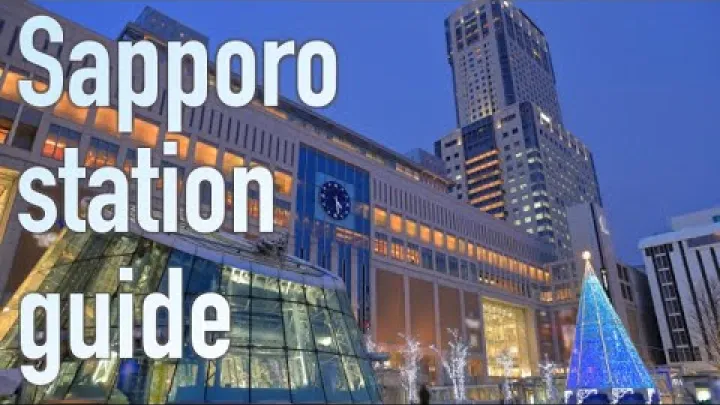
The trade-off is that station convenience varies considerably between properties. Check the actual walking distance, the station exit used by the hotel, whether the route includes stairs, and how easy it will be to manage luggage in winter. A hotel described as being near Sapporo Station may still require a longer outdoor walk than expected.
Odori Park: Best for Central Sightseeing and Events
Odori Park is the most useful central reference point for a first visit. It runs across the heart of the city and sits between the Sapporo Station area and the southern entertainment districts. Nearby landmarks, public spaces, shopping streets, and seasonal events can be combined with walking and short subway journeys.
Staying near Odori gives you a balanced position. You can walk toward Sapporo Station for northern attractions, continue south toward Susukino for dinner, or use Odori Station for destinations farther from the central corridor. It is particularly convenient for visitors who want central sightseeing and event access without making nightlife the main focus.
Susukino: Best for Nightlife and Dining
Susukino is Sapporo’s main evening entertainment district. It has restaurants, bars, karaoke venues, and a lively nighttime atmosphere, making it a natural choice for travelers who plan their days around dining and want to return to a busy area after dinner. Its location also makes it relevant to visitors interested in the Susukino side of the Sapporo Snow Festival.

The practical compromise is atmosphere. Evening activity can continue later and feel more energetic than in Nakajima Park or a residential part of the city. This is not a safety judgment; it is an accommodation choice. Read recent hotel reviews, compare room positions, and check how the late-night route from the station or restaurant area will work for your group.
Nakajima Park, Maruyama, and Event-Based Alternatives
Nakajima Park offers a quieter and greener setting while remaining connected to the central area by subway. It suits travelers who prefer a calmer hotel environment but still want access to Susukino and Odori. The park can also provide a more relaxed start or finish to a day than a hotel in the middle of the entertainment district.

Maruyama is another alternative for visitors who value parks, a more residential atmosphere, and access to Hokkaido Jingu and Maruyama Park. It is less useful if every day begins at Sapporo Station or ends in Susukino, but it can be a good fit for repeat visitors, families, and travelers who prefer a neighborhood feel.
An event-based stay outside the central corridor may make sense when the main purpose of the trip is a concert, sports event, or another program at Sapporo Dome. For most first-time visitors, compare the total transfer time with the benefit of being near the venue. Also consider the walking distance in winter and how you will return after a late event.
| Base area | Best for | Main trade-off |
|---|---|---|
| Sapporo Station | Airport access and JR trips | Exact hotel route can vary |
| Odori Park | Central sightseeing and events | Compare property location carefully |
| Susukino | Dining and nightlife | More evening activity and possible noise |
| Nakajima Park | Green space and a quieter stay | Less central for some walking routes |
| Maruyama | Parks and Hokkaido Jingu | More transfers to eastern attractions |
Get to Sapporo and Move Around the City
Most visitors combine JR trains for airport and regional travel with the Sapporo subway, walking, and occasional buses or taxis. The most efficient choice changes by route, weather, luggage, and the number of stops planned on a particular day.
Travel From New Chitose Airport to Sapporo
The JR Airport train is the main rail option between New Chitose Airport and Sapporo. The JR Hokkaido information page lists the fastest journey to Sapporo as 33 minutes and the fastest journey to Otaru as 73 minutes, but train type, stopping pattern, seating, and service conditions affect the actual trip. Some seats do not require reservations, while reserved-seat arrangements follow different rules.
Compatible IC cards, including cards such as Suica, can be used for suitable ordinary rail travel. Do not treat an IC card as a reserved-seat booking or as universal coverage for every Hokkaido route. At the airport, identify the JR station, choose the fare or reservation method that matches your journey, follow signs to Sapporo Station, and then transfer to your hotel or the local network. Check the current JR Hokkaido timetable and service status on the day you travel, particularly when your hotel check-in or onward connection is tightly timed.
Use the Subway, Streetcar, Bus, and Walking Networks
Sapporo’s municipal subway has three color-coded lines, with Odori Station serving as an important central interchange. The subway is usually the clearest choice when you are crossing the city or connecting districts that are not comfortable to walk between. It also gives you a reliable way to separate the transport part of a day from the weather outside.
- Subway: Choose it for longer central journeys, transfers through Odori, and routes where you want to limit outdoor time.
- Streetcar: Consider it for parts of the western and southern central area where its route matches your destination.
- Bus: Use buses when an attraction is beyond a convenient subway walk or when the local route is more direct.
- Walking: Walking works well for clustered central landmarks, especially around Odori Park, the Clock Tower, and nearby shopping streets.
- Taxi: An occasional taxi can simplify a late return, heavy luggage transfer, or route with several changes, but compare the cost with public transport.
Sapporo’s planned street layout makes central orientation easier, but a short map distance does not always equal a short or comfortable walk. Station exits, underground passages, crowds, snow, and ice can change the time needed for an above-ground route.
Choose Between IC Cards, Day Passes, and Rail Tickets
Separate local municipal transport from JR travel before buying a ticket product. An IC card is convenient for individual eligible journeys, while a subway day pass can be useful when your plan includes several subway rides. A regional rail product may help with longer Hokkaido journeys, but its coverage and conditions are different from a Sapporo subway ticket.
Sapporo City’s fare information lists an adult one-day subway pass at 830 yen and a child pass at 420 yen. Prices, sales conditions, and eligible products can change, so use the city’s Sapporo City Transportation page for the current details.
Use this decision checklist:
- Choose individual fares when you have only a small number of local journeys.
- Choose an IC card when convenience matters and your routes are eligible for electronic payment.
- Compare a day pass with the separate fares for every planned subway ride before purchasing it.
- Use JR tickets or a regional rail product for longer trips only after checking route coverage, validity, and reservation rules.
Plan Day Trips Around Rail Coverage and Seasonal Conditions
Otaru, Noboribetsu, Furano, and Biei represent four different planning patterns. Otaru fits the rail corridor between the airport, Sapporo, and the coast. Noboribetsu may suit a hot-spring visit but requires attention to the connection beyond the main rail journey. Furano and Biei are rural destinations where local transport, sightseeing buses, tours, or a car may become as important as the first train from Sapporo.
Choose a day trip by checking the complete route rather than only the first rail leg. Consider the time at the destination, the final return connection, daylight, the number of transfers, and whether the scenery or activity depends on a particular season. A route that is simple in the city may require more coordination once you leave the central rail network.
Use the airport–Sapporo–Otaru corridor as a useful example of how a regional journey can connect with a Sapporo stay, but verify current operator routes and any pass coverage for the exact date. Do not build an itinerary around a broad assumption that all Hokkaido services run directly or frequently.
Build a First-Time Sapporo Itinerary
A good first-time plan groups places by geography and experience. Sapporo has enough central attractions for several focused days, so you do not need to treat every named landmark as essential.
Link Central Landmarks and Public Spaces
Use Sapporo Station and Odori Park to build a simple orientation route. From the station area, you can explore the central corridor and connect it with the Sapporo Clock Tower, the Sapporo TV Tower, Odori Park, and nearby streets. This arrangement helps you see how the city’s commercial, civic, and public spaces relate to one another instead of spending the day crossing between distant points.
Walking is appropriate for a clustered central route, with the subway available when you want to shorten one segment. Plan the route around the places that have the greatest personal interest rather than collecting photographs at every stop. If outdoor conditions make a long walk unpleasant, turn the day into shorter sections connected by the subway and add an indoor attraction or a longer meal break.
Plan Around Sapporo’s Food and Beer Culture
Sapporo is a useful place to sample several Hokkaido food themes in one trip. Ramen, soup curry, seafood, and dishes using local produce can each anchor a meal, while Tanukikoji Shopping Street and Susukino provide different settings for browsing and dining. You can also connect the Sapporo Beer Museum and Sapporo Beer Garden with the city’s wider beer identity.
Plan food stops according to the experience you want. A popular restaurant may require a queue or reservation, while a food street may offer more flexibility but less control over seating. Check current menus, opening arrangements, and booking policies for the particular restaurant you choose. During major events, allow extra time for busy dining areas and consider eating at a different hour from the main crowd.
Food planning does not need to become a strict list of restaurants. Select one or two dishes to seek out, leave room for an unplanned stop, and group dinner with the district you already plan to visit. Susukino is convenient for an evening focused on restaurants and entertainment, while Tanukikoji can add shopping and a covered-street element to a central day.
Add Parks, Views, Museums, and Cultural Sites
Choose attractions by the type of Sapporo experience you want rather than trying to visit all of them. Hokkaido Jingu and Maruyama Park combine a religious site with a large green area. Mt. Moiwa offers a viewpoint-oriented outing and is more dependent on access and outdoor conditions. Moerenuma Park provides a different park landscape and takes more planning from the central districts. Museums can add an indoor, culture-focused part to the itinerary.
- For culture and a calmer pace: Combine Hokkaido Jingu and Maruyama Park.
- For city views: Choose Mt. Moiwa if the route and conditions suit the day.
- For families or design-focused visitors: Consider Moerenuma Park, allowing time for the journey and the size of the site.
- For a weather-resistant plan: Select a museum or indoor attraction near your main transport corridor.
These options differ in travel time, exposure, and energy level. On a short visit, one park or viewpoint is usually more useful than several distant stops. Keep venue access and seasonal operating information in the final itinerary check rather than assuming that a location has the same schedule throughout the year.
Choose the Right Day Trips From Sapporo
Choose Otaru when you want a coastal setting, historic atmosphere, and a relatively straightforward excursion connected to Sapporo by rail. Choose Noboribetsu when hot springs and volcanic landscapes are more important than staying close to the city. Choose Furano or Biei when rural scenery, open landscapes, and seasonal photography are the main goal.
Season, daylight, transport connections, and tolerance for a long day should guide the decision. Rural sightseeing may involve several separate legs and can be less forgiving than central Sapporo if you miss a connection. A tour or carefully planned local transport may be more suitable than an independent day trip for some visitors, while others may prefer to stay overnight in the region.
A day trip is optional. Keeping the whole stay in Sapporo can provide more time for food, parks, shopping, and flexible neighborhood exploration. If you want to include multiple distant destinations, treat Sapporo as one stop in a wider Hokkaido route instead of forcing every excursion into a single day.
Choose the Best Season for Your Visit
Sapporo changes significantly through the year. The right season depends on whether you prioritize snow, festivals, outdoor city life, blossoms, foliage, food events, or easier walking conditions.
Spring: Late Snow and Delayed Blossoms
Spring arrives later in Sapporo than in much of Honshu. Winter conditions can linger early in the season, while cherry blossoms generally appear later than visitors may expect from Tokyo or Kyoto. This makes spring useful for travelers who want a later blossom window or prefer to see the city during its transition from winter to outdoor activity.
Plan with layers and allow flexibility for parks and open-air attractions. Ground conditions can change during the transition, and central Sapporo may feel different from nearby mountain or rural areas. Spring can be a good compromise for travelers who want some seasonal scenery without making snow the main purpose of the trip.
Summer: Festivals and Outdoor City Life
June through August is the main period for outdoor events, parks, food festivals, music programming, and long days of city exploration. Odori Park becomes an important setting for public activity, and events such as the Hokkaido Shrine Festival, Yosakoi Soran Festival, and Sapporo Summer Festival can shape the atmosphere of a visit. The Sapporo City’s Official Travel Guide provides current destination and event context.
Summer is attractive because Sapporo offers a northern alternative to hotter parts of Japan, but do not assume every day will be cool or dry. Plan a light layer for evenings, allow for rain or daytime warmth, and expect popular accommodation areas to be busier when events are taking place. Link an event to its district or park when building your daily route so that the program complements, rather than disrupts, sightseeing.
Autumn: Foliage and Hokkaido Food
Autumn brings changing foliage, seasonal produce, food-focused events, and gradually cooler conditions. Sapporo Autumn Fest in Odori Park is a useful local anchor for travelers interested in Hokkaido cuisine, while parks and nearby hot-spring areas can add a seasonal landscape to a city stay.
Autumn suits visitors who want a balance of urban sightseeing, food, parks, and an optional regional excursion. As the season moves toward winter, bring warmer layers and remember that outdoor sightseeing days become shorter. Foliage timing varies by location, so consider the city, nearby hills, and rural destinations separately rather than relying on one fixed peak period.
Winter: Snow Festival, Sports, and Cold-Weather Logistics
Winter is central to Sapporo’s identity. Snow-covered streets, winter sports, and the Sapporo Snow Festival are major reasons to visit during this season. The festival’s Odori, Susukino, and Tsu Dome areas offer different visitor settings, from large central displays to an entertainment district and a separate event area.
Build a winter itinerary around comfort as well as attractions. Warm layers, suitable footwear, time indoors, and shorter outdoor segments can make a larger difference than adding another sightseeing stop. Winter also changes how you handle luggage, station exits, viewpoints, and rural excursions. Event dates, venues, and programs should be treated as travel-year information rather than permanent features.
Budget, Book, and Prepare Before You Go
Sapporo costs vary mainly with accommodation, season, dining choices, regional travel, and event demand. A useful budget is a worksheet based on your actual plan, not a single daily figure that assumes every traveler has the same priorities.
Estimate Costs Without False Precision
Separate your estimate into accommodation, airport access, local transport, food, attractions, regional excursions, winter gear, and event-period premiums. This makes it easier to see which decision is changing the total. For example, a central hotel may reduce local transfers but cost more than a property farther from Odori, while a paid day trip adds both transport and food costs.
- Accommodation: Compare the exact area, room size, cancellation conditions, and access route.
- Airport and local transport: Include the airport rail journey, subway rides, possible buses, and any taxi used for luggage or late returns.
- Food: Allow separately for casual meals, seafood or specialty dining, drinks, and queues or reservations that affect your choices.
- Activities: Check admission, reservation, and transport costs for museums, viewpoints, tours, and seasonal events.
- Regional travel: Price the complete return route, including onward buses or local transfers.
- Seasonal equipment: Include warm clothing, traction-friendly footwear, or rental gear if you do not already have suitable items.
Use verified transport prices as individual entries in the worksheet. For example, the listed Sapporo subway day-pass fare can be compared with the number of rides in your plan, but it should not be used to create a universal daily budget. Accommodation and meal prices need to be checked for your dates and preferred standard.
Book Around Festivals and Seasonal Demand
If the Sapporo Snow Festival or another major event is the main reason for your visit, begin by confirming the travel-year event calendar and then compare accommodation choices. Location, cancellation terms, room suitability, transport access, and distance from the relevant event site are more important than choosing a hotel only because it has a familiar neighborhood name.
Do not assume that all event-related bookings follow the same timetable. Restaurants, tours, museums, seasonal activities, and special event areas may have different reservation systems or operating arrangements. Fix the parts of the trip that are difficult to replace first, then leave flexible time for ordinary sightseeing. Before paying, read the accommodation’s cancellation and date-change conditions and confirm the official event information for your selected dates.
Prepare for Language, Connectivity, Luggage, and Payments
English information is more likely in major transport hubs and designated tourist facilities than in every independent restaurant or shop. Prepare by saving your accommodation name and address in Japanese and English, keeping a map available offline, and using a translation tool when a menu, sign, or payment instruction is unclear.
Arrange mobile data before arrival or use an option available at the airport or in the city. Carry more than one payment method, since individual businesses may handle cash, cards, or electronic payments differently. An IC card can simplify suitable local transport, but it is not a substitute for checking whether a particular route or reserved seat requires another ticket.
Luggage forwarding can reduce the difficulty of moving between the airport, station, and hotel, but availability and conditions vary by provider and property. Ask the hotel whether it accepts the service, confirm collection times, and keep essential medication, documents, and one change of clothes with you rather than sending everything ahead. The Japan National Tourism Organization offers general first-time planning guidance on language, navigation, and travel preparation.
Handle Safety and Common Sapporo Travel Pain Points
Most problems on a Sapporo trip are practical rather than dramatic: winter mobility, unclear station routes, missed connections, closures, restaurant queues, or a hotel that is farther from transport than expected. A short preparation routine can prevent these issues from affecting the whole itinerary.
Prepare for Snow, Ice, and Winter Mobility
Snow and ice can slow walking, make station exits difficult, complicate luggage handling, and add time to transfers even when trains or the subway are operating. A route that looks short on a map may require careful footing, waiting for crossings, or choosing an underground passage. Comfortable, weather-appropriate shoes are more useful than relying on ordinary fashion footwear.
Use warm layers, protect exposed hands and ears, and shorten outdoor segments when the conditions are uncomfortable. Group indoor stops near transport corridors, allow extra time between appointments, and avoid scheduling a viewpoint or rural connection so tightly that a slower walk causes you to miss the next leg.
Before fixing each winter walking route or day-trip schedule, check the forecast and current snow conditions. Keep an indoor alternative for weather-sensitive viewpoints and outdoor events, and preserve flexibility for rural travel when conditions are unsettled. This approach protects the experience without requiring you to cancel every outdoor plan.
Follow General Safety Guidance and Prepare for Emergencies
Use national travel advice as a starting point, not as a complete description of local conditions. Consult the current U.S. Department of State advisory for Japan before departure, since its status and wording may change.
Take ordinary precautions in busy areas, especially around late-night entertainment districts. Keep valuables secure, follow venue and transport rules, and avoid allowing alcohol or fatigue to reduce your awareness. Respect local instructions during severe weather, crowded events, or transport disruptions.
Prepare for the practical difficulty of explaining an unfamiliar location during an emergency. Save your accommodation address, booking details, travel documents, relevant consular information, and current emergency contacts in an accessible format. Keep a copy available without relying only on a mobile connection, and tell a travel companion where these details are stored.
Verify the Details That Make an Itinerary Work
Make one final check for every day instead of assuming that a guidebook description is enough. Attractions may have seasonal hours or closures, restaurants may require reservations, event sites may use specific entrances, and transport may have different last departures or station exits than you expect. JR services and municipal transport also use separate ticketing and information systems.
- Confirm the current opening hours, closure days, admission rules, and reservation requirements for each venue.
- Match the attraction with the correct station, exit, bus stop, or walking route.
- Check the day’s transport connections and the final realistic return route.
- Confirm event access arrangements and cancellation terms for any paid booking.
- Keep a backup plan for an outdoor viewpoint, rural excursion, or event that cannot be enjoyed comfortably.
Check official venue and transport pages shortly before the relevant day, then save the key details where you can read them quickly. This small routine is especially valuable when a plan includes a late return, several transfers, or a destination outside central Sapporo.
Final Planning Takeaways for Sapporo
Sapporo is easiest to enjoy when you choose a clear trip shape before booking. Stay near Sapporo Station for rail convenience, near Odori Park for balanced central sightseeing, near Susukino for dining and nightlife, or in Nakajima Park or Maruyama when a quieter setting matters more. Use JR for the airport and regional corridor, the subway for central movement, and walking for clustered landmarks.
Build your itinerary around food, parks, views, museums, seasonal events, or one carefully chosen day trip rather than trying to cover all of Hokkaido at once. Budget by category, prepare for the season, and complete a final check of transport, access, bookings, and emergency information. With those decisions made early, Sapporo can serve both as a rewarding city destination and as a comfortable starting point for discovering Hokkaido.
Select area
Create a post
Posting is free and no registration is required.