Sapporo Getting There: Flights, Trains, Buses and Ferries
Sapporo getting there is easiest when you choose the gateway before you choose the ticket. For most visitors from overseas or other major Japanese cities, the first comparison is a flight to New Chitose Airport; travelers already moving through Hokkaido may prefer JR, a highway bus, or a ferry. This guide compares the full journey, including the arrival point outside central Sapporo, booking effort, luggage, and onward transport. Route patterns, fares, and disruption notices can change, so use the checklist near the end to make a date-specific choice.
Sapporo's Main Gateways and Transport Choices
Sapporo is connected to Japan and the rest of Hokkaido by several different gateways. The best route depends less on the name of the transport mode than on where your journey begins, where you need to arrive, and how much time you can spend in transit.
What to Compare Before Booking Your Route
Start with a door-to-door comparison. A flight may have the shortest time in the air, but the full journey also includes travel to the departure airport, airport procedures, the trip from New Chitose Airport into Sapporo, and possible baggage waiting. A train may take longer from Tokyo but can avoid an airport transfer and provide a more continuous journey. A bus may have a lower ticket price, while a ferry can be the most practical choice for a car or motorcycle.
| Option | Usual role | Speed | Cost pattern | Arrival point |
|---|---|---|---|---|
| Flight | Overseas and major-city travel | Usually fastest | Varies by date, airline and baggage | New Chitose or Okadama |
| Train | Rail-focused and regional journeys | Fast within Hokkaido; long from Tokyo | Depends on seat and pass choice | JR Sapporo Station |
| Highway bus | Budget-conscious travel | Usually slower | Often lower on selected routes | Sapporo bus terminal or stop |
| Ferry | Vehicle and slow travel | Usually longest | Depends on cabin and vehicle | Otaru or Tomakomai West Port |
Choose a flight first if arrival speed is the priority and a suitable nonstop route is available. Consider rail if your wider Japan itinerary already uses trains or if you prefer not to fly. A highway bus suits flexible budget travelers and people whose destination is close to a bus stop. A ferry is usually a deliberate slow-travel choice, especially for people carrying a vehicle or bulky equipment.
Where Each Route Arrives
New Chitose Airport is the principal air gateway for Sapporo and the wider Hokkaido region. It is outside central Sapporo, so air travelers need one more connection after landing. Okadama Airport is within Sapporo and has a smaller, more specialized regional role. It can be convenient when its route matches your plans, but it is not a general replacement for New Chitose.
Rail travelers arrive at JR Sapporo Station, the city's main long-distance rail hub. Ferry travelers normally arrive at Otaru Port or Tomakomai West Port Ferry Terminal, both outside Sapporo's center. These ports are not interchangeable: each requires a separate local connection by train, bus, taxi, or car. Identifying the arrival gateway early prevents a low ticket price from hiding a difficult final leg.
Flying to Sapporo via New Chitose or Okadama
Flying is the main practical choice for international arrivals and for many travelers from Honshu, Shikoku, Kyushu, and Okinawa. New Chitose offers the broadest choice of routes, while Okadama can reduce the final road distance when a suitable regional flight is operating.
New Chitose Airport for International and Domestic Arrivals
New Chitose Airport is the first airport to search for most journeys to Sapporo. It handles international arrivals as well as domestic flights from major Japanese cities. The Hokkaido Airports access information places New Chitose Airport Station directly below the terminal area, making the airport's rail connection easy to identify after arrival.
The airport station provides the main train connection toward JR Sapporo Station. Airport limousine buses are another option. They can be useful when your hotel is near a served stop in central Sapporo, when you have heavy luggage, or when a train transfer would require additional walking. The better choice depends on your accommodation, arrival time, luggage, and the traffic conditions on the day.
Although New Chitose is often described as Sapporo's airport, it is not in the city center. Treat the journey from the terminal as part of your travel plan rather than as an afterthought. This is especially important for late arrivals, tightly timed tours, and separate flight bookings.
International and Domestic Flight Planning
International routes to New Chitose vary by season, airline, and market conditions. The airport's international route information is a useful starting point because it separates scheduled route information from general destination assumptions. A city that appears in a travel guide may not have a nonstop flight on your date.
Common itinerary patterns include a nonstop international flight to New Chitose or a connection through Tokyo, Osaka, Nagoya, or another Japanese gateway. Domestic connections can be useful when there is no direct service from your home airport, but the itinerary may involve baggage rules, a terminal change, or separate check-in procedures. Allow more time when international and domestic flights are booked separately. You may need to complete arrival formalities, collect baggage, move through the airport, and check in again.
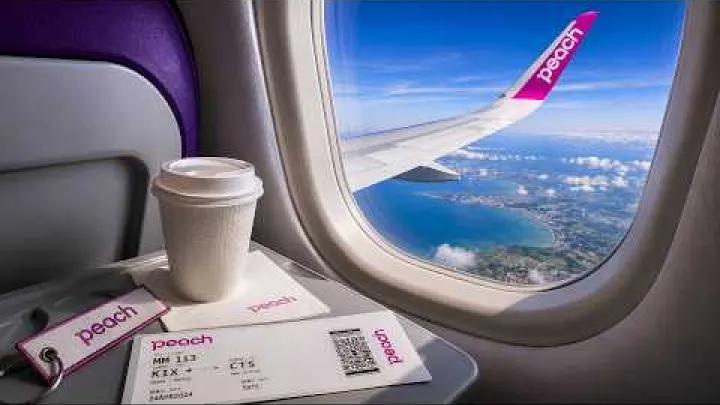
Compare more than the advertised airfare. Look at the airline's baggage allowance, seat and meal conditions, change rules, airport access, and the cost of reaching Sapporo after landing. A low-cost flight can be good value when the schedule and baggage policy fit, but a slightly more expensive through-ticket may reduce the risk and work of managing separate connections.
Okadama Airport for Limited Regional Routes
Okadama Airport is located within Sapporo, north of the main central districts. Its urban location can make the final journey shorter than the trip from New Chitose Airport. However, it has a much smaller and more specialized route network, with regional services that may operate only on selected schedules or dates.
Use Okadama when its current destination, flight time, and frequency match your itinerary. Do not choose it simply because it appears closer to the city on a map. A flight at an inconvenient time, a limited return schedule, or a difficult connection from your origin can remove the benefit of the shorter final leg.
Ground access from Okadama normally depends on local bus services or a taxi. It does not follow the same direct airport-rail pattern as New Chitose. Before committing to the airport, identify the current route map, local transport instructions, and the location of your accommodation in relation to the airport.
Getting to Sapporo by Train
Rail is central to travel within Hokkaido and remains an important alternative to flying for visitors arriving from northern Honshu or traveling through Japan by train. The correct comparison depends on the origin, because the rail journey from Tokyo is very different from a regional trip from Asahikawa or Hakodate.
Tokyo to Sapporo via Shin-Hakodate-Hokuto
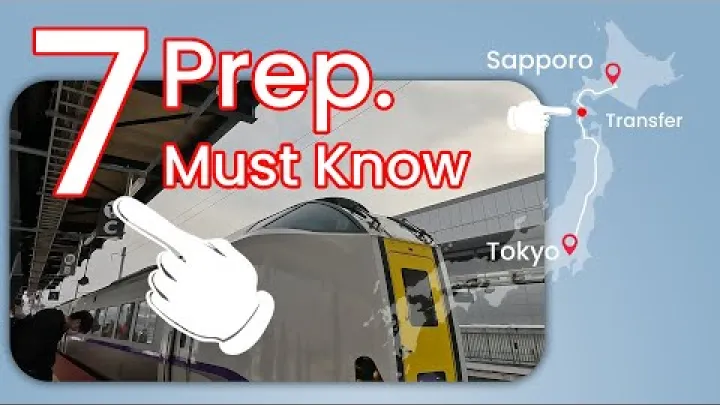
At present, Tokyo to Sapporo is not a single direct Shinkansen journey. The current rail pattern is to take the Tohoku Shinkansen north, continue on the Hokkaido Shinkansen to Shin-Hakodate-Hokuto, and then transfer to a Hokuto limited express train for Sapporo. Shin-Hakodate-Hokuto is therefore a planned transfer point, not the final destination.
This journey is substantially longer than flying, but it can suit rail-focused travelers, people who want to see more of Japan, or travelers whose wider itinerary already includes rail travel. It also avoids a flight, although it still requires attention to seats, luggage, the transfer between train services, and the time between connections.
The Hokkaido Shinkansen extension toward Sapporo is under construction. The planned extension does not mean that a direct Tokyo to Sapporo Shinkansen is available today. The latest project information from Sapporo City should be used when considering future travel rather than older opening-date statements.
Regional Rail Routes Within Hokkaido
JR Sapporo Station is the main rail hub for journeys toward Hakodate, Asahikawa, Obihiro, and other parts of Hokkaido. Long distances and changing geography mean that rail is not automatically the fastest or least expensive option for every regional journey. A limited express may offer a comfortable direct ride, while a bus may cost less or a domestic flight may save time on a particularly long route.
For a Sapporo to Hakodate journey, compare the current limited express service with highway bus options and the location of your final accommodation. For Asahikawa, a train and a highway bus may both be practical, with the better option depending on departure time and the location of the bus stop. For Obihiro and eastern Hokkaido, compare rail, bus, driving, and any relevant regional air itinerary rather than assuming that the same choice works for all travelers.
Use the exact departure station, date, destination, transfer count, and service type when using the current JR journey planner. A route that looks direct in a map search may require a transfer, while a slightly different departure can change the seat type or arrival station.
Tickets, Seat Reservations, and Rail Passes
Rail booking has several layers. A local journey may use an eligible IC card, while a long-distance limited express journey normally involves a basic fare and an express or seat component. Reserved seats give you a specific seat on services that offer reservations. Non-reserved seats, where available, do not guarantee that you will sit together or board a full train. Some airport and local segments accept IC cards, but that does not mean one card can cover every long-distance Hokkaido journey.
Tourist rail passes can be useful for a multi-city itinerary, but the value depends on the complete plan. A traveler going only from New Chitose Airport to Sapporo and then using local transport may find point-to-point tickets simpler. A traveler combining several expensive long-distance rail journeys may find a pass worth considering. The calculation should include the current pass price, coverage, eligibility, validity period, purchase rules, and seat reservation requirements.
Before relying on a rail pass, compare its current conditions with the cost of individual tickets for every planned journey. Do not assume that a pass covers private railways, buses, airport transfers, or every service class. Point-to-point tickets may be easier when the itinerary is short or changes frequently.
Reaching Sapporo by Highway Bus
Highway buses connect Sapporo with many Hokkaido cities and can be a useful alternative when a train is expensive or the final destination is close to a bus stop. They trade speed for price and may require more tolerance for road conditions, fixed boarding procedures, and a longer period in one seat.
Long-Distance Bus Trade-Offs and Booking
On selected routes, a highway bus costs less than rail, especially when booked under a current promotional or variable fare. The headline ticket price is not the full comparison, however. Add the time and cost of reaching the departure terminal, the time spent waiting to board, and the connection from the Sapporo arrival stop to your accommodation.

Booking channels can include the operator's website, an online reservation platform, a bus terminal counter, and selected convenience-store services. The available language support and payment methods vary. The Japan Guide overview explains the broad role of highway buses and online reservations in Japan, but the operator's own rules control your specific service.
Read the conditions for seat reservations, baggage, cancellation, changes, onboard toilets, charging, and boarding location. Some tickets are linked to one departure and cannot be used flexibly. A bus terminal may have several operators or platforms, so the name on the reservation is as important as the city name.
Sapporo-Hakodate and Other Hokkaido Bus Routes
Sapporo to Hakodate is a useful example of the bus trade-off. A highway bus may cost less than rail but take considerably longer. It may be attractive to a flexible budget traveler, a person whose accommodation is near the bus stop, or someone who prefers a direct road journey over a rail transfer.
Some services may stop at Shin-Hakodate-Hokuto or other regional points, but the stopping pattern is not identical for every departure. Treat the destination shown on the booking confirmation as the important detail. A bus to Hakodate city is not automatically the best service for a traveler who needs the Shinkansen station, and a stop outside the center may require another local connection.
The same comparison can be used for routes such as Sapporo to Asahikawa or Sapporo to Obihiro when current operator information supports the itinerary. Compare the complete fare and journey, not a remembered price or a travel-guide estimate. Bus travel is most useful when the lower fare, direct boarding, or arrival stop compensates for the longer time.
Bus Comfort, Luggage, and Winter Flexibility
Long-distance bus conditions differ by operator and vehicle. Before booking, look for the seat layout, reclining design, toilet, charging facilities, Wi-Fi, baggage allowance, and boarding process. Confirm whether large luggage goes in an external compartment, whether one item is included, and whether the driver or terminal staff has special instructions for oversized items.
Winter road conditions can affect bus travel in Hokkaido. Before choosing a winter bus, read the operator's latest disruption notice and leave a flexible time buffer before a fixed booking, tour, or appointment. A published timetable is a planning guide, not a guarantee of the same arrival time during a road disruption.
An overnight bus, where available, can preserve daytime sightseeing time or reduce the need for one hotel night. It can also arrive early, before accommodation check-in or before local transport is convenient. Check the arrival time, the distance from the bus stop to your accommodation, and your plan for luggage after arrival.
Arriving by Ferry through Otaru or Tomakomai
Ferries are important for travelers bringing vehicles from Honshu and for people who prefer an overnight or slow journey. They are usually less frequent and much slower than flights or rail, but they can combine transport and accommodation in one trip.
Otaru Port and the Niigata Ferry Route
Otaru Port provides a maritime connection between Hokkaido and Niigata on Honshu. The crossing is long and departures are less frequent than flights or trains. It can suit travelers who want a slower journey, want to spend time in Otaru, or need to transport a car, motorcycle, or other equipment.
Published route listings describe the Niigata sailing as a crossing of roughly 16.5 hours, illustrating why this is an overnight-style option rather than a fast way to reach Sapporo. The Direct Ferries route overview can help with orientation, but sailing dates, cabin categories, fares, vehicle rules, and actual availability belong to the current ferry operator.
Otaru is not central Sapporo. After leaving the ferry, plan an onward train, bus, taxi, or car journey. A ferry can therefore be attractive when Otaru is part of the trip, but less attractive when the only objective is to reach central Sapporo as quickly as possible.
Tomakomai West Port Ferry Terminal
Tomakomai West Port is a major ferry gateway for routes between Hokkaido and several ports on Honshu, depending on the operator and timetable. It is a port area rather than a city-center station, so the access plan should include the specific ferry terminal and the connection from Sapporo.
Common access patterns include an express bus, a train followed by a local connection, a private car, or a taxi. A train ticket to Tomakomai does not necessarily place you at the ferry terminal. The final road segment, boarding time, and luggage handling can be important parts of the journey.
Confirm that the booking names Tomakomai West Port and not only Tomakomai or another Tomakomai port location. Read the current operator instructions for passenger check-in, vehicle boarding, document requirements, and the time you must arrive. Different ferry companies can use different terminals, procedures, and cut-off times.
When a Ferry Is Better Than Air or Rail
A ferry can be the better choice when transporting a car or motorcycle is central to the trip. It may also suit travelers who value an overnight cabin, sea views, a slower pace, or the ability to carry bulky equipment that would be difficult or expensive to take by air.
Do not describe ferries as universally cheap or convenient. The fare may depend on the cabin, travel date, passenger count, vehicle size, and optional services. The full comparison must include travel to Otaru Port or Tomakomai West Port and the onward connection into Sapporo.
For a traveler without a vehicle and with limited vacation time, a flight will usually be easier to compare and faster overall. For a traveler with a vehicle, flexible timing, or an interest in the journey itself, a ferry may justify the longer crossing and additional port planning.
Getting to Sapporo from Major Japanese Gateways
The best Sapporo route changes with the origin city. Compare the nearest practical airport, station, or port rather than applying one national rule to every journey.
Tokyo to Sapporo
For most travelers starting in Tokyo, the main choice is between a flight to New Chitose Airport and the current Shinkansen-plus-limited-express route through Shin-Hakodate-Hokuto. A flight is normally the first option to compare when time matters. Rail becomes more attractive when it is part of a wider Japan rail itinerary or when the traveler prefers a long continuous journey.
Compare Haneda and Narita based on the time and cost of reaching each airport from your Tokyo neighborhood. Also compare full-service and lower-cost airlines, baggage rules, airport check-in requirements, and the final connection from New Chitose to Sapporo. The scheduled flight time alone does not show how long it will take to reach JR Sapporo Station, Susukino, or a hotel near Odori Park.
Bus-and-ferry combinations are possible as specialized itineraries, but they are not a simple direct bus route from Tokyo to central Sapporo. They require several stages, separate schedules, and careful handling of late arrivals. Consider them for a vehicle journey or slow travel rather than as the default Tokyo route.
Osaka, Nagoya, and Northern Honshu
From Osaka and Nagoya, travelers commonly compare direct flights to New Chitose with longer rail combinations. The airport choice at the origin, airline schedule, baggage allowance, and connection to central Sapporo can change the result. A flight with a convenient departure may be more useful than a cheaper flight that requires a difficult early-morning transfer.
From Sendai, Morioka, Aomori, and other northern Honshu locations, rail can be more relevant. Depending on the starting point, travelers may compare trains through Shin-Hakodate-Hokuto with a flight from a nearby regional airport. Aomori and other northern locations can have particularly different rail and air patterns, so the exact origin station or airport matters.
Flight frequency, direct-route availability, transfer time, baggage conditions, and cancellation rules differ by origin. Search the actual date and keep the departure airport, arrival airport, and final Sapporo connection visible while comparing itineraries.
Regional Hokkaido Cities to Sapporo
Travelers from Hakodate, Asahikawa, Obihiro, Kushiro, Wakkanai, and eastern Hokkaido can choose among JR services, highway buses, driving, and in some cases domestic flights. Hokkaido's distances are large, so a slower bus, a higher-priced train, or a regional flight can each be the best choice for a different traveler.
Identify the correct departure gateway first. In Hakodate, that may mean Hakodate Station, a highway bus stop, or Hakodate Airport. In Asahikawa, compare the city station, bus terminal, and airport. In Obihiro, Kushiro, Wakkanai, and eastern Hokkaido, identify whether the itinerary begins at a rail station, a bus terminal, or a regional airport.
Then compare total travel time, total fare, transfer count, luggage handling, and the final arrival point in Sapporo. A route ending at JR Sapporo Station may be more convenient for one hotel, while a bus arriving near a central district may reduce the last local connection for another.
From Each Gateway into Central Sapporo
Reaching the city does not always mean reaching your accommodation. New Chitose, Okadama, Otaru, and Tomakomai each have a different final connection, and the most convenient choice depends on your neighborhood and arrival time.
New Chitose Airport to Sapporo Center
The JR Airport Train from New Chitose Airport Station to JR Sapporo Station is the main fast public-transport connection. It is useful for travelers staying near Sapporo Station or continuing by subway, taxi, or a short walk. The airport station's location below the terminal makes the route easy to follow, but allow time to leave the aircraft, collect baggage, and reach the platform.
The airport limousine bus is a slower alternative that can be more convenient for accommodation near Susukino, Odori Park, or another served stop. It avoids a rail transfer and may be easier with large luggage. Road traffic can affect the journey, while a train may require a further local connection after arriving at Sapporo Station.
Choose between the train and bus by considering your final neighborhood, luggage, arrival time, seat availability, and the road conditions at that time. Neither option is automatically best for every hotel or every arrival.
Okadama Airport to Central Sapporo
When a suitable regional flight is available, Okadama's city location can reduce the distance to central Sapporo. The final route may involve a local bus or taxi, depending on the destination and the operating pattern at the time of travel.
Do not plan on the same direct airport-rail connection used at New Chitose. The practical route from Okadama depends on the current ground-transport instructions and the location of your accommodation. A taxi can be useful for heavy luggage or a late arrival, while a local bus may be more economical when its stop matches your destination.
Otaru and Tomakomai to Sapporo
From Otaru, travelers can generally continue by rail, bus, taxi, or car. A rail connection is often the simplest for people without a car, while a taxi or private vehicle may be more suitable for heavy luggage or an accommodation away from a station. The ferry arrival point and the city transport point are separate parts of the journey.
Tomakomai ferry passengers must use the port access service shown by the ferry operator. For example, if a ferry is scheduled to arrive in the late afternoon, calculate the time to leave the terminal, reach the relevant bus or rail connection, and continue to Sapporo. Do not treat the ferry's scheduled arrival as the time you will reach the city.
Late arrivals may require a hotel near the port, a taxi, a rental car, or a pre-arranged transfer rather than an assumed same-night public-transport connection. This is particularly important when traveling with a vehicle, children, or large luggage.
Booking and Arrival Checklist
A reliable Sapporo transport plan is based on the exact travel date and the exact gateway. Use the following checks after choosing a likely route, especially when separate tickets or a port connection are involved.
Check Current Schedules, Fares, and Service Notices
Transport information is not one permanent fact. Airlines change seasonal routes, rail operators adjust timetables, buses use different fare conditions, and ferries may operate different sailing patterns by date. A general travel guide can explain the route, but it may not show the service available on your departure day.
- For flights, compare the airline booking page with the current airport route and timetable information.
- For trains, use the current JR journey planner and confirm the departure station, train type, transfer point, seat condition, and arrival station.
- For highway buses, use the relevant operator or booking platform and confirm the exact stop, boarding time, baggage rule, and cancellation condition.
- For ferries, use the operator's sailing calendar and access instructions, including the terminal, passenger check-in, cabin, vehicle rules, and boarding deadline.
- Review the latest service notice shortly before departure and again on the day of travel when the route involves a seasonal service, ferry, winter journey, or separate connection.
If two websites show different fares or times, compare the fare conditions and service date instead of selecting the lower number automatically. A flexible fare, baggage-inclusive fare, or through-ticket may have a higher headline price but a lower practical risk.
Match the Route to Luggage, Arrival Time, and Booking Difficulty
Travelers with large luggage should consider the physical work of the journey. Flying involves airport security and baggage collection. Rail may involve moving bags across a transfer at Shin-Hakodate-Hokuto or through a busy station. A bus can reduce transfers but may have strict baggage limits. A ferry requires port check-in and may involve separate procedures for a vehicle.
Booking difficulty also matters. International visitors may prefer a direct service with clear English instructions even when another route is slightly cheaper. A traveler arriving late may value a route with a simple final connection. Someone staying near Susukino or Odori Park may prefer a direct airport bus, while someone staying beside JR Sapporo Station may prefer the airport train.
A useful profile-based choice is simple:
- Time-focused traveler: compare flights to New Chitose and include the complete airport-to-hotel journey.
- Rail-focused traveler: compare the current route through Shin-Hakodate-Hokuto or the relevant Hokkaido limited express.
- Budget-focused traveler: compare a highway bus after adding terminal access, baggage conditions, and arrival time.
- Vehicle or bulky-equipment traveler: compare ferry cabins, vehicle charges, port access, and the onward trip to Sapporo.
A direct service that takes longer can be easier than a cheaper itinerary with several transfers. The most useful fare is the one that fits your luggage, schedule, and ability to manage the connection.
Avoid Terminal Confusion and Unofficial Taxi Problems
Check the exact airport, station, port, terminal, bus stop, and operator on every booking confirmation. New Chitose Airport and Okadama Airport are both associated with Sapporo but are in different parts of Hokkaido. JR Sapporo Station is also different from a Sapporo bus stop, and Tomakomai West Port is not the same as a general Tomakomai city destination.
When a taxi is needed, use a marked taxi rank or an official transport desk at the airport, station, or ferry terminal. Confirm the destination and the fare method before boarding. If you are going to Tomakomai West Port, show the terminal name from the ferry booking rather than saying only Tomakomai. At New Chitose, confirm whether you need the domestic or international terminal area and where your chosen bus or train begins.
This is practical protection against a preventable routing mistake. It does not require assuming that a particular local problem is widespread. Use official signs and staff when available, and keep the booking confirmation accessible until you reach the correct vehicle.
Choose the Sapporo Route That Fits Your Trip
For most long-distance visitors, begin by comparing flights to New Chitose Airport with the alternatives from your actual starting point. Choose rail when the journey fits a wider train itinerary, a highway bus when its lower cost and arrival stop are worth the extra time, and a ferry when you need vehicle transport or want slow travel.
Then compare the final connection to central Sapporo. New Chitose, Okadama, JR Sapporo Station, Otaru Port, and Tomakomai West Port offer different arrival experiences. A route that looks best on a map may not be best with your luggage, hotel location, arrival time, or transfer needs. Matching the transport mode to the full journey will make getting to Sapporo simpler and more predictable.
Select area
Create a post
Posting is free and no registration is required.