Takayama Where to Stay: Best Areas & Accommodation
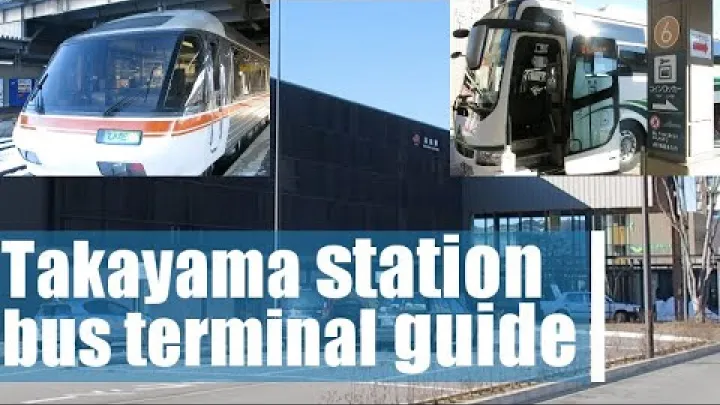
Choosing where to stay in Takayama is less about finding one universally best hotel district and more about matching your base to the way you will travel through Hida. Takayama Old Town offers the strongest cultural atmosphere, while Takayama Station and the bus terminal make rail arrivals and regional day trips easier. Central Takayama sits between those priorities, and hillside, onsen, and countryside properties suit travelers who want the accommodation itself to be a major part of the trip. This guide compares the best areas to stay in Takayama, the main accommodation types, and the practical checks that can prevent an inconvenient booking.
Where To Stay In Takayama: The Short Answer
For most first-time visitors focused on historic streets, local food, markets, and cultural sights, Takayama Old Town or the area around Sanmachi-suji is the best default. It places the Takayama Old Town, Miyagawa Morning Market, Takayama Jinya, and traditional restaurants within an easy sightseeing base. Choose Takayama Station instead if you have an early train, several bus excursions, heavy luggage, or only one night in the city. Choose Central Takayama when you want a compromise between transport access and the historic center.
Hida Takayama Onsen, Sakaurayama-Hachimangu, and countryside stays are better selected for a specific reason: bathing, quiet surroundings, a traditional inn, rural scenery, or a slower overnight retreat. Takayama is compact, but each district creates a different daily rhythm. A district overview from Inside Kyoto is useful for understanding this basic layout before comparing individual properties.
| Area | Best for | Main advantage | Main trade-off |
|---|---|---|---|
| Old Town and Sanmachi-suji | First-time sightseeing | Historic atmosphere and central sights | Less direct luggage access than the station |
| Central Takayama | A balanced base | Access to sights, restaurants, and transport | Less immersive than the preserved streets |
| Takayama Station | Rail and bus travelers | Simple arrivals, departures, and day trips | More modern and practical atmosphere |
| Sakaurayama-Hachimangu | Quiet cultural stays | Shrine-side setting and traditional lodging | Some routes may involve slopes or less direct access |
| Onsen or countryside areas | Retreats and ryokan stays | Bathing, meals, views, and calm | More planning for central sightseeing |
The Best Areas To Stay In Takayama
The main Takayama accommodation areas are close enough to combine on a short visit, but their advantages are different. Think first about how you will arrive and spend your evenings, then decide whether you want a sightseeing base or a retreat property.
Takayama Station Area: Best For Easy Arrivals And Departures
The Takayama Station area is the most practical base for travelers arriving by train or using the adjacent Takayama bus terminal. It is especially convenient when you will take regional buses, leave early in the morning, return late from an excursion, or stay only one night. A short route from the arrival point can also make a meaningful difference when you are carrying suitcases or changing accommodation during a longer Japan itinerary.
The atmosphere is more modern and functional than the preserved streets of Sanmachi-suji. In return, the area offers a straightforward starting point for transport-focused days and a broad choice of hotels, guesthouses, and simple lodging. Budget and midrange rooms can sometimes be easier to find here, but availability and price depend on the exact dates, room, and demand. For a current example of station access, Hida Hotel Plaza states that it is a five-minute walk from Takayama Station and combines a station-side location with onsen-oriented facilities. That example shows the area’s practical appeal, not a universal ranking of station hotels.
Central Takayama And Midtown: The Balanced Base
Central Takayama and the midtown blocks between Takayama Station and the Miyagawa River suit travelers who do not want to choose entirely between transport convenience and the historic core. From this base, you can organize a train or bus day without giving up reasonable access to the Old Town, the morning market, and central restaurants.
This part of the city has a mixed character. You may find hotels, ryokan, restaurants, shops, residential streets, and ordinary daily services rather than one concentrated sightseeing zone. That makes it useful for a multi-night stay: the area feels connected to the visitor center but does not require every walk to begin inside the busiest preserved streets. The experience can change from one block to another, so the exact street and property matter more than the broad label Midtown. Choose it when your priorities are balanced access, flexible dining, and a less themed setting.
Takayama Old Town And Sanmachi-suji: Best For Atmosphere
Takayama Old Town and Sanmachi-suji are the strongest choice for visitors who want the city’s historic character at the center of the trip. The preserved merchant streets, traditional buildings, Miyagawa Morning Market, and Takayama Jinya create a sightseeing base that feels distinct from a standard station district. Local food, cafés, small shops, and traditional drink venues are also part of the appeal.
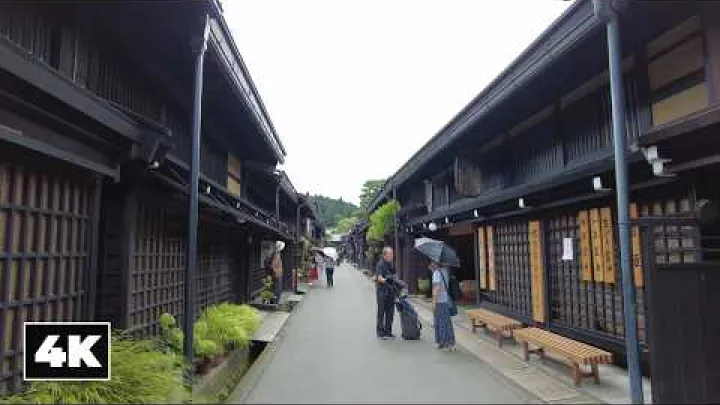
Staying nearby lets you begin sightseeing without first arranging transport and makes a traditional inn, machiya, or small hotel part of the experience. It is the clearest default for a first visit that is mainly about Takayama itself. The trade-off is that the Old Town is not the shortest luggage walk from the station or bus terminal, and the most atmospheric streets are not necessarily the most convenient for an early departure. The area can become quieter after the main daytime sightseeing period, although the evening feel and available dining options vary by street and property. Current accommodation listings show the range of traditional options; for example, Booking.com includes townhouse-style lodging such as Sumiyoshi Ryokan. Treat that as an example of accommodation style rather than a recommendation for every traveler.
Sakaurayama-Hachimangu: Quiet Shrine-Side Stays
Sakaurayama-Hachimangu is a good option for travelers drawn to a shrine-side setting and a quieter traditional atmosphere. The area is associated with Sakurayama Hachiman Shrine and the nearby Takayama Festival Floats Exhibition Hall, making it useful for visitors who want cultural sights beyond the central merchant streets.
Traditional inns in this direction may offer a calmer setting, views, or a more elevated feel than a station-side hotel. The practical question is whether you value that atmosphere more than level, direct access to Takayama Station. Some routes can involve slopes or a less convenient walk with luggage, so the area is better for travelers comfortable with a slightly less central base or those planning to use a taxi for part of the arrival. It is distinct from an onsen resort choice: the main attraction here is shrine access, elevation, and atmosphere rather than a guarantee of a particular bathing experience.
Should You Stay Outside Central Takayama?
Staying beyond the central core can make the lodging itself feel like a destination. It is worthwhile when you expect to spend substantial time bathing, eating at the property, enjoying views, or resting in a rural setting. It is less efficient when your priority is spontaneous access to the Old Town and several evenings of central sightseeing.
Hida Takayama Onsen And Resort Areas: Choose The Retreat
Hida Takayama Onsen and resort-style properties appeal to travelers who want more than a convenient room. The attraction may be a large communal bath, a private-use bath, a traditional meal, a view, or a quiet schedule built around the accommodation. This is a strong choice for couples, celebratory trips, and visitors who want to experience a Japanese inn without filling every day with sightseeing.

The name Hida Takayama Onsen does not describe one uniform location. Some onsen-oriented properties remain close to central Takayama, while others are more dispersed or set on a hillside. Read the location as carefully as the bath description. A property near the station can combine onsen facilities with easy access to the city, while a resort-style property farther out may offer a deeper retreat but make spontaneous visits to Sanmachi-suji, Miyagawa River, or evening restaurants less convenient.
Choose this area when bathing and time at the property are central purposes of the trip. If an onsen is only a pleasant extra after a full day of markets and day trips, a central hotel with bathing facilities may fit your itinerary better. Compare the exact bath type, opening hours, meal plan, and any transfer arrangement for the property you are considering rather than treating all onsen lodging as equivalent.
Countryside Stays And Split Nights: When Distance Is Worth It
Countryside and broader Hida-area stays suit travelers looking for rural scenery, a slower pace, or a standalone ryokan retreat. They can provide a stronger sense of landscape and quiet than a central Takayama hotel, particularly when the purpose of the night is rest rather than covering a list of city sights.

Access varies substantially outside the compact center. Depending on the property, the final connection may involve a local bus, taxi, hotel shuttle, or private car, and some locations are more suitable for travelers who are comfortable organizing their own transport. A countryside stay should therefore be treated as an itinerary choice, not simply as a cheaper version of central Takayama.
A split stay can combine the advantages: spend one night in Central Takayama or near the Old Town for markets and transport, then move to a quieter ryokan or resort. This works best on a longer visit. Remember that changing accommodation takes time and requires luggage movement, so the second base should offer enough value in scenery, bathing, meals, or relaxation to justify the transition.
Choose A Takayama Accommodation Type
Takayama accommodation ranges from traditional inns and renovated townhouses to modern hotels, guesthouses, and retreat properties. The right type depends on whether you value cultural immersion, predictable services, privacy, shared space, or a longer-stay layout.
Ryokan: The Signature Takayama Experience
A ryokan can make the stay itself part of your visit to Takayama. Typical features may include tatami rooms, futon bedding, Japanese-style hospitality, regional meals, and bathing facilities. An old-town ryokan emphasizes access to historic streets, while a hillside or onsen ryokan may emphasize views, quiet, bathing, and a full meal experience.
Not every ryokan offers the same level of formality or service. A simple inn may have a smaller range of facilities and a more personal atmosphere, while a premium property may organize a detailed dinner and breakfast experience. Price can change substantially with the room, meal plan, bath arrangement, and season.
Do not assume that every ryokan includes an onsen, dinner, private bathroom, or Western-style bed. Tatami rooms may have different layouts and bedding arrangements, and some properties operate around fixed meal or check-in schedules. Ryokan is a good match when you are willing to adapt your routine to the inn’s style and want lodging to express local culture, not only provide a predictable overnight stop.
Modern Hotels: Predictable Services And Onsen Options
Modern hotels suit travelers who prefer Western-style beds, private bathrooms, standardized services, and familiar check-in arrangements. Station-side business hotels are practical for rail and bus itineraries, while central full-service hotels can add restaurants, larger public areas, or more leisure facilities. Some modern properties also offer communal or hot-spring-style baths.
This category is often comfortable for families, travelers with large luggage, and visitors who want a clear separation between sightseeing and the accommodation routine. It can also be easier for an overnight stop when you do not want the meal times, room customs, or shared facilities associated with some traditional inns.
Compare the actual room type rather than relying on the word hotel. Room size, bed configuration, family facilities, front-desk hours, and bath access differ between properties. A named hotel can illustrate a category, but it should not be treated as proof that every modern hotel in Takayama offers the same service.
Guesthouses And Hostels: Value And Social Space
Guesthouses and hostels are useful for solo travelers, backpackers, and budget-conscious visitors who value shared areas or the chance to meet other travelers. Options can include dormitory beds, private rooms, shared bathrooms, kitchens, lounges, and smaller communal spaces. The savings, where available, usually come with a different balance of privacy and facilities rather than a fixed price guarantee.
A guesthouse can be an efficient base when you plan to spend most of the day outside and need a simple, central place to sleep. It may be less suitable if you need a private bathroom, quiet workspace, daily hotel service, or a fully staffed reception. Hida Takayama Guest House OUKA is a local example: its official information describes the property as an eight-minute walk from Takayama Station. The example demonstrates how a guesthouse can retain station access while offering a different social format from a hotel.
Before selecting a hostel or guesthouse, compare the exact location, storage, room privacy, quiet-hour policy, and check-in process. These details have a larger effect on comfort than the category name alone.
Machiya, Vacation Homes, And Temple Stays: Space Or Immersion
Renovated machiya, vacation homes, and villas can be practical for families and groups that need several beds, a living area, or more privacy than a standard hotel room. A machiya may combine historic architecture with the independence of a self-managed stay. A whole home can also make a longer visit more comfortable when it provides a kitchen, laundry, or space to separate sleeping and living areas.
The trade-off is that these properties may require more self-management. Cleaning arrangements, key collection, rubbish rules, house equipment, and residential noise expectations can differ. A historic building may also have a layout that is charming but less standardized than a modern hotel. Space should be judged by the exact floor plan and sleeping arrangement, not only by the advertised maximum occupancy.
Temple stays are a niche choice for visitors seeking a contemplative experience rather than a conventional sightseeing base. Facilities and schedules can be simpler or more structured, and rituals, meals, and participation requirements vary by temple. Treat the individual temple’s arrangements as the deciding information. This style is best when you welcome a specific cultural setting and do not need the flexibility of a normal hotel evening.
Where To Stay In Takayama By Trip Style
The best area changes when your itinerary changes. A visitor spending two slow days in the historic center should not choose a base in the same way as someone connecting through Takayama for a regional bus excursion.
First-Time Sightseeing And Cultural Stays
For a first visit centered on Takayama’s historic streets, choose Old Town or Sanmachi-suji by default. This base makes the preserved townscape, Miyagawa Morning Market, Takayama Jinya, local food, and cultural atmosphere part of your daily walking pattern. You can start early, return between activities, and experience the contrast between daytime sightseeing and a quieter evening without making the station the focus of every movement.
Pair the area with a ryokan, machiya, or small hotel if the accommodation experience matters to you. A traditional inn can deepen the cultural side of the trip, while a small modern hotel can preserve the location advantage with fewer formal routines. Choose Central Takayama instead if you want similar access to the sights but prefer a less immersive street setting, more flexible movement toward the station, or a broader mix of everyday services.
Rail Travelers And Day Trips
If you will use the JR Takayama Line, the Takayama bus terminal, or regional routes toward places such as Hida Folk Village and Shirakawa-go, start your search near Takayama Station or Central Takayama. This is especially valuable for an overnight stop, a schedule with an early departure, or an itinerary that returns to the city after a full day outside it.

Old Town remains a viable choice when day trips are limited and your main goal is to enjoy Takayama in the afternoon and evening. The decision rule is simple: choose the station when the transport connection controls your day; choose the Old Town when the historic center controls your day. Central Takayama works when both matter and neither is dominant.
Budget Travelers And Longer Stays
Budget travelers should compare guesthouses, hostels, simple business hotels, and less premium central lodging. A central room can reduce taxi use and make it easier to reach markets, restaurants, and transport on foot, which may lower the total cost of a trip even when the room itself is not the cheapest available.
For a longer stay, look beyond the nightly rate. A private room, kitchen, laundry access, flexible common space, or a useful location may be worth more than a small difference in the displayed price. One practical approach is to combine a lower-cost central stay with one night at a ryokan, rather than paying for a full retreat experience on every night. Compare the complete trip cost, including meals, local transport, and the time required to reach day-trip departure points.
Families, Groups, And Couples: Match Space To The Trip
Families and groups should begin with room configuration rather than district reputation. Compare the number and type of beds, private bathroom arrangements, child policies, extra-bed rules, and whether everyone can use the room comfortably. A vacation home or larger room may be more practical for several people, while a station or central base can simplify arrivals and daily movement.
Couples and travelers planning a special occasion may prefer the atmosphere of an Old Town ryokan or the quieter rhythm of a hillside onsen property. Private baths, traditional meals, views, and service can matter more than being closest to the train. A full-service hotel may provide predictable facilities, while a ryokan may make the night feel more distinctive.
Make the decision conditional on the exact room and bath configuration. Not every property accepts children, groups, or extra beds in every room, and a property’s maximum occupancy does not always mean the layout will feel spacious. For groups, prioritize logistics and usable space; for couples, decide how much of the experience should come from the location and accommodation itself.
Practical Checks Before Booking
Once you have chosen an area and accommodation type, the final decision should be based on the exact property, dates, and itinerary. The map label alone cannot show the last part of a journey, the room rules, or the full cost.
Transport Checks Before Booking
Use Takayama Station and the adjacent bus terminal as your main transport anchors. From there, compare the property’s actual route from your arrival point, not only its distance from a district name. This matters when you arrive with luggage, connect from Nagoya by rail, use highway buses, or leave for a regional excursion before normal sightseeing hours.
Early trains, early buses, late arrivals, and return journeys can change the best area for your trip. A central Old Town stay may be ideal for a relaxed two-night visit but less convenient for a dawn departure. An outer onsen property may be excellent for a retreat but unsuitable if the last bus or train connection does not match your plans.
Before booking, check the current JR and highway-bus timetables for your travel date. Confirm the relevant departure point, the last service you could use, the property’s last-mile route, and whether a shuttle is actually operating at the time you need it. If a shuttle is listed, check its schedule, reservation process, luggage policy, and what happens when you arrive after the final departure. Timetables and operating arrangements can change, so a general statement that a property is in Takayama is not enough for an early or late journey.
Walking, Luggage, Slopes, Noise, And Night Movement
Station-side and central properties are generally the simplest choices when you want a straightforward route with luggage. Old Town can still be highly walkable for sightseeing, but the most attractive preserved streets may not provide the same direct arrival experience as a hotel beside the station. Sakaurayama-Hachimangu and outer properties may add slopes, elevation, uneven surfaces, or a longer final connection.
Open the property’s exact map pin and look at the route from the station or bus terminal. Confirm whether the route includes stairs, slopes, narrow streets, a separate entrance, or a luggage transfer arrangement. If you prefer not to roll bags through the historic core or uphill streets, identify taxi availability and the property’s drop-off point before choosing the room.
Noise and night-time comfort also vary by street and building. Daytime activity around sightseeing streets, restaurant access, traffic, and evening quiet should not be assumed from a district label. No area description can promise absolute safety. Use ordinary travel precautions, review the route between the property and your evening destinations, and choose a central route or taxi if you prefer more activity and clearer movement after dark. Current guest comments can help with street-specific concerns, but the property’s exact location remains the most useful starting point.
Room Plans, Meals, Baths, And Check-In Rules
Ryokan and modern hotels can organize the overnight experience in very different ways. A ryokan may have a fixed check-in window, dinner and breakfast periods, futon preparation, and bathing hours that shape your evening. A hotel may offer more flexible arrival and dining arrangements, while a guesthouse may have limited reception hours or self-check-in.
When comparing onsen lodging, distinguish between a public communal bath, a private-use bath that must be reserved, an in-room bath, and a facility with restricted hours. The word onsen does not by itself explain which bath you can use, whether access is included, or whether the experience is shared. Also compare tatami or Western-style rooms, private or shared bathrooms, bedding, meal inclusion, and the space available for luggage.
Confirm the check-in deadline, dinner and breakfast times, bath access, and late-arrival policy directly with the property. Ask what happens if transport is delayed and whether a meal can be changed or missed. Check front-desk availability, key collection, and any required reservation for private baths or transfers. These details are especially important for a countryside stay, a meal-inclusive ryokan, or an itinerary that reaches Takayama late.
Price, Seasonality, And Booking Flexibility
Takayama accommodation covers a wide range of costs. Hostels and simple guesthouses can be entry-level options, while modern hotels and simple inns occupy a broad middle range. Full-service ryokan, onsen retreats, and whole homes can cost more, particularly when the rate includes dinner, breakfast, private bathing, larger rooms, or additional services. These are tendencies, not reliable prices for an entire district.
Weekends, festival periods, foliage seasons, room type, meal plans, and exact dates can affect both availability and cost. A listing that appears affordable for one date may not be available at the same rate for your trip. Compare the complete total for the exact dates, including taxes or fees, meals, bath charges, transfers, and any cleaning or service costs associated with a whole home.
Use a simple comparison method: first decide the maximum time and transport inconvenience you will accept, then compare the room, inclusions, location, and cancellation terms within that limit. If your itinerary may change, a refundable rate can be worth more than a lower non-refundable price. Evaluate the total trip cost rather than choosing only the lowest displayed nightly rate.
Final Recommendation For Choosing Your Takayama Base
For a first-time visit focused on Takayama’s culture and historic center, book a stay in Takayama Old Town or around Sanmachi-suji. Choose Central Takayama for the best overall compromise, and choose Takayama Station when rail, buses, luggage, or early departures control the itinerary. Select Sakaurayama-Hachimangu for a quieter shrine-side atmosphere, and choose an onsen or countryside property when the retreat is a main purpose of the trip.
Then match the base to the accommodation style: a ryokan for traditional immersion, a modern hotel for predictable services, a guesthouse or hostel for value and shared space, and a machiya or vacation home for group space and privacy. The best place to stay in Takayama is the one that supports your actual daily movement, not simply the one with the most attractive area name.
Select area
Create a post
Posting is free and no registration is required.