Takayama Travel Guide: Plan Your First Visit
This Takayama travel guide explains how to plan a first visit to Hida's historic mountain city in central Japan. Takayama combines preserved merchant streets, local food and craft traditions, seasonal festivals, and access to the Japanese Alps and rural heritage areas. The historic center is easy to explore on foot, but nearby destinations require careful rail, bus, or driving plans. Use this guide to choose the right season, base, length of stay, transport route, and day trips for your itinerary.
Why Visit Takayama on a Japan Trip?
Takayama is a strong choice for travelers who want more than Japan's largest cities. It offers a compact historic center with a distinctly Hida character, while also serving as a practical gateway to mountain villages, hot springs, and alpine scenery. A visit can work as a focused overnight stop, a slower two-night stay, or part of a longer route through Gifu and northern Chubu.
What Makes Takayama Different?
Takayama stands out because several different travel experiences are close together. In the preserved Sanmachi-suji area, wooden merchant houses, sake breweries, craft shops, and traditional facades create a walkable historic landscape. Takayama Jinya adds a more formal heritage site: it is a preserved government office associated with the period when officials administered the region. Around these places, Hida food, carpentry, festivals, and local shops give the city a living culture rather than a single museum-like attraction.
The city is also a visitor center for a much larger mountainous area in northern Gifu. You can use Takayama to reach places such as Shirakawa-go, Gero Onsen, Okuhida Onsen, Shinhotaka, Kamikochi, and Norikura, depending on the season and available transport. This creates the main planning distinction: the central sights are convenient to combine on foot, while mountain and rural excursions are separate journeys that may need reserved buses, an early start, or an overnight stay.
Choose Takayama for its own historic streets, regional food, and Hida setting rather than treating it as a direct substitute for Kyoto. It is especially suitable for travelers who prefer a smaller city, want time for local atmosphere, or are building a heritage-and-mountain itinerary through Chubu.
Takayama as a Chubu Base
Takayama lies in Gifu Prefecture's Hida region, within the wider Chubu area. Its rail connection toward Nagoya and bus links toward Shirakawa-go, Toyama, and other Hida destinations make it useful for a multi-stop journey. Travelers may arrive from the direction of Nagoya, continue toward Toyama or the Japanese Alps, or use Takayama as the central stop between urban and rural parts of the itinerary.
The geography matters. Mountain roads and rail lines do not always create the shortest-looking route on a map, and a destination that is close in a straight line may still require a long connection. One night is enough for a concentrated look at the old town if your schedule is tight. Two nights are a better baseline for combining the historic core with Hida Folk Village, an onsen experience, or one carefully selected regional trip. A longer Hida and Alps route may use Takayama together with another base so that you do not spend every day returning to the city.
Understand Takayama's Layout
Takayama is easy to understand when you use the station, the Miyagawa River, and the old town as orientation points. The arrival zone is west of the main sightseeing core, while the preserved merchant streets and several heritage attractions extend east and north of the river.
The Station and Bus Center Area
Takayama Station and Hida Bus Center form the practical arrival and departure zone. This is where many visitors begin a rail journey, collect information, store luggage, or board regional buses to places such as Shirakawa-go and the Okuhida area. Staying nearby can simplify an early departure, particularly when you have bags or a reserved seat and do not want to cross the city before breakfast.
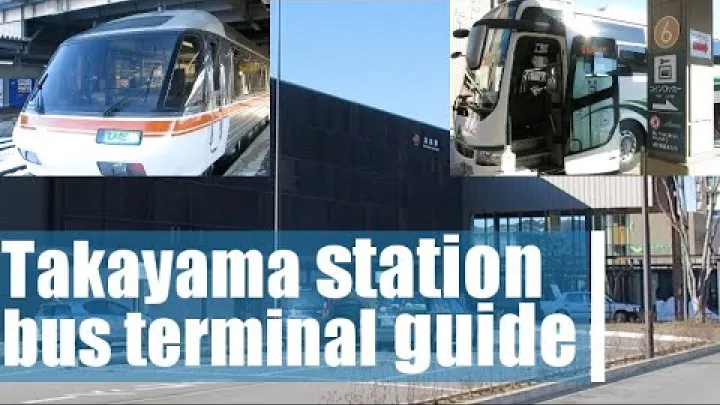
The station area usually offers a broad choice of larger hotels, restaurants, convenience stores, and services useful on arrival day. It is a practical base for travelers making several excursions or leaving Takayama soon after breakfast. The trade-off is atmosphere: the area is convenient and modern, but it is not as immersed in the preserved streets as central or old-town accommodation.
When comparing properties near the station, look beyond the map pin. Check whether the hotel provides luggage storage, whether breakfast begins early enough for your departure, and how early check-out works. These details can matter more than a small difference in walking distance.
Central Takayama and the Miyagawa River
The area between the station and the Miyagawa River is a useful middle ground. It gives you access to restaurants, shops, bridges, markets, and the historic core without requiring you to stay directly among the narrow streets of the old town. The river is a helpful reference point when moving from the modern station side toward Sanmachi-suji and Takayama Jinya.
This central zone suits travelers who want to walk out for dinner and return easily to a hotel, but who also want straightforward access to transport. It can be a good choice when old-town properties have limited vehicle access or when you are traveling with rolling luggage. Treat the area as an orientation zone rather than a rigid district boundary: hotel locations and the character of individual streets vary.
A simple way to picture the city is to start at the station, walk toward the river, visit one of the morning-market areas, and then continue toward Takayama Jinya and Sanmachi-suji. Bridges and the river make it easier to adjust the route when you want to add a café, restaurant, shop, or museum.
Sanmachi-suji and Sakaurayama-Hachimangu
Sanmachi-suji lies on the eastern side of the Miyagawa River and is the main preserved merchant-town sightseeing area. Its traditional wooden buildings, small businesses, breweries, and craft stores are most enjoyable when explored slowly rather than treated as a quick photo stop. Takayama Jinya sits nearby, so the two attractions naturally fit into the same walking route.
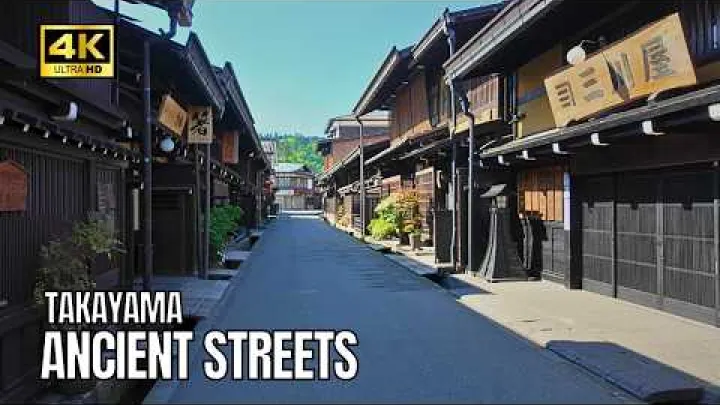
Continue north or northeast and the historic area leads toward Sakaurayama-Hachimangu Shrine and festival-related facilities. This extension gives the walk a different atmosphere from the busiest merchant streets, with shrine grounds, local lanes, and cultural attractions. A useful route is the morning market, Takayama Jinya, Sanmachi-suji, and then Sakaurayama-Hachimangu or a nearby museum, depending on opening hours and energy.
Remember that the historic core is also a living neighborhood. Keep voices low near homes, do not enter private buildings or photograph interiors without permission, and follow signs at shrine grounds. Shops may have small entrances and narrow walkways, so pause at the side rather than blocking a doorway or passing group.
Choose the Best Time to Visit Takayama
There is no single best month for every Takayama itinerary. Festival dates bring a special cultural experience but also strong demand. Summer supports mountain excursions but can be wet. Autumn combines town walking and foliage, while winter offers snow and onsen with more demanding access conditions.
Spring: Festival Season and Changeable Weather
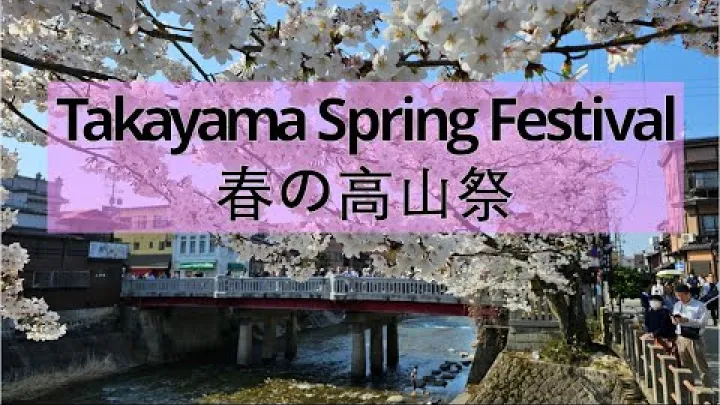
The Takayama Spring Festival is traditionally held on April 14 and 15. Decorated floats, shrine ceremonies, and processions make this one of the most distinctive times to visit, but the event period is much busier than an ordinary spring weekend. Accommodation can become difficult to find, and seats on trains or buses may be more competitive. Check the latest official program because event details, access arrangements, and viewing conditions can change.
Spring weather is transitional. Early April may still feel cold, especially in the morning and evening, while milder conditions develop later in the season. Pack layers, comfortable shoes, and a rain shell rather than planning around a single temperature expectation. If you want the culture of the festival without the largest crowds, visiting later in spring can provide a quieter walking experience, although the festival itself will no longer be taking place.
Summer: Mountain Excursions and Rain
Summer is appealing for green landscapes, hiking, and trips toward Kamikochi, Norikura, Shinhotaka, and other alpine areas when seasonal access is operating. Longer daylight can make it easier to combine a town visit with outdoor activities, and the surrounding countryside is often at its most vibrant.
Takayama is not automatically cool in summer. Conditions in the town can be warm, humid, and rainy, while mountain temperatures and visibility can differ from those in the city. Outdoor plans should therefore have a clear stopping point rather than assuming that a highland excursion will remain comfortable all day.
Build a wet-weather alternative into your schedule. Takayama Jinya, museums, craft shops, food experiences, covered shopping areas, and an available onsen facility can fill part of a rainy day. This approach also helps if a hiking plan becomes less attractive because of poor visibility or uncomfortable conditions.
Autumn: Foliage and Festival Crowds
The Takayama Autumn Festival is traditionally held on October 9 and 10. Like the spring event, it features decorated floats and shrine-related celebrations, and it creates a very different city experience from an ordinary autumn visit. Book early if attending, and expect greater pressure on rooms, transport, and popular restaurants.

Outside the festival dates, autumn is often a balanced season for walking through town and visiting nearby mountain areas. Foliage does not arrive everywhere at the same time: higher elevations change earlier or later than the valley, and the best color varies by year. Choose dates according to the type of scenery you want rather than assuming that one fixed weekend represents all of Takayama.
Peak foliage weekends can also increase demand even when no festival is scheduled. If your priority is the preserved town, a weekday or a date outside the most popular autumn period may offer more relaxed market and restaurant visits.
Winter: Snow, Onsen, and Access
Winter gives Takayama a strong seasonal identity. Snow around the historic streets, the traditional houses at Hida Folk Village, winter views in the Shirakawa-go area, and a stay or bathing experience connected with Hida Takayama Onsen are major reasons to choose this season. The atmosphere can be especially rewarding for travelers who enjoy quiet evenings and traditional accommodation.
The trade-offs are freezing temperatures, slippery walking surfaces, shorter practical daylight, and possible delays or disruption on mountain routes. Some outdoor excursions become less suitable when roads, paths, or ropeway and bus operations are affected. Warm layers, waterproof footwear with good grip, and flexibility are more important than trying to fit in every attraction.
Before a mountain or winter plan, check a Takayama-specific forecast and official warnings shortly before departure. The Japan Meteorological Agency provides an official regional weather reference, but a town forecast may not describe conditions at a higher mountain destination. Keep a backup plan in Takayama and follow local warnings or operator instructions if conditions change.
How to Get to Takayama
Most international visitors reach Takayama by combining long-distance rail with the Hida Limited Express or by using a highway bus. The best route depends on your previous and next destinations, not simply on the number of kilometers. Allow extra time when a mountain bus or regional train connects with a flight, reserved attraction, or another fixed-time booking.
Rail via Nagoya
The most familiar rail sequence is a Shinkansen journey to Nagoya followed by a transfer to the Hida Limited Express for Takayama. The final train uses the JR Takayama Main Line; Takayama does not have direct Shinkansen service. For a first-time visitor, the route is easiest when treated as two clear stages: arrive at Nagoya, then find the departure area for the Hida service.
![Preview image for the video "[Limited Express HIDA] Introducing Limited Express HIDA.From Nagoya to Takayama and Toyama".](/sites/default/files/styles/media_720x405/public/oembed_thumbnails/2026-08/UzJHhL_qk-Ew2s5ZDIagVGue27DbgSfc7GQO3mhCggE.jpg.webp?itok=PncaJqoH "Preview image for the video \"[Limited Express HIDA] Introducing Limited Express HIDA.From Nagoya to Takayama and Toyama\".")
- Travel to Nagoya by the long-distance rail route that fits your starting city.
- Allow time at Nagoya to transfer, find the correct platform, and manage luggage.
- Take the Hida Limited Express or another suitable connection to Takayama Station.
Journey time, fare, seat reservation rules, and pass coverage depend on the current service and ticket product. The JR Central timetable is useful for route planning, but it identifies itself as a basic timetable and may not show every seasonal or additional service. Check the conditions of your specific pass or ticket before assuming that every part of the route is covered.
Rail via Toyama and Northern Chubu
Traveling by Shinkansen to Toyama and continuing toward Takayama by limited express or regional rail can fit an itinerary that includes northern Chubu. It may be convenient if you are coming from or continuing to Toyama, Kanazawa, or another destination on the Japan Sea side. It also avoids returning through Nagoya when your route is already moving north.
Connections on this side of the mountains can be less frequent or less convenient than the main Nagoya sequence, so compare the whole itinerary rather than choosing by map distance. Look at the time between connections, the number of changes, luggage handling, and what you plan to do after Takayama. A route that is slightly longer but connects cleanly with your hotel or next destination may be the more comfortable choice.
This option works best when Takayama is part of a broader northern Chubu journey. If your trip begins and ends around Tokyo, Kyoto, Osaka, or Nagoya, the Nagoya route may be easier to understand and coordinate, but the practical choice still depends on the current timetable.
Highway Buses and Route Verification
Highway buses offer an alternative for travelers who prefer fewer rail transfers or do not have a rail pass. Direct services from Tokyo are available as an itinerary option, while regional buses connect Takayama with destinations such as Shirakawa-go, Kanazawa, Toyama, and other Hida-area locations. Nohi Bus is an important regional operator to consider when planning these trips.
Do not build a schedule around an old blog timetable or an unconfirmed fare. Departure times, seasonal services, reservation rules, seat availability, traffic delays, and snow-related disruption can all affect the practical journey. Before buying linked tickets, recheck the current JR and highway-bus timetables, reservation requirements, and transfer time with the relevant operators. A bus that arrives close to a train departure may be a poor connection even when the published times appear to fit.
Use a generous buffer when a regional bus connects with a flight, a long-distance train, or a nonrefundable booking. For a popular excursion, reserve as early as the operator allows and save the departure location, return time, and reservation information where you can access it without an internet connection.
How to Get Around and Plan Day Trips
The historic core rewards walking, while local buses and regional services extend your reach beyond it. Decide separately how you will move around central Takayama and how you will reach mountain or heritage destinations, because the two types of travel have different time and booking demands.
Walking and Local City Buses
Takayama Station, the central streets, the Miyagawa River, Sanmachi-suji, and Takayama Jinya form a compact sightseeing core. Most visitors can connect the main historic attractions on foot, with time to stop at markets, shops, cafés, and restaurants. The city is walkable, but that does not mean every attraction is within the same short walk. Hida Folk Village and other sites outside the core require a different plan.
Local services such as the Sarubobo, Machinami, and Takumi buses can help reach attractions outside the immediate center, including Hida Folk Village. Routes, operating hours, fares, and day-pass conditions can change, so use current local information when choosing a bus. A taxi may be the simplest option with heavy luggage, in poor weather, or when several people are sharing the fare.
As a basic rule, walk between the station, river, markets, Jinya, and Sanmachi-suji when your priority is atmosphere. Use a local bus for an outlying attraction or when weather and mobility make the distance inconvenient. For a timed regional departure, return to the station and Hida Bus Center with enough room for navigation and luggage rather than treating the city center as the final transfer point.
Shirakawa-go and Other Regional Bus Trips
Nearby destinations appeal to different kinds of travelers. Shirakawa-go is the strongest choice for traditional rural architecture and heritage scenery. Gero Onsen is suited to travelers who want a hot-spring-town experience. Okuhida Onsen and the Shinhotaka area emphasize mountain landscapes and bathing, while Kamikochi and Norikura are better for outdoor scenery and seasonal activities.
| Destination | Best for | Planning level |
|---|---|---|
| Shirakawa-go | Traditional farmhouses and rural heritage | Possible day trip; reserve transport when required |
| Gero Onsen | Hot-spring-town atmosphere | Consider an overnight stay for a slower visit |
| Okuhida and Shinhotaka | Onsen and mountain scenery | Best with a flexible schedule; overnight may be easier |
| Kamikochi | Alpine walking and valley scenery | Strongly seasonal; check access and connections |
| Norikura | Highland scenery and outdoor activities | Seasonal access and weather affect feasibility |
The table is a decision guide, not a promise that every destination is an easy same-day trip. Choose one purpose for the day and check the first and last useful departures, walking demands, and return options. On busy or snowy days, a reserved service may sell out or take longer than expected, so leave enough time for the return to Takayama.
Driving in the Hida Mountains
A rental car is optional in central Takayama but can be useful for a rural route with several stops. It may give you more freedom around remote villages, countryside viewpoints, and accommodation away from a bus corridor. For the historic center, however, a car can create extra work because parking, narrow streets, and limited vehicle access may outweigh the convenience.
Mountain driving requires more attention than a city transfer. Roads can be narrow or winding, distances between attractions can be longer than they appear, and weather can change as elevation increases. Allow time for parking and navigation, and do not choose a route only because it connects several points on a map. A train-and-bus itinerary may be less flexible but more comfortable for a first visit.
If you drive in the cold season, reserve a vehicle with suitable snow tires in advance and confirm current local requirements, road restrictions, and rental conditions. Never drive on snowy or icy roads with normal tires. If the provider cannot confirm appropriate equipment or you are not comfortable with winter mountain driving, use public transport or change the route instead.
Where to Stay in Takayama
Takayama has three practical lodging choices: near the station and bus center, in the central area near the river, or closer to the old town. The best area depends on whether you value early departures, evening atmosphere, traditional buildings, dining access, or a particular accommodation style.
Station-Area Lodging for Easy Connections
Stay near Takayama Station or Hida Bus Center if you have early rail or bus departures, plan several regional excursions, or are arriving with large luggage. This area reduces the friction of collecting tickets, finding a platform, and reaching a bus departure point. It is also helpful for a short first visit when arrival and departure times leave little room for detours.
Station-area hotels often make arrival day simple. You can leave bags, find a meal, and begin exploring without first navigating a narrow historic lane. The compromise is that the strongest traditional atmosphere is farther away. Many travelers solve this by spending their sightseeing hours in the old town and using the station area as a practical place to sleep.
Compare breakfast hours, luggage storage, check-out policy, and the actual walking route to the station or bus center. A property that looks close on a map may be less convenient if the route includes stairs, a busy crossing, or a long walk with bags.
Old Town and Central Lodging for Atmosphere
Central and old-town lodging suits travelers who want morning and evening walks, traditional streets, restaurants, sake breweries, and easy access to the main historic sights. Staying near the Miyagawa River gives a useful balance between dining and sightseeing, while a property closer to Sanmachi-suji can provide a stronger old-town setting.
| Area | Main advantage | Possible trade-off |
|---|---|---|
| Station and bus center | Early departures and luggage convenience | Less historic atmosphere |
| Central and river area | Balance of dining, walking, and transport | Character varies by street |
| Old town | Traditional setting and close historic sights | Narrow lanes and possible vehicle limits |
Old-town properties may have narrow entrances, limited vehicle access, or directions that are easier to follow on foot than by taxi. Confirm where to unload luggage and whether the route is suitable for rolling bags. Do not assume that every property inside a named area has the same noise level, facilities, or distance from the station.
Ryokan, Hotels, Temple Stays, and Onsen
Western-style hotels are usually the simplest option for private rooms, familiar bedding, and flexible meal arrangements. A traditional ryokan or machiya-style property can add tatami rooms, futon bedding, local design, and a more structured hospitality experience. Temple lodging offers a different cultural setting, while accommodation connected with Hida Takayama Onsen may appeal to travelers who want bathing as part of the stay.
Match the category to your priorities. Choose a hotel for easy logistics, a ryokan for traditional rooms and possible meals, a machiya-style stay for atmosphere and privacy, or an onsen property for bathing and a slower evening. Budget, room size, accessibility, and meal schedules vary widely, so the label alone does not tell you what the experience will be like.
Before booking, confirm whether meals are included, whether the room has beds or futons, the latest check-in time, and whether a private bath is available. Ask about bathing rules if tattoos, children, or accessibility needs are relevant to your group. If a listing advertises an onsen, check whether the bath is a natural hot spring and what facilities are actually available. Property policies and seasonal arrangements differ.
What to Do, Eat, and Experience
A well-planned Takayama visit does not require an exhausting list of attractions. Begin with the historic core, add one food or craft experience, and then choose an indoor museum, Hida Folk Village, shrine, or regional excursion according to your interests and the season. The official HIDA TAKAYAMA site provides destination and event information that can help with current visitor planning.
Sanmachi-suji and Takayama Jinya
Sanmachi-suji is the essential walking area for a first visit. Explore the preserved merchant streets, look for wooden details and traditional facades, browse craft shops, and notice the sake breweries that reflect the area's food and brewing culture. The atmosphere changes during the day, so an early walk or an evening stroll after some businesses close can feel calmer than the busiest middle hours.
Takayama Jinya provides historical context for the town. It was a government office and administrative complex, and the preserved site helps explain how the region was managed. Walking around the surrounding streets is different from entering the heritage site itself, which has its own opening hours, admission arrangements, and visitor rules. The official Takayama Jinya website is the right place to confirm current visiting details.
A practical sequence is to visit the morning market, enter Takayama Jinya, continue through Sanmachi-suji, and then choose a nearby shrine or museum. Keep the route flexible for shop hours and meals. In residential lanes, stay aware of doorways, avoid photographing private interiors, and remember that the attractive old buildings are part of an active community.
Miyagawa Morning Market and Hida Food
Takayama's morning markets are held in two locations: beside the Miyagawa River and in front of Takayama Jinya. They are useful for seeing regional produce, pickles, sweets, small crafts, and souvenirs in a more local morning setting. The two locations can be combined with the historic-core walk, but they are not identical shopping areas, so visit both if you want a broader look at the market experience.
Hida beef is one of the regional foods associated with the area, and local sake is another important experience for many visitors. You may find small tastings or snacks at a market and more substantial dishes at restaurants. Treat these as different choices: a market stall is convenient for a quick sample, while a restaurant is better when you want a full meal and time to ask questions.
Visit early, since market activity and individual stall hours vary. Seasonal produce and handmade items may not be available every day. Travelers with dietary restrictions should ask about ingredients, preparation, and possible cross-contact. Also check whether a stall accepts cards or cash before making a purchase, especially if you are planning several small snacks.
Shrines, Museums, Hida Folk Village, and Crafts
There are good reasons to go beyond Sanmachi-suji. Sakaurayama-Hachimangu Shrine adds a spiritual and architectural stop, while festival float exhibition spaces and local museums offer more context about Takayama's celebrations and history. Hida Folk Village provides a broader look at traditional buildings and rural life, but it is outside the immediate walking core and needs transport planning.
Hida's carpentry tradition can be read in the region's wooden architecture, carvings, joinery, and decorative details. Craft shops and museums help connect what you see in the streets with the skills and materials behind it. Visitors interested in design, architecture, or regional history may prefer these places to adding another short shopping stop.
Choose by weather and interest. On a rainy, hot, or snowy day, prioritize Takayama Jinya, museums, indoor craft displays, and food stops. In comfortable conditions, add Hida Folk Village, a shrine walk, or another outdoor attraction. Check current opening hours and transport details for places outside the core, since they may not follow the same schedule as the old-town streets.
Takayama Festival and Local Etiquette
The Takayama Festival takes place twice a year: the spring festival is traditionally associated with April 14 and 15, and the autumn festival with October 9 and 10. Decorated floats, processions, shrine ceremonies, and local celebrations are central to the event. The festival is a specific period, not a daily attraction, so a normal visit outside those dates will not offer the same program.
Festival attendance requires more planning than an ordinary city visit. Accommodation demand rises sharply, popular transport can fill, and crowded streets may limit how quickly you can move between viewing areas. Check the latest official program, access rules, procession information, and crowd guidance before choosing a festival trip.
Good etiquette is simple but important. Keep noise low in heritage streets and residential lanes, follow instructions at shrines, and do not touch floats or displays unless invited. Ask before photographing people, private interiors, or shop activities. During crowded events, keep bags close, avoid stopping in narrow passages, and follow the direction of local staff.
Plan Your Takayama Stay: Length, Budget, and Practical Checks
Takayama can be rewarding at several trip lengths, but the right plan depends on whether you want a concentrated historic visit or time for the surrounding mountains. A useful approach is to plan the city core first and add only one regional destination that fits your transport and season.
A Focused One-Day Visit
For one day, start with the Miyagawa Morning Market or the Jinya-mae Morning Market, then visit Takayama Jinya and walk through Sanmachi-suji. Leave time for a regional lunch or Hida food stop, and add one nearby cultural attraction such as Sakaurayama-Hachimangu Shrine, a museum, or a festival-related exhibition space.
This sequence keeps the main sights close together and avoids the risk of combining a distant mountain trip with a fixed departure from Takayama. If you arrive late, remove the second market or the extra museum rather than rushing through the historic core. If you leave early, prioritize the market and one heritage site, then keep the final route close to the station.
For bad weather, replace longer outdoor walking with Takayama Jinya, museums, craft shops, a longer meal, and an available onsen experience. A one-day plan should remain a town visit; Shirakawa-go or an alpine area can require too much connection time for a relaxed same-day schedule.
A Balanced Two-Day Stay
Two days give you enough time to see the historic center without treating every stop as a checklist. On the first day, explore the markets, Takayama Jinya, Sanmachi-suji, and central restaurants. An evening walk along the river or through quieter historic streets can be one of the most atmospheric parts of the visit.
Use the second day according to your interests:
- Culture-focused: Add Hida Folk Village, a museum, craft displays, and Sakaurayama-Hachimangu Shrine.
- Food-focused: Allow more time for the two market areas, a Hida beef meal, local sake experiences, and small regional food shops.
- Nature-focused: Choose one regional excursion, such as Shirakawa-go, Okuhida, Shinhotaka, Norikura, or another destination with suitable connections.
Keep part of the second day flexible. Bus capacity, seasonal access, and changing conditions can alter which option is most practical. Two nights make the city visit slower and more comfortable, but they do not automatically make every distant mountain destination a convenient day trip.
Adding Shirakawa-go, Onsen, or Alpine Areas
Choose an extension by travel purpose. Shirakawa-go is the clearest match for travelers interested in traditional farmhouses and rural heritage. Gero Onsen or Okuhida Onsen is better for a bathing-focused trip, with Gero offering a distinct hot-spring-town experience and Okuhida connecting more closely with the mountain setting. Shinhotaka is suited to mountain views and ropeway access when operating conditions allow. Kamikochi and Norikura appeal to travelers who want alpine scenery and outdoor activity.
Takayama works well as a base when the regional destination has a direct or manageable connection, when you are comfortable with an early departure, and when the return journey does not dominate the day. An overnight stay is often more sensible when you want a ryokan or onsen experience, when the destination is high in the mountains, or when you want time for walking rather than only reaching a viewpoint.
Do not promise yourself a same-day combination of several mountain areas. Select one main destination, account for walking time and the last return service, and use current transport information to decide whether Takayama should be the base. A longer itinerary with a second base can reduce backtracking and make the trip more enjoyable.
Budget, Booking, and Final Safety Checks
Separate the cost of reaching Takayama from the cost of spending time in the city. Your intercity rail or bus ticket may be a major part of the trip, while local spending depends on lodging style and excursions. Build a budget with separate lines for long-distance transport, accommodation, local buses or taxis, meals, admissions, reserved day trips, and seasonal premiums.
A lower-cost plan can focus on walking the historic core, markets, casual meals, and a small number of admissions. A mid-range plan may add a comfortable hotel, a reserved regional bus, and a substantial local meal. A higher-cost plan may include a traditional ryokan, included dinners, private bathing, taxis, or an overnight onsen extension. Use current operator and accommodation prices for your dates rather than relying on a fixed typical price.
Book earlier for the Takayama Festival, weekends, peak autumn periods, popular ryokan, reserved buses, and limited express seats. Before payment, confirm the accommodation's cancellation terms, check-in requirements, meal schedule, luggage policy, and any timed transport reservations. Keep the names and departure locations of your booked services easy to access.
Shortly before departure, check official disaster or local emergency alerts, keep a charged phone, and follow local instructions if conditions change. Suitable travel insurance is especially useful when your itinerary includes nonrefundable transport, winter travel, mountain areas, or several connected bookings.
For a first visit, a strong default is two nights near the station, central area, or river, with one full day for the historic core and a second day kept partly flexible. Choose spring or autumn outside the festival dates for a balanced town visit, winter for snow and onsen with careful access planning, or summer when mountain scenery is your priority. Add Shirakawa-go as the simplest heritage extension, and consider an additional base if your main goal is a remote alpine or hot-spring area.
Select area
Create a post
Posting is free and no registration is required.