Takayama Budget: Daily Costs, Prices and Saving Tips
How much does a trip to Takayama cost? A realistic Takayama travel budget can range from about ¥9,000 per person per day for simple lodging and low-cost meals to ¥45,000 or more for a comfortable stay with a meal-inclusive ryokan and paid experiences. The biggest variables are your room arrangement, travel dates, meal inclusion, and the cost of reaching Takayama from another Chubu base. This guide separates those costs so you can build a useful budget in yen rather than relying on one citywide average.
The daily figures below focus on spending in Takayama. Flights, long-distance rail or bus tickets, shopping, insurance, and unusually expensive festival nights are treated separately. Prices shown from booking and activity websites are dynamic examples, so use them to understand the structure of Takayama prices, then price your exact dates and occupancy.
Takayama Travel Budget at a Glance
Takayama can suit several travel styles. The historic center is compact enough for many visitors to walk between Takayama Station, Takayama Old Town, the morning market, and nearby riverside streets. However, accommodation can be much more expensive than local bus fares, and a ryokan dinner may already be included in the room price. This means two travelers following the same sightseeing plan can have very different totals.
Daily Budget Ranges by Travel Style
Use the following as practical planning envelopes for one person. They include one accommodation allocation, food and drinks, local transport, and planned activities. The lower edge assumes favorable dates, shared costs or a dormitory bed, and mostly free sightseeing. The upper edge allows for a private room, more restaurant meals, or several paid attractions.
| Travel style | Accommodation | Food and drinks | Local transport | Activities | Daily total |
|---|---|---|---|---|---|
| Budget | ¥3,500–¥5,500 | ¥2,500–¥4,000 | ¥200–¥800 | ¥0–¥2,700 | About ¥9,000–¥13,000 |
| Mid-range | ¥6,000–¥13,000 | ¥4,000–¥6,000 | ¥500–¥1,000 | ¥2,500–¥5,000 | About ¥13,000–¥25,000 |
| Comfortable | ¥20,000–¥28,000 | ¥5,000–¥9,000* | ¥500–¥1,000 | ¥4,000–¥7,000 | About ¥30,000–¥45,000 |
*On a ryokan night, breakfast and dinner may be included in the accommodation price. In that case, the food allowance is mainly for lunch, drinks, snacks, and meals on other days. A dormitory bed can cost around ¥2,500–¥3,500 when available, so an exceptionally careful solo traveler may spend below the budget envelope. The wider range is safer for planning because room supply and dates are not uniform.
As a national point of comparison, Japan Guide also presents broad low-, medium-, and high-budget ranges for travel in Japan. Those figures are useful context, but a Takayama budget must still account for the town's smaller lodging supply, ryokan options, and intercity access.
What the Daily Figures Include and Exclude
The daily formula is accommodation plus food and drinks plus local transport plus activities. Accommodation is allocated per person, even when the actual booking is charged per room. Local transport means buses or occasional short rides within Takayama, not the train or highway bus used to arrive from another city.
| Budget line | Included in the daily ranges | Usually outside the daily ranges |
|---|---|---|
| Stay | One night of lodging allocated per traveler | Parking, booking fees, and unusually expensive event nights |
| Meals | Breakfast, lunch, dinner, drinks, and snacks unless included with a stay | Large shopping or alcohol-heavy evenings |
| Transport | Walking and local buses in Takayama | Flights, intercity rail, highway buses, taxis, and car rental |
| Activities | Selected admissions, workshops, or tours | Unplanned premium experiences and major shopping |
Always identify whether a price is per bed, per person, per room, per ride, or per booking. Taxes, city charges, parking, cancellation conditions, payment fees, alcohol, and optional tours can change the final amount. Room-only lodging also requires a separate meal budget, while adding a full dinner budget to a two-meal ryokan rate would count the same meal twice.
Accommodation Costs in Takayama
Accommodation is usually the most important part of a Takayama travel budget. The same property type can serve a budget traveler or a mid-range traveler depending on whether the booking is a dormitory bed, a private room, or a room shared by two people. Staying near Takayama Station can simplify arrival and departure, while a traditional property may charge more for its setting and included service.
Hostels, Guesthouses, and Business Hotels
A dormitory or capsule-style bed is the clearest low-cost option. A planning figure of about ¥2,500–¥3,500 per bed is useful when such a rate is available. Guesthouses with private rooms and station-area business hotels cost more, but they can be practical for travelers who want privacy, a private bathroom, easier luggage handling, or a short walk from Takayama Station.
Booking.com has displayed a guesthouse snapshot of about $90 per night and about $172 for a weekend night. These are dynamic figures shown in the site's selected currency and search conditions, not fixed yen prices for every guesthouse. A dormitory bed should not be compared directly with a whole private room. For one traveler, a private room is charged almost entirely to that traveler; for two travelers, the same room cost can be divided between both occupants.
A separate Hotels.com property snapshot showed a budget property from roughly $57 to $63 per night, including taxes and fees under the displayed conditions. An Expedia snapshot for a station-area business hotel showed a one-night price starting around $61 for two adults, including taxes and fees under the displayed search. Treat both as property examples rather than normal Takayama-wide prices. Currency displays, availability, and conditions change, so calculate the live quote in yen.
Ryokans and Meal-Inclusive Stays
A ryokan can cost about ¥15,000–¥40,000 per person per night when two meals are included. The range is wide because the property, room, menu, season, and service level differ. The higher price may cover a traditional room, breakfast, dinner, hospitality, and the cultural experience rather than accommodation alone.

One Booking.com ryokan snapshot showed an average of about $189 per night, with a weekend snapshot around $343 and an evening snapshot around $259. Such booking pages may display a room price, a selected-occupancy price, or a rate with specific meal and cancellation conditions. They should illustrate volatility, not establish a standard Takayama ryokan rate.
Before booking a ryokan, confirm whether the quoted amount is per person or per room and whether dinner, breakfast, taxes, and other fees are included. If dinner and breakfast are included, subtract those meals from the separate food budget instead of adding a full restaurant dinner again. One ryokan night can be a controlled splurge, followed by guesthouse or business-hotel nights.
How Dates and Occupancy Change Lodging Costs
Accommodation prices depend on weekday or weekend, season, festival demand, room type, number of occupants, meal plan, cancellation terms, and booking lead time. A two-person room may look expensive as a total but become reasonable per person after division. A solo traveler may find that a dormitory is better value than paying the full private-room rate.
For a room charged at ¥14,000 per night, two people would allocate ¥7,000 each, while one person would allocate the full ¥14,000. This is a calculation example, not a quoted Takayama average. Do not divide a dormitory bed price by two, and do not divide a ryokan price already quoted per person a second time.
Festival periods, popular spring and autumn dates, and weekends can place more pressure on limited rooms. If your dates are flexible, compare several weekdays and room plans before choosing a budget tier. A refundable room may have a higher headline price but provide useful flexibility when plans are uncertain.
Food Costs in Takayama
Food costs in Takayama can remain moderate if you mix simple meals with selected local dishes. The daily total changes most when you add premium Hida beef, several restaurant dinners, drinks, guided food activities, or repeated market purchases. A ryokan meal plan changes the calculation because breakfast and dinner may already be prepaid.
Low-Cost Meals and Local Restaurant Prices
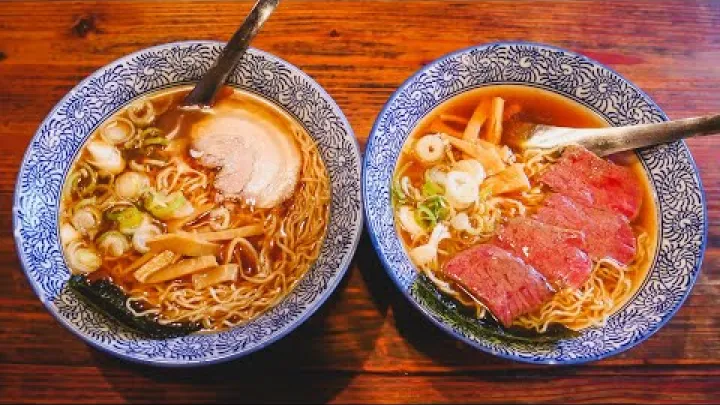
For a low-cost day, plan around ¥2,500–¥4,000. A simple breakfast may come from a convenience store or bakery, lunch may be ramen or a set meal, and dinner can be another inexpensive restaurant meal. Convenience-store meals are often planned around ¥500–¥700, while Takayama ramen examples are around ¥880–¥1,200. These are illustrative menu-level amounts, not a promise that every shop charges the same price.
A premium Hida-beef ramen example is about ¥1,700, showing how one ingredient can move a meal above a basic ramen budget. At a named ramen stop such as Takayama Ramen Ryu-ryu, use the displayed menu and serving size when deciding what to spend. Drinks, extra toppings, dessert, and service conditions can increase the bill.
For general context, Japan Guide uses broad inexpensive, medium-range, and higher-end meal benchmarks for Japan. In Takayama, those categories are more useful than a single average: inexpensive meals support the budget tier, regular set meals fit the mid-range tier, and premium local dishes create a splurge day.
Hida Beef, Market Food, and Cooking Experiences
Hida beef is an optional premium, not a required part of every itinerary. A Hida-beef dinner may fit roughly within ¥3,000–¥6,000 or more depending on the cut, serving format, restaurant, drinks, and number of courses. One such meal can be a sensible highlight; ordering premium beef at every meal can change a moderate food budget into a comfortable one.
Miyagawa Morning Market is inexpensive to visit as a place to walk and browse, but purchases are optional. Snacks, prepared food, coffee, gifts, and packaged products should be recorded separately. Structured experiences belong in the activities budget. Expedia listings have shown guided Miyagawa Morning Market experiences around $62 per adult and a Takayama ramen and gyoza cooking class around $55 per adult, with taxes and fees included under the displayed conditions. Confirm inclusions before adding or removing a meal allowance.
Daily Food Budgets by Eating Pattern
Plan food by meal pattern rather than by a single restaurant average. The following ranges assume no full ryokan dinner or breakfast is already included.
| Eating pattern | Example pattern | Daily food budget |
|---|---|---|
| Budget | Simple breakfast, inexpensive lunch and dinner, limited snacks | About ¥2,500–¥4,000 |
| Mid-range | Café or convenience breakfast, ramen or set meal, sit-down dinner | About ¥4,000–¥6,000 |
| Comfortable | Frequent restaurant meals, premium local dishes, drinks and snacks | About ¥5,000–¥9,000, or ¥8,000–¥12,000 for frequent splurges |
A budget example is a ¥600 breakfast, ¥1,000 lunch, ¥1,200 dinner, and ¥400 in snacks, or ¥3,200 for the day. A mid-range example might combine a café breakfast, ramen or a set meal, and one sit-down dinner for around ¥5,000. On a comfortable ryokan day, dinner and breakfast may be included, so extra food spending could be much lower.
Transport and Attraction Costs
Local transport in Takayama is usually a smaller budget line than accommodation or intercity access. Walking can cover much of the central sightseeing area, while buses connect the station and old town with sights farther away. Paid attractions are flexible: a day built around public streets and riverside areas can cost very little, while a day with admissions and a guided class can add several thousand yen.
Getting Around Takayama on Foot and by Local Bus
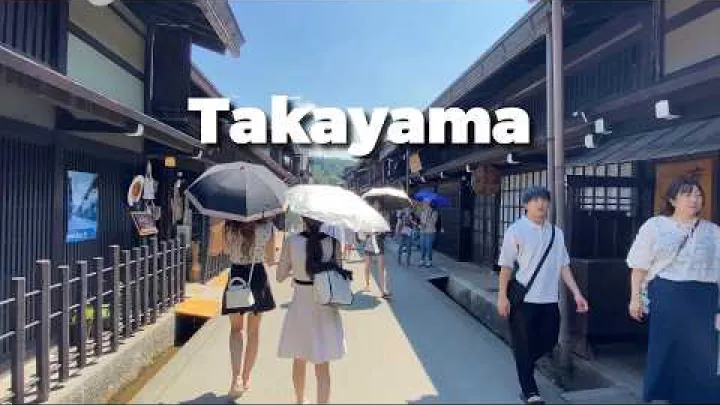
Walking between Takayama Station, Takayama Old Town, Miyagawa Morning Market, and nearby central streets can keep local transport costs low. For destinations outside the most convenient walking area, the Machinami and Sarubobo loop buses provide an alternative to a taxi or rental car.
Hida Tourism lists a ¥100 fare per ride for both buses and a one-day pass at ¥500. Use individual fares on a walking-focused day. At ¥100 per ride, two rides cost ¥200 and four rides cost ¥400; five rides reach ¥500, subject to the pass's current conditions and eligible discounts. A pass is not automatically cheaper after one journey.
Intercity Access as a Separate Budget Line
The cost of reaching Takayama from Nagoya, Osaka, Toyama, or another Chubu base should be added separately from the daily Takayama budget. A short stay can feel expensive because a round trip may consume as much as several days of meals and local sightseeing. Calculate access once for the arrival and departure journey rather than hiding it inside every daily figure.
The Hida Limited Express is one access option, and background information describes a journey to Takayama of roughly two and a half hours in the relevant route context. Jrailpass can help with general service context, but it is not a substitute for a current operator quote.
Third-party Chubu itinerary material includes a regular-bus example of about ¥2,450 and a round-trip example around ¥4,420. The route context, date, seat conditions, and discounts are not enough to make those figures universal. Check the current fare, timetable, reservation rules, route, seat conditions, and discount requirements with the relevant rail or bus operator.
Free and Paid Sights
Walking through Takayama Old Town, viewing public streets and riverside areas, and visiting shrines where no admission fee applies can form the core of a budget itinerary. Hida Folk Village costs about ¥700, the Takayama Festival Floats Exhibition Hall about ¥1,000, and craft experiences around ¥800–¥3,000 in the supplied references. Guided market visits and cooking classes belong in a higher discretionary tier.
Japan Guide provides references for Hida Folk Village admission, local access, and craft experiences. Check each attraction's current admission fee, opening hours, reservation requirements, and any temporary closure before visiting.
Sample Takayama Budgets for Different Trips
Sample calculations make the difference between per-person and per-room prices easier to see. The examples below are rounded planning exercises, not guaranteed quotes. They assume three days in town and two nights unless stated otherwise, with intercity access added separately.
Solo, Couple, and Shared-Room Calculations
A solo traveler has fewer people with whom to divide a private room. For example, two nights at an illustrative ¥3,000 per-bed rate cost ¥6,000. Three days of food at ¥3,000 cost ¥9,000, local transport might be ¥1,000, and a small paid-activity allowance ¥2,000, producing an in-town total of about ¥18,000. This is a lean plan using favorable lodging and substantial walking.
For two travelers sharing a private room, consider a hypothetical room quote of ¥12,000–¥18,000 per night. Two nights cost ¥24,000–¥36,000 for the room, or ¥12,000–¥18,000 per person. Add three days of mid-range food at about ¥4,500 per day, ¥1,500 for local transport, and ¥3,000 for selected activities. The estimate is about ¥30,000–¥36,000 per person before intercity access.
For a ryokan-focused couple, one meal-inclusive night might be quoted at ¥15,000–¥40,000 per person. If the second night uses a shared private room at an illustrative ¥7,000 per person, lodging totals ¥22,000–¥47,000 per person. Add only the remaining meals, perhaps ¥6,000 for two days, plus ¥1,000–¥2,000 for local transport and ¥4,000–¥7,000 for activities. The approximate in-town total becomes ¥33,000–¥62,000 per person.
| Traveler model | Lodging calculation | Approximate in-town result |
|---|---|---|
| Solo, lean | 2 beds × ¥3,000 = ¥6,000 | About ¥18,000 total |
| Two people sharing | 2 nights × ¥12,000–¥18,000 room ÷ 2 | About ¥30,000–¥36,000 each |
| One ryokan night | Ryokan ¥15,000–¥40,000 each plus a second-night room allocation | Often comfortable or higher |
A room-based price is divided only by the actual occupants. A dormitory bed is already a per-person price, and a ryokan amount quoted per person is not divided again. The same food, transport, and attraction choices can therefore produce different per-person totals because of occupancy.
Two-Day and Three-Day Budget Examples
Once you choose a daily tier, multiply the in-town amount by the number of matching spending days, then add intercity access once for the trip. Arrival and departure days may not use a full daily allowance.
| Travel style | Two-day in-town estimate | Three-day in-town estimate | Add separately |
|---|---|---|---|
| Budget | ¥18,000–¥26,000 | ¥27,000–¥39,000 | Current round-trip access, shopping, and insurance |
| Mid-range | ¥26,000–¥50,000 | ¥39,000–¥75,000 | Current round-trip access and optional premium meals |
| Comfortable | ¥60,000–¥90,000 | ¥90,000–¥135,000 | Current access, premium room choices, and major experiences |
A budget itinerary might combine a dormitory bed, convenience-store breakfast, ramen, walking, and one low-cost attraction. A comfortable itinerary could place one ryokan night, one Hida-beef meal, and a cooking class across the stay rather than paying for every optional highlight each day.
What Changes the Cost of a Takayama Trip
The largest cost levers are accommodation category and occupancy, meal inclusion, premium dining, guided experiences, and intercity access. Local bus fares and basic admissions are useful to control, but they usually have less effect than the room and gateway decisions.
Weekends, Festivals, and Seasonal Demand
Booking snapshots show why dates matter. A guesthouse page may display an ordinary-night average around $90 and a weekend snapshot around $172, while a ryokan page may show an ordinary average around $189 and a weekend snapshot around $343. These figures are not universal seasonal rates, but they demonstrate how quickly accommodation costs can move.
Demand can be stronger around major Takayama Festival dates, popular spring and autumn travel periods, and weekends with limited room availability. Quieter winter dates outside holiday periods may offer more choice, but a discount is not guaranteed. Search exact travel dates, including weekends and festivals, before choosing a budget tier.
Experience Choices, Room Type, and Access
| Cost lever | Lower-cost choice | Higher-cost choice | Main trade-off |
|---|---|---|---|
| Room | Dormitory or simple guesthouse | Private room or ryokan | Privacy, service, meals, and traditional experience |
| Occupancy | Share a room | Pay for a private room alone | Personal space versus per-person value |
| Meals | Convenience foods, ramen, and set meals | Hida beef, courses, drinks, and frequent restaurant dinners | Dining experience and local specialties |
| Activities | Free walks and one admission | Crafts, guided markets, and cooking classes | Instruction, access, and local context |
| Access | Suitable current bus or rail option | Flexible ticket or private transfer | Time, comfort, and flexibility |
One ryokan night instead of several, one Hida-beef dinner instead of premium dinners every night, or a suitable bus connection instead of a more expensive rail option can make a much larger difference than saving a few local bus fares. Choose according to whether you value money, time, comfort, traditional service, or a particular food experience.
Takayama Versus Other Chubu Bases
There is no reliable universal ranking that makes Takayama cheaper or more expensive than every other Chubu base. Compare complete trip costs using the same occupancy, meal pattern, number of paid activities, local transport needs, and gateway access.
| Base type | Potential cost pattern | Decision question |
|---|---|---|
| Large city gateway | More lodging and restaurant choices, with a separate cost to reach Takayama | Will wider choice offset an extra access journey or gateway night? |
| Takayama | Walkable central sights, ¥100 local bus fares, modest admissions, and a broad lodging range | Does the old town and cultural experience justify the gateway cost? |
| Rural or onsen base | Fewer rooms, more meal-inclusive stays, and access that may require a bus or car | Are included meals and the setting worth the transport and room price? |
Takayama is a good choice when its old town, Hida culture, local food, and nearby sights are central to the trip. A Chubu itinerary example places a bus connection from Takayama at about ¥2,450 one way and about ¥4,420 round trip under its displayed conditions. Iamaileen provides an example for comparison, not a complete city price ranking or a current universal fare. Compare the full amount for accommodation, food, local transport, activities, and access at each base.
Ways to Save Without Missing Takayama's Highlights
Saving money in Takayama does not require removing the town's main character from your itinerary. Protect one or two experiences you care about and reduce costs in less important areas. Start with dates and room type, then adjust meals, activities, and transport.
Save on Lodging
Compare dormitory beds, simple guesthouses, station-area business hotels, and meal-inclusive ryokans as different products. For two travelers, sharing a private room may make a mid-range option practical; for a solo traveler, a dormitory may preserve the budget for food or activities.
Midweek or less-demanded dates can provide more choice. If you want a ryokan, keep it for one night and use a simpler property for the rest of the stay. Compare the final amount after taxes, meals, parking, cancellation conditions, and booking fees rather than selecting only by headline nightly rate.
Save on Food and Activities
A simple breakfast and lunch can leave room for one main local meal. Replacing a ¥1,000–¥1,200 ramen lunch with a ¥500–¥700 convenience-store meal can save roughly ¥300–¥700 for that meal. Combine free exploration of Takayama Old Town, riverside areas, and shrines with one or two selected paid attractions. Hida beef, market snacks, cooking classes, and guided tours are optional splurges, not automatic daily expenses.
Save on Local Transport and Access
Walk between nearby sights when practical. Pay the ¥100 local bus fare when a ride is useful, and compare the ¥500 day pass on a day with several bus journeys. At the base fare, five ¥100 rides equal the pass price; fewer rides may favor individual tickets. For intercity access, compare the complete current bus or rail cost with the rest of your itinerary because it can affect the total more than several local bus rides.
Set Your Takayama Budget Before Booking
A useful Takayama budget worksheet stays in yen and records the assumptions behind every number. Foreign-currency prices on booking or activity pages can help you recognize a listing, but they should not replace a current yen calculation. Separating fixed bookings from flexible daily spending makes the plan easier to adjust.
Use Yen Ranges and Check What Is Included
Use a current exchange rate only for a rough comparison with your home currency. For every major amount, record whether it is per person, per room, per bed, per ride, or per booking. Also record whether taxes, breakfast, dinner, parking, cancellation protection, activity materials, and booking fees are included. Payment methods can differ by accommodation, attraction, class, and transport booking, so check the conditions for each item.
| Worksheet line | Record in yen | Key question |
|---|---|---|
| Lodging | Nightly total and per-person share | Is it per room or per person, and are meals and taxes included? |
| Food | Daily allowance and splurges | Which meals are already included? |
| Local transport | Individual fares or day passes | How many rides will the itinerary require? |
| Intercity access | Arrival and departure tickets | What is the current fare and reservation condition? |
| Activities | Admissions, workshops, and tours | Are fees, materials, food, and reservations included? |
| Extra costs | Taxes, parking, fees, and contingency | Which costs are uncertain or omitted? |
| Optional spending | Shopping, gifts, alcohol, and premium meals | Can this be reduced without affecting the main experience? |
Keep a separate contingency line without relying on one universal percentage. Let it reflect your travel style, cancellation conditions, weather flexibility, and whether major items are prepaid.
A Simple Booking and Spending Checklist
- Choose a target travel style: budget, mid-range, or comfortable.
- Search exact lodging dates and record the quote as per bed, per room, or per person.
- Divide room-based costs by the actual occupants and identify included meals.
- Set a daily food allowance and list Hida-beef meals, market purchases, and cooking classes separately.
- Plan walking and local bus use, then compare individual fares with the day pass.
- Price intercity access separately for arrival and departure using current operator information.
- Select free and paid sights, add taxes and fees, and keep a contingency amount before booking.
The lowest-cost plan uses simple lodging, inexpensive meals, walking, local buses only when needed, and mostly free sights. The best-value plan often mixes a private shared room with selected paid experiences. An experience-first plan prioritizes a ryokan, local dining, and guided activities. Takayama can fit all three, but accommodation choice, meal inclusion, travel dates, and access from the wider Chubu region determine the final total. Use these ranges to plan, then confirm live prices and inclusions for your actual dates.
Select area
Create a post
Posting is free and no registration is required.