Bandar Lampung Travel Guide: Where to Stay and What to Do

This Bandar Lampung travel guide is for first-time visitors who want a realistic base for southern Sumatra, not a polished resort-only destination. Bandar Lampung combines everyday Indonesian city life with access to Lampung Bay, nearby beaches, viewpoints, parks, and wider regional trips. This guide explains when to go, how to arrive, where to stay, how to get around, what to do, and what to check before booking.
The city works best for travelers who plan around weather, transport, and distance. Many places marketed as Bandar Lampung attractions are actually outside the central city, so good planning can save time and avoid disappointment.
Bandar Lampung at a Glance
Why Bandar Lampung Appeals to First-Time Visitors
Bandar Lampung is the main urban gateway to the southern end of Sumatra. For many travelers, it is a practical stop between Java and the rest of Sumatra, or a short city base before exploring beaches, island routes, and nature areas in Lampung Province.
The appeal is the mix. You can stay in a city hotel, eat at local restaurants or simple warungs, use malls and transport services, and still reach coastal roads, Lampung Bay viewpoints, and nearby beach areas with planning. It is not a city of famous international monuments, and that is part of the point: Bandar Lampung is more useful as a working provincial capital with access to regional experiences than as a single landmark destination.
Expect traffic, humidity, local markets, urban noise, and ordinary city routines. Visitors who enjoy practical travel, local food, and flexible day trips are more likely to appreciate it than travelers who want an all-inclusive beach resort atmosphere.
How the City Is Laid Out
Two useful orientation points are Tanjungkarang and Telukbetung. Tanjungkarang is often treated as a central commercial area, with easier access to shops, services, transport, and many city hotels. Telukbetung sits closer to Lampung Bay and can be more convenient for travelers heading toward coastal roads or bay-facing areas.
The city is manageable compared with larger Indonesian cities, but heat, hills, traffic, and road conditions can still slow down short journeys. A place that looks close on a map may take longer than expected at busy times or during rain.
It is also important to separate Bandar Lampung city from the wider Lampung travel area. Beaches, islands, national parks, and some nature trips may be promoted together with the city, but they can require separate road transfers, boat arrangements, permits, or overnight stays.
Best Time to Visit Bandar Lampung
Dry Season, Rainy Season, and Heat
Bandar Lampung is warm and humid throughout the year. The more comfortable travel question is not whether it will be hot, but how much rain and cloud cover you may face during outdoor days.
As a general guide, May to September is often the drier period, while October to April is usually wetter. Weather can vary from year to year, so this should be used as planning guidance rather than a promise. Weather data summarized by WeatherSpark also points to a late May to mid October window as more favorable for warm-weather beach or pool activities.
If beaches, boat trips, snorkeling, or viewpoints are central to your plan, the drier months are usually easier. If you visit in the wetter months, keep your itinerary flexible and avoid placing your most weather-dependent activity at the very end of the trip.
Weather Planning for Beaches, Islands, and Outdoor Days
Start early when you have an outdoor plan. Morning departures help with heat, traffic, and the chance of afternoon rain. They also give you more time to adjust if a road, boat, or attraction access point takes longer than expected.
Pack for sun and rain at the same time. Useful items include a hat, sunscreen, refillable water bottle, light rain jacket, waterproof phone pouch, and quick-drying clothing. Footwear should match the activity: sandals may work for beach areas, but shoes are better for viewpoints, uneven paths, or parks after rain.
Sea conditions, snorkeling visibility, and viewpoint views can change with local rain, wind, and waves. Before committing to a boat trip or coastal excursion, check the forecast and ask your accommodation or operator about current conditions.
How to Get to Bandar Lampung
Arriving by Air at Radin Inten II Airport
Radin Inten II Airport is the main airport for Bandar Lampung. Its airport code is TKG, which is useful when searching for flights and avoiding confusion with other Indonesian destinations.
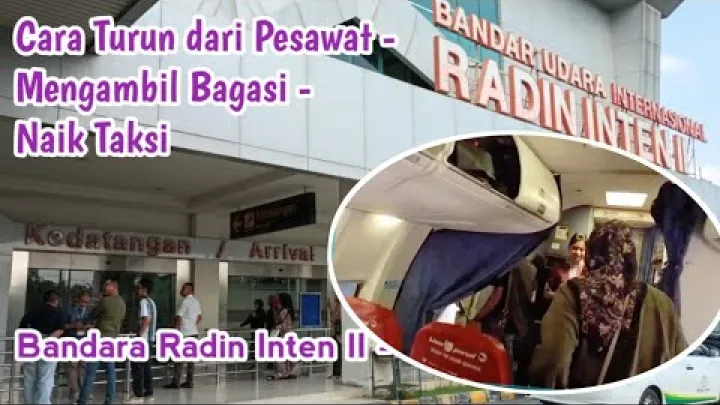
International travelers commonly connect through another Indonesian airport, often Jakarta, before continuing to Bandar Lampung. Domestic routes and schedules can change, so check current availability before building the rest of your itinerary around a flight. FlightConnections can be useful for route context, but final schedules should always be confirmed with airlines or booking platforms.
Flying is usually the simplest arrival option for short trips. It is especially practical if you have limited time, are arriving from outside Indonesia, or want to avoid the uncertainty of ferry and road travel.
Arriving Overland from Java
The common overland route between Java and southern Sumatra uses the Merak ferry corridor on the Java side and Bakauheni Port on the Sumatra side. From there, travelers continue by road toward Bandar Lampung.
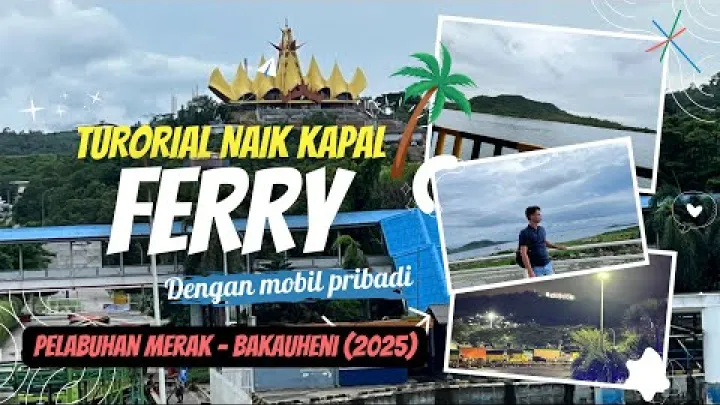
This route can make sense for budget travelers, domestic travelers, people starting from Jakarta or West Java, and those who want to experience the Java-Sumatra crossing. It can also be useful if you are traveling with a vehicle or combining multiple stops.
Build in buffer time. Ferry queues, road traffic, holiday demand, and weather can affect the journey. Overland travel can be efficient, but it is usually less predictable than flying, especially if you need to arrive by a fixed time.
Airport and Arrival Transfer Choices
Arrival choices can include pre-booked transfers, airport taxis, ride-hailing where available, or a private car arranged through your hotel. Carry small rupiah notes for parking, tips, or small local costs. If someone is meeting you, confirm the pickup name, vehicle details, phone number, and meeting point before departure. When using any car service, match the driver and vehicle to your booking before getting in.
As one example of the type of service available, Global Transport describes airport transfer services operating around Radin Inten II Airport. This is not a reason to choose one provider automatically; compare current prices, reviews, pickup instructions, and cancellation terms before booking.
Where to Stay in Bandar Lampung
Accommodation choice in Bandar Lampung is mainly about logistics. Decide whether you want central convenience, easier access toward the bay, or a split stay that reduces long day-trip transfers.
Tanjungkarang for Central Convenience
Tanjungkarang is a strong choice for first-time visitors who want access to shops, food, transport, banks, and city services. It works well for short stays, arrival nights, business travel, and travelers who prefer being in the middle of the city rather than near a quieter edge.
The tradeoff is atmosphere. Tanjungkarang is practical and urban, so expect traffic, commercial streets, and less of a coastal feeling. If your main goal is a beach day or boat trip, you may still need an early start and a transfer out of the central area.
Before booking, check the exact hotel location on a map. A hotel may list Bandar Lampung as its city, but its position relative to Tanjungkarang, Telukbetung, the airport route, or coastal roads can change your daily plans.
Telukbetung for Bay Access and Coastal Routes
Telukbetung can be a practical base for travelers who want to be closer to Lampung Bay and roads leading toward coastal areas. It may suit visitors planning bay views, seafood meals, nearby beaches, or island-related excursions.
Staying near the bay does not automatically mean staying on a beachfront. Many properties are still urban hotels, and sea views depend on the specific building, room type, and location. Check maps, photos, recent reviews, and room descriptions carefully.
Telukbetung can reduce some coastal transfer pressure, but it may be less convenient for some central city errands. Choose it when your itinerary leans toward Lampung Bay and nearby coastal routes, not simply because it sounds more scenic.
When a Split Stay Makes Sense
A split stay can be useful if you want both city comfort and a nature-focused night outside the central area. For example, you might spend one or two nights in Bandar Lampung for arrival, food, and city orientation, then move closer to a beach, island departure point, or rural accommodation if it clearly saves time.
City hotels usually offer more predictable comfort, stronger access to services, and easier transport. Remote accommodation may place you closer to outdoor activities, but facilities can be simpler. Before booking, check air conditioning, electricity, Wi-Fi, meals, road access, payment method, and cancellation terms.
Hotel availability ranges from budget stays to higher-comfort properties, and platforms such as Booking.com show a broad mix of accommodation types in and around Bandar Lampung. Use listings for current availability, but rely on recent reviews and maps for practical decisions.
Getting Around Bandar Lampung
Ride-Hailing, Taxis, and Private Drivers
For many short-stay visitors, ride-hailing, taxis, and private drivers are the easiest ways to move around Bandar Lampung. They reduce the need to understand local routes and make it easier to visit places that are not on a simple public transport line.
Private drivers are especially useful for beaches, viewpoints, parks, or regional excursions where return transport may be uncertain. Before you go, agree on the pickup point, destination list, waiting time, return plan, and whether parking or entrance fees are included.
Local transport summaries such as Milehacker describe taxis, ride-hailing, angkots, and car rental as common options, but availability and prices should be checked locally. Keep your phone charged, share your route if needed, and avoid accepting unclear arrangements from unverified drivers.
Angkots and Local Public Transport
Angkots are shared local minibuses that can be useful for budget travelers and people comfortable asking for help. They are usually cheaper than private rides, but routes may not be obvious to first-time visitors.
If you use angkots, carry small cash and confirm the direction before boarding. A simple map app, hotel advice, or help from a local shopkeeper can make the process easier. Do not assume drivers can provide change for large notes.
Angkots are best treated as an optional local experience rather than the easiest transport method for a short visit. Travelers with luggage, tight schedules, mobility needs, or complex day trips will usually be more comfortable with ride-hailing, taxis, or a private car.
Planning Day Trips Without Renting a Vehicle
Many day trips from Bandar Lampung require more than one transport step. A beach or island day may involve a car ride, a local meeting point, and sometimes a boat. A nature or viewpoint trip may require a driver who can wait and return with you.
Start early and confirm details the day before. Ask what is included in a driver or tour arrangement, such as pickup location, waiting time, meals, parking, entrance fees, boat transfers, safety equipment, and return timing.
Weekends and public holidays can make roads, parking areas, and beaches busier. If a day trip is important to your journey, avoid scheduling it immediately before a flight, ferry connection, or fixed appointment.
Best Things to Do in and Around Bandar Lampung
City Viewpoints, Parks, and Officially Listed Attractions
City-based attractions are useful for arrival days, short stays, and weather days when a long beach trip does not make sense. They can also help you understand the city before heading farther into Lampung Province.
The Dinas Pariwisata Kota Bandar Lampung lists local attractions including The Ocean View Lampung, Air Terjun Batu Putu, Wira Garden, Bukit Aslan, Gunung Balau, Taman Betung, Umbul Helau Lampung, and Farmora. These names are useful starting points, but check current opening hours, admission fees, road access, and weather conditions before visiting.
Choose attractions based on your energy level and transport plan. A viewpoint may be rewarding in clear weather but less useful during heavy rain. A park or family attraction may suit a relaxed afternoon, while a waterfall or hill area may need better footwear and more time.
Museums, Markets, and Local Culture
Bandar Lampung is not only a transit point for beaches. Museums, markets, religious sites, and local neighborhoods can give visitors a better sense of Lampung beyond transport logistics.
Museum Lampung Ruwa Jurai is often mentioned by travelers interested in regional culture, but you should check current hours and exhibits before planning your day around it. Markets can also be interesting for food, produce, and daily life, but they are best visited with simple expectations and respect for local routines.
In cultural and religious spaces, dress modestly, speak calmly, and ask before photographing people. If you are unsure whether a place welcomes casual visitors, ask your accommodation or a local guide first.
Nearby Beaches and Island Excursions
Nearby beaches and island excursions are a major reason travelers use Bandar Lampung as a base. Places such as Pantai Mutun and other coastal areas are often included in visitor plans, especially when the weather is favorable.
Many of these destinations are outside the city itself. You may need road transport, parking arrangements, boat information, and time buffers. Do not assume that a beach advertised near Bandar Lampung is a quick city stop.
Snorkeling, boating, and coastal views are weather-dependent. Ask about life jackets, boat condition, return time, sea conditions, and what happens if weather changes. Avoid touching marine life or standing on coral, and take your rubbish back with you when facilities are limited.
Longer Regional Trips That Need Current Verification
Wider Lampung offers more ambitious possibilities, including Way Kambas, Bukit Barisan Selatan, Krakatau-related trips, Sebesi, and Kiluan. These are regional trips, not casual city sightseeing stops.
Plan these with current information. Access rules, park arrangements, permits, operator availability, weather, sea conditions, and safety advice can change. Some trips may require a full day, and others are better treated as overnight plans.
Do not plan around guaranteed wildlife sightings, perfect sea conditions, or fixed travel times. If a regional trip is important to you, contact reputable operators, check official park or local authority information, and leave enough flexibility in your schedule.
Food, Costs, and Daily Practicalities
What to Budget for Accommodation and Local Transport
Bandar Lampung can work for different budgets, but exact costs depend on season, location, comfort level, and how much private transport you use. City transport is usually more affordable than private regional excursions, while beach or island days can become more expensive because they may involve waiting time, boats, entrance fees, or longer distances.
| Expense | Lower-cost approach | Higher-comfort approach |
|---|---|---|
| Accommodation | Simple guesthouse or budget hotel | Mid-range or higher-comfort city hotel |
| City transport | Angkots or short app rides | Taxis, ride-hailing, or hotel-arranged cars |
| Day trips | Shared arrangements when available | Private driver or organized excursion |
| Food | Warungs and local eateries | Restaurants, cafes, and hotel dining |
Use the table as a planning framework, not a price list. Check current hotel rates, transport quotes, and tour inclusions before you commit.
Food, Cash, Connectivity, and Booking Basics
Food options range from simple Indonesian warungs to restaurants, cafes, and hotel dining. If you have dietary restrictions, write them down clearly in Indonesian or use a translation app. Hotel staff can often suggest nearby places that are easier for visitors to navigate.
Carry rupiah in small denominations for local transport, parking, markets, small vendors, and entrance fees. Cards and digital payments may be accepted in larger businesses, but cash remains useful for everyday travel.
Mobile data makes Bandar Lampung much easier. Mapping apps, translation tools, ride-hailing apps, and messaging with drivers or operators can solve many small problems. For weekends, holidays, and popular travel periods, book accommodation and important transfers earlier than you would on a quiet weekday.
How Many Days to Spend
One to two days is enough for a transit-focused visit or a simple city stop. You can arrive, settle in, eat locally, visit a viewpoint or museum, and get a basic feel for the city.
Three to four days is better if you want to add a beach, island excursion, or slower pace. This gives you more flexibility if rain affects one outdoor day or if transport takes longer than expected.
Five days or more makes sense only if you are adding wider Lampung excursions that require current access checks. Longer trips should include weather and transport buffers, especially if they involve boats, parks, or remote accommodation.
Safety, Health, and Responsible Travel
Everyday Safety in the City
Use normal urban precautions in Bandar Lampung. Watch your valuables in busy areas, use trusted transport, keep your phone secure near roads, and be careful when crossing streets. Traffic can be confusing if you are not used to Indonesian cities.
Heat and humidity are practical health concerns. Drink water regularly, rest during the hottest part of the day when needed, and use sun protection. For food and water, choose busy places with good turnover, drink safe water, and be cautious if you have a sensitive stomach.
Before departure, check current official travel advisories from your government and make sure your insurance covers the activities you plan to do. This is especially important if your trip includes boats, remote areas, or adventure activities.
Sea, Weather, and Natural Hazard Awareness
Rain, storms, wind, and sea conditions can affect beaches, boats, island excursions, and viewpoints. A trip that is pleasant in calm weather may be uncomfortable or unsuitable in poor conditions.
Indonesia is a country with broader exposure to earthquakes, volcanic activity, heavy rain, and coastal hazards. This does not mean you should avoid Bandar Lampung, but it does mean you should stay informed and take local guidance seriously.
Follow updates from local authorities, accommodation staff, boat operators, and weather services. If an operator advises against a sea trip, or if conditions look unsafe, choose a city activity instead.
Cultural Etiquette and Low-Impact Visits
Respectful behavior matters in city neighborhoods, villages, beaches, and religious spaces. Dress modestly in community and religious settings, keep noise low where appropriate, and ask before entering private or semi-private areas.
Ask permission before photographing people, homes, ceremonies, or workers. A smile and a simple request are better than assuming every scene is available for photos.
Reduce plastic waste where possible, avoid disturbing wildlife, and do not remove shells, coral, or plants from natural areas. Choose operators who explain safety rules clearly and show respect for local communities and marine environments.
Suggested Bandar Lampung Itinerary and Final Planning Tips
A Simple Two-Day City Base Plan
On the first day, keep the plan light. Arrive at Radin Inten II Airport or overland from Java, transfer to your hotel, eat nearby, and choose one easy activity such as a viewpoint, park, mall, or short walk in a central area.
On the second day, choose based on weather and energy. A museum, market, city attraction, or nearby beach can all work if transport is arranged. If the weather is wet, keep to city-based activities and avoid long coastal plans.
This two-day plan is best for travelers who want orientation rather than an intensive Lampung trip. It is also a good structure if Bandar Lampung is one stop on a larger Sumatra itinerary.
A Three-to-Five-Day Coast and Nature Plan
With three or four days, add one coastal or island-focused day. Keep the day before and after flexible enough to handle rain, driver availability, or boat conditions. If you want a slower pace, add a second easy city day instead of forcing multiple long transfers.
A split stay can help if you are spending meaningful time near the coast or a regional nature area. Do it only when the move clearly reduces travel pressure. Otherwise, a comfortable city base may be easier.
For five days or more, consider wider Lampung trips only after checking current access, permits, transport, operator reliability, weather, and safety information. Avoid building a long itinerary around uncertain logistics without backup plans.
Final Checklist Before You Book
Before booking, confirm your flight or ferry-route logistics, hotel location, arrival transfer, local transport plan, weather window, and tour inclusions. If you are using Bandar Lampung as a base for beaches or islands, check where the actual departure point is and how you will return.
Review travel insurance, especially for marine activities, regional excursions, and any adventure-style plans. Check current safety advisories and ask operators direct questions about cancellation policies, safety equipment, and what happens in bad weather.
Bandar Lampung is a useful southern Sumatra base for travelers who plan realistically. Stay centrally for convenience, choose Telukbetung or a split stay when coastal access matters, and verify time-sensitive logistics before you travel. With flexible planning, the city can be a practical and rewarding gateway to Lampung.
Select area
Create a post
Posting is free and no registration is required.