Gorontalo Travel Guide: First-Time Sulawesi Trip Tips
This Gorontalo travel guide is for travelers who want a quieter, more local side of Indonesia beyond the best-known routes. Gorontalo sits on the northern peninsula of Sulawesi and rewards visitors who enjoy marine nature, slow logistics, cultural stops, and flexible planning. It is not a polished resort destination, so the best trips are built around realistic transport, weather, boat conditions, and local advice. Use this guide to decide where to base yourself, when to visit, what to do, and what to confirm before you travel.
Introduction to Gorontalo
Gorontalo is one of Indonesia's more understated travel destinations. For many international visitors, it appears on the map as a connection point between Manado, Makassar, and other Sulawesi routes, but it can also be a rewarding destination in its own right. The province combines a practical city base, coastal villages, island-hopping possibilities, reef areas, hot springs, lake views, and visible Islamic cultural heritage.
The main advantage of visiting Gorontalo is its slower pace. You can spend a few days around Gorontalo City, take a marine excursion to Olele Beach or Botubarani, visit Otanaha Fortress, and eat in local warung without feeling like you are following a standard mass-tourism circuit. The trade-off is that some information changes locally, especially boat departures, activity prices, road conditions, and wildlife sightings. For that reason, Gorontalo is best approached with a plan, a backup plan, and enough patience to adjust.
Gorontalo at a Glance
Before choosing flights, hotels, or tours, it helps to understand how Gorontalo works as a destination. The name can mean the province, the city, or the wider travel area around the north coast and nearby regencies. Your experience will be very different depending on whether you stay in Gorontalo City, head toward North Gorontalo Regency and Saronde Island, or focus on inland nature in places such as Bone Bolango Regency.
Where Gorontalo Is
Gorontalo is in Indonesia, on the northern arm of Sulawesi. It is separate from the more internationally known North Sulawesi travel areas around Manado and Bunaken, although travelers sometimes combine them on a longer Sulawesi itinerary. Gorontalo City is the main urban base and the usual starting point for hotels, banks, food, local transport, and day trips.
For first-time visitors, the simplest way to think about the destination is this: Gorontalo City is the logistics hub, the coast and islands provide many of the marine highlights, and inland areas add hot springs, forest scenery, and wildlife-oriented possibilities. Distances can feel longer than they look on a map because transport may involve small roads, local arrangements, or weather-dependent boats.
Who Gorontalo Is Best For
Gorontalo is a good fit for travelers who value nature, reefs, quieter beaches, wildlife possibilities, and local culture more than nightlife or luxury resort infrastructure. Divers and snorkelers may be interested in Olele Marine Park and coastal excursions. Slow travelers may enjoy using Gorontalo City as a base while exploring one or two places at a time. Nature travelers and birdwatchers may find the wider province worth researching with specialist guides.
It is less suitable for travelers who want easy all-inclusive planning, a large choice of beach resorts, frequent English-language tours, or a dense restaurant and nightlife scene. Independent travelers should be comfortable asking hotels for help, checking details close to travel time, and accepting that schedules can change.
How Long to Stay
Two to three days is enough for a short introduction if you base yourself in Gorontalo City. With that time, choose one marine-focused outing, one scenic or cultural stop, and a little time for food and city orientation. This is a practical choice if Gorontalo is part of a wider Sulawesi route.
Five to seven days is better if you want to combine the city with islands, snorkeling or diving, Otanaha Fortress, Lake Limboto views, Lombongo Hot Spring, and a slower pace. Add more time if you are planning dedicated diving, birdwatching, remote island stays, or specialist wildlife excursions. For any sea-based itinerary, include buffer time because weather, visibility, and boat schedules can affect plans.
Gorontalo City and Gorontalo Province
Gorontalo City is the easiest base for first-time visitors. It has the most convenient access to accommodation, restaurants, ATMs, shops, and transport arrangements. It also works well for nearby visits to places such as Otanaha Fortress, Lake Limboto viewpoints, Botubarani, Olele Beach, and Gorontalo Harbor.
Gorontalo Province is broader and more varied. North Gorontalo Regency is more relevant for island and coastal trips, including Saronde Island and nearby islands such as Bogisa Island and Mohinggito Island. Bone Bolango Regency and inland areas are more relevant for hot springs, forest access, and nature-focused excursions. Do not treat the city and the province as the same travel area when planning transfers or choosing where to sleep.
Best Time to Visit Gorontalo
Gorontalo is warm throughout the year, so the main planning question is not temperature. Rain, humidity, sea conditions, and visibility are usually more important for travelers. This is especially true if your plans include boat transfers, snorkeling, diving, whale shark watching, or remote roads.
Weather and Rainfall Basics
Expect a tropical climate with warmth and humidity in most months. Rain can happen in many periods of the year, and showers may be short or disruptive depending on the day and location. A weather summary from Kupi describes higher precipitation probability in wetter months, especially around November to May, but local conditions should always be checked close to travel time.
Pack for heat, sun, and rain at the same time. Light breathable clothing, a hat, sunglasses, sun protection, a refillable bottle with safe water, sandals or water shoes, and a compact rain jacket are practical. If you plan to walk up to Otanaha Fortress or spend time on boats, take more water than you think you need.
Best Months for Beaches, Diving, and Sightseeing
The relatively drier mid-year period is often the more comfortable choice for general sightseeing and marine activities. It may offer better odds for outdoor plans, but it does not guarantee calm seas, clear water, or rain-free days. Treat seasonality as a way to improve your chances, not as a promise.
For diving, snorkeling, or island-hopping, ask local operators about recent visibility, waves, currents, and access points. For road trips, check whether rain has affected routes or travel times. For city sightseeing, plan outdoor visits early in the morning or later in the afternoon to avoid the strongest heat.
Whale Shark Season and Sighting Uncertainty
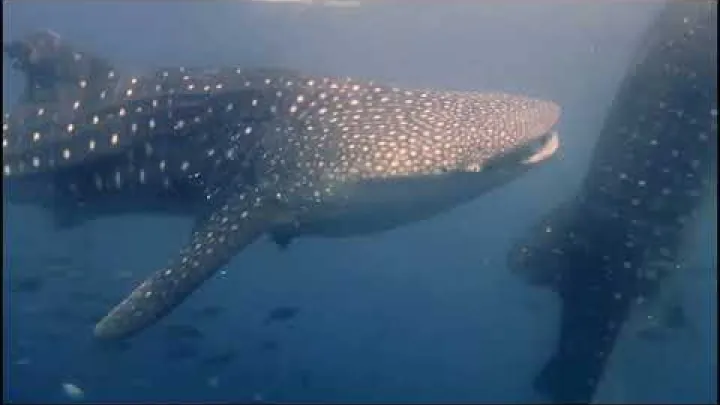
Botubarani is the best-known area near Gorontalo City for whale shark encounters. For many travelers, this is one of the most distinctive experiences in the region. However, whale sharks are wild animals, and sightings should never be treated as guaranteed.
Some travel reports associate stronger sighting chances with the first half of the year, but conditions can change. Before booking, ask local operators about recent sightings, current rules, boat procedures, and conservation guidance. In the water, keep distance, do not touch the animals, do not chase them, and follow local instructions even if other visitors behave differently.
Getting to and Around Gorontalo
Transport is one of the most important parts of planning a Gorontalo trip. Flights, overland routes, city transfers, and boats can all affect how much you can realistically do. Short visitors should keep the itinerary simple, while longer travelers can combine city, coast, islands, and inland areas.
Flights to Djalaluddin Airport
Most international visitors reach Gorontalo by connecting through other Indonesian cities and flying into Djalaluddin Airport. Routes and frequencies can change, so check current airline schedules before building a tight Sulawesi itinerary. A general access overview by Kupi discusses flights, bus routes, and road travel as common ways to reach the area.
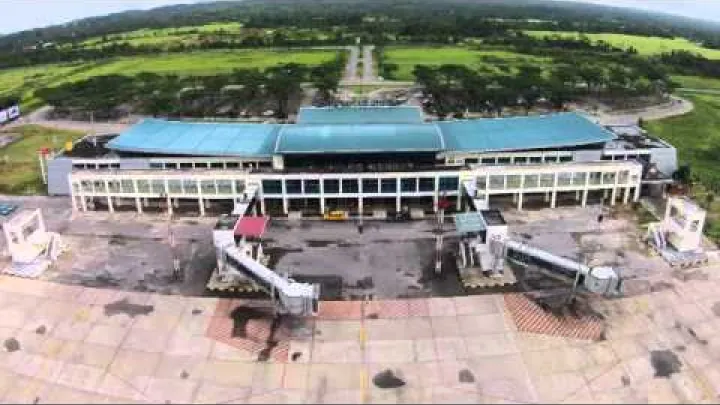
When arranging flights, leave enough time between arrival and any onward boat, dive, or island transfer. If you land late in the day, it is often safer and easier to sleep in Gorontalo City first, then continue the next morning. This is especially useful if you are carrying dive gear or need to buy cash, snacks, medicine, or supplies before leaving the city.
Overland Travel from Manado and Northern Sulawesi
Overland travel between Manado and Gorontalo is possible, but it should be treated as a major travel day or an overnight journey. Buses, shared vans, and private vehicles may be available at different times, but comfort, schedules, and reliability vary. This option suits budget travelers, overland travelers, and people building a wider northern Sulawesi route.
For a short holiday, flying is usually simpler if the schedule and budget work. If you choose overland travel, ask your accommodation or a local agent shortly before departure about current departure points, travel time, road conditions, and pickup arrangements. Avoid planning a same-day connection to a weather-dependent boat or dive trip after a long road journey.
City Transport and Private Drivers
Gorontalo City is easier with motorized transport than on foot. Heat, distances, traffic conditions, and uneven pedestrian infrastructure can make walking tiring outside compact areas. Depending on availability, travelers may use taxis, motorbike taxis, local minibuses, or hotel-arranged vehicles.
For day trips to Olele Beach, Botubarani, Otanaha Fortress, Lombongo Hot Spring, or rural areas, arranged transport is often the most practical choice. Agree on the price, waiting time, route, and return plan before leaving. Ask your hotel to write down the destination name, help with local language communication, and confirm pickup times by phone or message.
Boat Transfers and Local Verification
Boats are part of many Gorontalo experiences, including island visits, snorkeling sites, reef access, and some wildlife encounters. Transfers to places such as Saronde Island are often arranged by resorts, local operators, or boat owners rather than by a large public timetable that is easy to check online.
Before boarding, ask about life jackets, sea conditions, return time, fuel, maximum passenger numbers, and what happens if weather changes. Do not pressure a boat crew to go out in poor conditions. For remote island plans, confirm cancellation policies, meal arrangements, drinking water, and emergency contact options before you leave the mainland.
Where to Stay in Gorontalo
Where you stay will shape your trip more than in many larger destinations. Gorontalo City is convenient, while island and rural bases are more atmospheric but require more planning. The right base depends on whether you want easy logistics, marine activities, quiet beaches, diving, wildlife, or a road-trip style itinerary.
Gorontalo City for First-Time Visitors
Gorontalo City is the best default base for first-time visitors. It gives you the easiest access to hotels, restaurants, banking, shops, airport transfers, drivers, and day-trip planning. Accommodation listings on Booking.com show a mix of budget and mid-range options in and around Gorontalo rather than a large luxury resort scene.
Staying in the city is practical, but it is not the same as staying on a beach or island. Choose the city if you want to reduce transfer stress, keep restaurant choices open, and arrange several different day trips. It is especially useful for a two- or three-day visit.
North Gorontalo and Saronde Island for Marine Trips
North Gorontalo and Saronde Island are better suited to travelers who prioritize beaches, snorkeling, diving, island-hopping, and quiet coastal scenery. The experience can feel more removed from the city, with more dependence on boats, package-style arrangements, and local operators.
Before leaving Gorontalo City, prepare cash, medication, sun protection, insect repellent, dry bags, and any personal essentials. Do not assume that card payment, pharmacies, or last-minute supplies will be easy to find on an island. Ask your accommodation or tour provider what is included, what is not included, and whether weather could affect the return transfer.
Rural Bases for Nature and Wildlife
Travelers focused on hot springs, forest areas, birdwatching, or conservation-oriented trips may consider rural accommodation or guided arrangements. These stays can be rewarding, but they may be simpler, less visible on international booking platforms, and harder to arrange without local contacts.
For rural nature trips, arrange transport, meals, guiding, and pickup times in advance. Expect basic facilities in some places, possible limited connectivity, and early starts for wildlife. If your goal is birdwatching or a Maleo conservation visit, look for specialist local guidance and follow conservation rules carefully.
How to Choose the Right Base
Use your base as a planning tool, not just a hotel decision. A short trip is usually easier with one base in Gorontalo City. A longer trip may justify splitting time between the city and a marine or rural base, but only if transfers do not consume too much of your schedule.
| Base area | Best for | Strengths | Limitations | Ideal stay |
|---|---|---|---|---|
| Gorontalo City | First visits and day trips | Hotels, food, ATMs, drivers | Not a beach stay | 2 to 4 nights |
| North Gorontalo or Saronde | Islands and marine time | Beaches, boats, quiet scenery | Fewer services, weather dependence | 2 nights or more |
| Rural or inland areas | Nature and wildlife | Forest access, hot springs, local pace | Basic lodging, limited connectivity | 1 to 3 nights |
Best Things to Do in Gorontalo
The best things to do in Gorontalo are spread across coast, city, islands, and inland areas. Avoid trying to do everything in a short visit. Choose a few activities that match the season, your transport plan, and your tolerance for flexible logistics.
Snorkel or Dive at Olele Marine Park
Olele Beach and Olele Marine Park are among Gorontalo's key marine activity areas. The main appeal is underwater scenery rather than a conventional beach-lounging experience. Snorkelers may need boat access, local guidance, or gear rental, while divers need appropriate certification, equipment checks, and a reliable operator.

Before going, ask about current prices, entry or village arrangements, access points, sea conditions, and gear quality. Divers should carry proof of certification, check equipment carefully, and have travel insurance that covers diving. Snorkelers should also be realistic about currents, boat traffic, and their own swimming ability.
See Whale Sharks Responsibly at Botubarani
Botubarani is one of the most distinctive wildlife possibilities near Gorontalo City. The appeal is clear: seeing a whale shark in the water can be memorable. The responsible approach is also clear: treat it as a wildlife encounter, not a guaranteed attraction.
Ask about recent sightings before you go, because conditions can change. Follow the instructions of local guides, keep a respectful distance, avoid touching or blocking the animal, and do not use flash or intrusive behavior around wildlife. If the animals are not present, accept the result rather than pushing operators to extend or alter the encounter unsafely.
Visit Saronde, Bogisa, and Mohinggito Islands
Saronde Island, Bogisa Island, and Mohinggito Island are often mentioned together in island-hopping routes from the Gorontalo area. They appeal to travelers looking for beaches, snorkeling, coastal scenery, and a quieter island atmosphere. An activity listing on Expedia describes routes that include these islands, but travelers should still check current departure points, transfer times, and operator status.
If transfers are long or weather-dependent, consider staying overnight rather than squeezing the islands into a rushed day trip. Ask what food, drinking water, snorkeling gear, towels, and return transport are included. Conditions on small islands can change, so avoid assuming resort standards or guaranteed reef conditions without recent local confirmation.
Explore Otanaha Fortress and Lake Limboto Views
Otanaha Fortress is a useful cultural and scenic stop near Gorontalo City. Its hilltop setting and views toward Lake Limboto are the main reasons many travelers visit. A short overview of Otanaha Fortress identifies it as a tourism site in Gorontalo Province, but historical details are best treated cautiously unless you are using a specialist heritage guide.
Go early or late in the day because the climb and exposed areas can be hot. Wear shoes with grip, bring water, and pace yourself on the stairs. This stop works well with a city-based itinerary because it can be combined with Lake Limboto views, local food, or another nearby attraction.
Nature, Culture, and Food Beyond the Coast
Gorontalo is often promoted through marine activities, but the wider destination has more to offer. Inland excursions, religious architecture, markets, local food, and village landscapes can make the trip feel more balanced. These experiences also help travelers understand Gorontalo as a living region, not only as a place for beaches and boats.
Visit Lombongo Hot Spring and Forest Areas
Lombongo Hot Spring is an inland excursion from Gorontalo City that can add variety to a marine-focused trip. It is a good option when you want a change from boats, reefs, and coastal heat. The wider area may appeal to travelers who enjoy simple nature stops rather than highly developed attractions.
Before going, check current access, road conditions, facilities, and whether a driver should wait for you. Bring modest swimwear or clothing suitable for local expectations, a towel, water, and small cash. Avoid assuming that opening hours, pool conditions, or services are the same as older travel reports.
Consider Birdwatching and Maleo Conservation Trips
Gorontalo's inland areas may interest birdwatchers and travelers who want a more conservation-oriented trip. The Maleo, a distinctive Sulawesi bird, is sometimes associated with conservation travel in the wider region, but specific visits should be arranged carefully with knowledgeable local guidance.
Wildlife trips usually require early starts, quiet behavior, patience, and respect for ranger or guide instructions. Do not enter protected or sensitive areas without permission. Keep distance from nests and animals, avoid loud behavior, and prioritize conservation rules over photography.
Experience Mosques, Markets, and Local Culture
Gorontalo has a visible Islamic cultural identity that shapes architecture, daily rhythms, clothing norms, and visitor etiquette. Mosques, markets, and public spaces are part of everyday life, not only sightseeing stops. The provincial tourism site, Pariwisata Gorontalo Province, highlights cultural tourism potential and mentions landmarks such as the Golden Walima Mosque.
Dress modestly around religious sites and ask before photographing people. Be mindful of prayer times, avoid loud or intrusive behavior inside mosque areas, and be especially considerate during Ramadan. Markets are good places to observe daily life, but they are also working spaces, so move slowly, ask before taking close photos, and support vendors if you sample food or drinks.
Try Gorontalo Food and Seafood
Food is an important part of a Gorontalo trip. Expect local meals to include seafood, spice, rice, soups, grilled items, and simple warung cooking, though menus vary by neighborhood and season. Instead of relying only on online lists, ask hotel staff, drivers, or local hosts where they would eat that day.
Choose places with good turnover, clean preparation areas, and food served hot. Carry hand sanitizer, be cautious with ice if you are sensitive, and drink sealed, filtered, or properly treated water. Local dining is one of the easiest ways to enjoy Gorontalo, but basic food-safety habits are still useful.
Costs, Safety, and Practical Travel Tips
Gorontalo can be affordable, especially for city stays and simple local food, but costs rise quickly when you add diving, private drivers, boats, and island accommodation. Safety planning is mostly practical: protect yourself from heat, water issues, transport disruption, weather changes, and poor information. The more remote your itinerary, the more preparation you need.
Typical Costs and Cash Planning
Indonesia-wide cost guides can help set expectations, but Gorontalo-specific costs depend on your style of travel. Budget travelers may keep expenses low with simple hotels, local meals, and limited tours. Mid-range travelers usually spend more on private drivers, better hotels, and arranged activities. Activity-heavy travelers should budget carefully for diving, boat transfers, island stays, and specialist guiding.
A broad Indonesia budget context from Neverending Footsteps shows how food and daily spending can vary widely by travel style, and Gorontalo should be approached with the same flexibility. Carry enough cash before leaving the city for rural, forest, or island areas because ATMs and card acceptance may be limited.
| Travel style | Likely spending pattern | Main cost drivers | Cash advice |
|---|---|---|---|
| Budget | Simple city stay and local food | Accommodation and basic transport | Carry small notes for meals and rides |
| Mid-range | Comfortable hotel and day trips | Drivers, guided outings, better rooms | Withdraw before excursions |
| Activity-heavy | Diving, islands, wildlife, private transport | Boats, gear, guides, packages | Confirm inclusions and bring backup cash |
Health, Water, and Tropical Packing
Drink sealed, filtered, or properly treated water rather than untreated tap water. Heat, humidity, rain, sun exposure, insect bites, and food hygiene are the everyday issues most travelers should prepare for. If you have medical concerns, check current health and vaccination advice before traveling.
Useful items include light clothing, a rain layer, sun protection, insect repellent, basic medicine, personal prescriptions, a small first-aid kit, and travel insurance. For marine trips, consider reef-safe sun protection where appropriate, a rash guard, dry bag, and water shoes. For remote travel, pack extra medication and do not assume replacements will be easy to find.
Safety, Etiquette, and Natural Hazard Awareness
Check current government travel advisories and local news before visiting any part of Indonesia, including Gorontalo. Conditions can change because of weather, transport disruption, health issues, or natural hazards. Indonesia is a country where travelers should have general awareness of earthquakes, tsunamis, heavy rain, and sea conditions without becoming alarmist.
Practical safety habits matter most: use reputable transport, avoid unsafe boats, wear seatbelts where available, keep valuables secure, and do not swim or snorkel beyond your ability. Respect local etiquette by dressing modestly in towns and religious areas, behaving calmly in public, and asking before photographing people. A little courtesy makes travel smoother in a destination where tourism is more personal and less standardized.
Connectivity, Bookings, and Flexible Logistics
Mobile data and Wi-Fi are likely to be easier in Gorontalo City than on islands, boats, or forest trips. Download offline maps, save hotel and operator contacts, take screenshots of booking details, and share your plan with someone if heading to a remote area. Bring a power bank if you rely on your phone for maps, translation, or payments.
Book ahead for diving, island stays, private drivers, and specialist wildlife trips. Then confirm again close to the date. Flexibility is not a sign that something is wrong; it is a normal part of visiting a less-developed tourism destination where weather, boats, guides, and road conditions can affect the plan.
Suggested Gorontalo Itineraries and Final Planning Advice
The best Gorontalo itinerary depends on how much uncertainty you can accept. A short trip should stay close to Gorontalo City and avoid distant transfers. A longer trip can include island time, marine activities, inland nature, and a slower rhythm.
Two to Three Days for a Short First Visit
For two to three days, base yourself in Gorontalo City. Spend one day on a marine-focused outing such as Olele or Botubarani, depending on weather, sea conditions, and current operator advice. Use another half day for Otanaha Fortress and Lake Limboto views, then leave time for local food and city orientation.
Keep the plan flexible. If the sea is not suitable or wildlife sightings are unlikely, switch to a cultural, scenic, or food-focused day instead. Do not overload a short trip with Saronde Island, inland nature, and multiple marine activities unless your transport is already well arranged.
Five to Seven Days with Islands and Nature
With five to seven days, combine Gorontalo City with a marine base or island stay if transfers and budget allow. A practical structure is to start in the city, take nearby day trips, move to a coastal or island base for snorkeling and beaches, then return to the city before your flight or overland departure.
Group activities by geography to reduce backtracking. For example, keep Otanaha Fortress, Botubarani, and city food together, then plan Olele or island trips separately. Add one inland excursion such as Lombongo Hot Spring if road conditions and timing work. Build in buffer time for weather-dependent marine travel.
Wider Sulawesi Routes and Final Checklist
Gorontalo can fit into a wider Sulawesi route with Manado, Makassar, or other stops, but do not underestimate distances. Decide early whether you want to fly or travel overland based on your time, comfort, and budget. If your trip is short, avoid planning too many connections around boats or remote transfers.
Before you go, check your flights to Djalaluddin Airport, accommodation, airport transfer, drivers, boat conditions, weather forecast, activity operators, cash access, travel insurance, and current travel advisories. Confirm whether your plans require advance booking for diving, island stays, whale shark encounters, or wildlife guiding. Gorontalo rewards travelers who value marine nature, local culture, and slower travel, especially when they plan carefully and leave room for the destination's natural rhythm.
Select area
Create a post
Posting is free and no registration is required.