Gorontalo Best Time to Visit: Weather, Seasons, and Trip Planning
The Gorontalo best time to visit is usually July to September, when conditions are generally drier and more reliable for beaches, snorkeling, diving, island trips, and inland excursions. Gorontalo is close to the equator, so it stays hot and humid throughout the year, and rain can happen in any month. This guide explains the rainy and relative dry periods, the month-by-month travel feel, and how to choose your timing for places such as Gorontalo city, the Gulf of Tomini, Olele Beach, Saronde Island, Botubarani Beach, and Bogani Nani Wartabone National Park.
Quick Answer: The Best Months to Visit Gorontalo
If you want the simplest answer, plan for July, August, or early September. These months offer the best balance of lower rainfall, brighter days, and easier logistics for outdoor travel. They are not rain-free months, but they are usually the safest choice for first-time visitors who want to reduce weather disruption.
Best Overall Window: July to September
July to September is the strongest overall window for most Gorontalo trips. Climate summaries for Gorontalo describe the area as hot, humid, and rainy all year, but with rain generally less frequent from July to September. August is often the standout month for weather reliability, especially if your plans depend on beaches, boats, snorkeling, or hiking.
This is still a relative dry season, not a guaranteed dry season. Tropical showers can occur even during the better months, and sea conditions can change quickly. The practical advantage is that you usually have a better chance of usable outdoor days and more flexibility to arrange activities around short showers.
Good Shoulder Months: March to May and September to November
Shoulder months can work well if you prefer a quieter trip, greener scenery, and possible savings. March to May can be wetter, but it may still suit travelers who are flexible and interested in marine life, local food, city stays, or nature rather than only beach weather. May needs particular caution because it can still be rainy in Gorontalo even though many Indonesia-wide guides describe the national dry season as starting around this time.
September is not all the same. Early September can feel close to the best-weather period, while late October and November usually need more flexibility as rainfall tends to increase. If value matters, compare live flight and accommodation prices instead of assuming fixed low-season rates.
Periods to Treat as Weather-Riskier
December to February is generally a wetter and more changeable period for travel planning in Gorontalo. January is commonly treated as one of the wetter months, and May can also be rainy in available climate summaries. These months are not impossible for travel, but they reward flexible schedules.
The main risks are practical rather than dramatic: lower underwater visibility after heavy rain, slippery trails, muddy access roads, and boat plans that may change because of wind, rain, or local sea state. If you travel during these months, avoid building your whole trip around one weather-sensitive day.
How Gorontalo Weather Works
Gorontalo weather is shaped more by rainfall, cloud cover, humidity, and sea conditions than by big changes in temperature. The city and coast are warm all year, while inland and forested areas can feel more physically demanding after rain.
Hot and Humid All Year
Gorontalo is close to the equator, so there is no cold season in the usual sense. Days are generally hot, nights remain warm, and humidity is a constant part of the travel experience. According to climate summaries from Climates to Travel, Gorontalo has an equatorial climate with heat, humidity, and rainfall throughout the year.
For travelers, this means you should plan for light clothing, sun protection, regular hydration, and a slower pace. Midday can feel tiring, especially when walking around Gorontalo city or waiting near exposed coastal areas. Morning and late afternoon are usually more comfortable for outdoor sightseeing.
Rainy Season and Relative Dry Season
Gorontalo does not have a completely dry season. Rain falls in every month, and tropical showers may arrive as short, intense storms rather than long continuous rain. Mausam describes Gorontalo as having no real dry season, with rain in every month and showers often taking the form of intense thunderstorms.
For planning, it is useful to think in two broad periods: December to March is generally wetter, while July to September is generally drier. These are long-term climate tendencies, not same-day forecasts. Before boat trips, dives, snorkeling excursions, or hikes, check the current forecast and ask local operators about conditions.
Coast, Gulf, Islands, and Inland Differences
Most visitors experience Gorontalo through a mix of Gorontalo city, the Gulf of Tomini coast, nearby beaches, island trips, and inland nature areas. Weather affects each part of the trip differently. Heavy rain can send runoff into nearshore water and reduce visibility for snorkeling or diving. Wind, rain, and local sea state can affect small boats to island areas such as Saronde Island. Wet ground can make forest trails and waterfall routes more slippery.
For places such as Olele Beach, Botubarani Beach, and Bogani Nani Wartabone National Park, local advice is especially important. A month may be generally favorable, but the best site on a specific day depends on recent rain, wind, visibility, access, and operator judgment.
Month-by-Month Climate Feel in Gorontalo
The table below gives a simple travel-planning view. It summarizes the general feel only; it should not replace a current weather forecast.
| Period | General feel | Best planning approach |
|---|---|---|
| January to March | Wet, humid, green, changeable | Keep plans flexible and allow buffers |
| April to June | Transitional, still rainy at times | Use June for better odds of outdoor days |
| July to September | Most reliable relative dry period | Best overall choice for first-time visitors |
| October to December | Wetter transition, holiday logistics | Add backup plans and book key items early |
January to March: Wet, Green, and Flexible
January to March is warm, humid, and generally wetter. Showers or thunderstorms are possible, but this does not mean it rains all day every day. The landscape can feel lush, and the slower travel rhythm may suit visitors who are not trying to maximize beach time.
Plan important outdoor activities early in the day when possible, and keep afternoons flexible for rain. After heavy rain, sea conditions and underwater visibility may vary, especially nearshore. If you have a boat trip or dive planned, confirm conditions close to departure time.
April to June: Transitional and Increasingly Useful
April and May can still be rainy and humid, while June often begins to feel more useful for outdoor travel. This period can work for flexible travelers who want greenery, local experiences, and fewer visitors than the most weather-reliable months.
May deserves careful planning because it can be wetter in Gorontalo than a general Indonesia dry-season calendar might suggest. A rainy month is not the same as an unusable month, but it does mean you should avoid tight schedules for boats, hikes, and long day trips.
July to September: The Most Reliable Travel Weather
July to September is the best time to visit Gorontalo for most first-time travelers. Lower rainfall and more sunshine improve your chances for beaches, snorkeling, scuba diving, island-hopping, and easier inland travel. August is usually the strongest single month for weather reliability, while early September can offer a good balance of conditions and flexibility.
Because this period overlaps with Indonesia’s broader dry-season travel expectations, some routes and accommodations may see more demand than in wetter months. Gorontalo is still less crowded than major Indonesian destinations such as Bali, but it is wise to book important flights, hotels, and tours ahead if your dates are fixed. For broader context, see this Indonesia city guide.
October to December: Wetter Transition and Holiday Considerations
October can still have good travel windows, especially early in the month, but rainfall usually increases toward November and December. Late-year travel is not poor value by default; it simply requires more flexible expectations.
Build in backup options for wet afternoons, such as food-focused city time, short rides around Gorontalo city, or a visit to the Gorontalo Museum if opening hours fit your schedule. December holiday periods may also affect flight and accommodation availability, so book earlier if you are traveling around major public holidays.
Best Time to Visit Gorontalo by Activity
The best month depends on what you most want to do. A beach-focused traveler and a city-focused traveler may choose different timing, especially because wildlife, rain, visibility, and value do not always align.
Beaches, Snorkeling, and Scuba Diving
For beaches, snorkeling, and scuba diving, July to September is the best general choice, with August especially useful if you want the strongest weather odds. This period gives you a better chance of sun, clearer nearshore water, and smoother logistics for places associated with marine activities, such as Olele Beach and Saronde Island. Travel activity summaries from Pack Lightly highlight Gorontalo options including snorkeling at Olele Beach, diving around Saronde Island, Gorontalo Museum, and inland nature trips.
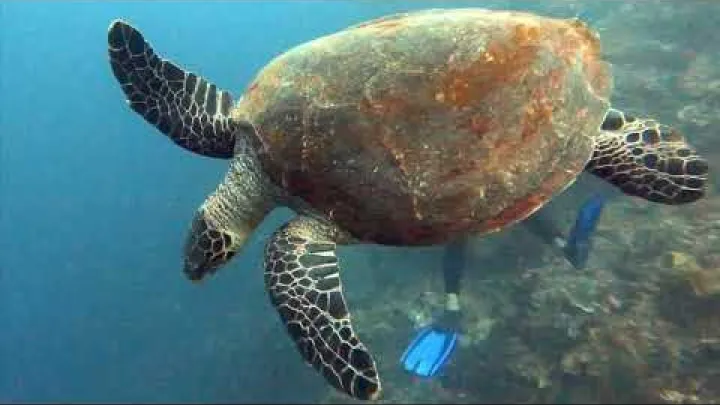
Visibility is never guaranteed. Recent heavy rain, currents, wind, and site choice all matter. If snorkeling or diving is a priority, contact local operators shortly before you go and ask which sites are best for the current conditions.
Whale Shark Encounters
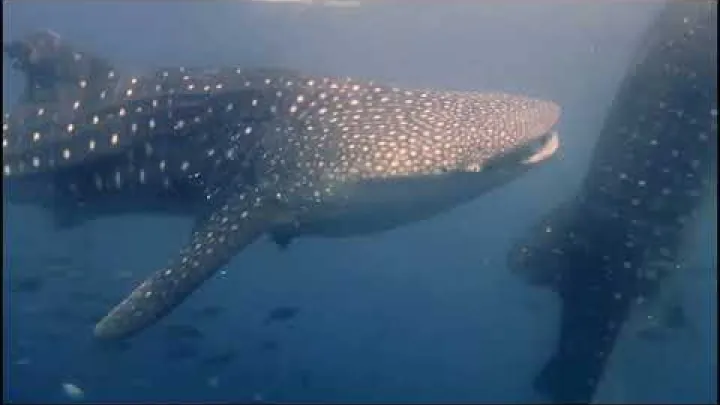
Whale shark encounters near Botubarani Beach can be a highlight of a Gorontalo trip, but they should be treated as a possible experience rather than a guaranteed activity. Available travel reports often discuss early-year to around May as relevant, but sightings vary, and reliable wildlife calendars can change.
The best whale shark timing may not match the driest travel window. If this experience is important to you, check with local operators close to your travel date, leave room in your schedule, and choose operators that follow responsible wildlife practices. Avoid any provider that encourages touching, chasing, or crowding animals.
Island-Hopping and Boat Trips
For island-hopping and boat trips, June to September is the most practical planning window. Temperature is not the main issue; rain, wind, waves, and local sea state are more important. Even in better months, small-boat plans can shift if conditions are not suitable.
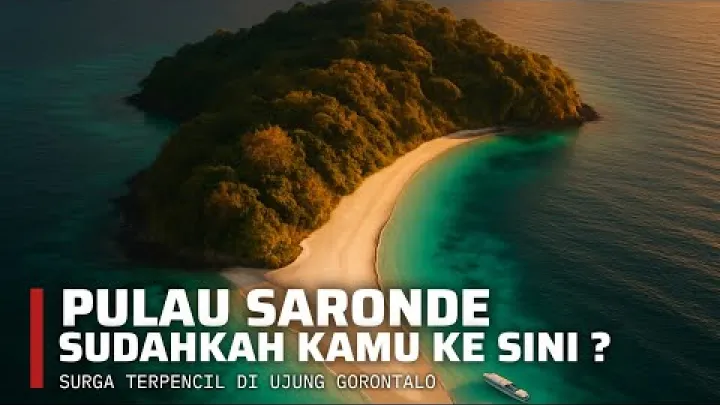
If an island trip is central to your itinerary, schedule it early rather than on your final day. This gives you a buffer if the boat needs to move to another day. Ask local operators for same-day advice instead of relying only on monthly averages.
Hiking, Waterfalls, and Inland Nature
For hiking, waterfalls, and inland nature, June to September is generally easier because trails are less likely to be muddy and slippery. Bogani Nani Wartabone National Park is an important inland nature anchor for the region, and drier conditions usually make access and walking more comfortable.

Wetter months can make forests and waterfalls look lush, but they also bring more practical challenges. Trails may be slippery, river flows may be stronger, and insect exposure can feel higher in humid areas. Wear secure footwear, carry insect protection, start early, and verify current access before committing to long inland trips.
City Stay, Culture, and Food
Gorontalo city can be visited year-round because food, markets, short urban visits, and indoor stops are less dependent on perfect weather. Heat and humidity are consistent, so plan outdoor walks for morning or late afternoon. Keep midday flexible for meals, rest, or air-conditioned breaks.
On wet afternoons, the Gorontalo Museum can be a useful city-based option if it fits your interests and current opening hours. A compact umbrella, light rain layer, and willingness to take short taxi or ride-hailing trips can make city days comfortable even during wetter months.
Crowds, Prices, and Trip Value
Gorontalo does not usually have the same crowd pattern as Indonesia’s most famous resort destinations, but weather, national holidays, school breaks, and flight availability can still affect trip value. The best-value month is not always the cheapest month; it is the month that gives you acceptable weather for the price and effort.
How Indonesia's Dry Season Affects Gorontalo
Indonesia is often described as having a drier travel period from about May to September, and this broader pattern shapes many travelers’ expectations. General Indonesia travel-season guidance from Travel Talk Tours also frames May to September as a typically drier period for the country overall.
Gorontalo is more nuanced. Its equatorial pattern means rain is possible all year, and May can still be wet locally. Do not apply Bali-style season assumptions too rigidly. For Gorontalo, July to September is the more useful local weather window, while May and June should be treated as transitional months.
Best Value Timing
For possible value, look at shoulder periods such as March to May and September to November, but accept the weather trade-off. Early September may offer the strongest balance because it is close to the best-weather period while sometimes avoiding the tightest demand of peak dry-season travel.
Prices are not fixed by climate alone. Local events, school holidays, public holidays, flight schedules, and accommodation availability can all change costs. Check live prices, compare flexible dates, and consider cancellable accommodation if you are traveling during wetter months.
What to Pack and How to Plan Around Rain
Packing for Gorontalo is mainly about heat, humidity, sun, and sudden showers. You do not need cold-weather clothing, but you do need items that dry quickly and keep you comfortable when plans change.
Clothing for Heat, Humidity, and Showers
Choose breathable, lightweight clothing for hot and humid tropical weather. Quick-dry shirts, light trousers or shorts, swimwear for beach days, and a compact rain layer or umbrella are practical in every month. Sun protection is important, including a hat, sunglasses, and sunscreen suitable for outdoor activity.
Bring sandals for casual coastal time and secure footwear for wet ground, trails, or uneven paths. For city visits and local cultural settings, modest and comfortable clothing is a sensible default. The aim is to stay cool while being respectful and practical.
Forecast Checks, Marine Conditions, and Flexible Scheduling
Long-term averages help you choose the month, but live forecasts and local advice should decide same-day plans. This is especially important for boat trips, diving, snorkeling, hikes, and waterfall visits. Localized heavy rain can happen even in July, August, or September.
Place weather-sensitive activities near the start of your trip so you can reschedule if needed. Keep one or two flexible half-days for changes. If you have limited time, prioritize the activity that matters most and confirm conditions the day before and again on the morning of departure.
Final Recommendation for Planning Your Gorontalo Trip
For most travelers, the best time to visit Gorontalo is July to September, with August as the strongest month for overall weather reliability. Choose early September if you want a good balance of conditions and flexibility, and consider June if you can accept some transition-season uncertainty.
Travel from December to March, and sometimes May, is better for flexible travelers who can work around showers, changing sea conditions, and muddy inland routes. Whatever month you choose, treat Gorontalo as a hot, humid, equatorial destination: plan early starts, carry rain protection, check live forecasts, and ask local operators about same-day sea and trail conditions.
Select area
Create a post
Posting is free and no registration is required.