Tarakan Best Time to Visit: Weather by Month

The Tarakan best time to visit is usually from late May to September, when weather is often more favorable for outdoor plans than during the wetter end of the year. Tarakan is a warm, humid coastal island city in North Kalimantan, so the main travel question is not cold versus hot weather, but how much rain, cloud, and storm disruption you may face. This guide explains Tarakan weather by month, the rainy season pattern, and the best timing for beaches, mangroves, city sightseeing, and onward travel. Because tropical weather can change quickly, use this as a planning guide and still check live forecasts close to your trip.
Best Time to Visit Tarakan at a Glance
Tarakan does not have a sharp cool season or a perfectly dry season. It is better to think in terms of less rainy and wetter periods, with rain possible in every month.
The Short Answer: Late May to September Is Usually the Easiest Window
For most visitors, late May to September is the easiest window for a Tarakan trip. This period usually offers a better balance for Amal Beach, city walks, mangrove visits, and boat-dependent plans than the wetter months around the end of the year.
This does not mean every day will be dry. Tarakan remains warm and humid year-round, and tropical showers can still arrive suddenly. The advantage of the mid-year period is that rain is often less disruptive for travelers who want to spend time outdoors.
| Travel goal | Best timing | What to expect |
|---|---|---|
| Best overall | Late May to September | Better odds for outdoor plans, but still humid and showery |
| Beaches and Amal Beach | June to September | Warm sea, fewer rain interruptions than wetter months |
| Mangroves and nature walks | June to September | More comfortable boardwalk conditions, especially early or late in the day |
| Budget and flexibility | Late April to June or late September to October | Reasonable compromise between weather and demand |
| Most rain-sensitive plans | Use caution in November to January | Higher chance of heavy rain disrupting beaches, walks, and connections |
When to Be Flexible or Avoid Weather-Dependent Plans
November to January is the period to treat with the most caution if your trip depends on beaches, clear skies, long walks, or boat travel. Travel is still possible, especially if you are staying mainly in the city, but you should build flexibility into your itinerary.

Heavy rain can make boardwalks slippery, reduce visibility, and turn a beach afternoon into an indoor break. If you are connecting from Tarakan to wider North Kalimantan nature trips, leave spare time around flights, ferries, and local transfers during wetter periods. Avoid planning every important outdoor activity on a single day.
Tarakan Climate in Simple Terms
Tarakan sits in a coastal and island setting off northeastern Borneo. Its climate is shaped by warm seas, humidity, frequent cloud, and tropical rain rather than strong seasonal temperature changes.
Warm, Humid, and Equatorial All Year
Tarakan is warm to hot throughout the year. Daytime conditions commonly feel hot, while nights remain warm rather than cool. There is no true cool travel season, so comfort depends more on humidity, shade, rainfall, and daily timing than on the calendar month alone.
Humidity can make the air feel heavier than the thermometer suggests. Plan outdoor activity for the morning or late afternoon when possible, and use midday for meals, rest, museums, cafes, shopping, or transport between stops. Even fit travelers may find that short city walks feel tiring in the middle of the day.
Rainy Season Versus Less Rainy Season
Tarakan and North Kalimantan do not always follow the simple dry-season and rainy-season pattern that many travelers associate with other parts of Indonesia. Local government weather commentary describes North Kalimantan as an area with a non-seasonal rainfall character, meaning rain can remain important throughout the year; this context is noted by the Tarakan City Government.
For travel planning, it is safer to call late May through September a less rainy period, not a guaranteed dry season. November through January is generally the wetter period to treat with more caution. Pack for rain in every month, even if you choose the best season to visit Tarakan.
Storms, Lightning, and Sea Conditions
Heavy tropical showers and thunderstorms can affect plans at any time of year. A morning may start bright and become wet by afternoon, or a downpour may pass quickly and leave usable time later in the day.
Tarakan is near the equator, so direct tropical cyclone risk is generally lower than in more cyclone-prone regions. However, regional weather systems can still influence rainfall, wind, sea conditions, and visibility. For Amal Beach, boat trips, or exposed outdoor activities, pay attention to thunderstorm risk and local advice, not only monthly averages.
Month-by-Month Guide to Tarakan Weather
Monthly climate averages can help you choose a travel window, but they cannot predict the exact weather during your stay. Travel-oriented climate summaries such as Holiday Weather indicate warm conditions year-round and point to November as a notably wet month, which fits the practical advice to be more flexible late in the year.
| Month | Simple feel | Planning note |
|---|---|---|
| January | Wet, warm, cloudy | Keep plans flexible and city-focused |
| February | Wet, warm, humid | Expect showers and indoor backup plans |
| March | Transition, still rainy | Outdoor time is possible, but rain remains common |
| April | Transition | Conditions may improve, but do not expect fully dry days |
| May | Improving, humid | Late May becomes more practical for outdoor plans |
| June | Less rainy | Good balance for city, coast, and mangroves |
| July | Less rainy | One of the strongest months for outdoor travel |
| August | Less rainy | Good for beaches and nature walks, with rain still possible |
| September | Less rainy to transition | Often a good late-season compromise |
| October | Transition wetter | Build in backup plans and monitor forecasts |
| November | Wetter | Less ideal for rain-sensitive itineraries |
| December | Wetter | Allow extra time for outdoor and onward plans |
January to March: Wet, Cloudy, and Warm
January and February are warm and humid, with a higher chance of cloudy skies and rain interruptions. These months can still work for a city stay, food stops, short walks, and flexible sightseeing, but they are less ideal if your main goal is beach time or nature walks.
March can feel like a transition month, although rain remains common. If you visit during this period, check the forecast before each outdoor plan and avoid scheduling boat-dependent or beach-focused activities too tightly.
April to June: Transition Into Better Outdoor Conditions
April is a transition month, with warm humid weather and continued rain risk. Conditions may begin to improve, but it is still wise to carry rain gear and keep a backup plan for heavy showers.
May and June become more practical for visiting the Mangrove and Proboscis Monkey Conservation Area, walking around the city, and spending time near the coast. Sea temperatures are generally warm in this region, so comfort at the beach depends more on rain, wind, runoff after heavy rain, and local water conditions than on whether the water is warm enough.
July to September: Best Balance for Many Visitors
July to September is the strongest overall period for many travelers. These months often give better odds for Amal Beach, city exploration, mangrove boardwalks, and onward nature travel in North Kalimantan.
Do not plan as if every day will be sunny. Keep some flexibility in your schedule, and consider late June or late September if you want a compromise between better weather and potentially lighter regional travel demand. Booking ahead is sensible if your dates overlap with Indonesian public holidays or school-holiday periods.
October to December: Rain Builds Toward the Wettest Period
October is a transition month when rainfall can become more disruptive after the more favorable mid-year period. It can still be a reasonable time for travelers who accept flexible planning.
November and December are less ideal for rain-sensitive trips. City stays remain possible with a compact umbrella, quick-dry clothing, and indoor breaks, but beaches, boat plans, and inland nature travel need more caution. Leave contingency time if you have important onward connections.
Best Time to Visit Tarakan by Travel Purpose
The best month for Tarakan depends on what you want to do. A visitor focused on food and city stops can travel in more months than someone planning beaches, mangroves, and wider nature travel.
Beaches, Swimming, and Amal Beach
For Amal Beach and other coastal stops, late May to September gives the best chance of usable beach time. The sea is generally warm year-round, so the main timing issues are rain, cloud cover, wind, runoff after heavy rain, and local swimming conditions.

Check conditions before swimming, especially after storms or heavy downpours. Avoid exposed beach areas during lightning, and use sun protection even when the sky is cloudy. Tropical cloud can reduce glare without removing UV exposure.
Mangroves, Proboscis Monkeys, and Nature Walks
The Mangrove and Proboscis Monkey Conservation Area is one of Tarakan’s key nature anchors. The less rainy months from June to September are usually more comfortable for boardwalks, short trails, and wildlife-focused visits.
Go early in the morning or late in the afternoon for better comfort. Wear light long sleeves, use insect protection, and choose footwear with grip because wet surfaces can be slippery. Wildlife sightings are never guaranteed, so treat the visit as a nature experience rather than a fixed checklist.
City Sightseeing, Food, and History
City-based sightseeing is possible throughout the year because rain is easier to work around in town. Tarakan City Park, local food stops, markets, and historical points can be visited in shorter blocks rather than full-day outdoor schedules.
A practical city day starts with an outdoor stop in the morning, moves indoors or into shaded places around midday, and then returns outside in the late afternoon. Carry a small umbrella or lightweight rain jacket even if the morning looks dry. During rain, shoes with grip are more useful than dress footwear.
Budget Travel and Fewer Crowds
Detailed Tarakan-specific price seasonality is limited, so it is best to avoid assuming that a wet month will always be cheaper. Hotel and travel platforms such as Expedia can help compare availability for your exact dates, but current prices can change quickly.
For a balanced budget approach, consider late April to June or late September to October. These shoulder periods may offer a reasonable compromise between weather and demand. Major Indonesian holidays can affect transport and accommodation availability regardless of the month, so book ahead when your trip overlaps with public holidays or school breaks.
Regional Travel Context Around North Kalimantan
Tarakan is often part of a wider North Kalimantan journey. Weather planning becomes more important if you are using the city as a gateway rather than only staying in town.
Coastal Tarakan Versus Inland Kalimantan Conditions
Tarakan is a coastal island city, so the main weather impacts for visitors are heat, humidity, short downpours, slippery surfaces, and occasional street-level disruption. These can be inconvenient, but they are often easier to manage than weather impacts in remote inland areas.
Inland forest or river trips can be more affected by muddy tracks, river levels, access conditions, and visibility after heavy rain. If you want to combine Tarakan with wider North Kalimantan nature travel, the mid-year less rainy period is usually the more practical choice. For any route outside the city, confirm current access with local operators close to departure.
Using Tarakan as a Gateway for River, Forest, or Boat Trips
Some visitors use Tarakan as a base or transit point for river, forest, island, or boat-related plans. These activities are more weather-sensitive than simple city sightseeing.
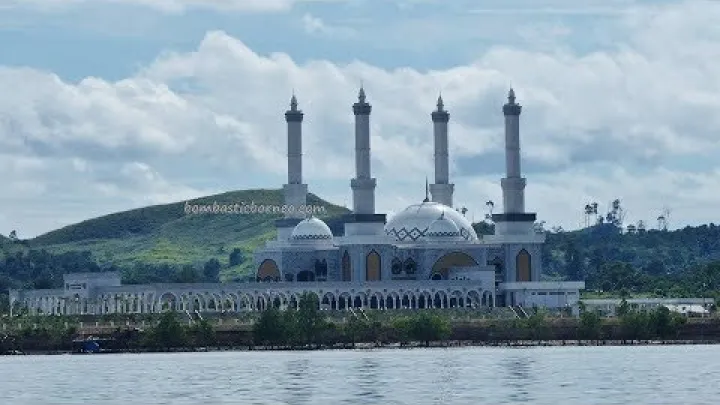
During wetter months, add spare time before important onward connections. Do not schedule a tight boat transfer, remote excursion, and flight connection with no buffer. Check live weather, operator guidance, and transport schedules close to travel day, especially when thunderstorms or heavy rain are forecast.
What to Pack and How to Plan Around the Weather
Packing for Tarakan is mostly about managing constant humidity, quick rain changes, and slippery ground. You do not need cold-weather clothing, but you do need practical tropical gear.
Clothing, Rain Gear, and Heat Management
Bring light, breathable clothing that dries quickly. Cotton can feel comfortable at first, but it may stay damp in humid weather, so quick-dry fabrics are useful for repeated outdoor days.
A compact umbrella or lightweight rain jacket is useful in every month. Add sandals or walking shoes with grip, waterproof protection for your phone and documents, and sun protection such as a hat, sunglasses, and sunscreen. Laundry may take longer to dry in humid air, so pack enough light clothing to rotate between wet and dry items.
Hydration matters. Carry water, take rest breaks, and avoid pushing long walks during the hottest part of the day. Humidity can make moderate temperatures feel more tiring than expected.
Daily Timing and Forecast Checks
Use climate averages to choose your month, then use live forecasts to plan each day. Current weather services such as the Finnish Meteorological Institute provide forecast details such as temperature, wind, and rain outlook that are more useful for daily decisions than monthly averages alone.
A simple Tarakan day plan is: outdoor visit in the morning, indoor meal or rest during midday heat, then a late-afternoon walk, beach stop, or city outing. Before beach or boat plans, check thunderstorm risk, wind, and sea conditions. If the forecast shows heavy rain, move flexible activities earlier or later rather than forcing the original schedule.
Final Recommendation: The Best Months for Your Trip
The best time to visit Tarakan is late May to September, with June to September the strongest overall window for beaches, mangroves, city walks, and wider North Kalimantan travel. Choose late June or late September if you want a practical balance between favorable weather and potentially lower pressure around popular travel periods.
If you are visiting mainly for food, short city sightseeing, or business, Tarakan can be visited year-round with rain gear and flexible daily planning. If your trip depends on Amal Beach, boat travel, nature walks, or inland connections, be more cautious from November to January. In every season, pack for humidity and showers, check live forecasts, and leave room in your itinerary for tropical weather to change your plans.
Select area
Create a post
Posting is free and no registration is required.